📍 Location
Location Map Coordinates 36.042164, 14.247181
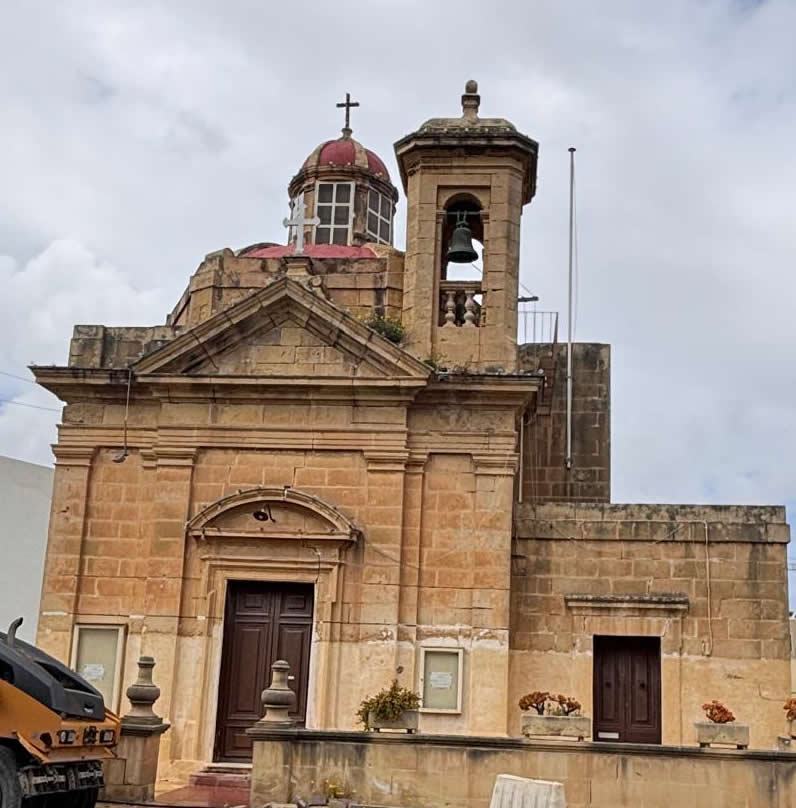
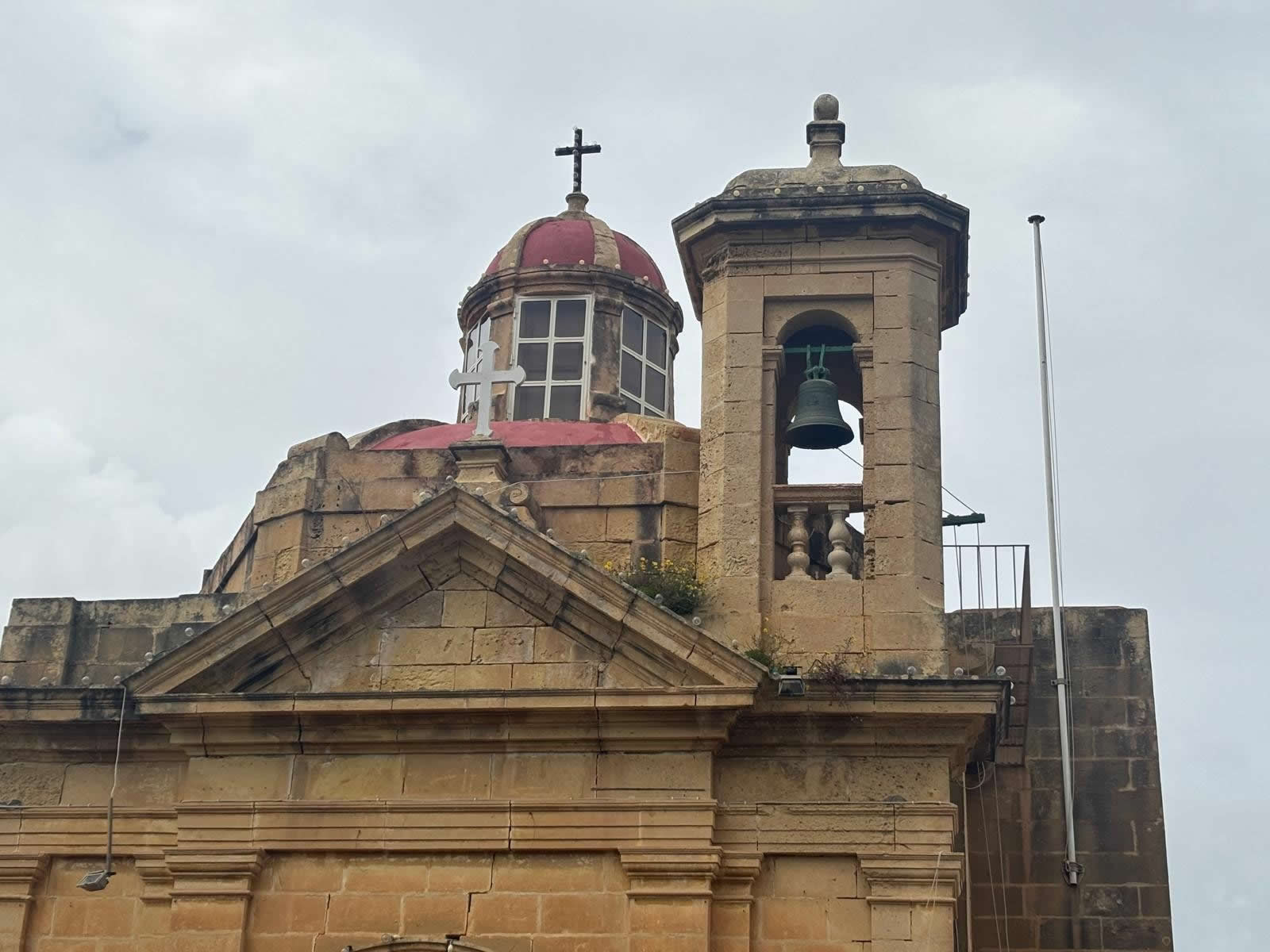
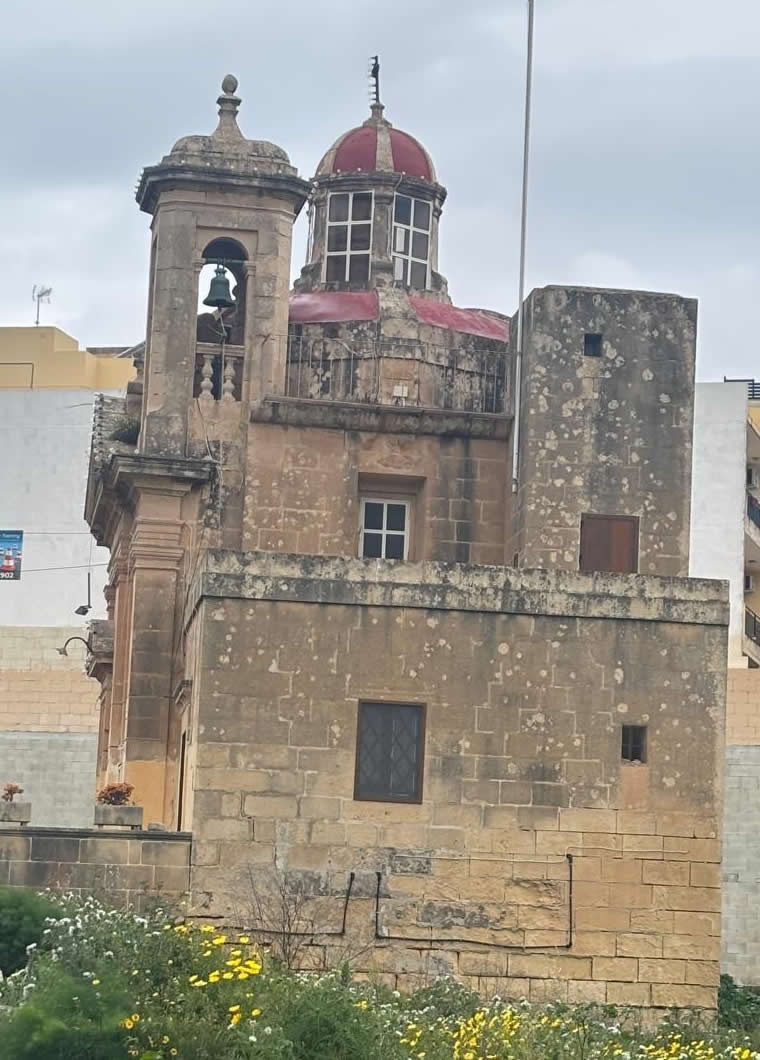
The Santa Marta Chapel in Victoria, Gozo, is one of the lesser-known yet historically evocative religious sites on the island. Located at coordinates 36.042164, 14.247181, this chapel forms part of the rich network of small devotional buildings that have shaped Gozo’s religious landscape for centuries. Though modest in scale, chapels such as Santa Marta provide important insights into local spirituality, rural devotion, and the development of ecclesiastical architecture in Malta.
Location and Setting
Situated in Victoria (historically known as Rabat), the capital of Gozo, the Santa Marta Chapel lies within an area that has been continuously inhabited for centuries. Victoria developed around the fortified Cittadella, which served as the island’s administrative and defensive centre during the medieval and early modern periods.
The chapel’s coordinates place it within the broader historic zone of Victoria, an area characterised by winding streets, traditional limestone buildings, and a concentration of churches and chapels. This environment reflects the deep-rooted Catholic identity of Gozo, where religious structures are often integrated into both urban and rural landscapes.
Historical Background of Chapels in Gozo
Although direct documentary references to Santa Marta Chapel are limited, its existence must be understood within the broader historical context of chapel construction in Gozo. By the late medieval period, numerous small chapels had already been established across the island, serving scattered communities and agricultural populations.
Historical records show that chapels in Gozo were already in existence by the 14th and 15th centuries, with some documented in notarial deeds and ecclesiastical visitations. For example, the nearby Chapel of the Annunciation in Victoria dates back to at least 1347, demonstrating the long tradition of religious buildings in the area.
These chapels fulfilled several functions:
- Providing accessible places of worship for local communities
- Serving as centres of rural devotion
- Marking important routes, boundaries, or agricultural zones
Santa Marta Chapel likely belongs to this broader tradition of small devotional structures that emerged to serve the spiritual needs of local residents.
Dedication to Saint Martha
The chapel is dedicated to Saint Martha, a biblical figure known from the Gospel accounts as the sister of Mary and Lazarus. Saint Martha is traditionally associated with hospitality, service, and domestic virtue.
In Maltese religious culture, dedications to saints often reflect local devotional practices and the specific needs or occupations of the community. A dedication to Saint Martha may indicate a connection to domestic life, caregiving, or agricultural households.
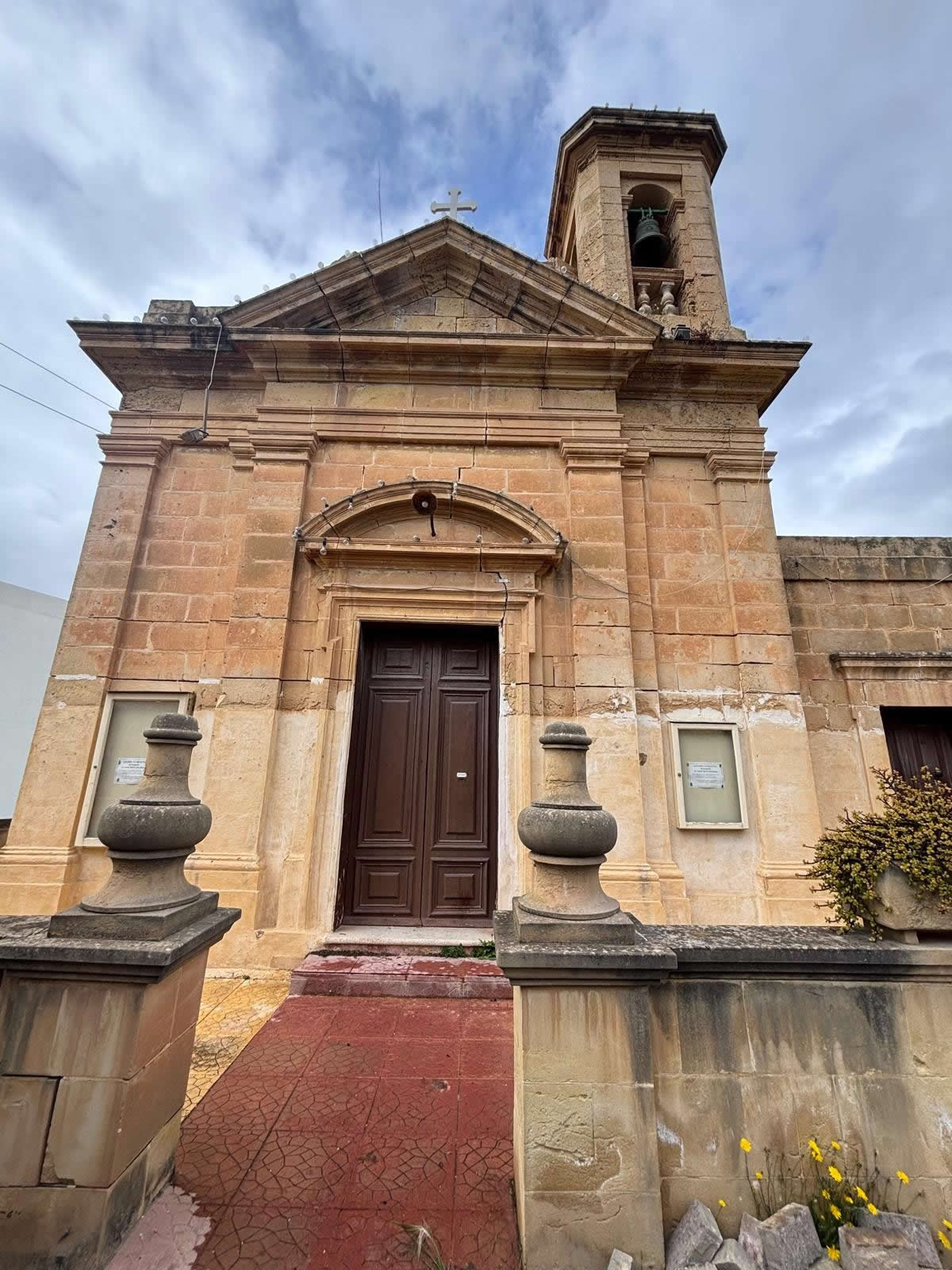
Architectural Characteristics
Although detailed architectural surveys of Santa Marta Chapel are scarce, its design can be understood through comparison with similar chapels across Gozo. Traditional Maltese chapels typically share several common features:
- Construction using local limestone
- A simple rectangular plan
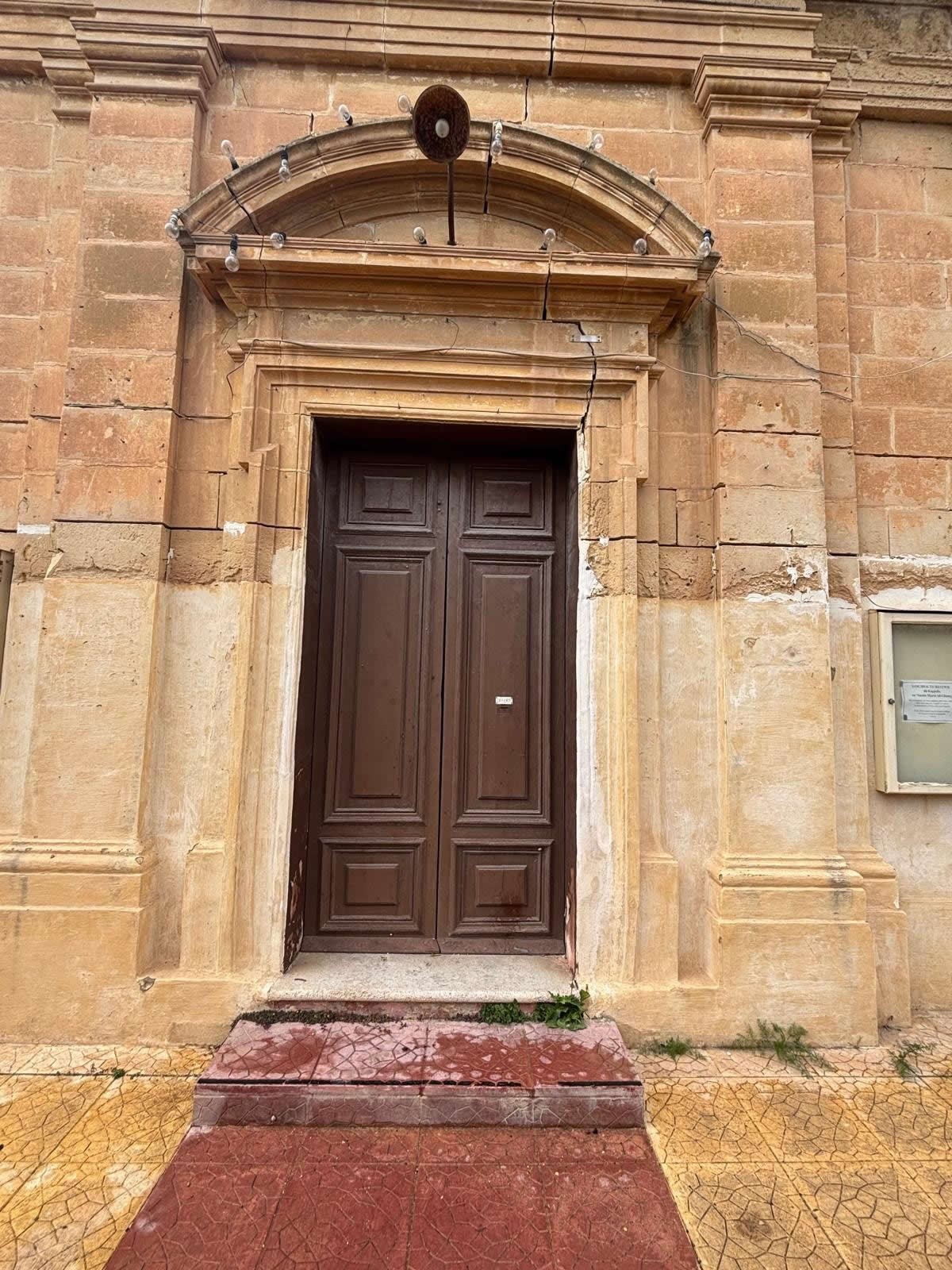
- A single entrance façade
- A modest altar within a small interior space
Many chapels also feature minimal external decoration, reflecting their rural origins and functional purpose. This simplicity is a defining characteristic of Maltese ecclesiastical vernacular architecture.
Examples such as Santa Cecilia Chapel in Gozo illustrate this style, with square plans, stone construction, and minimal openings providing light and ventilation.
Interior and Religious Features
Chapels like Santa Marta would traditionally contain a single altar dedicated to the titular saint. The altar may have included a painted or sculpted representation of Saint Martha, possibly depicting her with symbolic attributes such as a broom, keys, or a dragon.
Interior decoration in such chapels was often modest, consisting of:
- Simple altarpieces or paintings
- Stone or plaster finishes
- Occasional devotional objects donated by local families
Despite their simplicity, these interiors held deep spiritual significance for the communities that used them.
Role in Community Life
Santa Marta Chapel would have served as a focal point for local religious life, particularly for residents living outside the main parish centres. In a period when travel was more difficult, chapels provided essential access to prayer and worship.
They were often used for:
- Private prayer and devotion
- Small religious gatherings
- Feast day celebrations of the patron saint
The presence of numerous chapels across Gozo reflects the island’s strong tradition of community-based religious practice.
Ecclesiastical Context in Victoria
Victoria has long been the religious heart of Gozo, centred around the Cathedral of the Assumption within the Cittadella. Over time, additional churches and chapels developed in the surrounding areas to serve the growing population.
Historical records indicate that several parish churches in Gozo date back to before 1450, highlighting the long-standing importance of organised religious life on the island.
Within this context, smaller chapels such as Santa Marta complemented the larger parish structures, creating a dense network of sacred sites.
Construction and Possible Dating
While the exact construction date of Santa Marta Chapel is not definitively recorded, it is likely to have been built between the late medieval and early modern periods, when many such chapels were established across Malta and Gozo.
This period, spanning roughly the 14th to 17th centuries, saw the proliferation of small chapels that served both urban and rural communities.
Restoration and Preservation
Like many historic chapels in Malta, Santa Marta Chapel may have undergone periods of neglect followed by restoration. Over the centuries, chapels often required maintenance due to weathering, changing use, or structural deterioration.
In modern times, there has been increasing awareness of the importance of preserving Malta’s religious heritage. Restoration efforts across the islands have focused on safeguarding chapels as part of the national cultural patrimony.
Artistic and Cultural Significance
Although modest in scale, chapels like Santa Marta contribute significantly to Malta’s cultural landscape. They represent a form of vernacular architecture that reflects local materials, craftsmanship, and religious traditions.
These structures are not only places of worship but also historical markers that illustrate patterns of settlement, devotion, and community life.
Visiting Santa Marta Chapel
Visitors interested in exploring Gozo’s religious heritage can include Santa Marta Chapel as part of a broader itinerary through Victoria and its surroundings. The chapel’s location near the historic centre makes it accessible and relevant to those studying the island’s ecclesiastical history.
👉 Explore more: Oldest Chapels of Malta & Gozo
Conclusion
Santa Marta Chapel in Victoria, Gozo, stands as a testament to the enduring tradition of small chapels that define Malta’s religious and cultural identity. While it may not be as widely documented as larger churches, its presence reflects centuries of devotion, community life, and architectural heritage.
Together with other chapels across the island, it forms part of a unique historical landscape that continues to attract visitors and scholars alike.
Frequently Asked Questions
Where is Santa Marta Chapel located?
It is located in Victoria, Gozo, Malta at coordinates 36.042164, 14.247181.
Who is the chapel dedicated to?
The chapel is dedicated to Saint Martha, a biblical figure associated with hospitality and service.
When was the chapel built?
The exact date is unknown, but it likely dates to the late medieval or early modern period.
What type of architecture does it have?
It follows traditional Maltese chapel architecture, with simple limestone construction and a single interior space.
Can visitors access the chapel?
Access may vary, as many small chapels are not regularly open but can be viewed externally.