📍 Location
Location Map Coordinates 35.900265, 14.466476
Coordinates: 35.900265, 14.466476
A historic chapel dedicated to Saint Roch (Santu Rokku), reflecting Malta’s deep-rooted religious heritage and devotional traditions.
Introduction
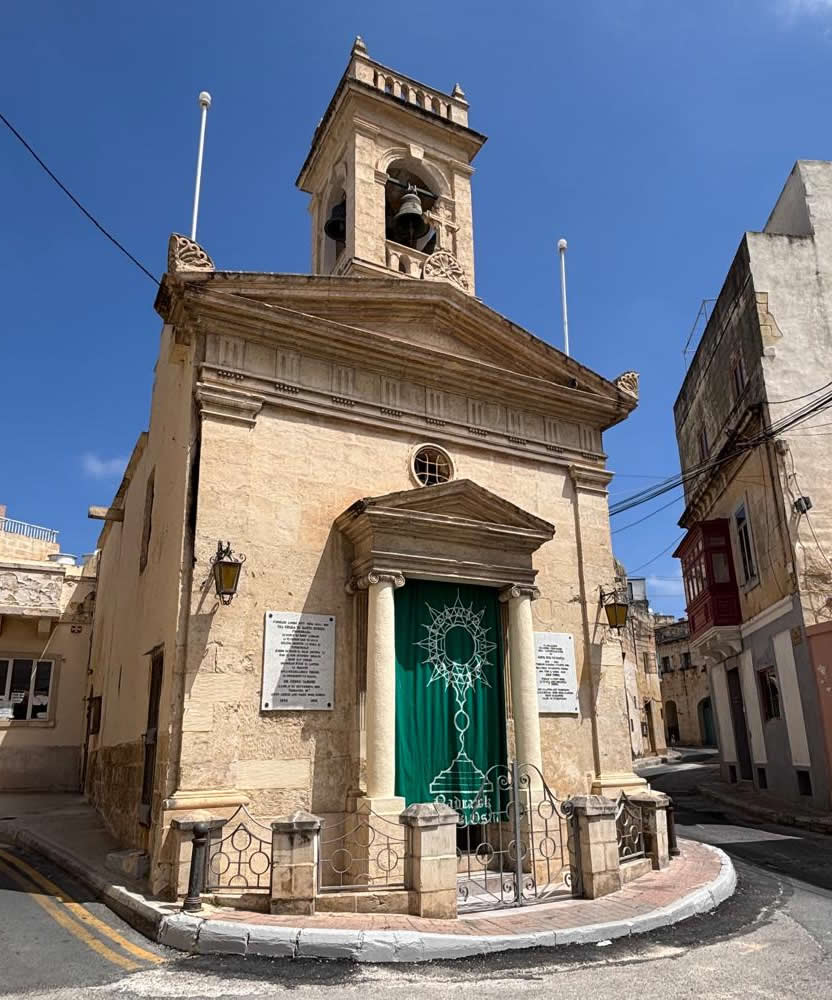
Santu Rokku Chapel, located in the historic town of Birkirkara, Malta, is one of the many small yet culturally significant chapels that contribute to the island’s rich ecclesiastical landscape. Birkirkara itself is one of Malta’s oldest and largest towns, containing numerous religious landmarks and historic structures of importance.
The chapel is dedicated to Saint Roch (San Rocco), a widely venerated saint associated with protection against plague and infectious diseases. Across Malta and Europe, devotion to Saint Roch intensified during periods of epidemic outbreaks, making chapels like this an essential part of communal spiritual life.
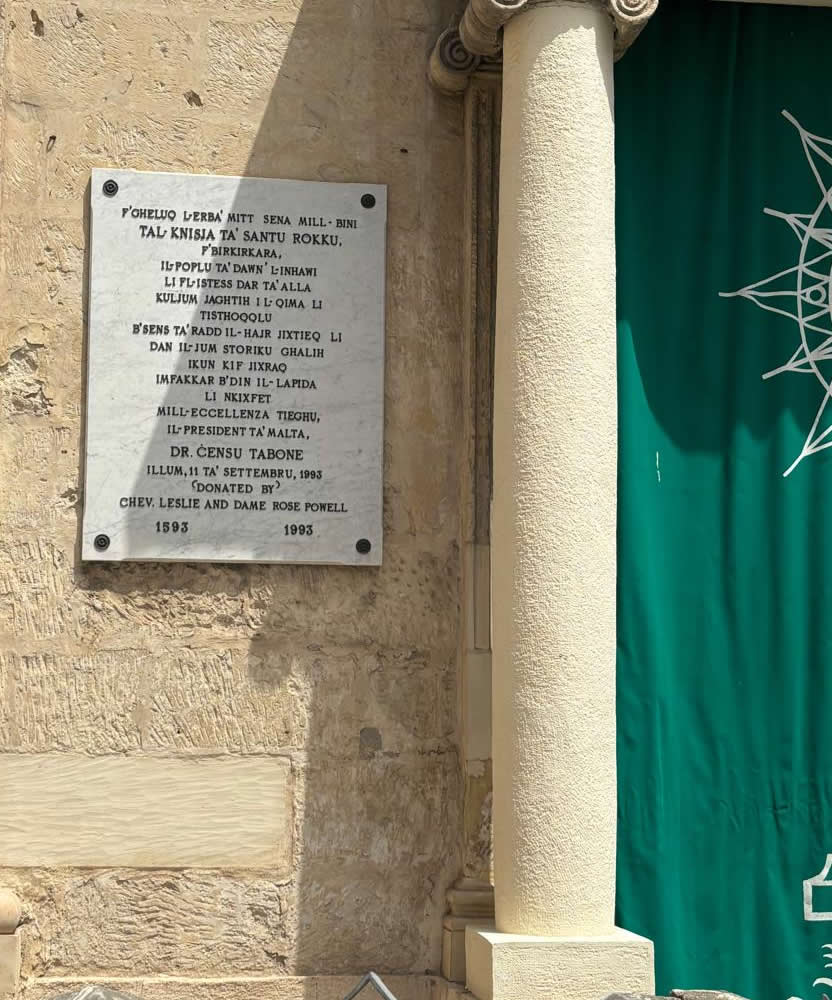
The construction of Santu Rokku Chapel dates back to 1593, as recorded on a commemorative plaque affixed to the building. This date reflects the chapel’s establishment during a period when devotion to Saint Roch was widespread in Malta, particularly in response to recurring outbreaks of plague. The year 1993 marks the 400th anniversary of the chapel, commemorated through restoration works and national recognition.
Historical Background
The origins of Santu Rokku Chapel in Birkirkara are closely tied to Malta’s religious and social history, particularly during the early modern period when outbreaks of disease were a recurring threat. Chapels dedicated to Saint Roch were often erected as acts of faith and supplication, appealing for divine protection.
Although the precise construction date of the chapel is not definitively recorded in widely accessible sources, archival studies and local publications confirm its longstanding presence and importance within the community. Scholarly works have examined elements such as its titular painting and devotional practices, indicating a well-established religious function by at least the early modern period.
Over time, the chapel became an integral part of Birkirkara’s spiritual identity, serving both local residents and travellers passing through the area.
Architectural Features
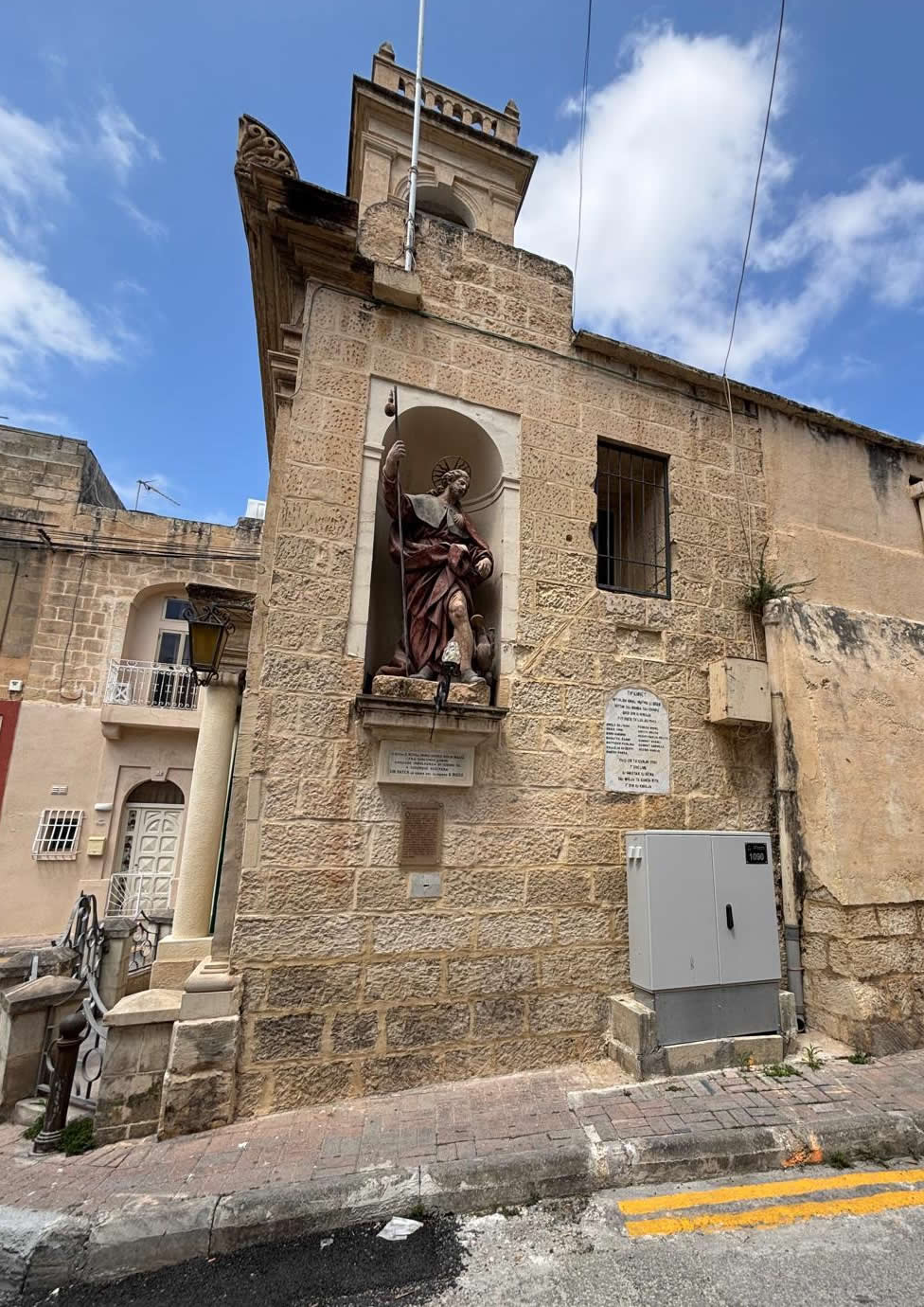
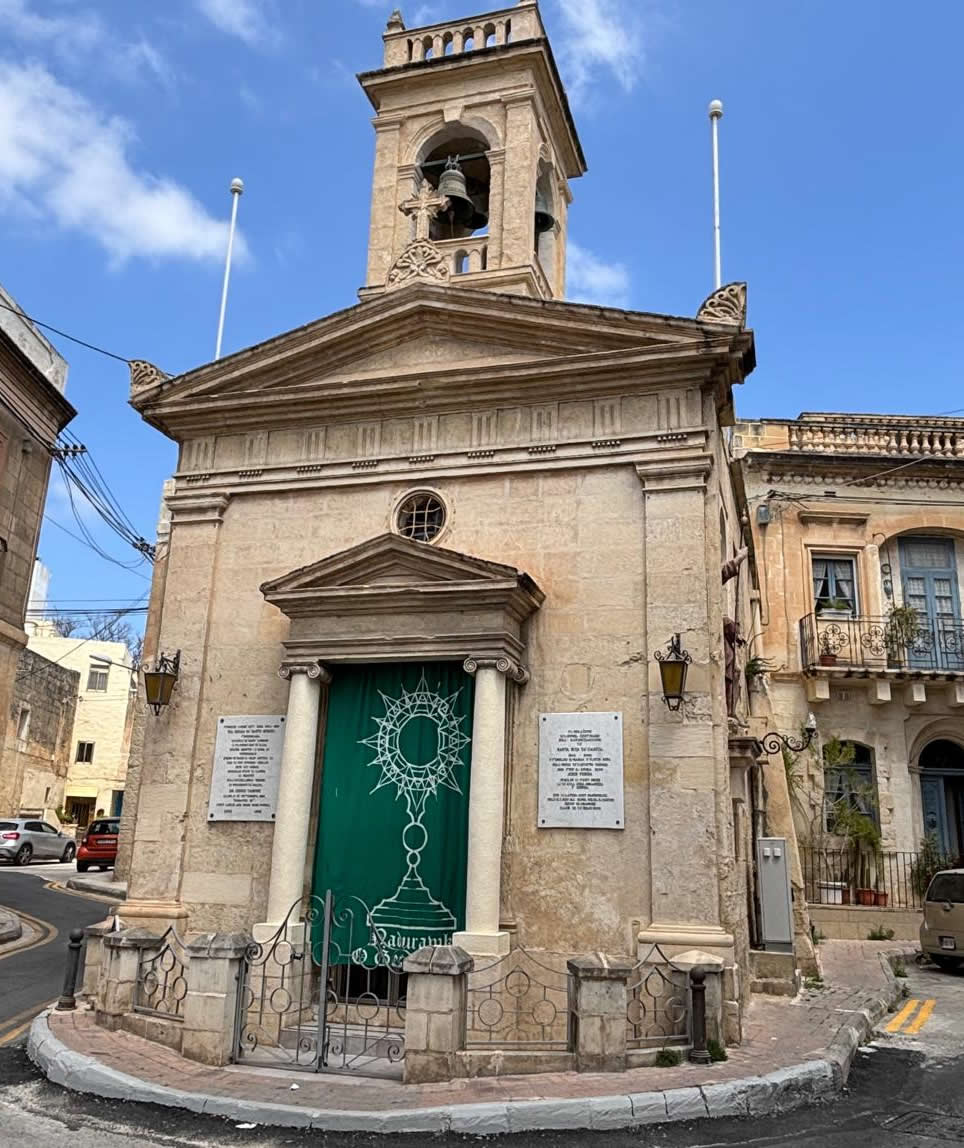
Like many Maltese rural and urban chapels, Santu Rokku Chapel exhibits traditional architectural characteristics typical of small ecclesiastical buildings on the island. Constructed primarily from local limestone, the structure reflects the durability and aesthetic qualities of Maltese stone craftsmanship.
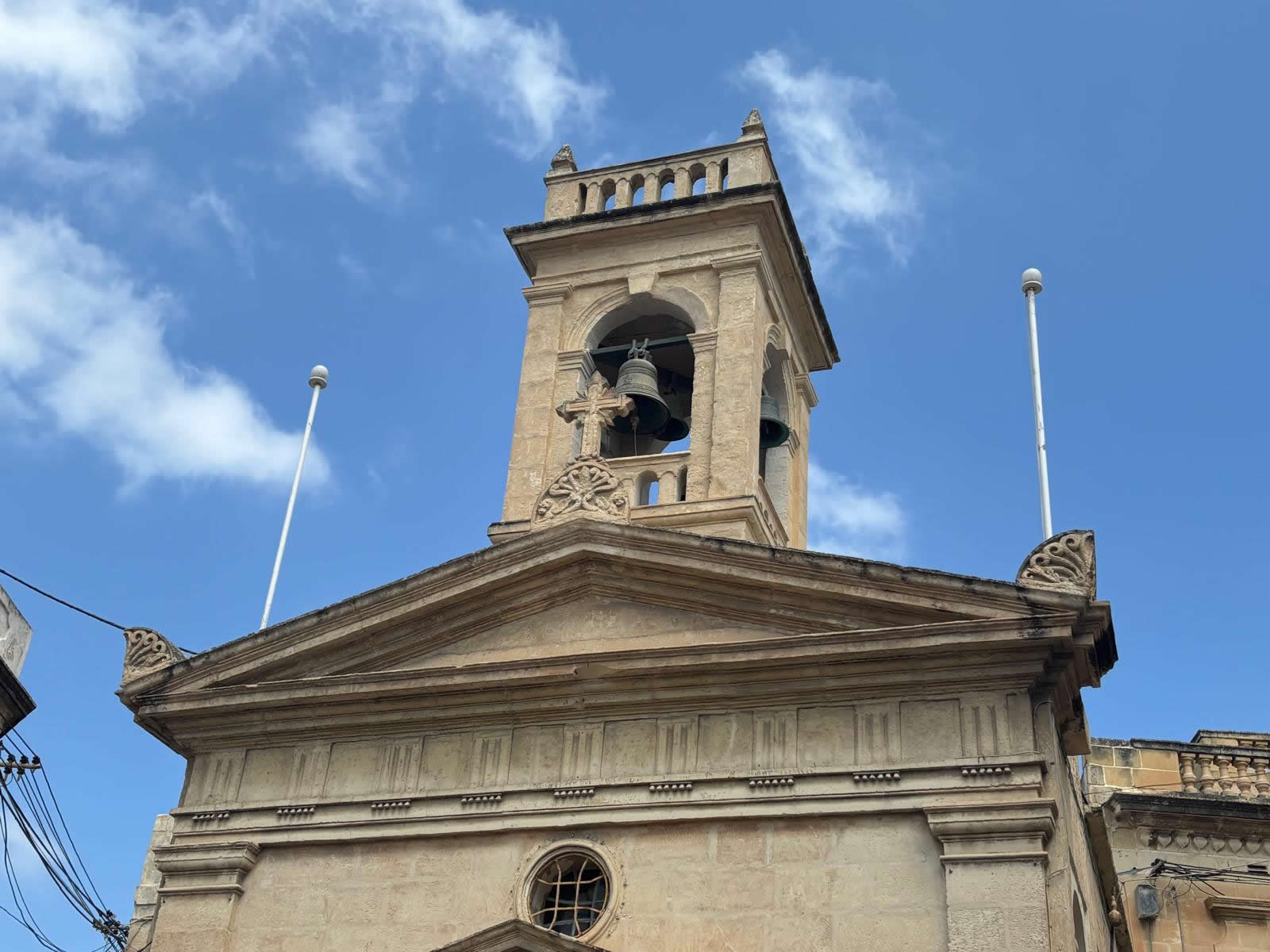
The façade is simple yet dignified, usually featuring a modest entrance, a small bell cote, and minimal ornamentation. This restrained design is consistent with chapels intended for intimate worship rather than grand liturgical ceremonies.
Internally, the chapel is centered around a single nave leading to the altar, where the titular painting of Saint Roch holds focal significance. The layout promotes quiet reflection and devotion.
Commemorative Plaque and Historical Dating
A commemorative marble plaque affixed to the exterior wall of Santu Rokku Chapel provides important insight into the chapel’s historical timeline and modern restoration. The inscription, written in Maltese, records both the original foundation period and a significant late 20th-century intervention.
The plaque clearly references the year 1593, which is understood to mark the early establishment or documented existence of the chapel. This date places the origins of Santu Rokku Chapel in the late 16th century, a period when devotion to Saint Roch was particularly strong across Malta due to recurring outbreaks of plague and disease. The dedication reflects the community’s appeal for protection and healing during uncertain times.
A second date, 11th September 1993, commemorates the formal restoration and preservation of the chapel. The inscription records that this intervention was inaugurated by the President of Malta at the time, Dr. Ċensu Tabone, highlighting the national importance attributed to safeguarding the structure. The restoration ensured that the chapel retained its historical and architectural integrity for future generations.
The plaque also acknowledges the contribution of benefactors, namely Chev. Leslie and Dame Rose Powell, whose support played a role in the conservation efforts. The dual dating of 1593–1993 symbolically represents four centuries of continuous cultural and religious significance, bridging the chapel’s early modern origins with its modern preservation.
Today, this inscription serves not only as a historical marker but also as a testament to the enduring value placed on Malta’s ecclesiastical heritage and the collective responsibility to maintain it.
Artworks and Interior
One of the most important artistic elements of the chapel is its titular painting, which has been the subject of academic study. This artwork typically depicts Saint Roch in his traditional iconography, often shown revealing a plague sore and accompanied by a dog, symbolising divine aid and healing.
Additional devotional items, including statues such as that of Saint Rita, have been introduced over time, reflecting evolving religious practices within the chapel.
These artworks not only enhance the spiritual atmosphere but also provide insight into Malta’s artistic and religious traditions.
Religious Role and Use
Santu Rokku Chapel continues to function as a place of worship, hosting regular Mass services and religious observances. Its role as a community chapel remains strong, serving residents of Birkirkara and surrounding areas.
Historically, chapels like this were vital during times of crisis, acting as focal points for prayer and communal gatherings. Today, they maintain their relevance by preserving traditions and offering spaces for spiritual reflection.
Restoration and Preservation
Like many historic structures in Malta, Santu Rokku Chapel has undergone maintenance and conservation efforts to ensure its preservation. Such interventions are crucial in protecting the building from environmental wear and urban pressures.
Restoration initiatives typically focus on structural stability, façade conservation, and the safeguarding of artworks. These efforts help maintain the chapel’s historical authenticity while ensuring continued use.
Cultural and Heritage Significance
Santu Rokku Chapel stands as a testament to Malta’s enduring religious devotion and community-based heritage. Small chapels like this are scattered across the islands, each contributing uniquely to the cultural landscape.
They reflect a time when faith played a central role in everyday life and when communities came together to build and maintain places of worship.
Conclusion
Santu Rokku Chapel in Birkirkara is more than just a religious building—it is a symbol of Malta’s historical resilience, artistic tradition, and communal identity. Its continued use and preservation ensure that it remains a living part of the island’s heritage.
Frequently Asked Questions
Where is Santu Rokku Chapel located?
It is located in Birkirkara, Malta, at coordinates 35.900265, 14.466476.
What is the chapel dedicated to?
The chapel is dedicated to Saint Roch, protector against plagues and diseases.
Is the chapel still in use today?
Yes, it continues to host Mass and religious activities.
What is its historical importance?
It represents Malta’s response to historical epidemics and the strong role of faith in local communities.