📍 Location
Location Map Coordinates 35.888816, 14.407391
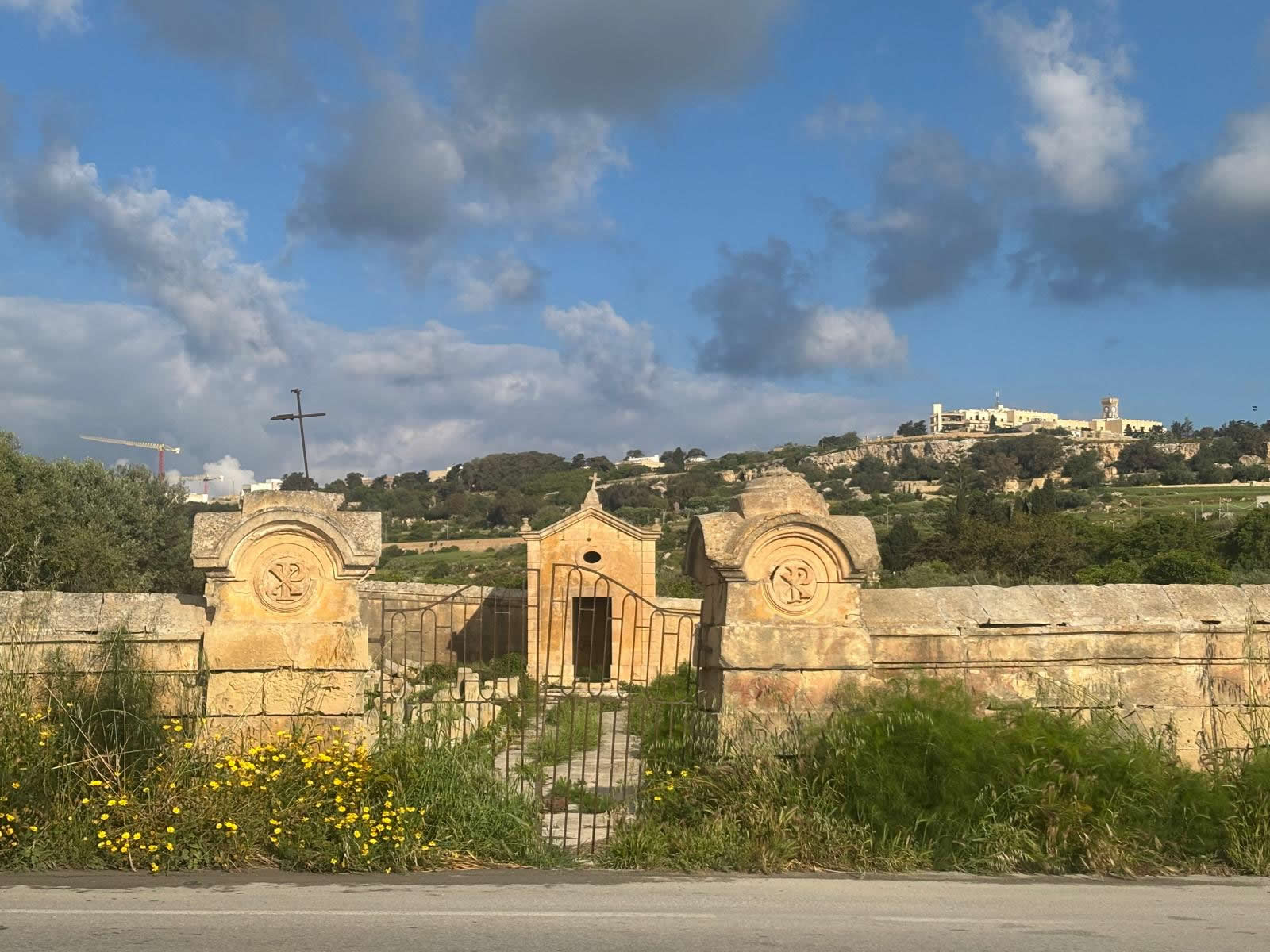
The St Anthony’s Cemetery and Chapel in Rabat, Malta, located at coordinates 35.888816, 14.407391, represents an important yet often overlooked part of Malta’s funerary and religious heritage. Situated just outside the historic core of Rabat, the site reflects long-standing traditions of burial, spirituality, and responses to disease and mortality on the island.
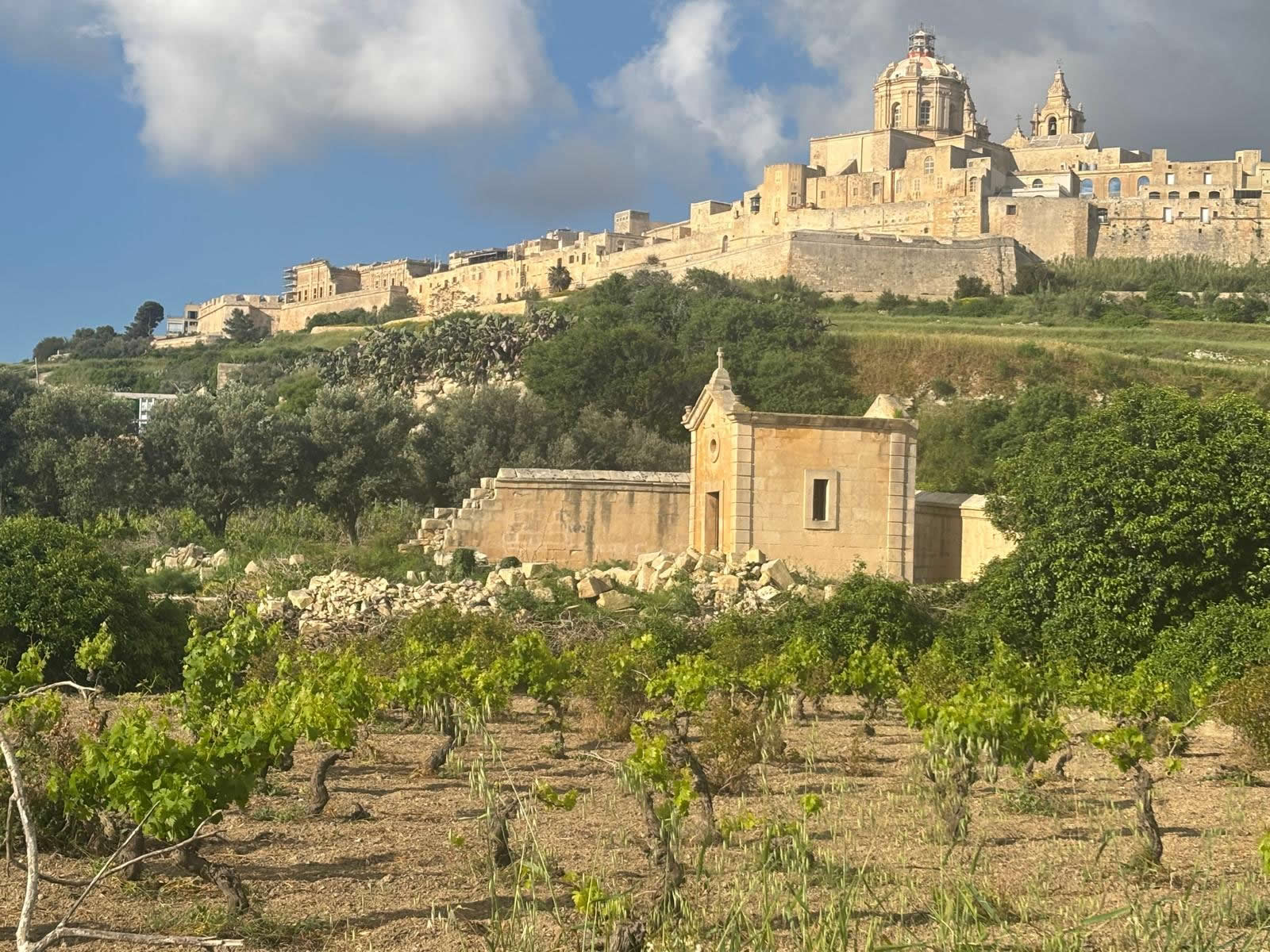
Historical Background of Burial in Rabat
Rabat has served as a centre of burial activity since antiquity. The area surrounding the ancient Roman city of Melite was used extensively for cemeteries, including catacombs and rock-cut tombs. Burial outside city walls was a long-established practice due to hygiene concerns, a tradition inherited from Roman customs.
This pattern continued into the medieval and early modern periods, with cemeteries and chapels established on the outskirts of settlements. St Anthony’s Cemetery fits within this broader historical landscape.
Development of St Anthony’s Cemetery
Although precise construction dates are not well documented, the cemetery likely developed during the early modern period when organised burial grounds became more structured. The inclusion of a chapel dedicated to St Anthony reflects the Catholic tradition of associating burial spaces with devotional structures.
Such chapels served multiple purposes, including:
- Funeral rites and commemorative masses
- Private prayer for the deceased
- Spiritual preparation before burial
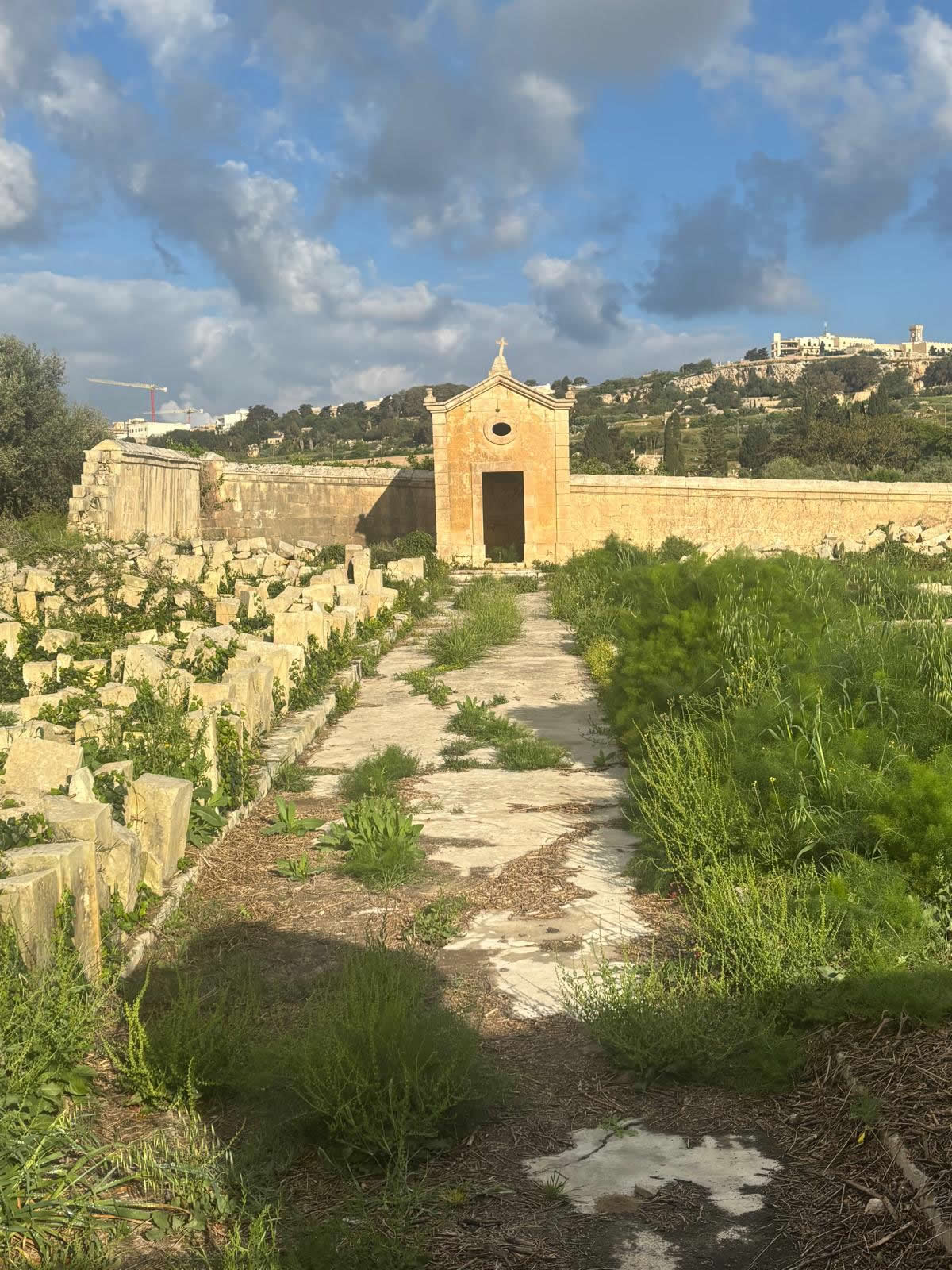
The Chapel of St Anthony
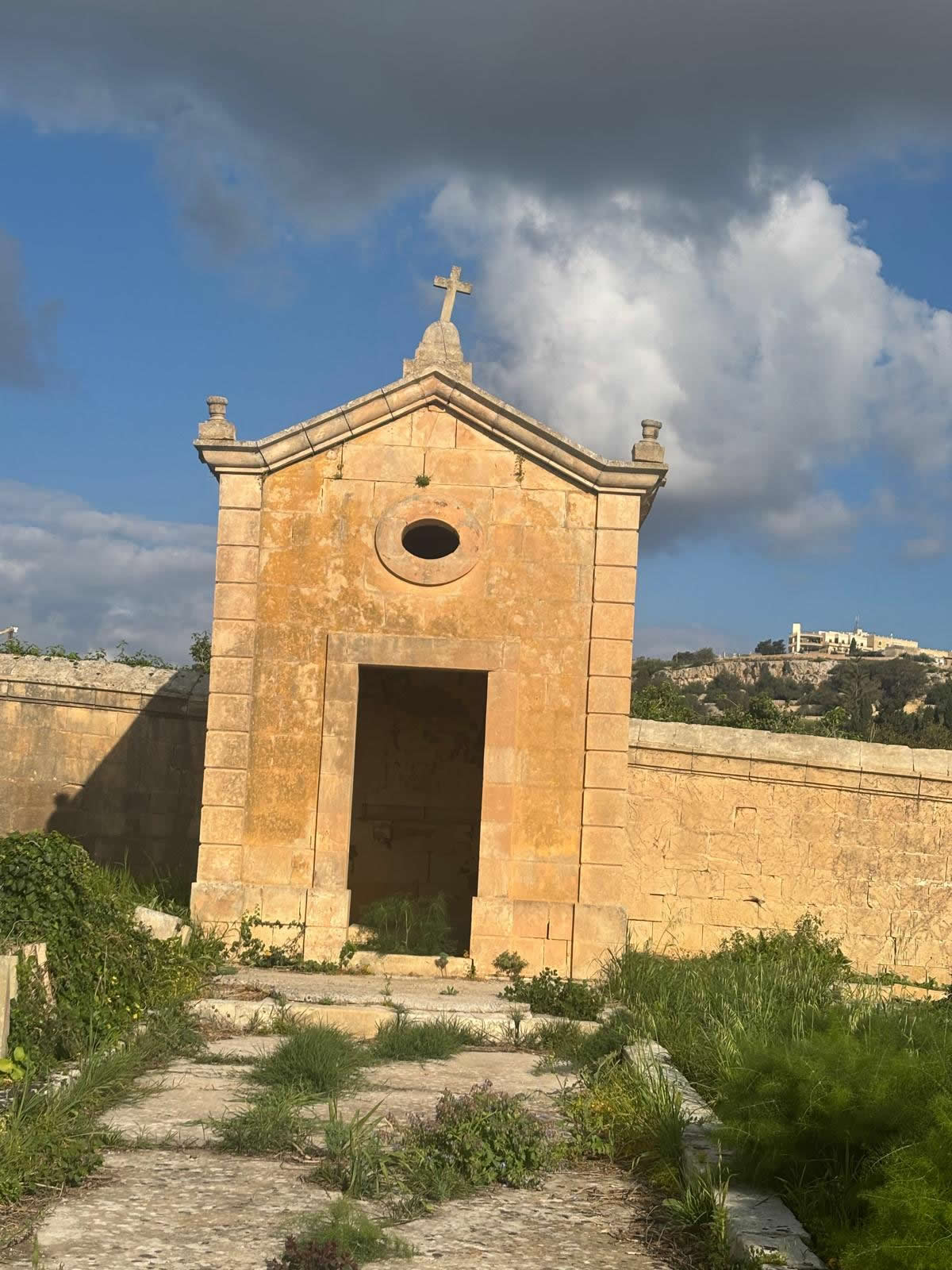
The small chapel within the cemetery is a simple yet meaningful structure, reflecting the modest architectural style typical of rural or semi-rural Maltese chapels. Its dedication to St Anthony aligns with widespread devotion to saints associated with protection and intercession.
Architectural features likely include:
- A single nave layout
- Stone altar
- Minimal decorative elements
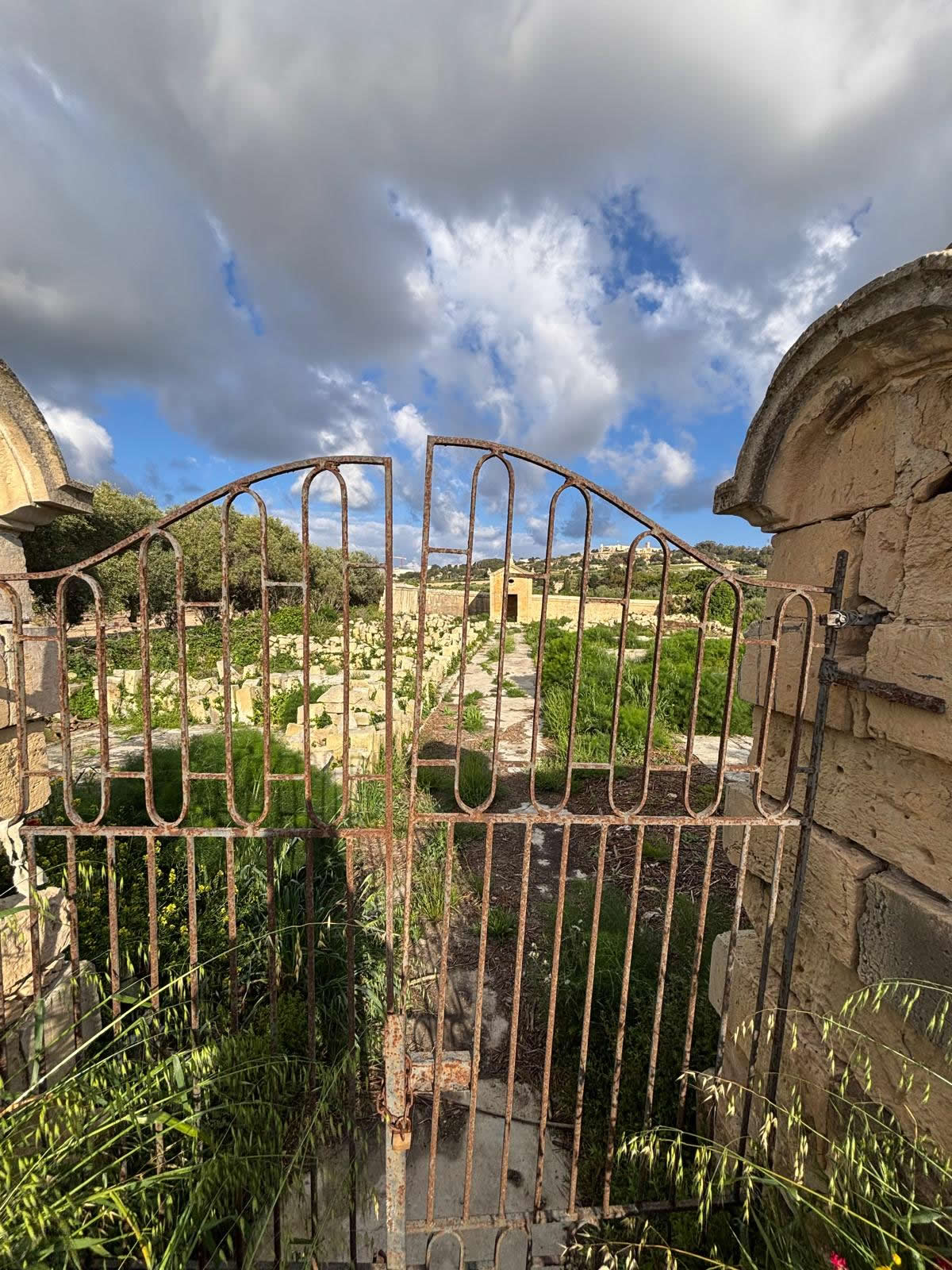
The Nearby Plague Cemetery
Approximately 60 metres from St Anthony’s Cemetery lies a small, unnamed plague cemetery, currently in a state of disrepair. This site is of particular historical importance as it reflects Malta’s response to epidemic disease.
Plague outbreaks, such as those recorded in Malta during the early modern period and later centuries, necessitated the creation of separate burial grounds to prevent the spread of infection.
These plague cemeteries were typically:
- Located at a distance from populated areas
- Used temporarily during epidemics
- Marked with minimal or no permanent structures
The proximity of this plague cemetery to St Anthony’s site highlights the layered history of burial practices in Rabat.
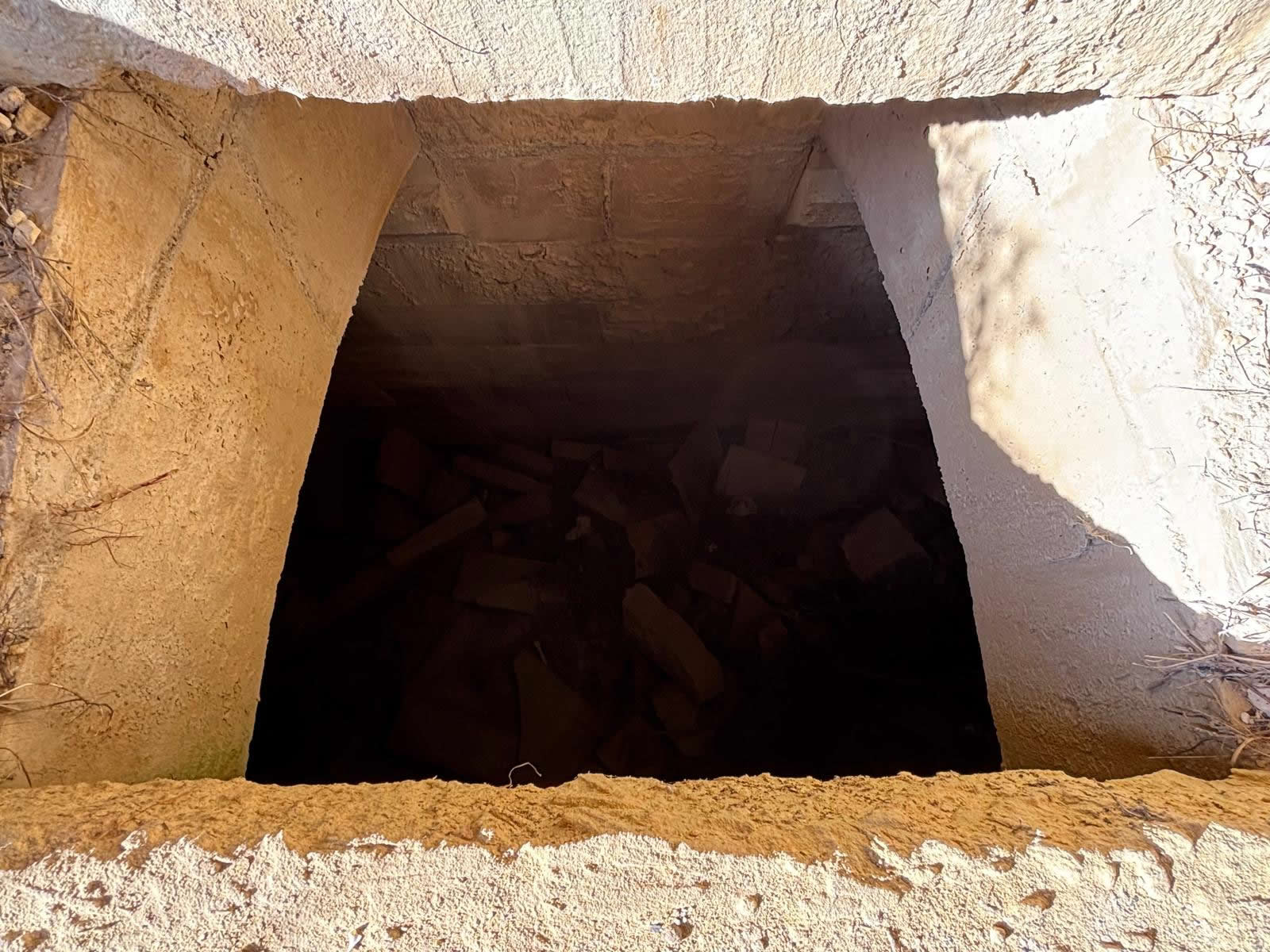
Burial Traditions and Cultural Context
Cemeteries in Malta are not merely places of burial but also spaces of cultural memory. They reflect religious beliefs about death, the afterlife, and the importance of remembrance.
Key aspects of Maltese burial tradition include:
- Strong Catholic influence on funerary rites
- Use of chapels for liturgical services
- Commemoration of the dead through prayer
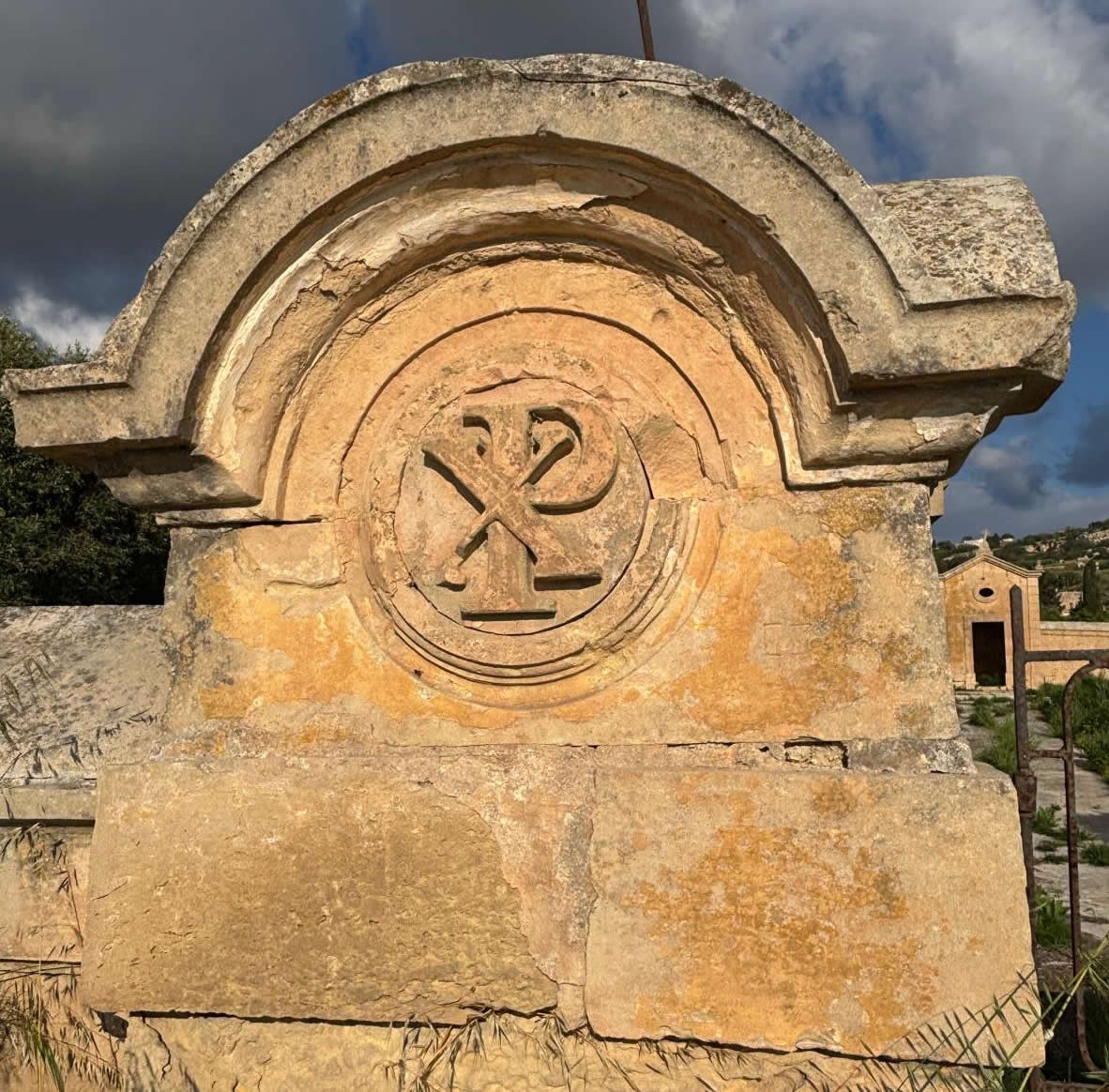
State of Preservation
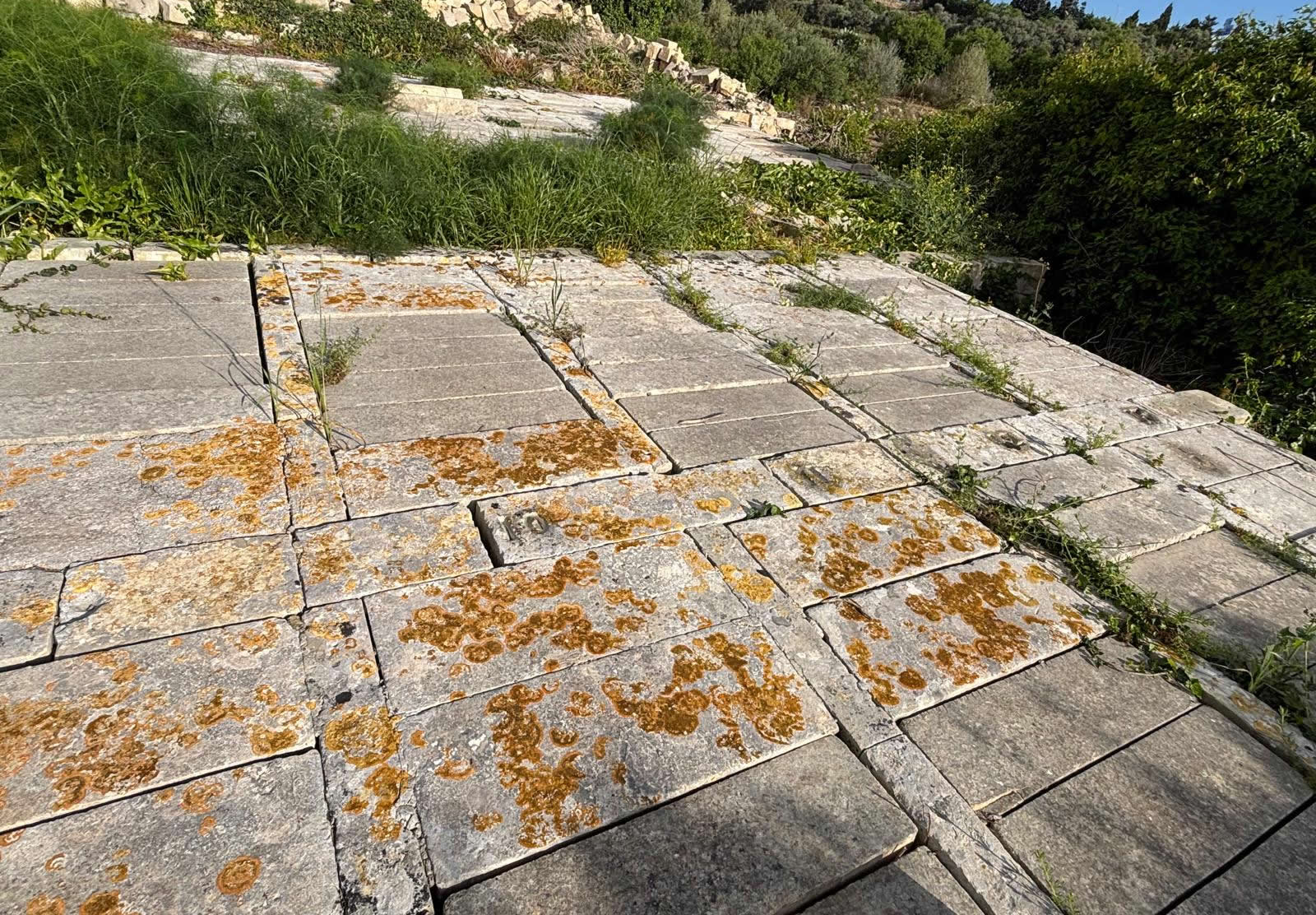
While St Anthony’s Cemetery remains identifiable as a historic burial ground in a state of disrepair, the nearby plague cemetery is also reported to be in a state of disrepair. This reflects a broader challenge in preserving smaller and less-documented heritage sites.
Issues affecting such sites include:
- Weathering of stone structures
- Lack of maintenance
- Limited public awareness
Modern Significance
Today, St Anthony’s Cemetery and its chapel serve as a reminder of Malta’s historical relationship with death, disease, and faith. The site provides valuable insight into:
- Historical responses to epidemics
- Evolution of burial practices
- The role of religion in community life
Location and Access
Location: Rabat, Malta
Coordinates: 35.888816, 14.407391
The cemetery is located just outside the main urban area of Rabat and can be reached via local roads.
Conclusion
St Anthony’s Cemetery and Chapel represent an important yet understated element of Malta’s cultural heritage. Together with the nearby plague cemetery, the site tells a powerful story of resilience, faith, and the human response to mortality.
Preserving and documenting such locations is essential to maintaining a comprehensive understanding of Malta’s historical landscape.
Frequently Asked Questions
What is St Anthony’s Cemetery?
A historic burial ground in Rabat, Malta, with an associated chapel.
Is there a plague cemetery nearby?
Yes, a small plague cemetery lies approximately 60 metres away.
Why is it important?
It reflects Malta’s burial traditions and responses to disease outbreaks.
To explore more historic chapels across the Maltese Islands, visit our directory: Oldest Chapels in Malta and Gozo.