📍 Location
Location Map Coordinates 36.037631, 14.261122
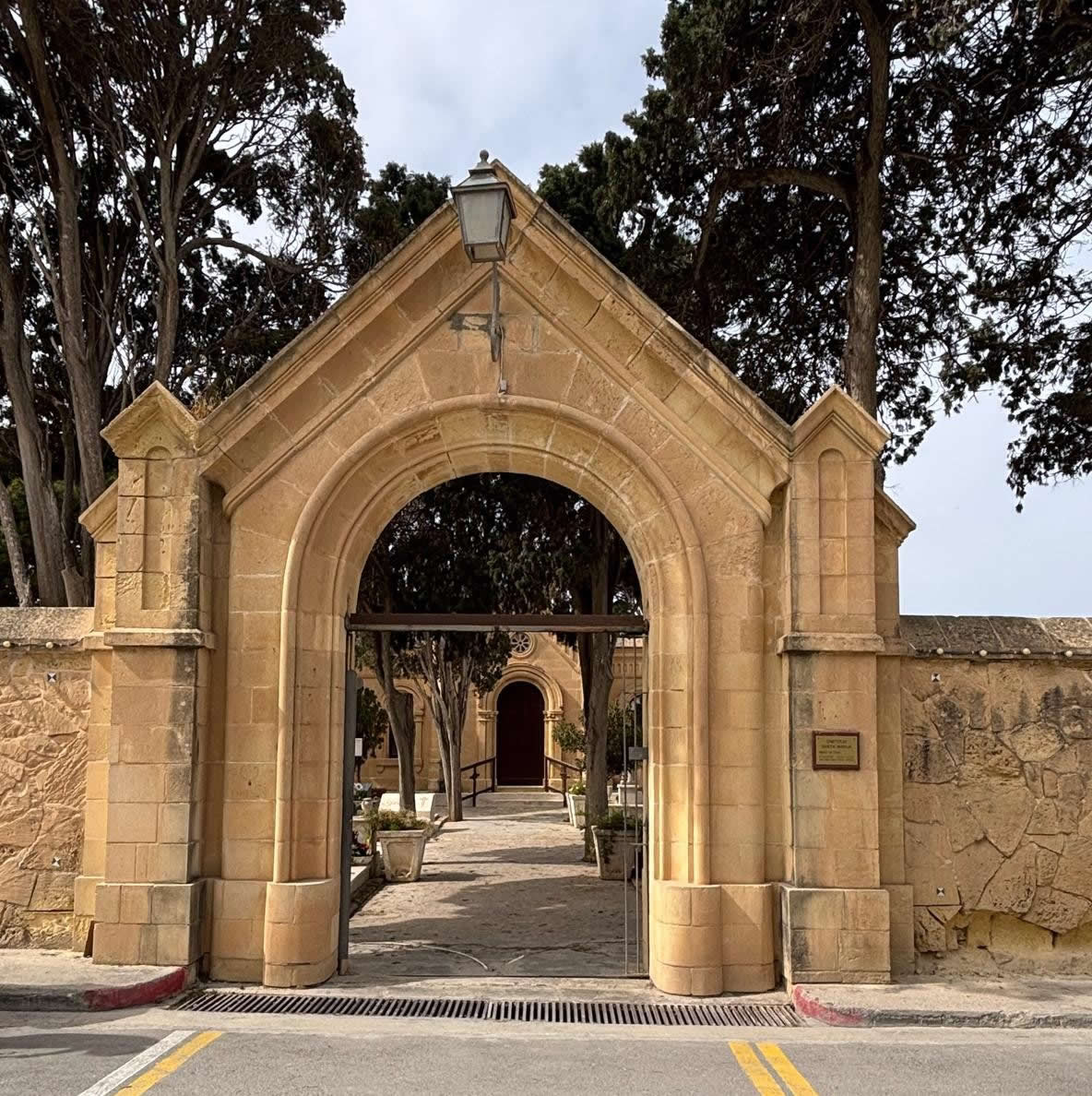
Xewkija Cemetery – Gozo, Malta
Introduction
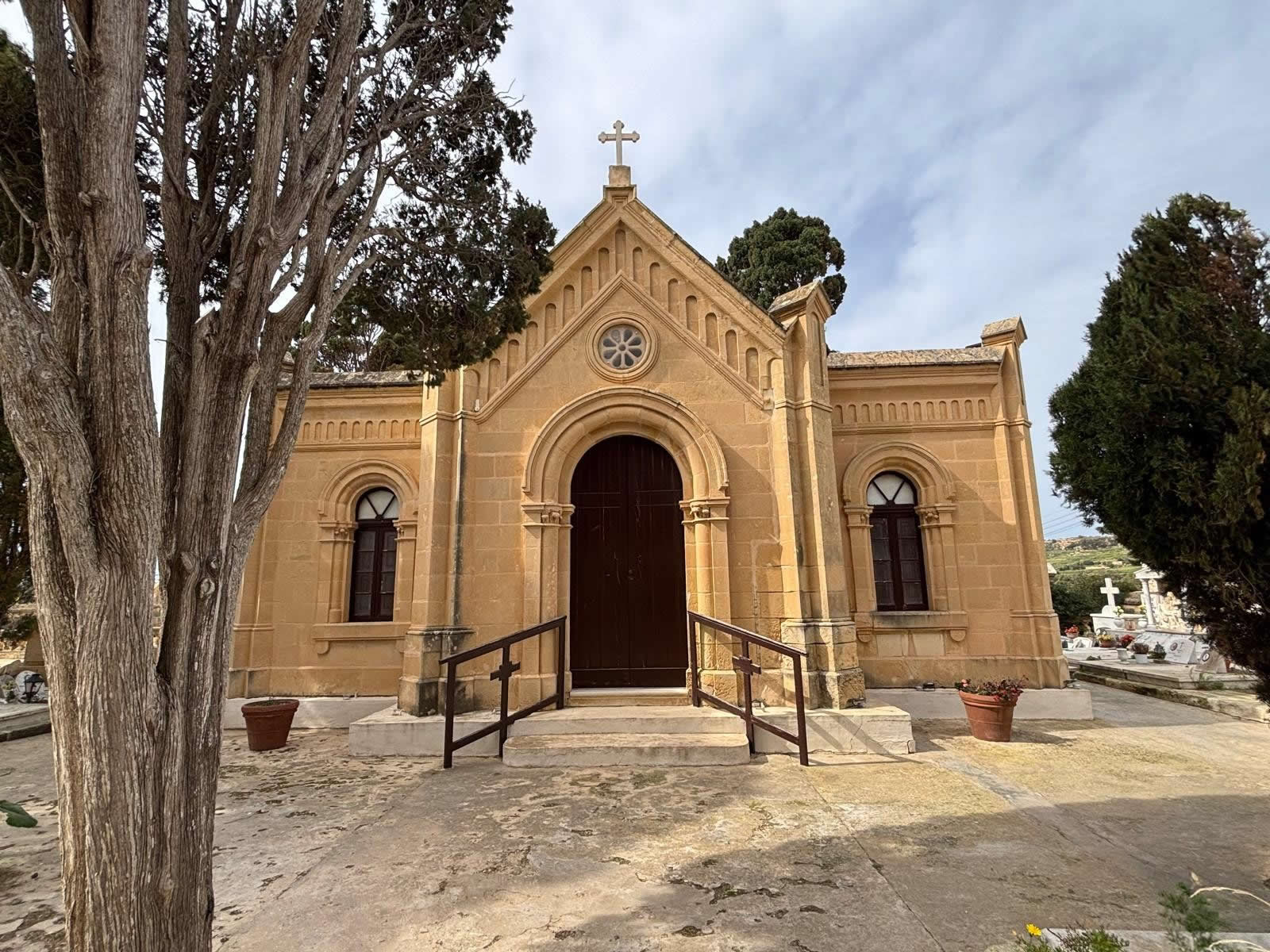
The St Mary Cemetery Chapel in Xewkija, Gozo, is a quiet yet spiritually significant structure located within the village cemetery. Dedicated to the Blessed Virgin Mary, the chapel reflects the deep-rooted Marian devotion that characterises Maltese religious life.
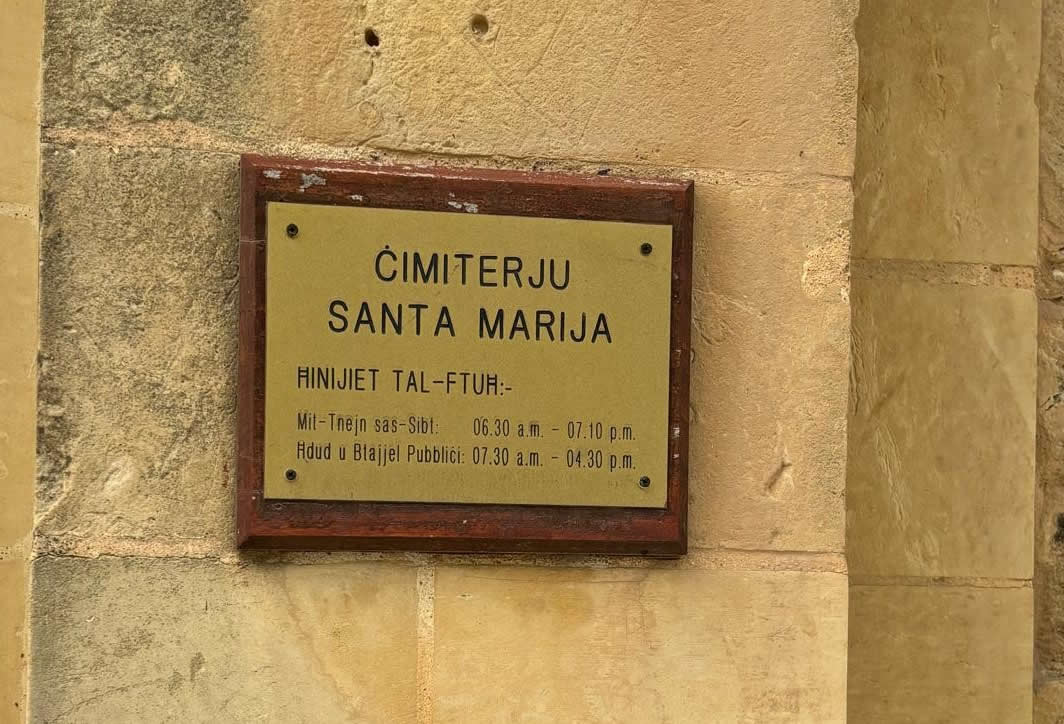
Although modest in scale, the chapel plays a vital role in funerary traditions, offering a sacred space for prayer, remembrance, and reflection within the serene environment of the cemetery.
Historical Context
The development of cemetery chapels in Malta is closely linked to 19th-century public health reforms. During this period, burials were gradually relocated from within village centres to designated cemeteries situated outside populated areas.
In Xewkija, one of Gozo’s oldest parishes established in 1678 :contentReference[oaicite:0]{index=0}, the growing population led to the need for an organised burial ground. The establishment of a cemetery chapel dedicated to St Mary followed this broader trend.
The chapel is therefore best understood as part of this shift in burial practices, representing both a practical and spiritual response to changing societal needs.
Approximate Date of Construction
While no exact construction date is firmly documented, the St Mary Cemetery Chapel is generally attributed to the mid to late 19th century (c. 1850–1900). This dating aligns with the widespread establishment of cemetery chapels across Malta during this period.
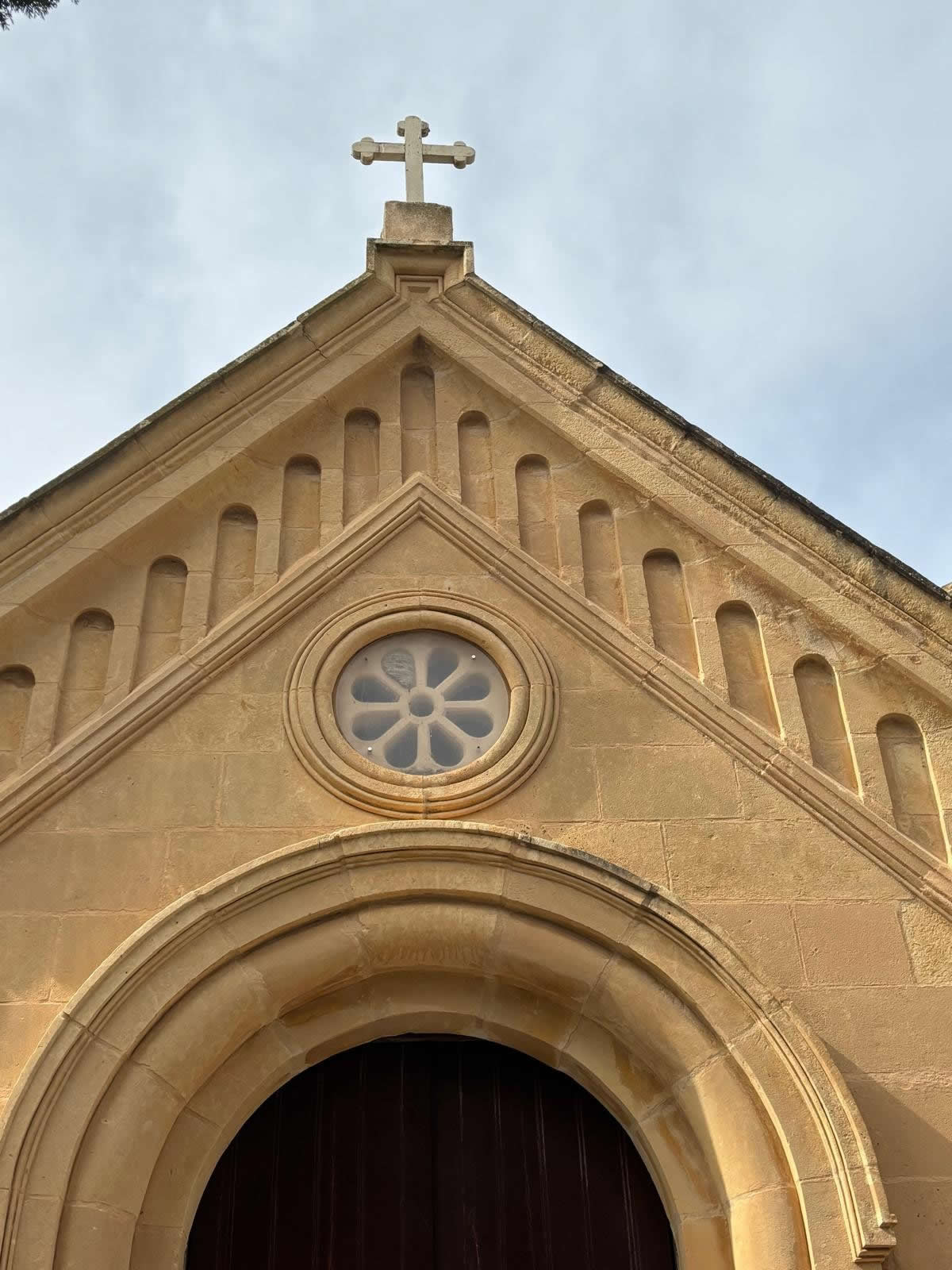
Its architectural style and functional design further support this timeframe, placing it firmly within the post-early modern phase of Maltese ecclesiastical development.
Dedication to the Virgin Mary
The dedication of the chapel to St Mary reflects the central importance of Marian devotion in Maltese spirituality. Across Gozo, numerous chapels and churches are dedicated to the Virgin Mary under various titles, emphasising her role as intercessor and protector.
Within a cemetery setting, this dedication takes on additional meaning, symbolising comfort, hope, and the promise of eternal life.
Architectural Features
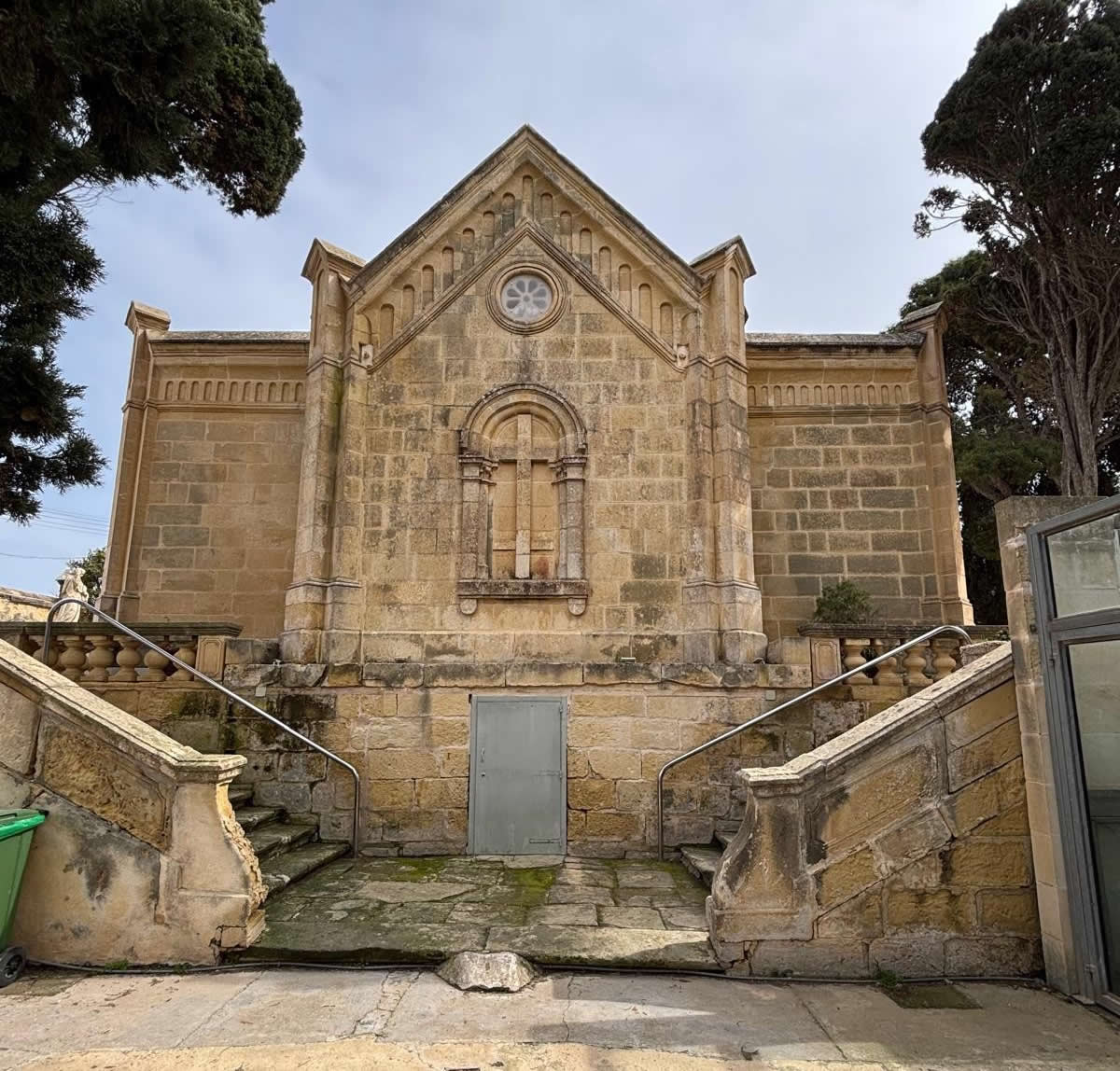
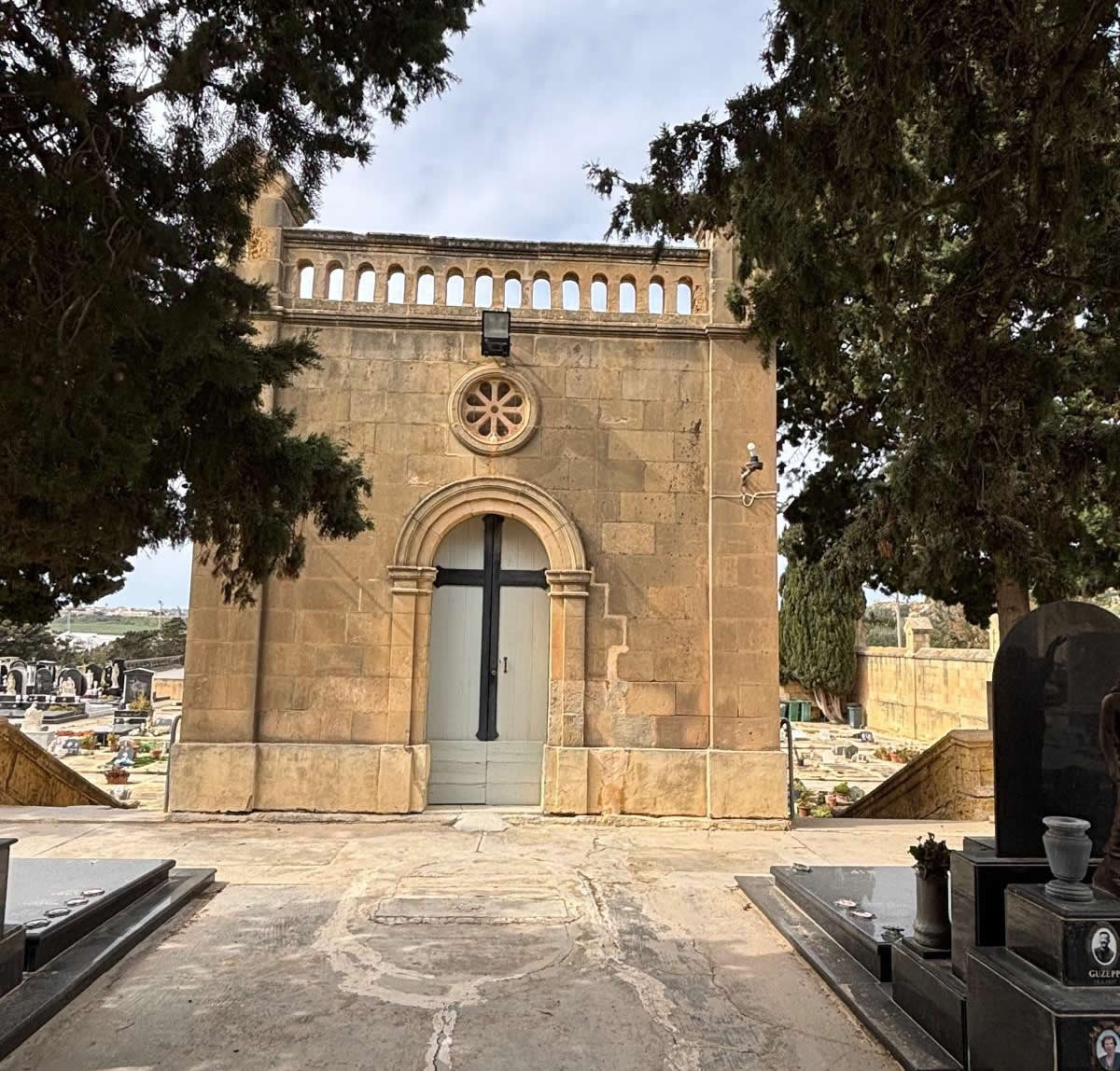
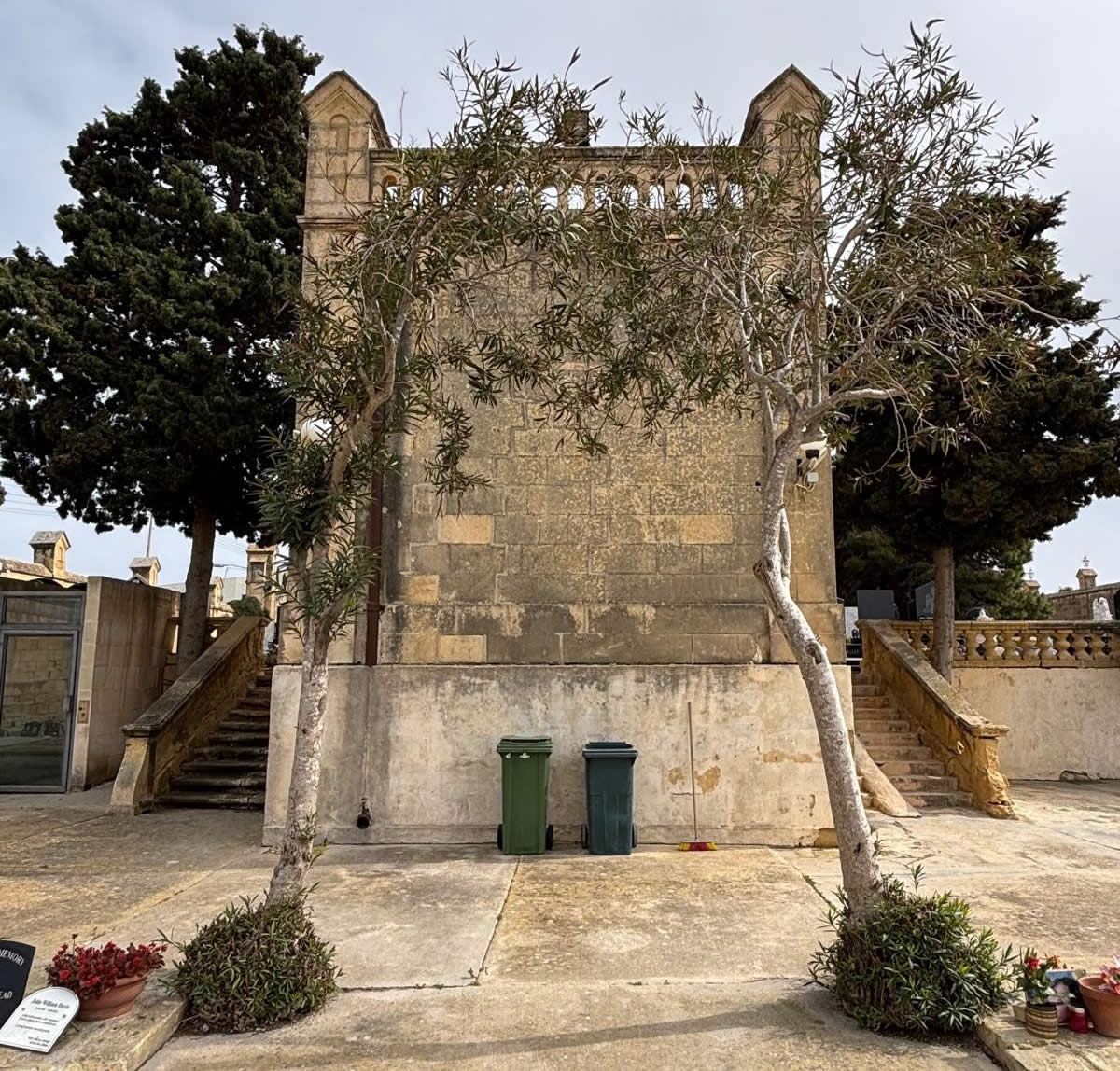
The St Mary Cemetery Chapel is built using traditional Maltese limestone, ensuring both durability and visual harmony with the surrounding environment.
Key architectural features include:
- A simple yet elegant façade reflecting classical proportions
- A single nave designed for intimate gatherings
- Subtle decorative stonework typical of 19th-century chapels
The chapel’s restrained design enhances its solemn atmosphere, making it well suited to its funerary purpose.
Interior and Artworks

Inside, the chapel is centred around a modest altar dedicated to the Virgin Mary. The artistic decoration is generally simple, focusing on devotional imagery rather than elaborate ornamentation.
Typical elements may include:
- An altarpiece depicting the Assumption or another Marian theme
- Candles and devotional offerings
- Liturgical furnishings used during services
The interior is designed to foster prayer and contemplation, reinforcing the chapel’s spiritual purpose.
Funerary Role and Use
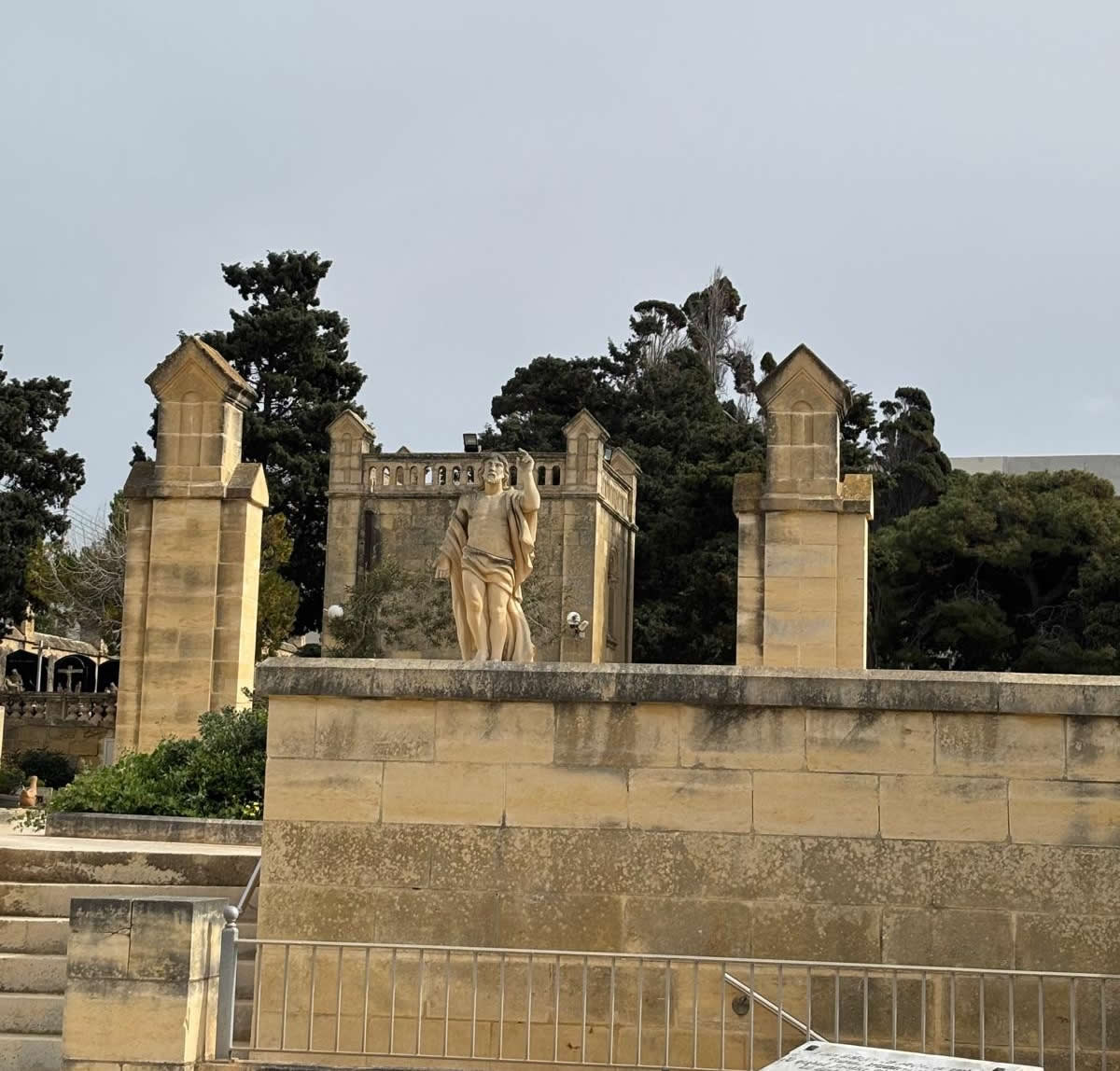
As a cemetery chapel, St Mary serves an essential role in the life of the Xewkija community. It provides a sacred space for:
- Funeral rites and blessings
- Memorial services for the deceased
- Private prayer and remembrance
This function highlights the continuity between life and death within Maltese religious tradition, where faith plays a central role in both.
Relationship with the Parish
The chapel is closely linked to the parish of Xewkija, which remains dedicated to St John the Baptist. Together, these religious structures form part of a wider network of sacred spaces that support the spiritual life of the community.
While the Rotunda serves as the main parish church, the cemetery chapel fulfils a more specialised role focused on remembrance and mourning.
Preservation and Restoration
Over time, the chapel has required maintenance and restoration to preserve its structure and function. Such efforts typically focus on:
- Repairing limestone surfaces affected by weathering
- Maintaining the interior and altar
- Ensuring the chapel remains suitable for liturgical use
These conservation efforts are essential for safeguarding the chapel as part of Gozo’s cultural heritage.
Cultural and Spiritual Importance
The St Mary Cemetery Chapel represents more than just a functional structure; it embodies the values of faith, remembrance, and community that define Maltese society.
Its presence within the cemetery reinforces the idea of continuity between generations, serving as a place where the living can honour the memory of the deceased.
Visitor Experience
Visitors to the Xewkija cemetery can observe the chapel as part of a broader exploration of Gozo’s religious heritage. Its peaceful setting offers an opportunity for reflection and appreciation of the island’s traditions.
Although not a major tourist attraction, the chapel contributes to the cultural landscape of Xewkija and provides insight into everyday religious life.
Oldest grave so far
Fr Mikelanġ Axisa
BIRTH 23 Nov 1764
DEATH 15 Apr 1847 (aged 82)
Conclusion
The St Mary Cemetery Chapel in Xewkija stands as a testament to Malta’s enduring religious traditions and its deep respect for the deceased. Through its history, architecture, and continued use, it reflects the spiritual values that have shaped the community for generations.
Though modest in appearance, the chapel remains an important part of Xewkija’s heritage, preserving a tradition that continues to resonate in modern times.
Frequently Asked Questions
Where is the chapel located?
It is located within the cemetery of Xewkija in Gozo, Malta.
When was it built?
It likely dates to the mid to late 19th century.
What is its purpose?
It serves as a cemetery chapel for funerals and memorial services.