Overview
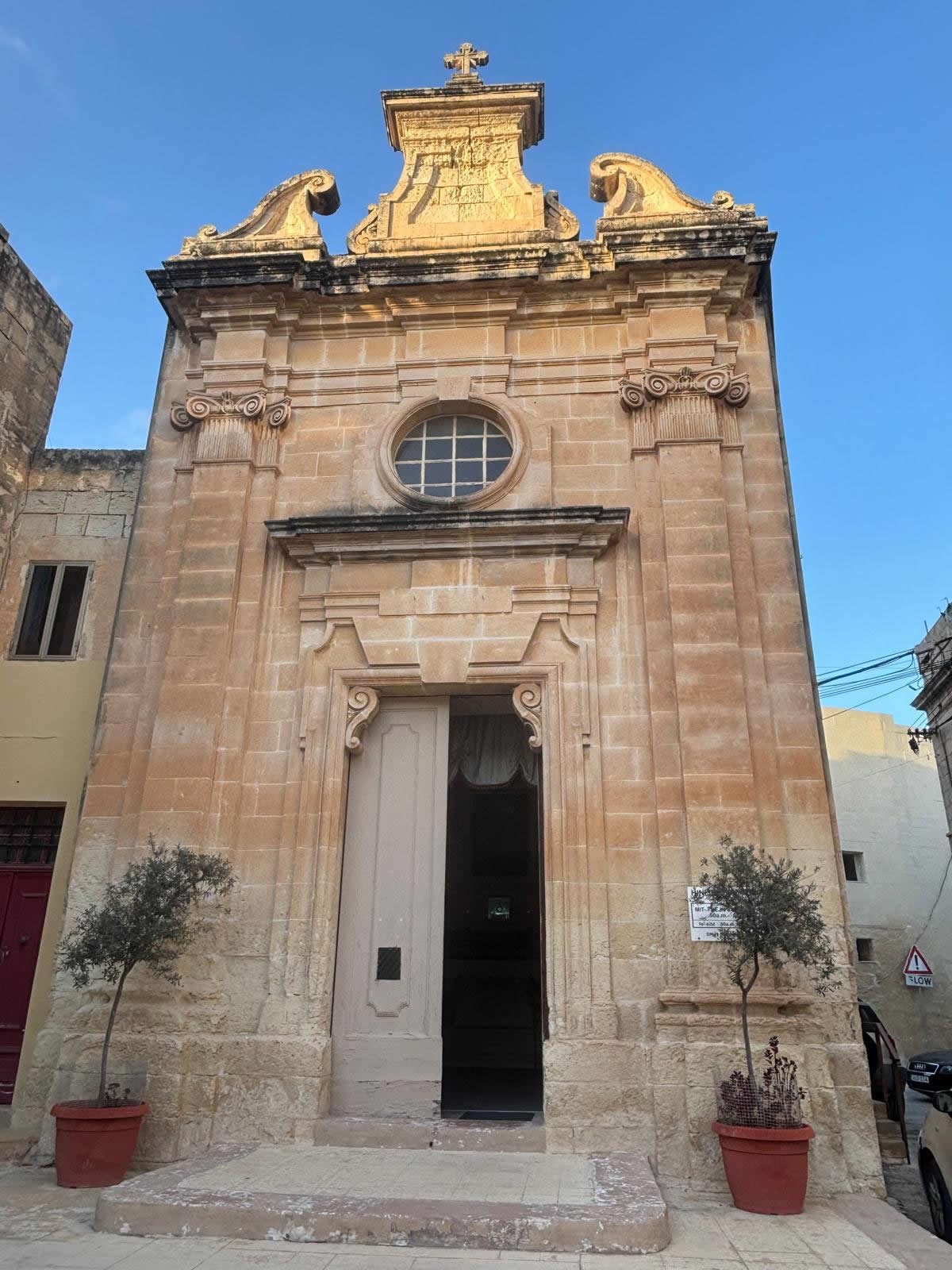
Known locally as Santa Marija Assunta, this is a filial church within Balzan, distinct from the parish church in the village core. It is especially valued for its sense of place: the present 19th-century building rises on ground that previously hosted two earlier churches, meaning devotion here spans multiple centuries.
Location & coordinates
- Coordinates:
35.898606, 14.449542 - Locality: Balzan, Malta
- Type: Filial church / chapel (Roman Catholic)
- Feast (titular): 15 August (Assumption)
Key dates (timeline)
- 16th century — the first church is recorded as built on this site.
- 17th century — a second church replaced the first.
- 10 March 1675 — the earlier church on the site is recorded as having been blessed on this date.
- 1846 — construction begins on the church that stands today.
- c.1849 — the present church is completed (about three years after work began).
- World War II (1939–1945) — the church is described as being used as a lecture hall by the University of Malta for law students when Valletta premises were disrupted.
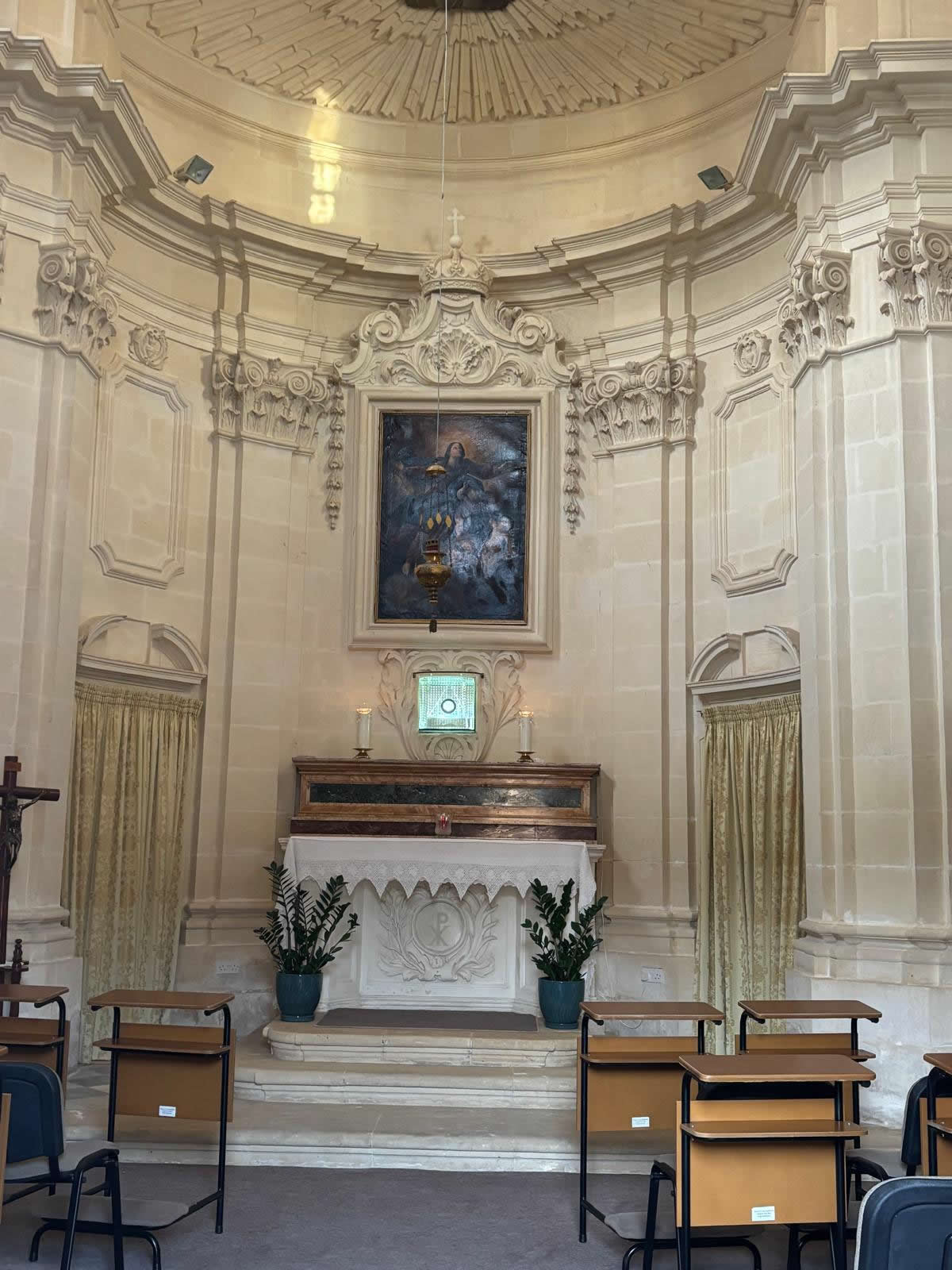
- Present day — described as being used for Eucharistic adoration.
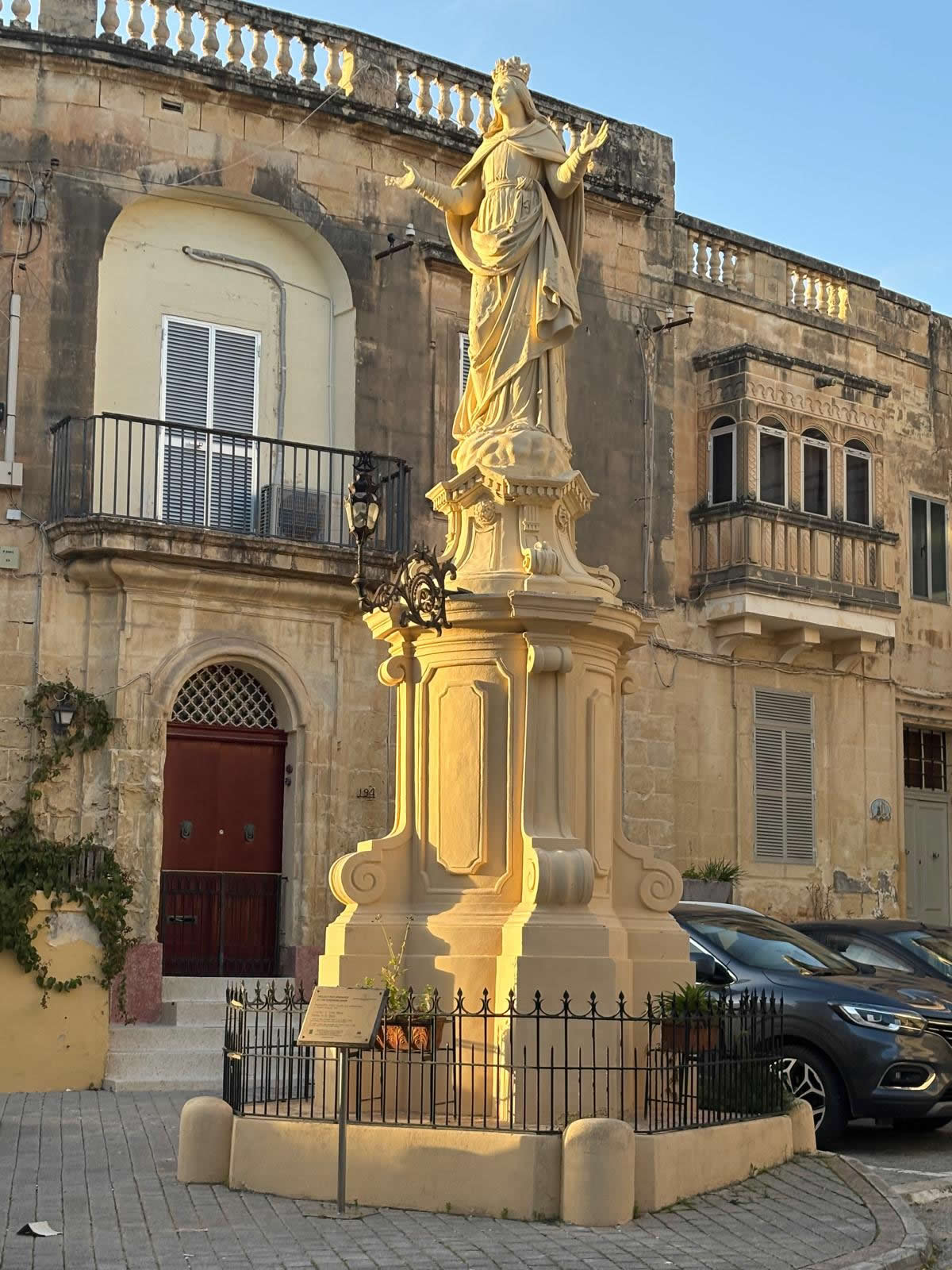
- 1838 — the statue of Our Lady in front of the church is recorded as made in 1838; restored in 2003.
Full history
1) A sacred site reused across centuries
Santa Marija Assunta stands in a long-established devotional area. Local historical writing notes that the church on the site today was not the first: it replaced two earlier churches—one built in the 16th century, followed by another in the 17th century. This pattern of rebuilding is common in Malta, where small community churches evolved as populations, devotions, and resources changed.
2) The 1675 blessing and continuity of worship
The earlier church (from the 17th-century phase) is recorded as having been blessed on 10 March 1675. This date anchors the site’s documented devotional continuity well before the 19th-century rebuilding.
3) The present building (1846–c.1849)
The church you see today began construction in 1846 and was completed around three years later. Historical notes attribute the church’s procurator at the time to Dun Salv Zammit, during the period when the parish priest of Balzan was Dun Mikielanġ Borg.
4) Interior, fittings, and notable features
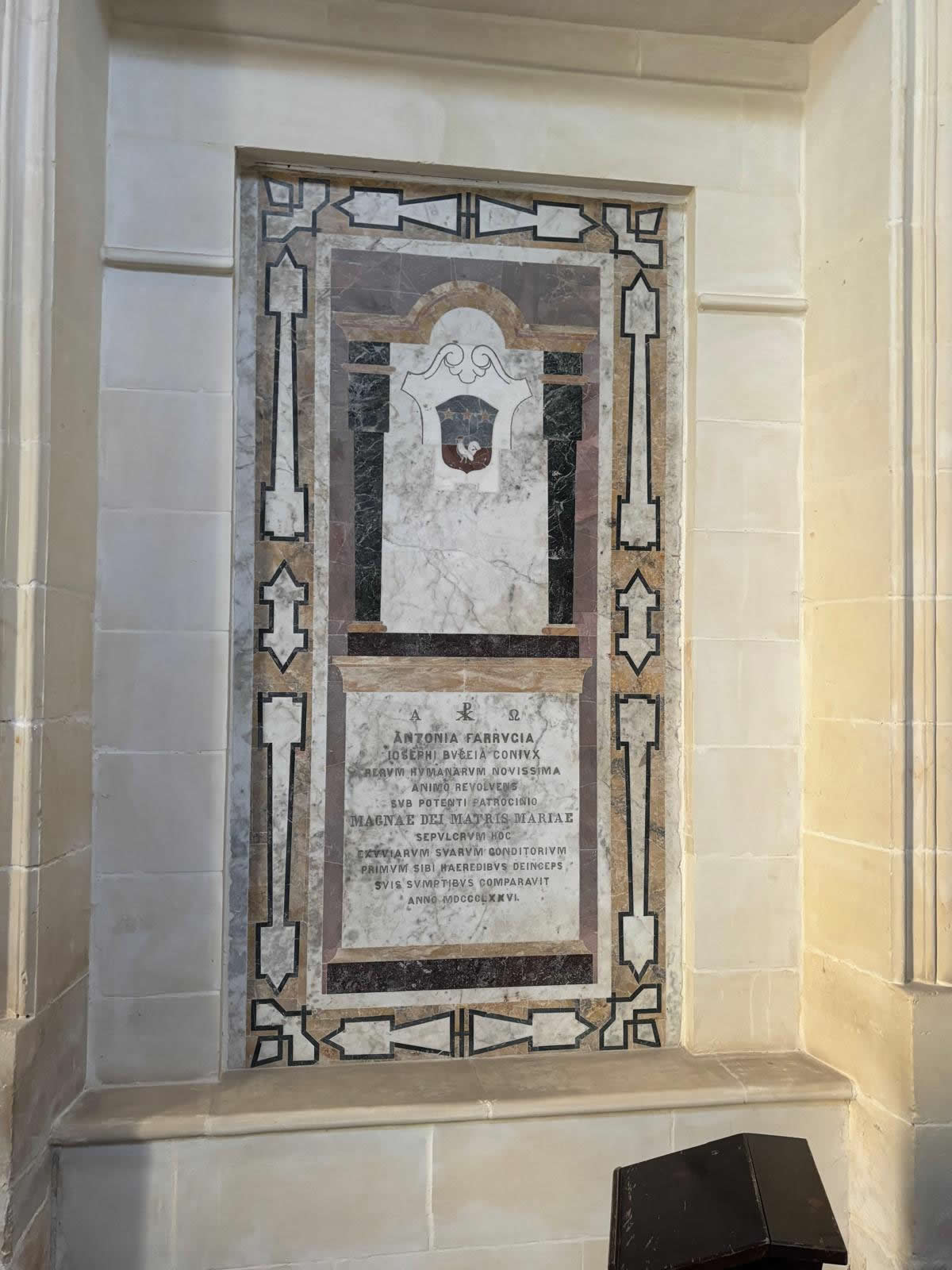
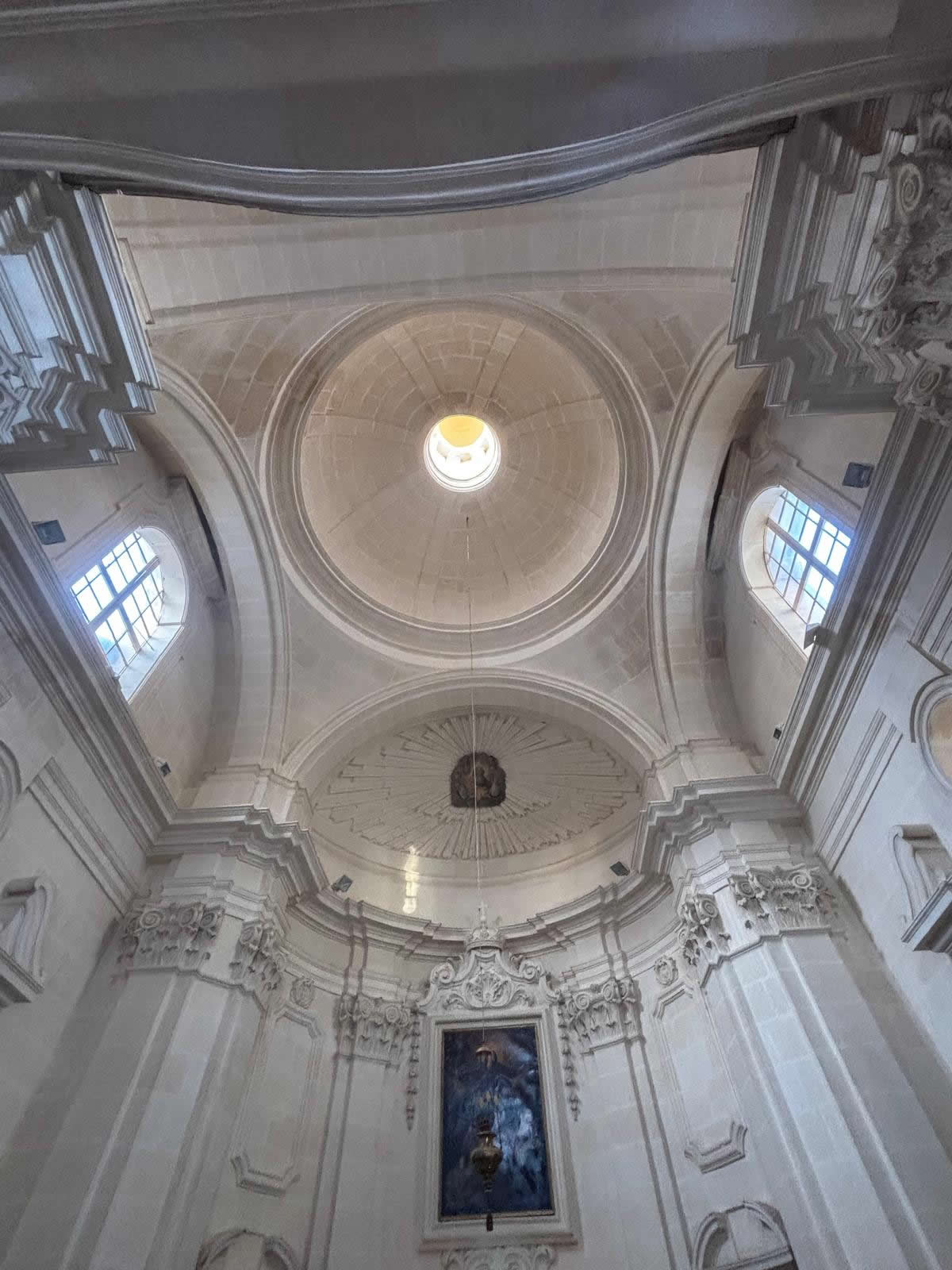
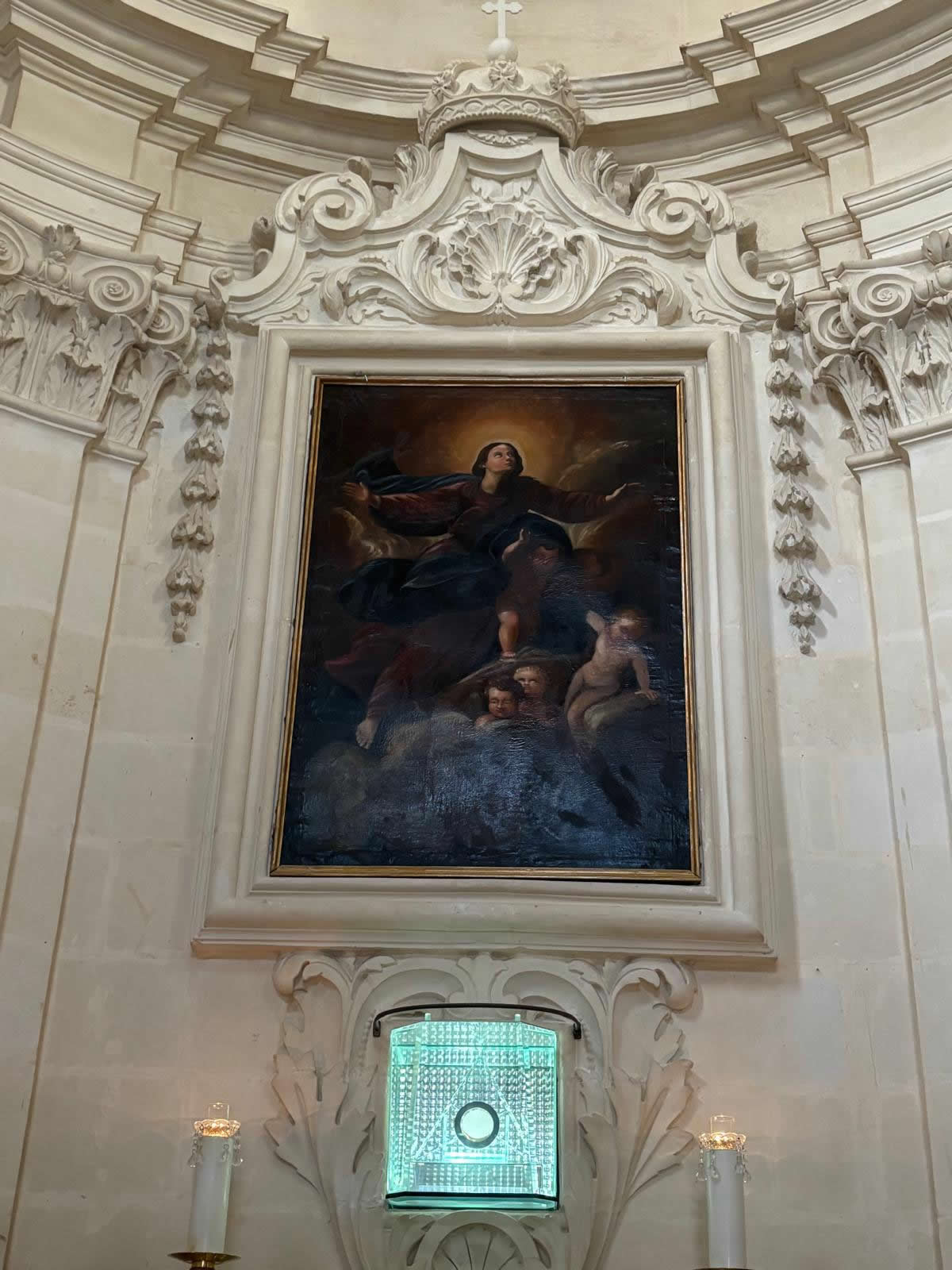
Despite its modest scale, the church is described as having a single altar with the Assumption painting above it, a substantial dome with lantern, and an organ gallery over the main door. A memorial slab is also noted on one wall, relating to a burial that was once within the church pavement.
5) Wartime use and community resilience
During the Second World War, the church is described as serving as an educational space: it was used by the University of Malta as a lecture hall for law students when Valletta facilities were affected by attacks, particularly around the Grand Harbour.
6) Modern devotion and care
In the present day, the church is described as being used for adoration of the Blessed Sacrament. The building has also been described as having been restored in recent years and kept in good condition, while the prominent statue of Our Lady outside is recorded as conserved/restored in 2003.
Construction & architecture
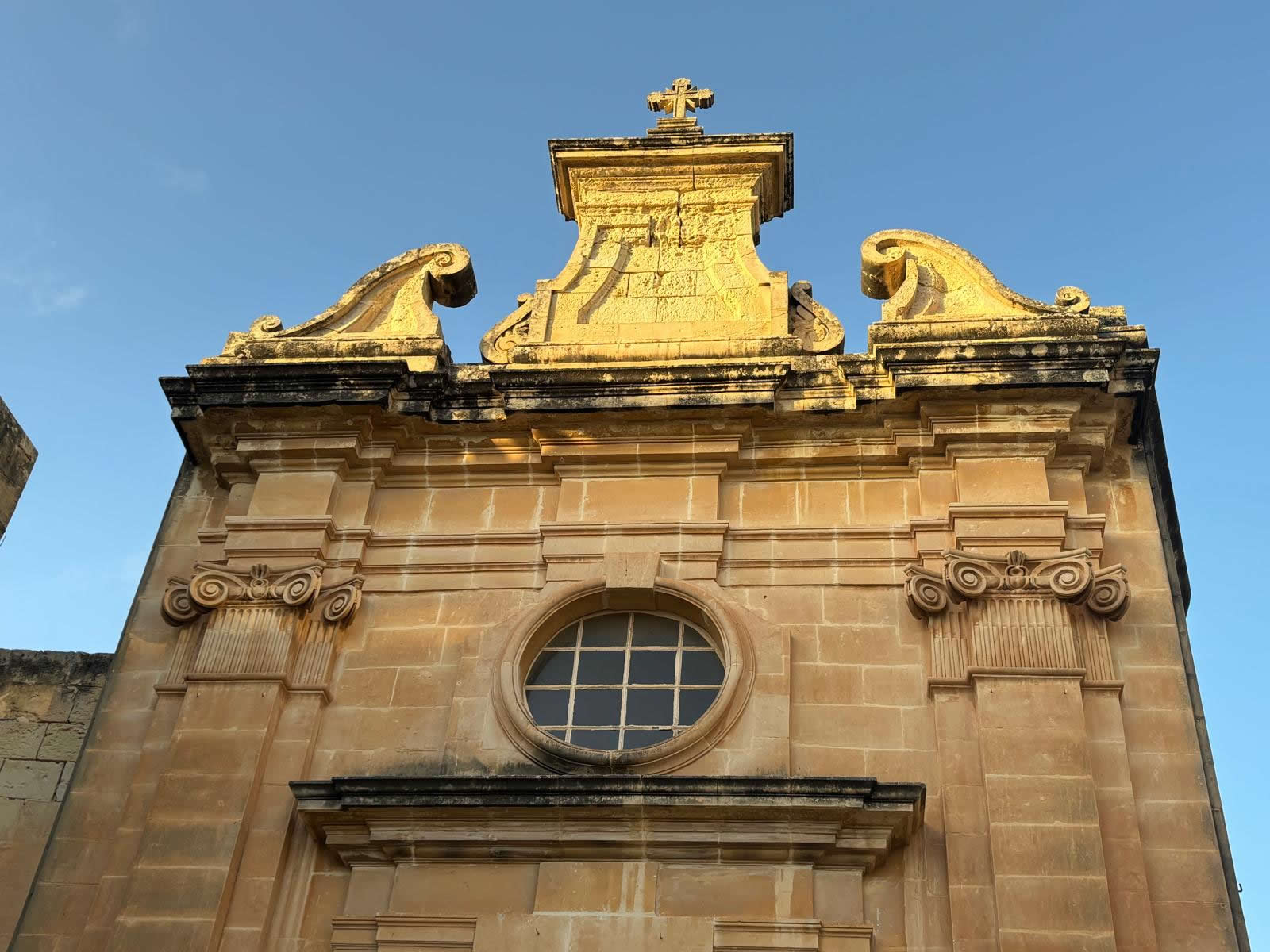
The church’s 19th-century construction (1846–c.1849) places it in a period when Maltese ecclesiastical architecture often balanced compact plans with striking vertical elements—such as domes, lanterns, and carefully worked stone details. For stronger on-page specificity, add verified details from on-site observation: façade order, door surround, dome profile, masonry joints, and any dated inscriptions.
Restoration & safeguarding
Coastal humidity is not the primary issue here (Balzan is inland), but Malta’s limestone still suffers from rising damp, surface friability, and salt migration from old mortars. Good practice includes gentle limestone cleaning, repointing with compatible lime mortars, water management at the base, and careful treatment of plaster and paint layers. The statue in front of the church is recorded as having undergone conservation/restoration in 2003.
Current use
Santa Marija Assunta is described as being used for Eucharistic adoration today. Access can vary by local schedules; if you maintain a chapels hub, add a short “check parish notices” line and update opening times when confirmed.
Visiting tips
- Pair this visit with a walk through Balzan’s older streets and house-lined lanes.
- For photography, aim for early morning or late afternoon light on limestone.
- If closed, do not force entry—enjoy the exterior and the statue in the forecourt instead.
Balzan chapels cluster
- All chapels in Malta (hub)
- Balzan village guide
- Santu Rokku Chapel Balzan
- Il-Knisja tal-Lunzjata Balzan
FAQ
- Is this the same as Balzan’s parish church?
- No. This is a filial church dedicated to the Assumption of Mary, distinct from the parish church dedicated to the Annunciation.
- When was the present building completed?
- Construction began in 1846 and the church was completed about three years later (c.1849).
- What is the key devotional date?
- The Assumption is celebrated on 15 August.