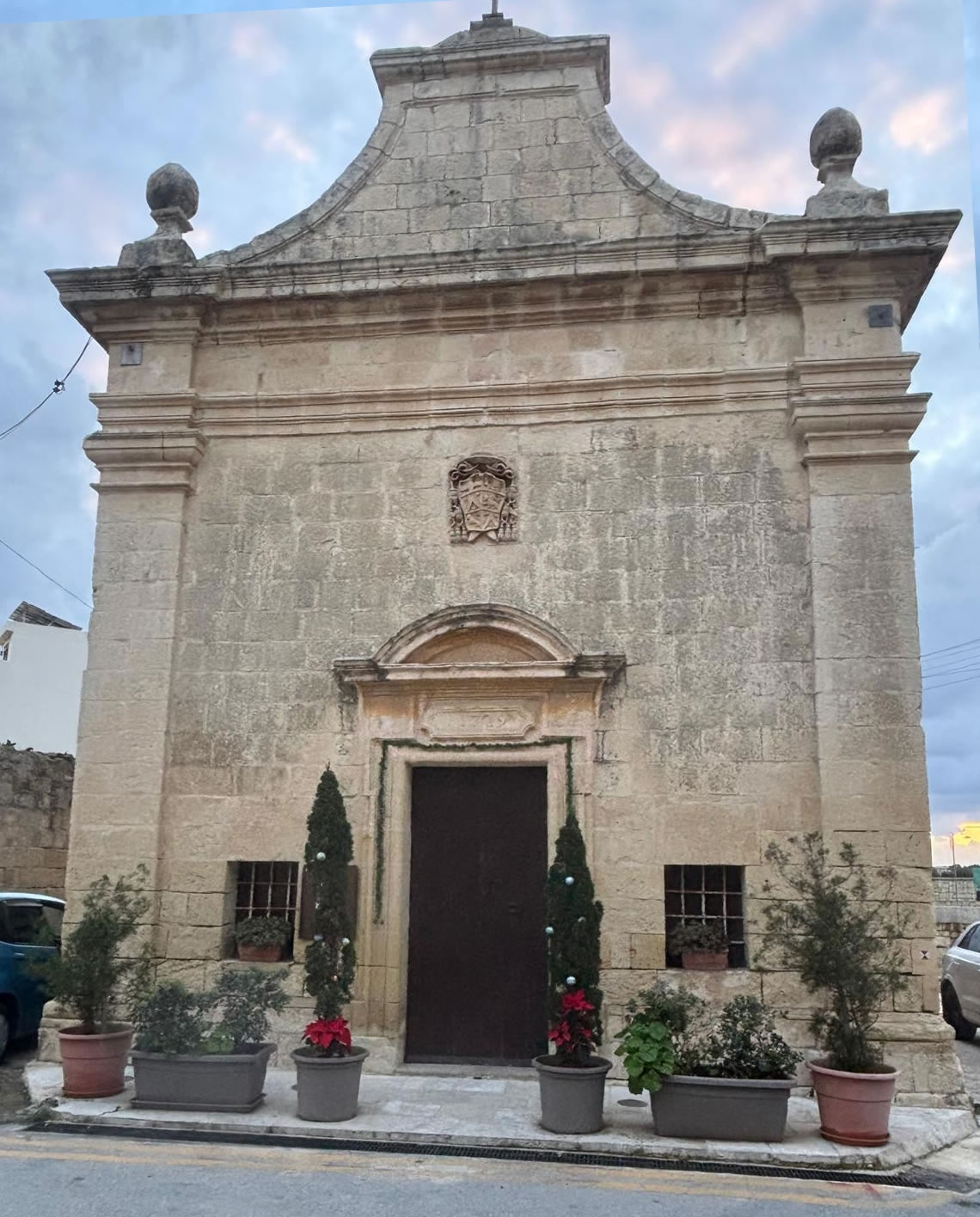
Tucked in the area historically known as Taħt ir-Raħal, Il-Kappella ta’ San Pawl is one of Attard’s most important surviving chapels.
The building seen today was completed in 1729 and stands on the site of an older chapel recorded as built in 1629.
In the late 2000s it was carefully restored and reopened, and in 2020 further structural consolidation works began to address cracking caused by long-term subsidence.
Coordinates: 35.8889810, 14.4435894Present chapel completed: 1729Earlier chapel on site: 1629Dedication: St Paul ShipwreckMajor restoration: reopened 2008Structural consolidation: works began 2020
Build-date confirmation: The present chapel is identified as a 1729 building. It replaced an earlier chapel on the same site,
recorded as built in 1629, which was desecrated in 1728 before demolition and reconstruction.
Full detailed history
Before 1729: an older chapel on the same site (1629)
Historical accounts preserved in parish archive material describe an earlier chapel on the same footprint, dedicated to
Our Lady of the Assumption and recorded as built in 1629. This earlier building served the rural community
in the fields outside the village core, where small chapels were often the most visible expressions of faith in the landscape.
1728–1729: desecration, demolition and rebuilding
In 1728 the earlier Assumption chapel was desecrated by ecclesiastical authority, then demolished and rebuilt.
The replacement was completed in 1729 and dedicated to St Paul’s Shipwreck, linking it to Malta’s strongest
national devotion associated with the apostle’s arrival and mission.
18th–20th century: a countryside chapel that survived change
Many small chapels were lost over time through redevelopment, neglect, or changing land use. St Paul’s Chapel in Taħt ir-Raħal is notable
for surviving as a recognisable landmark and for remaining part of Attard’s memory even through long periods when it was closed and largely abandoned.
2005–2008: restoration and reopening
After decades of neglect, a structured restoration effort began in the mid-2000s with community support and sponsorship.
The chapel underwent careful conservation, including cleaning and repair of the stonework, roof attention, restoration of apertures,
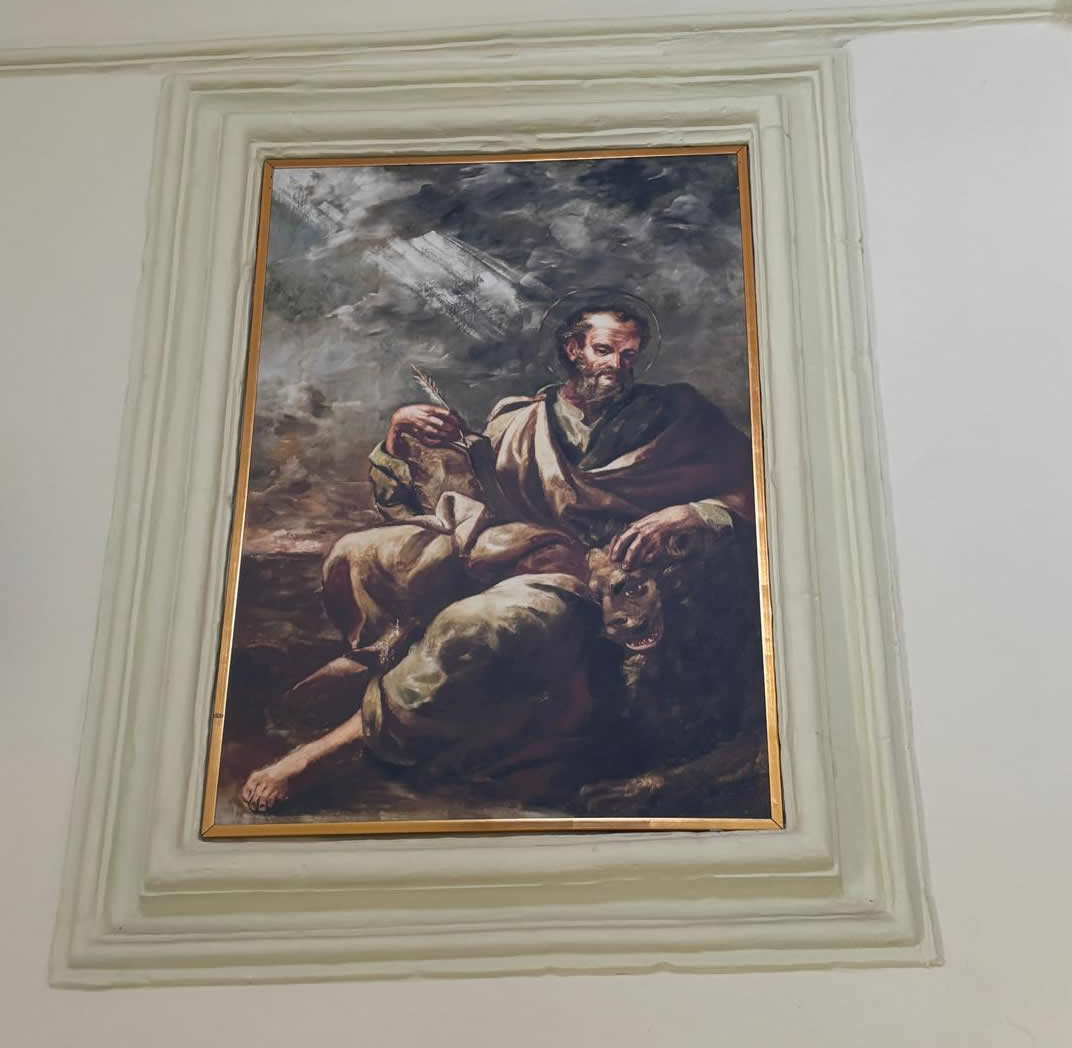
and the return of the titular painting to its place. The chapel was reopened in July 2008.
2015–2020: monitoring and structural consolidation
Structural studies and monitoring identified that recurring cracking was linked to gradual subsidence. In 2020,
consolidation works began to stabilise the fabric and halt movement, using reinforcement strategies designed to bind and strengthen
the masonry while protecting the historic character of the chapel.
Construction and architectural description
Baroque façade with Doric character
The chapel’s exterior is a compact, well-proportioned Baroque front. The façade is organised as a single bay framed by
Doric pilasters. A central doorway is highlighted with mouldings, and the composition is capped by a
classical entablature and a shaped upper finish crowned by a cross.
The 1729 date on the façade
A key identifying detail is the “1729” date on the façade, reinforcing the widely cited completion date for
the present building. Decorative elements include a prominent coat of arms in relief.
Interior layout and devotional art
Internally the chapel is described as a single main worship space with a vaulted ceiling and one principal altar.
The titular painting depicts St Paul Shipwrecked together with associated figures; side artworks have been
discussed in historical summaries as part of the chapel’s artistic interest.
Restoration and conservation
Restoration works (mid-2000s) — conservation approach
Reported restoration works included stone repairs where necessary, removal of damaging cement-based mixes from earlier interventions,
re-plastering with breathable materials, repair of the roof, restoration of apertures, and the reinstatement of external details
such as missing elements at roof level. The reopening in 2008 marked the chapel’s return as a cared-for heritage and devotional space.
2020 consolidation — stabilising a historic chapel
The 2020 intervention focused on halting long-term movement and preventing further deterioration. The works were carried out under
professional direction, with strengthening methods aimed at stabilising cracked masonry and reducing future risk.
Why this matters: Small rural chapels often suffer from moisture, vibration and ground movement over time. Stabilisation and compatible materials
are essential to preserve both the stone fabric and the chapel’s authenticity.
Use: past and present
Historic role
As a countryside chapel, St Paul’s served the surrounding rural community—supporting prayer and devotion for people working the fields
and linking village identity to the broader Maltese tradition of St Paul as patron and protector.
Modern role
Today the chapel’s use is typically occasional and scheduled rather than daily, often tied to special Masses,
commemorations, cultural heritage activities, and community initiatives. Conservation work has also positioned it as a local landmark
within a changing environment affected by infrastructure upgrades.
Frequently asked questions
When was Il-Kappella ta’ San Pawl in Attard built?
The present chapel was completed in 1729, built on the site of an earlier chapel recorded as built in 1629.
Was there an older chapel before the current one?
Yes. The earlier chapel on the same site is recorded as dedicated to the Assumption and built in 1629; it was desecrated in 1728 before rebuilding.
What major restoration work has happened recently?
The chapel was restored and reopened in 2008. A further structural consolidation project began in 2020 to address subsidence-related cracking.
Timeline
1629
Earlier chapel on the site (Assumption dedication) recorded as built.
1728
Earlier chapel desecrated; demolition and rebuilding process recorded.
1729
Present chapel completed; dedicated to St Paul’s Shipwreck; date shown on façade.
2005
Plans launched to restore the chapel after decades of abandonment (mid-2000s campaign).
2008
Chapel reopened after restoration.
2015
Monitoring and technical studies identify subsidence as the cause of recurring cracking.
2020
Structural consolidation begins to stabilise the chapel and halt further damage.
Visiting notes
The chapel stands in Attard in the area known as Taħt ir-Raħal. Access may depend on local schedules and special openings.
Please respect the site as a place of worship and cultural heritage—avoid climbing on stonework and leave no litter.