📍 Location
Location Map Coordinates 35.898579, 14.451426
Location: Main Street, Balzan, Malta
Coordinates: 35.898579, 14.451426
Dedication: Annunciation of Our Lady
Parish Established: 14 August 1655
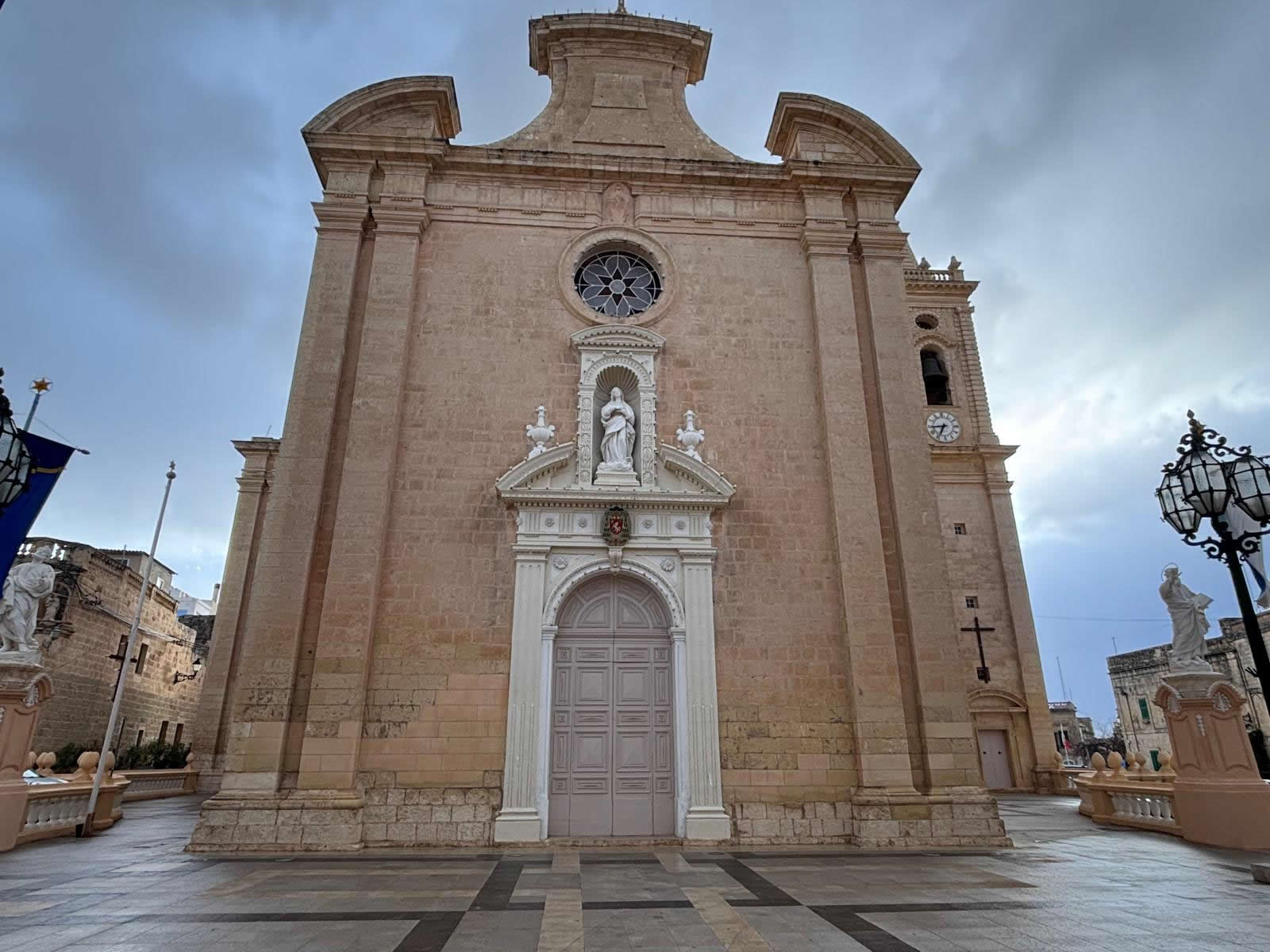
The Balzan Parish Church, dedicated to the Annunciation of the Virgin Mary, stands at the heart of the historic village of Balzan, forming a central landmark within Malta’s “Three Villages” region alongside Attard and Lija. This church is the current and principal parish church, replacing an earlier, smaller parish church located nearby which had become inadequate for the growing population during the 17th century.
Historical Background
Balzan developed gradually from a rural settlement into a structured village community during the late medieval and early modern periods. By the mid-17th century, the population had increased significantly, prompting local residents to petition ecclesiastical authorities for independence from the parish of Birkirkara.
On 14 August 1655, Balzan was officially established as an independent parish. Initially, the parish relied on a smaller original church of the Annunciation, which soon proved insufficient for the growing community.
By the 1660s, Balzan had approximately 550 inhabitants living in around 140 houses, highlighting the rapid expansion of the village. This growth led directly to the decision to construct a larger parish church.
Construction of the Present Church (1669–1695)
The foundation stone of the present parish church was laid on 23 December 1669, marking the beginning of a major architectural project for the village.
Construction progressed steadily, and the church was:
- Placed in use: 1673
- Blessed: 23 January 1695
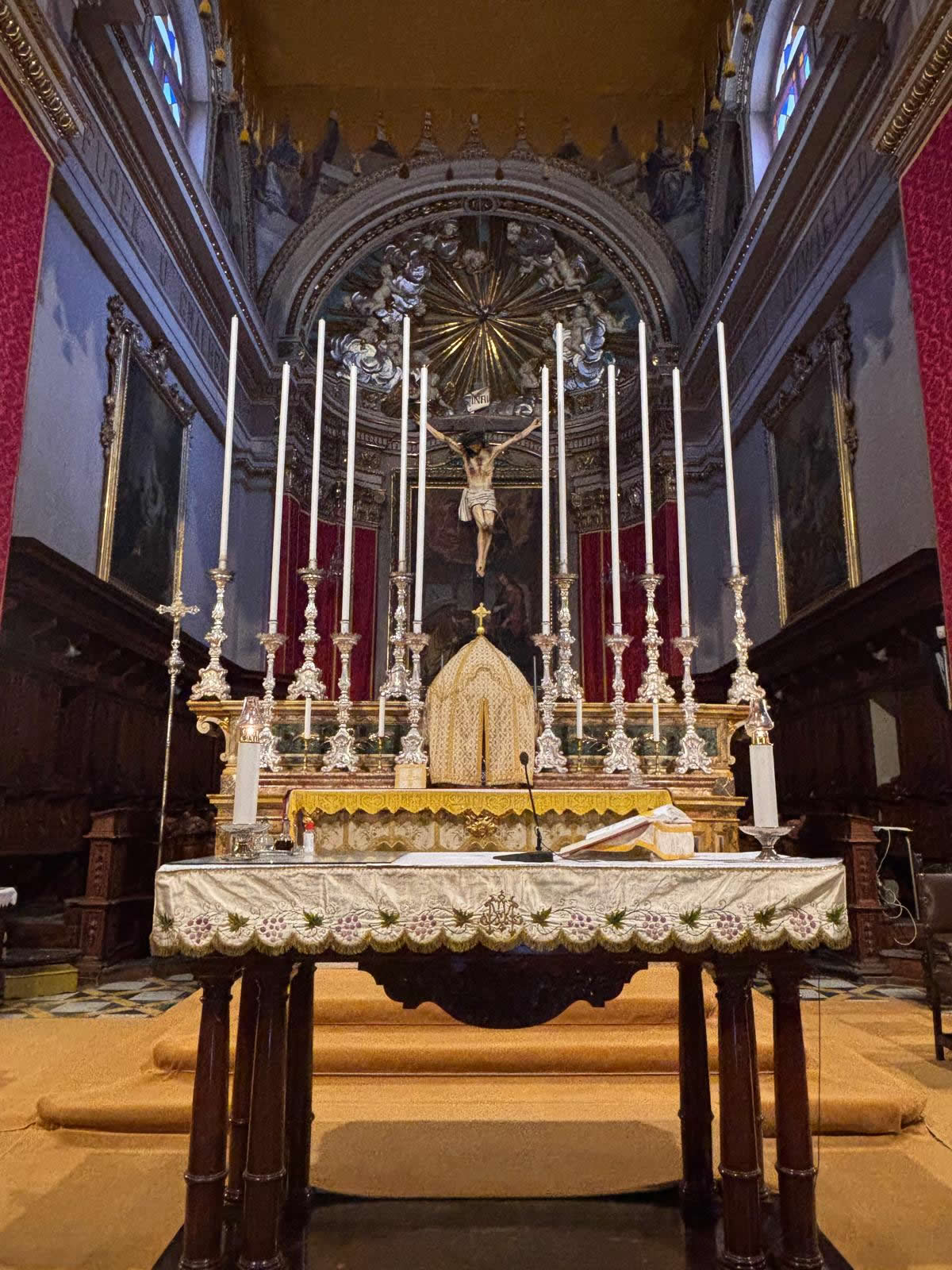
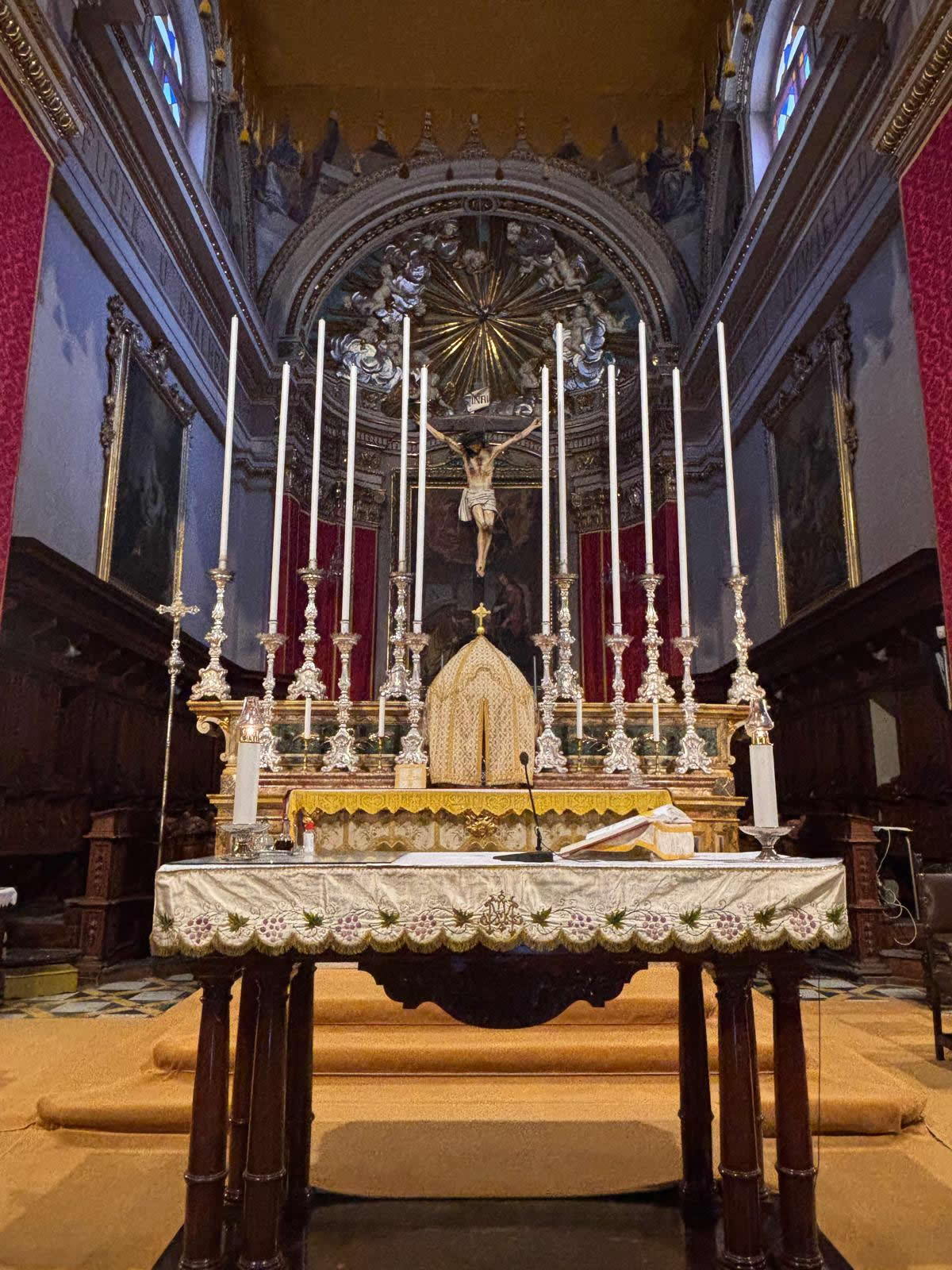
The church was designed according to ecclesiastical requirements of the post-Council of Trent period, adopting a Latin cross plan with a strong liturgical focus on the high altar.
Its completion reflects the transition of Balzan from a rural hamlet into a fully established parish community.
Consecration and Later Developments
Although the church had been in use since the late 17th century, it was formally consecrated much later on 7 October 1781.
Over time, additional elements were introduced:
- Belfry constructed: 1708
- Dome completed: late 17th century (shortly after main structure)
- Major bell installed: January 1949
- Clock installed: 25 December 1970
The parish church continued evolving, reflecting both liturgical needs and technological advancements.
Architecture
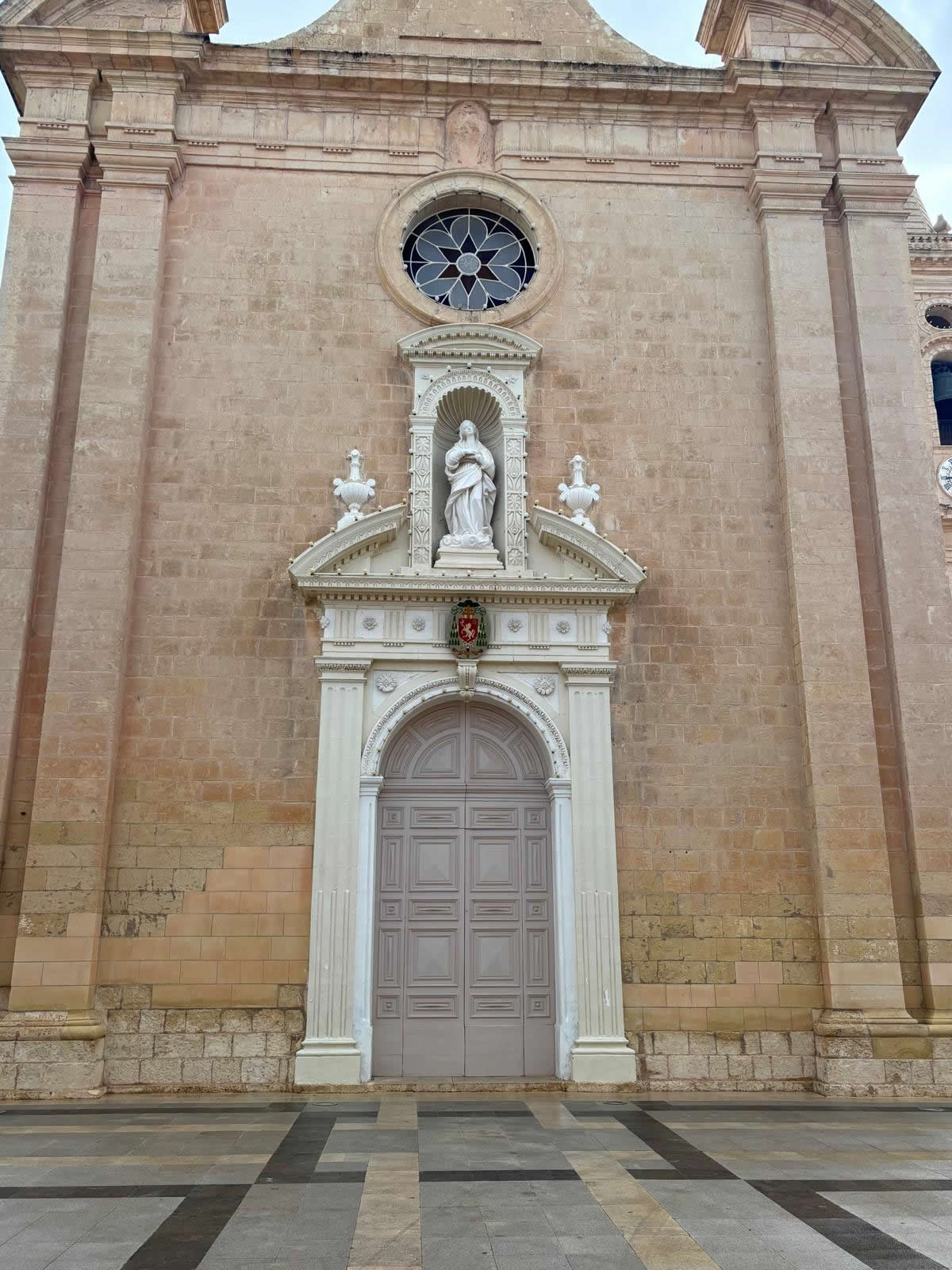
The Balzan Parish Church is a fine example of Maltese Baroque ecclesiastical architecture, with stylistic influences rooted in the late 17th century.
Key Architectural Features
- Plan: Latin cross layout with nave, transepts, and choir
- Length: Approximately 120 feet
- Width (transepts): Approximately 92 feet
- Main nave width: 27.5 feet
- Order: Doric architectural style internally
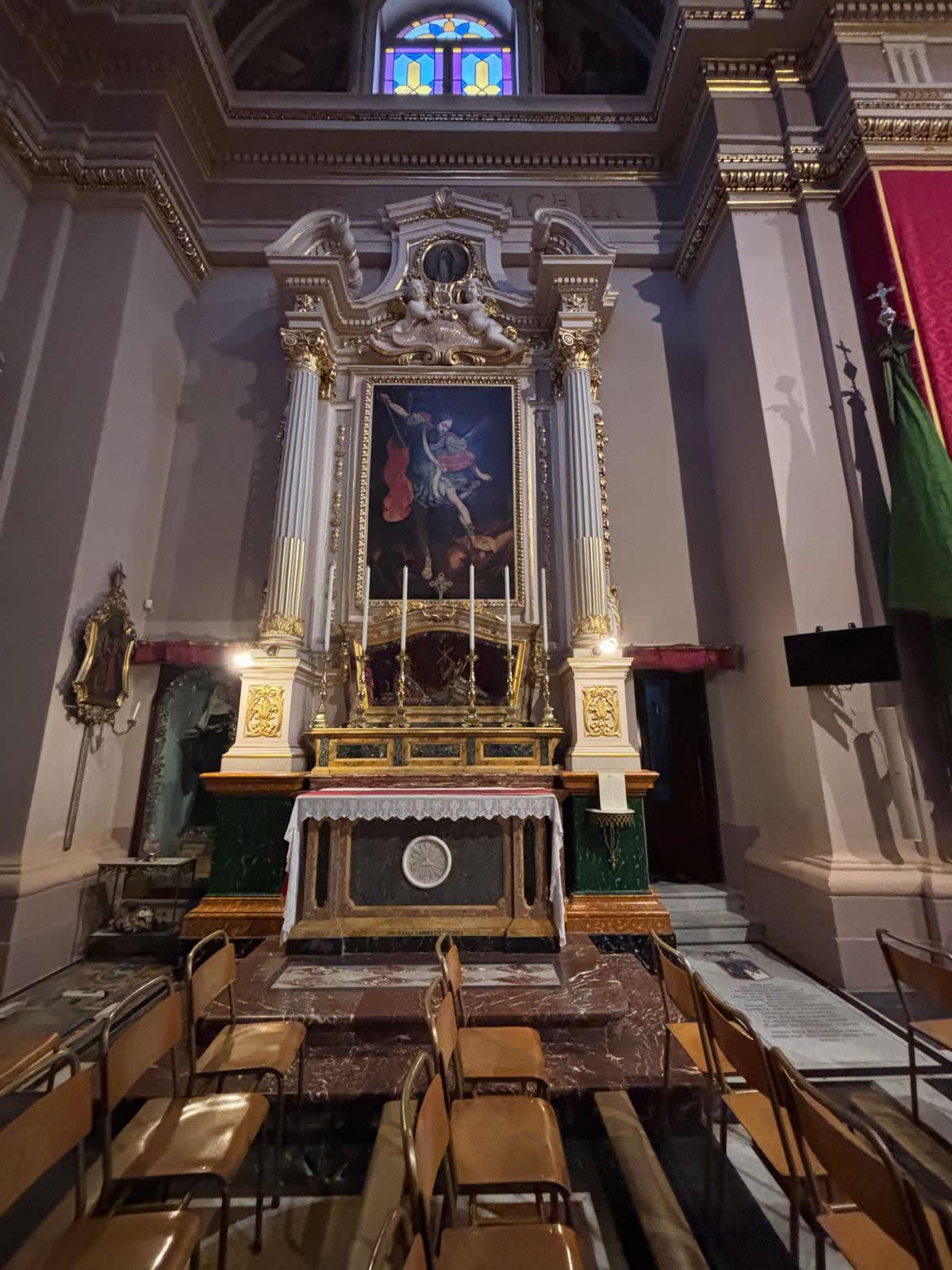
- Altars: Predominantly Corinthian, with some Composite elements
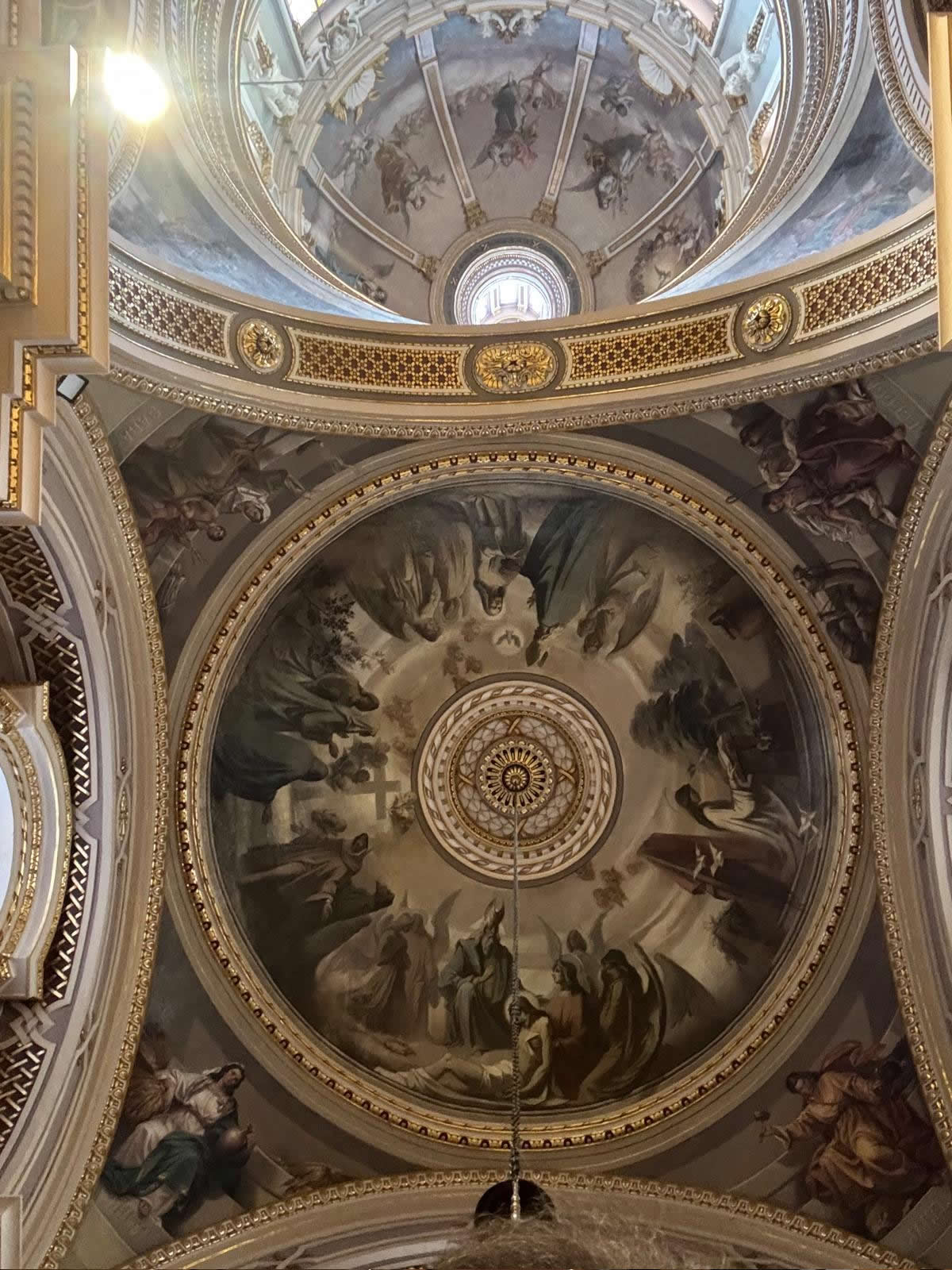
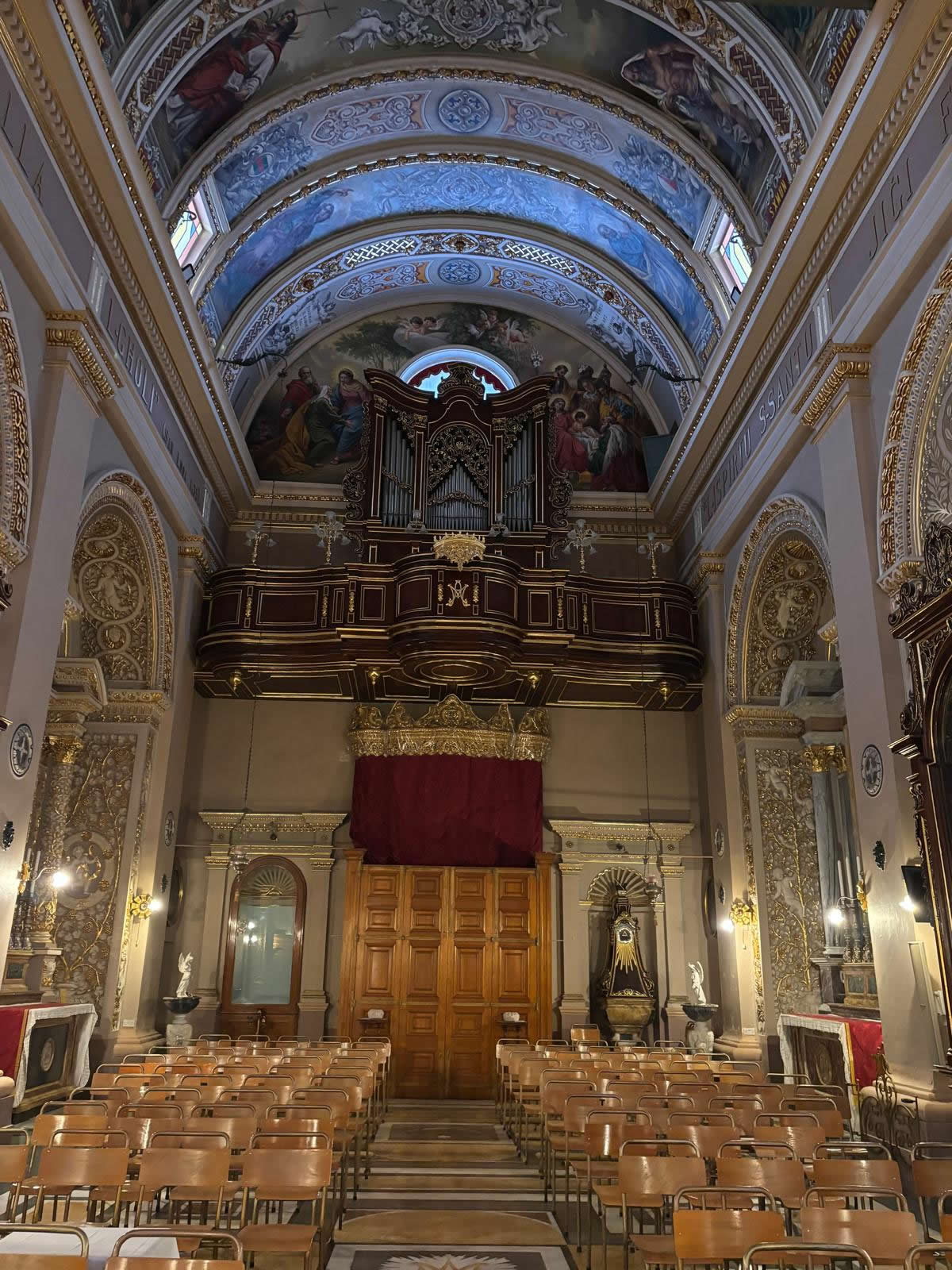
The church combines simplicity in structural clarity with decorative richness in its altars and interior detailing. The dome and façade reflect the transition toward Baroque expression in Malta during the late 17th century.
Artworks and Interior Decoration
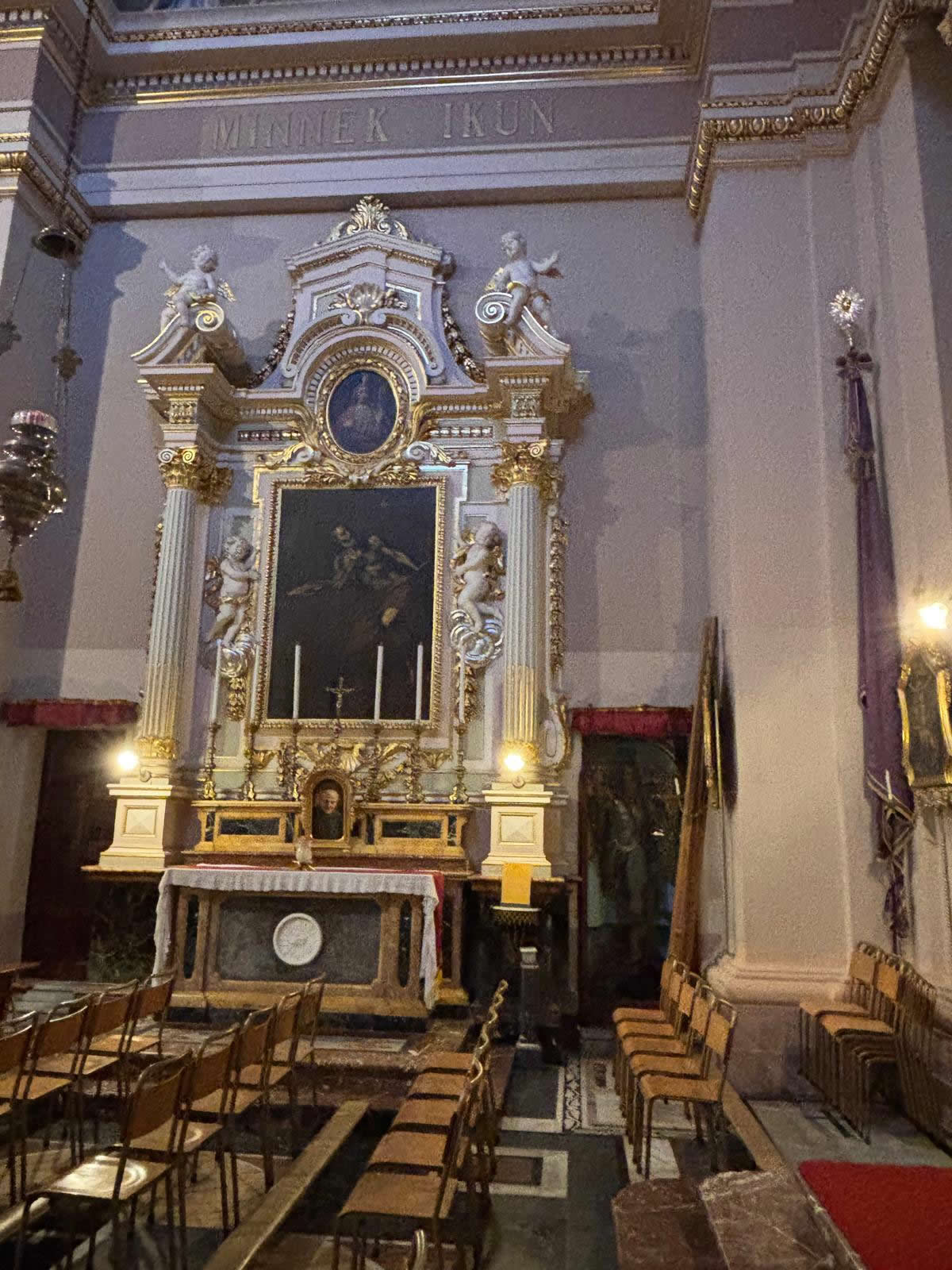
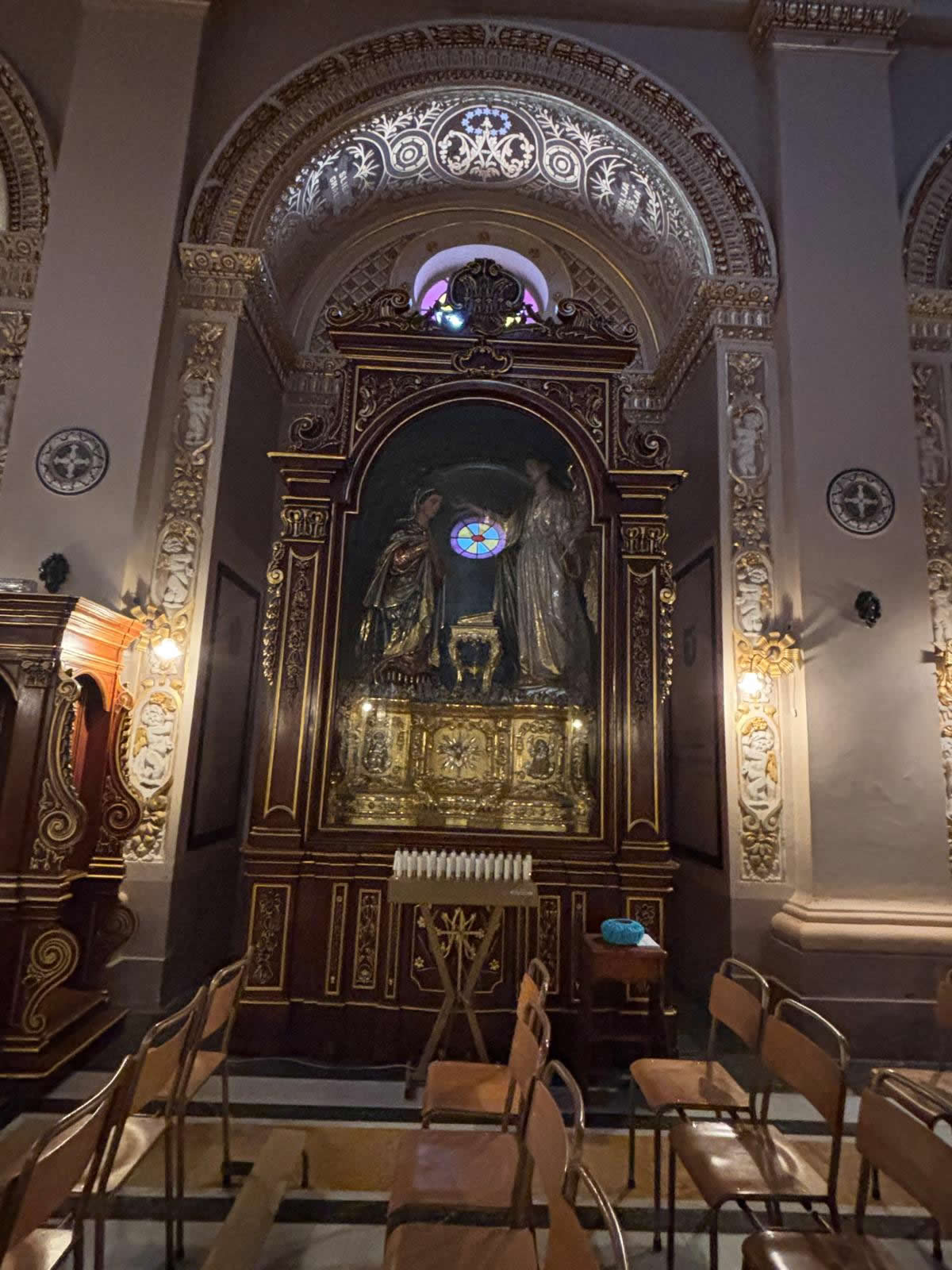
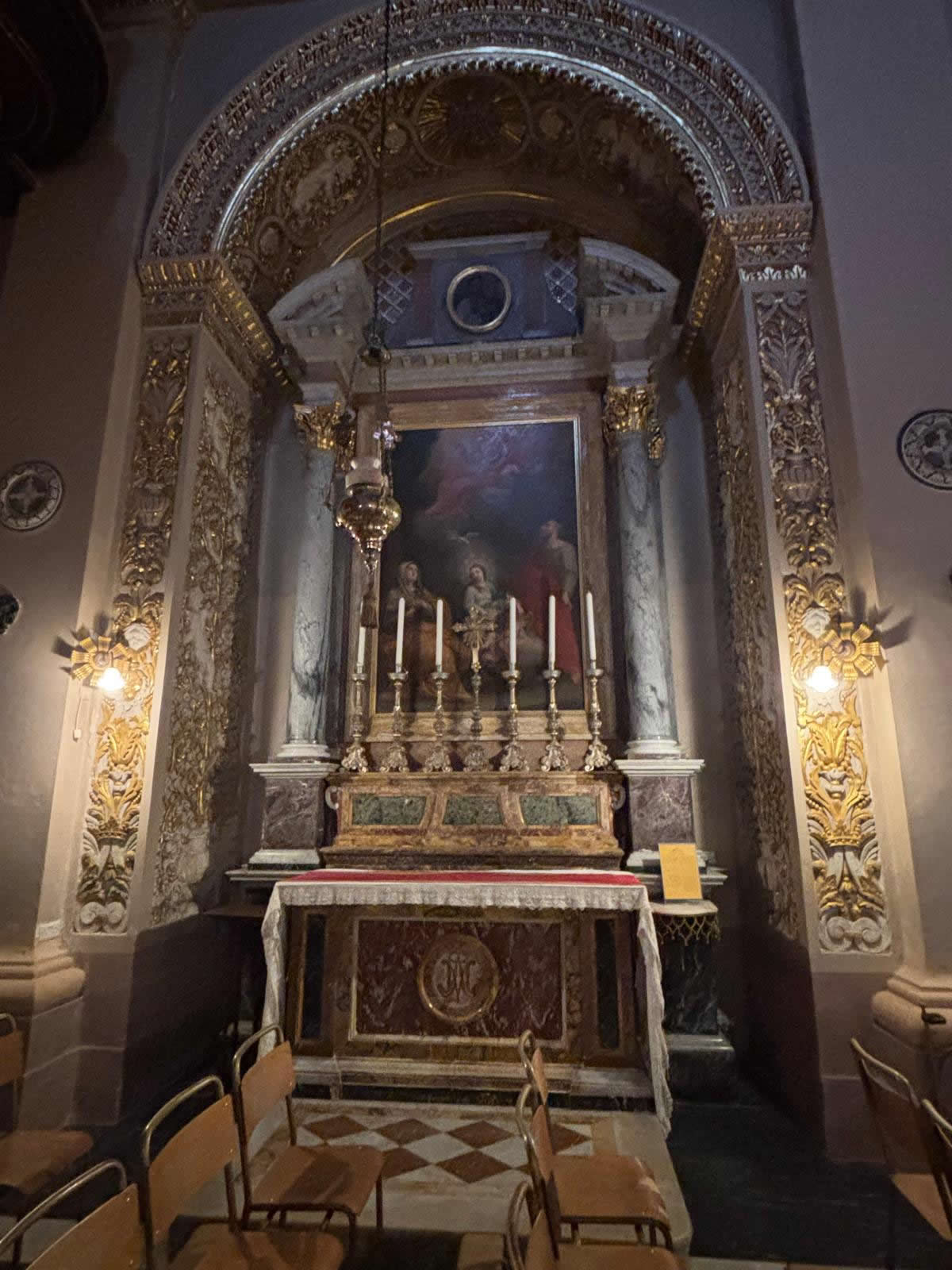
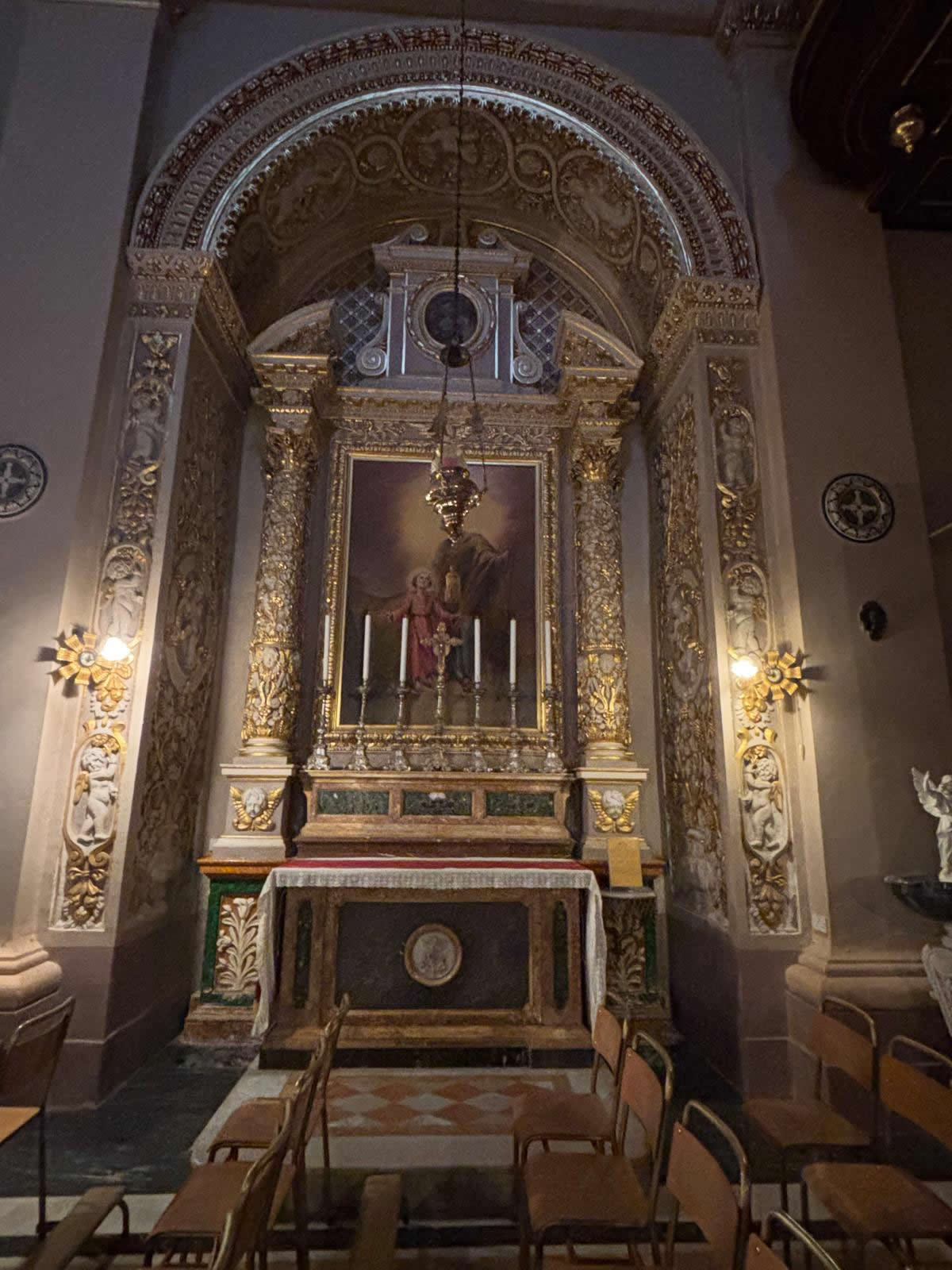
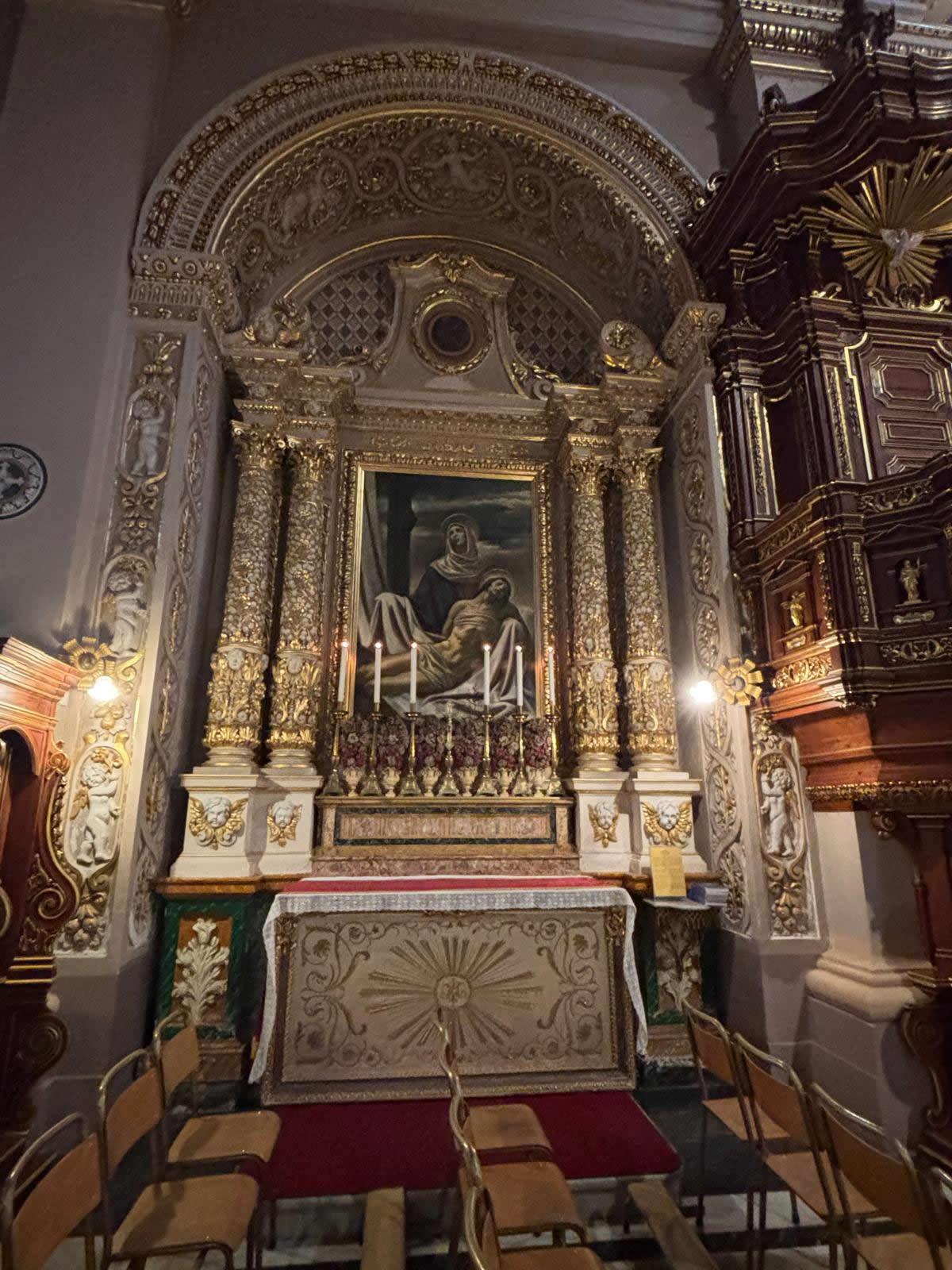
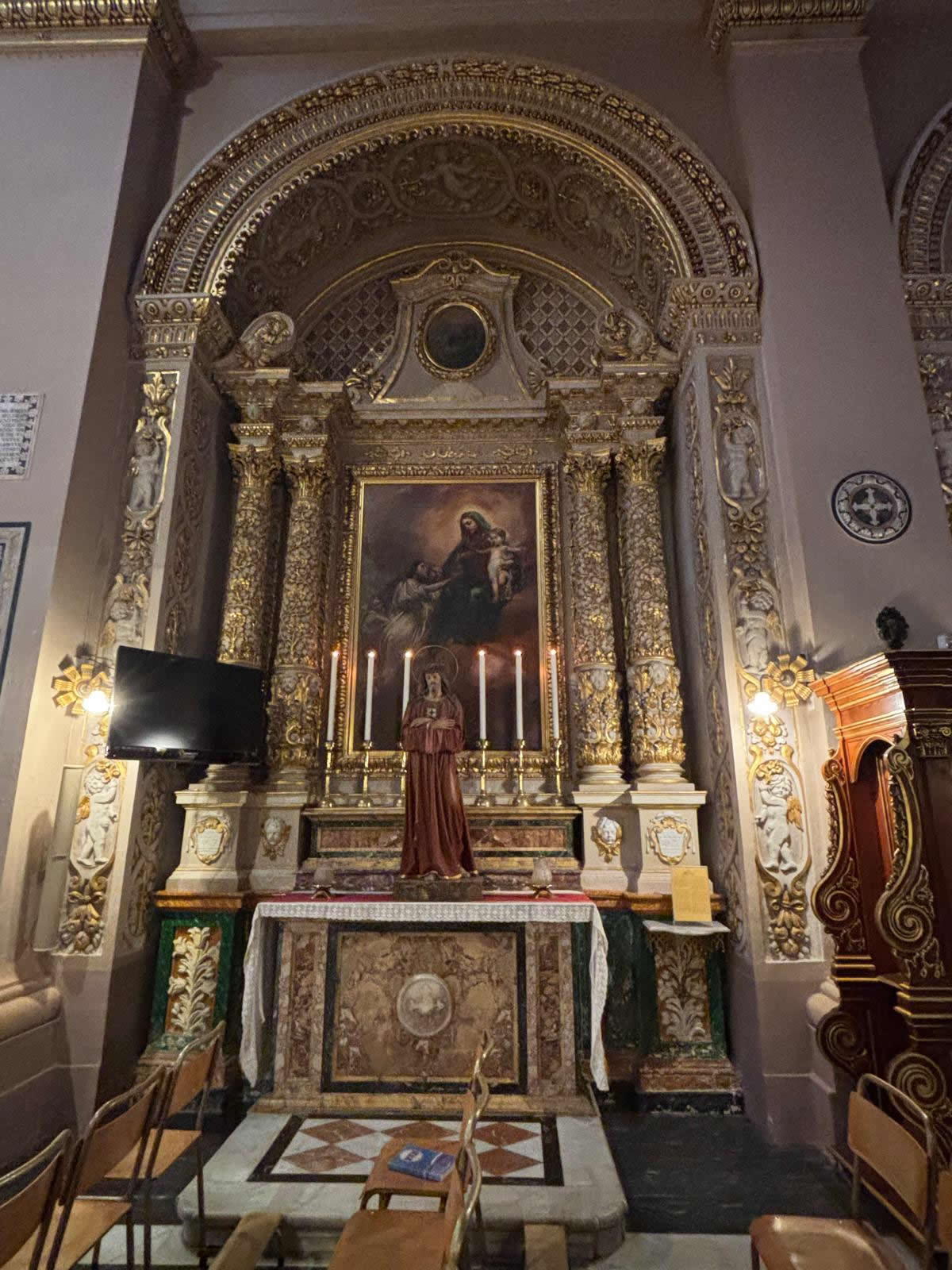
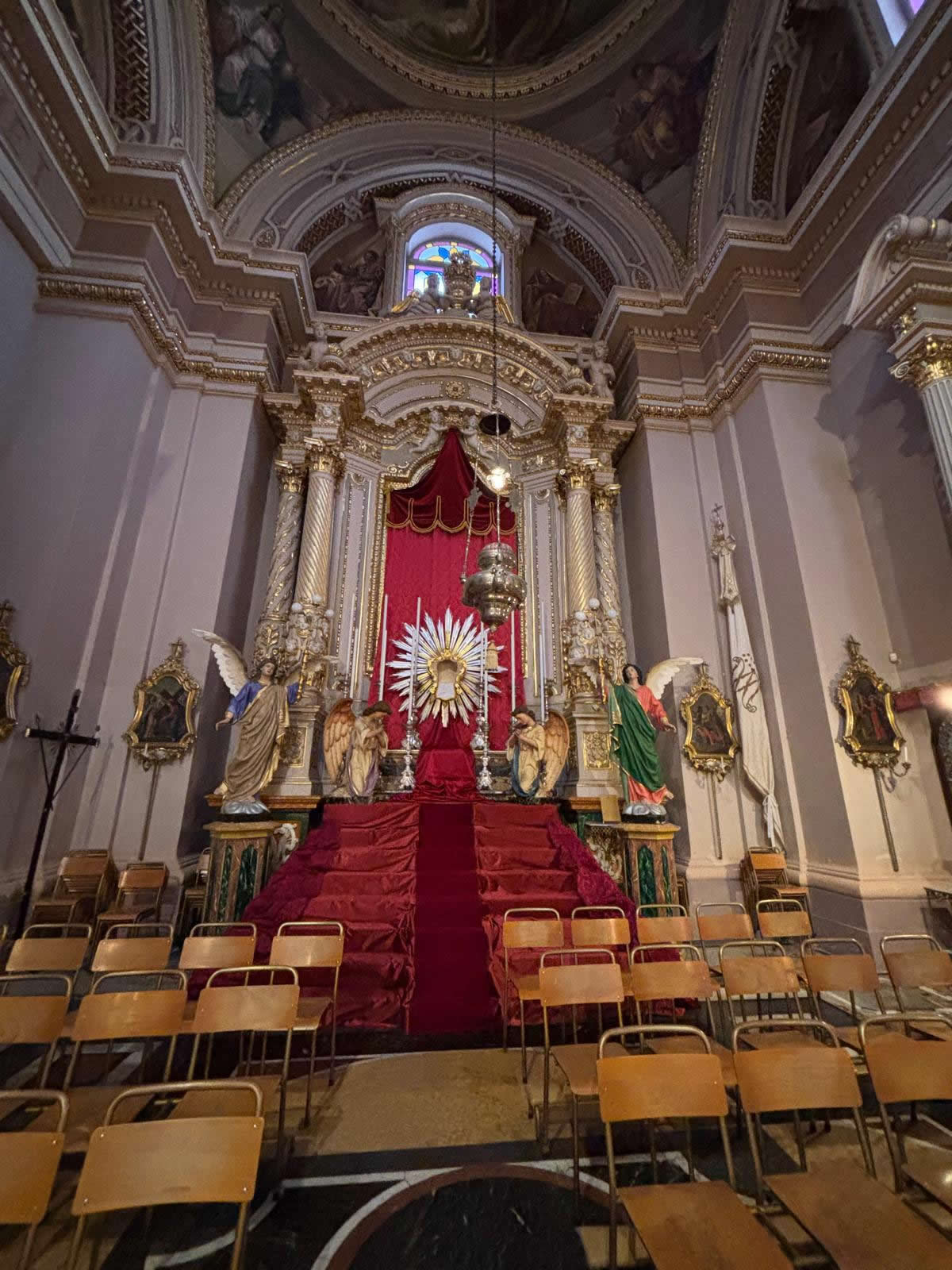
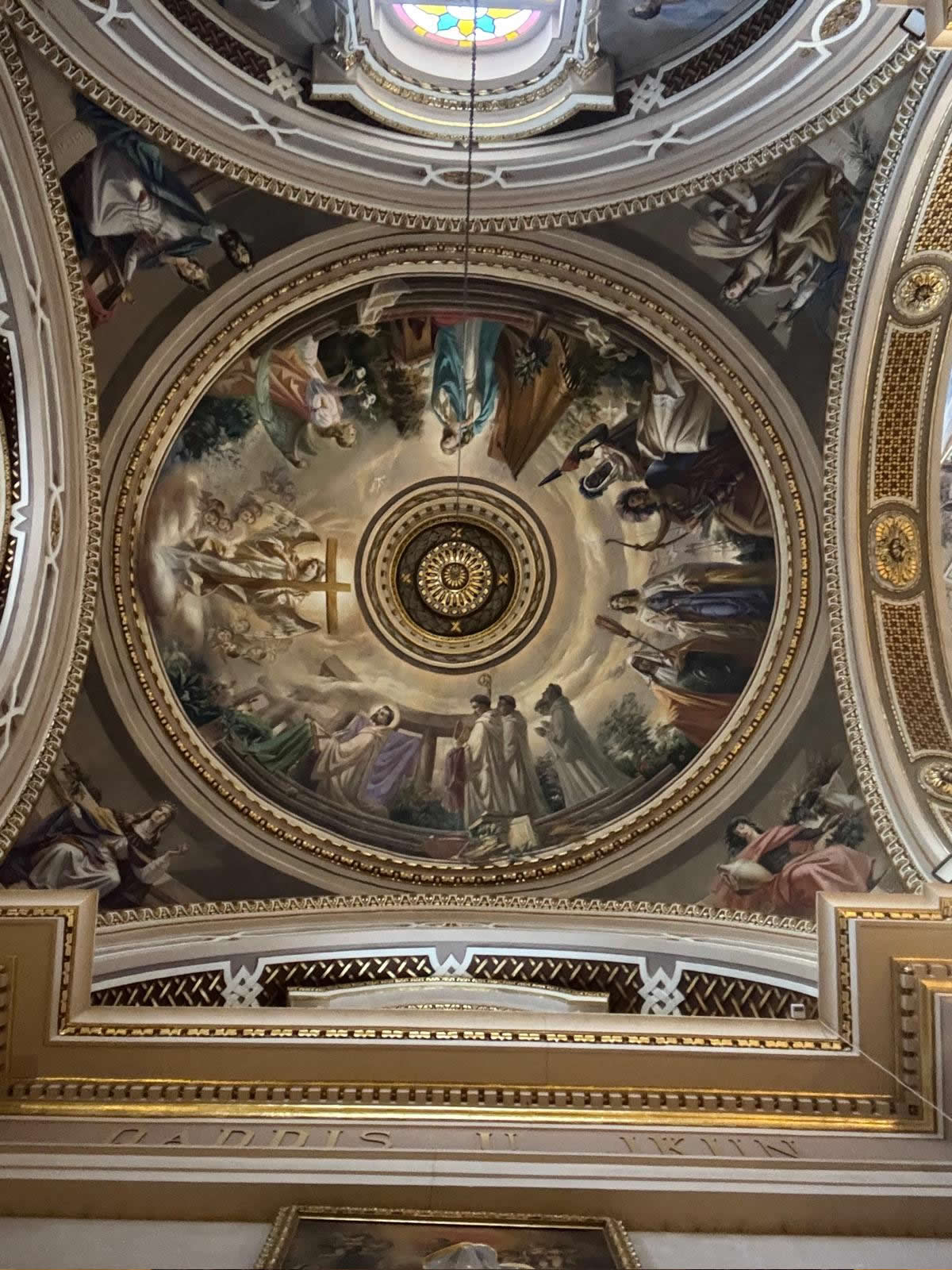
The interior of the church houses a variety of artistic and devotional works spanning several centuries.
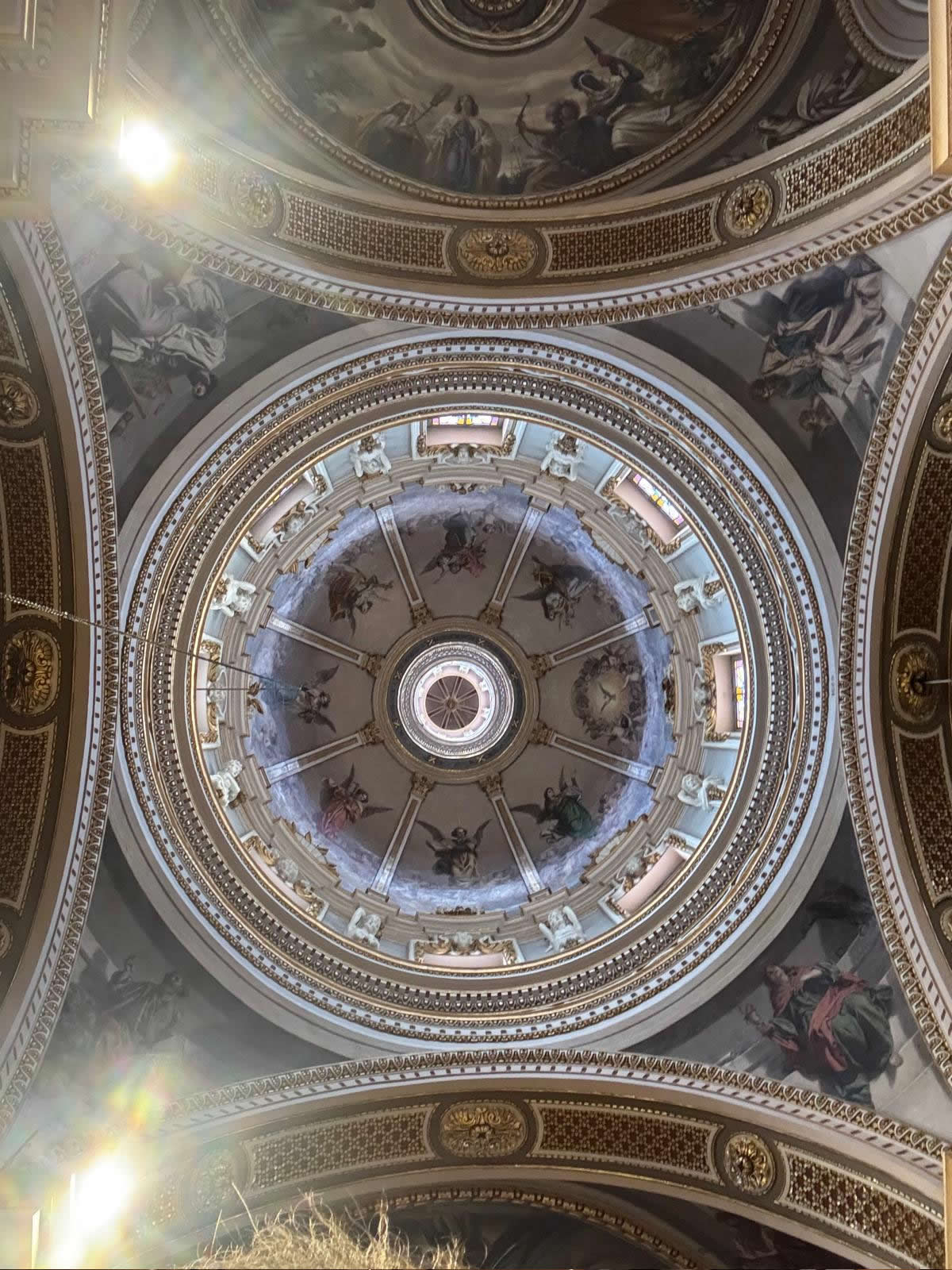
Notable Artistic Elements
- Paintings by Maltese artists including Emvin Cremona and Giuseppe Calleja
- Statues by Sigismondo Dimech, including:
- Statues of the Archangel Gabriel and the Virgin Mary at the entrance
- 18th-century statues of St Peter and St Paul
- Statue of the Assumption (Maria Assunta), created in 1838
These artworks reflect the continuity of artistic patronage within the parish and the importance of sculpture and painting in Maltese religious life.
Bells and Belfry
The church’s belfry, completed in 1708, houses a set of notable bells:
- Cast in Annecy, France by the Paccard bell foundry
- The largest bell weighs approximately 4 tons
- Ranks among the largest bells in Malta
The bells play a central role in village life, marking liturgical celebrations, feast days, and daily rhythms.
Restoration and Conservation
Like many historic Maltese churches, the Balzan Parish Church has undergone several restoration campaigns to preserve its structure and artistic heritage.
A significant restoration of parts of the church, including the façade, was completed in 2020 with support from European funding initiatives.
Earlier conservation efforts included the restoration of external statues and structural maintenance, ensuring the church remains both functional and historically preserved.
Religious and Community Role
The parish church remains the focal point of religious and social life in Balzan. It hosts:
- Daily Mass and liturgical services
- The annual Feast of the Annunciation (celebrated in July)
- Community events and parish activities
The church is deeply embedded in the identity of the village, continuing traditions that date back over three centuries.
Relationship with the Original Parish Church
It is important to distinguish this building from the earlier and smaller original parish church, which still exists nearby. That earlier structure served as the parish centre following the establishment of the parish in 1655, but was quickly replaced due to population growth.
The present church therefore represents the second and current parish church, built to accommodate a thriving and expanding community.
Visiting Information
- Location: Main Street, Balzan
- Access: Easily reachable from Attard, Lija, and Birkirkara
- Best time to visit: During feast celebrations or weekday mornings
Conclusion
The Balzan Parish Church stands as a testament to the growth of a Maltese village from a modest rural settlement into a structured parish community. Its history—from its origins in 1655 through its construction in the late 17th century and subsequent enhancements—illustrates the enduring importance of parish churches in shaping Malta’s cultural and architectural landscape.
Frequently Asked Questions (FAQ)
When was Balzan Parish Church built?
The current church began construction in 1669, was in use by 1673, blessed in 1695, and consecrated in 1781.
Is this the original parish church of Balzan?
No. This is the second and current parish church, built to replace an earlier smaller church nearby.
What architectural style is the church?
The church combines Doric and Baroque influences, with a Latin cross plan typical of post-Tridentine design.
What are the main artworks?
The church features paintings by Maltese artists and sculptures by Sigismondo Dimech, including statues of the Annunciation.
Can visitors enter the church?
Yes, the church is open for worship and visitors, particularly outside Mass times.