📍 Location
Location Map Coordinates 35.888676, 14.521566
Introduction
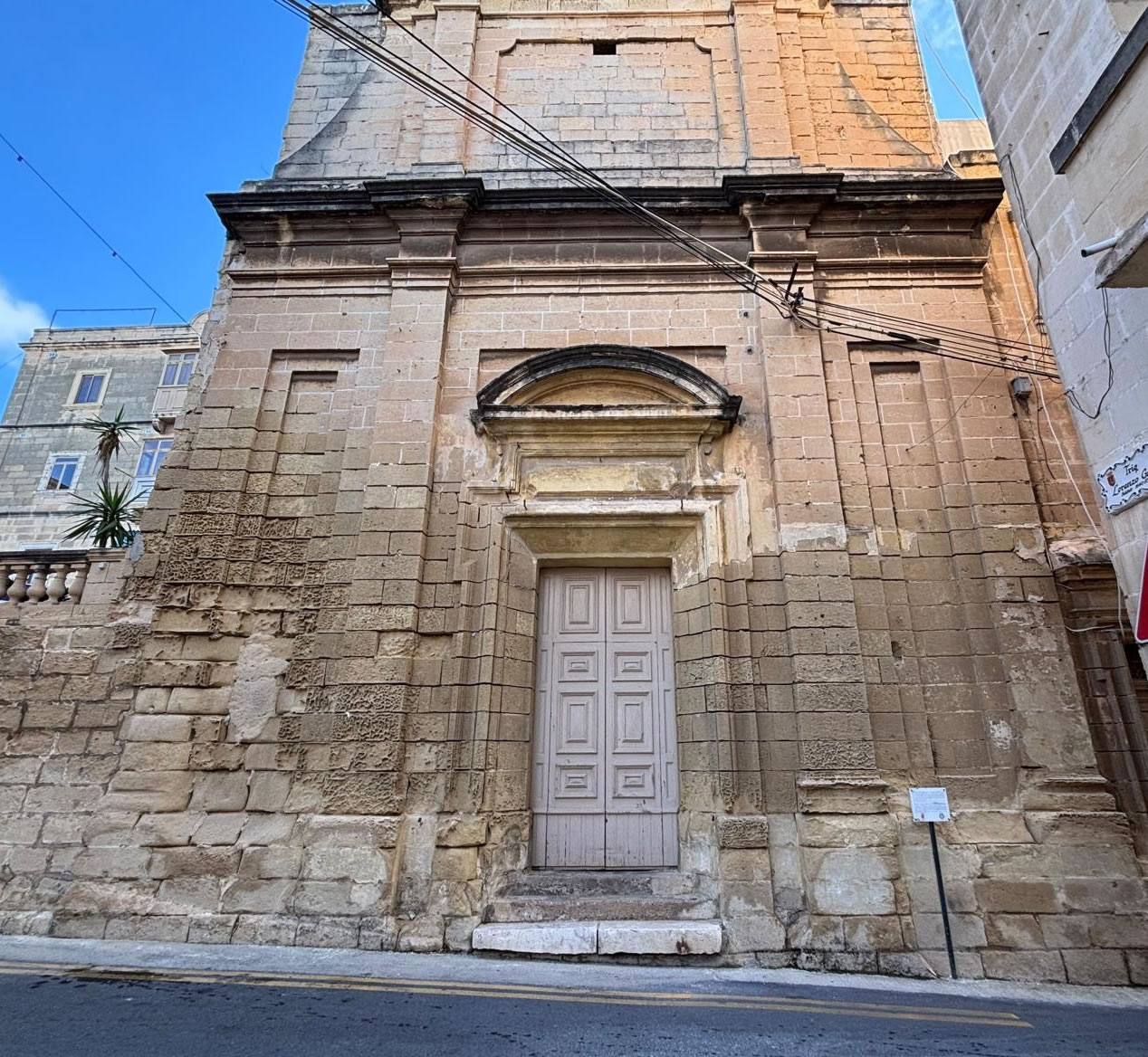
The Church of St Philip in Birgu, also historically known as the Church of Our Lady of the Angels, is one of the most architecturally and historically significant religious buildings in the city. Closely associated with the Oratorians of St Philip Neri, the church reflects centuries of religious devotion, Baroque artistic expression, and ecclesiastical development in Malta.
Located within the fortified maritime city of Birgu (Vittoriosa), the church forms part of a larger religious complex that includes an oratory and convent. Its layered history—from medieval origins to Baroque reconstruction and wartime survival—mirrors the broader evolution of Malta’s religious and cultural identity.
Early Origins and First Church (15th–17th Century)
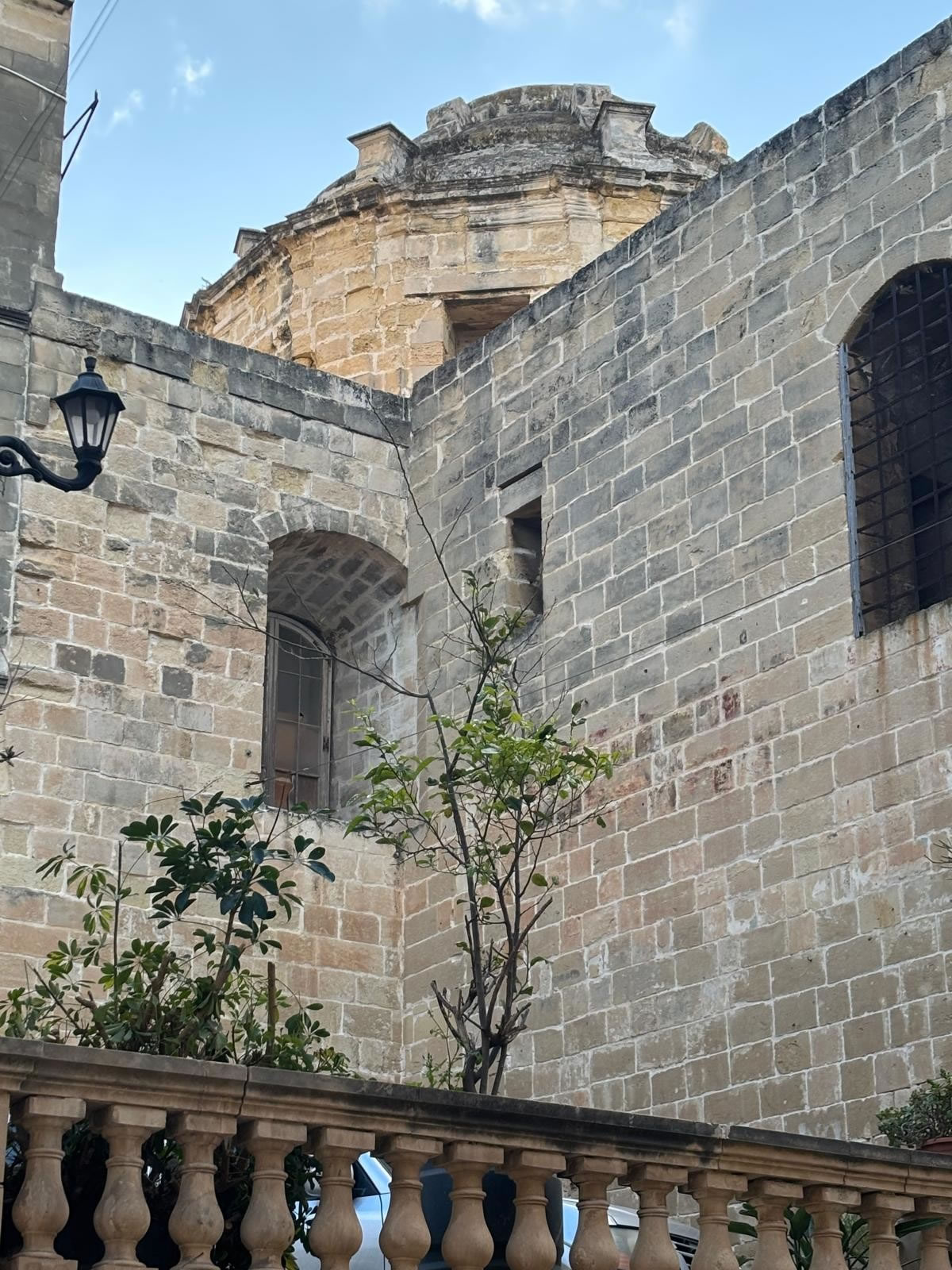
The earliest references to a church on this site date back to the 15th century, when a chapel already existed in Birgu.
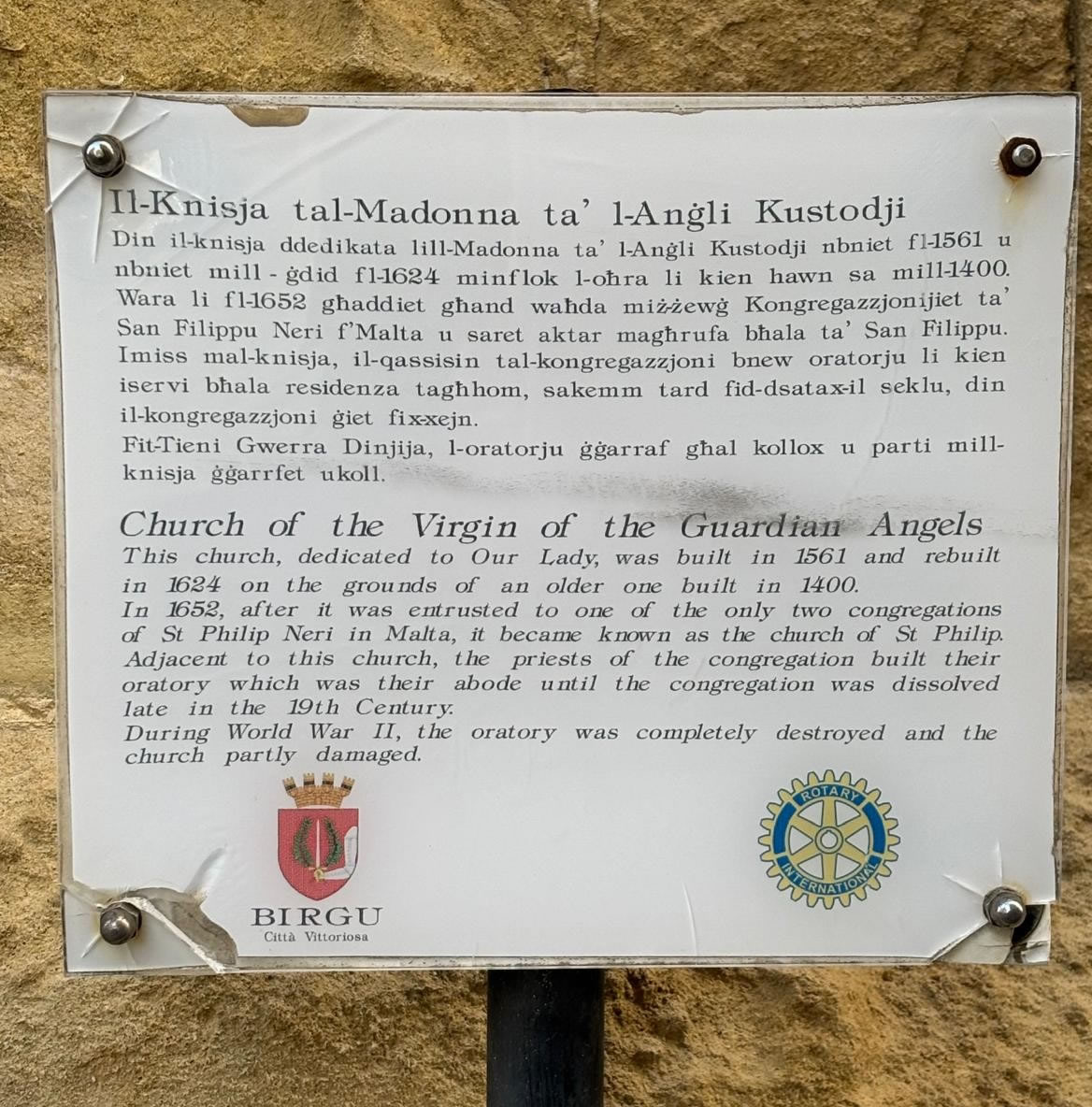
A more substantial structure was built in 1624 by the Maltese historian and canon Giovanni Abela, who dedicated it to Our Lady of the Angels.
This early church featured:
- A simple square plan
- A single altar
- A modest architectural style reflecting its early 17th-century origins
At this stage, the church served as a local place of worship within Birgu’s growing urban and maritime community.
The Arrival of the Oratorians (1652)
A major turning point in the history of the church came in the mid-17th century. In 1652, the church was entrusted to the Congregation of the Oratory of St Philip Neri.
This congregation, inspired by the teachings of St Philip Neri, emphasised:
- Community life and spiritual formation
- Preaching and pastoral care
- Music and devotional practices
Following their arrival:
- The church gradually became known as the Church of St Philip
- An oratory was constructed nearby
- Additional properties were acquired to form a larger religious complex
This transformation marked the beginning of the church’s association with the Oratorian tradition, which continues to define its identity.
18th-Century Reconstruction and Expansion (1737–1786)
The church underwent a major reconstruction in the 18th century, reflecting both the growth of the Oratorian community and the flourishing Baroque culture of Malta under the Knights of St John.
Between 1737 and 1739, the church was significantly enlarged and redesigned.
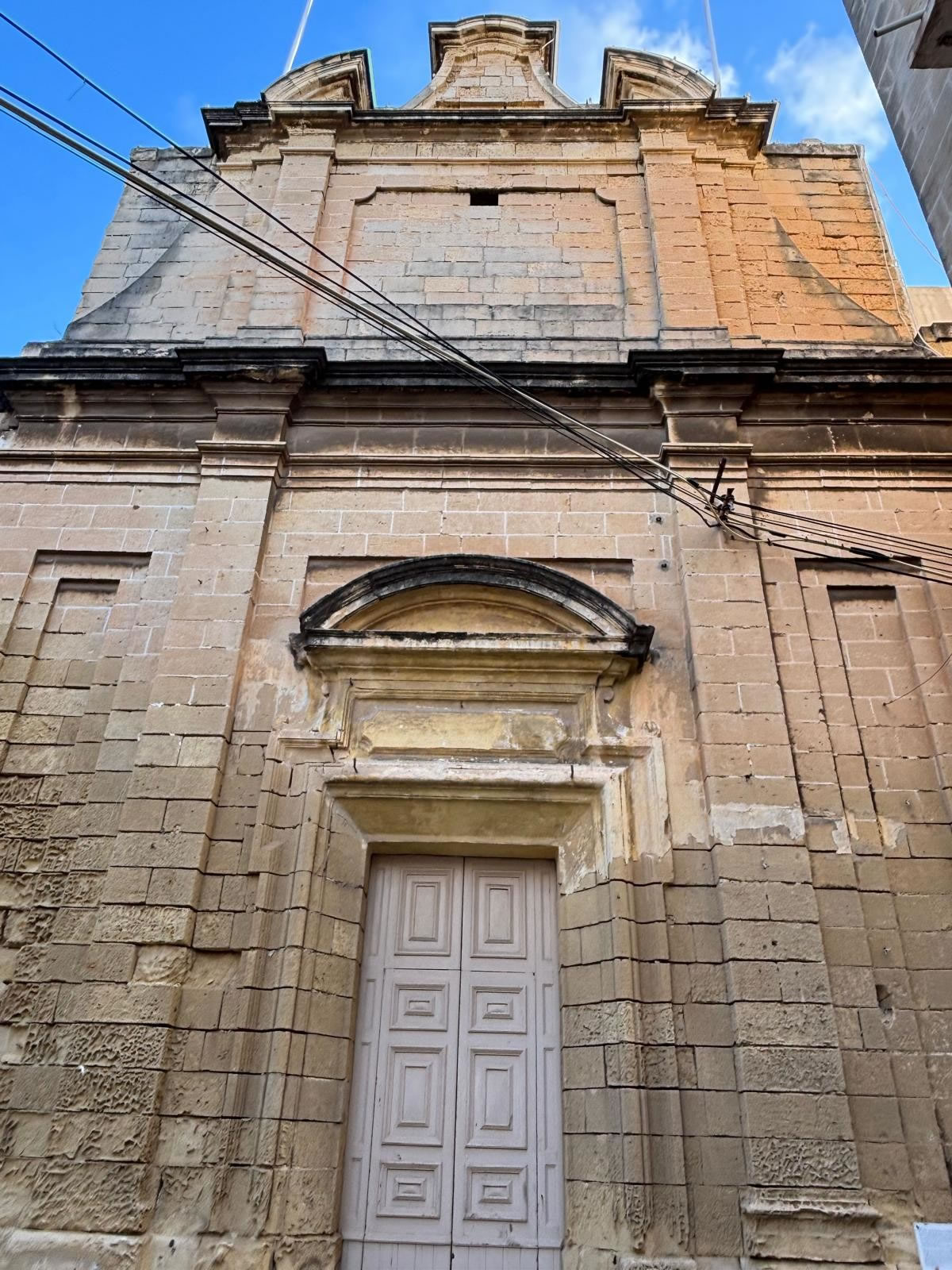
Key developments included:
- Transformation into a Latin cross plan
- Addition of transepts and a choir
- Creation of side chapels
Further enhancements followed:
- 1779: Expansion of the nave with side aisles
- 1784: Installation of an organ loft
- 1786: Official consecration by Bishop Vincenzo Labini
This reconstruction gave the church its distinctive Baroque character, making it one of the more architecturally refined churches in Birgu.
Architecture and Design
Façade
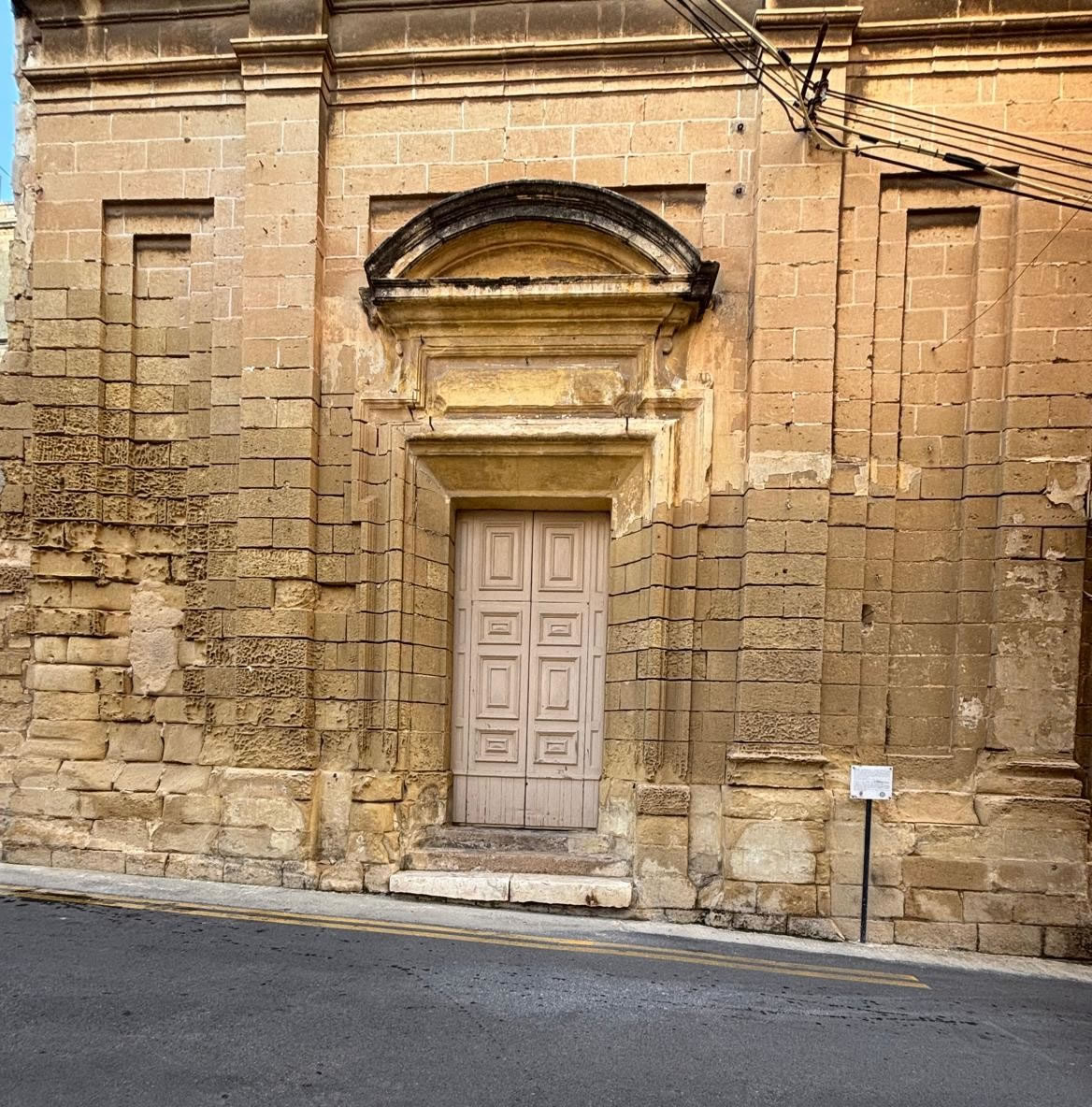
The façade of the Church of St Philip reflects classic Maltese Baroque design:
- Divided into three vertical bays
- Central doorway framed by columns and a pediment
- A bellcote crowned with a small dome
The architectural composition balances elegance with restraint, typical of ecclesiastical buildings of the period.
Interior Layout
The interior is characterised by:
- A Latin cross plan
- Transepts and side chapels
- A central nave leading to the presbytery
The spatial arrangement creates a harmonious flow typical of Baroque church design, enhancing both liturgical function and visual impact.
Artworks and Interior Decoration
The Church of St Philip houses a rich collection of artworks reflecting both local and Italian influences.
Main Altarpiece
The main altar is dedicated to Our Lady of the Angels, preserving the original dedication of the church.
A smaller painting of St Jerome by the renowned artist Mattia Preti was also associated with the altar.
Other Paintings
Additional artworks within the church include:
- Paintings of St Philip Neri
- Scenes such as the Nativity (Birth of Jesus)
- Devotional images of saints including St Isidore and St Anthony of Padua
These works contribute to the church’s rich artistic programme, combining devotional themes with Baroque aesthetics.
19th and Early 20th Century Use
Throughout the 19th century and into the early 20th century, the Church of St Philip remained an active centre of worship and Oratorian activity.
It served:
- The spiritual needs of the local community
- The Oratorian congregation
- Various confraternities and devotional groups
By this time, the church had become firmly established as one of Birgu’s key religious landmarks.
World War II and Decline
The Second World War brought significant disruption to the church.
Following the first air raids on Malta in June 1940, regular liturgical use of the church ceased.
Although not completely destroyed, the church suffered damage and gradually fell out of regular use during and after the war.
Like many buildings in the Grand Harbour area, its decline reflects the broader impact of wartime destruction on Malta’s historic fabric.
Modern Status and Restoration
Today, the Church of St Philip is no longer used as a regular parish church but remains an important historical and architectural site.
Over the years:
- Conservation efforts have aimed to preserve its structure
- The building has occasionally been used for cultural events
- It has gained popularity as a wedding venue
Its continued presence contributes to the cultural landscape of Birgu.
Religious and Cultural Significance
The Church of St Philip holds a special place in Malta’s heritage:
- It represents the influence of the Oratorian movement in Malta
- It preserves the legacy of St Philip Neri
- It reflects the Baroque artistic tradition of the Knights’ period
Its dual dedication—to both Our Lady of the Angels and St Philip—symbolises the continuity of devotion across centuries.
Visiting Information
Visitors exploring Birgu can include the Church of St Philip in a walking tour of the city’s historic core.
- Location: Birgu (Vittoriosa)
- Coordinates: 35.888676, 14.521566
- Access: Within Birgu historic centre
- Use: Historical site / occasional events
Conclusion
The Church of St Philip in Birgu is a remarkable example of Malta’s religious and architectural heritage. From its origins as a 17th-century church dedicated to Our Lady of the Angels to its transformation under the Oratorians and its Baroque reconstruction, the church reflects the evolving spiritual life of the Maltese islands.
Though no longer a fully active parish church, it remains a powerful symbol of Birgu’s rich past. Its artistic treasures, architectural elegance, and historical significance make it an essential stop for anyone interested in Malta’s ecclesiastical heritage.