📍 Location
Location Map Coordinates 36.044986, 14.238019
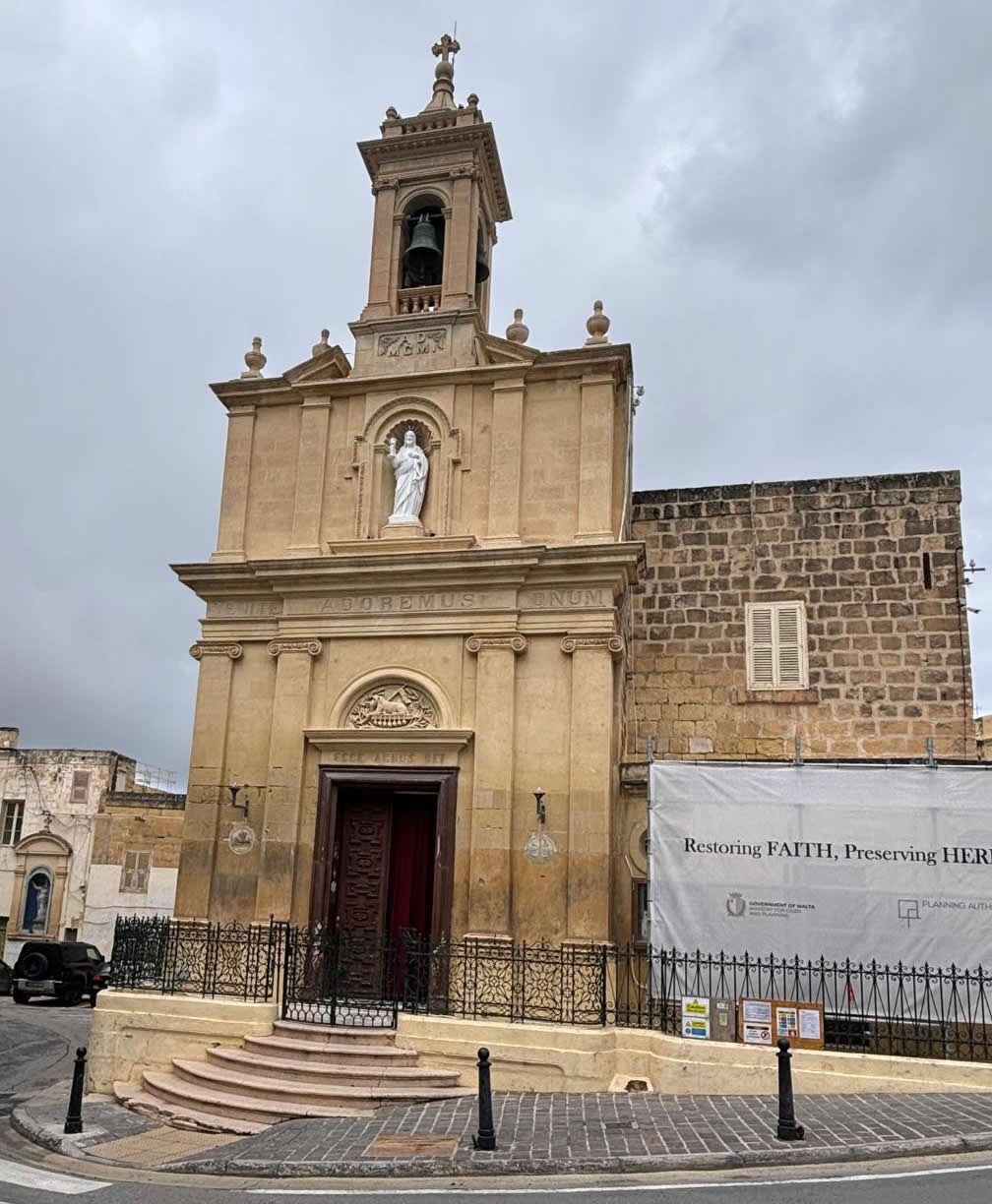
Knisja ta’ Santa Savina is located close to the heart of Victoria (Rabat), Gozo, near Pjazza Savina and only a short distance from Independence Square and the Citadel. Positioned at coordinates 36.044986, 14.238019, the church occupies an important location between the historic centre of the town and the approach to Gozo’s fortified Citadel.
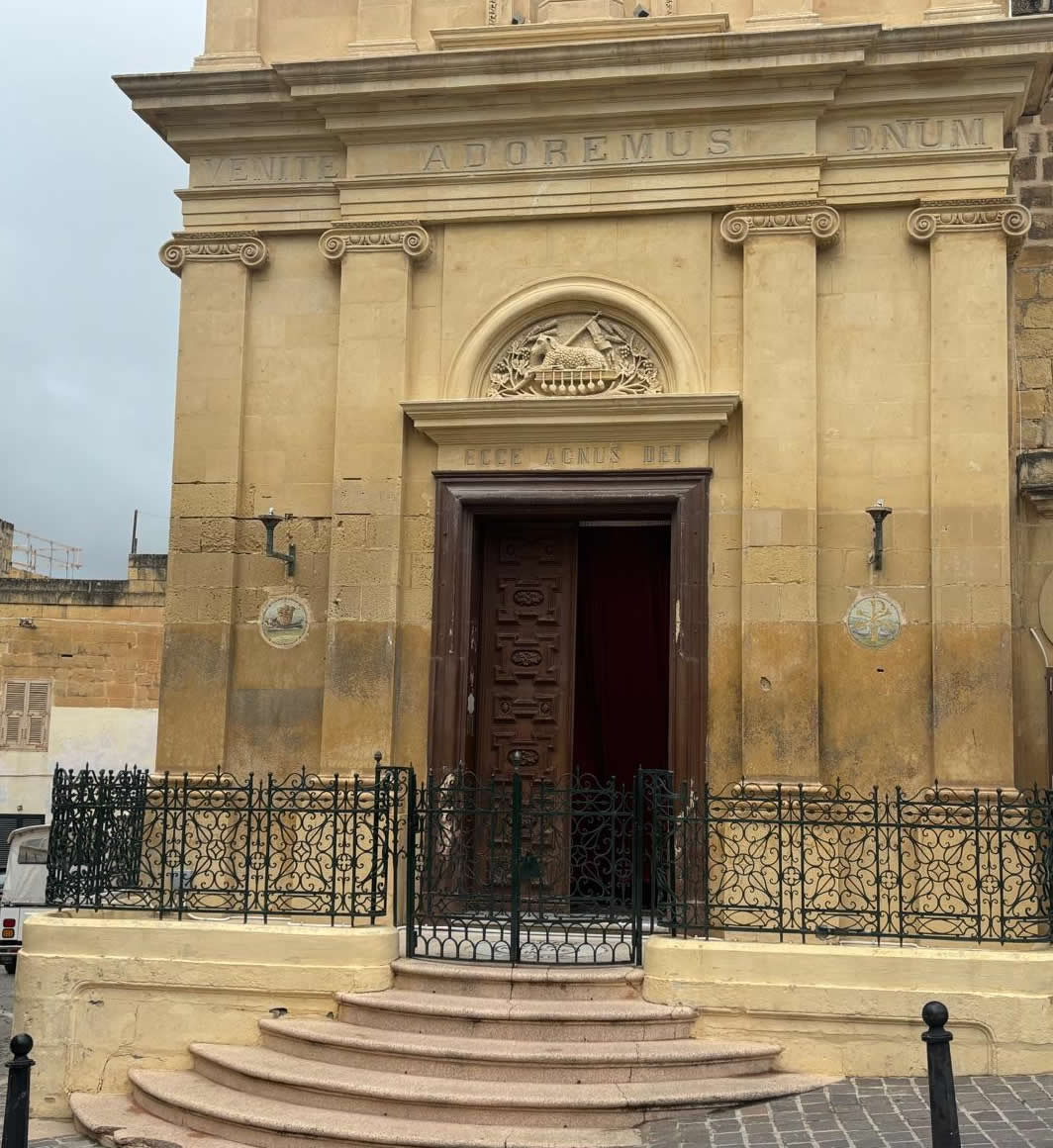
Although modest in scale, Santa Savina Church forms part of a wider network of chapels and small churches that developed across Gozo from the medieval period onward. Unlike many rural chapels, it served a community within the urban setting of Victoria, providing accessible space for prayer and devotion while contributing to the town’s dense religious landscape. These churches played an essential role in shaping the island’s religious and cultural identity.
Location and Urban Context
Santa Savina Church is situated close to the historic centre of Victoria (Rabat), Gozo, near Pjazza Savina and within walking distance of Independence Square (It-Tokk) and the Citadel. Rather than being in a rural or agricultural setting, the chapel occupies a position within the urban fabric of the town, reflecting its role in serving a local community within one of Gozo’s most historically significant areas.
This central location distinguishes it from many rural chapels across Gozo, highlighting its connection to the development of Victoria as a religious and administrative hub. Its proximity to key landmarks suggests that it formed part of the broader network of devotional sites that supported daily religious life within the town.
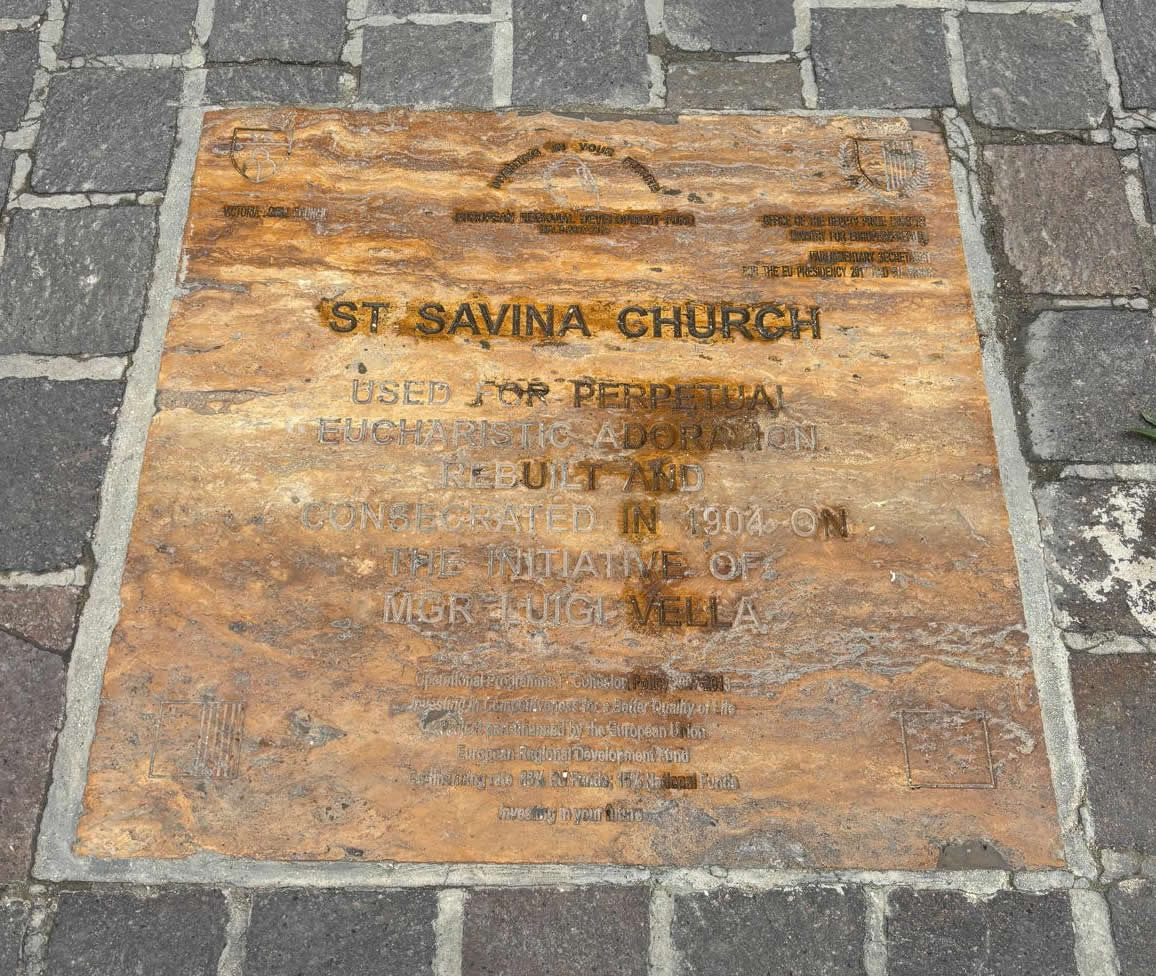
Dedication to Saint Savina
The church is dedicated to Saint Savina, a relatively rare dedication within Maltese ecclesiastical tradition. Saint Savina is believed to have been an early Christian martyr, venerated for her faith and devotion.
The presence of this dedication in Gozo may reflect historical influences from continental Europe or specific devotional traditions brought by settlers or members of the clergy.
Historical Background
While precise documentary records for Santa Savina Church are limited, its origins can be placed within the broader development of chapels in Gozo between the 14th and 17th centuries.

During this period, numerous small churches were constructed across the island to serve dispersed populations. These chapels were often recorded in episcopal visitations, such as that of Monsignor Pietro Dusina in 1575, which documented many religious sites in Malta and Gozo.
It is possible that Santa Savina existed in some form during this time, either as an early structure or as part of a network of devotional sites.
Construction and Architectural Features
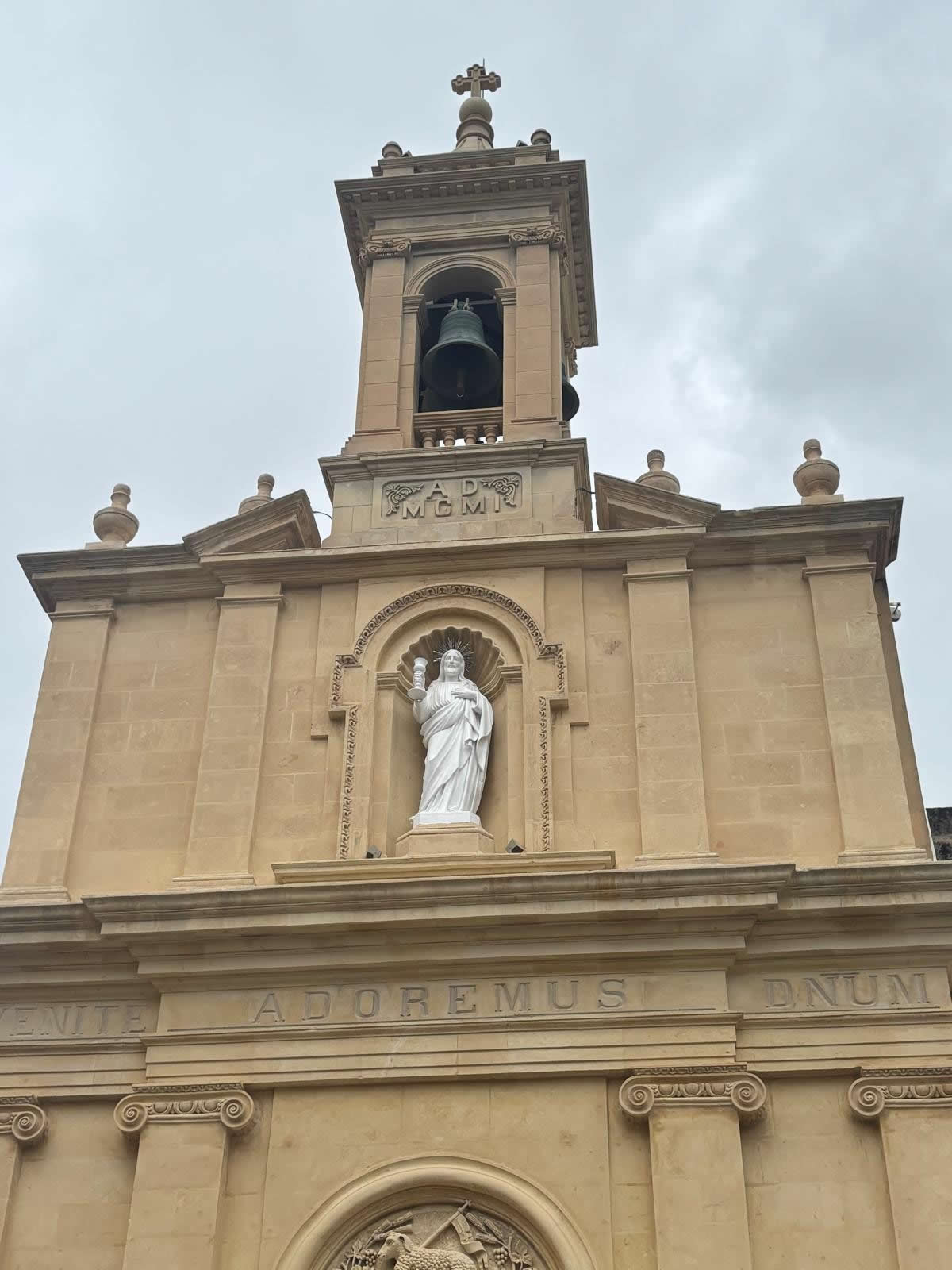
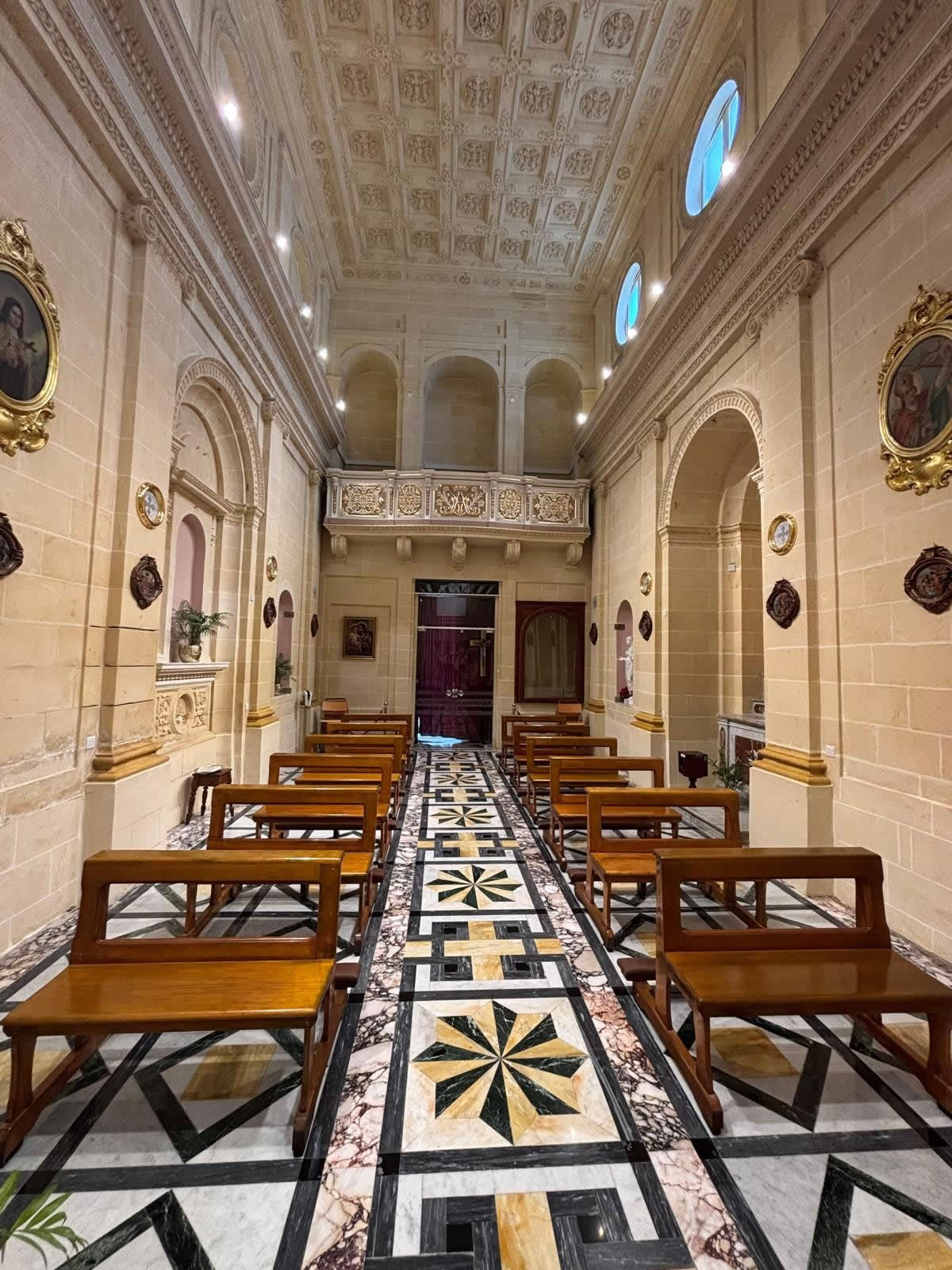
The architecture of Santa Savina Church reflects traditional Maltese rural chapel design. Built using local limestone, the structure is characterised by simplicity, functionality, and harmony with its surroundings.
- A rectangular plan typical of small chapels
- A single façade with a central doorway
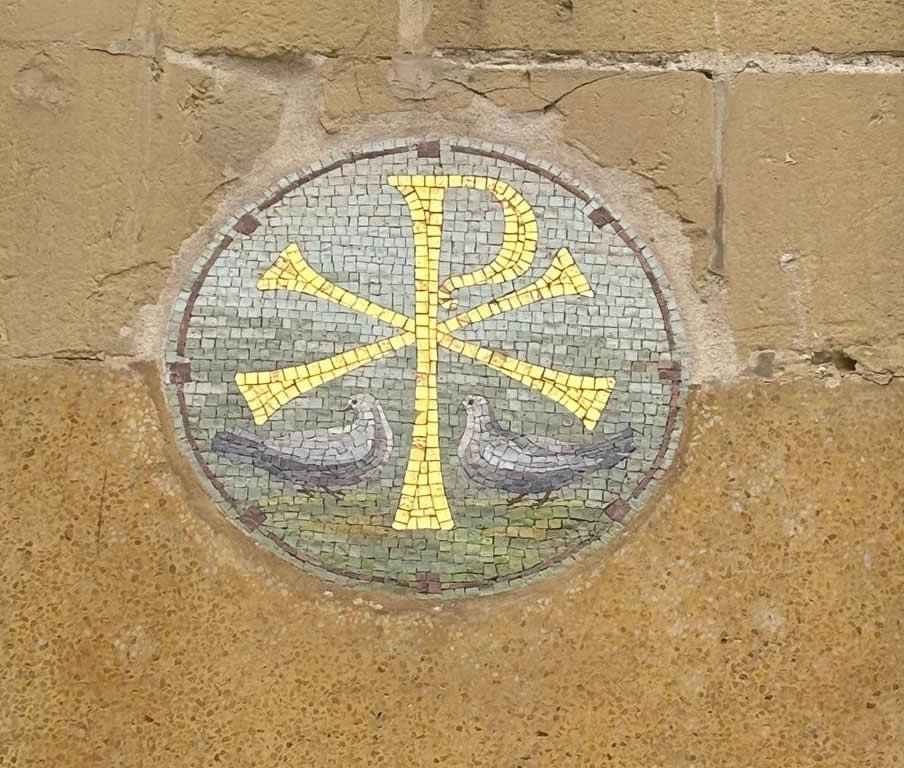
- Minimal decorative elements
- A modest roofline, often flat or slightly pitched
This architectural style prioritised durability and practicality, ensuring that the chapel could withstand the local climate while remaining accessible to the surrounding community.
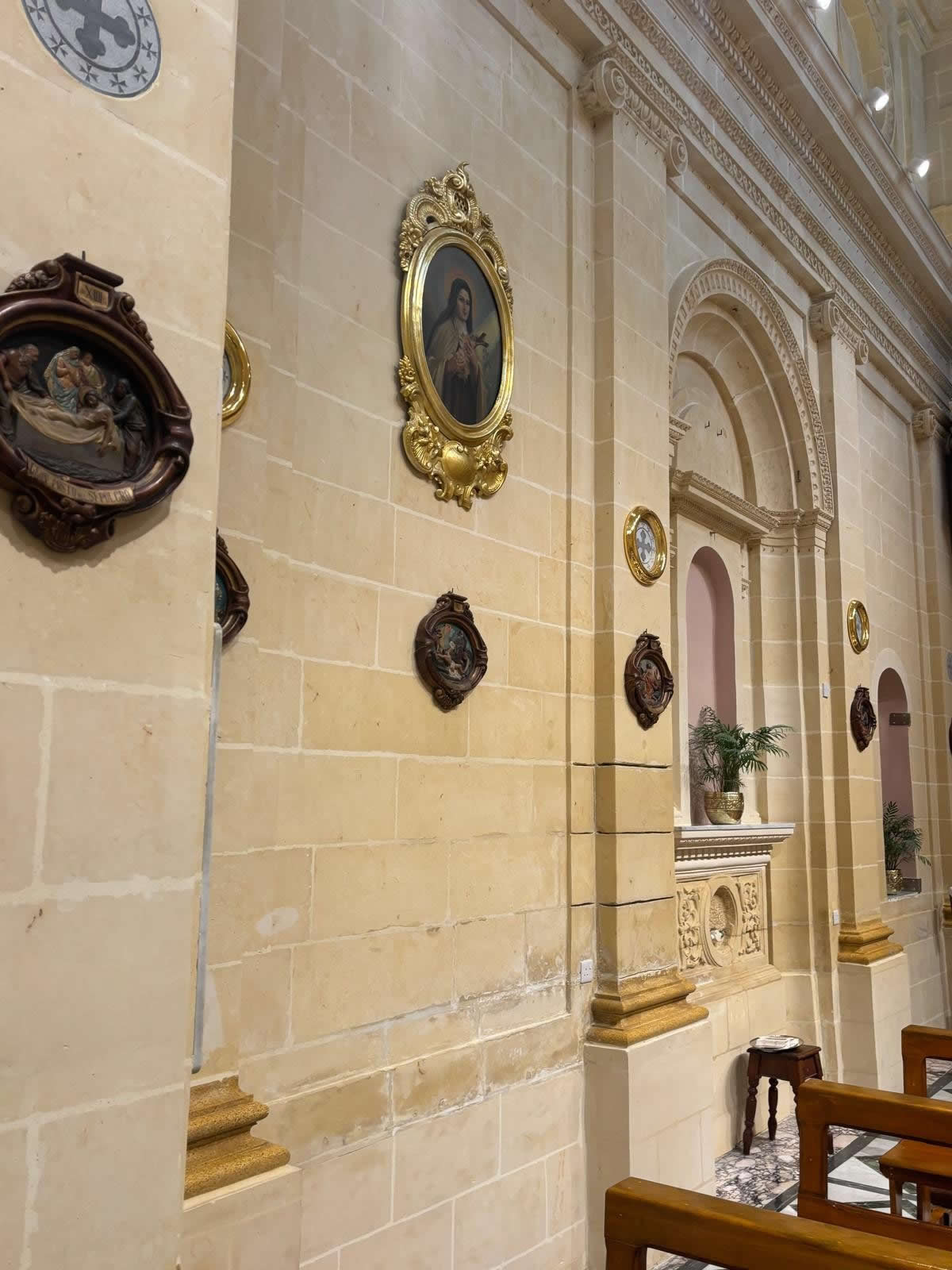
Interior and Artistic Elements
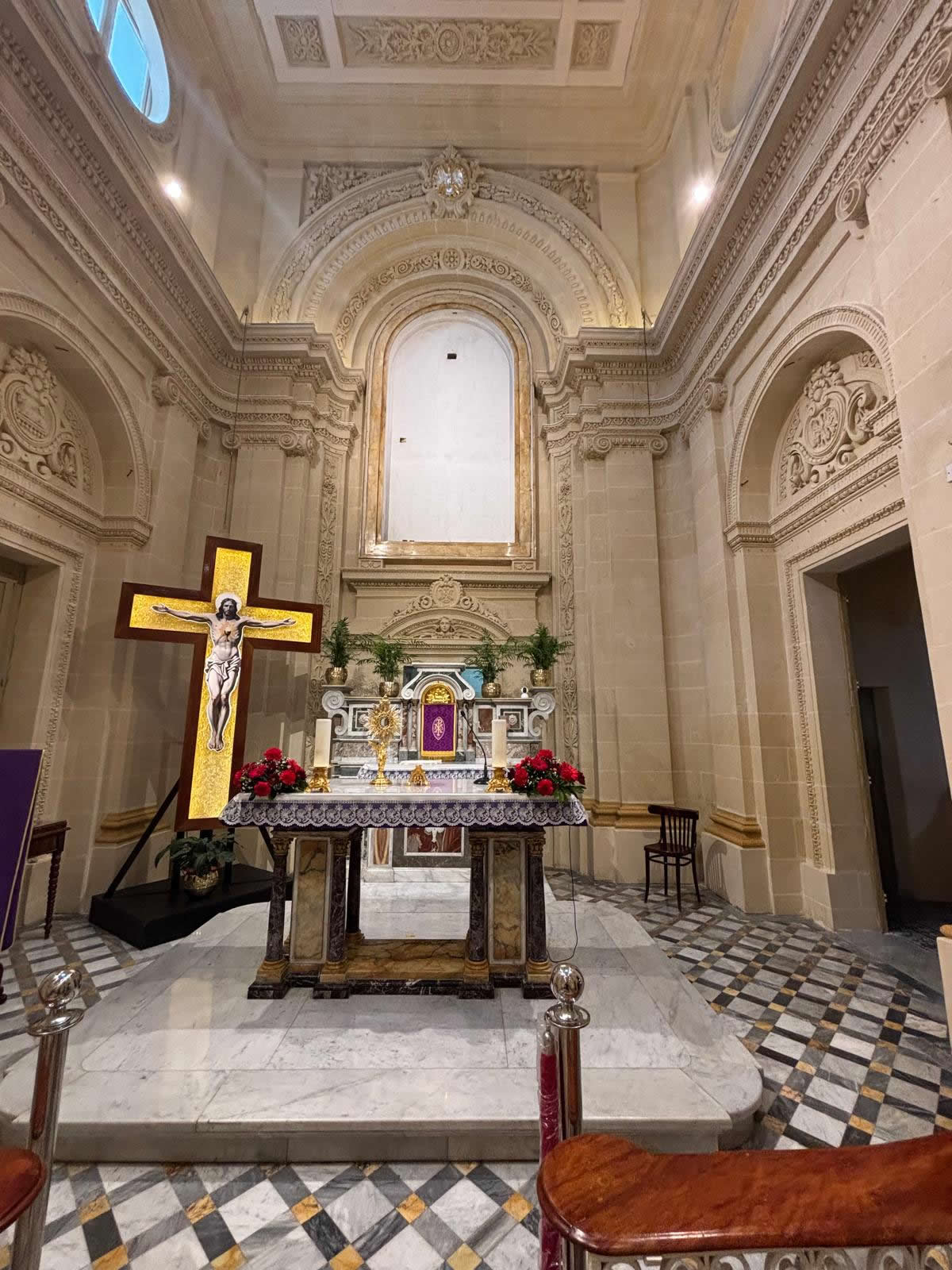
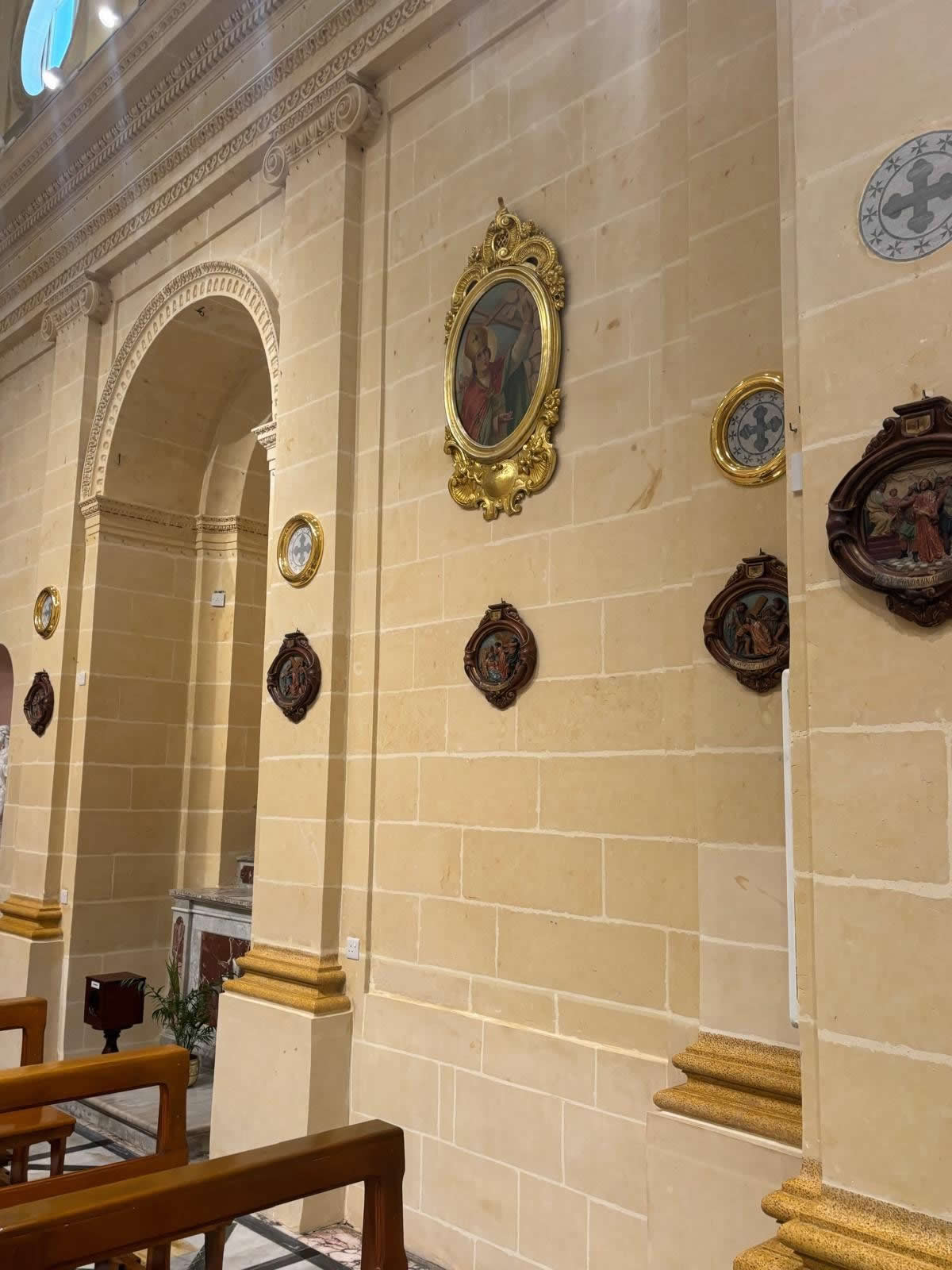
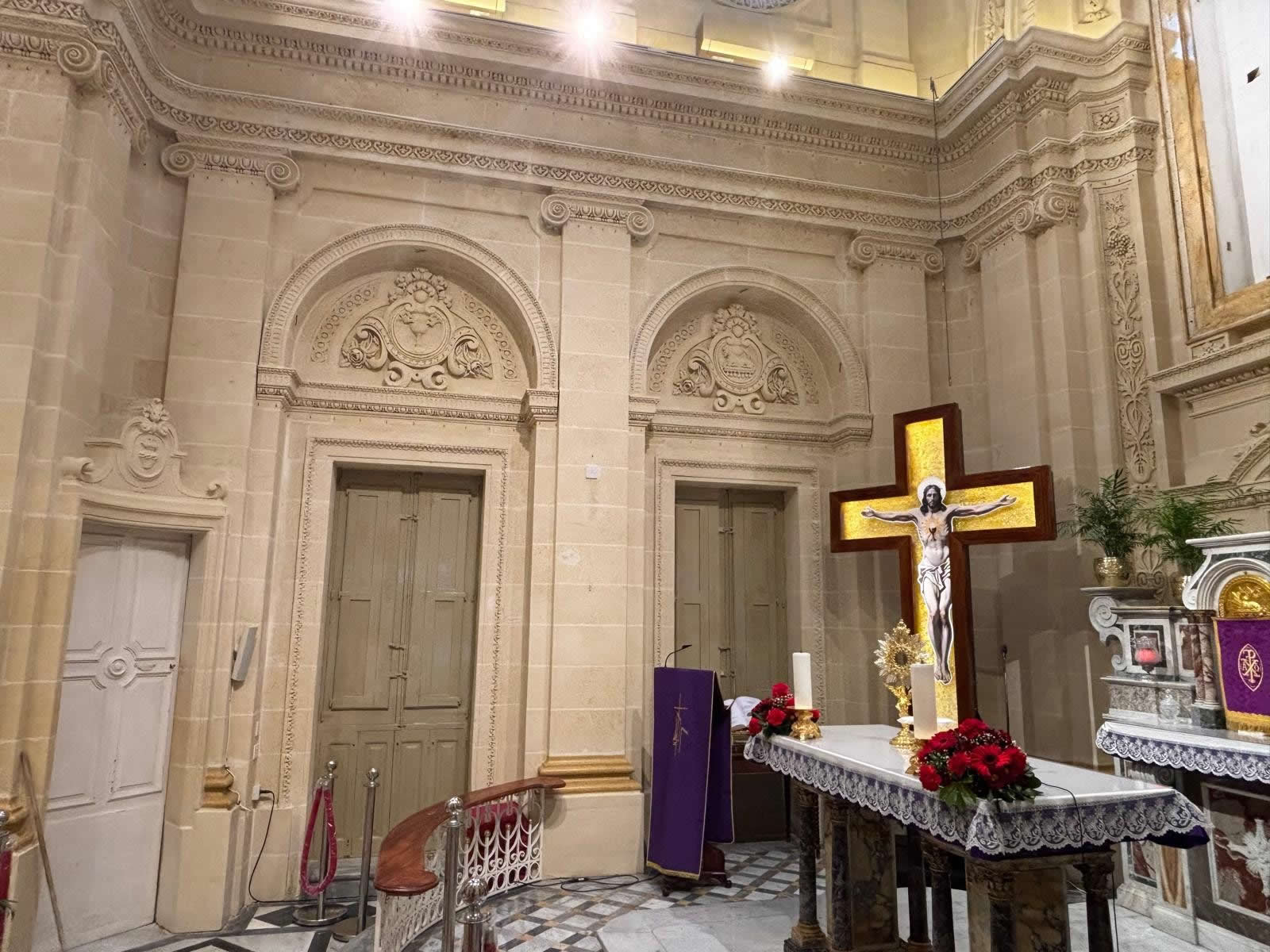
Inside, the church would traditionally feature a single altar dedicated to Saint Savina. The altar may have included a painting or statue representing the saint, though many such artworks have been lost, replaced, or restored over time.
Typical interior features include:
- Stone or plastered walls
- A simple altar structure
- Limited decorative elements
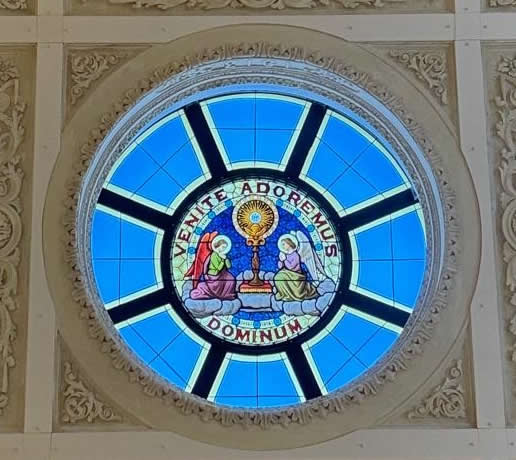
- Natural lighting through a small window or doorway
Despite its simplicity, the interior would have served as a focal point for prayer and reflection.
Role in Community Life
Santa Savina Church played an important role in the daily lives of local residents. In a time when travel to larger parish churches was not always practical, small chapels provided essential access to religious services.
They were used for:
- Private prayer
- Feast day celebrations
- Small gatherings and devotions
The chapel would have been particularly important during agricultural cycles, with prayers offered for good harvests and protection.
Impact of Historical Events
The history of Gozo includes periods of hardship that affected its religious buildings. One of the most significant events was the Ottoman raid of 1551, during which much of the island was devastated and its population taken into slavery.
Many chapels were damaged or abandoned during this period. It is possible that Santa Savina Church was either affected by this event or rebuilt in its aftermath.
Restoration and Preservation
Over the centuries, chapels like Santa Savina have undergone various phases of restoration. Exposure to the elements, changing patterns of use, and limited resources often led to deterioration.
In modern times, there has been increased awareness of the need to preserve Malta’s religious heritage. Restoration efforts aim to maintain the structural integrity and historical character of these chapels.
Architectural and Cultural Significance
Santa Savina Church is an example of Malta’s vernacular religious architecture, representing a form of construction that is deeply rooted in local tradition. Its simplicity reflects both practical considerations and a focus on spiritual function.
Such chapels contribute to the broader cultural landscape of Gozo, illustrating patterns of settlement, devotion, and community organisation.
Visiting Santa Savina Church
Visitors exploring Gozo’s heritage can include Santa Savina Church as part of a wider itinerary that includes Victoria and the surrounding countryside.
While access to the interior may be limited, the chapel can be appreciated externally as part of the island’s historical landscape.
👉 Explore more: Churches of Malta & Gozo
Conclusion
Knisja ta’ Santa Savina stands as a quiet but meaningful reminder of Gozo’s deep-rooted religious traditions. Though small in size, it reflects centuries of faith, community life, and architectural heritage.
As part of the wider network of chapels across the island, it contributes to a unique cultural identity that continues to define Gozo today.
Frequently Asked Questions
Where is Santa Savina Church located?
It is located in Victoria, Gozo, Malta at coordinates 36.044986, 14.238019.
Who is Saint Savina?
Saint Savina is believed to have been an early Christian martyr venerated for her faith.
When was the church built?
The exact date is unknown, but it likely dates between the 15th and 17th centuries.
What type of architecture does it have?
It follows traditional Maltese rural chapel architecture using limestone and a simple rectangular plan.
Can visitors enter the church?
Access may vary, but the chapel can typically be viewed externally.