📍 Location
Location Map Coordinates 35.887056, 14.522180
Introduction
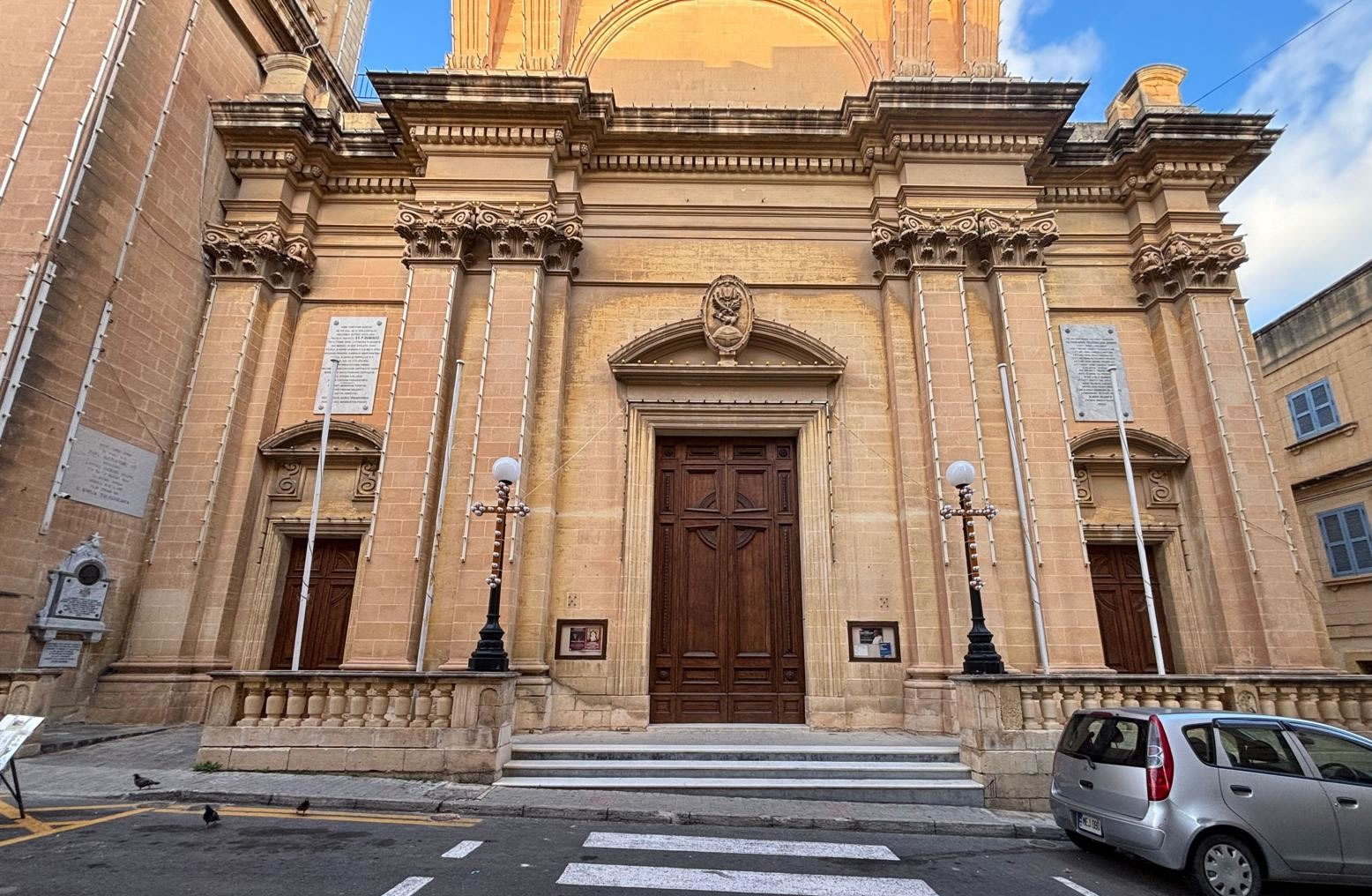
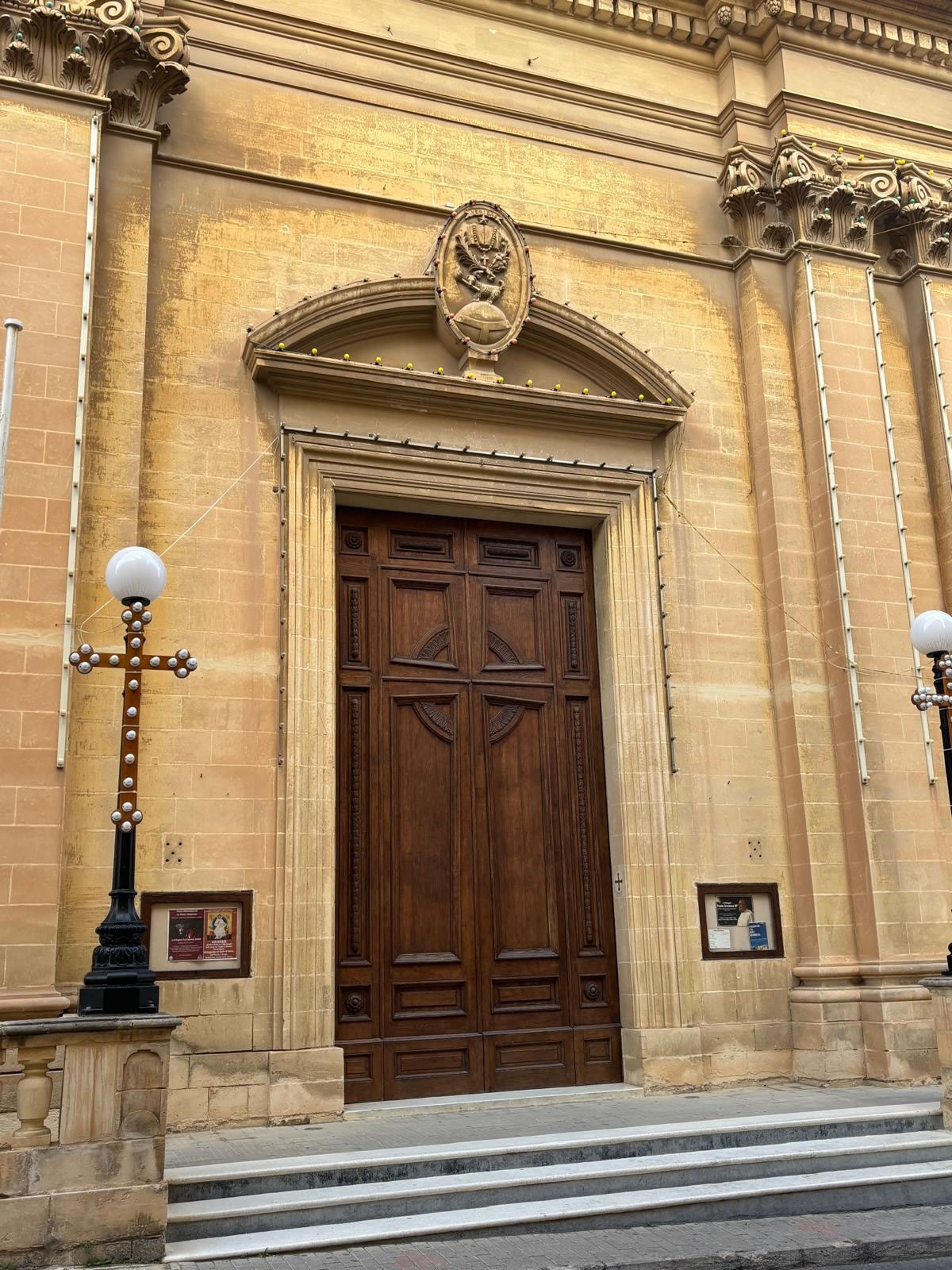
The Knisja tal-Lunzjata, also known as the Church of the Annunciation, is one of the most historically significant religious buildings in Birgu (Vittoriosa), Malta. Closely associated with the Dominican Order, the church has played a central role in the spiritual, social, and cultural life of the city for over five centuries.
Located within the fortified maritime city of Birgu, this church is deeply intertwined with Malta’s medieval past, the arrival of the Knights of St John, and the dramatic events of the Great Siege of 1565. Today, it remains both an active place of worship and a symbol of resilience following wartime destruction and reconstruction.
Early Origins (15th Century)
The origins of the church date back to the 15th century, when a small chapel dedicated to the Annunciation already existed on the site.
By 1527, the chapel was entrusted to the Dominican Order, marking the beginning of a long and enduring relationship between the church and the Dominican friars.
This early period coincided with the growth of Birgu as an important maritime settlement, especially as Malta became strategically important in the Mediterranean.
Development under the Dominicans
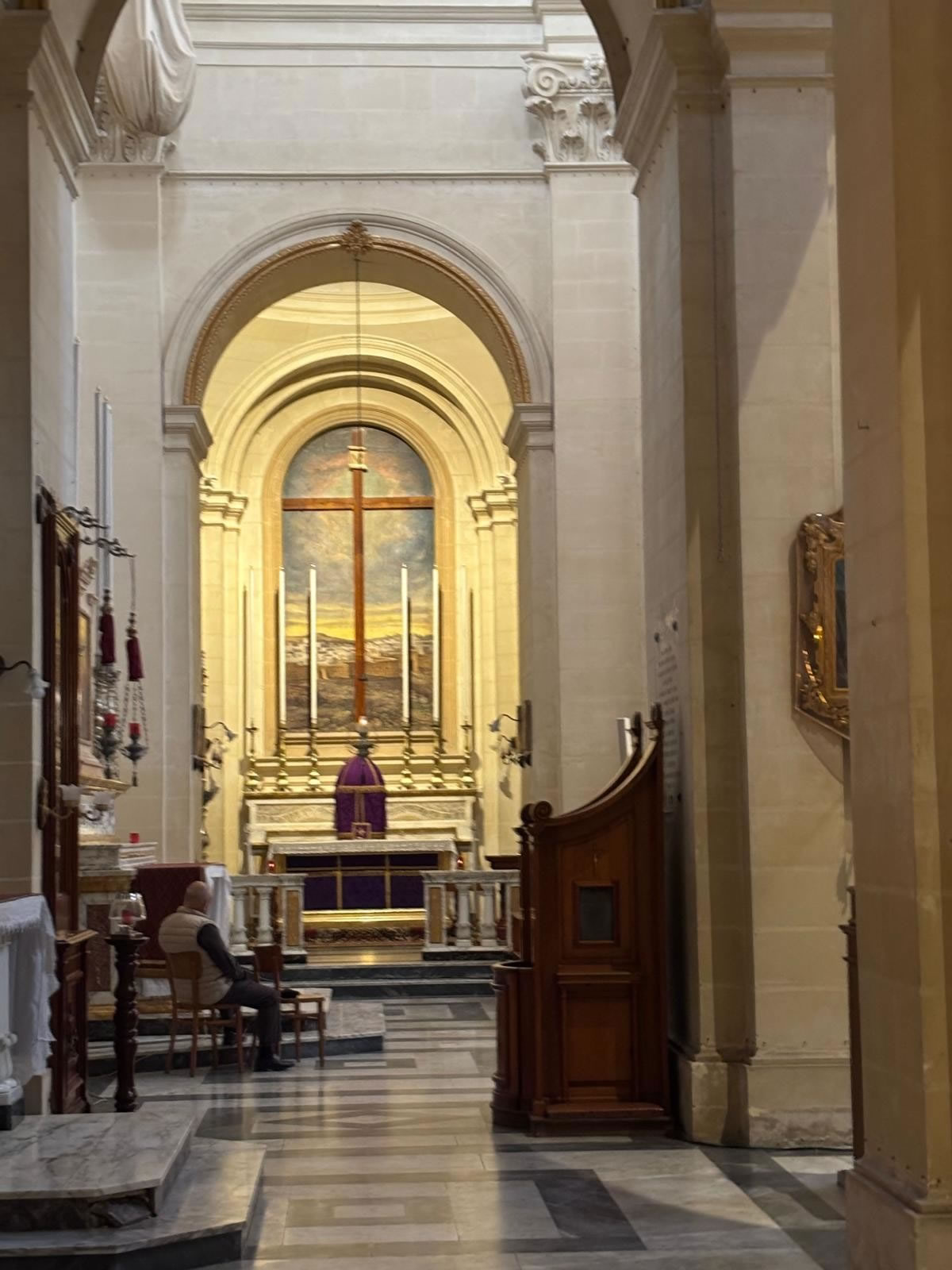
The Dominicans played a crucial role in expanding both the church and its surrounding monastery. As their community grew, the need for a larger and more structured church became evident.
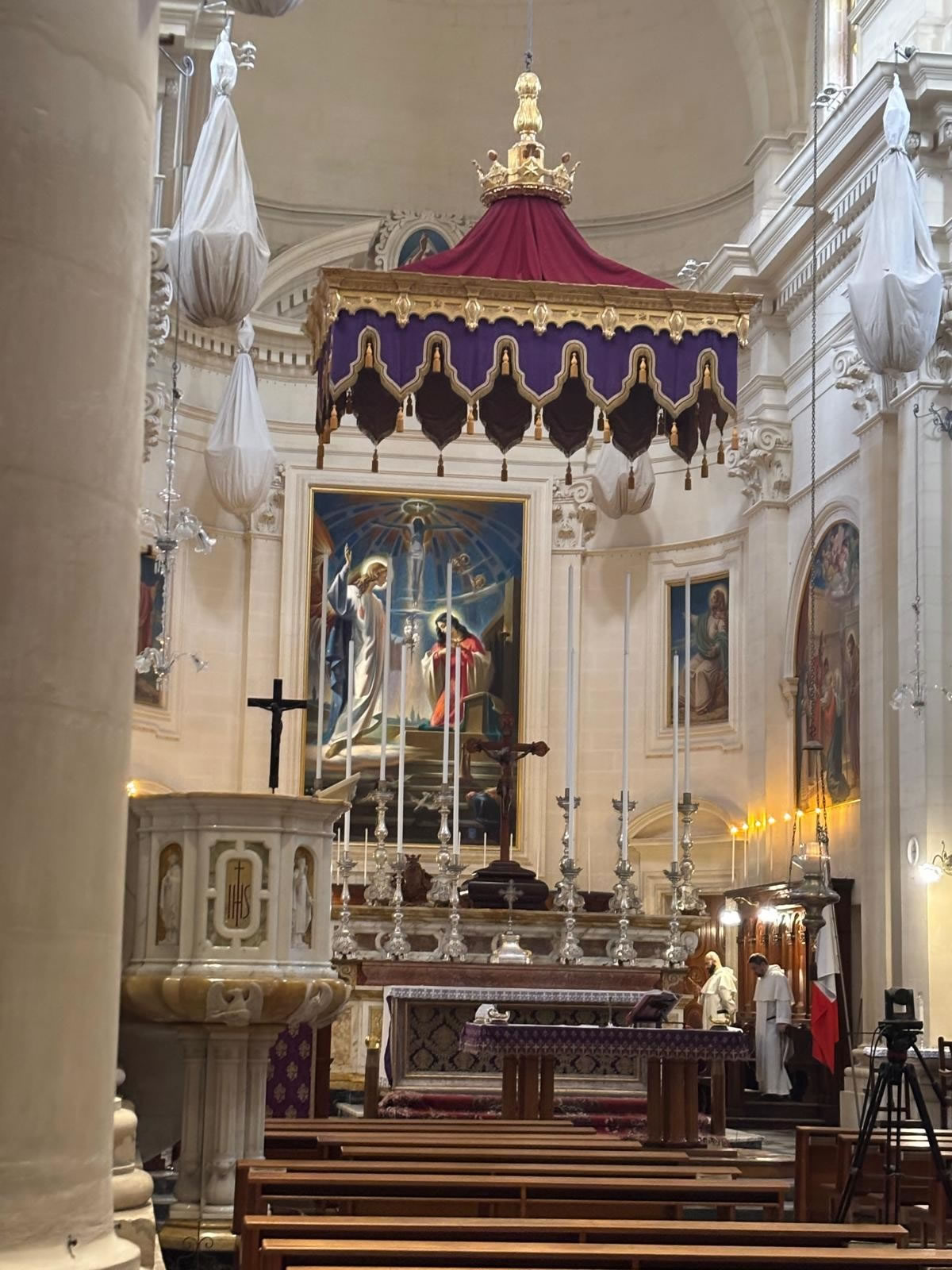
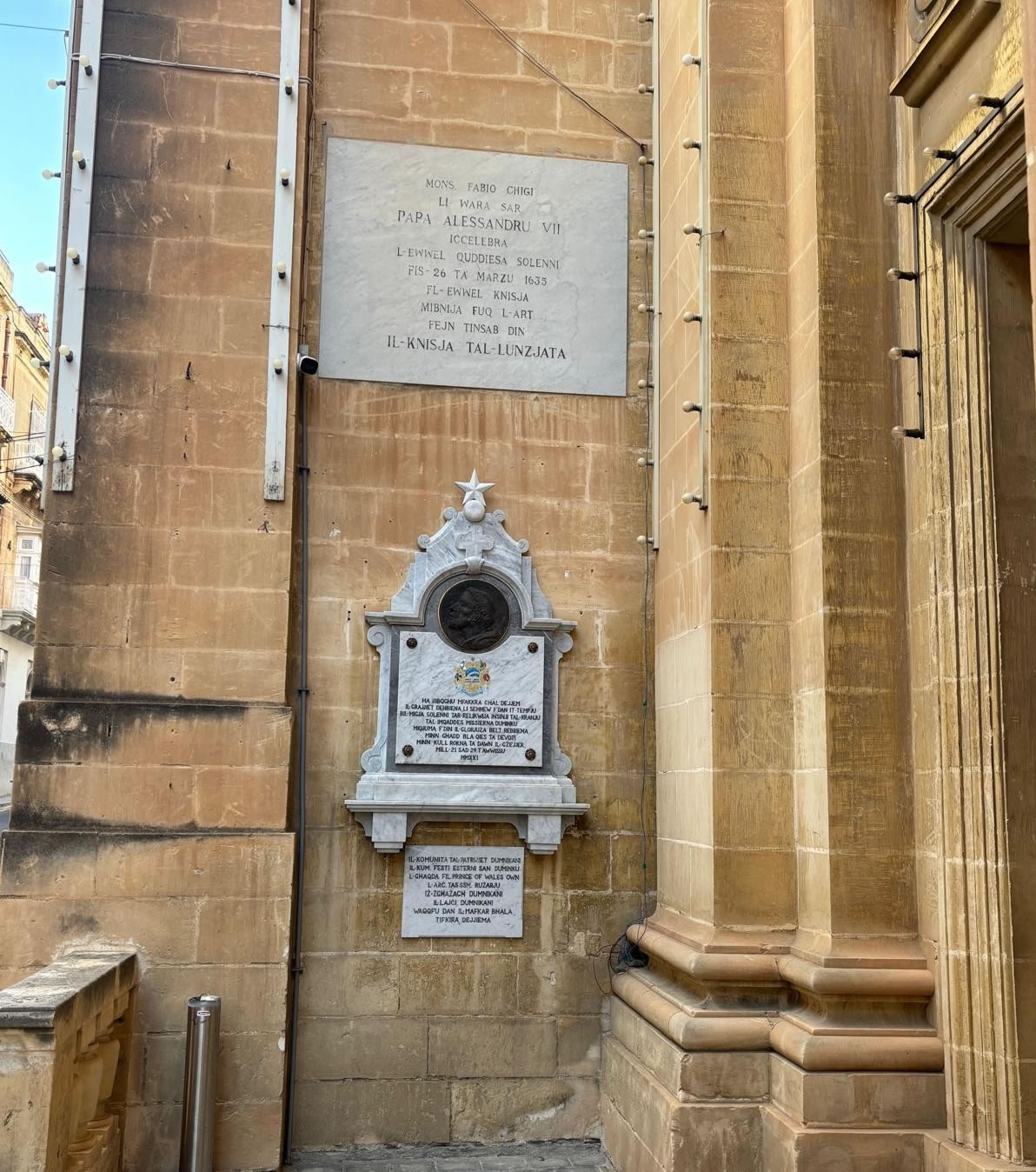
Between 1636 and 1660, the church was extensively rebuilt and enlarged. The foundation stone of the new structure was laid by Monsignor Fabio Chigi, who would later become Pope Alexander VII.
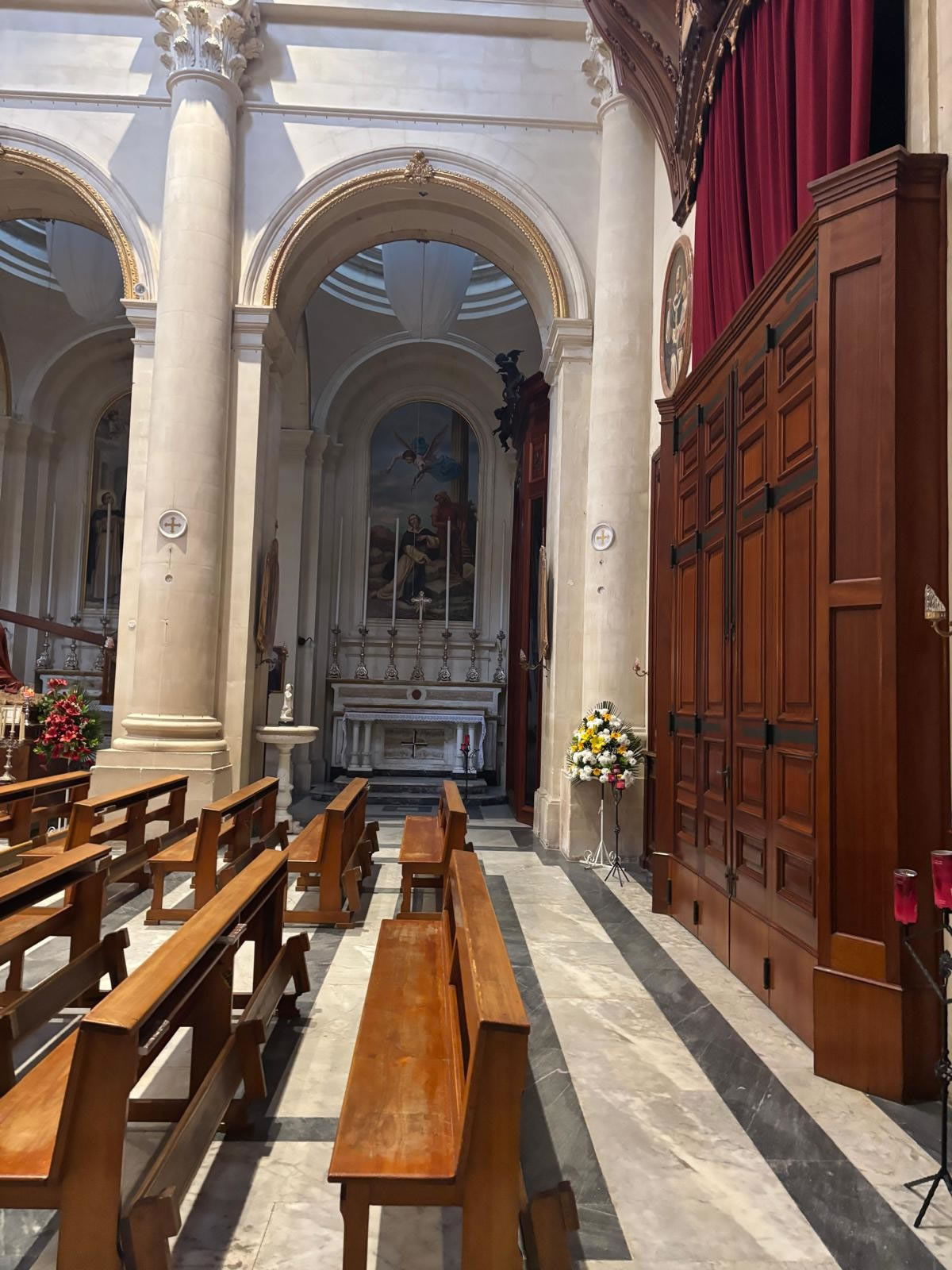
The rebuilt church featured:
- A more spacious nave
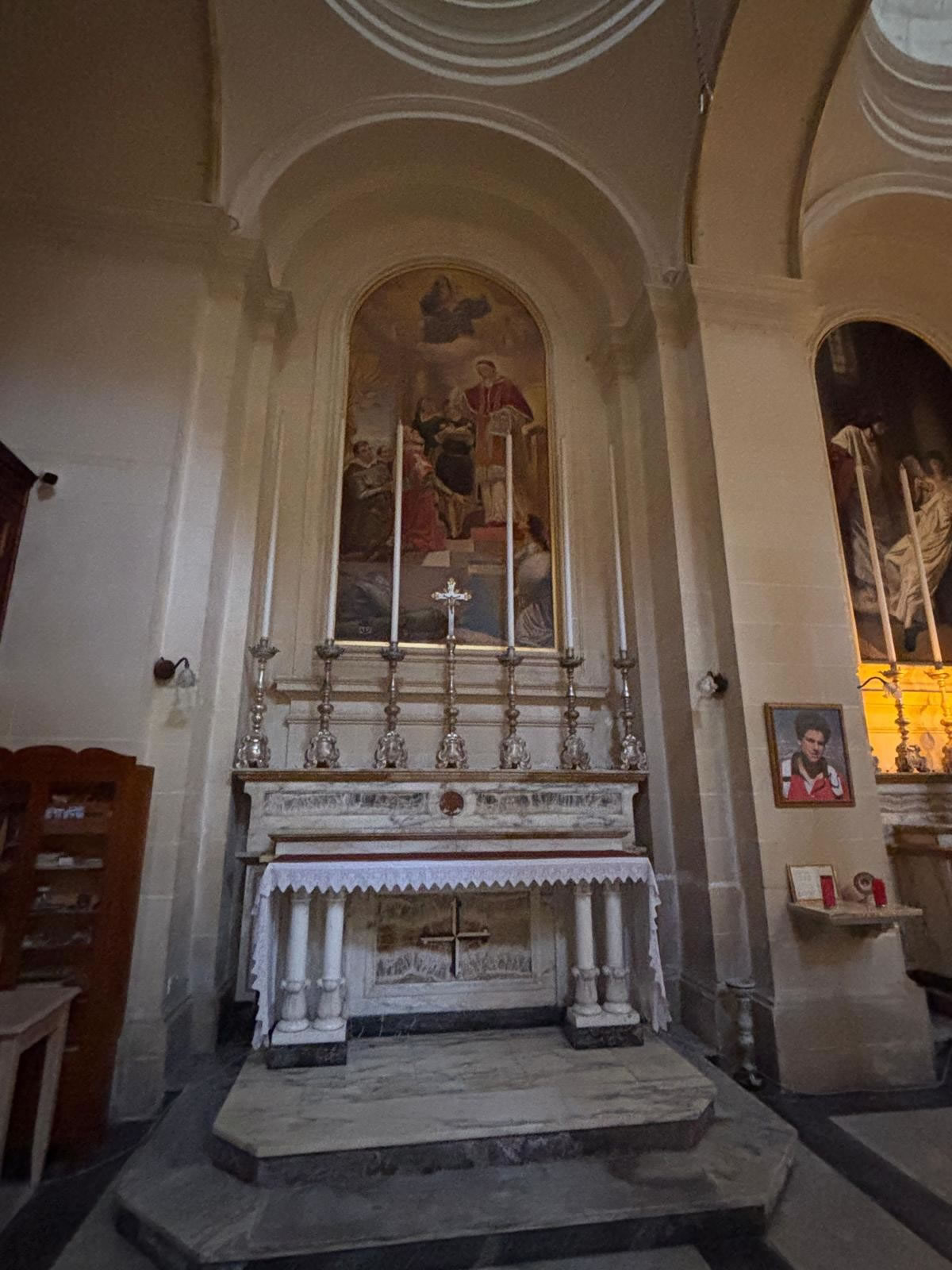
- Side chapels along the interior
- Enhanced architectural detailing typical of the period
The Dominican monastery adjoining the church also became an important intellectual and spiritual centre, even serving educational purposes prior to the establishment of formal institutions in Malta.
Role During the Great Siege of 1565
One of the most remarkable chapters in the church’s history occurred during the Great Siege of Malta in 1565.
At that time, the Church of the Annunciation served as the main parish church of Birgu, especially for civilians who were not directly under the jurisdiction of the Knights.
During the siege:
- Residents and refugees sought shelter and spiritual support inside the church
- Dominican priests administered sacraments to the wounded and dying
- The church became a centre of resilience amid constant bombardment
This role cemented the church’s place in Maltese national history as a sanctuary of faith during one of the island’s most critical moments.
Artworks and Religious Treasures
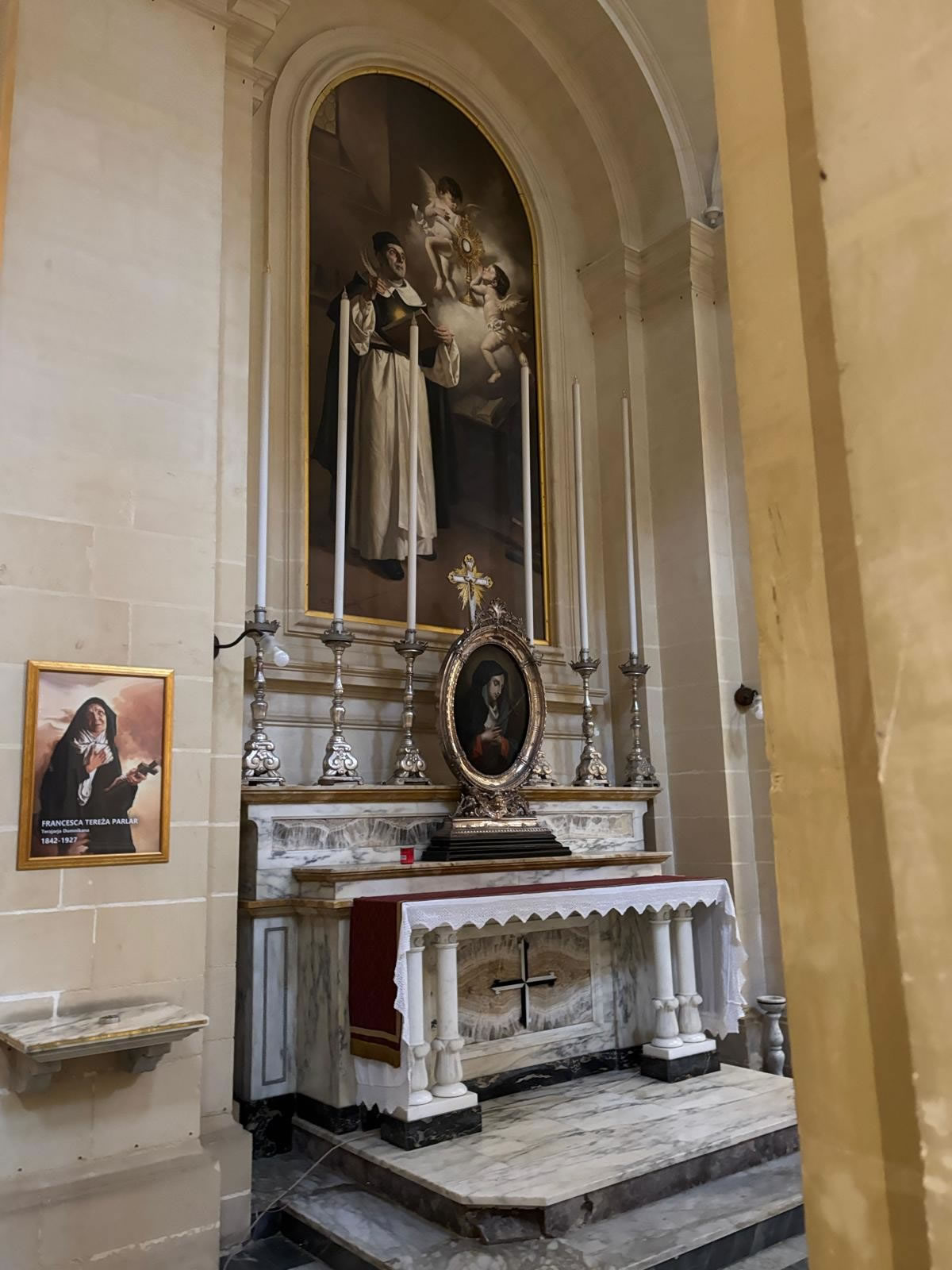
The church has historically housed a number of important religious artworks. Among the most significant is the titular painting of the Annunciation, which has been studied and documented in Maltese historical research.
Another notable artwork associated with the church is an early Italo-Byzantine painting of the Virgin and Child, recorded in Birgu as early as 1538 and later preserved within the Dominican tradition.
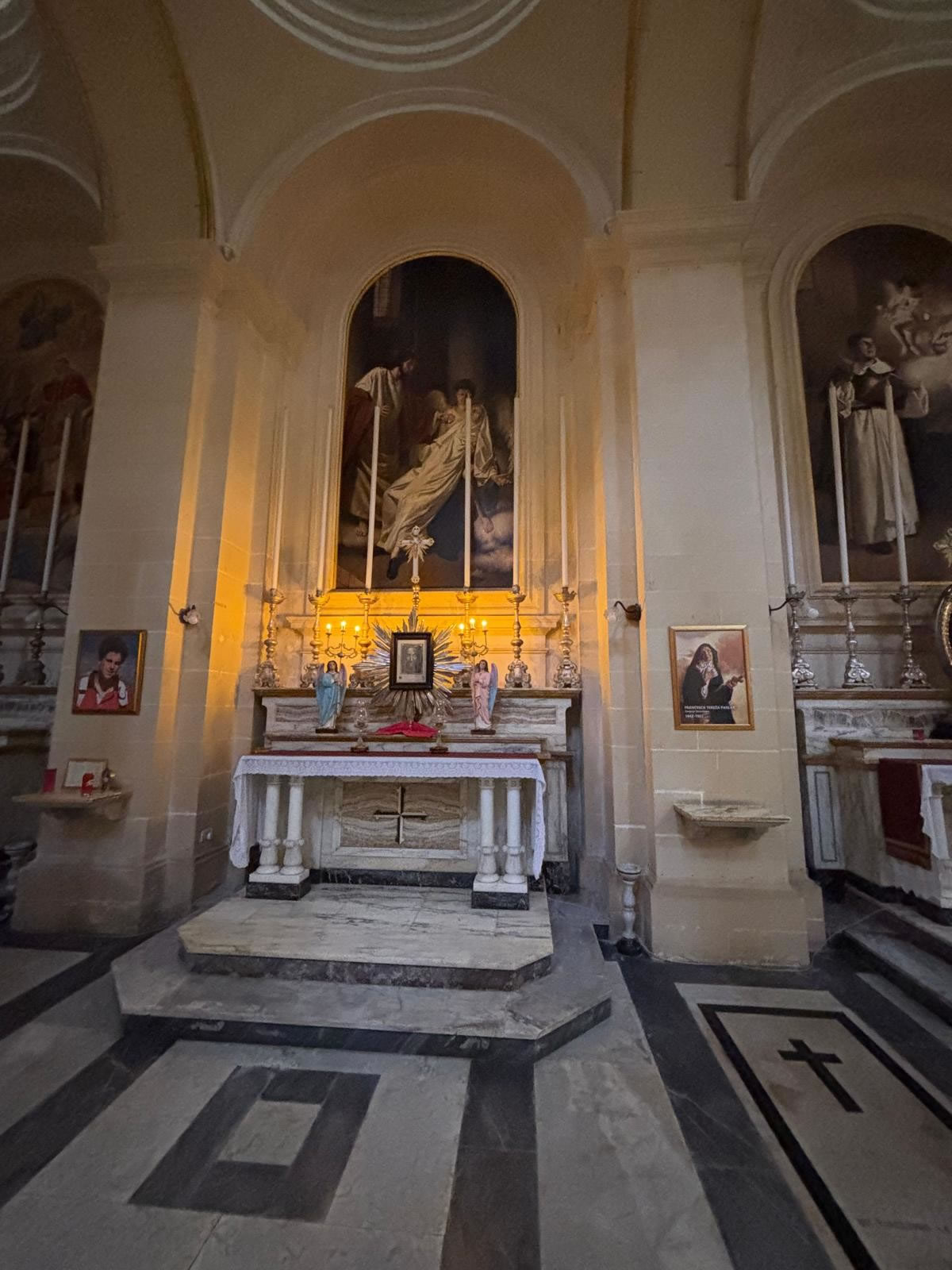
In recent years, the artistic heritage of the church continues to evolve. In 2024, two new large icons representing Marian devotion and the Sacred Heart were inaugurated, reflecting the living artistic tradition of the church.
Destruction During World War II
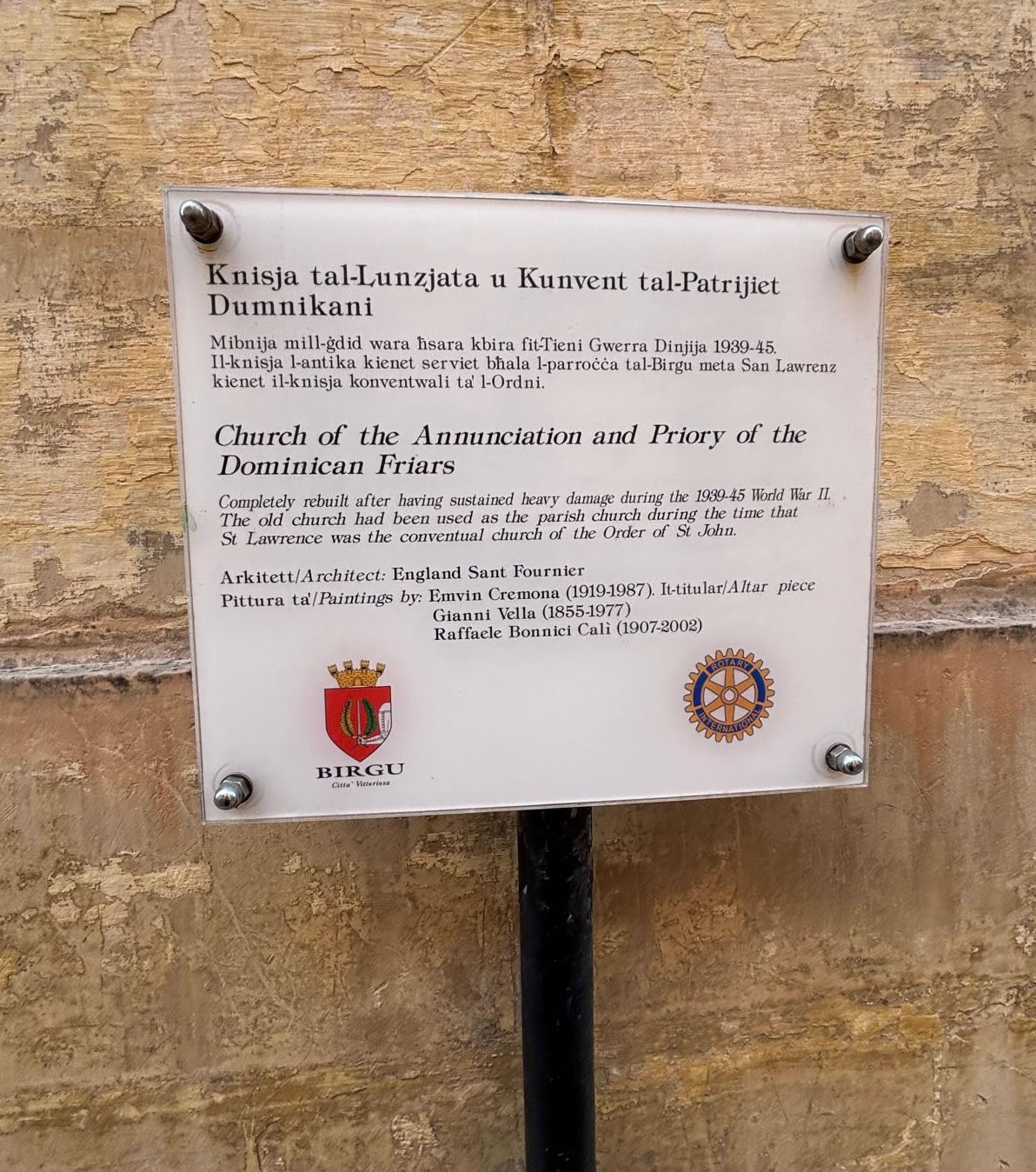
Like many historic buildings in Malta, the Church of the Annunciation suffered severe damage during the Second World War.
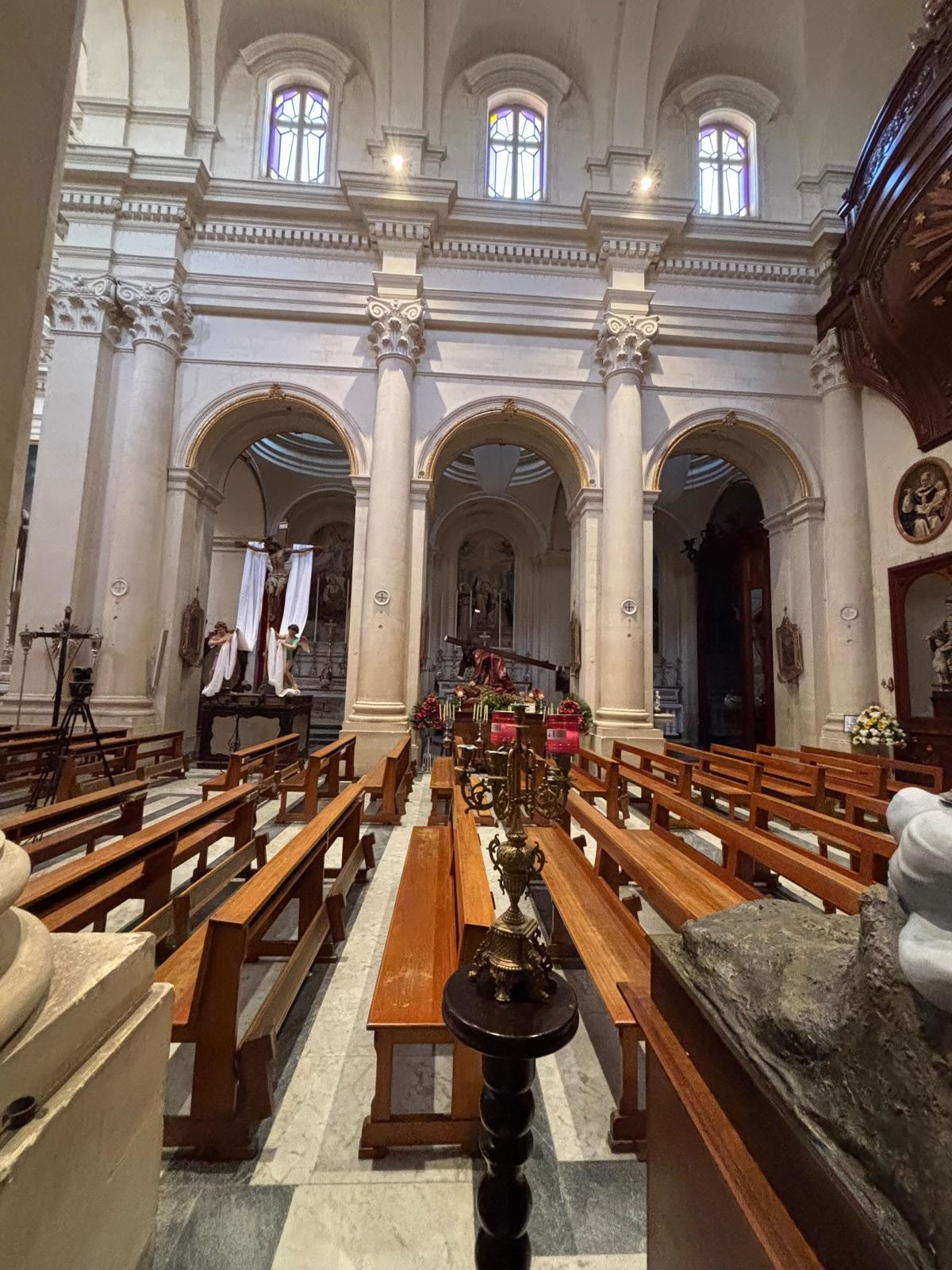
On 19 January 1941, heavy aerial bombardments caused extensive destruction to both the church and the adjoining Dominican monastery.
The Dominican community lost their original complex but continued their pastoral mission despite the devastation, temporarily relocating while plans for rebuilding were undertaken.
Reconstruction and Modern Church
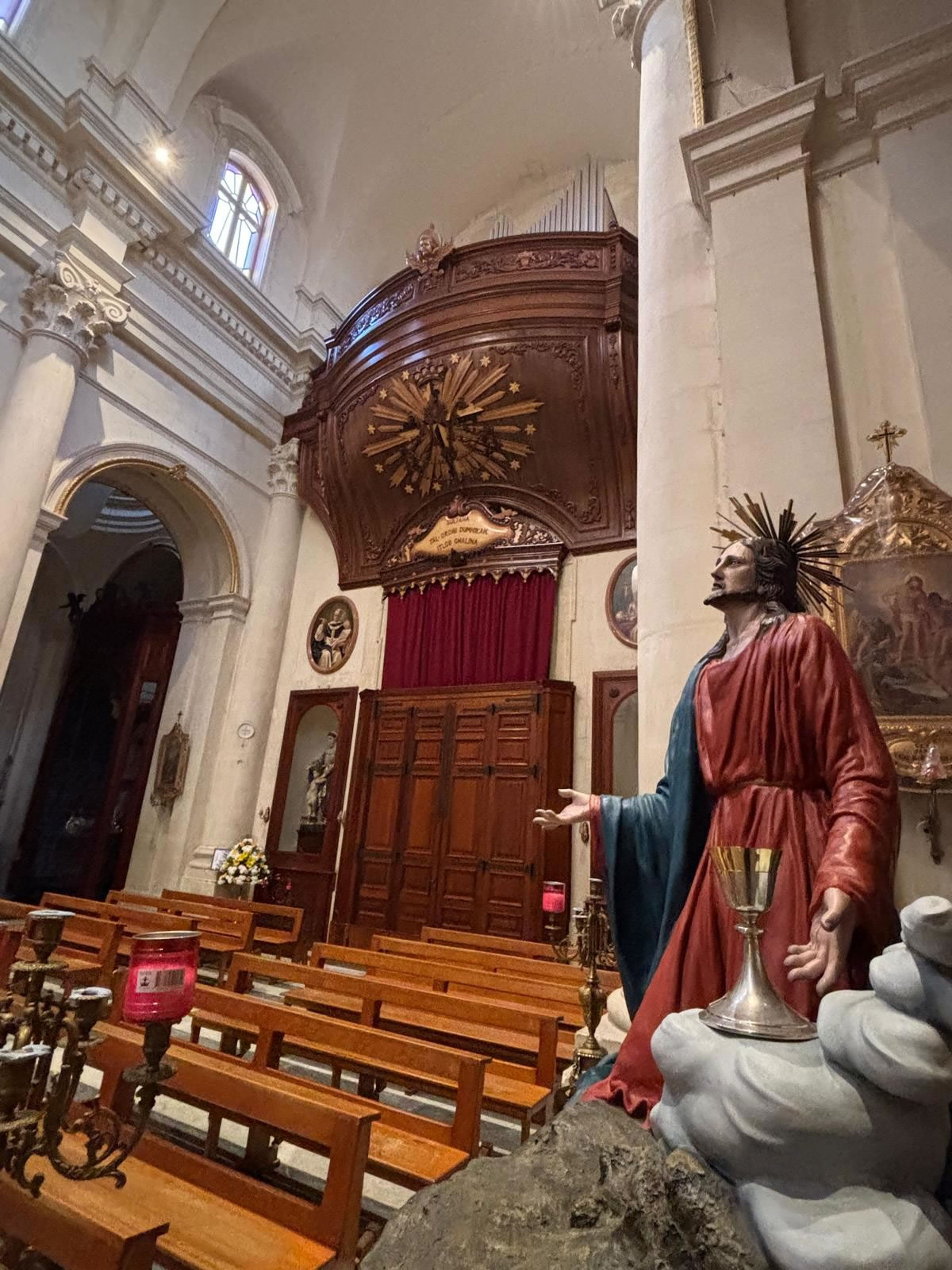
Following the war, the church and monastery were rebuilt in the late 1940s and early 1950s.
The new structure was designed by architect Ġużè Damato Sant Fournier (1908–1969), blending traditional ecclesiastical design with post-war architectural needs.
The rebuilt church retained its spiritual continuity while symbolising renewal and resilience for the community of Birgu.
Architecture
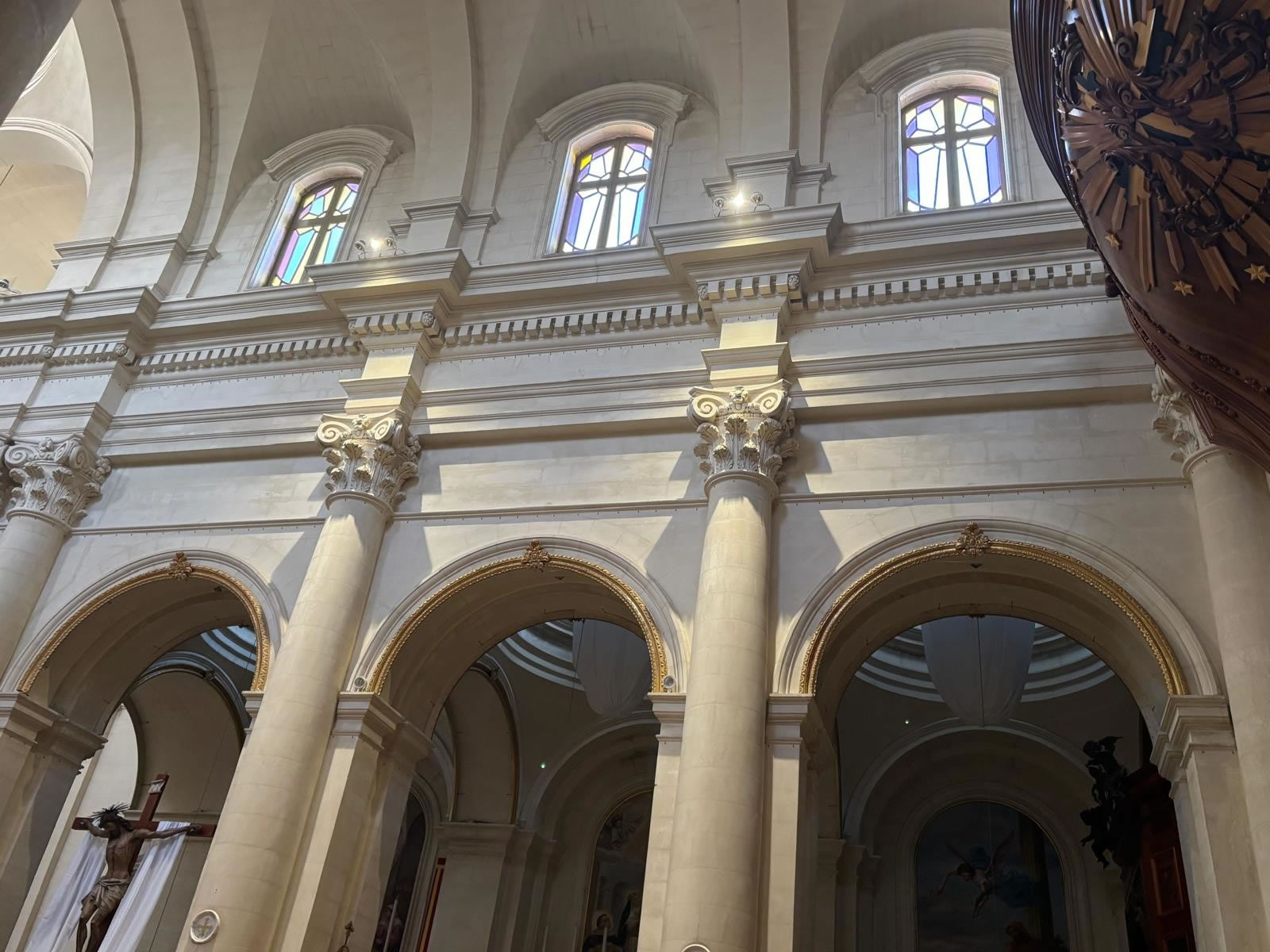
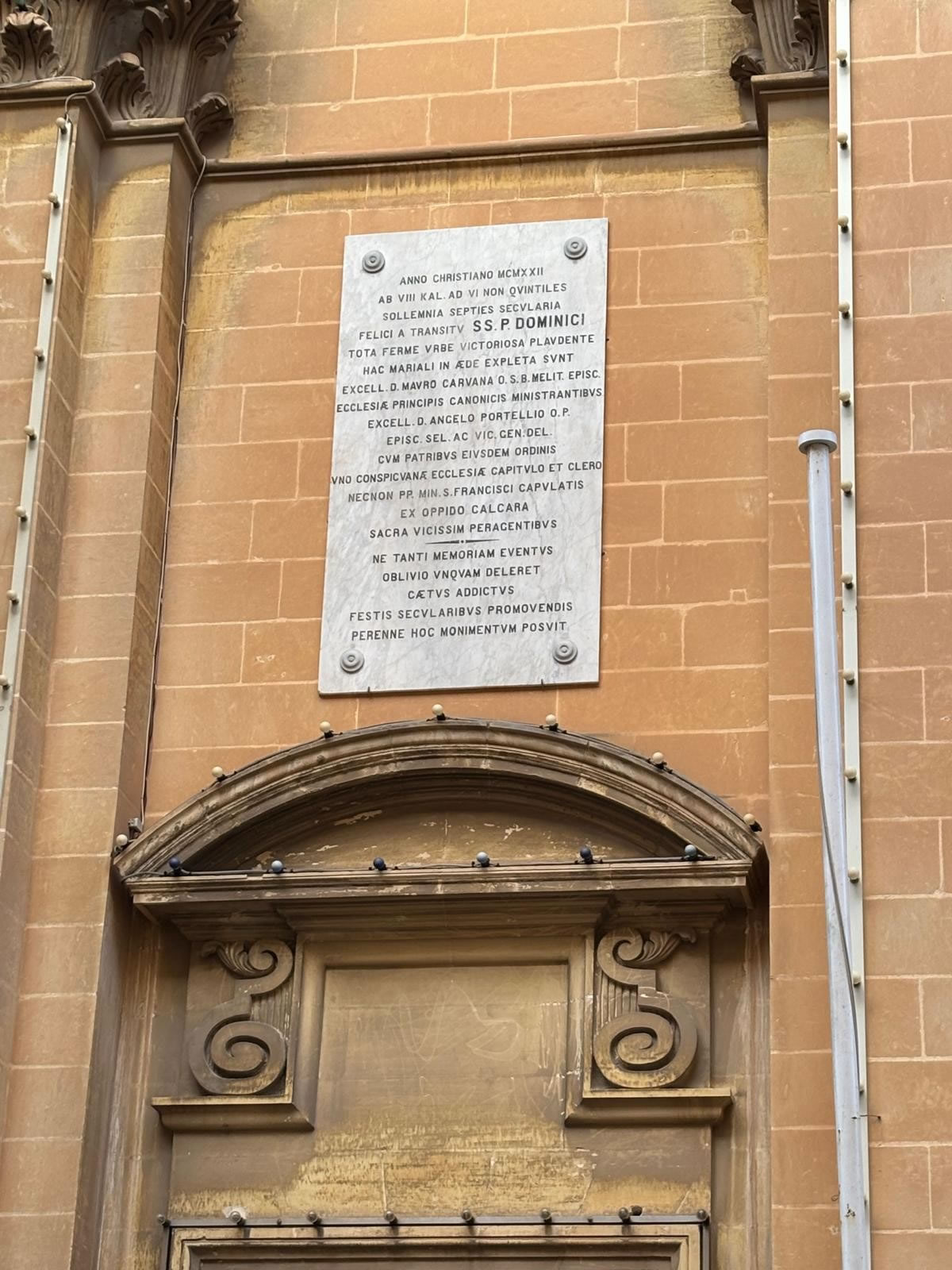
Although the present building is largely a reconstruction, it still reflects key elements of traditional Maltese church architecture:
- Limestone construction typical of Maltese religious buildings
- A balanced façade with classical proportions
- A central nave with side chapels
- Integration with the Dominican monastery complex
The church’s setting within Birgu’s historic urban fabric adds to its charm, with narrow streets and fortifications providing a unique context.

Latin Inscription
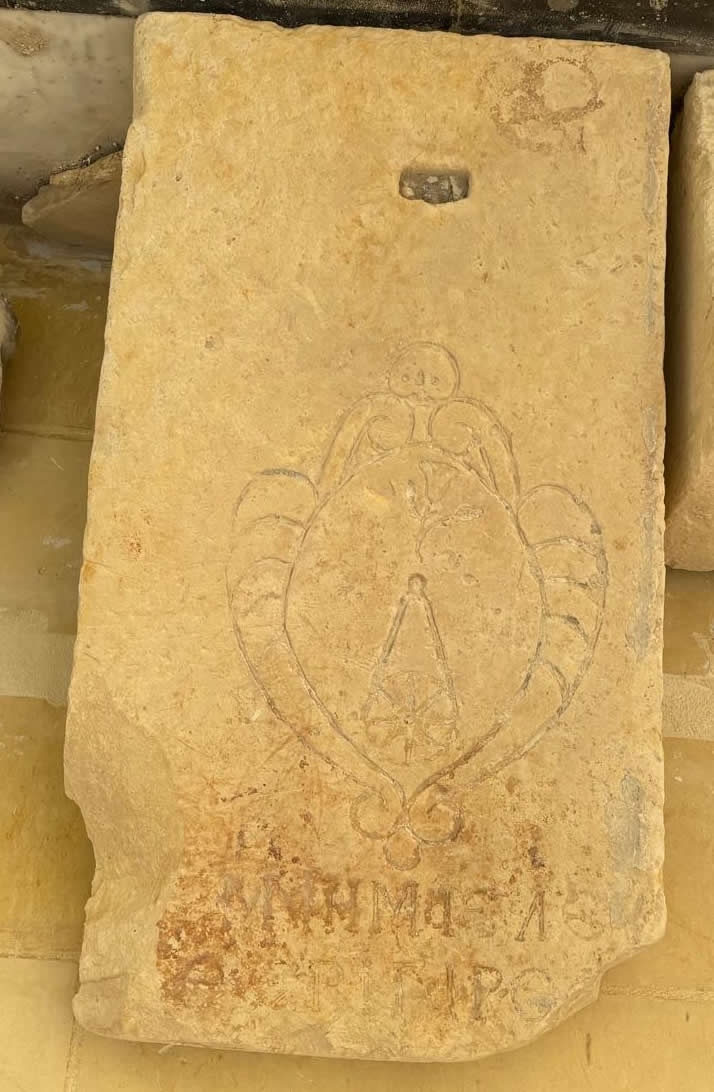
SOLA
ROSARII SODALITIUM PIETAS
SACELLUM HOC
MARMOREIS LAPIDIBUS
CONSTRUXIT
ANNO MDCCLXXXII
A.D.
English Translation
“The devotion alone of the Confraternity of the Rosary
built this little chapel
with marble stones
in the year 1782 A.D.”
Interpretation
This inscription records the construction of the chapel by the Confraternity of the Rosary, emphasising the role of collective religious devotion in funding and building sacred spaces. The reference to “marmoreis lapidibus” highlights the use of marble, suggesting both durability and a degree of prestige in the construction. The date 1782 places the work within the late period of the Knights of St John in Malta.
Religious and Community Role Today
Today, Knisja tal-Lunzjata remains an active religious centre in Birgu. The Dominican friars continue to serve the community through:
- Daily liturgical services
- Spiritual guidance and pastoral care
- Community outreach initiatives
The monastery has also evolved into a social and cultural space, promoting reflection, education, and community cohesion.
Feasts and Celebrations
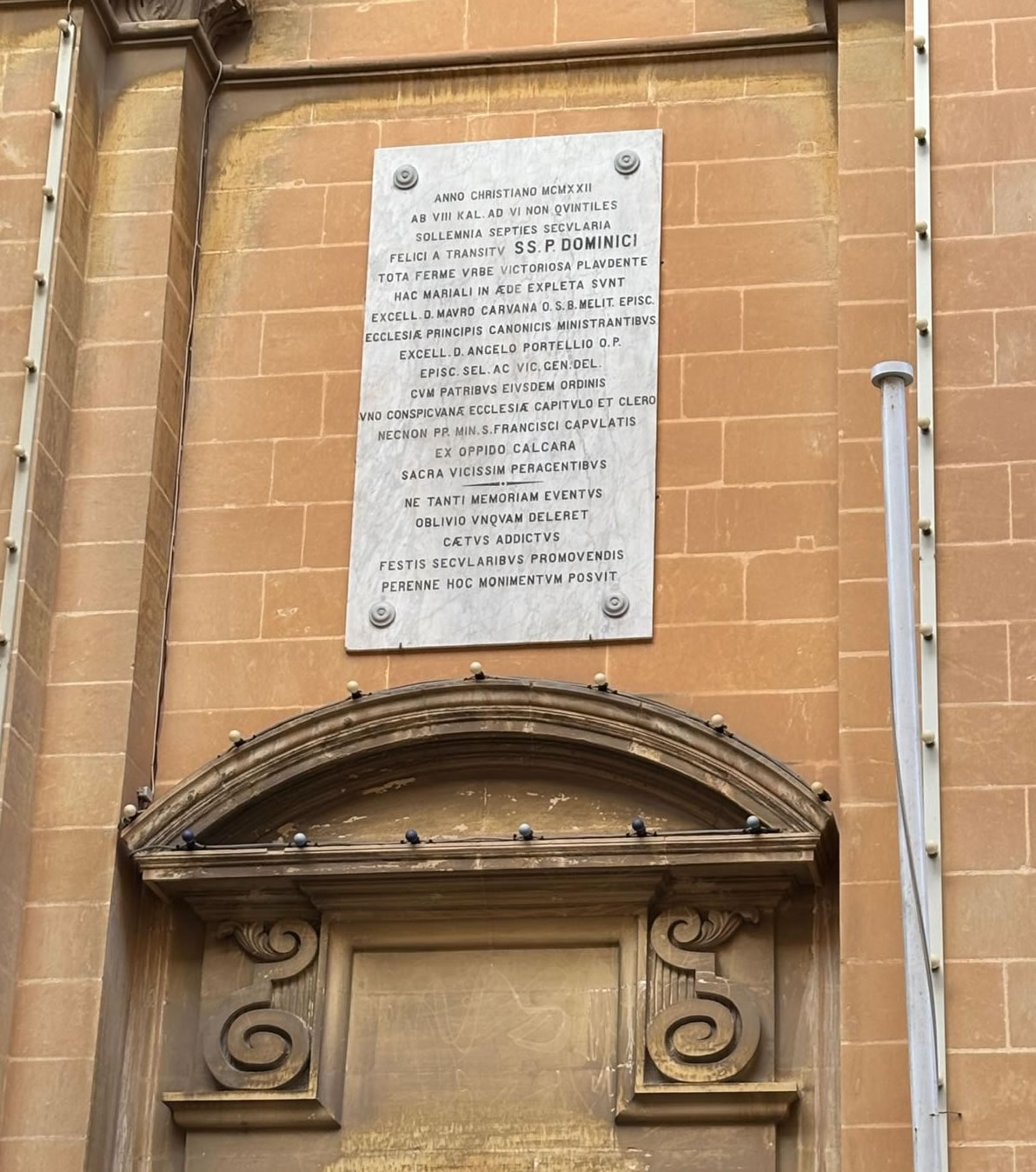
The church is particularly associated with the feast of the Annunciation (celebrated on 25 March) and the popular devotion to St Dominic, which is celebrated annually in Birgu with traditional festivities.
These feasts include religious ceremonies, processions, and local celebrations that highlight the deep-rooted traditions of Maltese Catholic culture.
Visiting Information
Visitors to Birgu can easily include the Church of the Annunciation in a walking tour of the city. Located near other major historical landmarks, it provides insight into Malta’s layered religious and historical heritage.
- Location: Birgu (Vittoriosa), Malta
- Coordinates: 35.887056, 14.522180
- Access: Walking distance from Birgu waterfront and main square
- Use: Active church and monastery
Conclusion
The Knisja tal-Lunzjata in Birgu stands as a testament to Malta’s enduring faith, resilience, and artistic heritage. From its medieval origins and its heroic role during the Great Siege to its destruction and rebirth after World War II, the church embodies the spirit of the Maltese people.
Whether visited for its historical significance, architectural interest, or spiritual atmosphere, the Church of the Annunciation remains one of Birgu’s most important and meaningful landmarks.