📍 Location
Location Map Coordinates 35.884114, 14.521230
Introduction
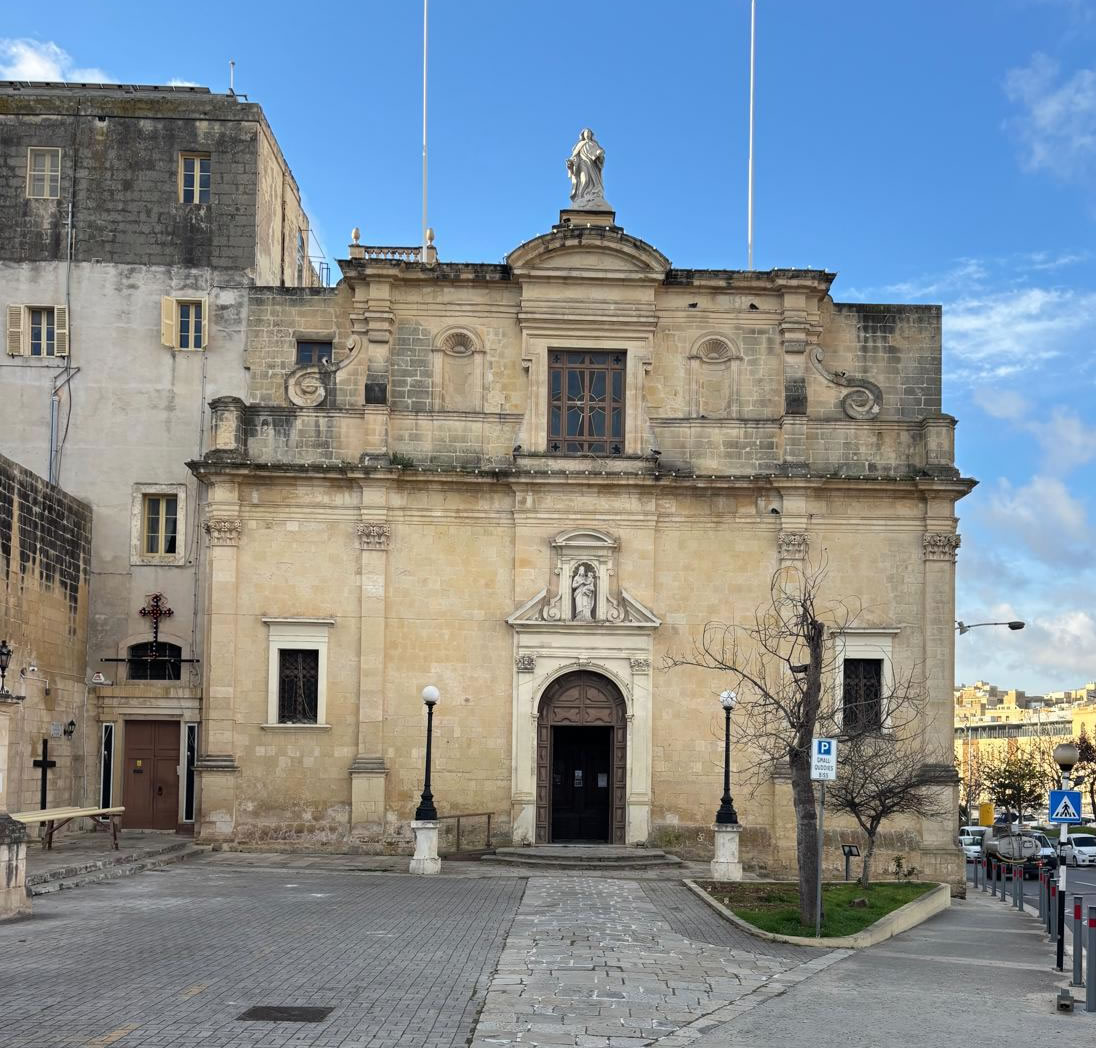
The Church and Monastery of Saint Theresa of Avila in Bormla is one of Malta’s most historically significant Carmelite foundations. Built in the early 17th century, it represents the spread of the Discalced Carmelite Order and their missionary ambitions across the Mediterranean and beyond.
Situated within the historic harbour city of Bormla (Cospicua), the church forms part of a larger monastic complex that once served as an international missionary training centre. Its Baroque architecture, rich artistic heritage, and deep spiritual significance make it an important landmark within Malta’s ecclesiastical landscape.
Foundation and Early Development (1625–1633)
The origins of the church and monastery date to December 1625, when Bishop Baldassare Cagliares donated the land for the establishment of a Carmelite convent.
Construction began almost immediately:
- 1626: A small initial church was completed and blessed
- 1633: Completion of the present church and convent
The rapid development of the complex reflects the importance placed on the Carmelite mission in Malta during the early 17th century.
Notably, the church is often considered one of the earliest dedications to Saint Theresa of Avila worldwide, highlighting Malta’s role in promoting the cult of this recently canonised Spanish saint.
The Carmelite Missionary College
One of the most remarkable aspects of the monastery’s history is its role as an International Missionary College, established in 1633 by Pope Urban VIII.
The college was founded with a specific purpose: to train missionaries for work in North Africa and the Near East.
Malta was chosen for this mission because:
- The Maltese language shares similarities with Semitic languages
- The island’s location made it a strategic gateway between Europe and Africa
- The presence of the Knights of St John ensured stability and protection
For several decades, the monastery became a centre of linguistic and cultural training, preparing friars for missionary work abroad. However, the college was eventually closed in 1714.
Architecture and Design
The church is an excellent example of early Baroque architecture in Malta, characterised by both elegance and restraint.
Façade
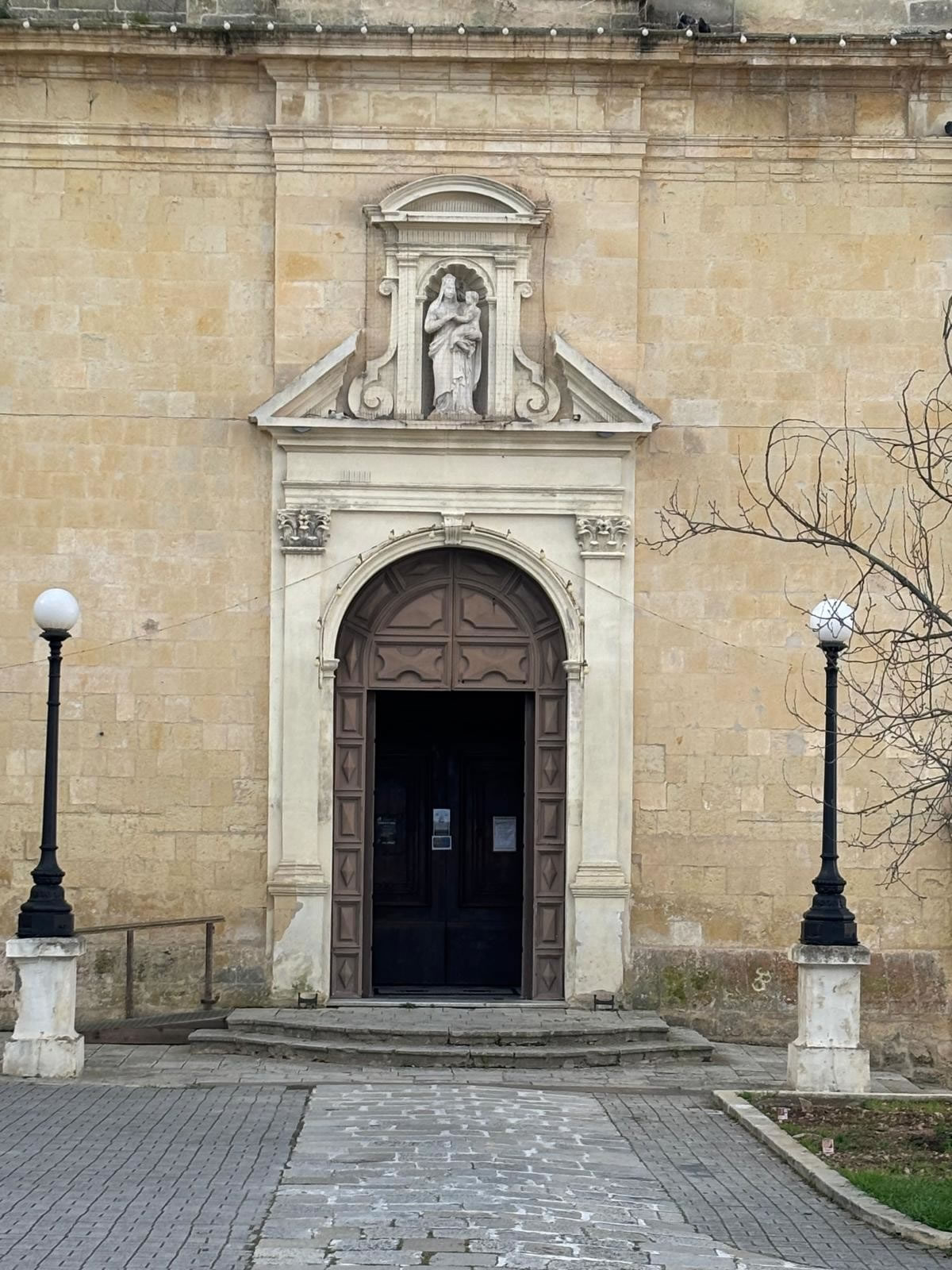
The façade is composed of three vertical bays, with the central section emphasised through:
- A prominent doorway and open pediment
- A niche containing a statue of Saint Theresa
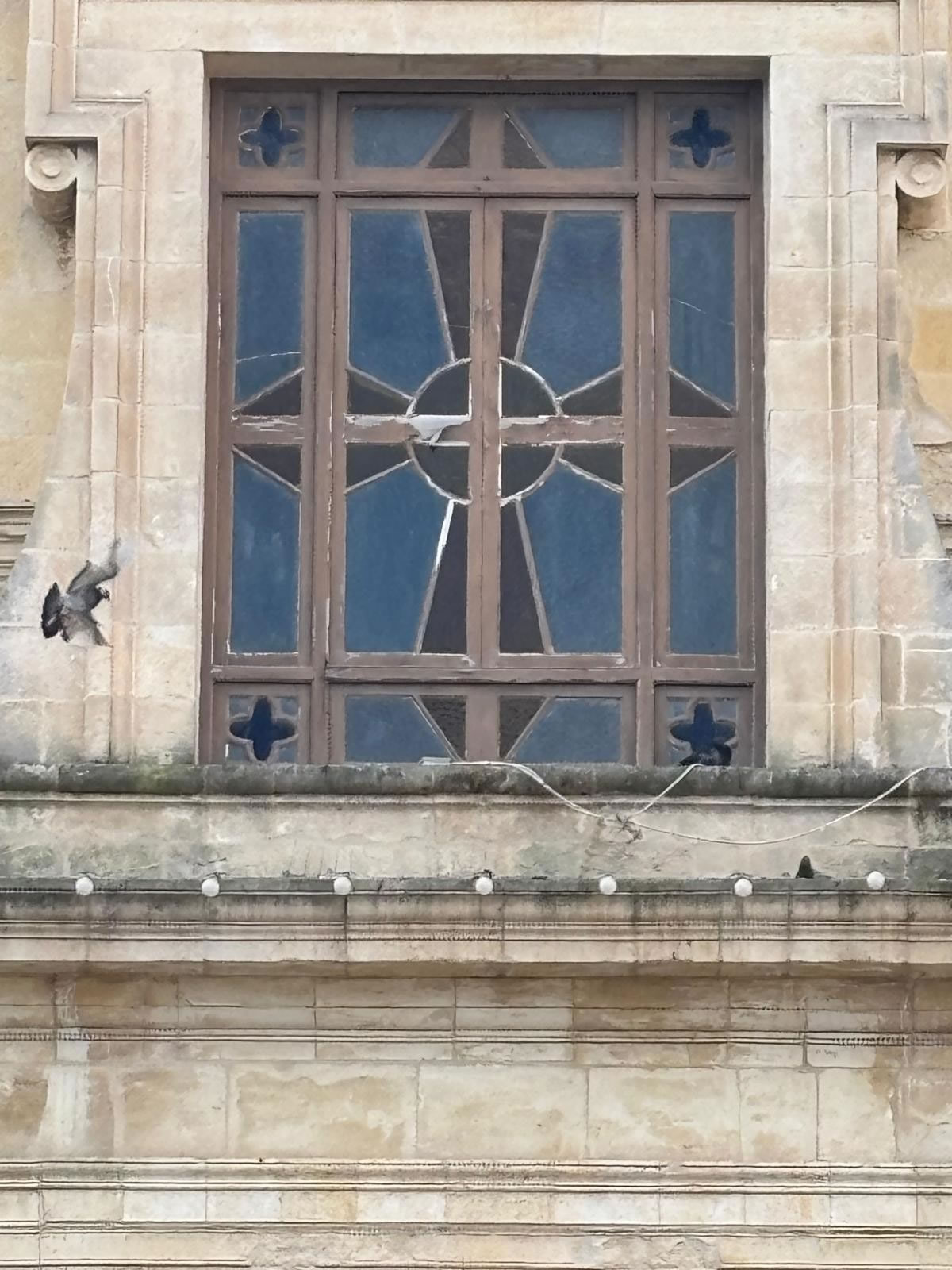
- Upper-level window and decorative elements
Additional statues, including one of Our Lady of Trapani, enhance the façade’s symbolic richness.
Interior Layout
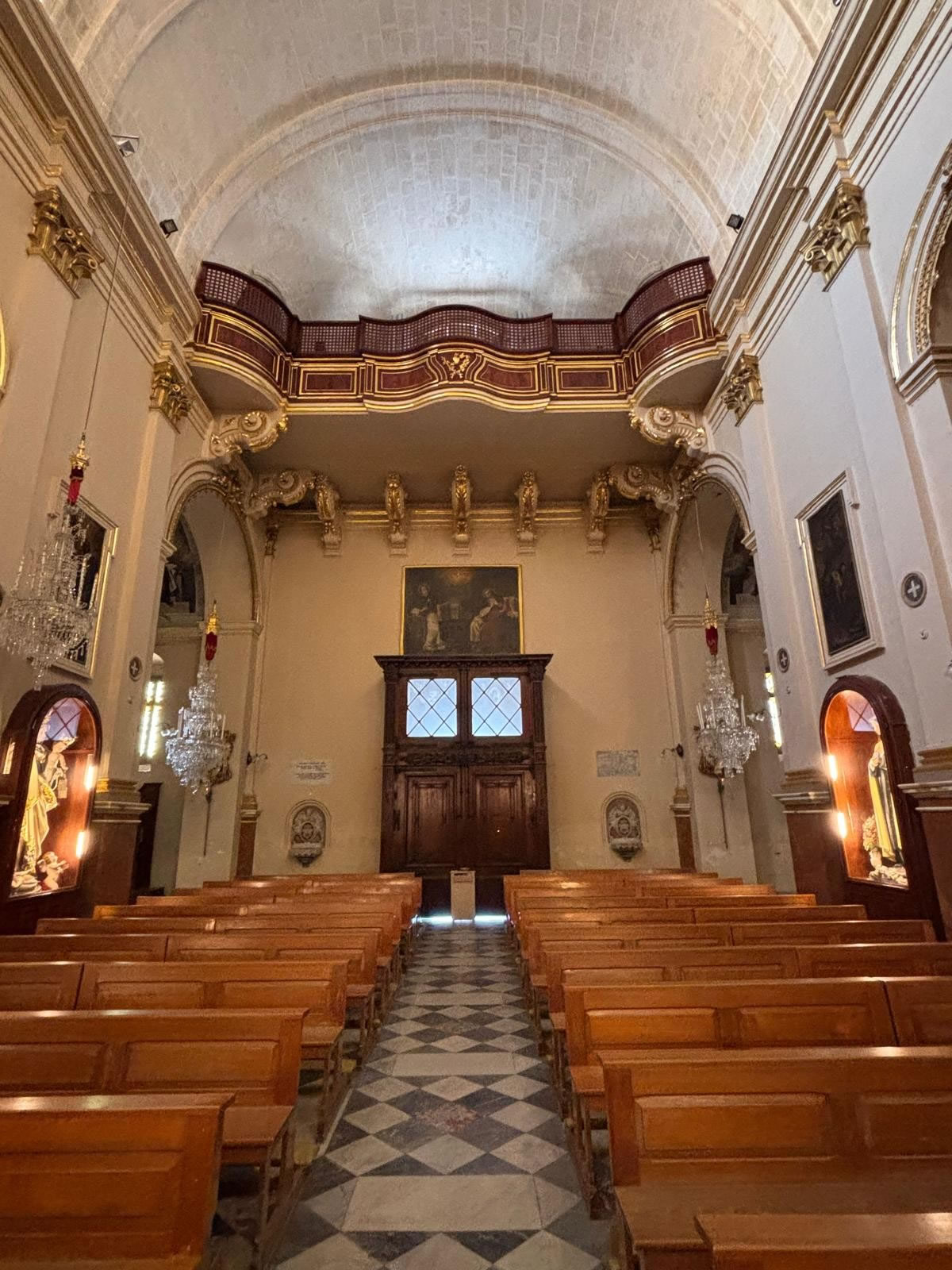
The interior follows a traditional ecclesiastical plan:
- A central nave
- A presbytery framed by an arch
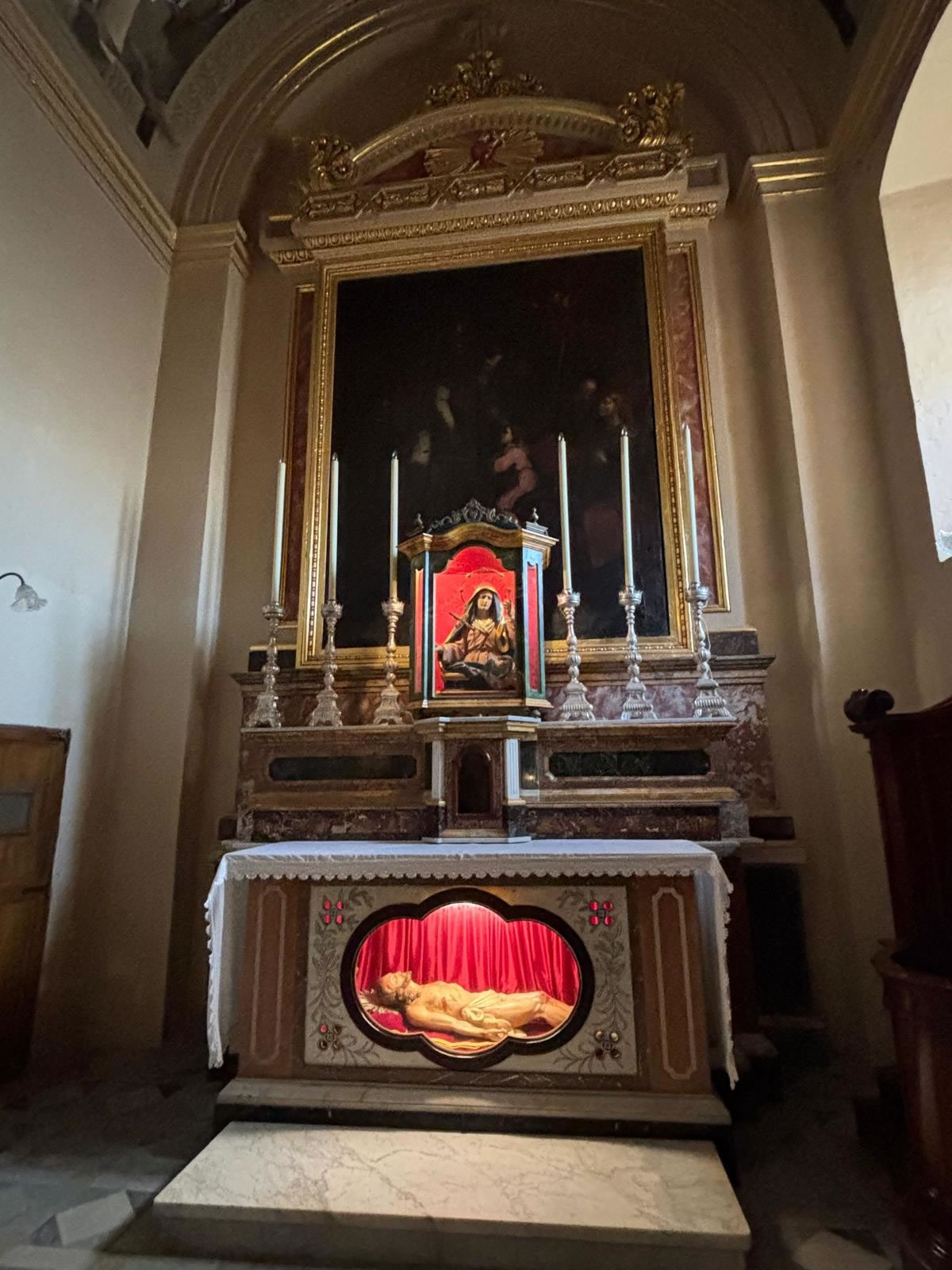
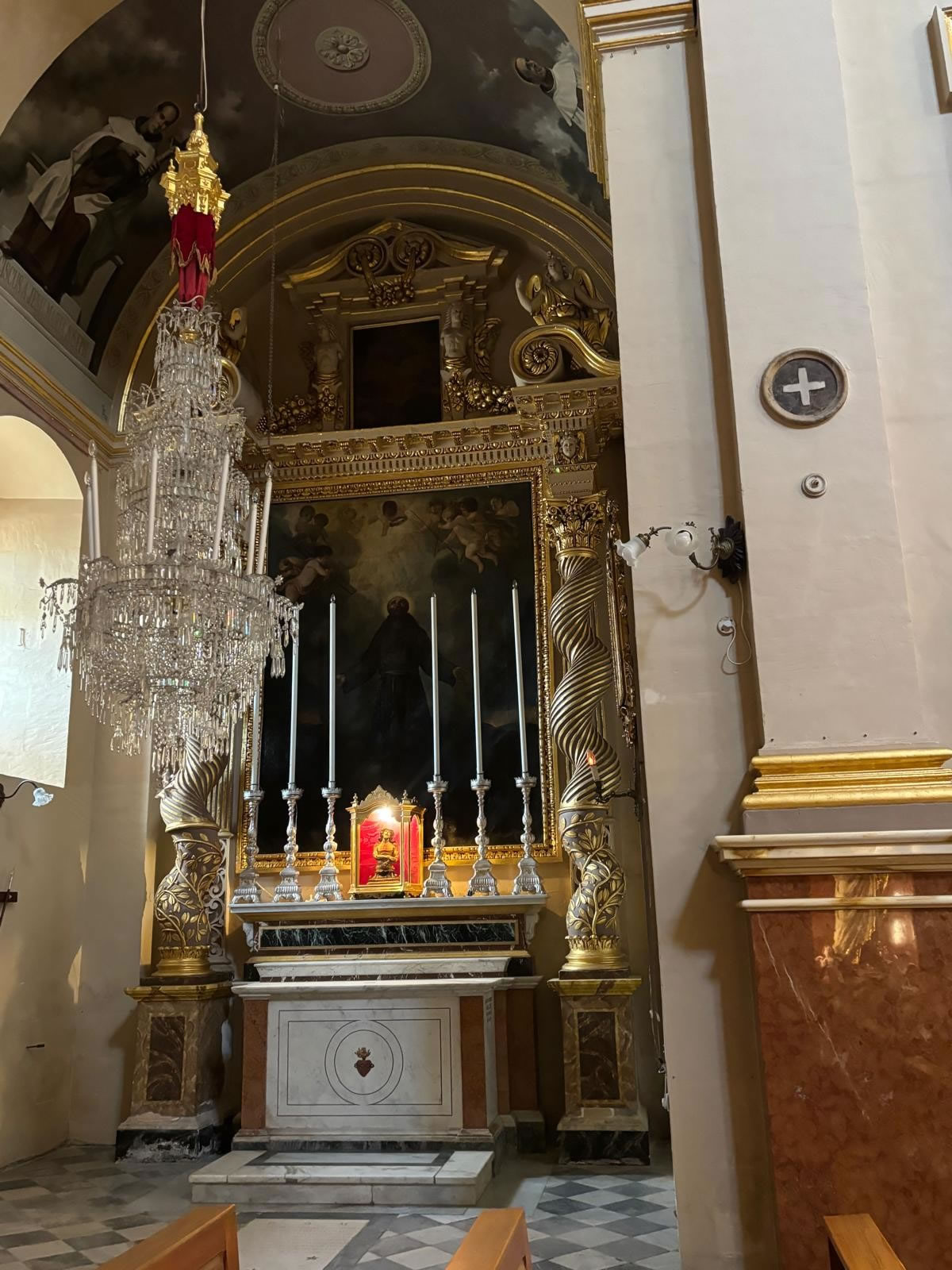
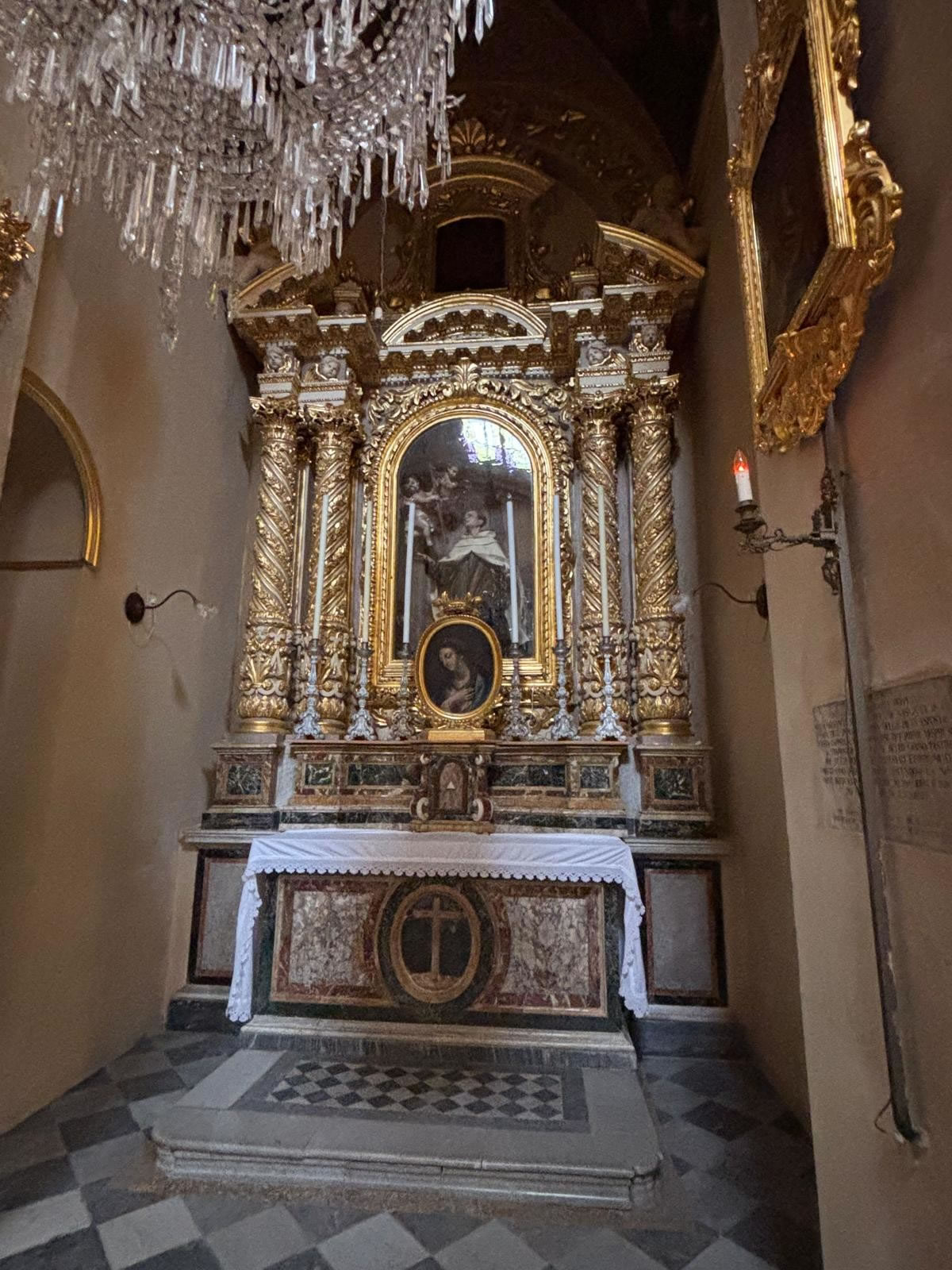
- Six side chapels
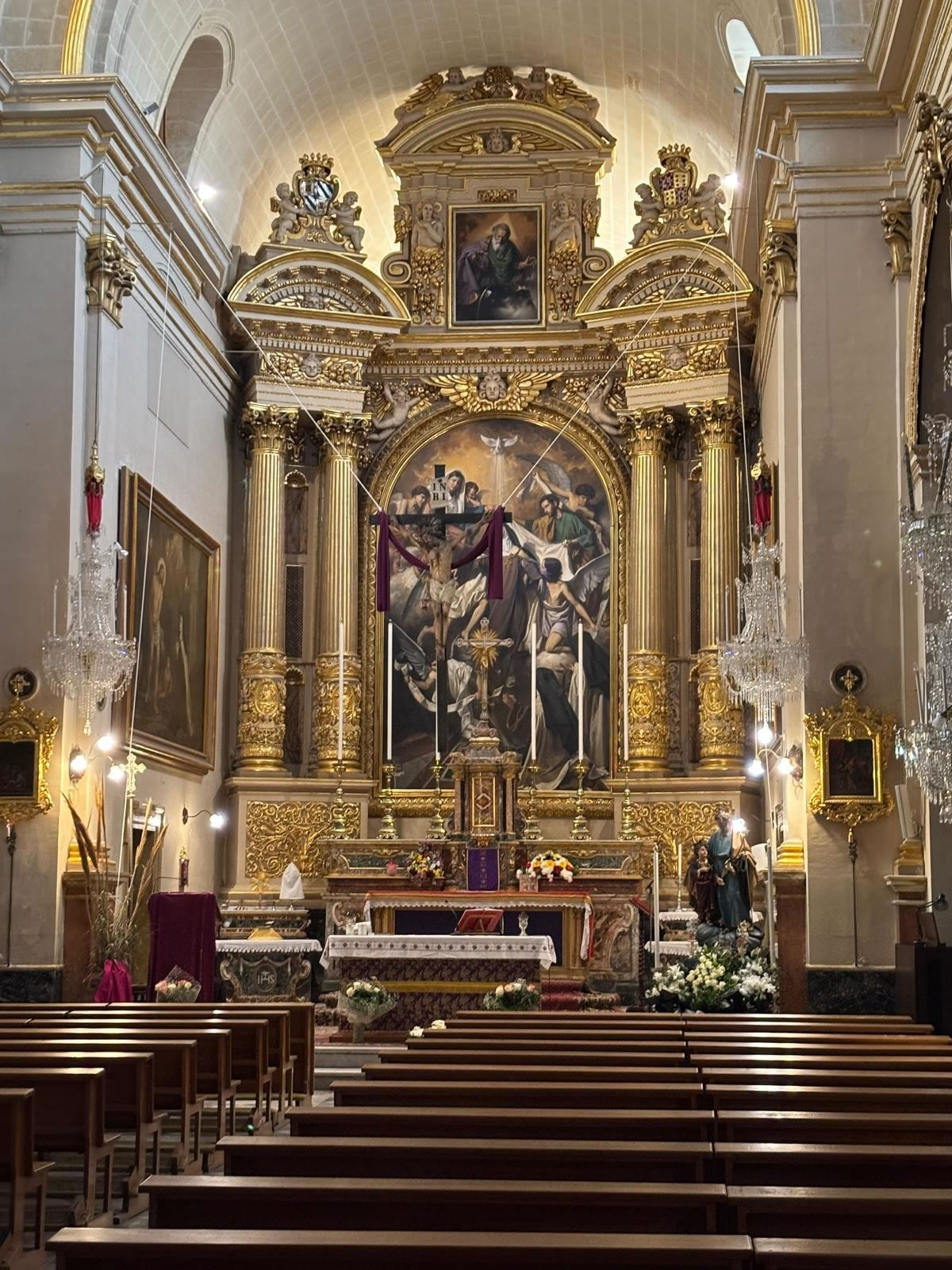
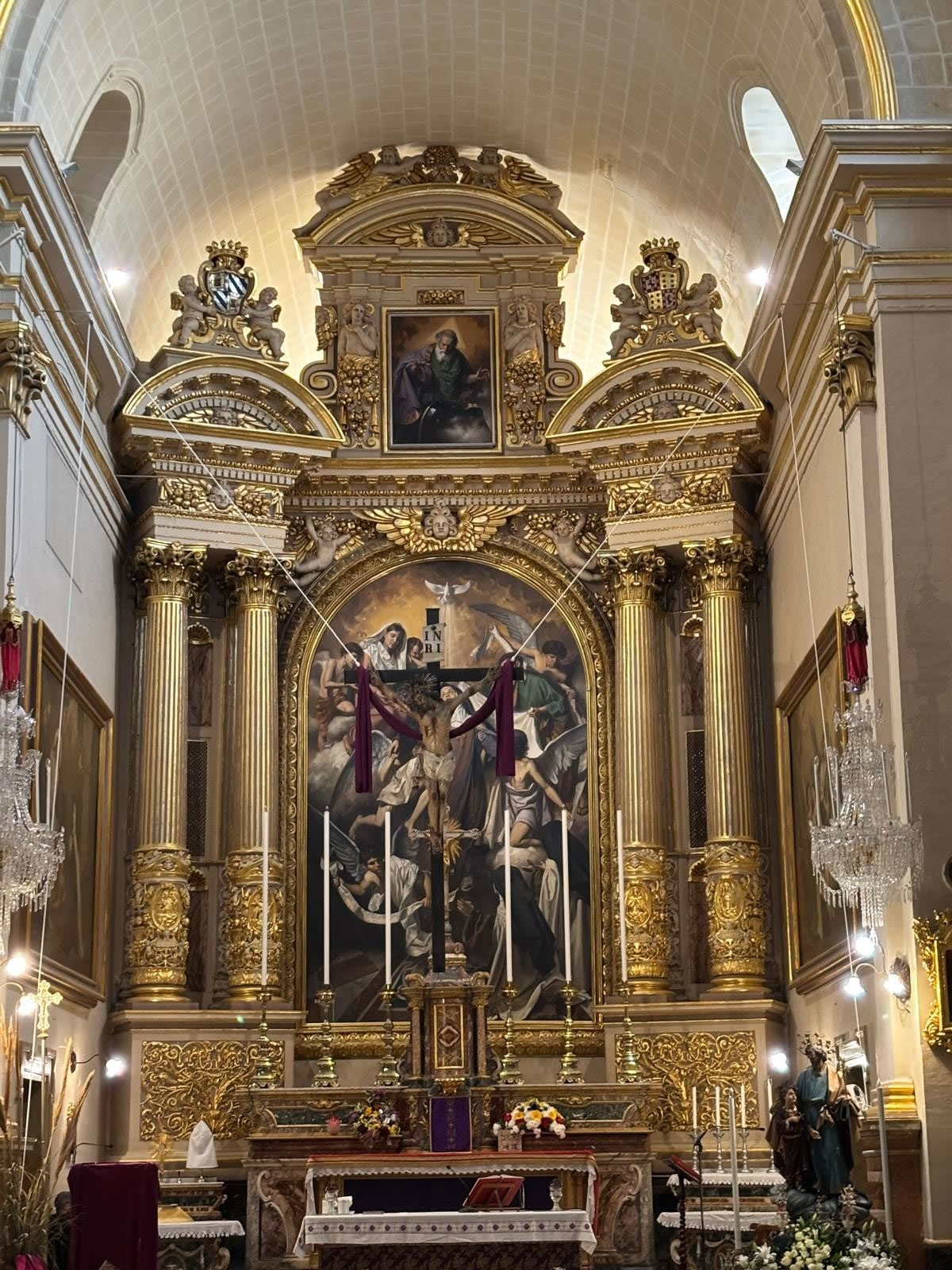
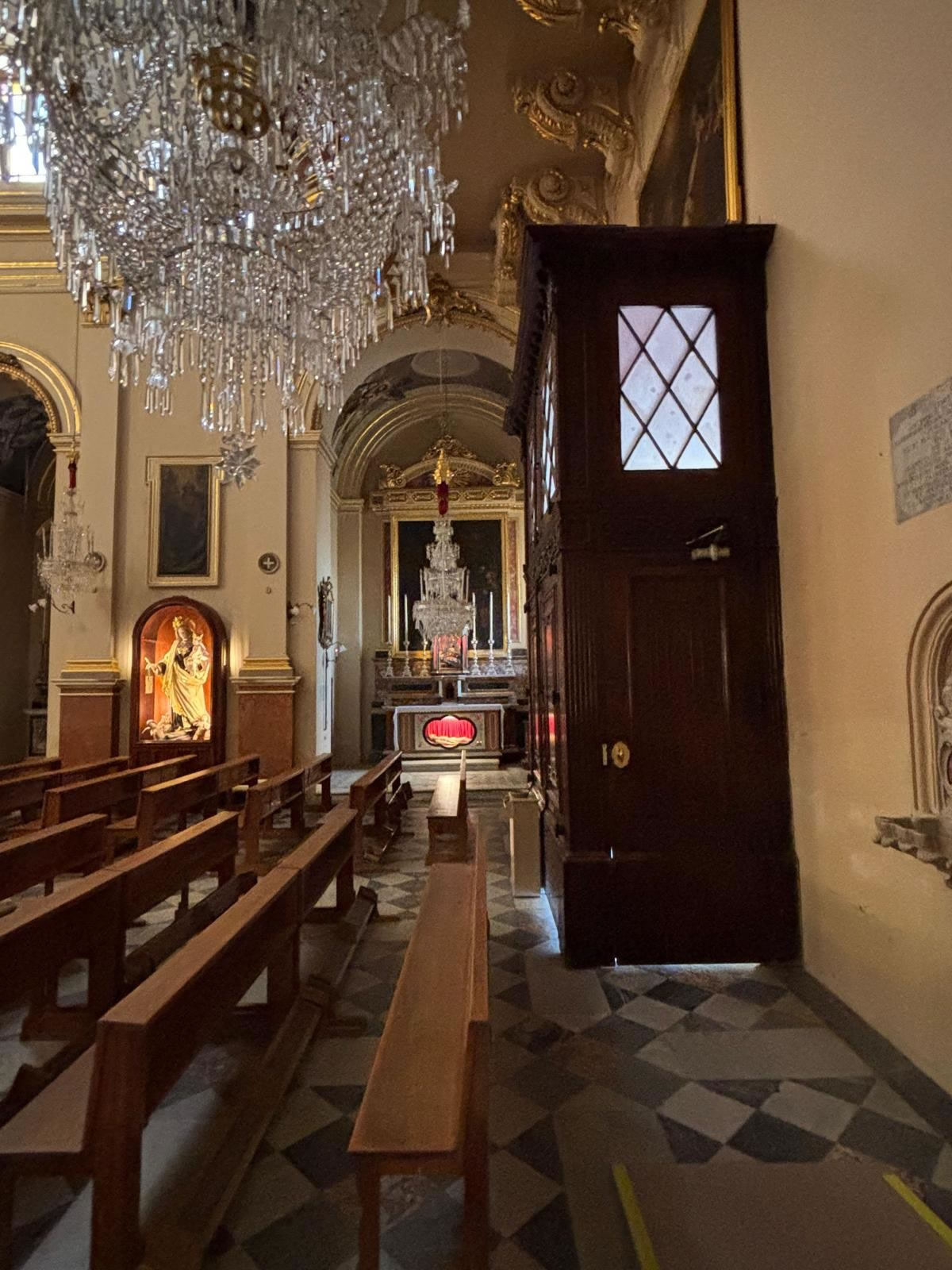
The presbytery is richly decorated with a Baroque reredos featuring sculptural elements such as columns, putti, and symbolic motifs.
Artworks and Decoration
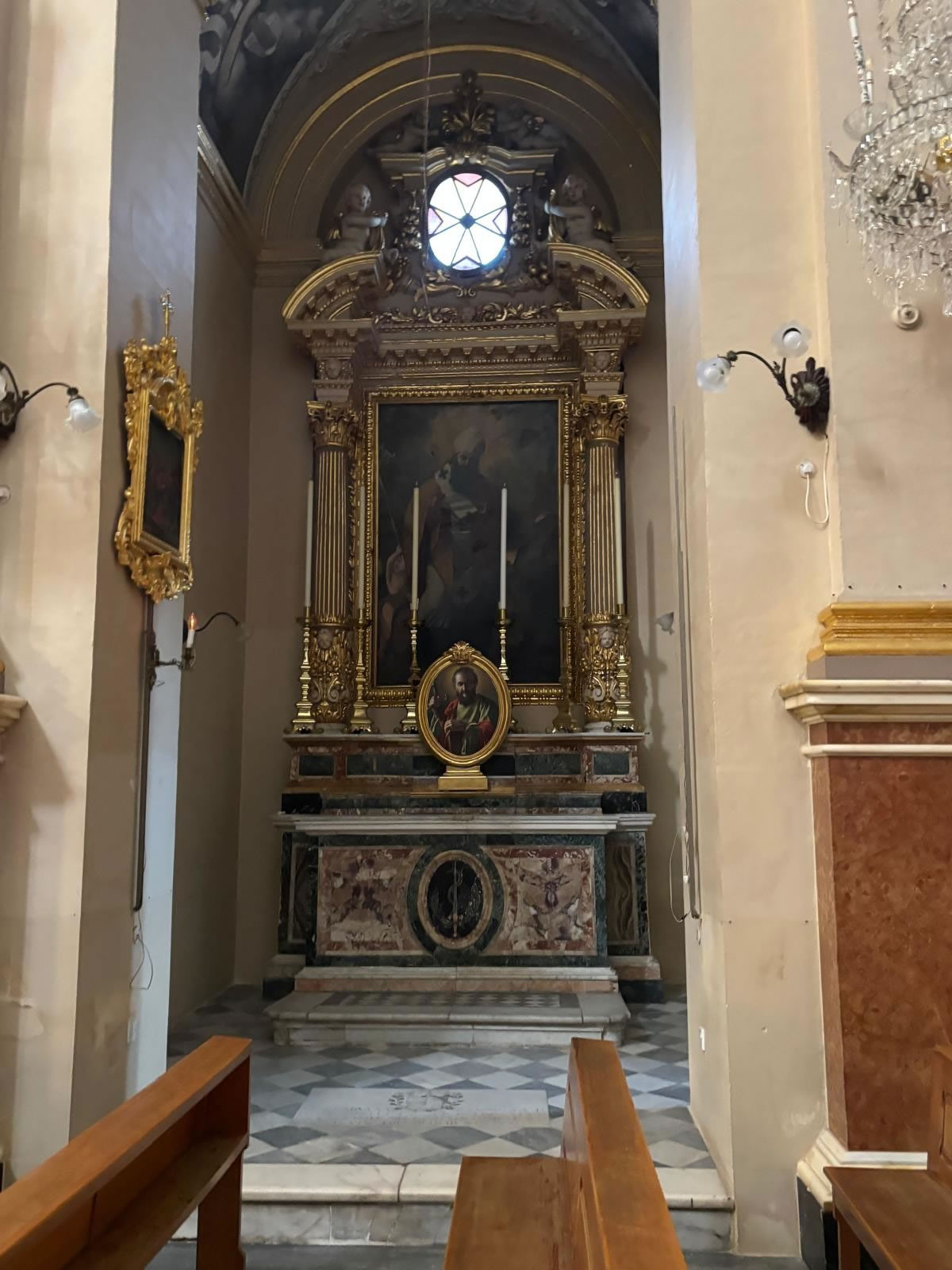
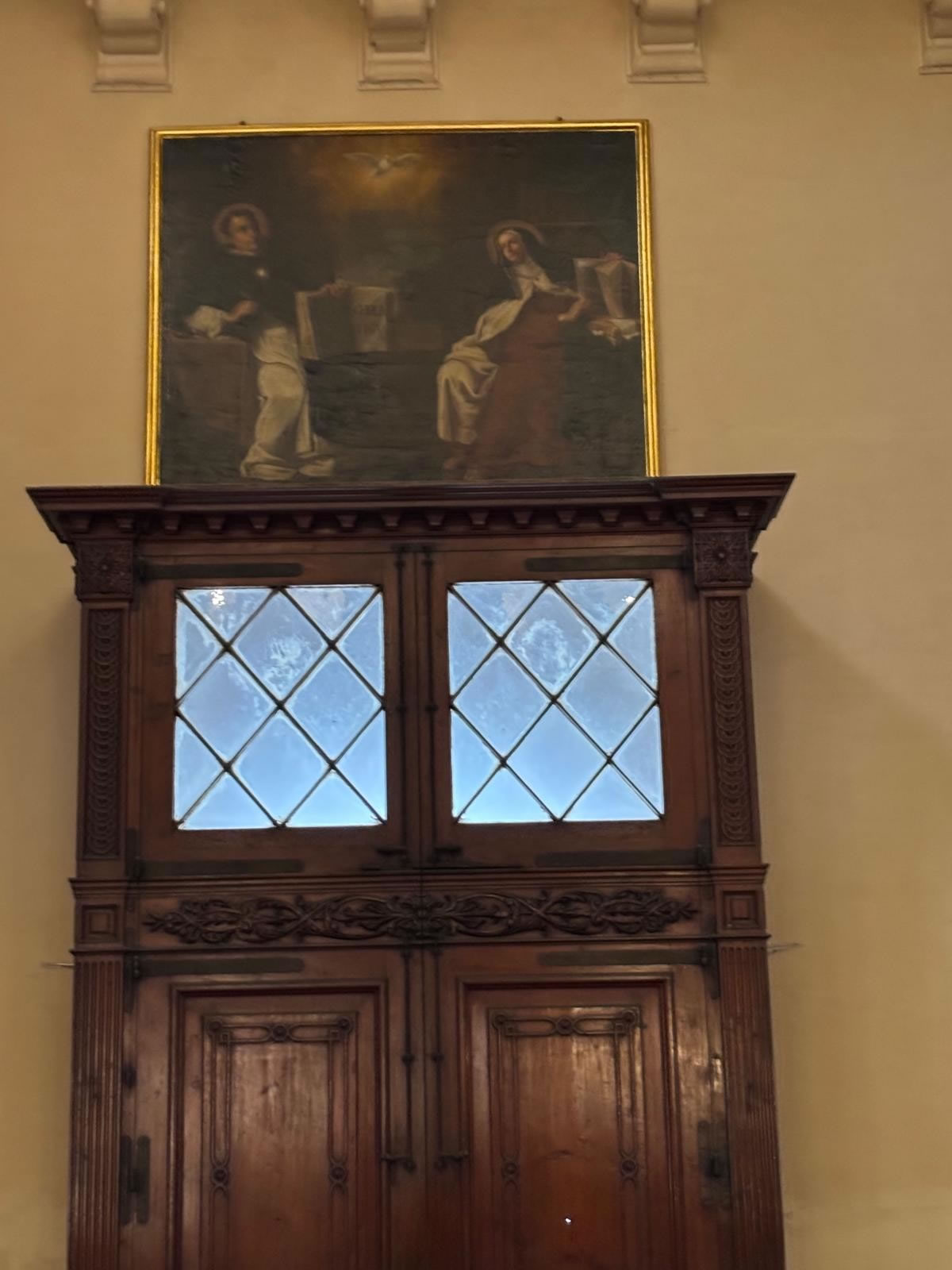
The Church of Saint Theresa of Avila houses an impressive collection of artworks spanning several centuries.
Main Altarpiece
The titular painting depicts the Ecstasy of Saint Theresa, a central theme in Carmelite spirituality. The original 17th-century painting suffered damage during World War II and was later restored and reinterpreted in modern times.
Other Artistic Works
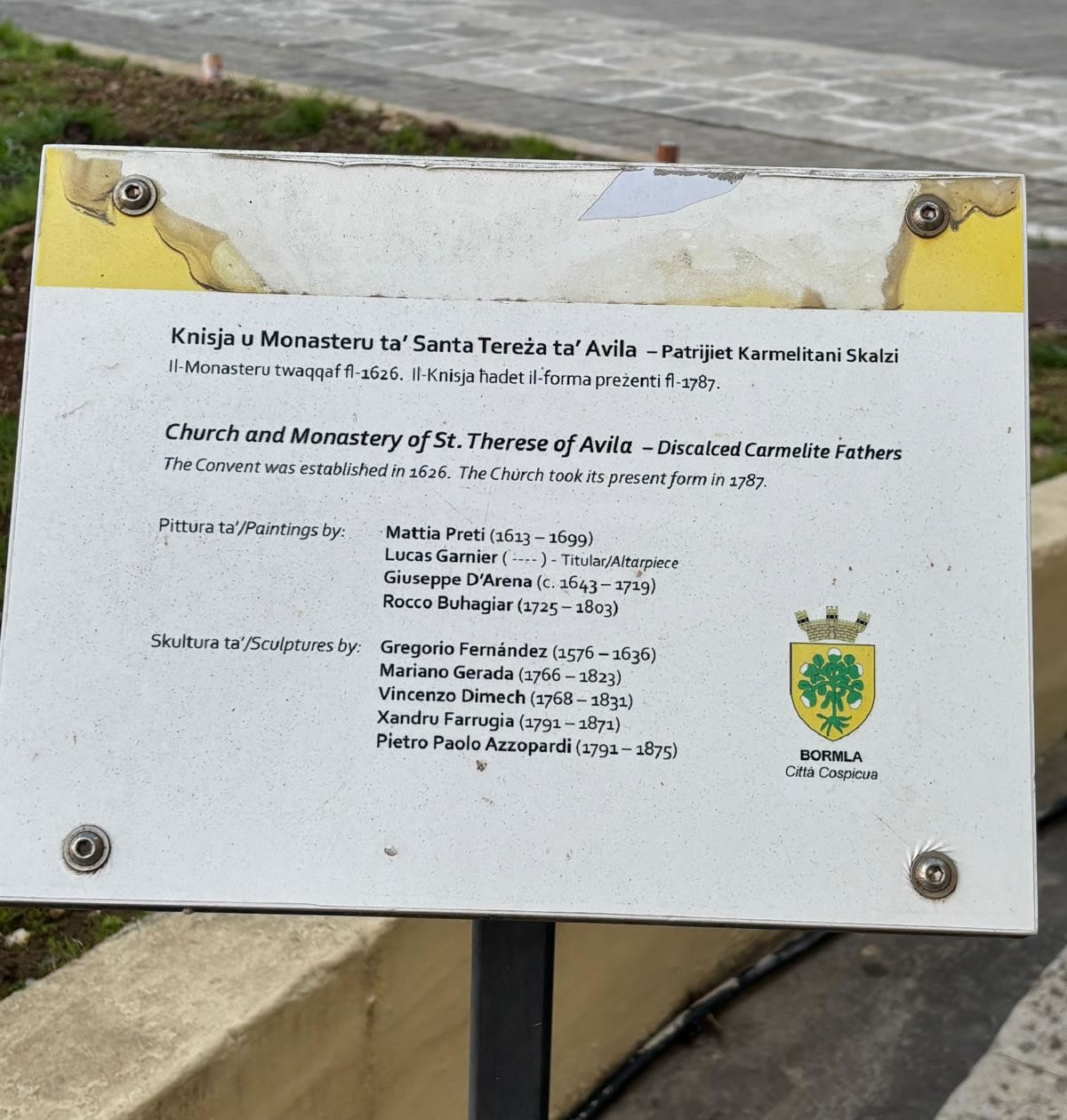
The church includes works by several notable artists:
- Mattia Preti
- Enrico Arnaud
- Rocco Buhagiar
- Antonio Xuereb
These artworks reflect a blend of Italian Baroque influence and Maltese artistic tradition, contributing to the church’s cultural significance.
Sculptures
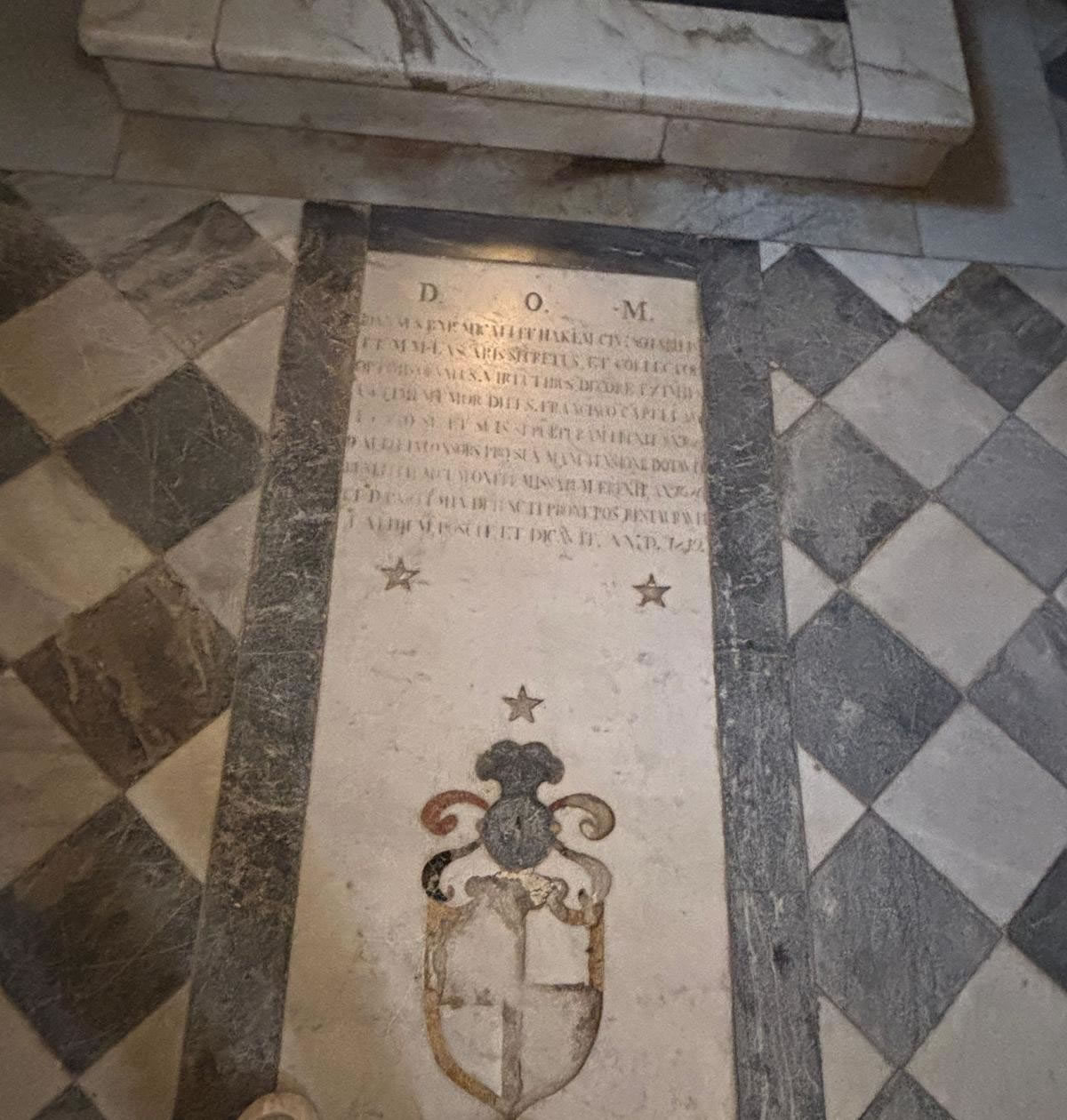
The titular statue of Saint Theresa, created in 1954, is an important devotional element within the church.
In the square outside the church stands a statue of St Elijah, sculpted in 1818, symbolising the spiritual origins of the Carmelite Order.
Baroque Features and Materials
The church’s Baroque character is evident throughout its interior:
- Marble altars and decorative elements
- Elaborate reredoses on side chapels
- Use of sculptural ornamentation
These features demonstrate the artistic richness typical of Maltese churches built during the period of the Knights of St John.
Historical Events and Milestones
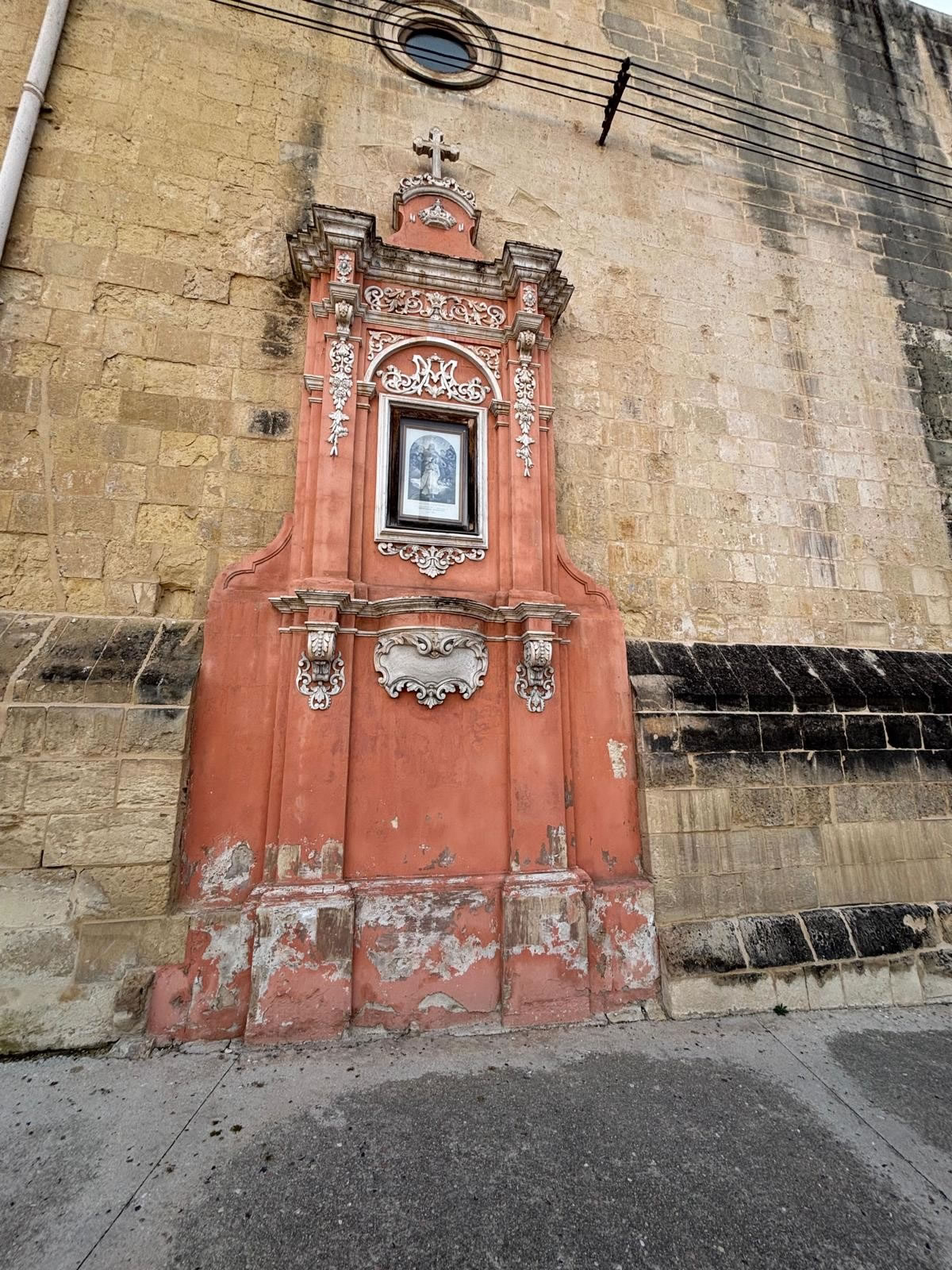
The church and monastery have witnessed several significant historical events:
- 1652: Burial of Inquisitor Carlo Cavaletti within the church
- 1714: Closure of the missionary college
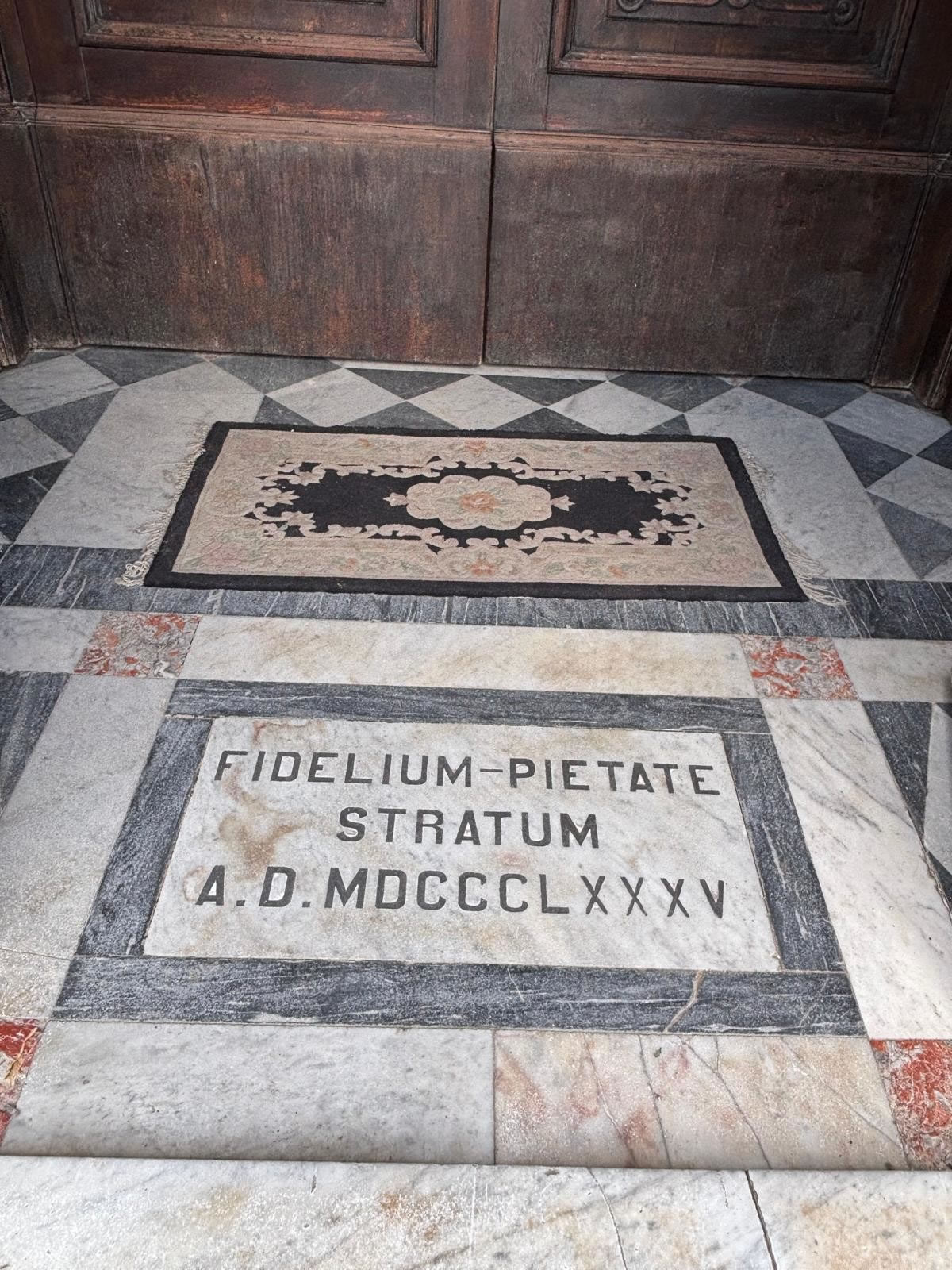
- 1787: Consecration of the church
- 1837: Notable theft from the tabernacle
These events reflect the evolving role of the church within Maltese society.
World War II and Restoration
Like many churches in the Grand Harbour area, the Church of Saint Theresa suffered damage during World War II.
Several artworks were affected, including the original titular painting, which required restoration and repainting in the post-war period.
Subsequent restoration efforts have ensured the preservation of the church’s artistic and architectural heritage.
Religious Role and Use Today
Today, the complex continues to function as a religious and monastic site. The monastery serves as a novitiate, where new members of the Carmelite Order begin their formation.
The church remains:
- A place of worship
- A centre for Carmelite spirituality
- A historical landmark within Bormla
Cultural and Heritage Importance
The Church and Monastery of Saint Theresa of Avila is an essential part of Malta’s religious heritage:
- One of the earliest Carmelite foundations in Malta
- A centre of missionary training in the 17th century
- A repository of important Baroque artworks
Its location within Bormla, one of the Three Cities, further enhances its historical significance.
Visiting Information
Visitors to Bormla can explore the church as part of a broader tour of the Grand Harbour region.
- Location: Bormla (Cospicua)
- Coordinates: 35.884114, 14.521230
- Use: Active church and monastery
- Access: Limited (religious services and specific times)
Conclusion
The Church and Monastery of Saint Theresa of Avila stands as a testament to Malta’s deep spiritual traditions and its historical role as a bridge between Europe and the wider Mediterranean world.
From its early 17th-century foundation and its pioneering missionary college to its rich artistic heritage and continued religious use, the complex remains a cornerstone of Bormla’s identity.
Whether appreciated for its architecture, history, or spiritual significance, this remarkable church offers a unique insight into Malta’s enduring religious and cultural legacy.