📍 Location
Location Map Coordinates 35.876925, 14.509690
Introduction
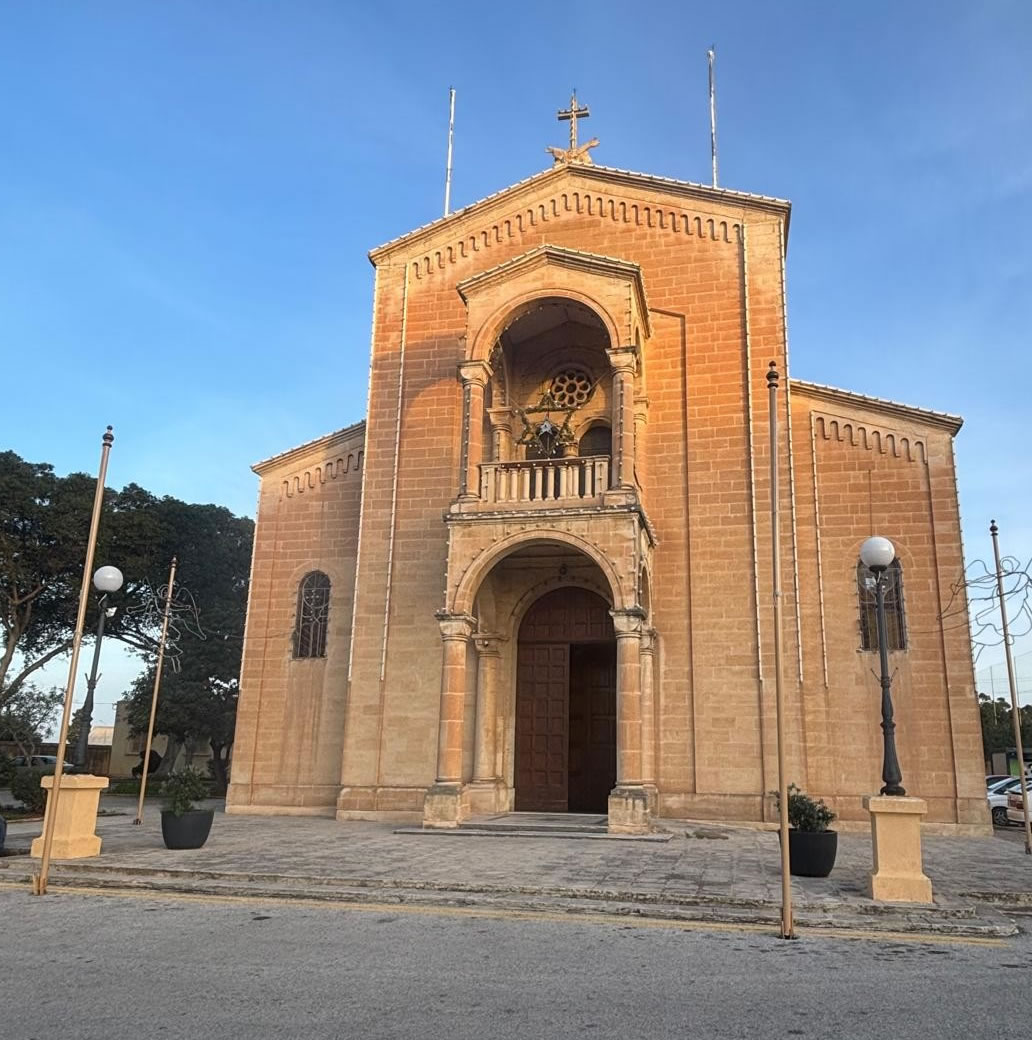
St Anthony of Padua Church in Paola is an important religious centre serving the Ghajn Dwieli and Kordin areas of the town. Dedicated to one of the most beloved saints in the Catholic Church, the church reflects the enduring Franciscan influence in Malta and the continued expansion of parish life during the 20th century.
Historical Background
Paola (Raħal Ġdid) experienced rapid population growth during the late 19th and 20th centuries, leading to the construction of several churches to meet the spiritual needs of its residents. As the town expanded beyond its original core, new residential zones required accessible places of worship.
The establishment of St Anthony of Padua Church formed part of this broader ecclesiastical development, ensuring pastoral care for communities located in the outskirts of the parish.
Dedication to Saint Anthony of Padua
The church is dedicated to Saint Anthony of Padua (1195–1231), a Franciscan friar renowned for his preaching, theological knowledge, and devotion to the poor. His popularity in Malta is reflected in numerous churches and chapels bearing his name.
Saint Anthony is particularly venerated as the patron saint of lost items and is associated with humility, charity, and devotion to Christ. His feast day is celebrated annually on 13 June, often marked by Masses and community celebrations across Malta. :contentReference[oaicite:0]{index=0}
Construction and Development
Although precise construction dates are not widely documented, the church was built during the period of urban expansion in Paola, most likely in the mid-to-late 20th century. This aligns with the broader development of residential areas such as Ghajn Dwieli.
The church was designed to serve as a functional parish centre, providing regular liturgical services and community support. Over time, it has become an integral part of the local religious landscape.
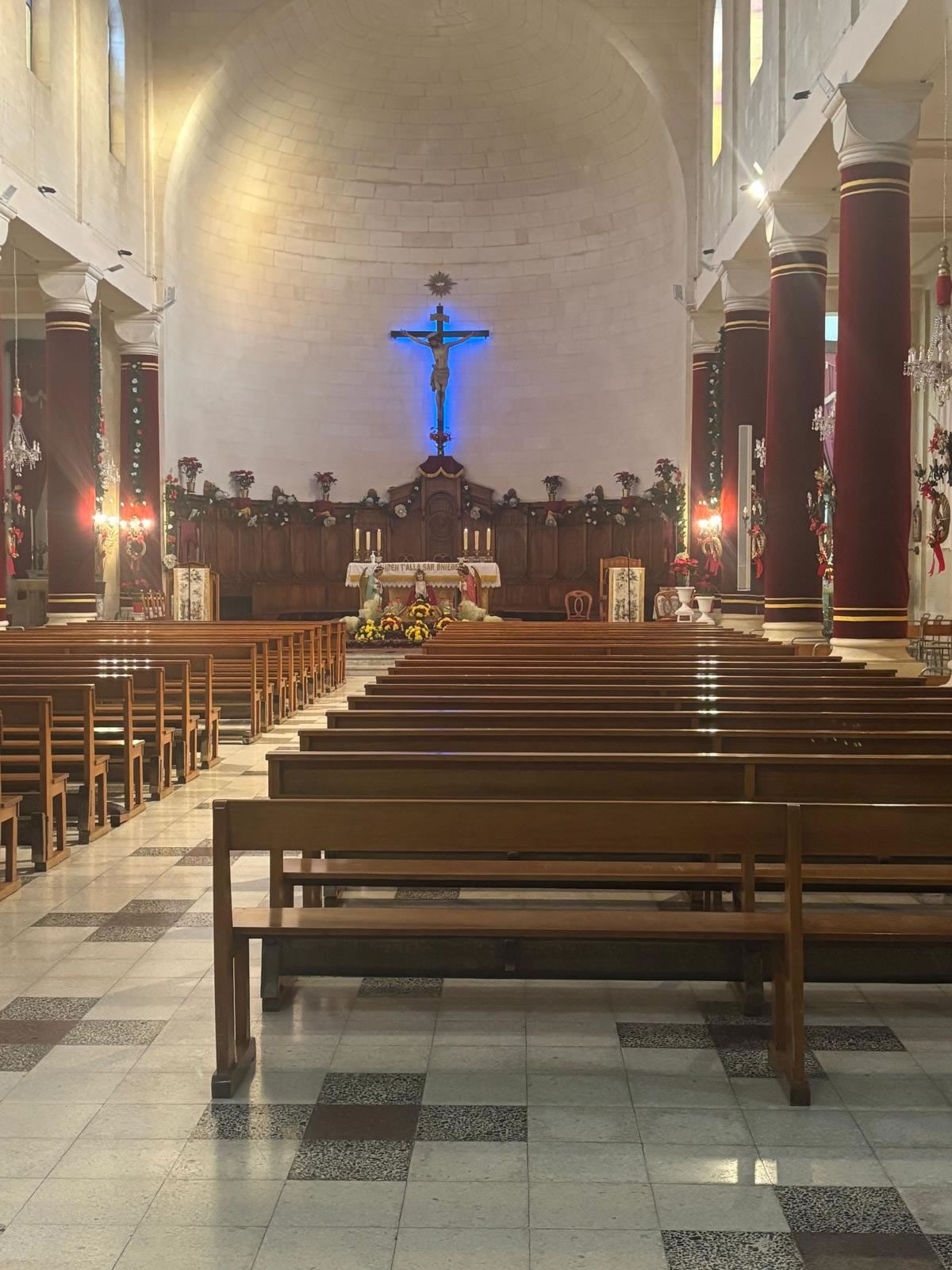
Architecture
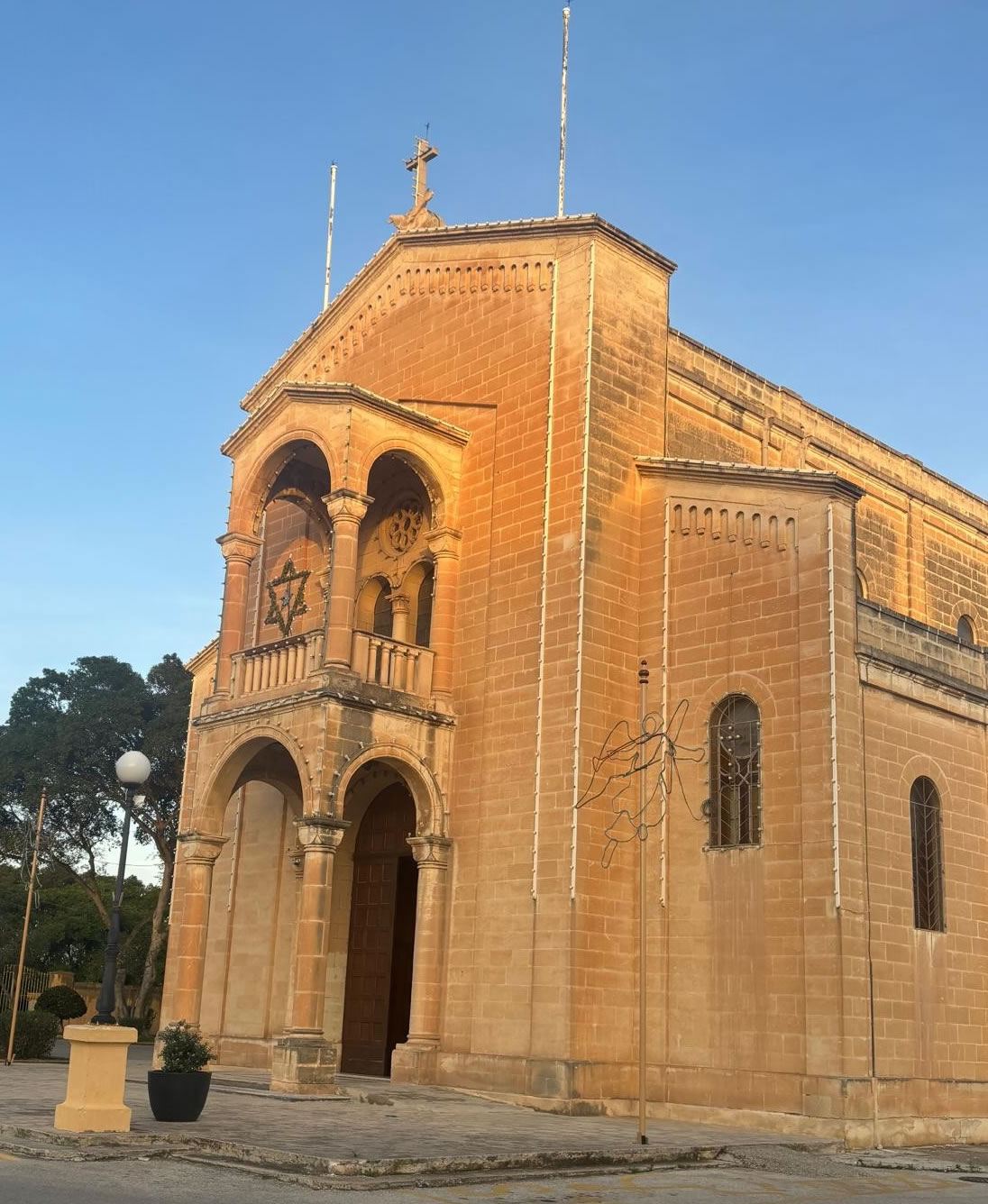
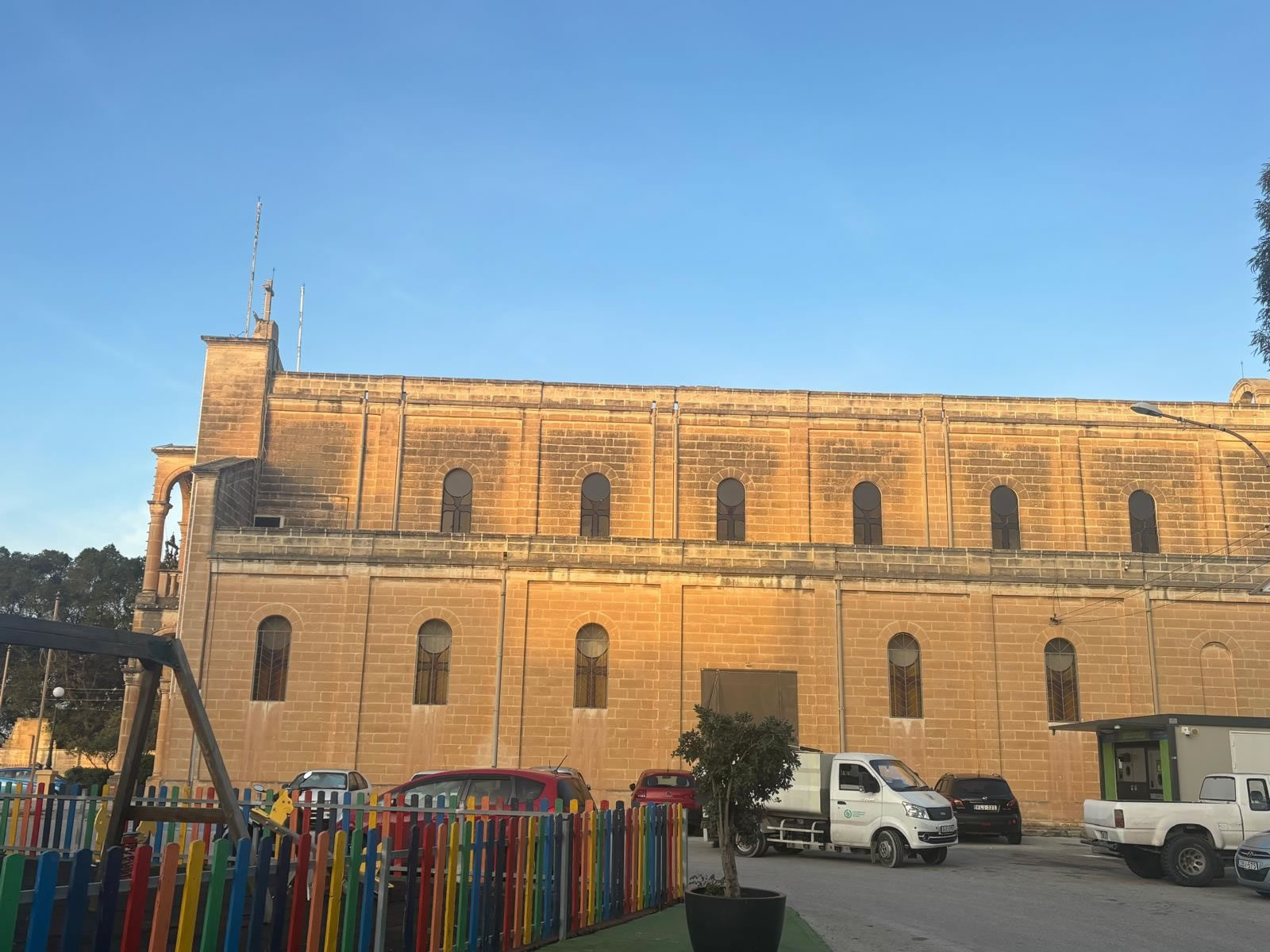
The architecture of St Anthony of Padua Church reflects modern Maltese ecclesiastical design, combining traditional elements with contemporary functionality.
- Simple yet dignified façade
- Use of local limestone
- Spacious interior adapted for community worship
- Functional layout suited to parish activities
Unlike earlier Baroque churches, the design emphasises accessibility and practicality while maintaining a strong spiritual atmosphere.
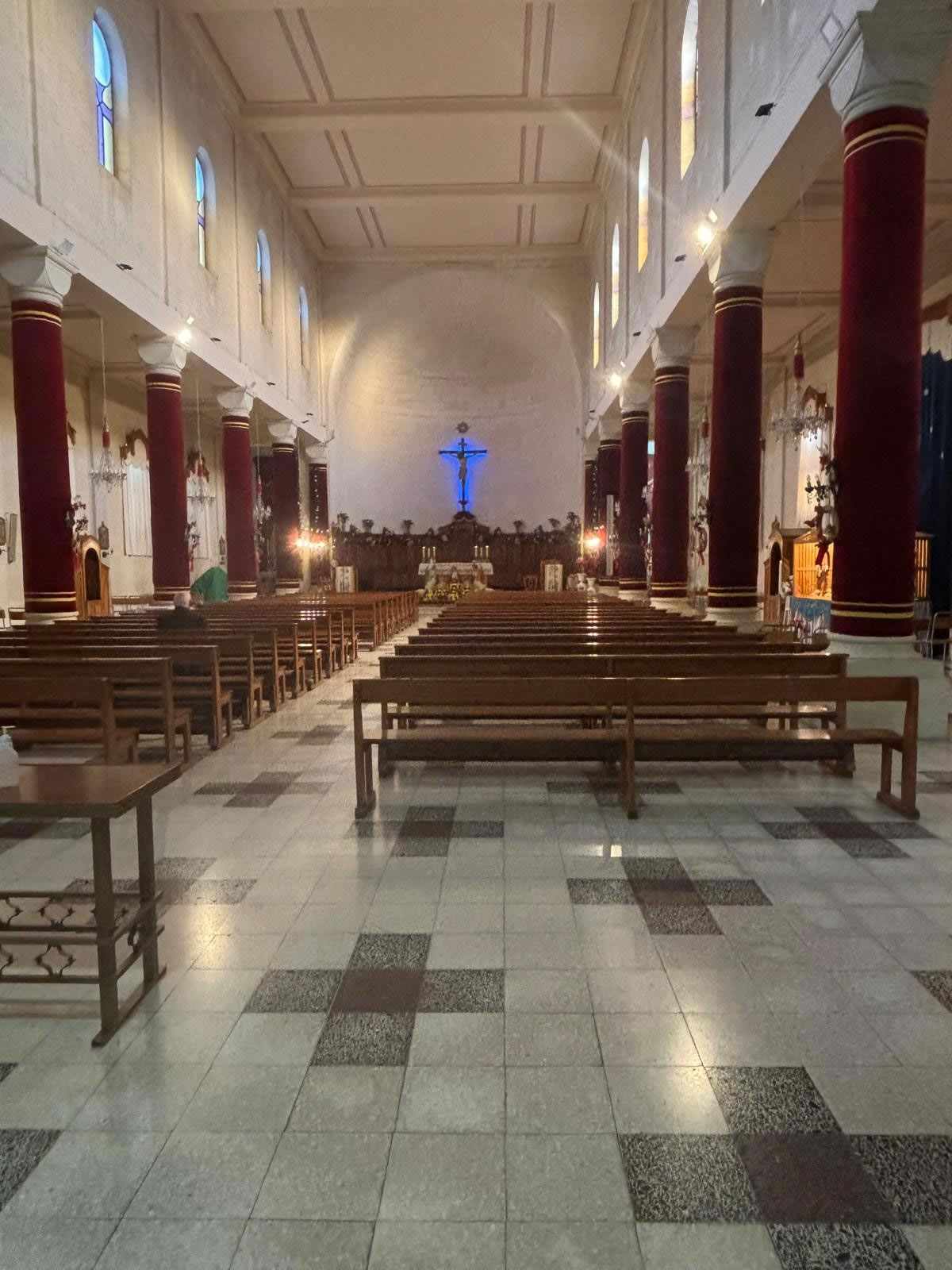
Interior and Artworks
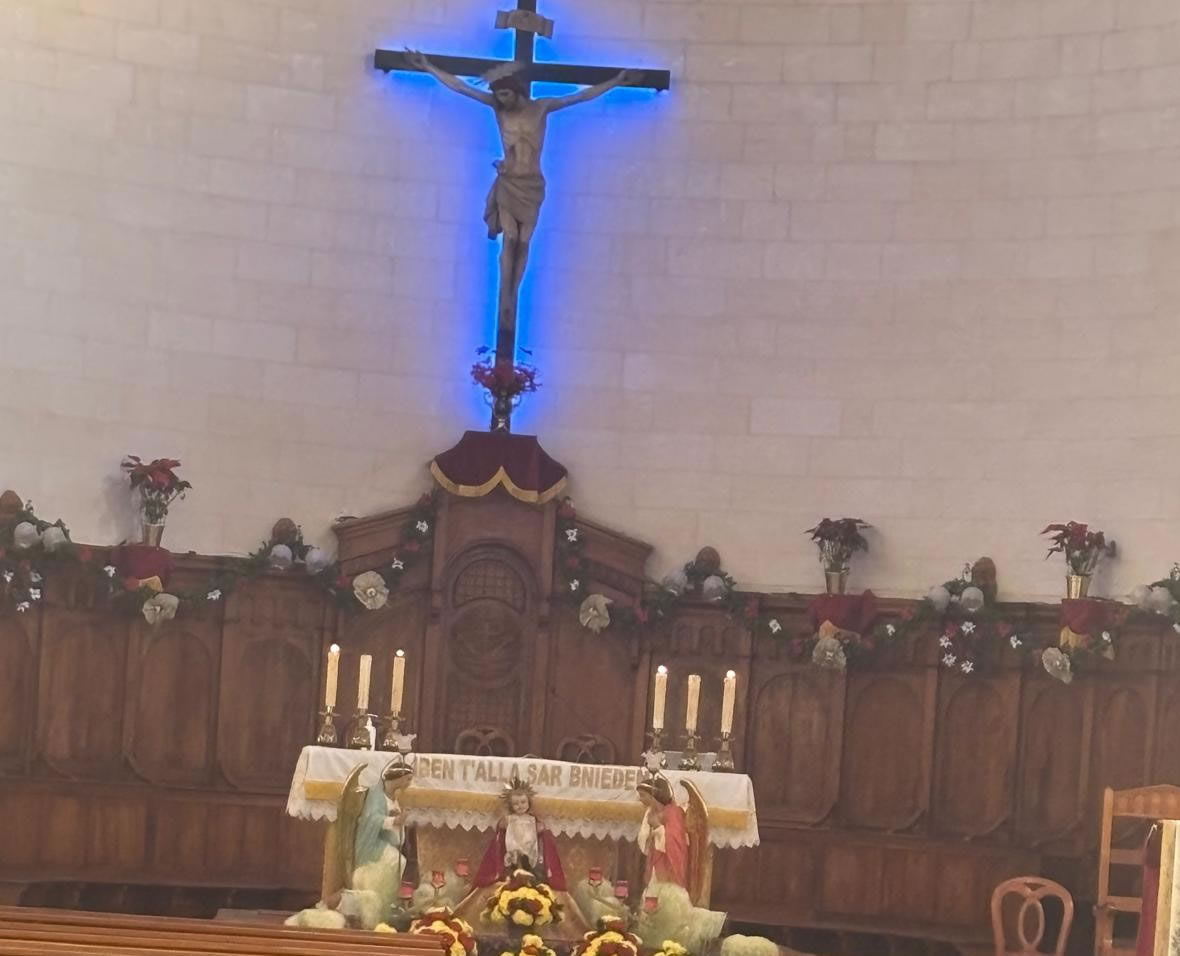
The interior of the church typically includes devotional artworks dedicated to Saint Anthony of Padua and other figures central to Catholic spirituality.
- Statue of Saint Anthony holding the Child Jesus
- Altarpiece or paintings reflecting Franciscan themes
- Liturgical furnishings adapted to modern worship
As in many Maltese churches, these elements contribute to an environment that encourages prayer and reflection.
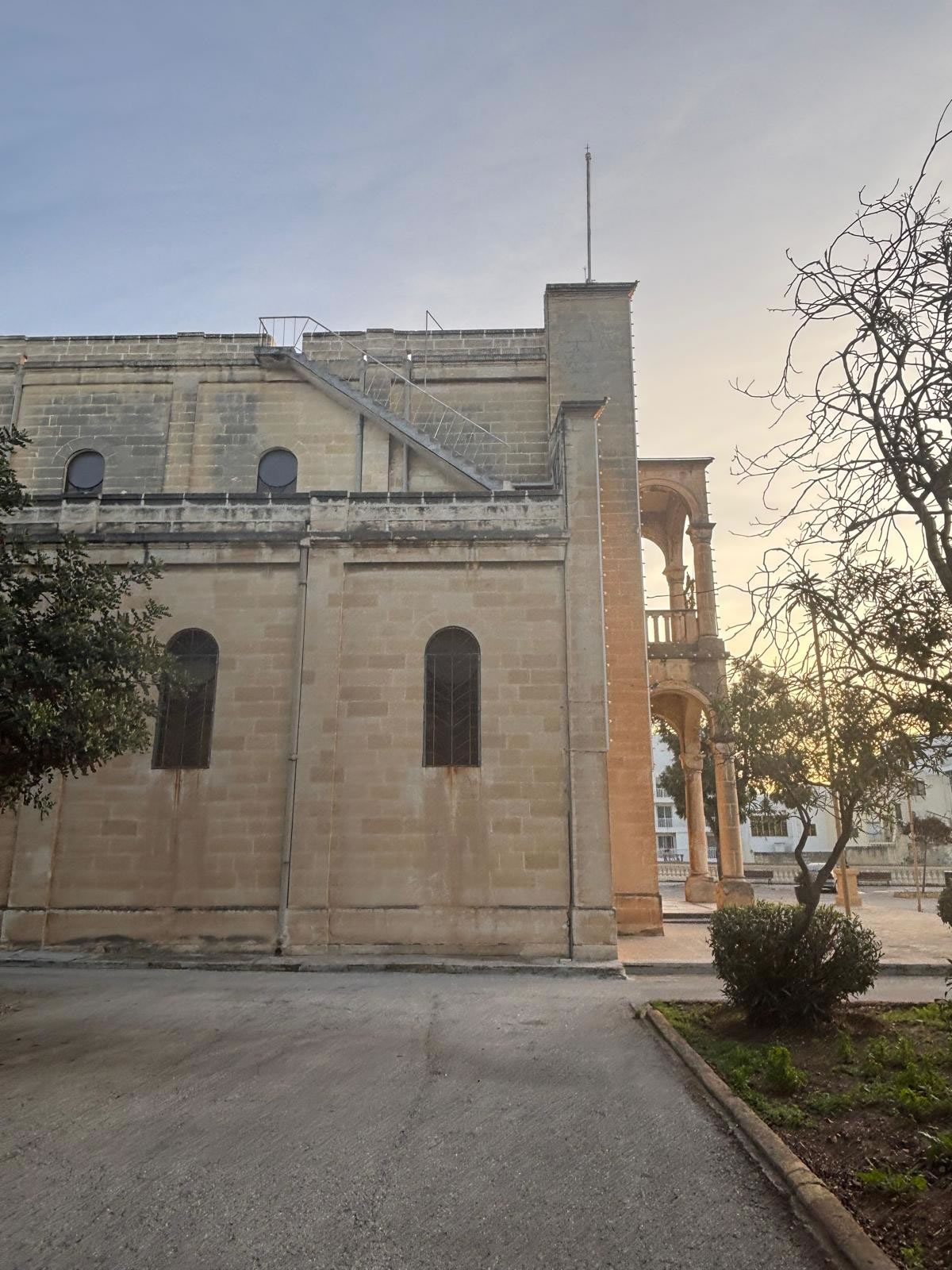
Religious Life and Parish Use
The church serves as an active place of worship with daily Masses and regular religious services. It plays an important role in the spiritual life of the community, hosting:
- Daily and Sunday Masses :contentReference[oaicite:1]{index=1}
- Sacramental celebrations (baptisms, confirmations, weddings)
- Devotional gatherings and novenas
Its accessibility makes it particularly important for residents in the surrounding neighbourhoods.
Community and Cultural Role
Beyond its religious function, the church contributes to the social cohesion of the area. Churches in Malta traditionally serve as centres for community interaction, charity work, and cultural activities.
The feast of Saint Anthony remains a highlight of the liturgical calendar, fostering both religious devotion and local identity.
Restoration and Maintenance
As a relatively modern structure, the church has required periodic maintenance rather than major reconstruction. Typical works include:
- Interior refurbishment
- Upgrading of lighting and sound systems
- Structural maintenance
These efforts ensure that the church continues to meet the needs of contemporary worshippers.
Historical Timeline
- 20th century: Expansion of Paola creates need for new church
- Mid–late 20th century: Construction of St Anthony Church
- Late 20th century: Growth of parish activity
- 21st century: Continued active use and community role
Visitor Information
Location: Ghajn Dwieli / Kordin area, Paola, Malta
Coordinates: 35.876925, 14.509690
The church is easily accessible and serves as a convenient stop for visitors exploring Paola and nearby historical sites such as the Hypogeum and Tarxien Temples.
Conclusion
St Anthony of Padua Church in Paola represents the evolution of Malta’s religious landscape into the modern era. While more recent than many historic churches on the island, it continues the long-standing tradition of community-centred worship and devotion.
Its dedication to one of the most beloved saints in Catholicism ensures its enduring relevance, both spiritually and culturally, within the local community.