📍 Location
Location Map Coordinates 35.897890, 14.467580
Introduction
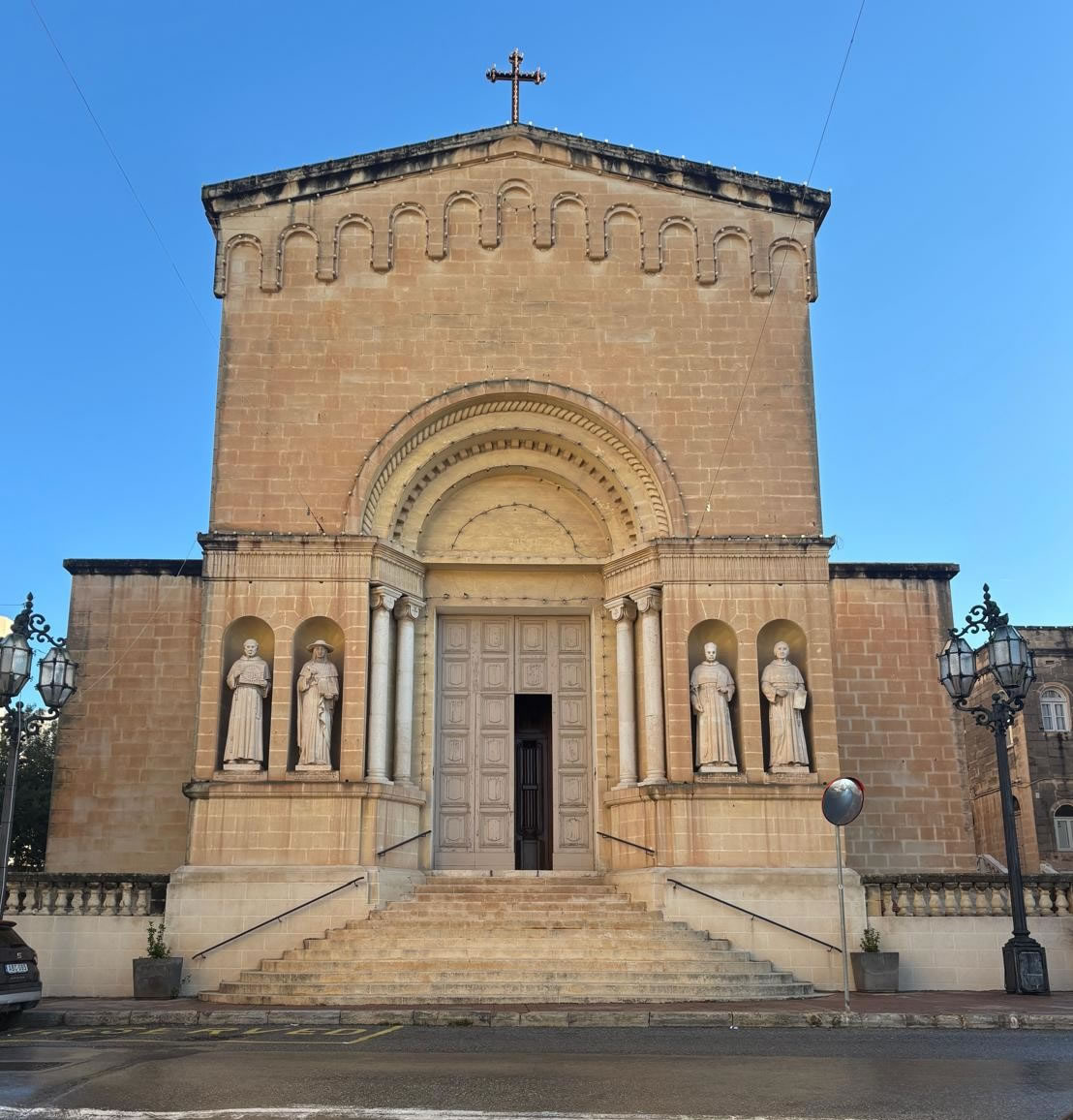
St Francis of Assisi Church in Birkirkara is one of the lesser-known yet culturally significant religious sites in Malta. Dedicated to Saint Francis of Assisi, the founder of the Franciscan Order, the church reflects the deep-rooted Franciscan spirituality present across the Maltese Islands. While overshadowed by larger parish churches, such chapels form an essential part of Malta’s ecclesiastical and social fabric.
Birkirkara itself is one of Malta’s oldest and largest towns, with origins predating the Knights of St John. It has long been a centre of religious devotion, hosting multiple churches, chapels, and religious institutions that evolved over centuries.
Historical Background
The devotion to Saint Francis of Assisi in Malta dates back to the arrival and expansion of Franciscan orders across Europe and into the Mediterranean. Although precise archival records for this specific church are limited, Franciscan influence in Malta has been historically strong, with convents, churches, and chapels established in various towns over centuries.
Churches dedicated to Saint Francis typically served smaller communities, religious orders, or specific devotional groups. In many cases, such churches began as modest chapels before being expanded or restored in response to population growth or increased religious activity.
Throughout Maltese history, religious buildings were often funded by local benefactors, clergy, or religious orders, reflecting both community devotion and the island’s strong Catholic identity. The presence of a church dedicated to Saint Francis in Birkirkara aligns with this broader pattern of ecclesiastical development.
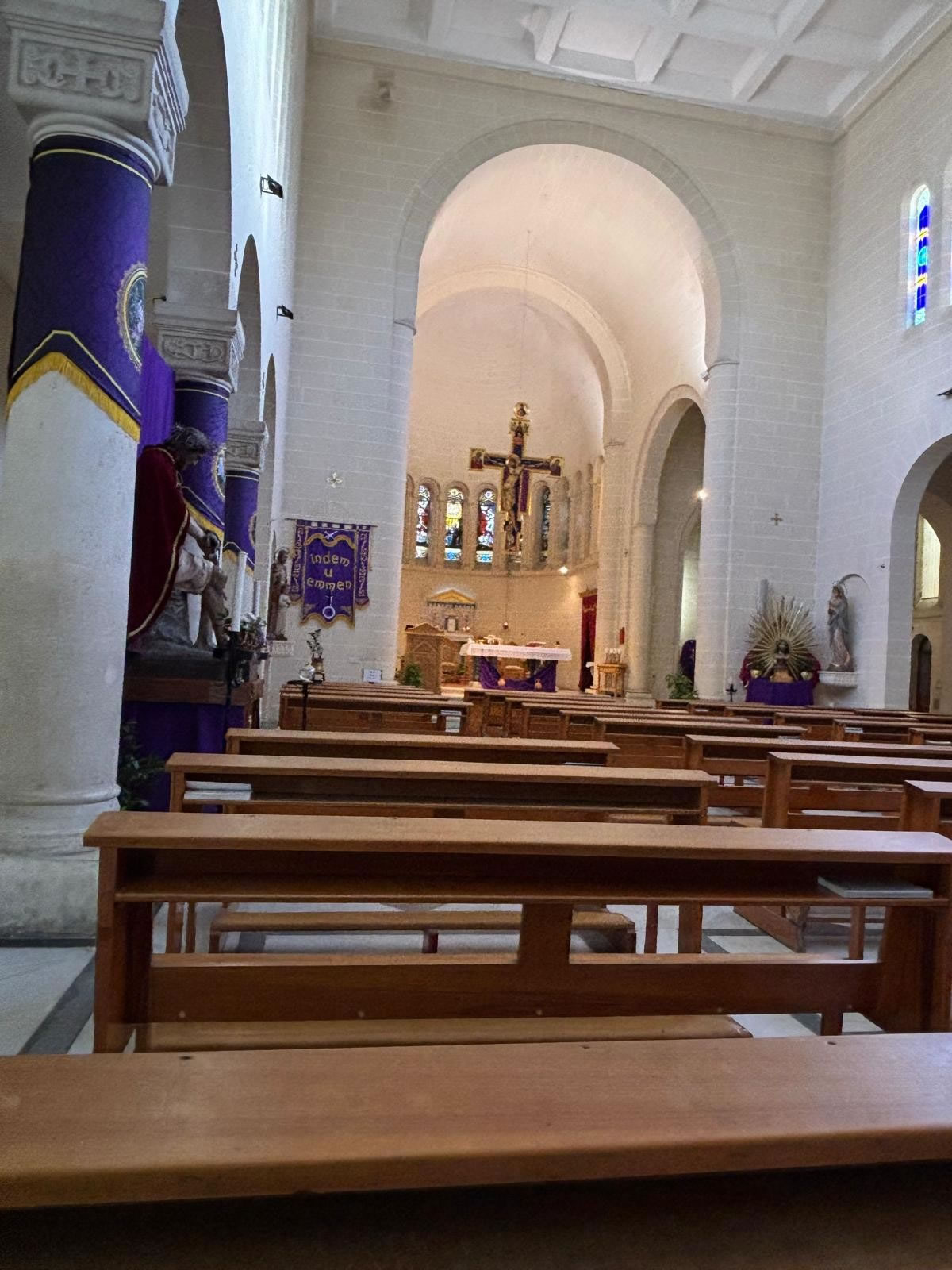
Construction and Architectural Features
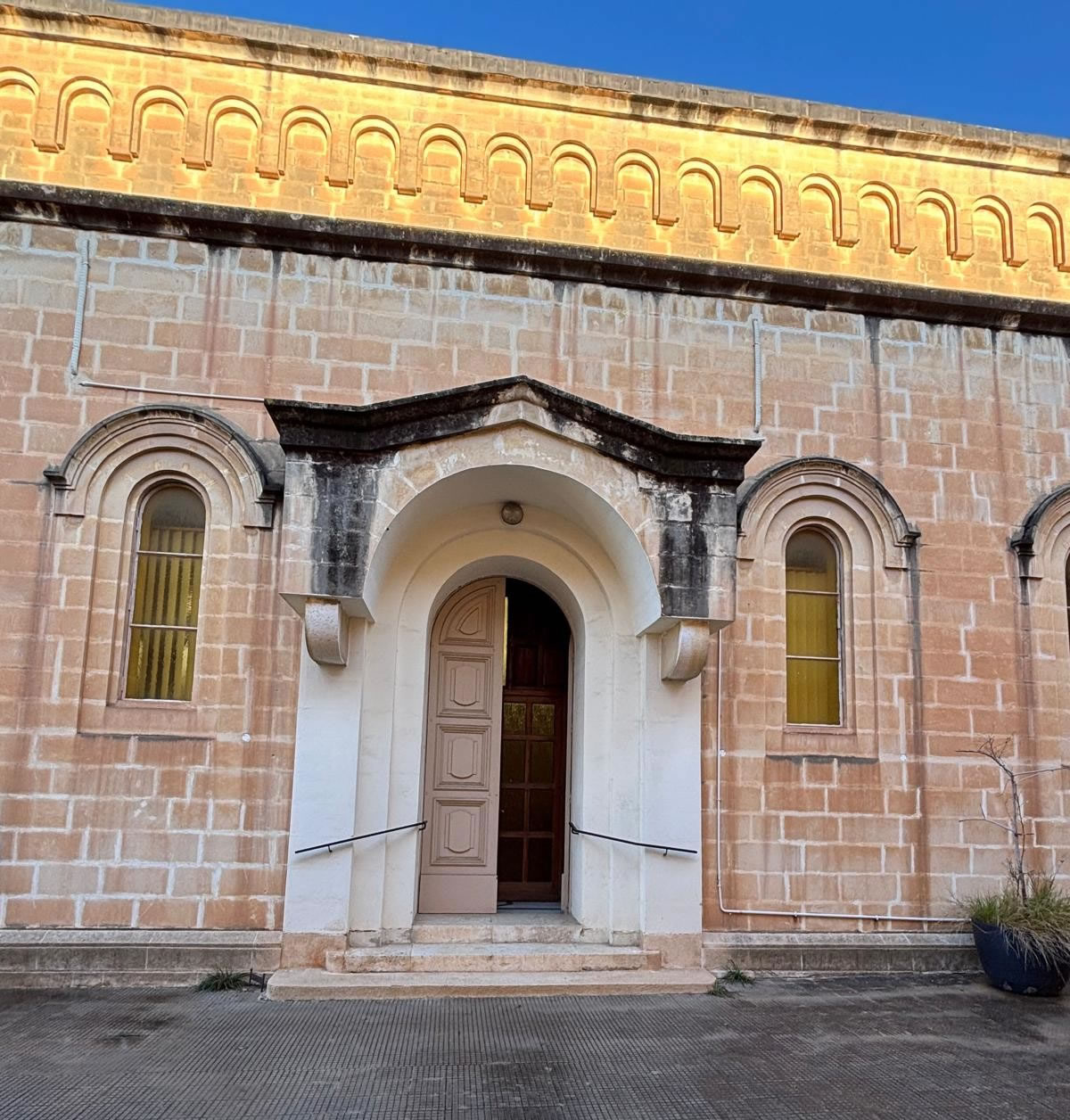
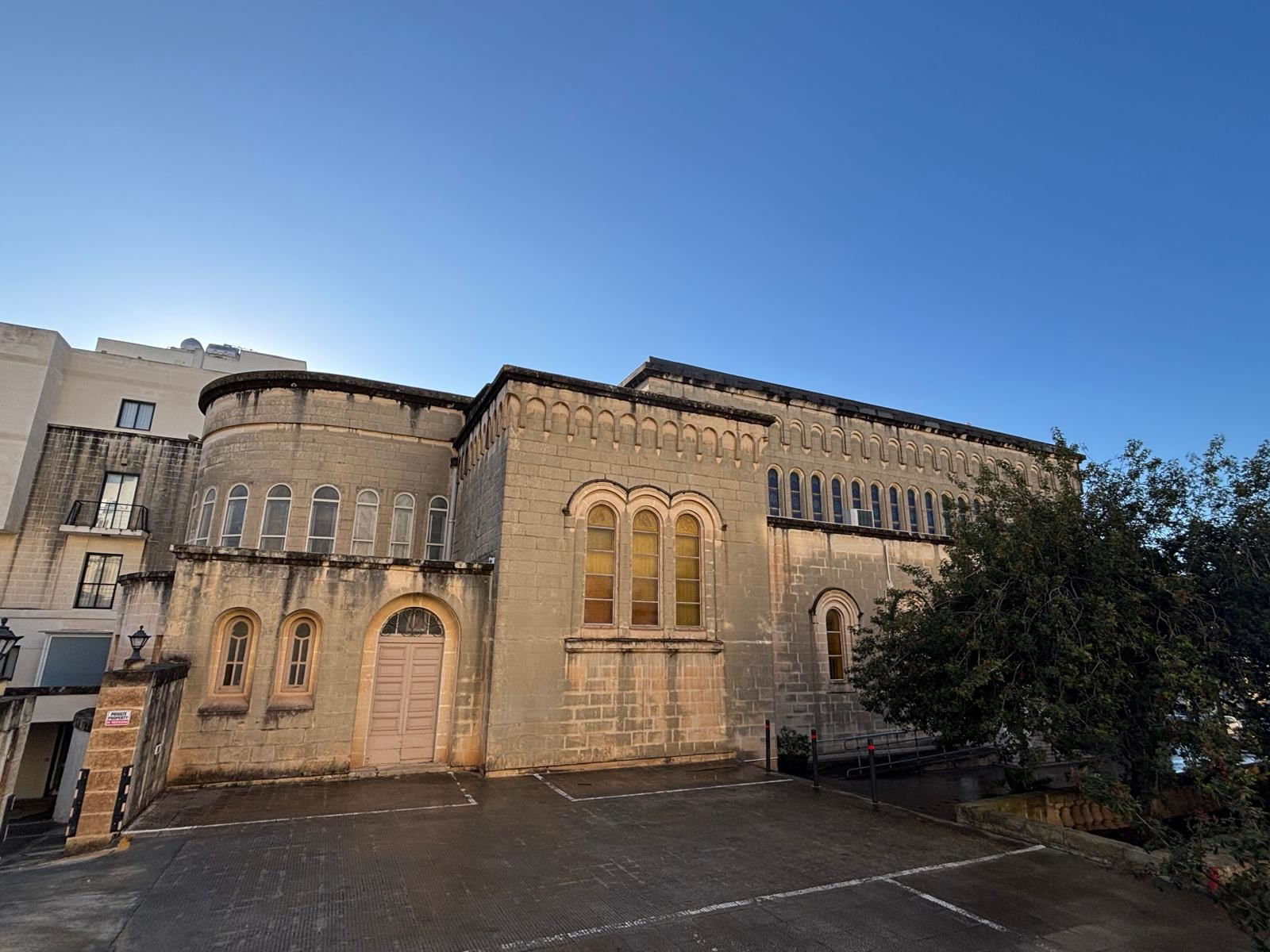
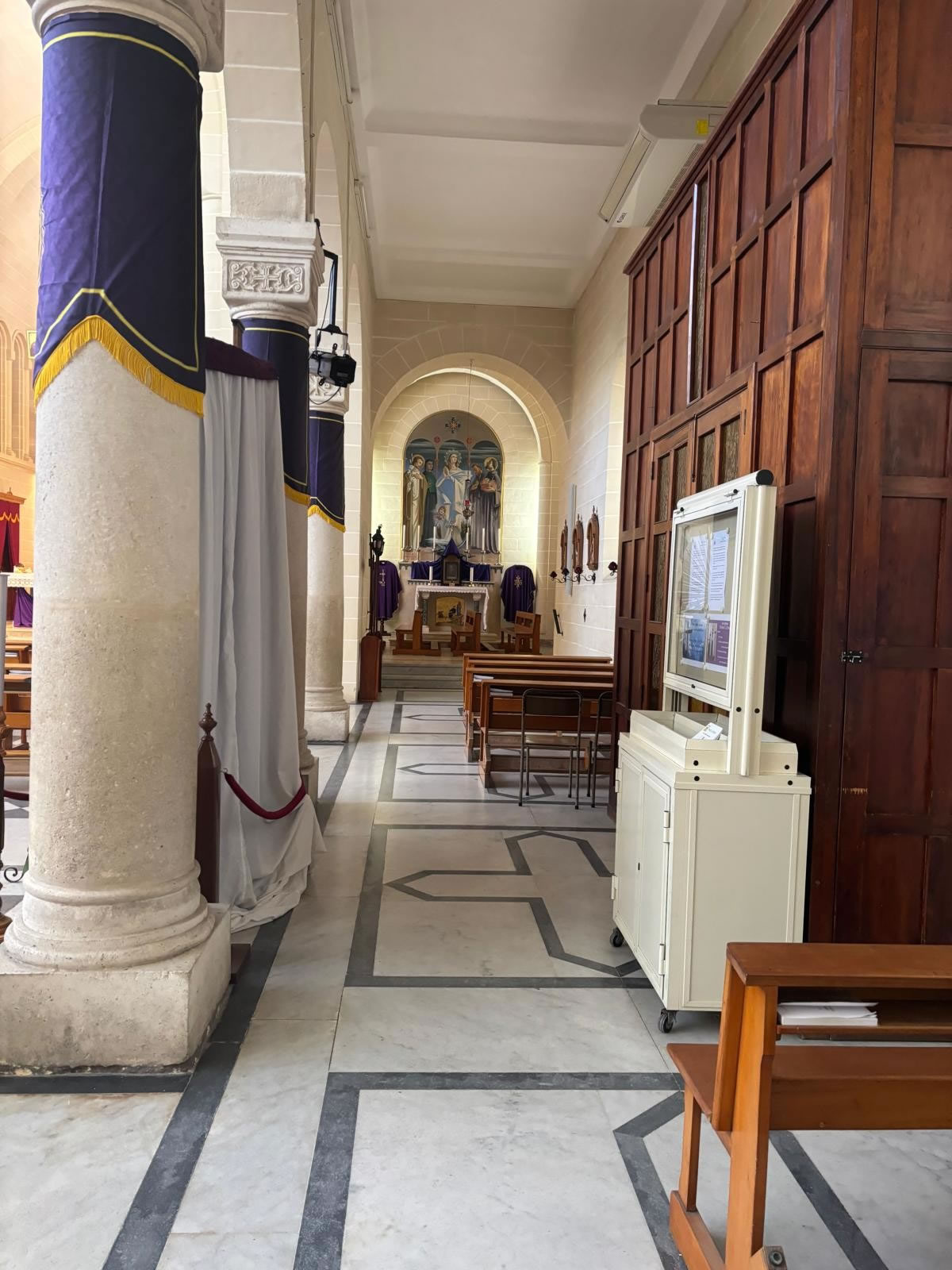
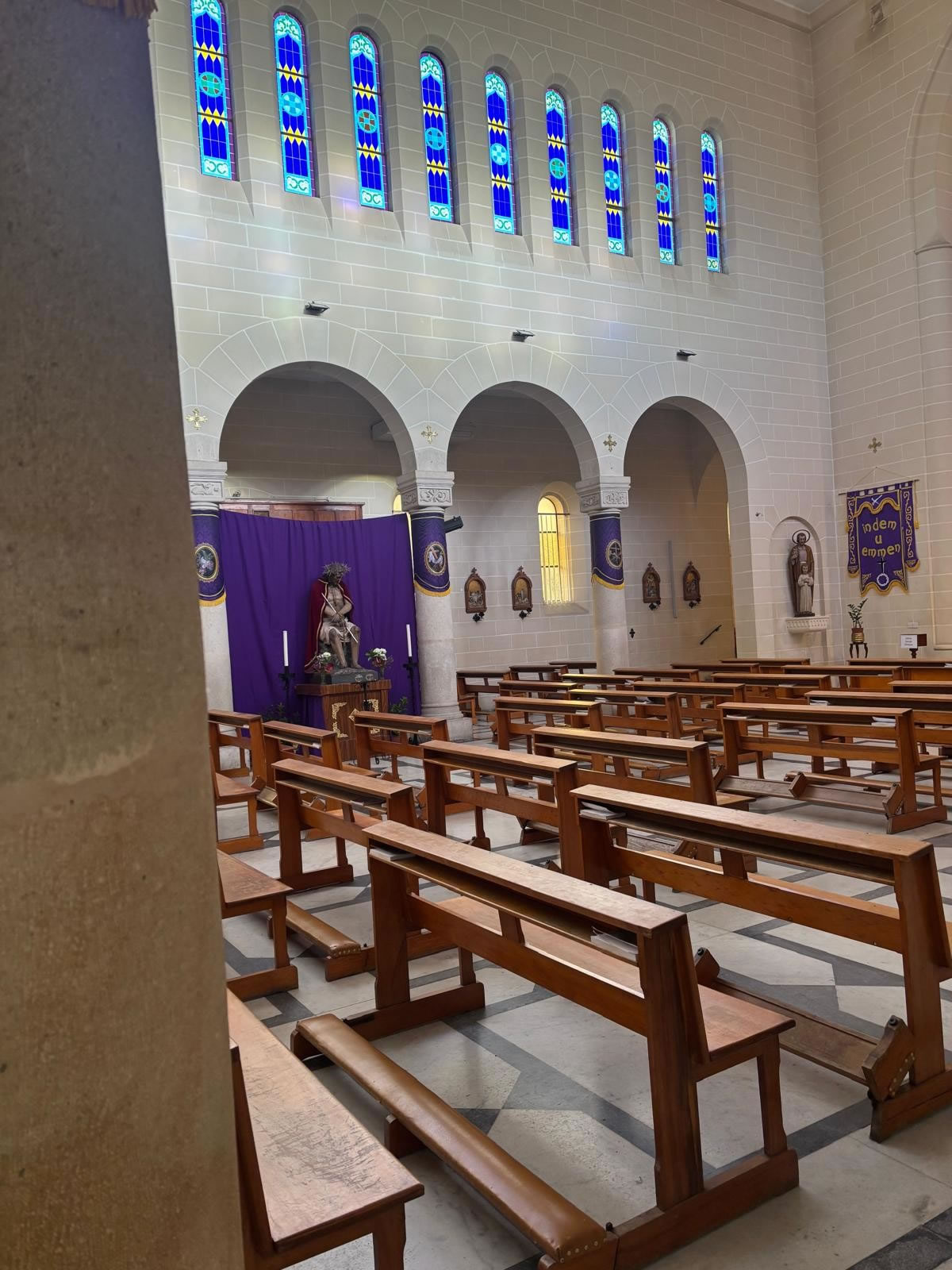
Like many traditional Maltese churches, St Francis of Assisi Church is constructed primarily from local limestone, a material widely used throughout the islands. This gives the structure its characteristic warm, honey-coloured appearance.
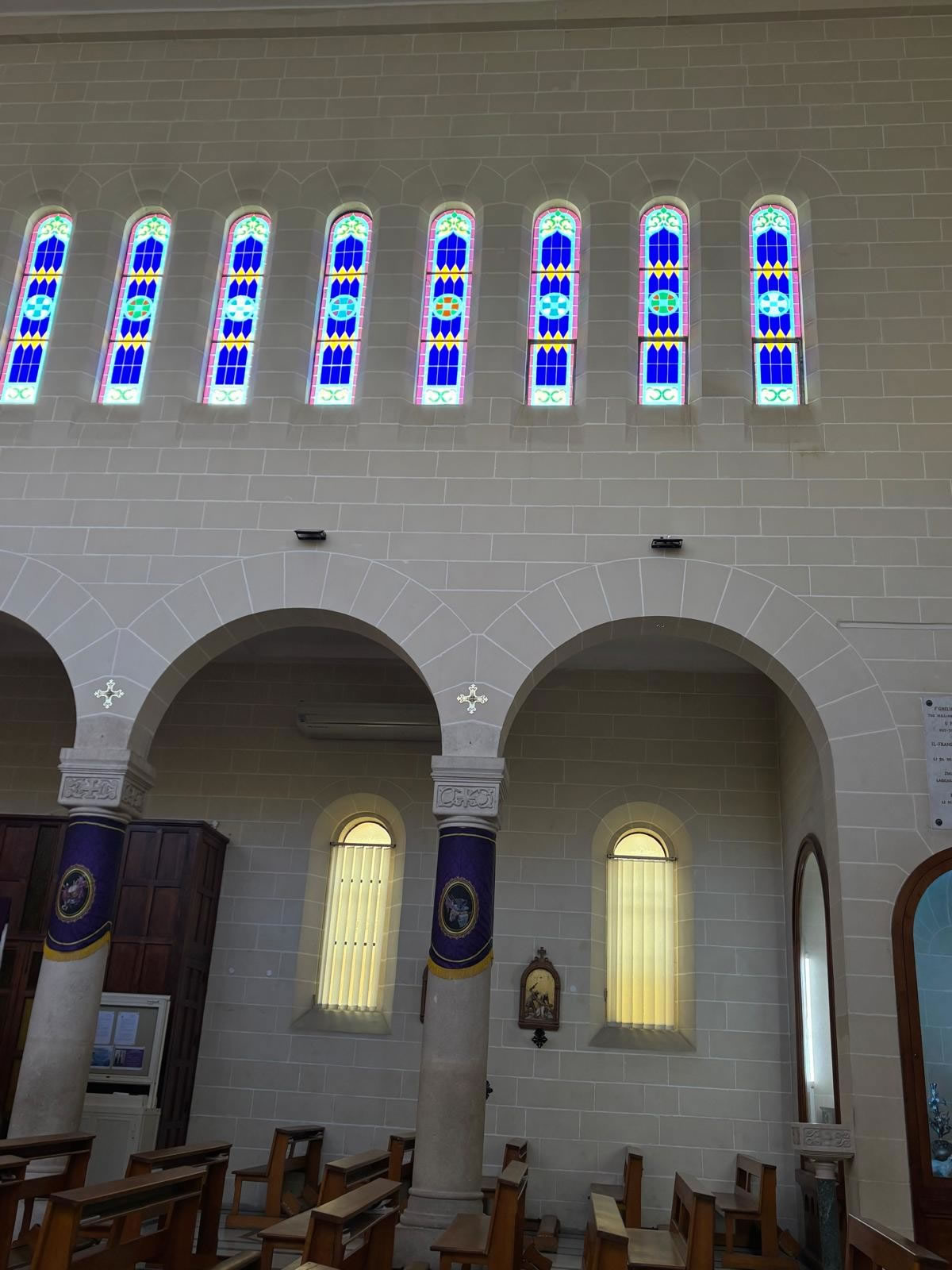
Although modest in scale compared to major basilicas, the church likely incorporates elements typical of Maltese ecclesiastical architecture, including:
- Simple yet elegant façade
- Rectangular or single-nave layout
- Decorative stone detailing
- Small bell structure or belfry
The architectural simplicity reflects the Franciscan emphasis on humility and poverty, values strongly associated with Saint Francis himself.
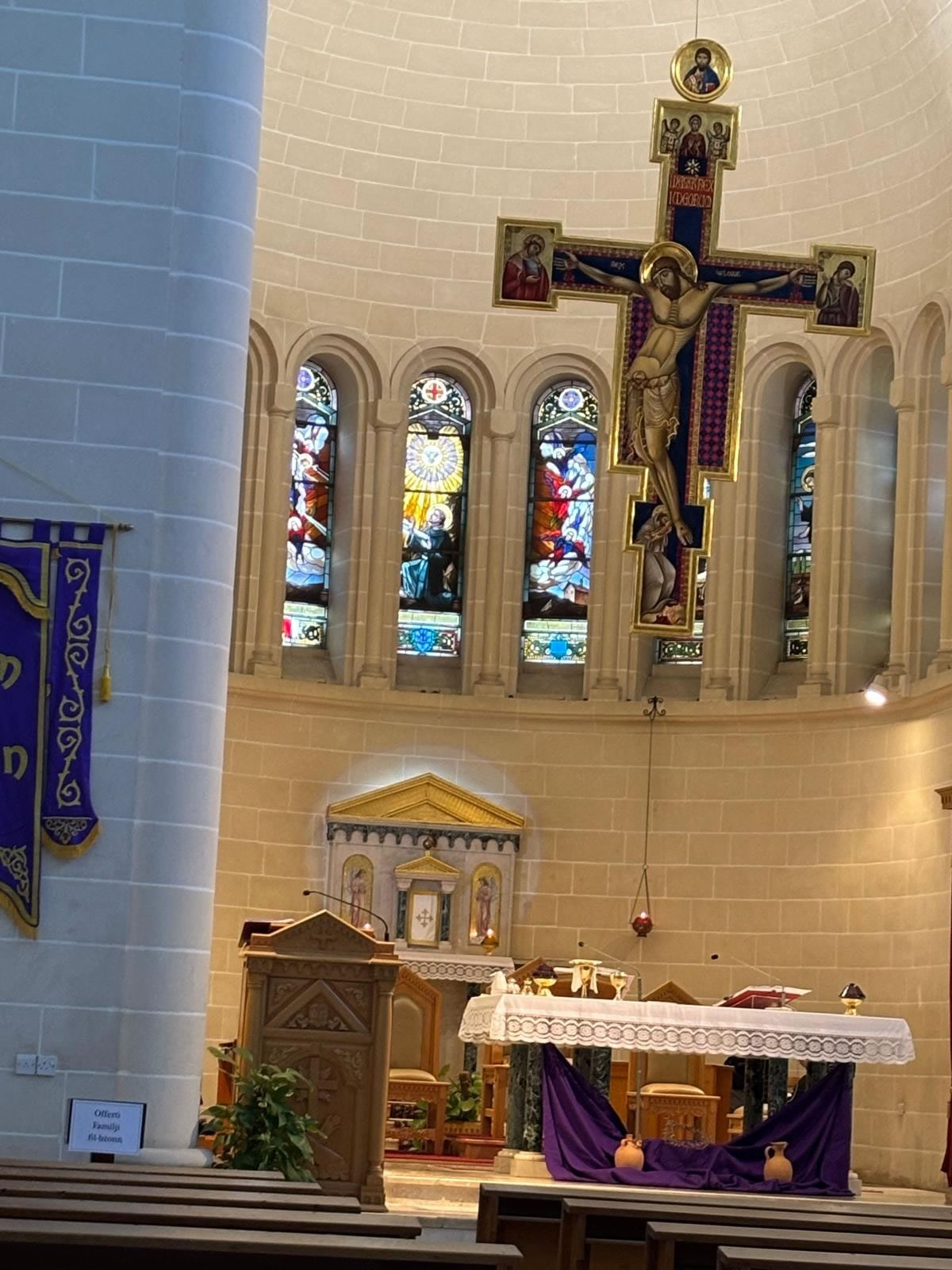
Religious and Cultural Significance
Saint Francis of Assisi is one of the most venerated saints in the Catholic Church, known for his devotion to poverty, nature, and compassion. Churches dedicated to him often serve as centres for spiritual reflection and community gatherings.
In Birkirkara, the church contributes to the town’s religious diversity, complementing larger institutions such as parish churches and basilicas. These smaller churches often host:
- Daily prayer and private devotion
- Feast day celebrations
- Religious meetings and gatherings
- Occasional liturgical services
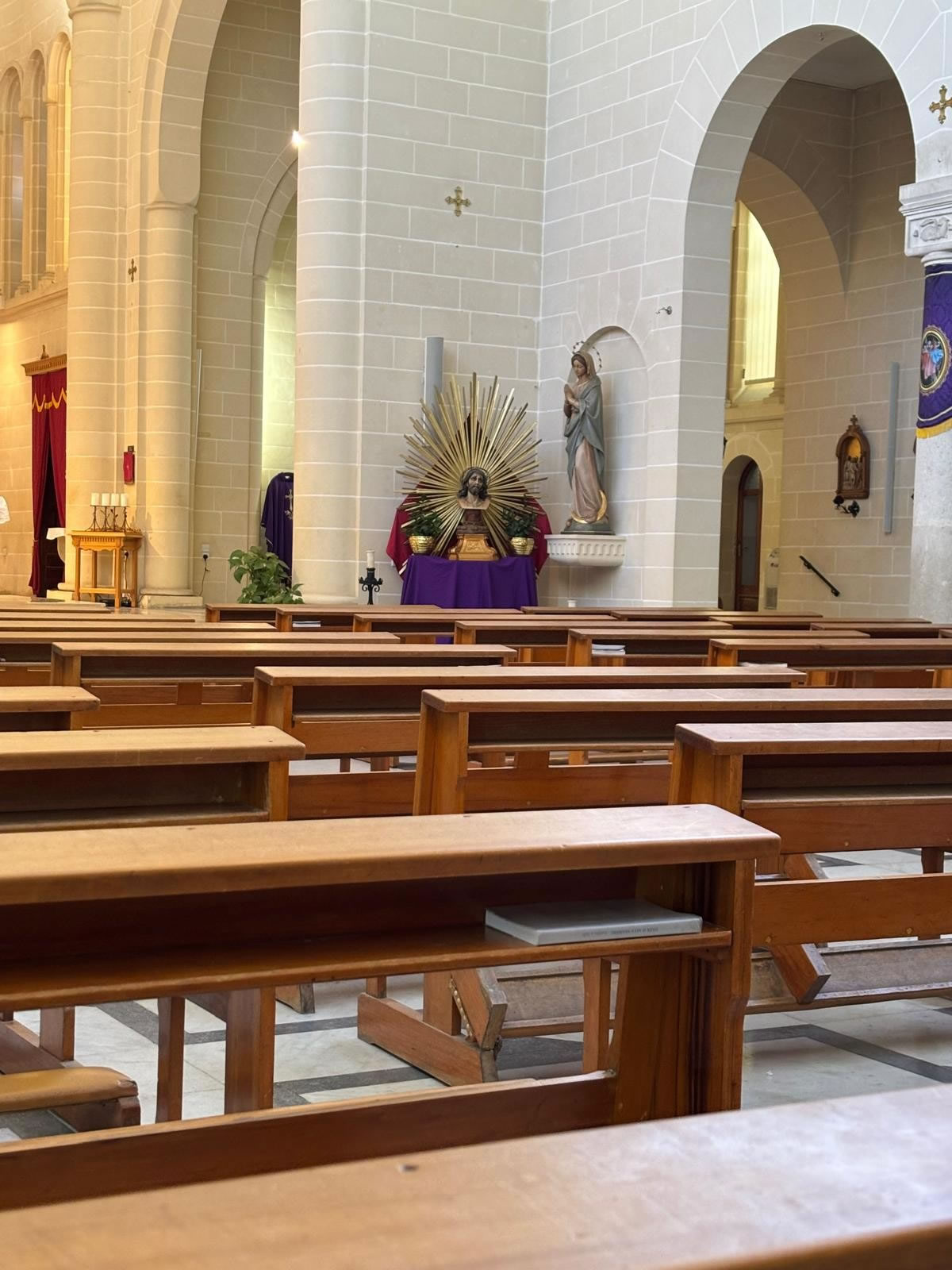
Artworks and Interior
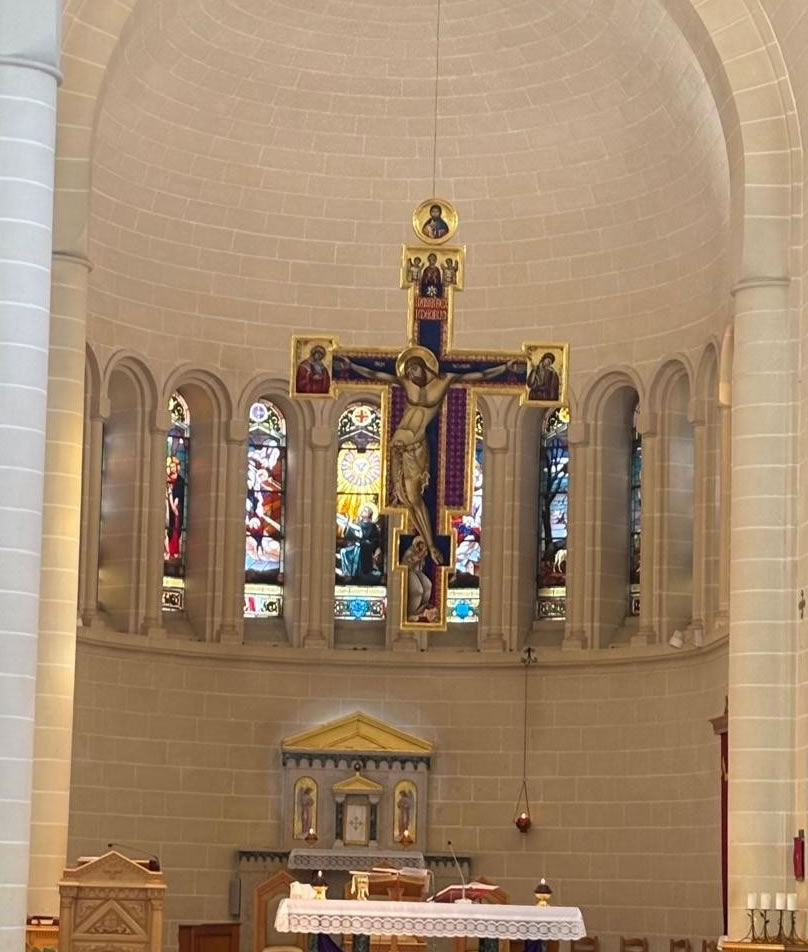
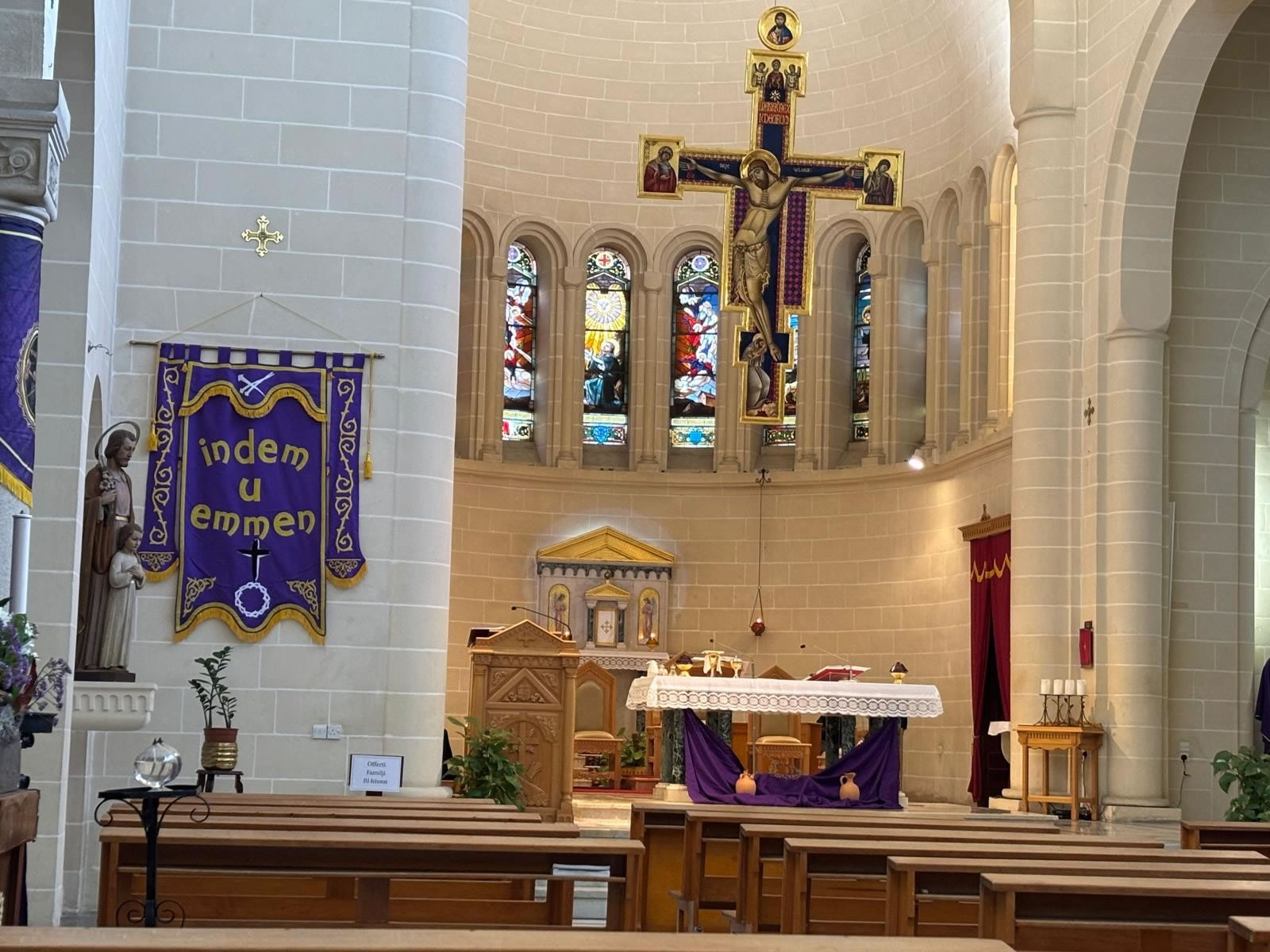
Although detailed inventories of artworks are not widely published, Maltese churches traditionally contain a rich array of religious art. Even smaller chapels frequently include:
- Statues of Saint Francis of Assisi
- Paintings depicting Franciscan themes
- Altarpieces illustrating scenes from the life of Christ or the Virgin Mary
- Decorative liturgical furnishings
Across Malta, churches dedicated to Saint Francis are often associated with high-quality Baroque artworks, reflecting the island’s strong artistic heritage and historical patronage by religious and noble figures.
Restoration and Preservation
Like many historic buildings in Malta, St Francis of Assisi Church has likely undergone maintenance and restoration works over time. Exposure to the Mediterranean climate, combined with natural aging, makes periodic conservation essential.
Typical restoration efforts in Maltese churches include:
- Stone cleaning and repair
- Structural reinforcement
- Interior repainting and conservation of artworks
- Roof and waterproofing improvements
These efforts ensure that the church remains both structurally sound and visually faithful to its historical character.
Feast and Liturgical Use
The church is dedicated to Saint Francis of Assisi, whose feast day is celebrated annually on 4 October. This feast is observed throughout Malta with religious services, processions, and community activities.
Even when not functioning as a parish church, such chapels continue to play an important role in local religious life by hosting:
- Masses on special occasions
- Devotional prayers
- Community religious events
Visitor Information
Visitors exploring Birkirkara will find St Francis of Assisi Church a peaceful and culturally enriching stop. While opening hours may vary, many Maltese churches are typically accessible during morning hours or before evening mass.
Location Coordinates: 35.897890, 14.467580
Town: Birkirkara, Malta
It is recommended to combine a visit with other nearby religious and historical sites within Birkirkara, making the town a rewarding destination for cultural tourism.
Historical Timeline
The development of St Francis of Assisi Church in Birkirkara reflects both wartime necessity and post-war community growth. Below is a structured timeline of key milestones in the church’s history.
- 1941: A temporary chapel dedicated to Saint Francis of Assisi was established during World War II to serve displaced residents and refugees in Birkirkara.
- 1953: Construction of the permanent church and adjoining Franciscan friary officially commenced, marking the beginning of a new religious complex in the area.
- 14 October 1963: The church was formally completed and dedicated, becoming an established place of worship for the local community.
This progression from a wartime chapel to a permanent religious structure highlights the resilience of the local community and the continued importance of Franciscan spirituality in Malta during the 20th century.
Conclusion
St Francis of Assisi Church in Birkirkara stands as a quiet yet meaningful testament to Malta’s enduring Catholic heritage and Franciscan influence. Though modest in size, it contributes to the island’s remarkable density of religious sites and reflects the spiritual traditions that have shaped Maltese society for centuries.
For visitors and locals alike, the church offers a space for reflection, history, and appreciation of Malta’s architectural and religious legacy.