📍 Location
Location Map Coordinates 35.897500, 14.525833
The Largest Fortification in Malta Guarding the Grand Harbour
Coordinates: 35.897500, 14.525833
Introduction
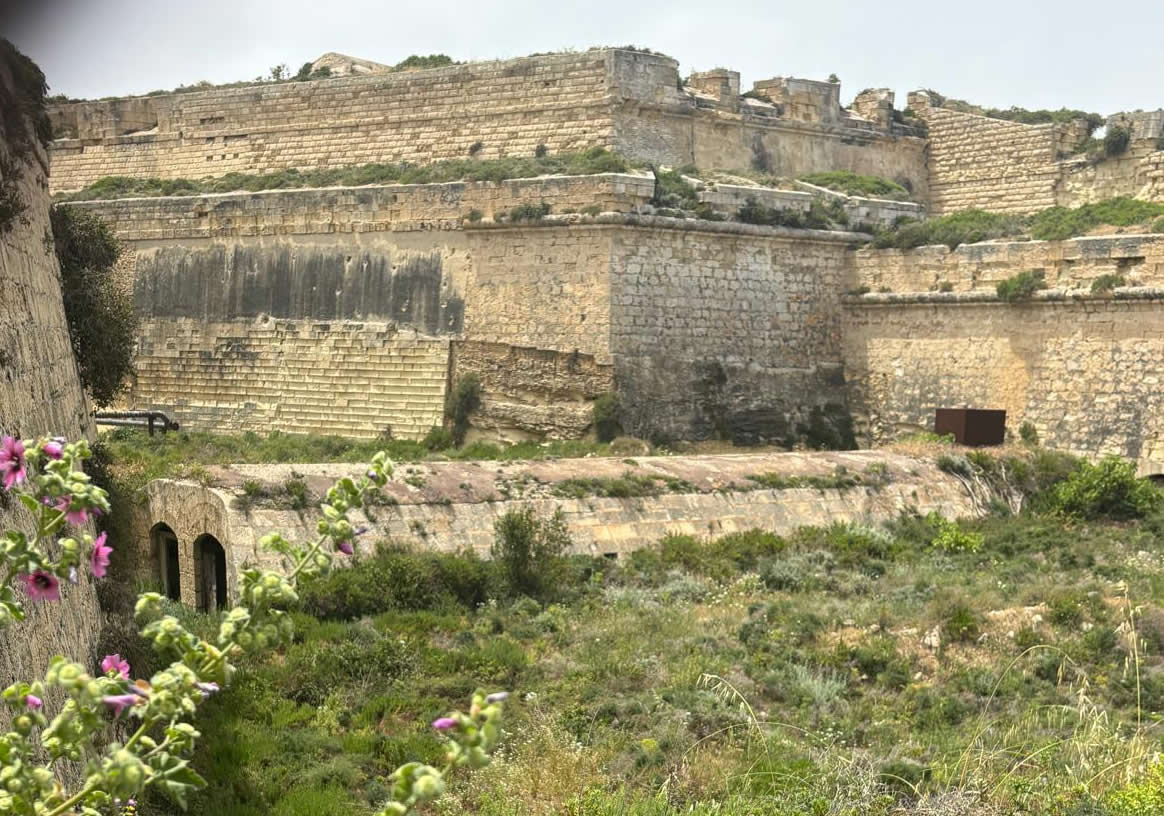
Fort Ricasoli is the largest fort in Malta and one of the most impressive military structures ever constructed by the Order of St John. Located at the entrance of the Grand Harbour in Kalkara, the vast bastioned fortress dominates the harbour approaches opposite Fort St Elmo in Valletta. Together, these two great fortifications controlled access to one of the Mediterranean’s finest natural harbours for centuries.
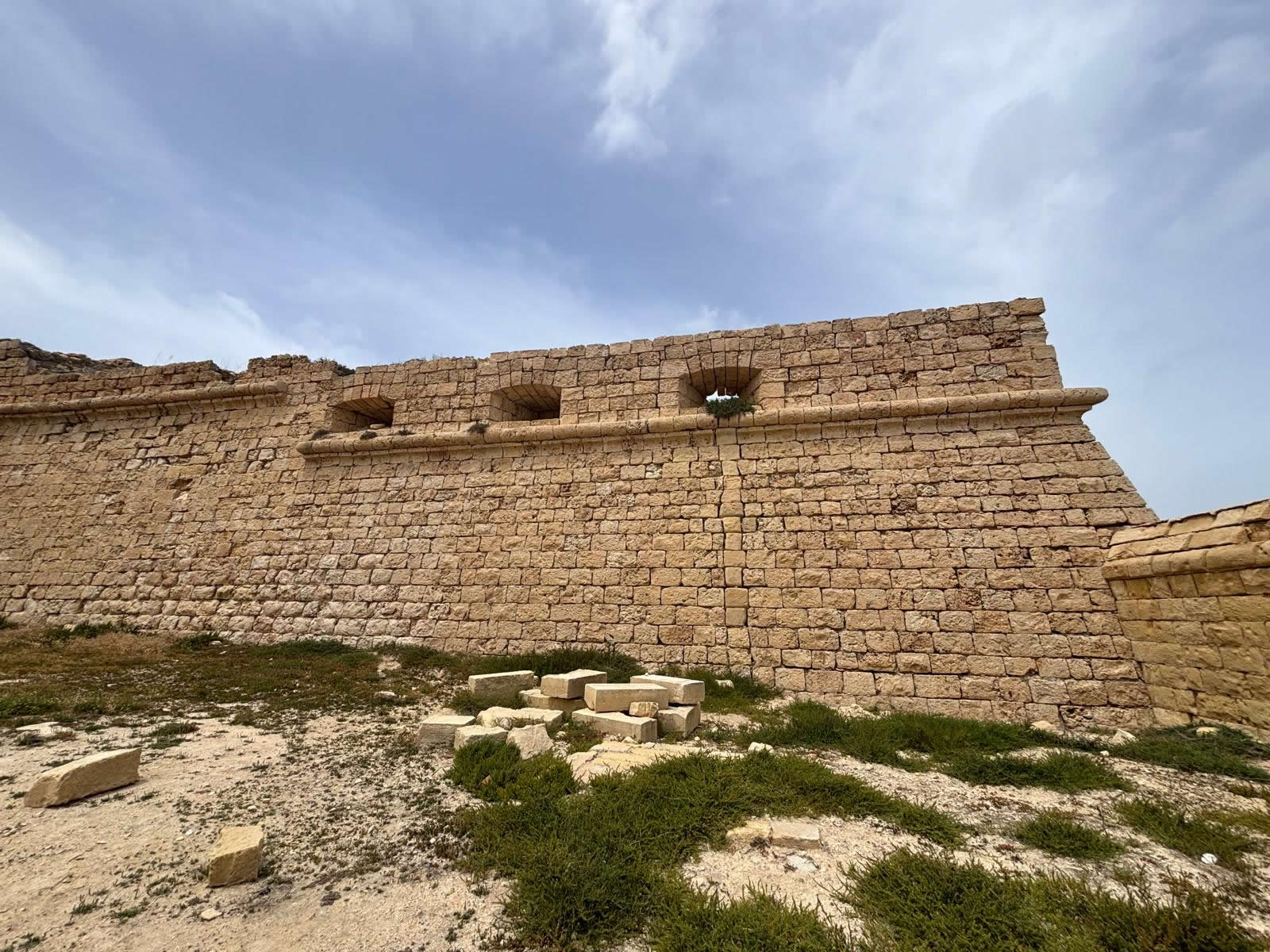
Built between 1670 and 1698, Fort Ricasoli represents the final great phase of Hospitaller military engineering around the Grand Harbour. The fort occupies the strategic headland historically known as Gallows Point and was specifically designed to prevent enemy fleets from entering the harbour.
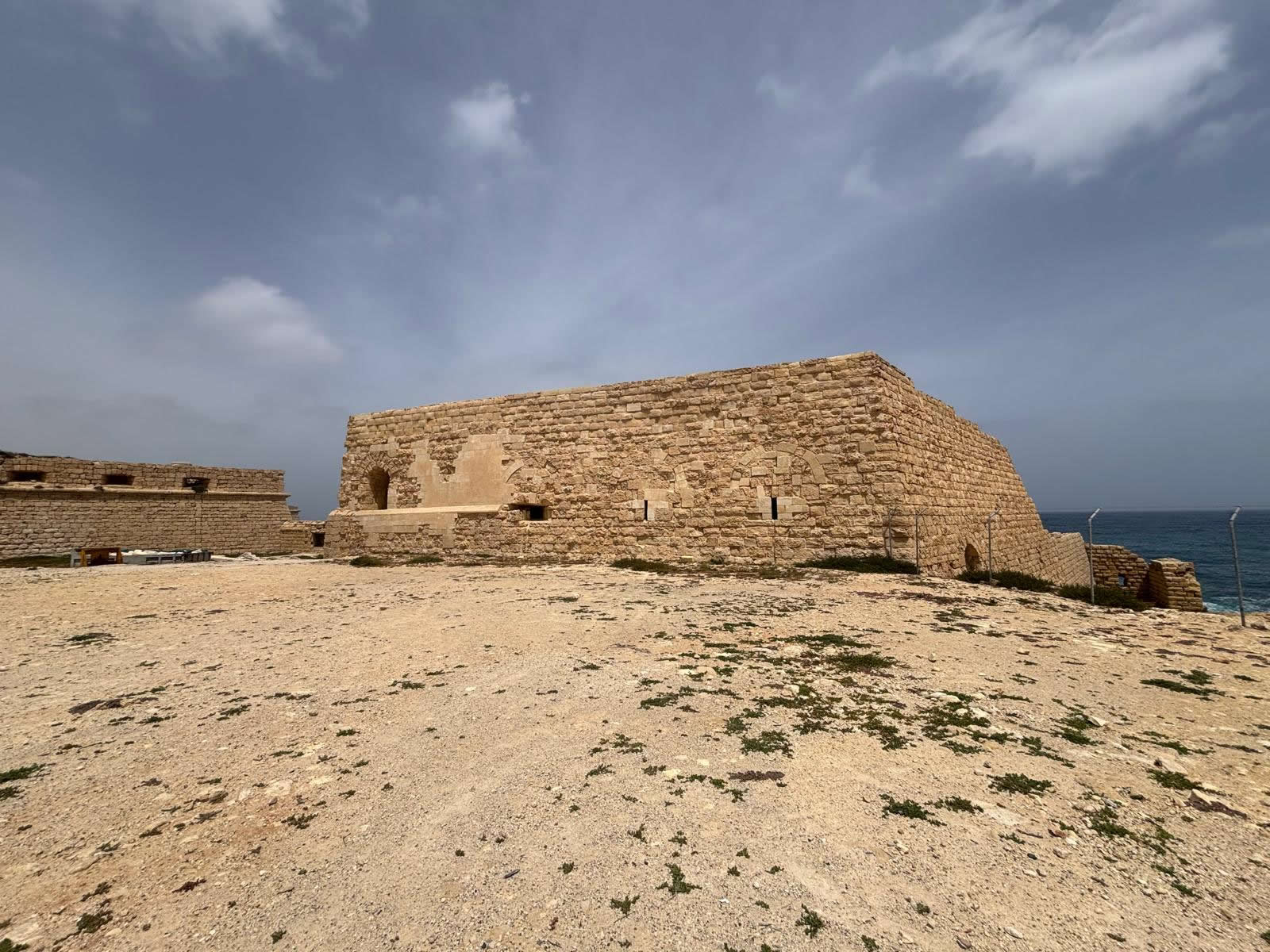
Over the centuries Fort Ricasoli witnessed the French invasion of Malta, the Maltese uprising against Napoleon, the British military period, World War II bombing raids, and modern cinematic history as a filming location for major international productions including Gladiator, Troy, Game of Thrones, and Napoleon.
The Strategic Importance of Fort Ricasoli
The location of Fort Ricasoli was of enormous military significance. The fort stands on the eastern side of the Grand Harbour entrance while Fort St Elmo guards the western side from Valletta. Any hostile fleet attempting to enter the harbour would face crossfire from both fortresses.
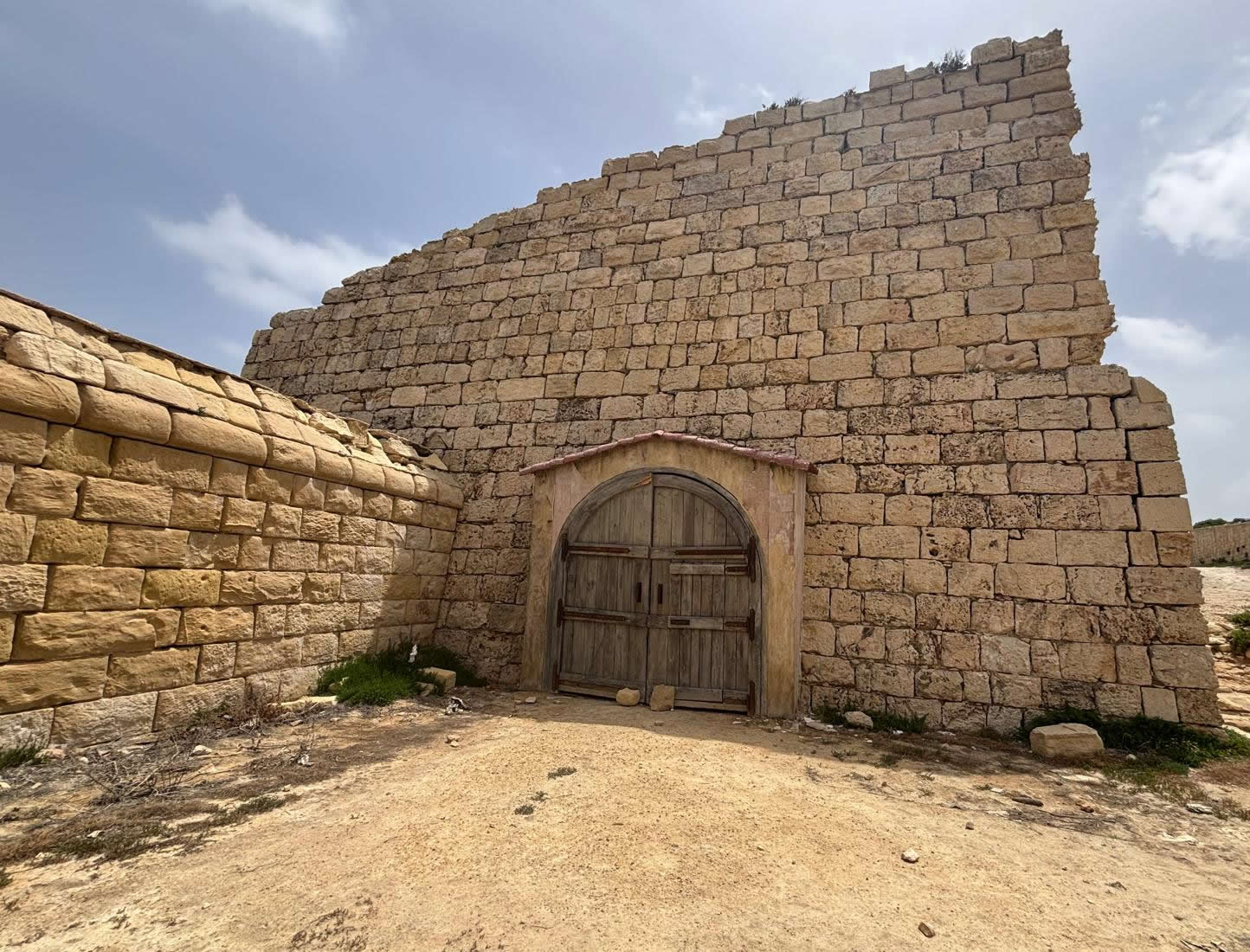
The site became even more important after the Great Siege of Malta in 1565, when the Knights of St John realised the need for stronger harbour defences. Although Valletta and Fort St Elmo already protected the harbour, concerns remained regarding vulnerabilities on the Kalkara side.
In 1669 the fall of Candia (modern Heraklion in Crete) to the Ottoman Empire shocked Europe and renewed fears of Ottoman expansion in the Mediterranean. Grand Master Nicolas Cotoner therefore ordered extensive improvements to Malta’s coastal fortifications.
Construction of the Fort
Construction of Fort Ricasoli began in 1670 under the supervision of the Italian military engineer Antonio Maurizio Valperga, an expert associated with the House of Savoy. The fort was financed largely through the generosity of Fra Giovanni Francesco Ricasoli, after whom the fortress was named.
The fort was built using Maltese limestone and incorporated the latest principles of 17th-century bastioned military architecture. Massive ramparts, bastions, curtain walls, ravelins, counterguards and extensive outworks were designed to absorb artillery fire while allowing defenders to maintain overlapping fields of fire.
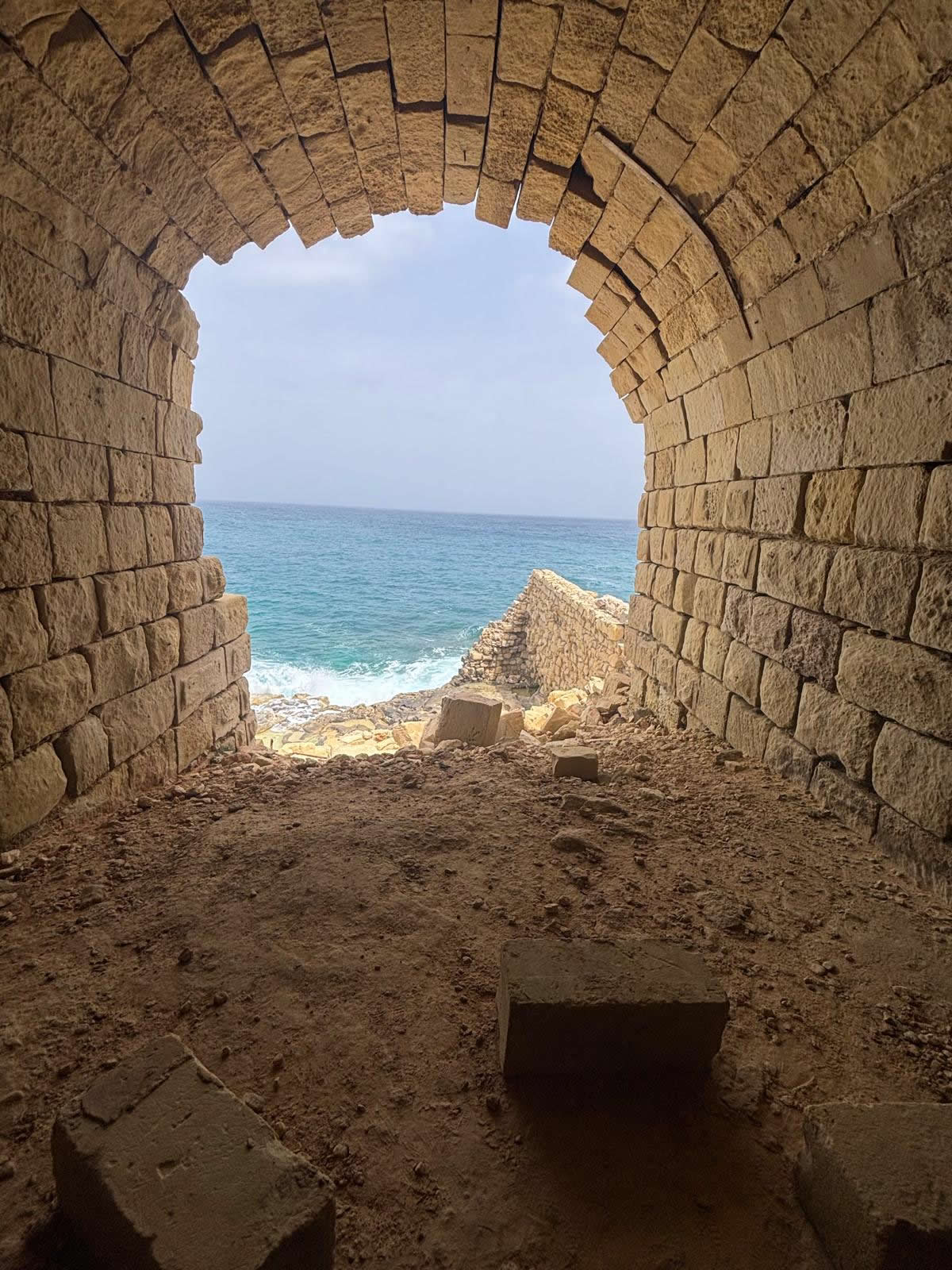
Construction continued for decades and the fort was substantially completed by 1698. It covered an enormous area of approximately 83,800 square metres, making it the largest fortification in Malta.
Architecture and Defensive Design
Fort Ricasoli was designed as a major bastioned fortress rather than a simple coastal battery. The complex included:
- Large bastions overlooking the sea
- Casemated defensive galleries
- Deep defensive ditches
- Ravelins and counterguards
- Caponiers and covertways
- Gun batteries
- Barracks and military quarters
- Underground storage areas
- Powder magazines
The fortifications were specifically designed to resist prolonged siege warfare. The thick angled walls helped deflect cannon fire while allowing defenders to maintain artillery dominance over the harbour approaches.
Dominis Counterguard
One of the most important outer defensive structures at Fort Ricasoli is the Dominis Counterguard, also known as St Dominic Counterguard. This advanced outwork protected the vulnerable landward approaches to the fort and formed part of the outer defensive system.
A counterguard was built in front of a bastion to shield the main defensive walls from direct enemy artillery fire. It also forced attacking armies to overcome additional obstacles before reaching the core fortifications.
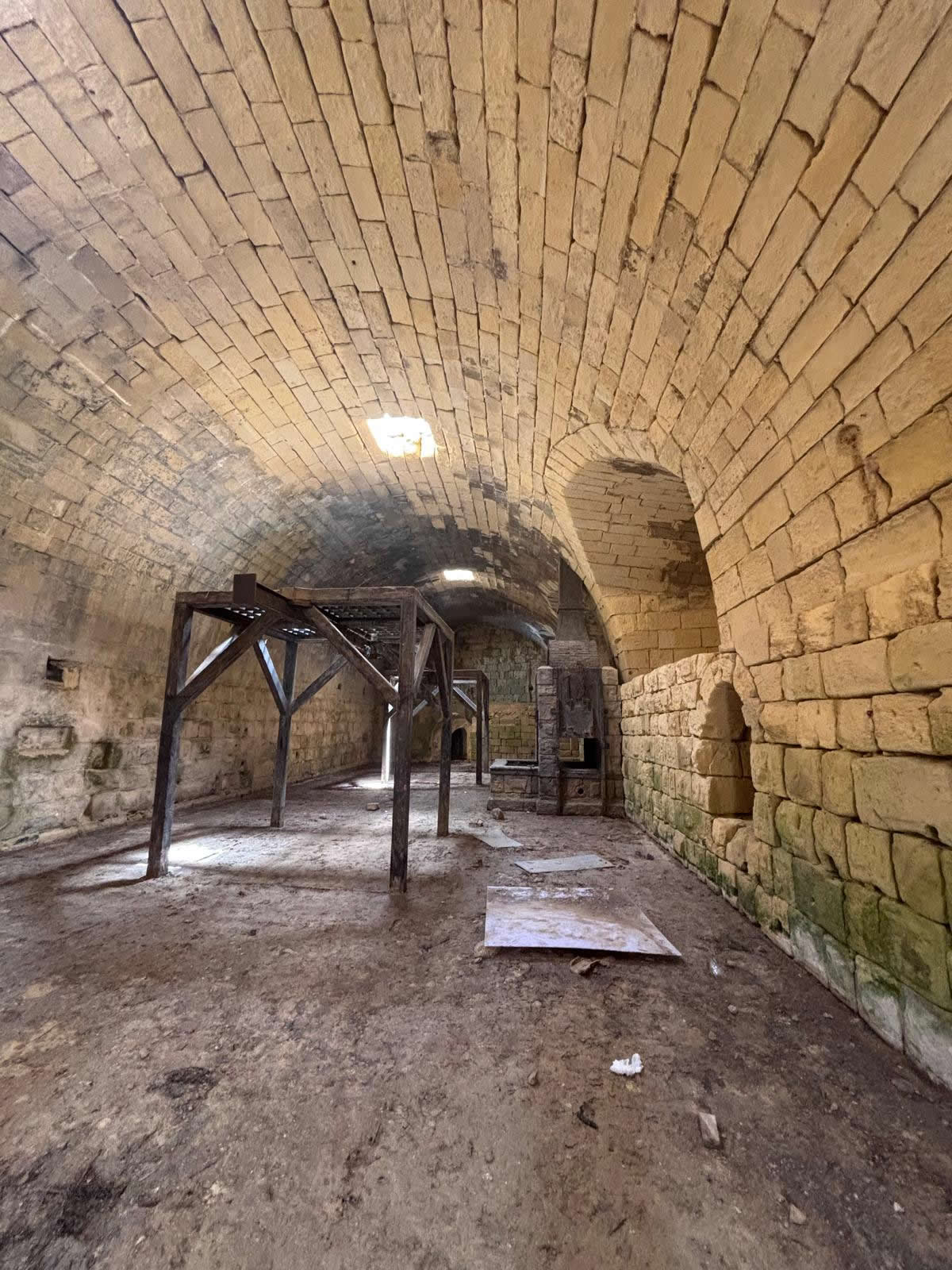
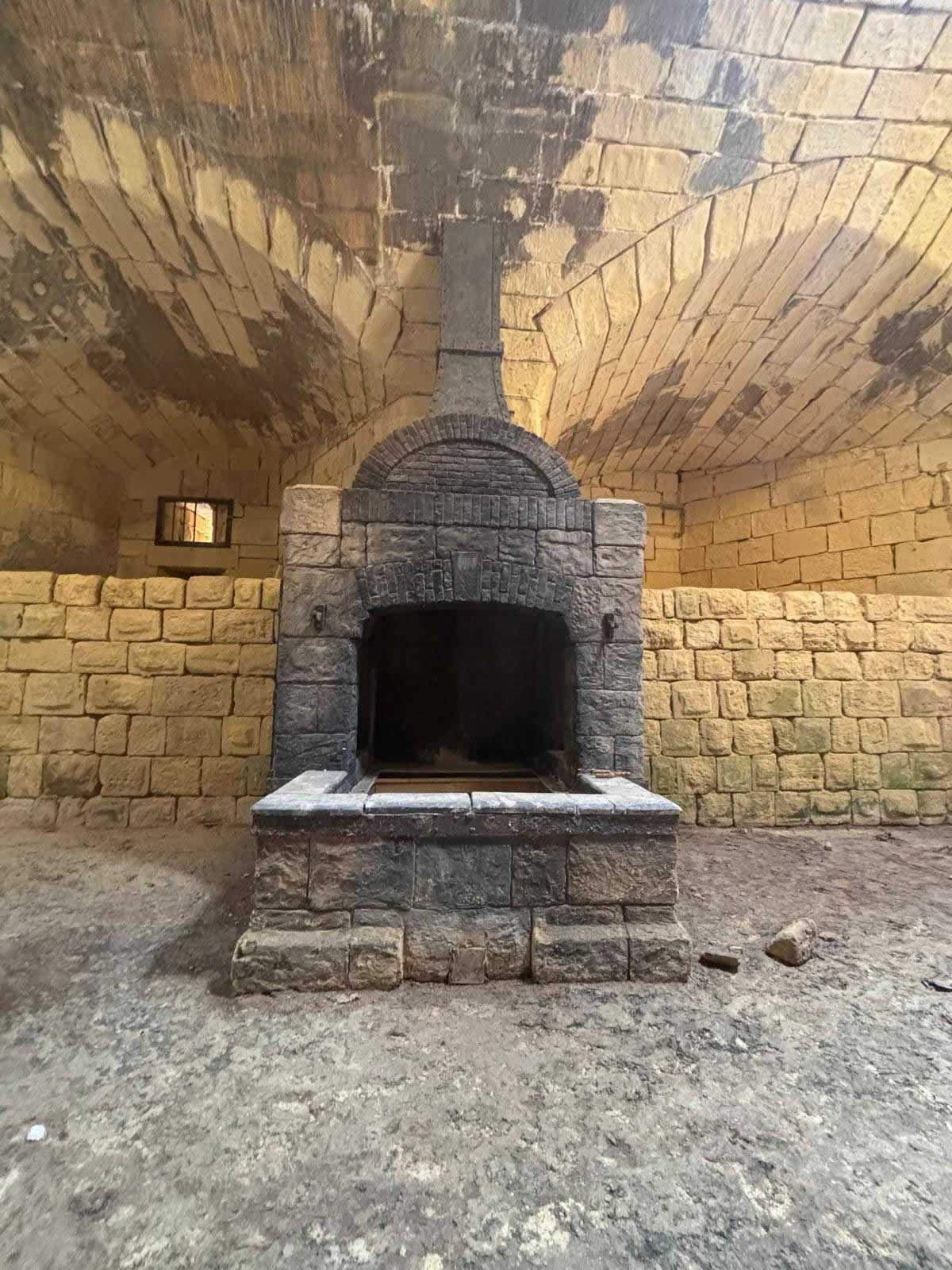
The Dominis Counterguard at Fort Ricasoli contains extensive vaulted chambers and casemates. Inside the structure survives what appears to be a remarkably preserved hot-shot furnace. These furnaces were used to heat iron cannonballs until they became red-hot before firing them at enemy wooden warships. The heated projectiles could set ships ablaze and were extremely feared in naval warfare before the arrival of ironclad vessels.
The surviving furnace inside the counterguard is one of the most fascinating but lesser-known military features within Fort Ricasoli and highlights the sophistication of Malta’s coastal artillery systems during the British period.
The French Invasion of Malta
Fort Ricasoli played a significant role during the French invasion of Malta in June 1798. Napoleon Bonaparte’s forces attacked the Maltese Islands while en route to Egypt during the French Revolutionary Wars.
The fort resisted several French attacks before ultimately surrendering after Grand Master Ferdinand von Hompesch capitulated. During the subsequent Maltese uprising against French occupation, Fort Ricasoli remained under French control and exchanged artillery fire with Maltese insurgent batteries positioned nearby.
British Military Use
Following the departure of the French, Malta entered the British period and Fort Ricasoli continued to serve as an important military installation.
The British modernised many parts of the fort during the 19th century:
- New artillery positions were added
- Searchlights were installed
- Torpedo facilities were constructed
- Concrete fire control stations were built
- Gun emplacements were upgraded repeatedly
Fort Ricasoli also became associated with the Froberg Mutiny of 1807, one of the most dramatic military incidents in British Malta. Mutinous soldiers seized parts of the fort before the rebellion was eventually suppressed.
The fortress additionally served as a military hospital and naval barracks during different periods of British rule.
World War II
During World War II, Fort Ricasoli once again became part of Malta’s defensive network. The fort helped defend the Grand Harbour during the Axis bombing campaign against Malta.
In July 1941, artillery at the fort participated in repelling an Italian naval attack on the harbour. However, the fortress itself suffered significant damage during German aerial bombardments in 1942. Parts of the gatehouse and several historic structures were destroyed during the war.
Decline and Industrial Use
After the British military departed Malta in the 1960s, Fort Ricasoli was gradually abandoned and fell into decline. Some areas were converted for industrial use, including tank-cleaning facilities connected to Malta’s maritime industry.
Unfortunately, parts of the historic fortifications deteriorated severely due to neglect, structural instability and coastal erosion. Several sections facing the sea partially collapsed over time.
Despite this deterioration, the majority of the fortress still survives and remains one of the most impressive military sites in Malta.
Fort Ricasoli as a Film Location
Fort Ricasoli gained international fame as one of Malta’s most important filming locations. Its monumental architecture and dramatic coastal setting made it ideal for historical and fantasy productions.
Major productions filmed at Fort Ricasoli include:
| Production | Year |
|---|---|
| Gladiator | 2000 |
| Troy | 2004 |
| Agora | 2009 |
| Game of Thrones | 2011 |
| Assassin’s Creed | 2016 |
| Napoleon | 2023 |
The fort’s massive bastions and open spaces have allowed it to represent locations ranging from Ancient Rome to medieval cities and fictional worlds.
Restoration and Preservation
Due to its immense historical and architectural significance, Fort Ricasoli has long been recognised as one of Malta’s most important heritage sites.
The fort forms part of the UNESCO tentative list relating to the Knights’ Fortifications around the Harbours of Malta. Various restoration proposals have been discussed in recent years in order to stabilise collapsing sections and preserve the monument for future generations.
Conservation efforts face major challenges due to:
- Coastal erosion
- Structural instability
- War damage
- Previous industrial modifications
- The enormous scale of the fort
Despite these difficulties, Fort Ricasoli remains one of the most historically important fortifications in the Mediterranean.
Visiting Fort Ricasoli
Fort Ricasoli is generally not fully open to the public because sections remain under the control of industrial operators and the Malta Film Commission. Access is sometimes granted during special heritage events, guided tours or film-related activities.
Even when viewed externally from Kalkara, Valletta or the Grand Harbour, the scale and imposing appearance of Fort Ricasoli remain extraordinary.
Conclusion
Fort Ricasoli is not only the largest fort in Malta but also one of the finest surviving examples of large-scale bastioned military architecture in Europe. From its origins during the age of the Knights of St John to its role in modern cinema, the fortress has remained deeply connected to Maltese history for over 350 years.
The fort’s enormous bastions, defensive outworks, Dominis Counterguard and surviving military features such as the hot-shot furnace provide remarkable insight into the evolution of Mediterranean coastal defence systems.
Although much restoration work remains necessary, Fort Ricasoli continues to stand as one of Malta’s greatest military monuments and one of the defining landmarks of the Grand Harbour.
Frequently Asked Questions
Where is Fort Ricasoli located?
Fort Ricasoli is located in Kalkara, Malta, at the entrance to the Grand Harbour.
When was Fort Ricasoli built?
Construction began in 1670 and the fort was substantially completed by 1698.
Who built Fort Ricasoli?
The fort was built by the Order of St John under Grand Master Nicolas Cotoner.
Is Fort Ricasoli the largest fort in Malta?
Yes, Fort Ricasoli is the largest fortification in Malta.
What is the Dominis Counterguard?
The Dominis Counterguard is an outer defensive structure protecting the landward side of Fort Ricasoli.
Was there a hot-shot furnace at Fort Ricasoli?
Yes, a large furnace structure survives within the Dominis Counterguard and is believed to have been used for heating cannonballs.
Was Game of Thrones filmed at Fort Ricasoli?
Yes, scenes from Game of Thrones and many other major productions were filmed at Fort Ricasoli.