📍 Location
Location Map Coordinates 35.929559, 14.470564
Historic British Military Burial Ground in Northern Malta
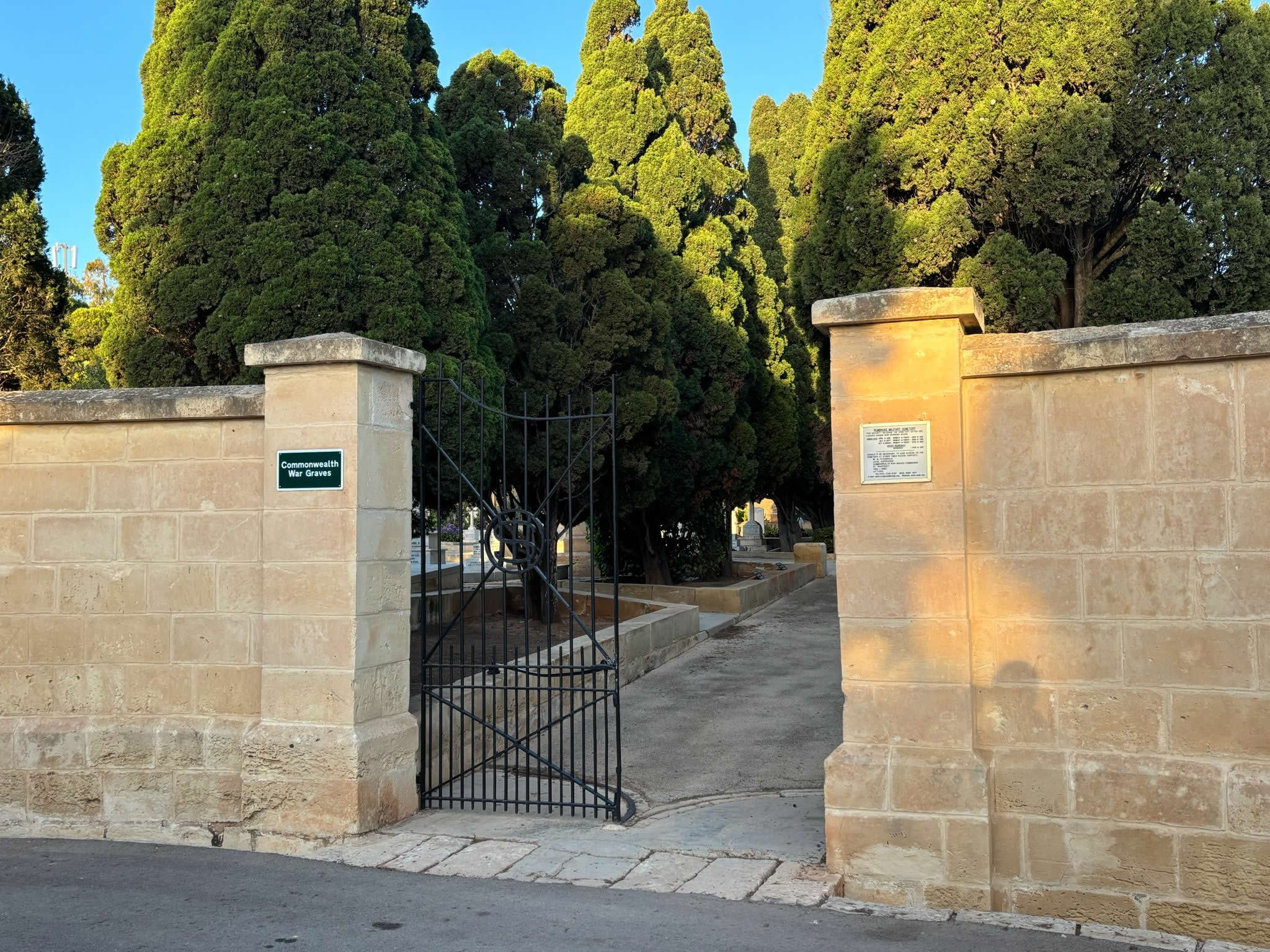
Coordinates: 35.929559, 14.470564
Type: Historic Military Cemetery
Period: British Colonial Era
Related Pages: Cemeteries in Malta and Gozo
Introduction
Pembroke Military Cemetery is one of the lesser-known but historically important British-era cemeteries in Malta. Located within the military landscape of Pembroke, the cemetery forms part of the wider story of Malta’s strategic role within the British Empire during the nineteenth and early twentieth centuries. The site preserves the memory of soldiers, officers, military families, and individuals connected to the British garrison stationed on the islands.
Today, the cemetery stands as an important reminder of Malta’s extensive military heritage. Although often overshadowed by larger cemeteries such as Ta’ Braxia Cemetery or the cemeteries associated with Floriana and Kalkara, Pembroke Military Cemetery remains historically significant because of its direct connection with the military barracks, coastal fortifications, and defensive infrastructure built around Pembroke during British rule.
The cemetery also forms part of the wider network of historic burial grounds across the Maltese Islands documented on emalta.com, including numerous military, plague, civilian, and denominational cemeteries.
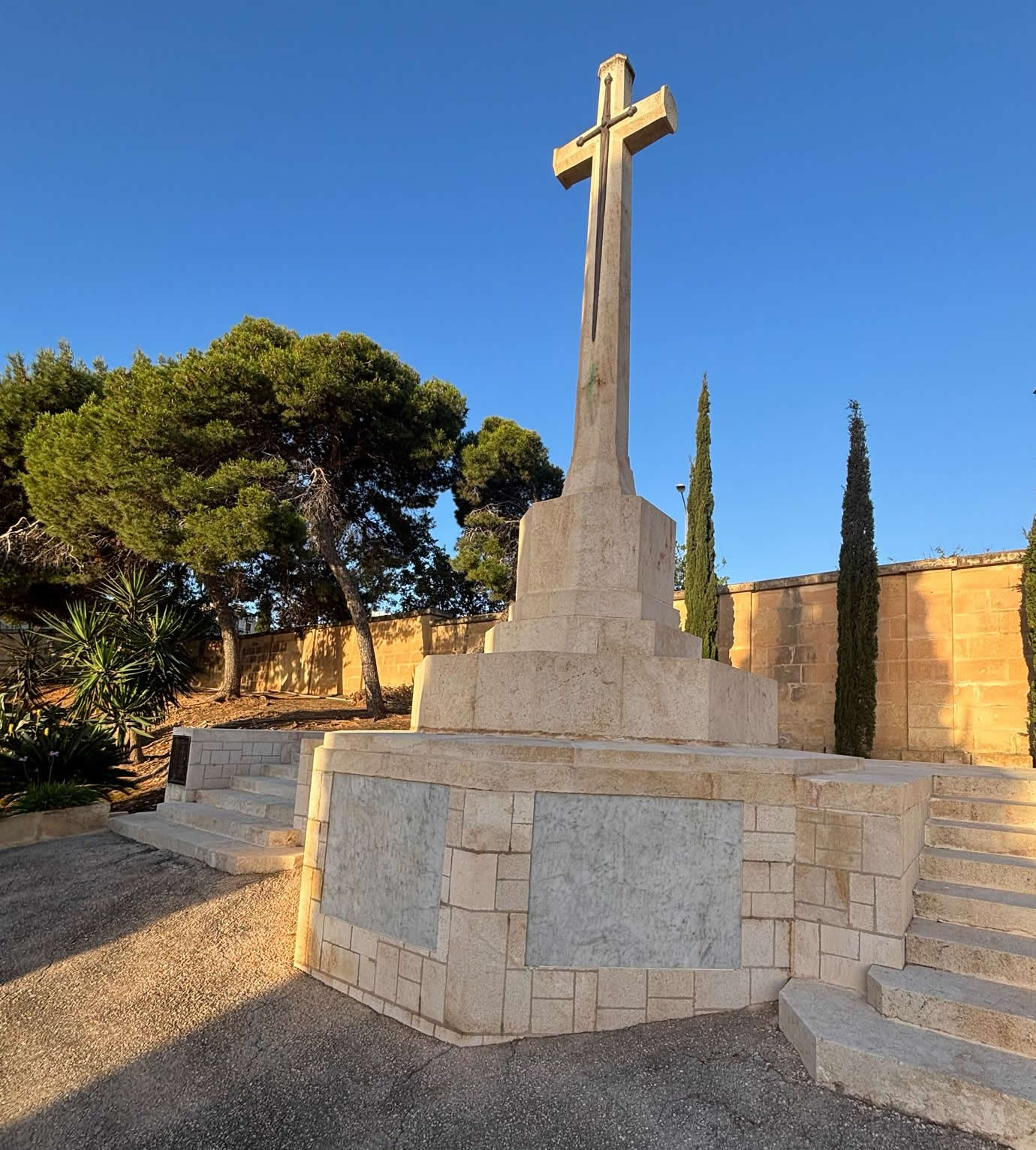
The Development of Pembroke
Pembroke itself was largely developed during the British colonial period. Before the nineteenth century, the area consisted mainly of rocky coastal land and agricultural fields. The British military transformed the district into an extensive military zone with barracks, training grounds, defensive batteries, and supporting infrastructure.
The establishment of large barracks complexes in Pembroke led to the creation of supporting facilities for soldiers and their families, including hospitals, schools, churches, recreational spaces, and burial grounds. Pembroke Military Cemetery emerged from this military environment and served the growing garrison population stationed in northern Malta.
Malta’s strategic importance increased significantly after the opening of the Suez Canal in 1869, which strengthened the island’s role as a major naval and military base between Britain and India. Thousands of troops passed through Malta during this period, and many military burials took place on the islands due to disease, accidents, and service-related deaths.
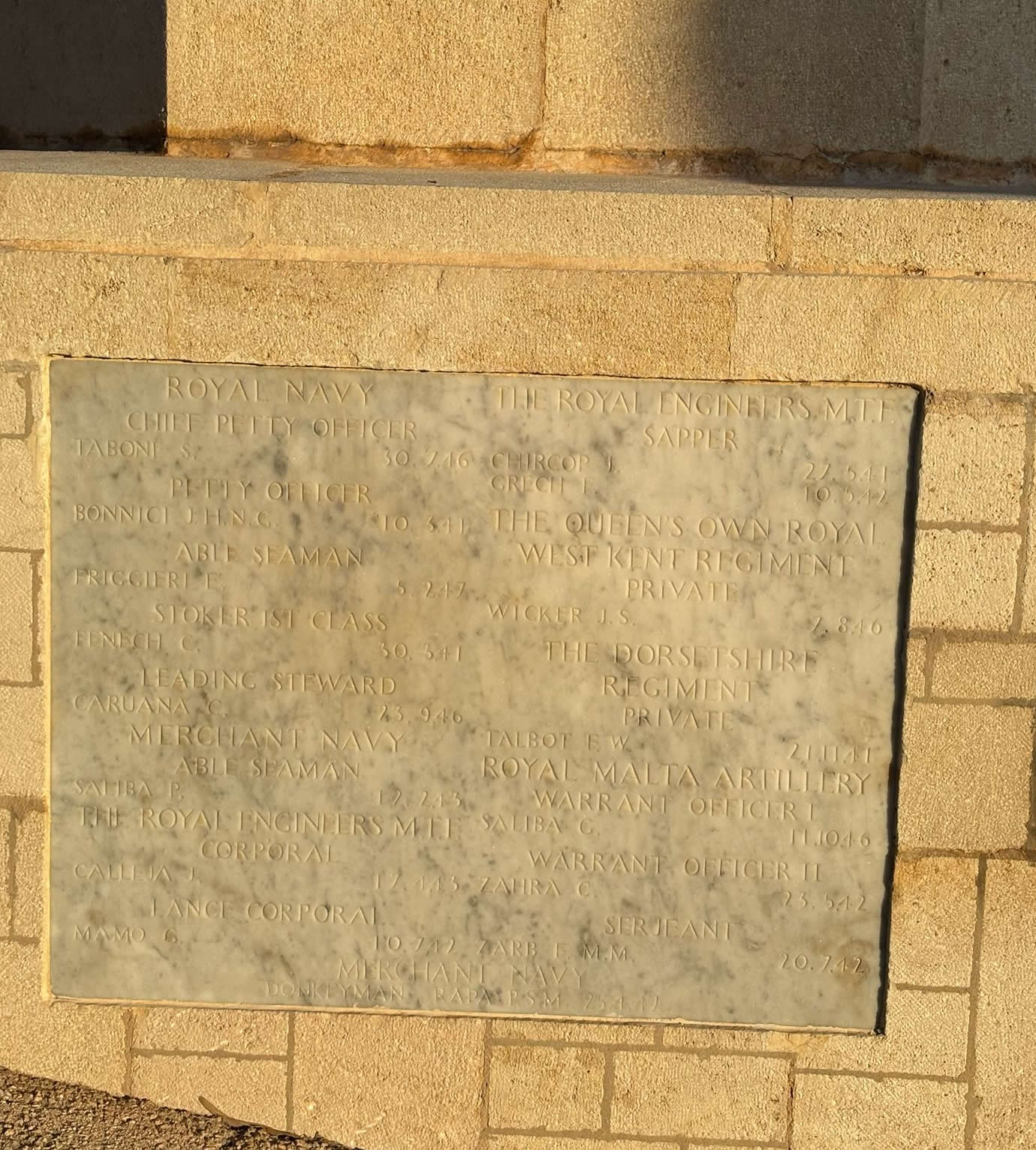
Military Context and British Malta
During the nineteenth century and into the early twentieth century, Malta was one of Britain’s most important Mediterranean possessions. The island functioned as a naval headquarters, supply depot, and military staging point.
Pembroke became associated with military training and accommodation, especially following the construction of extensive barracks complexes. British regiments rotated through Malta regularly, and the island hosted troops from England, Scotland, Ireland, India, and other parts of the Empire.
The cemetery reflects this imperial military presence. Burials likely included:
- British Army soldiers
- Non-commissioned officers
- Military engineers
- Dependants and children of military personnel
- Naval-associated individuals
- Victims of disease outbreaks and hospital deaths
Military cemeteries in Malta frequently reveal the harsh realities of nineteenth-century service life. Tropical diseases, infections, accidents, and poor sanitation often caused deaths among relatively young servicemen and their families.
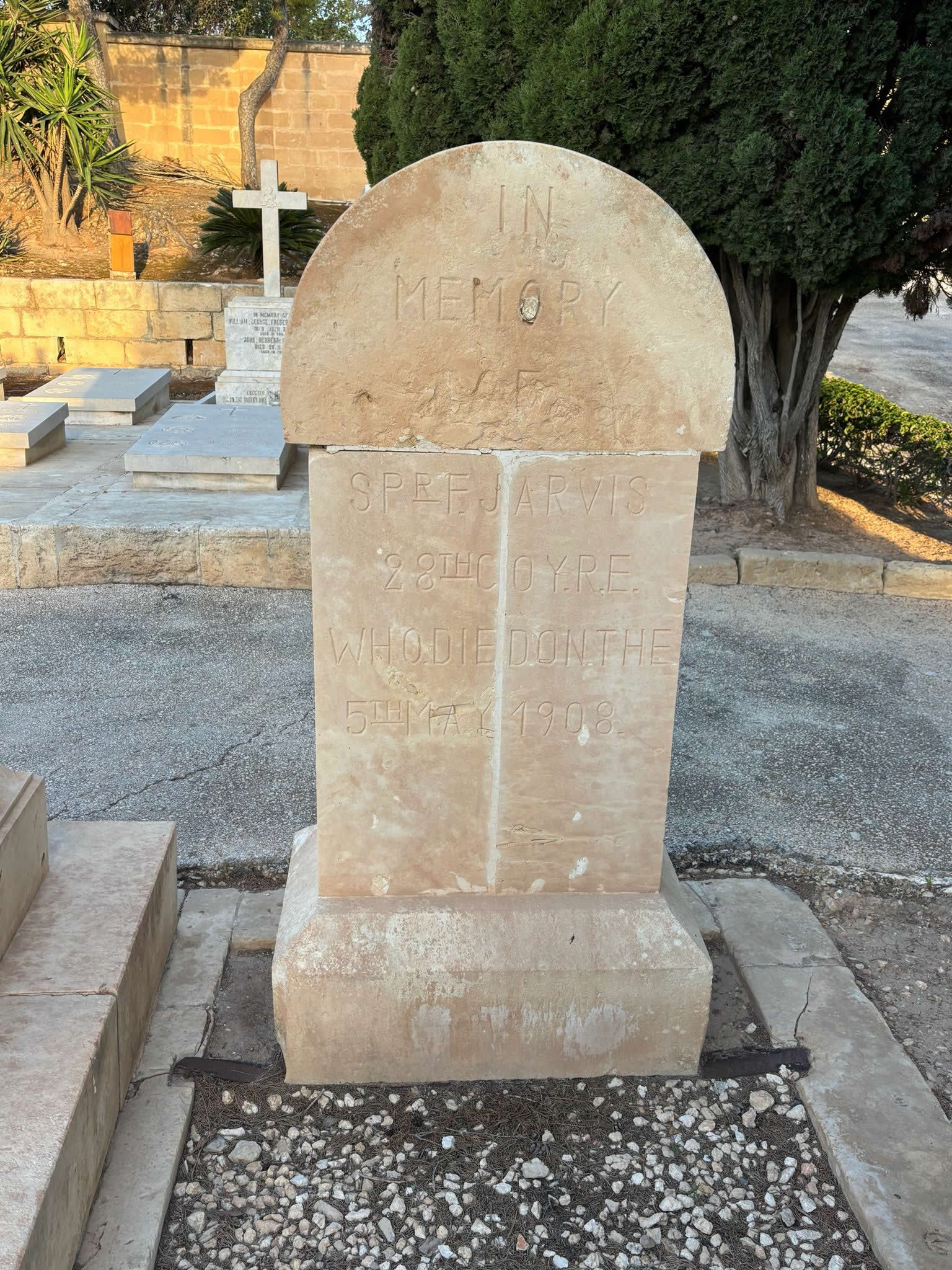
Architecture and Cemetery Layout
Pembroke Military Cemetery reflects the restrained and practical approach often seen in British military burial grounds. Unlike elaborate aristocratic cemeteries or monumental church graveyards, military cemeteries generally emphasized order, uniformity, and dignity.
The cemetery layout traditionally followed straight pathways and organized burial sections. Headstones were commonly aligned in military fashion, creating a disciplined visual appearance consistent with British military values.
Stone boundary walls enclosed the burial ground and separated it from the surrounding military landscape. Maltese limestone was typically used for walls, markers, and structural elements, reflecting local construction traditions.
Some graves may originally have included:
- Regimental insignia
- Crosses
- Military ranks and service numbers
- Biblical inscriptions
- Family dedications
Weathering and exposure to Malta’s coastal climate have affected many historical inscriptions over time.
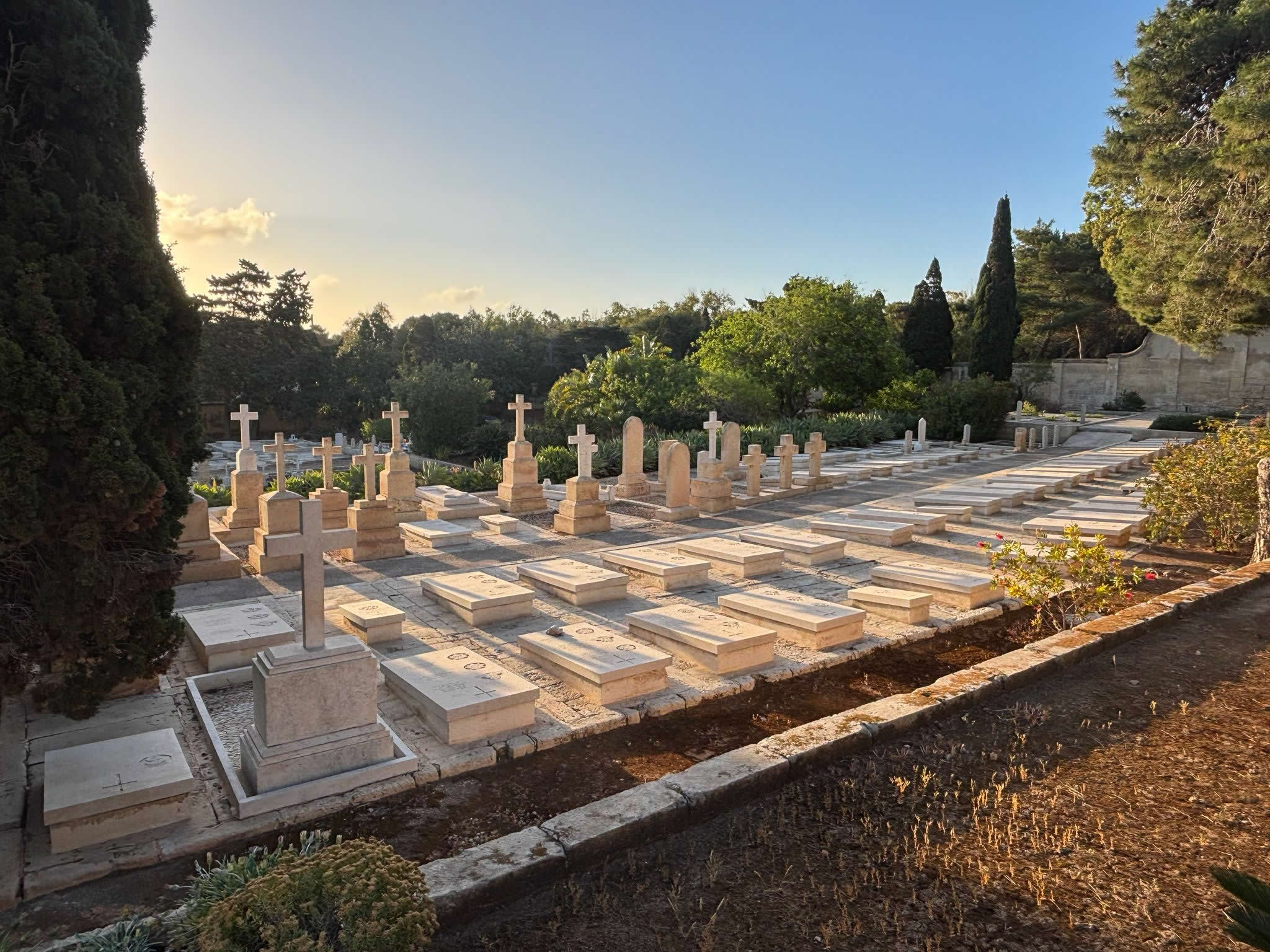
Commonwealth War Graves Commission
Many graves within Pembroke Military Cemetery are maintained by the Commonwealth War Graves Commission (CWGC), the organisation responsible for commemorating Commonwealth military personnel who died during the world wars.
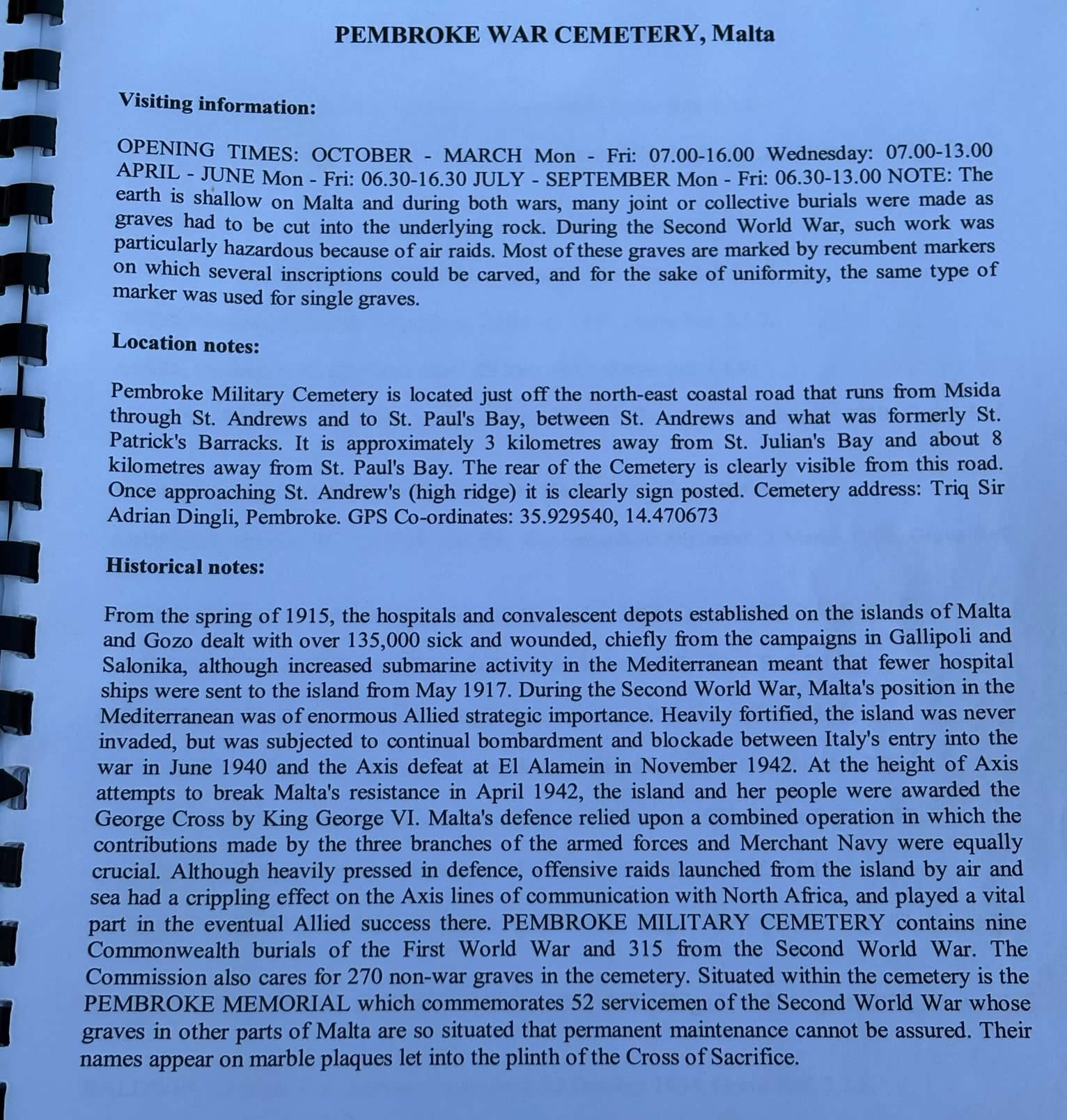
The cemetery contains more than three hundred and seventy Commonwealth war graves in addition to over two hundred and seventy civilian and foreign burials.
CWGC maintenance ensures that the cemetery remains in excellent condition, preserving both the gravestones and the wider commemorative landscape.
Visitors can find graves representing servicemen from Britain, Australia, New Zealand, Canada, India, South Africa, and other Commonwealth nations.

Connections with Nearby Military Sites
Pembroke Military Cemetery must be understood within the broader military landscape of the district. Nearby military features include barracks, defensive structures, and coastal fortifications associated with the British period.
The area around Pembroke historically formed part of a defensive chain protecting the northern coastline of Malta. British forces adapted and expanded earlier defensive systems while constructing new barracks and artillery positions.
The cemetery therefore represents not only a burial site but also a physical component of Malta’s military infrastructure during the colonial era.
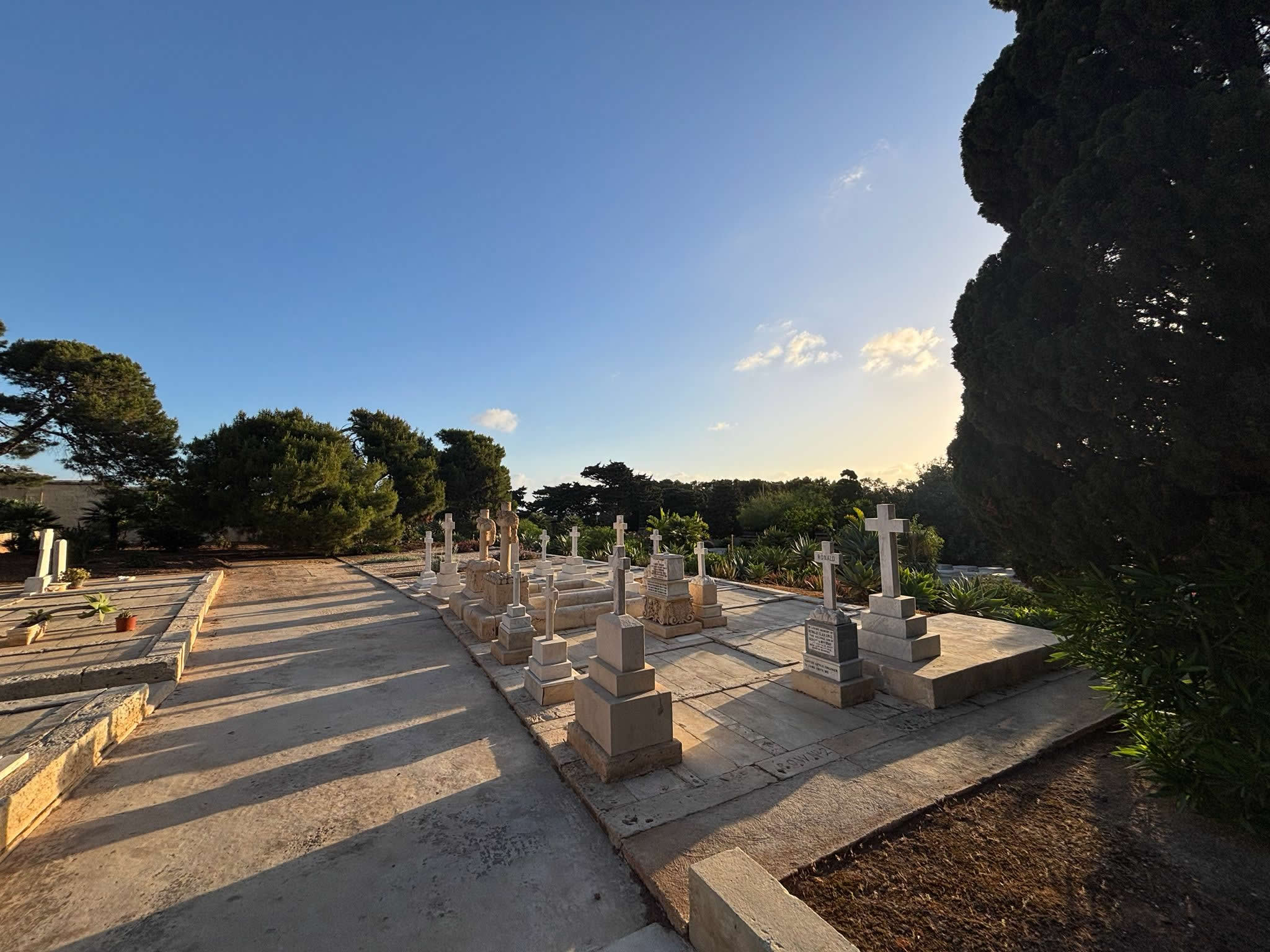
Military Families and Children Buried in Malta
One particularly moving aspect of British-era cemeteries in Malta is the large number of infant and child burials. Military families stationed overseas often faced difficult living conditions, outbreaks of disease, and limited medical treatment.
Many cemeteries associated with the British military contain graves of:
- Infants
- Young children
- Wives of soldiers
- Hospital patients
- Servicemen who died unexpectedly
Pembroke Military Cemetery likely followed this broader pattern seen across Malta’s military burial grounds. These graves provide valuable insight into the social history of British military communities living on the islands.

The Cemetery During the World Wars
Malta’s military role intensified dramatically during both World Wars. During the First World War, Malta became known as the “Nurse of the Mediterranean” due to the large number of wounded soldiers treated on the islands.
The Second World War brought devastating aerial bombardment to Malta. Although larger Commonwealth cemeteries became the principal burial locations during the war years, older military cemeteries such as Pembroke retained historical importance and continued to form part of Malta’s wartime landscape.
The cemetery therefore spans multiple phases of Malta’s military history, from Victorian imperial expansion through the global conflicts of the twentieth century.
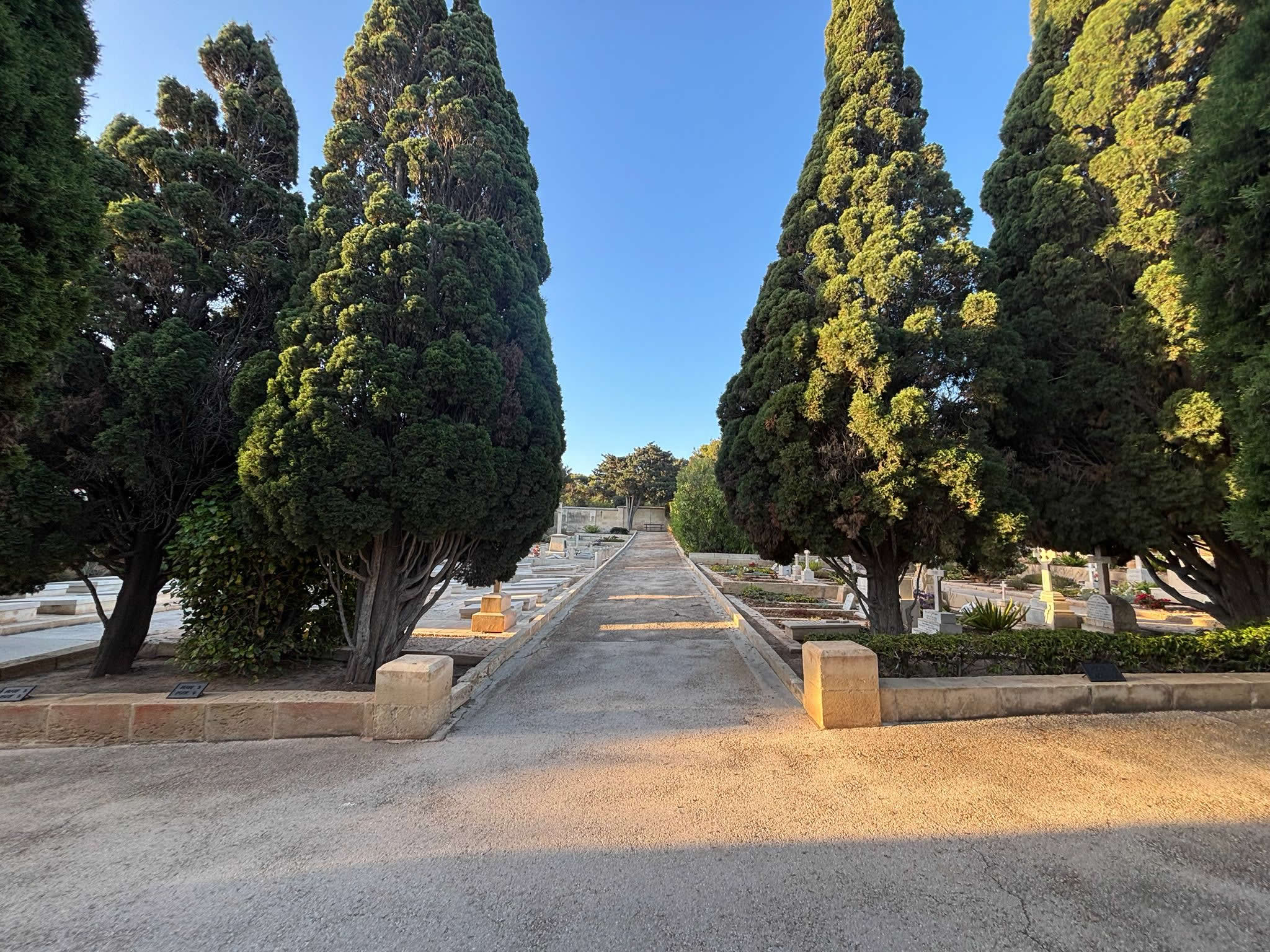
Condition and Preservation
Like many historic cemeteries in Malta, Pembroke Military Cemetery faces ongoing preservation challenges. Exposure to sea air, wind erosion, biological growth, and neglect can damage limestone structures and inscriptions.
Historic burial grounds require continuous maintenance to prevent deterioration. Common issues include:
- Erosion of inscriptions
- Structural instability
- Vegetation overgrowth
- Damage from moisture and salt exposure
- Vandalism and neglect
The preservation of military cemeteries is important not only for heritage reasons but also because these sites contain valuable genealogical and historical information.
Genealogical and Historical Importance
Military cemeteries in Malta are extremely important resources for researchers, historians, and descendants tracing family histories connected to the British Empire.
Many burial records provide detailed information including:
- Names
- Military rank
- Regiment
- Age at death
- Date of burial
- Family relationships
- Place of origin
These records help document the international military community that once lived in Malta.
The cemetery also contributes to the understanding of Malta’s transformation into a major imperial military base during British rule.
Historical Significance Within Maltese Heritage
Pembroke Military Cemetery forms part of Malta’s layered cultural heritage. The island’s history includes prehistoric temples, Roman settlements, medieval villages, Hospitaller fortifications, French occupation, and British colonial infrastructure.
British military cemeteries occupy an important place within this historical timeline because they document the period when Malta became a central Mediterranean naval base.
These cemeteries also illustrate the human cost of empire and military service. Behind each grave lies a personal story connected to migration, military duty, illness, war, and colonial life far from home.
Visiting Pembroke Military Cemetery
Visitors interested in Malta’s military history often include Pembroke Military Cemetery within broader heritage tours of the area. Nearby locations of historical interest include:
- British military barracks
- Coastal fortifications
- Victorian defensive structures
- Historic military roads
- Other military cemeteries
The cemetery offers a quieter and less commercialized historical experience compared to major tourist attractions.
Pembroke Military Cemetery and Heritage Tourism
Interest in military heritage tourism has increased significantly in Malta. Researchers, descendants, military historians, and cultural tourists increasingly seek out sites connected to British military history.
Pembroke Military Cemetery contributes to this heritage landscape by preserving physical evidence of Malta’s role within the British Empire and the wider Mediterranean military system.
As awareness grows regarding the importance of historical cemeteries, sites such as Pembroke Military Cemetery may receive greater attention for preservation and interpretation.
Further Reading
For more historic cemeteries and burial grounds across the Maltese Islands, visit:
Quick Facts
| Feature | Details |
|---|---|
| Name | Pembroke Military Cemetery |
| Location | Pembroke, Malta |
| Coordinates | 35.929559, 14.470564 |
| Period | British Colonial Era |
| Type | Military Cemetery |
| Historical Importance | British military burials and colonial heritage |
Frequently Asked Questions
What is Pembroke Military Cemetery?
It is a historic British-era military cemetery located in Pembroke, Malta, associated with the British garrison stationed on the islands.
Why was Pembroke important to the British military?
Pembroke contained extensive barracks and military infrastructure during British rule and formed part of Malta’s wider defensive system.
Are soldiers buried there?
Yes. The cemetery contains burials connected with the British military presence in Malta, including soldiers and military family members.
Can the cemetery still be visited?
Yes, although visitors should always respect the site as a historic burial ground.
Why are military cemeteries in Malta historically important?
They preserve evidence of Malta’s role as a major British military and naval base during the nineteenth and twentieth centuries.