📍 Location
Location Map Coordinates 35.890653, 14.495619
One of Malta’s most important Commonwealth war grave cemeteries and a lasting memorial to the casualties of the First and Second World Wars.
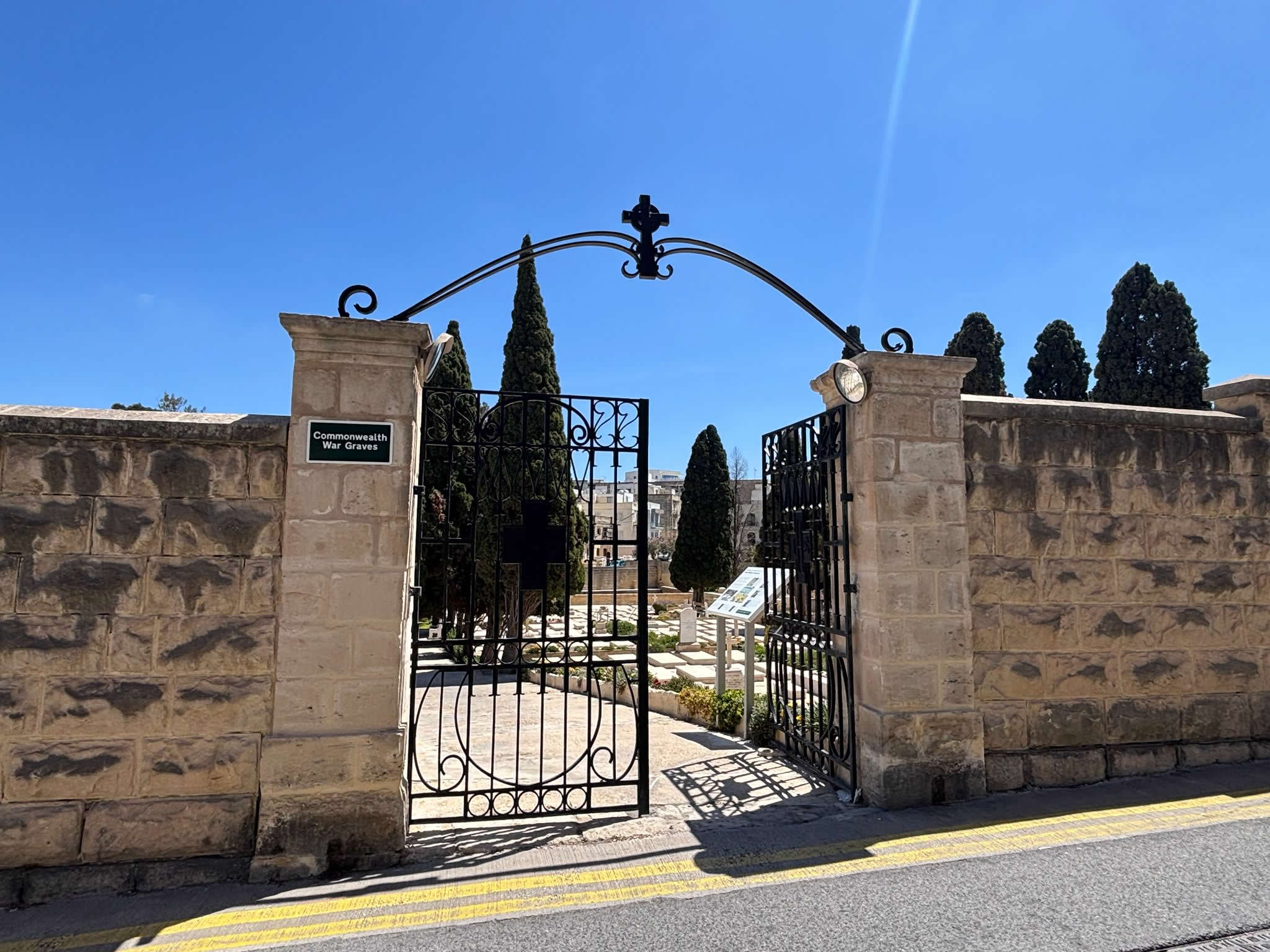
Introduction
Pietà Military Cemetery is one of Malta’s most historically significant military burial grounds and among the largest Commonwealth war grave cemeteries in the Mediterranean region. Located in Pietà near Valletta, the cemetery preserves the graves of thousands of servicemen, nurses, sailors, soldiers, and military personnel connected with Malta’s strategic role during the First and Second World Wars.
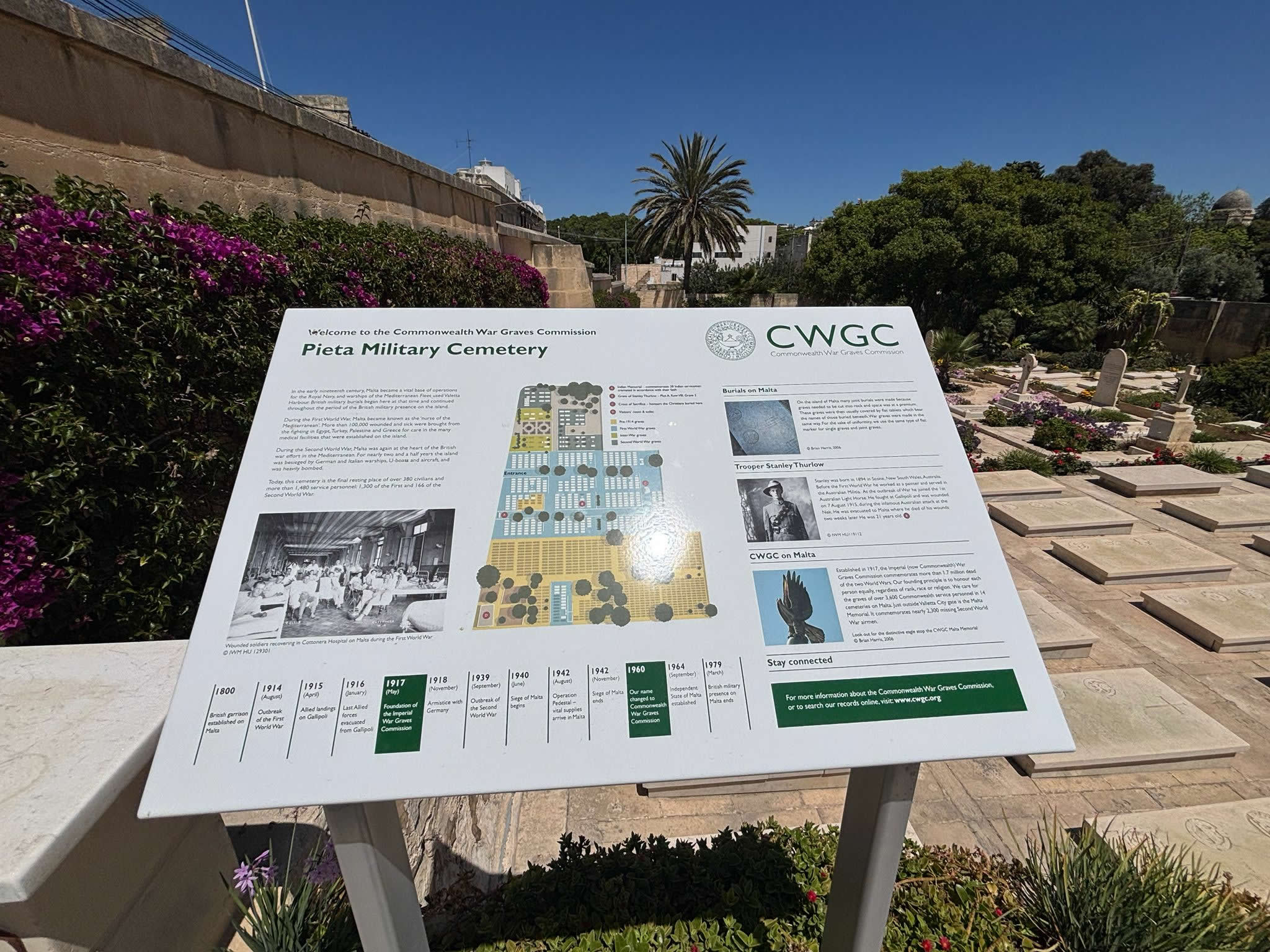
The cemetery is especially associated with the Gallipoli campaign and Malta’s important wartime role as the “Nurse of the Mediterranean.” Thousands of wounded servicemen evacuated from Gallipoli, Salonika, and other Mediterranean fronts were treated in Malta’s hospitals during the First World War, and many who succumbed to wounds or disease were buried here.
Today Pietà Military Cemetery remains an active Commonwealth War Graves Commission cemetery and an internationally important site of remembrance. Visitors from Britain, Australia, New Zealand, Canada, India, South Africa, and many other countries continue to visit the cemetery to honour relatives and servicemen buried on the island.
Location and Setting
Pietà Military Cemetery is situated in Pietà, Malta, at coordinates 35.890653, 14.495619, along Triq id-Duluri near Ta’ Braxia Cemetery and the approaches to Valletta.
The cemetery occupies gently sloping ground overlooking the Marsamxett Harbour area and lies close to the historic military and medical infrastructure that developed around Valletta during the British colonial period.
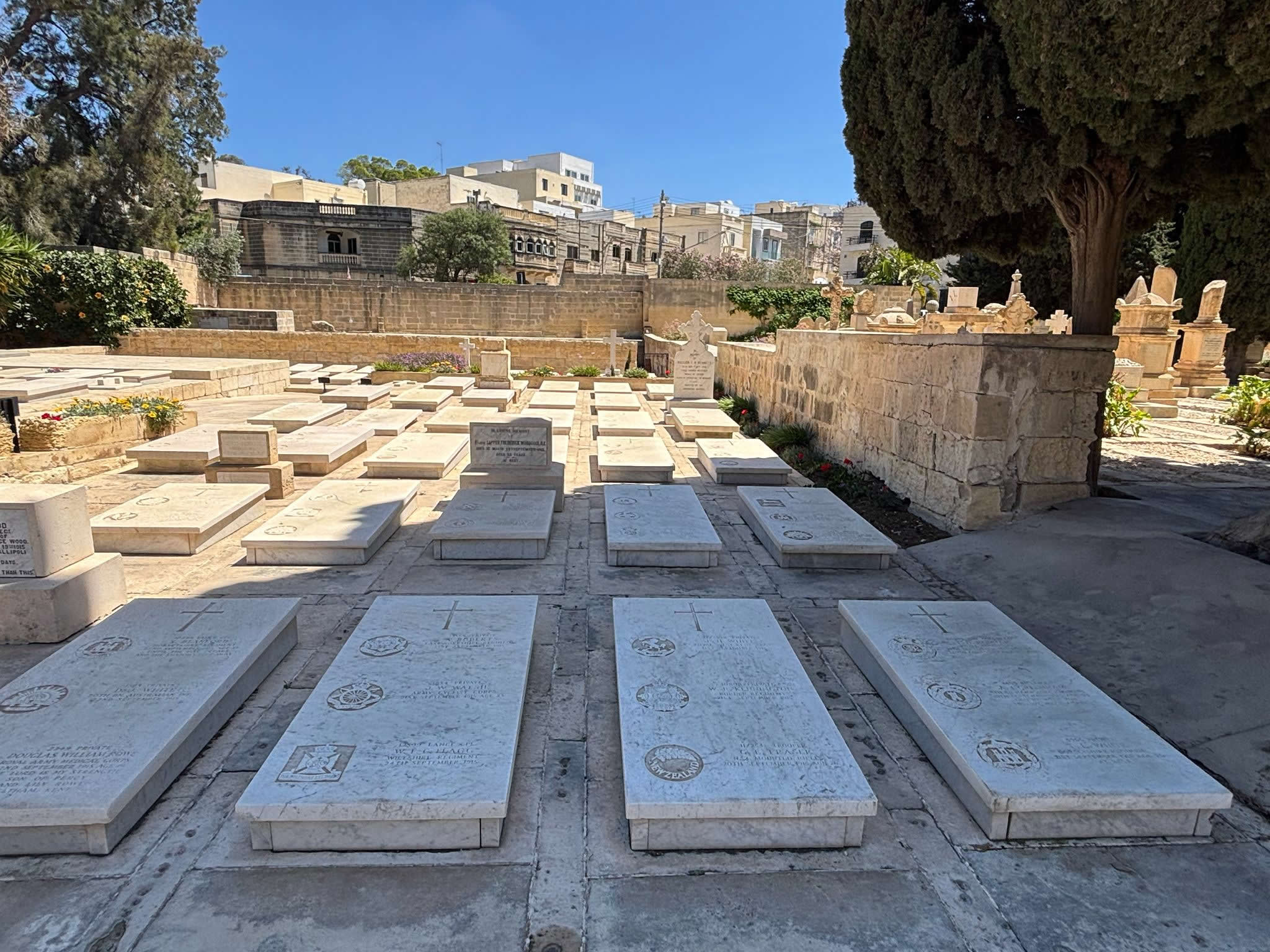
Its location was particularly suitable during wartime because it stood near the major military hospitals, naval facilities, and transport routes used for the treatment and evacuation of wounded servicemen.
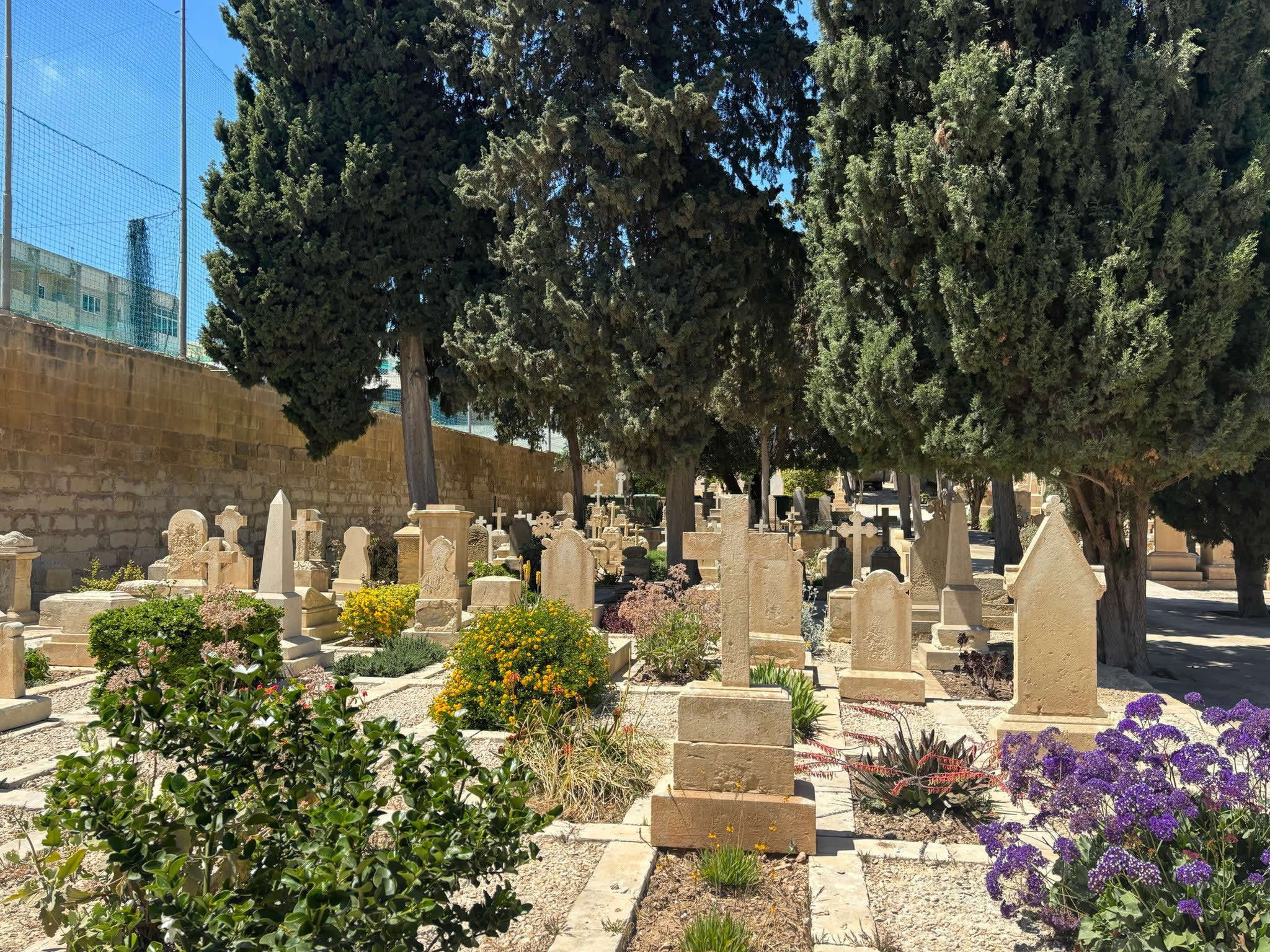
Despite the urban surroundings of Pietà and Msida, the cemetery retains a peaceful atmosphere with carefully maintained lawns, mature trees, rows of white Commonwealth headstones, and landscaped pathways.
Origins of the Cemetery
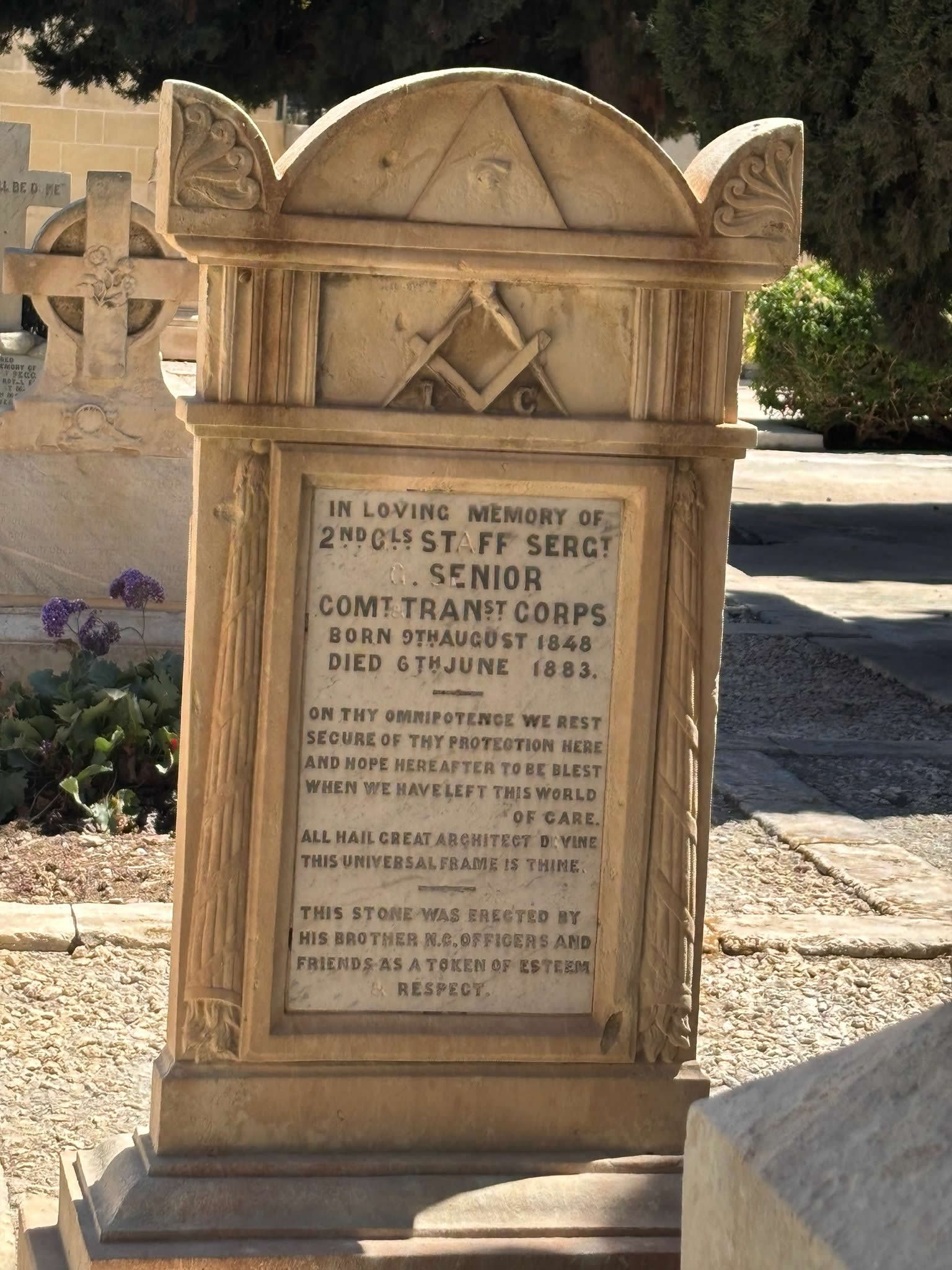
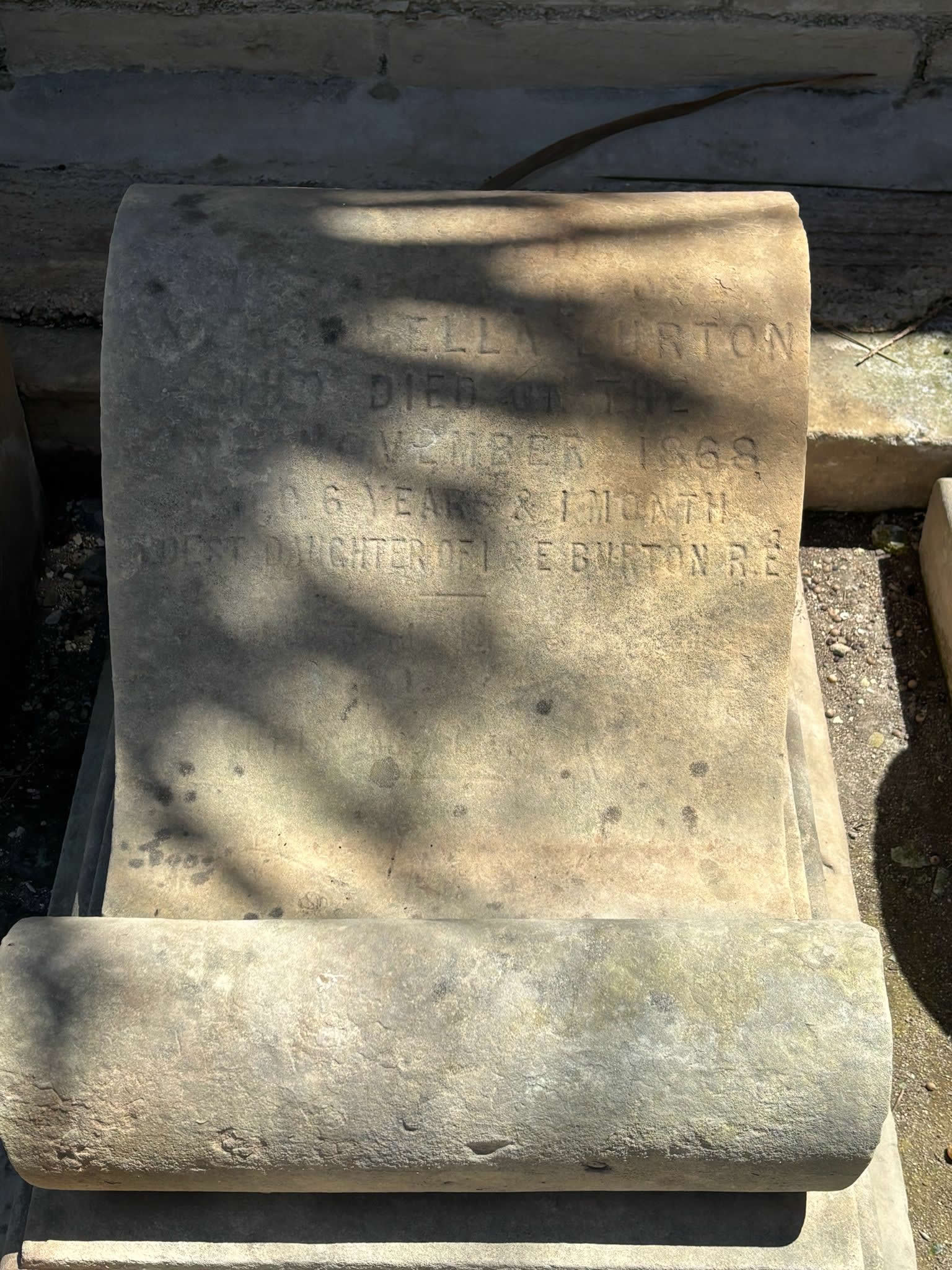
The origins of Pietà Military Cemetery date to the British colonial period, with the first known military burials occurring in 1866.
During the 19th century Malta became one of Britain’s most strategically important naval and military bases in the Mediterranean. As the British garrison expanded and Malta’s dockyards grew in importance, the need arose for dedicated military burial grounds.
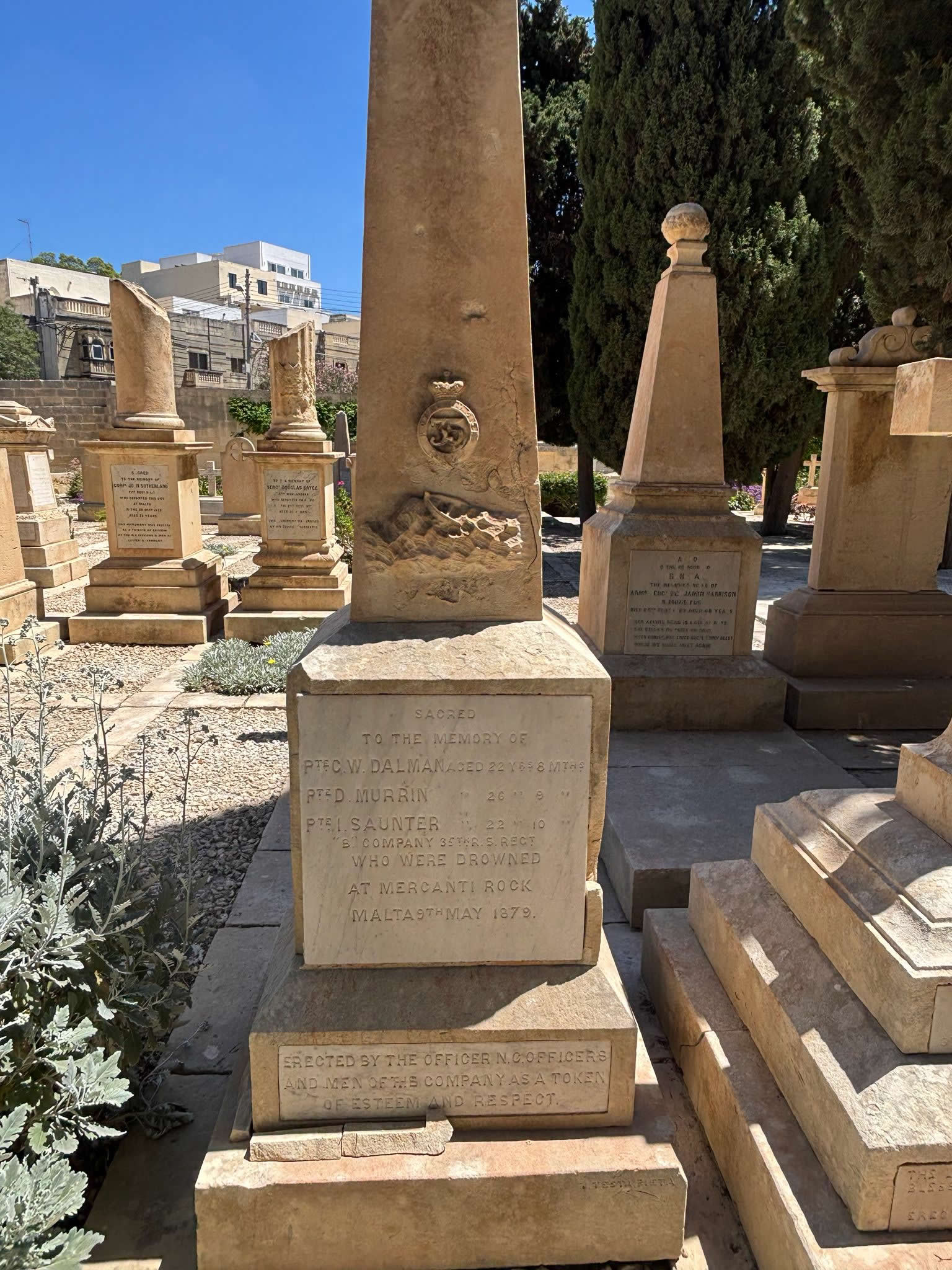
The cemetery initially served members of the British armed forces stationed in Malta together with military dependants and civilians connected to the garrison community.
Over time the cemetery expanded significantly, especially during the First World War, eventually becoming one of the largest military cemeteries on the island.
Malta: The “Nurse of the Mediterranean”
During the First World War Malta played a critical medical role for Allied forces operating in the Mediterranean theatre. Beginning in 1915, hospitals and convalescent depots across Malta and Gozo treated enormous numbers of wounded and sick servicemen evacuated from Gallipoli, Salonika, and nearby military campaigns.
More than 135,000 wounded or sick servicemen passed through Malta’s hospitals during the war.
The Gallipoli campaign in particular resulted in large numbers of casualties being evacuated to Malta for treatment. Soldiers suffering from wounds, infection, dysentery, typhoid, and other diseases were transported by hospital ships to the island.
Although many recovered, thousands died while receiving treatment and were buried in Malta’s military cemeteries, especially Pietà Military Cemetery.
This humanitarian role earned Malta the enduring title: “Nurse of the Mediterranean.”
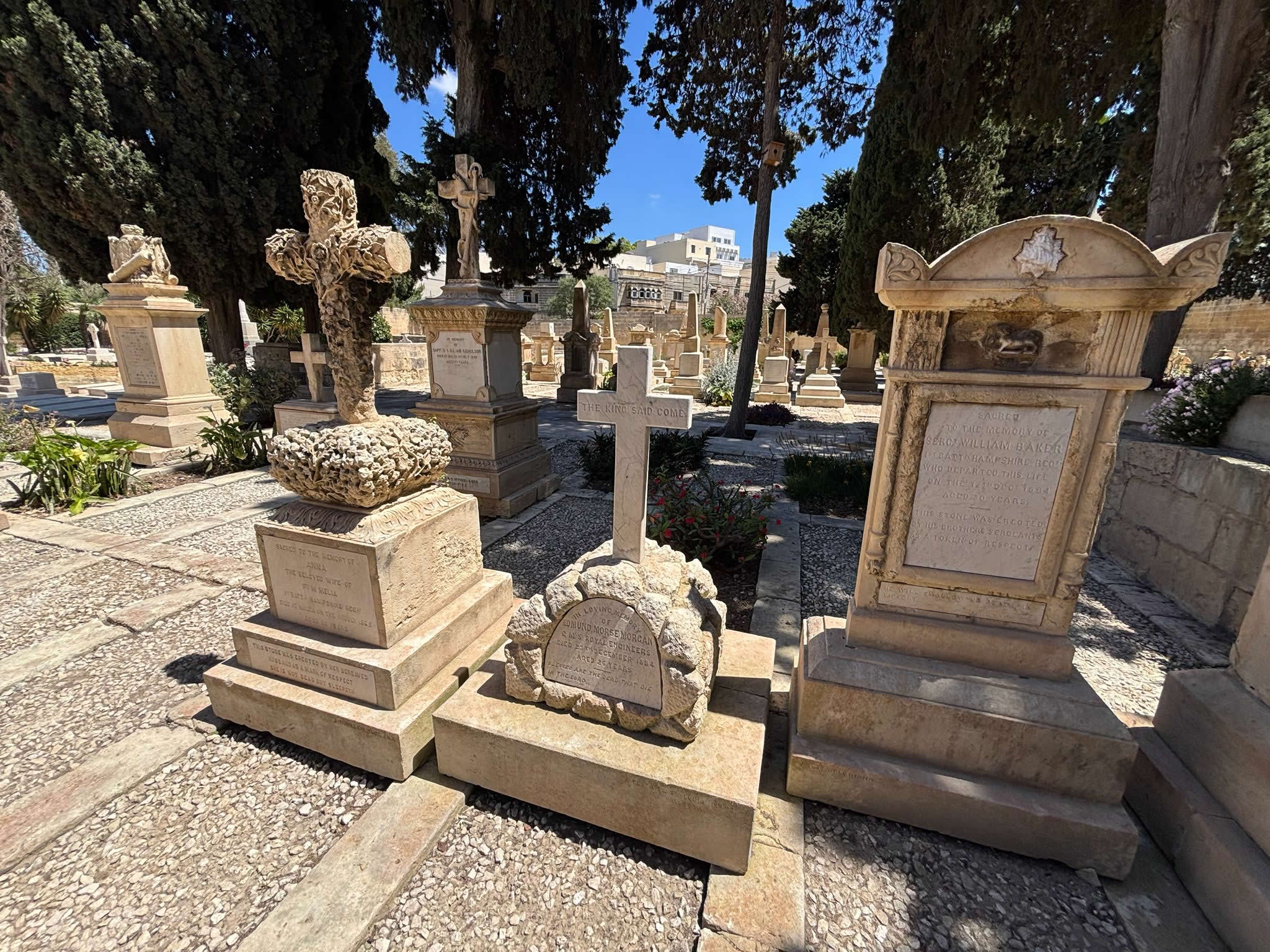
First World War Burials
Pietà Military Cemetery contains over 1,300 Commonwealth burials from the First World War.
Many of the graves belong to servicemen evacuated from the Gallipoli campaign, one of the bloodiest Allied operations of the war. Australian and New Zealand troops are especially well represented in the cemetery, and it contains one of the highest concentrations of ANZAC burials in Malta.
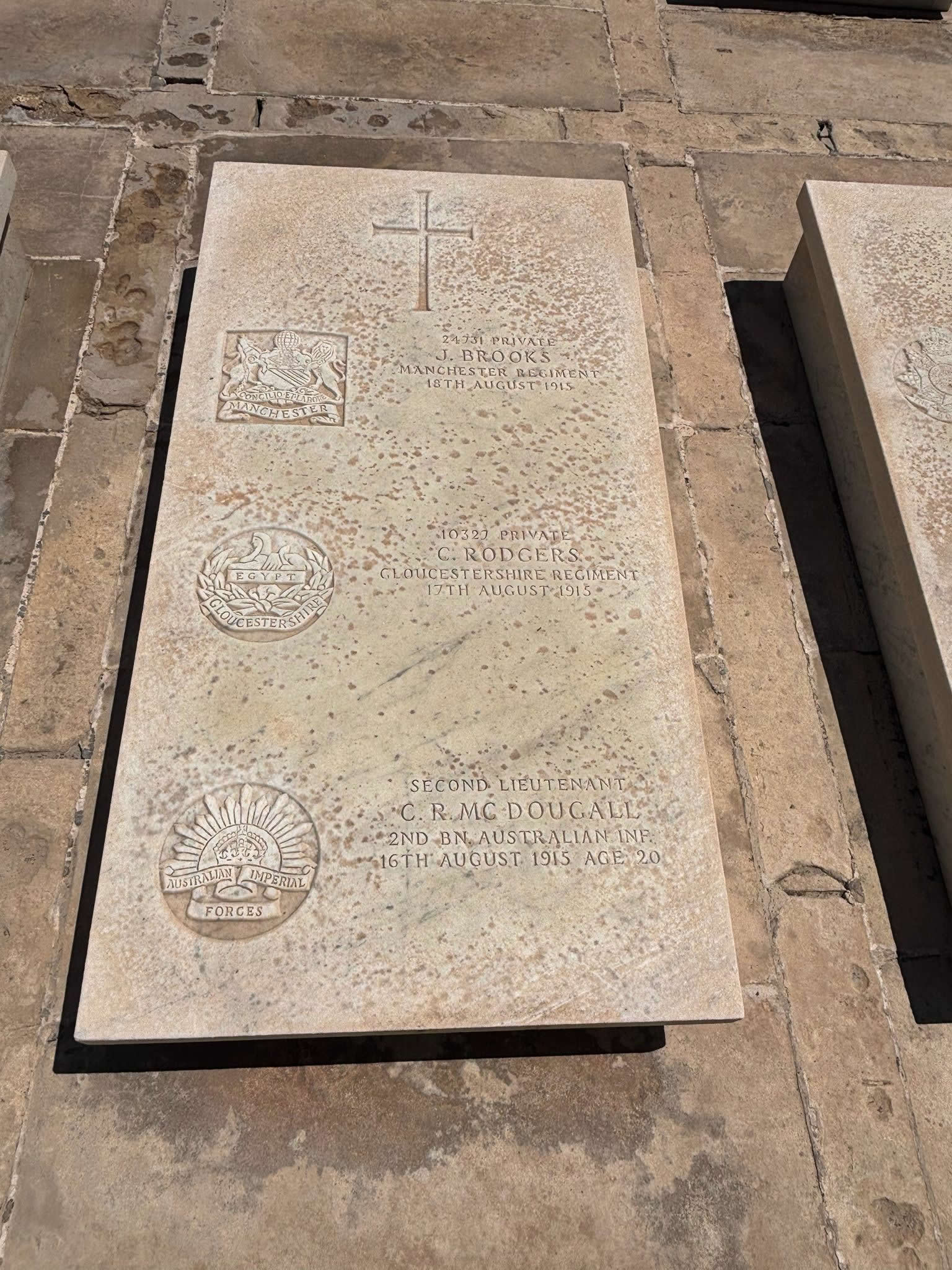
The cemetery includes graves of:
- British Army soldiers
- Royal Navy sailors
- Australian Imperial Force personnel
- New Zealand Expeditionary Force troops
- Indian Army servicemen
- Medical staff and nurses
- Merchant Navy personnel
Many servicemen buried at Pietà died not from combat wounds directly, but from disease, infection, or complications following evacuation to Malta.
The cemetery therefore preserves an important record of wartime medical care, transport, and military mortality during the First World War.
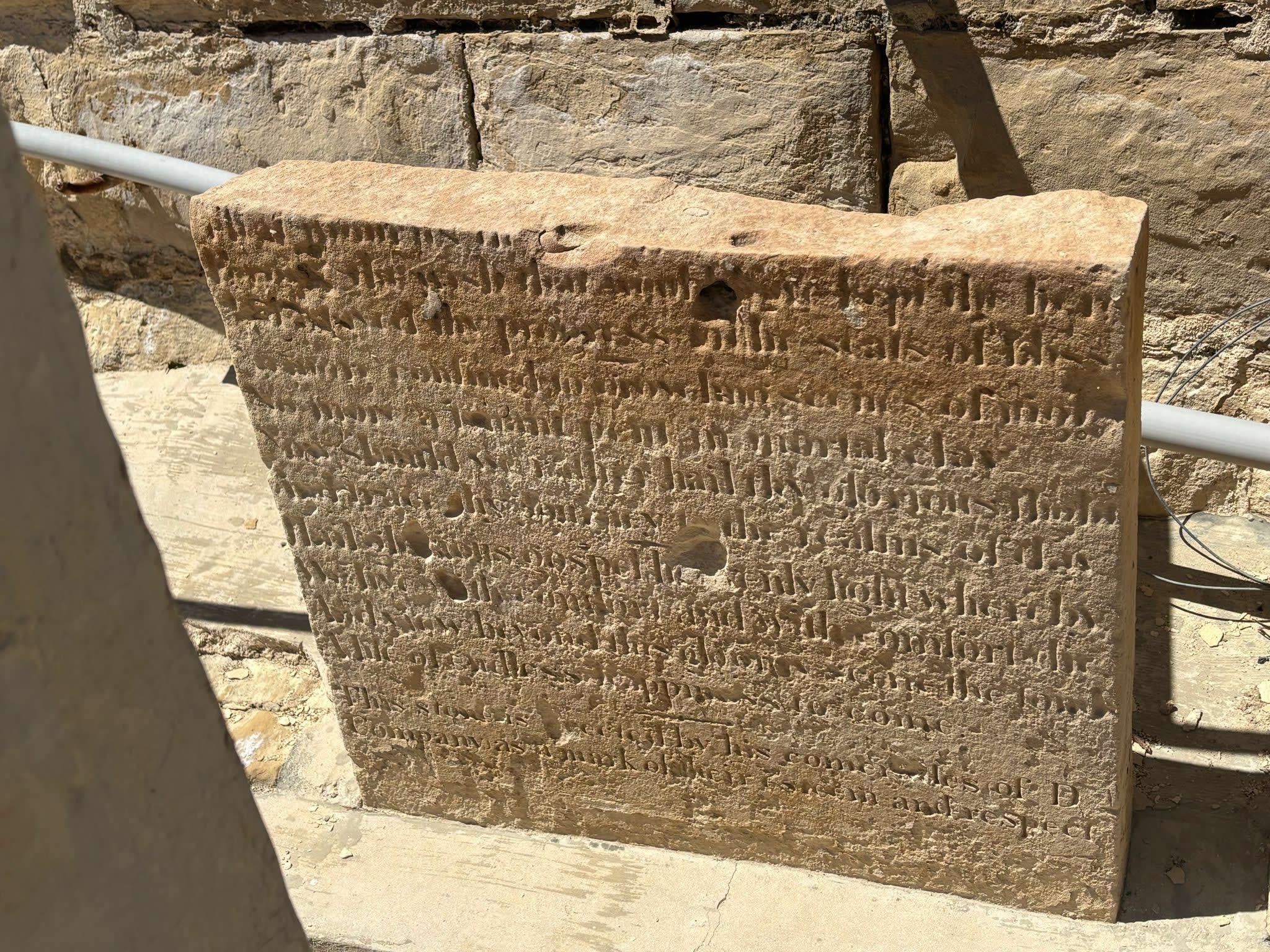
The Indian Memorial
One of the cemetery’s most distinctive memorials commemorates Indian servicemen who served within the British Empire’s military forces during the First World War.
Twenty Indian servicemen and labourers who died in Malta were cremated at the former Lazaretto Cemetery rather than buried according to Christian military customs. Their names are commemorated at Pietà Military Cemetery through the Indian Memorial.
The memorial highlights the global nature of the First World War and the important contribution made by Indian troops to Allied operations.
It also reflects Malta’s role as an international wartime medical and military centre receiving servicemen from across the British Empire.
Second World War and the Siege of Malta
During the Second World War Malta again became a key Allied military base and suffered extensive bombing during the Siege of Malta between 1940 and 1942.
Axis air raids targeted the Grand Harbour, dockyards, airfields, military installations, and surrounding towns. Thousands of civilians and military personnel were killed or injured.
Pietà Military Cemetery received many wartime burials during this period, including Royal Navy sailors, RAF personnel, soldiers, merchant seamen, and other servicemen who died during the siege.
The cemetery contains 166 Commonwealth burials from the Second World War.
The cemetery itself did not entirely escape wartime damage. Historical records show that unexploded bombs landed within the cemetery during air raids and had to be defused by Royal Engineers bomb disposal teams in 1941.
Oldest grave in the cemetery according to Find a Grave records
Pvt J Carter Died 1867Architecture and Cemetery Layout
Pietà Military Cemetery reflects the formal and highly organised planning style associated with British military cemeteries of the late 19th and early 20th centuries.
Rows of uniform Commonwealth headstones create a dignified and ordered appearance, emphasising equality in death regardless of military rank or social background.
The cemetery contains both individual graves and communal memorials. Carefully maintained lawns, cypress trees, flowerbeds, and limestone pathways contribute to the peaceful atmosphere.
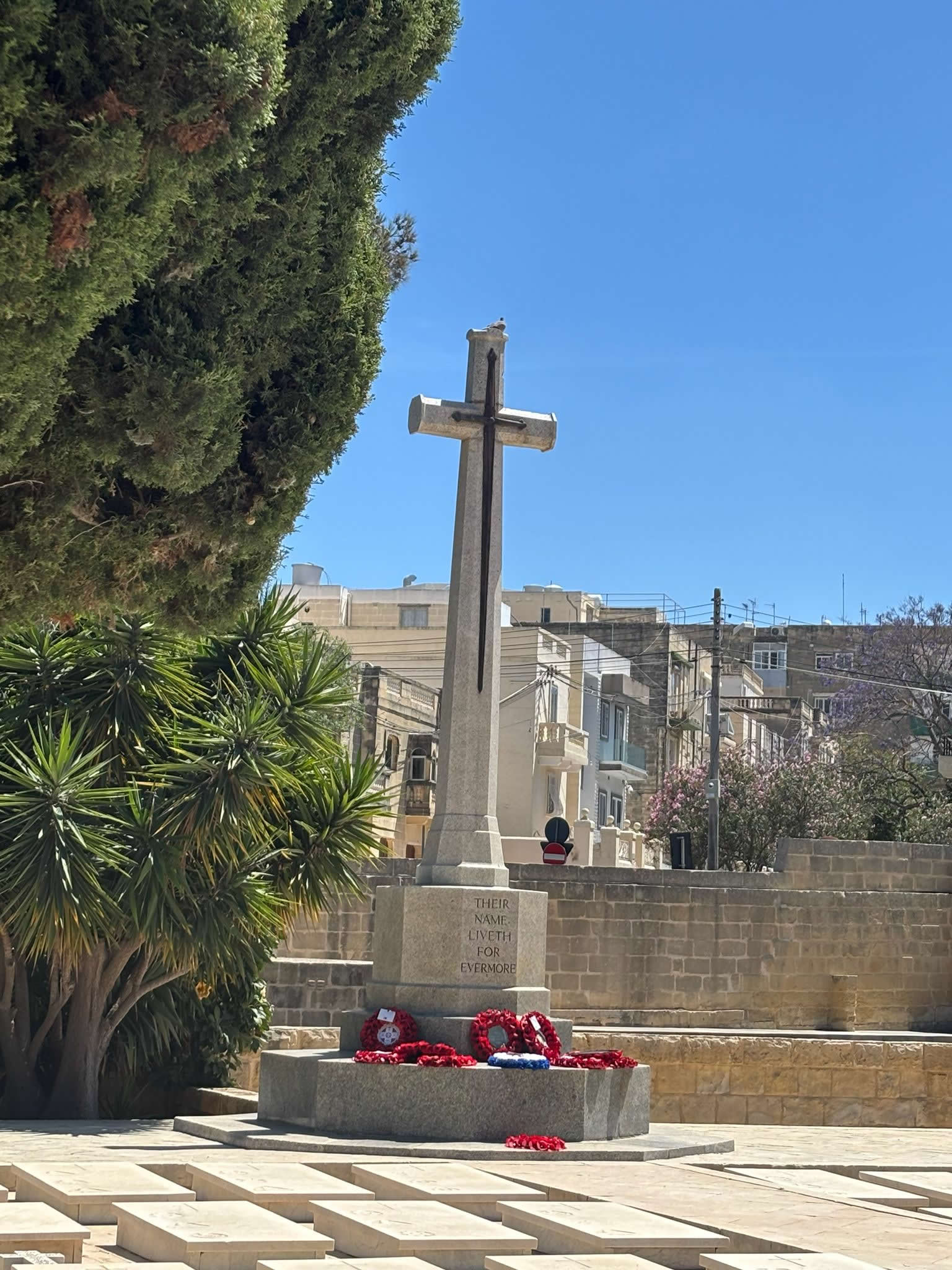
Traditional Commonwealth War Graves Commission design principles are visible throughout the site, including the Cross of Sacrifice and memorial features associated with imperial military cemeteries around the world.
The visual contrast between the white gravestones and Malta’s golden limestone creates one of the most striking funerary landscapes on the islands.
Commonwealth War Graves Commission
The cemetery is maintained by the Commonwealth War Graves Commission (CWGC), the organisation responsible for commemorating Commonwealth military personnel who died during the world wars.
The CWGC cares for:
- 1,303 First World War Commonwealth casualties
- 166 Second World War burials
- 772 non-war graves
- 15 graves of other nationalities
These figures make Pietà Military Cemetery one of Malta’s largest and most important Commonwealth war grave sites.
CWGC maintenance ensures that the cemetery remains in excellent condition and continues to serve as a place of remembrance for visitors from around the world.
Notable Burials and International Connections
Pietà Military Cemetery contains graves representing servicemen from across the British Empire and beyond.
Particularly notable are the large numbers of Australian and New Zealand servicemen buried here after evacuation from Gallipoli.
The cemetery is therefore of major historical importance not only to Malta but also to Australia and New Zealand, where Gallipoli remains central to national memory and identity.
Visitors frequently include descendants, military historians, genealogists, and official delegations participating in remembrance ceremonies.
Restoration and Preservation
Over the decades the cemetery has undergone regular conservation and restoration works to preserve headstones, memorial structures, pathways, and landscaping.
Environmental exposure, wartime damage, and the effects of time have required ongoing maintenance efforts.
The Commonwealth War Graves Commission continues to maintain the cemetery to international standards, ensuring that it remains one of Malta’s best-preserved historic military sites.
The cemetery also forms an important part of Malta’s broader military heritage landscape together with Capuccini Naval Cemetery, Imtarfa Military Cemetery, Pembroke Military Cemetery, and the Malta Memorial in Valletta.
Visiting Pietà Military Cemetery
Today the cemetery attracts visitors from across the world who come to honour the dead and explore Malta’s wartime history.
The cemetery is especially significant during ANZAC commemorations and Remembrance Day ceremonies when representatives from Commonwealth countries gather to pay tribute to those buried there.
Its peaceful atmosphere and historical significance make it one of the most important military heritage sites in Malta.
Visitors are encouraged to behave respectfully due to the cemetery’s continuing role as a place of mourning and remembrance.
Conclusion
Pietà Military Cemetery stands as one of Malta’s most important memorial landscapes and one of the Mediterranean’s most significant Commonwealth war grave cemeteries.
The cemetery preserves the memory of thousands of servicemen connected with Gallipoli, the First World War, the Siege of Malta, and the wider conflicts of the 20th century.
Through its carefully maintained graves, memorials, and peaceful surroundings, the cemetery reflects Malta’s historic role as a military fortress, naval base, and wartime medical centre.
Today Pietà Military Cemetery remains not only a burial ground, but also an international monument to sacrifice, remembrance, and Malta’s enduring military heritage.
Frequently Asked Questions
Where is Pietà Military Cemetery located?
The cemetery is located in Pietà, Malta at coordinates 35.890653, 14.495619.
Why is Pietà Military Cemetery important?
It contains over 1,300 First World War Commonwealth burials and many servicemen evacuated to Malta from Gallipoli.
Who maintains the cemetery?
The cemetery is maintained by the Commonwealth War Graves Commission.
Are ANZAC soldiers buried there?
Yes. Many Australian and New Zealand servicemen who died in Malta after the Gallipoli campaign are buried at Pietà Military Cemetery.