📍 Location
Location Map Coordinates 35.947845, 14.393597
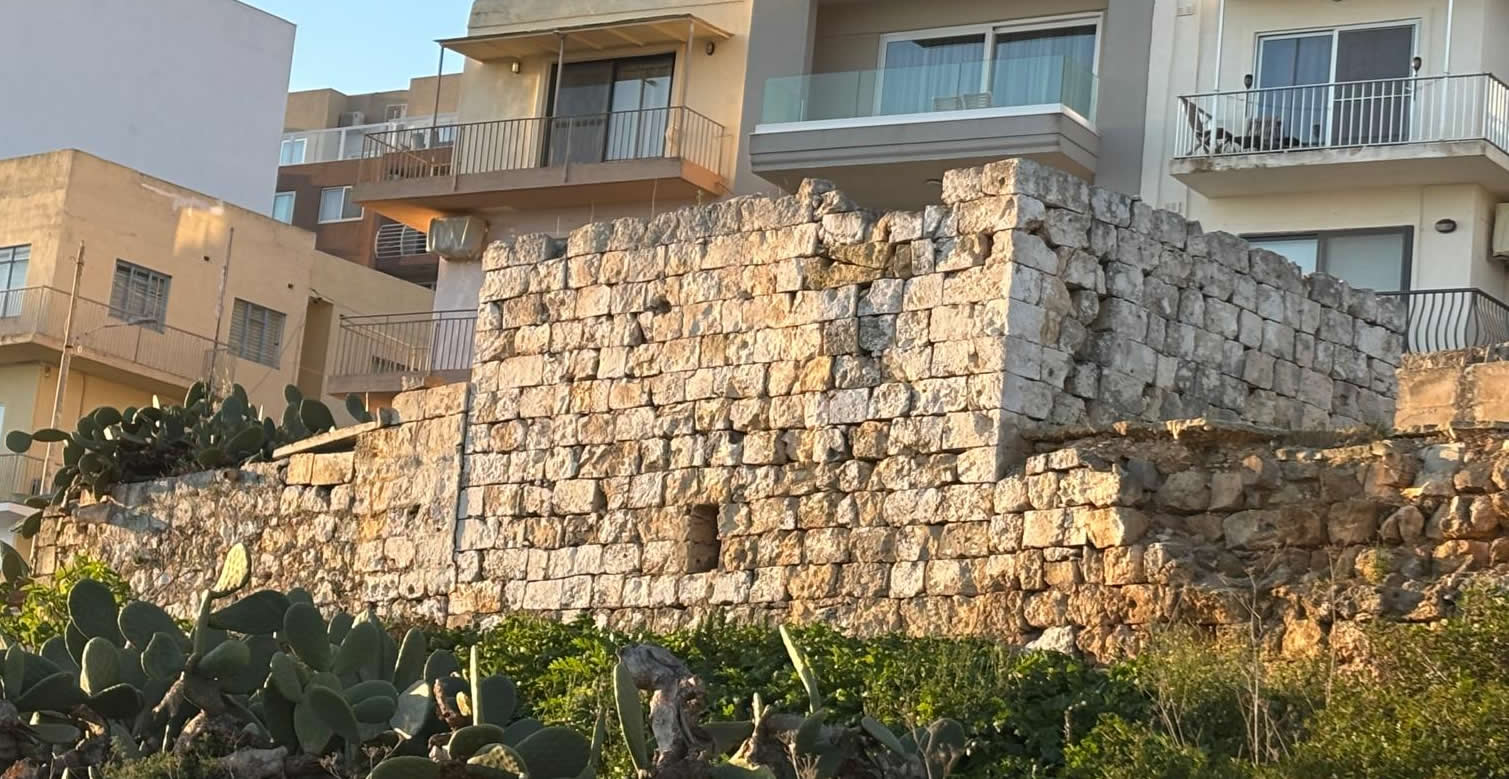
Ta’ Tabibu Farmhouse, located in the St Paul’s Bay area of Malta, is one of the most significant surviving examples of medieval rural architecture on the Maltese Islands. Unlike the grand palaces of Mdina or the defensive coastal towers of later centuries, Ta’ Tabibu represents a different but equally important aspect of Maltese history: the fortified agricultural dwelling.
Dating back to the late medieval period, likely between the 14th and 15th centuries, the farmhouse provides rare insight into how rural communities lived, worked, and defended themselves during a time of instability and frequent coastal threats. Its survival is exceptional, as many similar structures were either rebuilt, heavily altered, or lost over time.

Location and Landscape
The farmhouse is situated in the St Paul’s Bay region, an area historically characterised by agricultural land, scattered rural settlements, and strategic coastal access. In the medieval period, this landscape would have been sparsely populated, with isolated farmsteads forming the backbone of local food production.
Its location reflects the dual priorities of medieval rural life in Malta: access to arable land and the need for defensive awareness due to the constant threat of raids, particularly from the sea.
Historical Context
During the medieval period, Malta was subject to repeated incursions and instability, especially prior to the arrival of the Knights of St John in 1530. Rural populations were particularly vulnerable, as they lived outside the fortified safety of Mdina.
Farmhouses like Ta’ Tabibu were therefore designed not only as homes and centres of agricultural production but also as defensive structures. Their architecture reflects this dual function, combining domestic and protective features in a single building.
Construction and Dating
Although precise documentation is limited, architectural analysis suggests that Ta’ Tabibu Farmhouse dates to the late medieval period. Its construction techniques, materials, and layout are consistent with other known rural structures from this era.
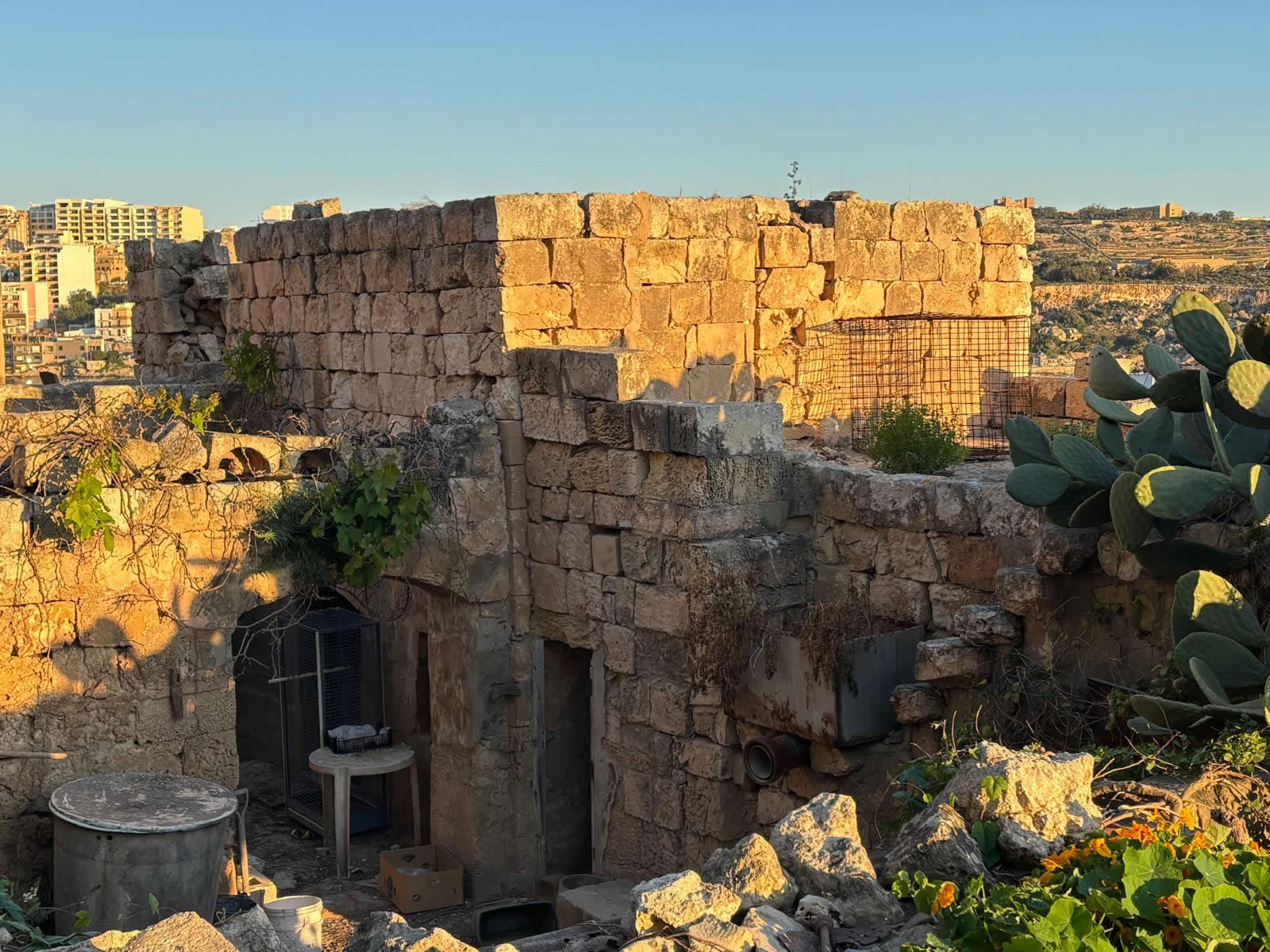
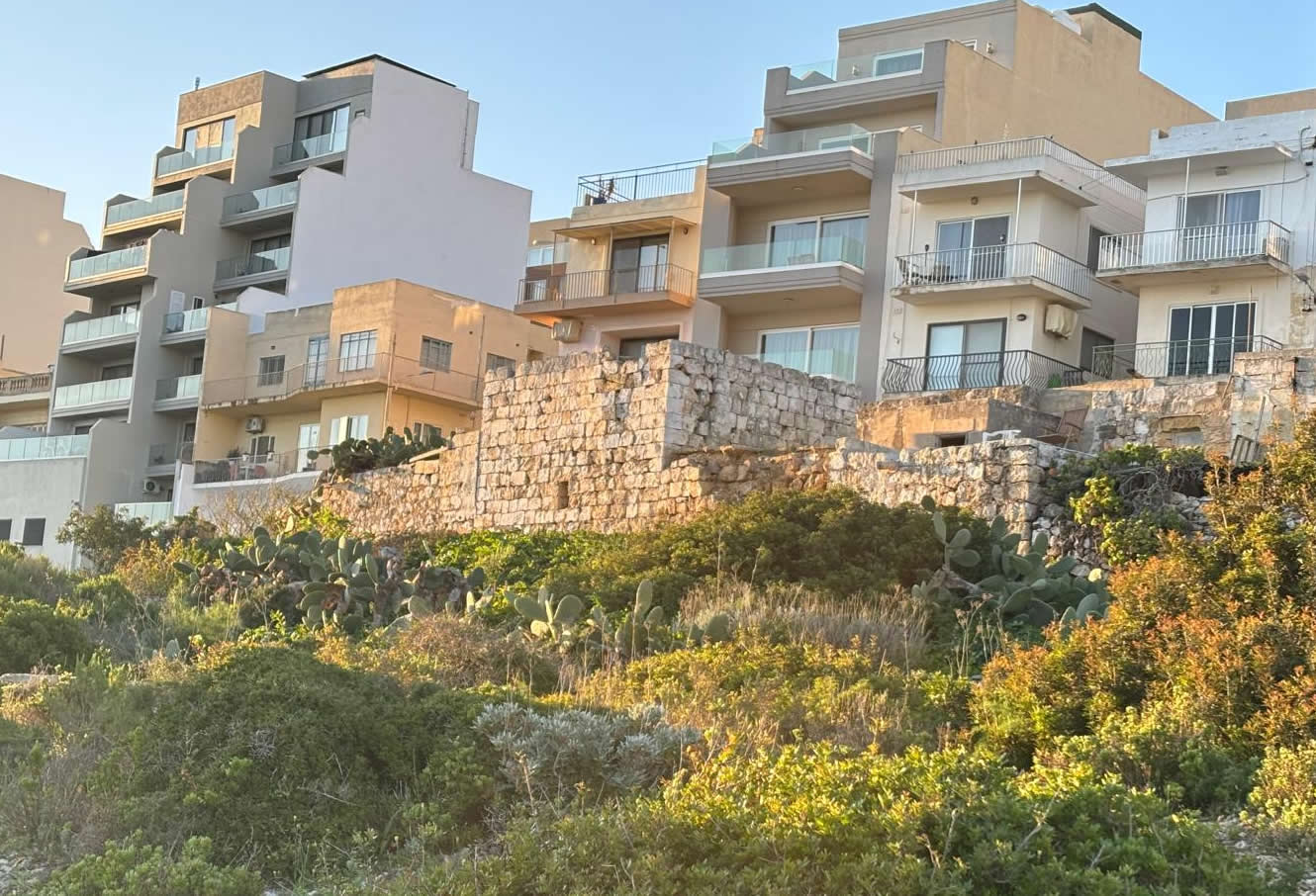
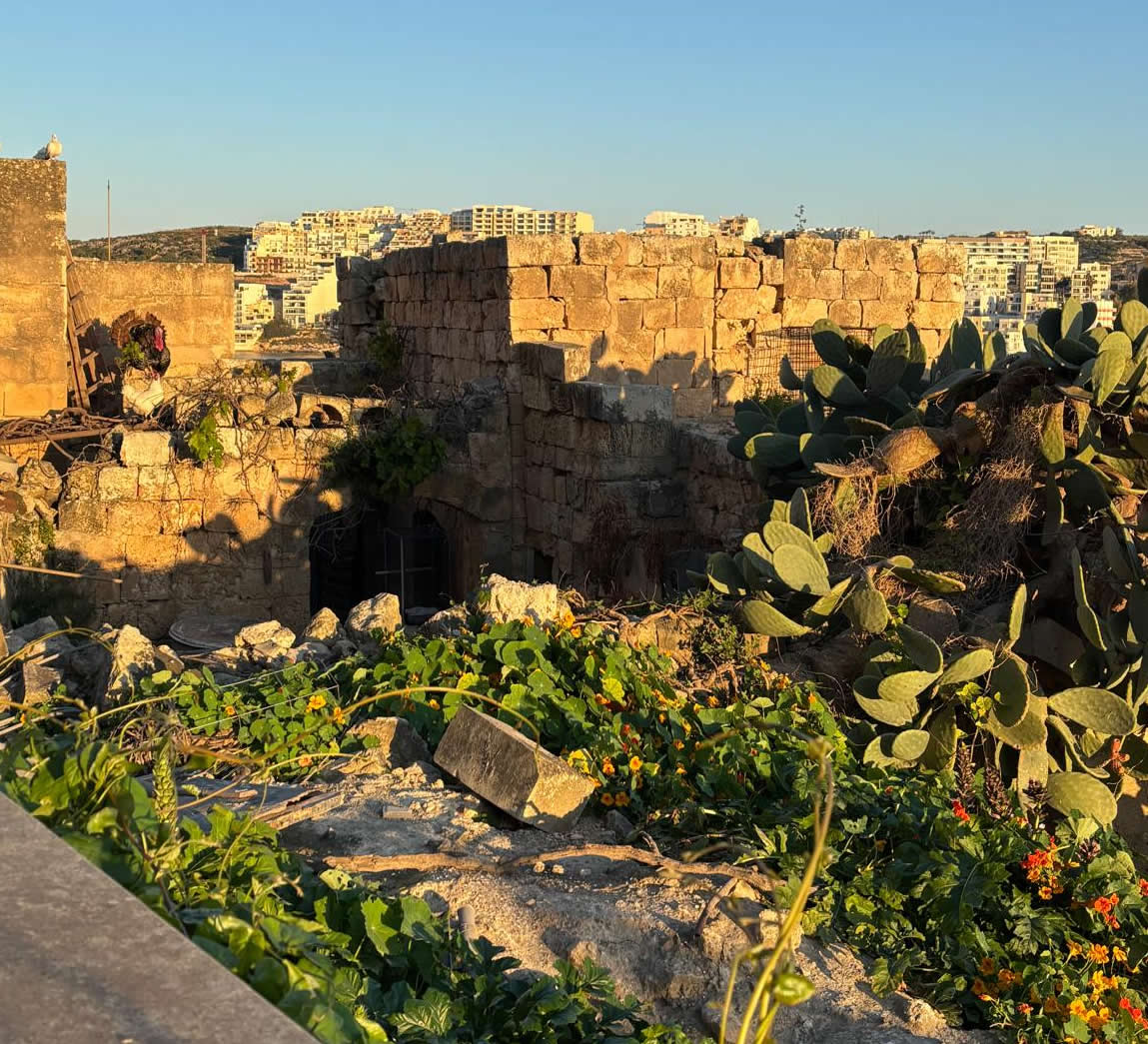
The building is constructed using local limestone, with thick load-bearing walls that provided both structural stability and protection. The simplicity of the design reflects practical needs, while certain features indicate a concern for security.
Architectural Features
Fortified Design
One of the defining characteristics of Ta’ Tabibu Farmhouse is its defensive architecture. The structure includes limited and strategically placed openings, reducing vulnerability to attack. Elevated entrances or narrow access points may have been used to control entry.
Such features were essential in a period when rural inhabitants needed to be self-reliant in protecting their homes and livelihoods.
Internal Layout
The internal layout would have been organised around functional needs, with spaces allocated for living, storage, and agricultural processing. The integration of these functions within a single structure reflects the self-sufficient nature of medieval rural life.
Materials and Techniques
The use of locally quarried limestone ensured durability and ease of construction. The masonry techniques demonstrate practical craftsmanship, prioritising strength and longevity over decorative elements.
Agricultural Function
As a working farmhouse, Ta’ Tabibu would have been central to agricultural activity in the surrounding area. Crops, livestock, and stored produce would have been managed from this location, supporting both the household and the wider local economy.
The building’s design reflects this role, with storage areas and possibly external spaces for processing agricultural products.
Defensive Role in Rural Malta
The fortified nature of Ta’ Tabibu highlights the realities of life in medieval Malta. With limited centralised protection outside Mdina, rural families relied on their own structures for security.
This contrasts with later developments under the Knights of St John, who constructed extensive coastal defences and watchtowers. Ta’ Tabibu therefore represents an earlier phase of defensive strategy, rooted in individual resilience rather than organised military systems.
Survival and Preservation
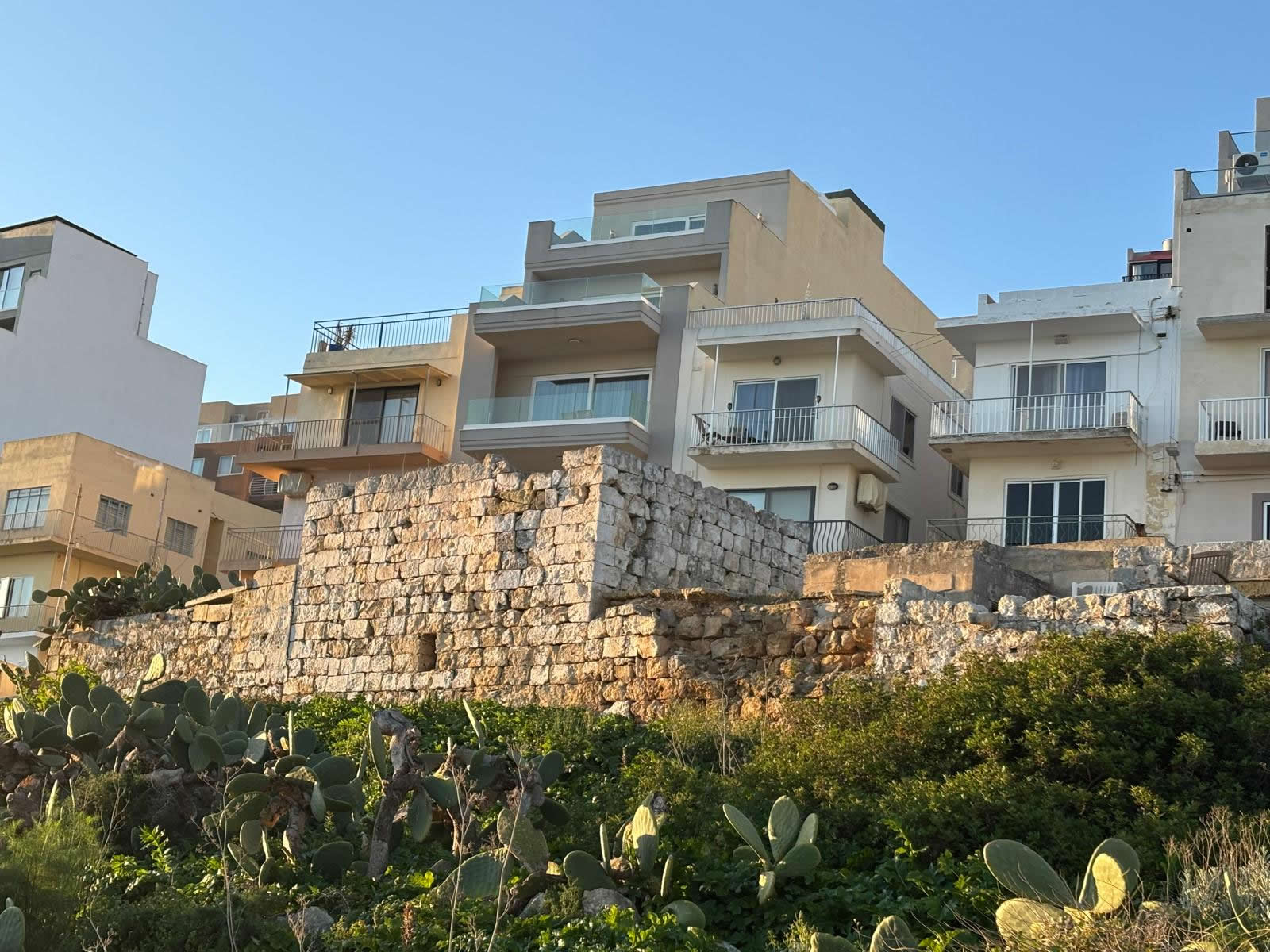
The survival of Ta’ Tabibu Farmhouse is particularly noteworthy given the vulnerability of rural buildings to change and redevelopment. Many similar structures were either expanded into modern farmhouses or replaced entirely.
Its preservation allows for the study of medieval rural architecture in Malta, providing a rare and valuable reference point for historians and conservationists.
Comparison with Other Historic Structures
While sites such as urban palaces and religious buildings dominate Malta’s historical narrative, Ta’ Tabibu offers a complementary perspective. It represents the everyday reality of rural life, which was the foundation of the island’s economy.
In contrast to defensive towers like those built in later centuries, this farmhouse integrates defence into a domestic setting, illustrating a different approach to security.
Importance in Maltese Heritage
Ta’ Tabibu Farmhouse is an essential component of Malta’s cultural heritage. It broadens the understanding of historical life beyond elite and urban contexts, highlighting the experiences of rural communities.
As one of the few surviving examples of its kind, it plays a crucial role in preserving the architectural and social history of medieval Malta.

Modern Relevance
Today, Ta’ Tabibu stands as a reminder of Malta’s agricultural past and the resilience of its rural population. It contributes to the diversity of the island’s heritage sites and offers opportunities for further research and conservation.
Its continued existence underscores the importance of protecting not only monumental structures but also the more modest buildings that shaped everyday life.
Conclusion
Ta’ Tabibu Farmhouse is a rare and invaluable survival from Malta’s medieval past. Combining agricultural function with defensive design, it provides a unique window into rural life during a period of uncertainty and change.
As one of the few remaining fortified farmhouses on the islands, it holds a distinctive place in Malta’s historical landscape and deserves recognition as a key heritage site.
Frequently Asked Questions
When was Ta’ Tabibu Farmhouse built?
It likely dates to the late medieval period, around the 14th–15th centuries.
Where is Ta’ Tabibu Farmhouse located?
It is located in the St Paul’s Bay area of Malta.
What makes it unique?
It is one of the few surviving fortified rural farmhouses in Malta.
Was it used for defence?
Yes, its design includes defensive features to protect against raids.