📍 Location
Location Map Coordinates 36.041948, 14.246984
An Architectural and Historical Monograph on the Defunct 19th-Century 'Infetti' Burial Ground and Central Ossuary
WGS84 Reference Grid: 36.041948 Latitude, 14.246984 Longitude.
1. Historical Genesis: The Mid-19th Century Cholera Crises
The city of Victoria (traditionally known as Rabat), anchoring the geographical center of the island of Gozo, contains numerous hidden chapters of historical trauma. Amidst its medieval bastions and winding lanes lie markers of public health crises that fundamentally altered the island’s burial customs. Among these, the defunct Tal-Għonq Cemetery—historically referred to by locals as Iċ-Ċimiterju tal-Infetti (The Cemetery of the Infected) or Iċ-Ċimiterju tal-Kolera—serves as a silent monument to the mid-19th century epidemics that devastated the local population. To understand how this critical site relates to other emergency quarantine grounds across the archipelago, you may access our extensive national survey on Historic Plague and Epidemic Cemeteries of Malta and Gozo.
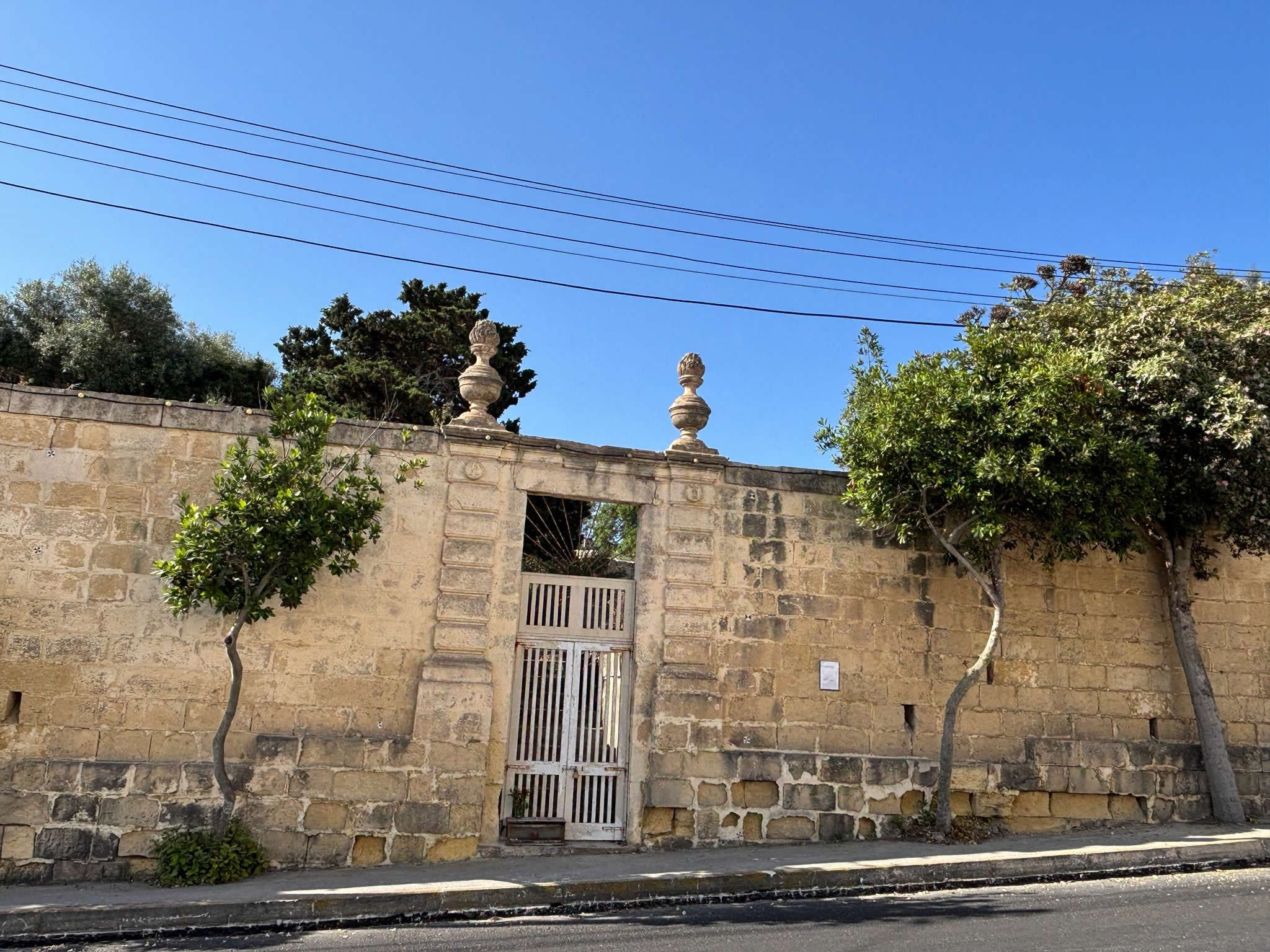
During the British colonial era, particularly the global pandemics of Asiatic cholera in the 1830s, 1850s, and 1865, Gozo faced severe contagion. Cholera, a waterborne bacterial disease causing rapid, fatal dehydration, struck fear across the islands. Because traditional religious customs involved burying the deceased beneath the stone floorboards of crowded parish churches, authorities recognized a catastrophic public health risk. Under strict quarantine mandates, the government and church collaborated to build extramural epidemic cemeteries completely outside the city walls. The parcel of land at l-Għonq (a toponym translating to "the neck," detailing the local topography) was quickly enclosed to isolate the highly contagious bodies of victims from the living population.
2. Spatial Analysis, Anonymity, and Layout
A recent physical site survey reveals the unique, stark spatial design of Tal-Għonq Cemetery compared to standard parish burial yards. The boundary is defined by tall, thick walls constructed from local globigerina limestone blocks, designed to prevent public access and enclose the contaminated earth.
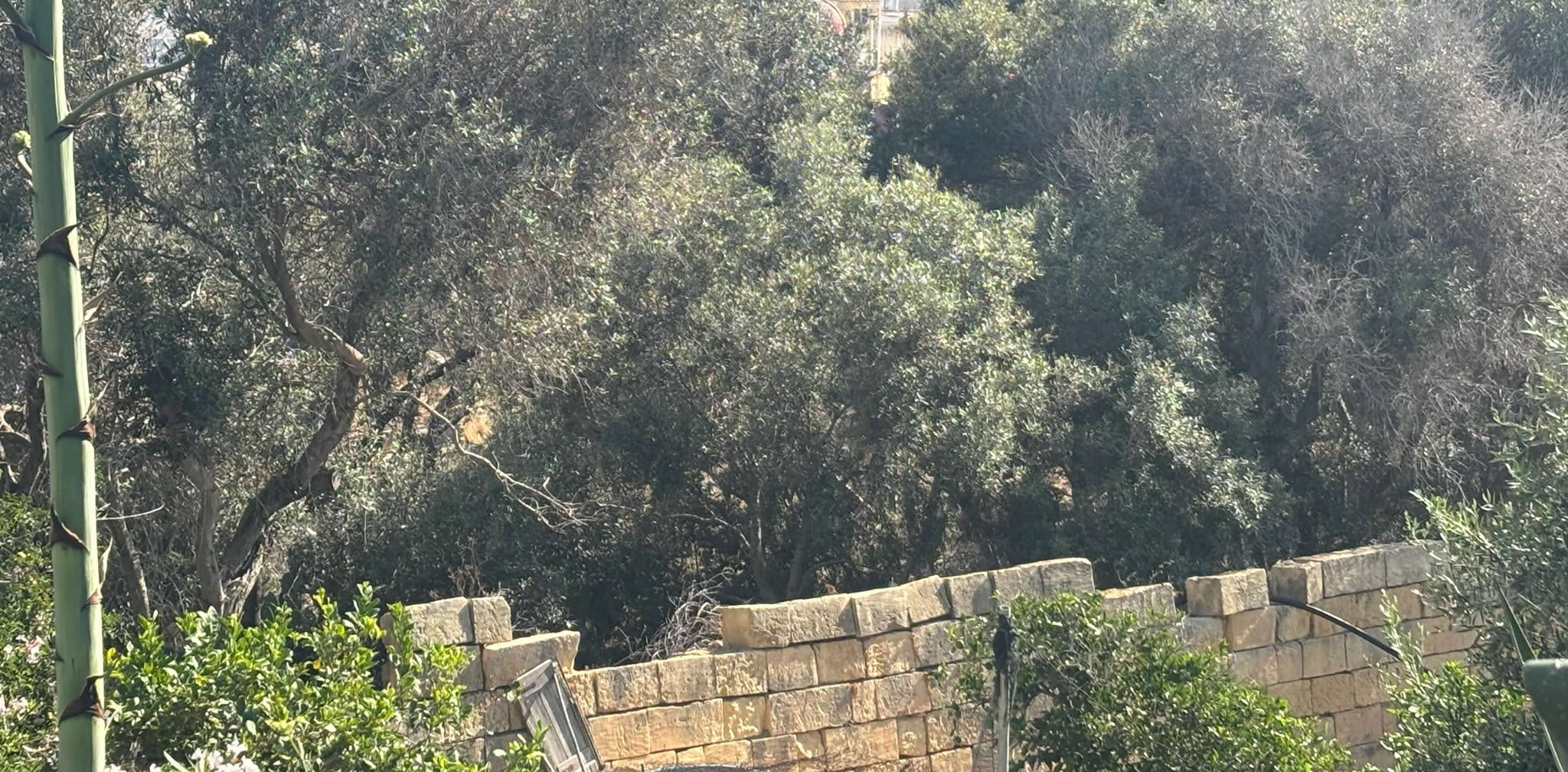
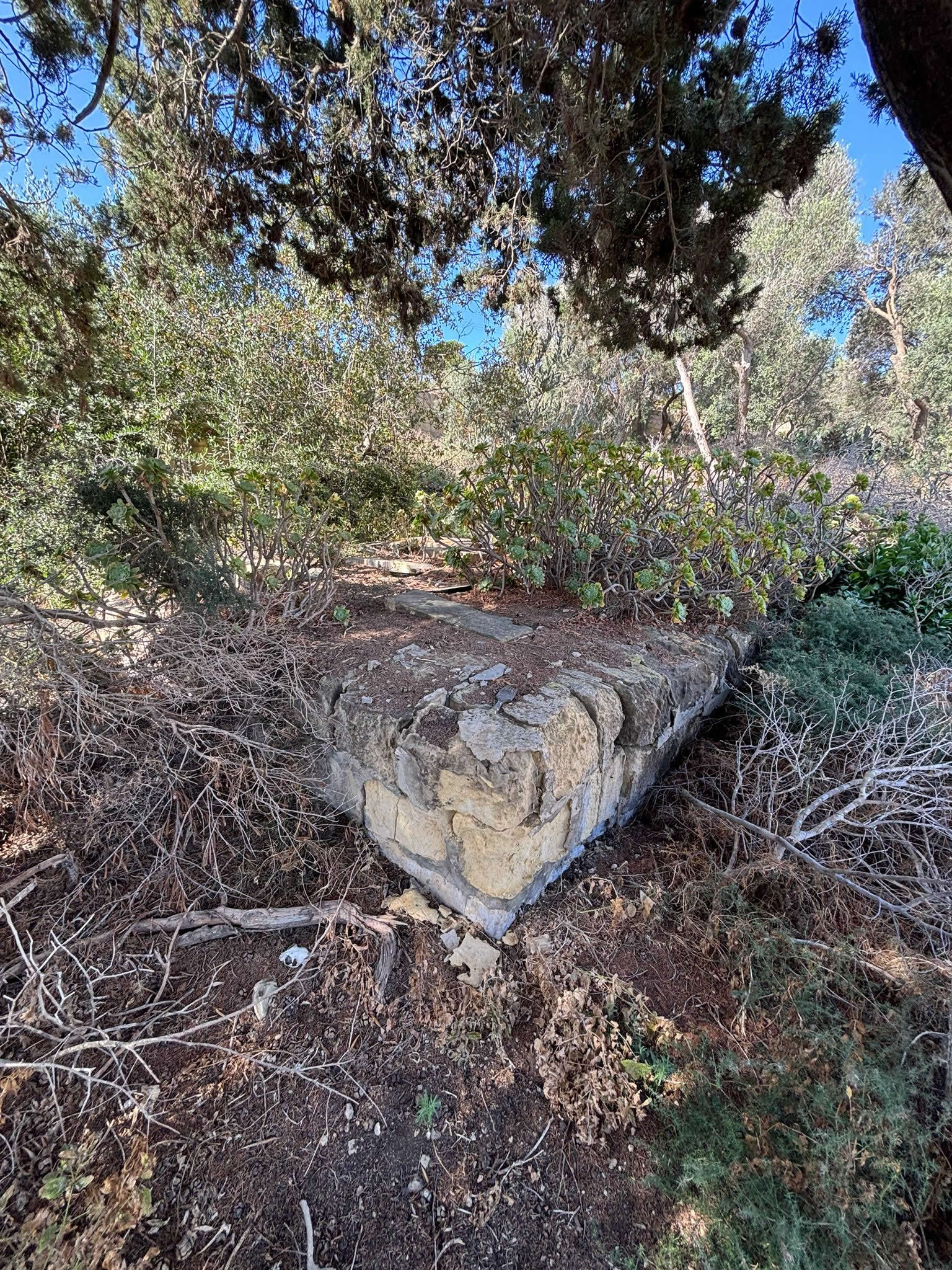
A defining characteristic of this emergency cemetery is the complete lack of individual graves, personalized headstones, or family nameplates. Because of the sheer speed of the epidemic and the terrifying nature of the disease, burials were handled with haste and anonymity. The victims were laid to rest without individual markers, covered quickly in quicklime to accelerate decomposition and prevent further spread of the contagion. This collective anonymity created a uniform, uncarved landscape within the walls, transforming the entire plot into a single, massive communal grave site.
3. The Central Ossuary and Osteological Observations
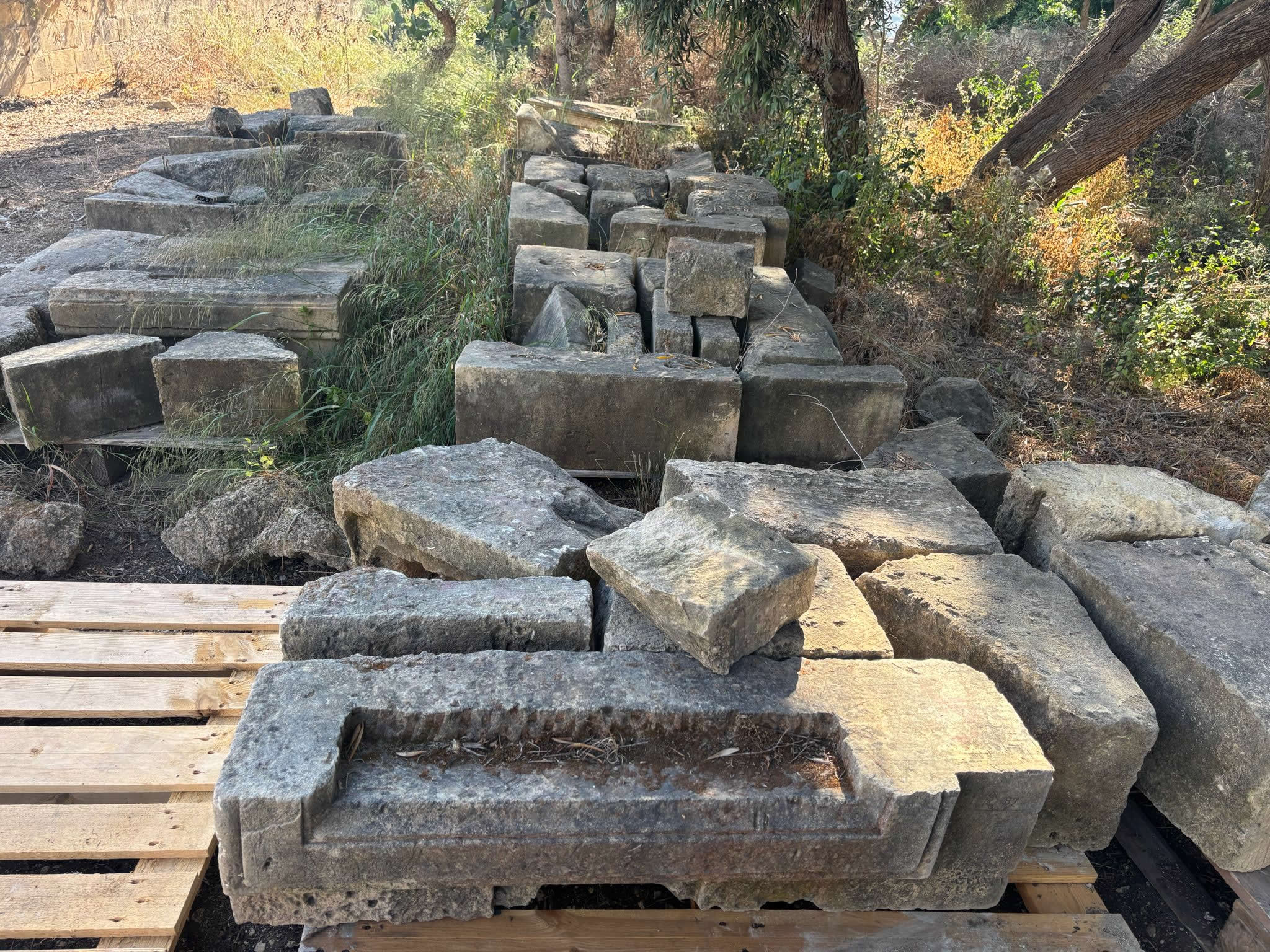
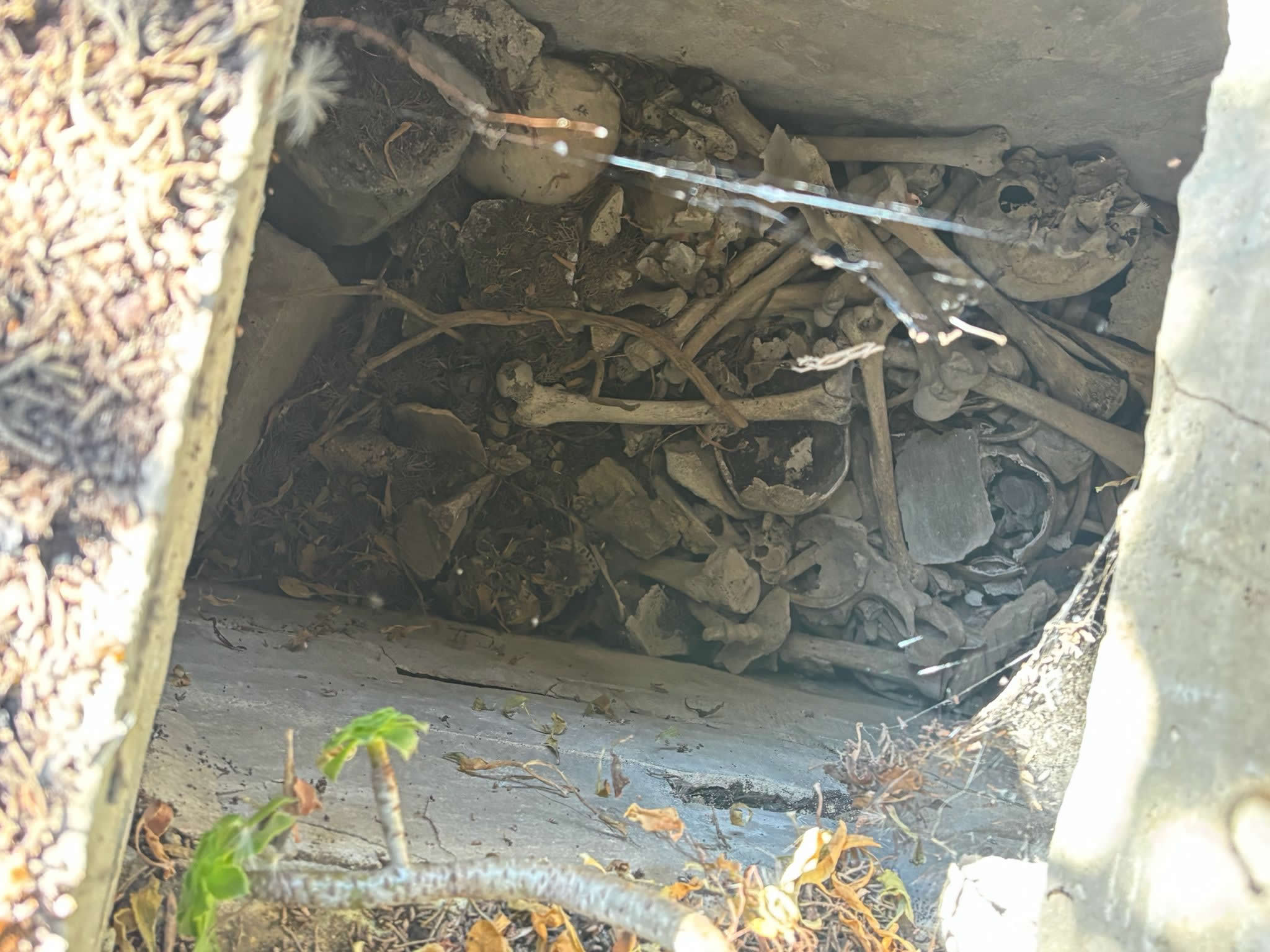
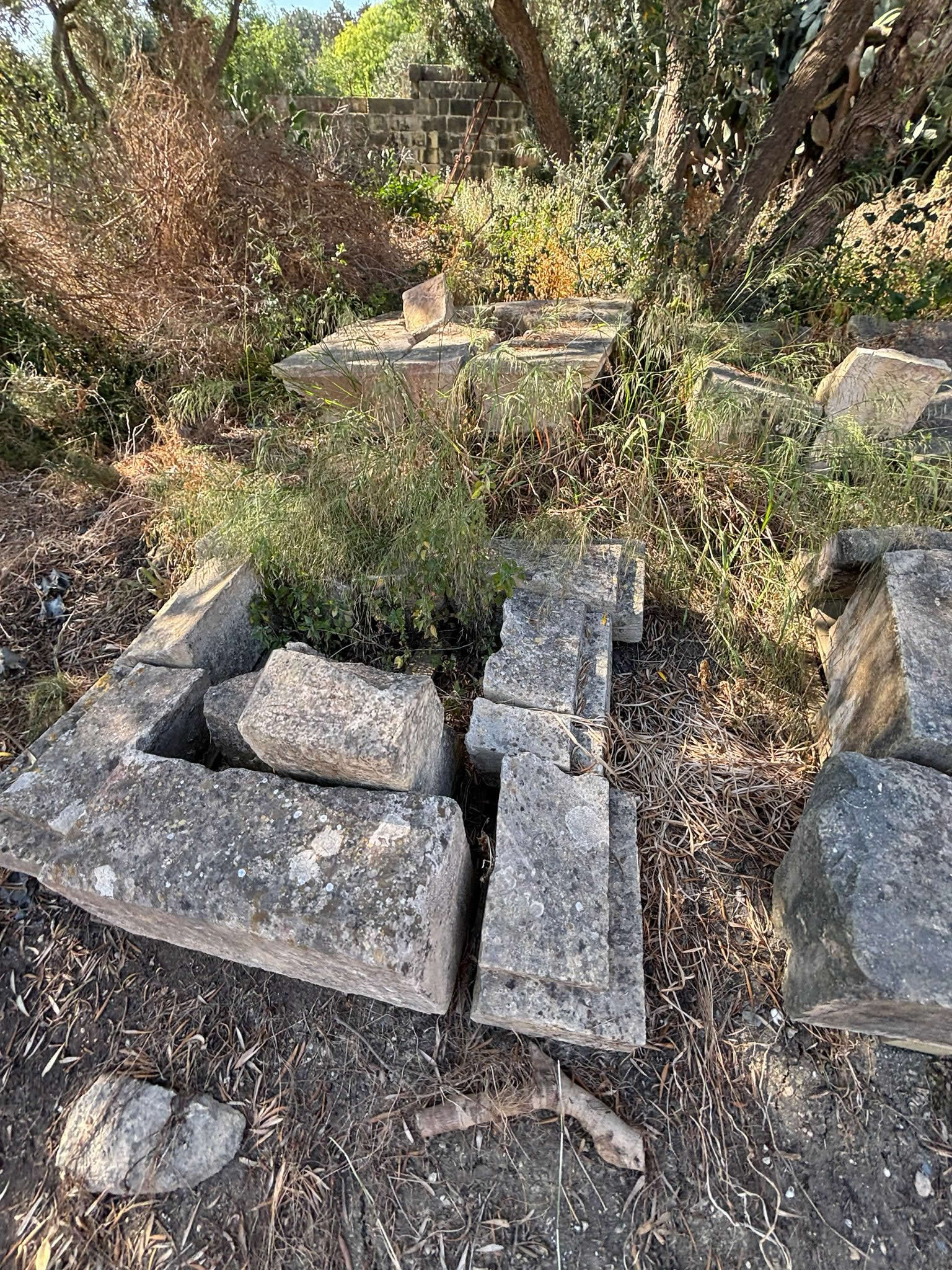
While individual graves are absent from the topography, the absolute confirmation of the site's historical purpose rests at its center. Recent on-site observations reveal a large stone ossuary built directly into the middle of the cemetery plot.
This central chamber serves as a collective reliquary. Over the decades, as the soil settled and subsequent public works occurred, human bones were gathered from the surrounding ground and placed safely within this central structure. The visible presence of these skeletal remains highlights the urgent need to protect this sacred site, ensuring it is treated as an important historical monument rather than an abandoned plot of land.
4. The Santa Marta Vow: A Dual-Sited Sanctuary
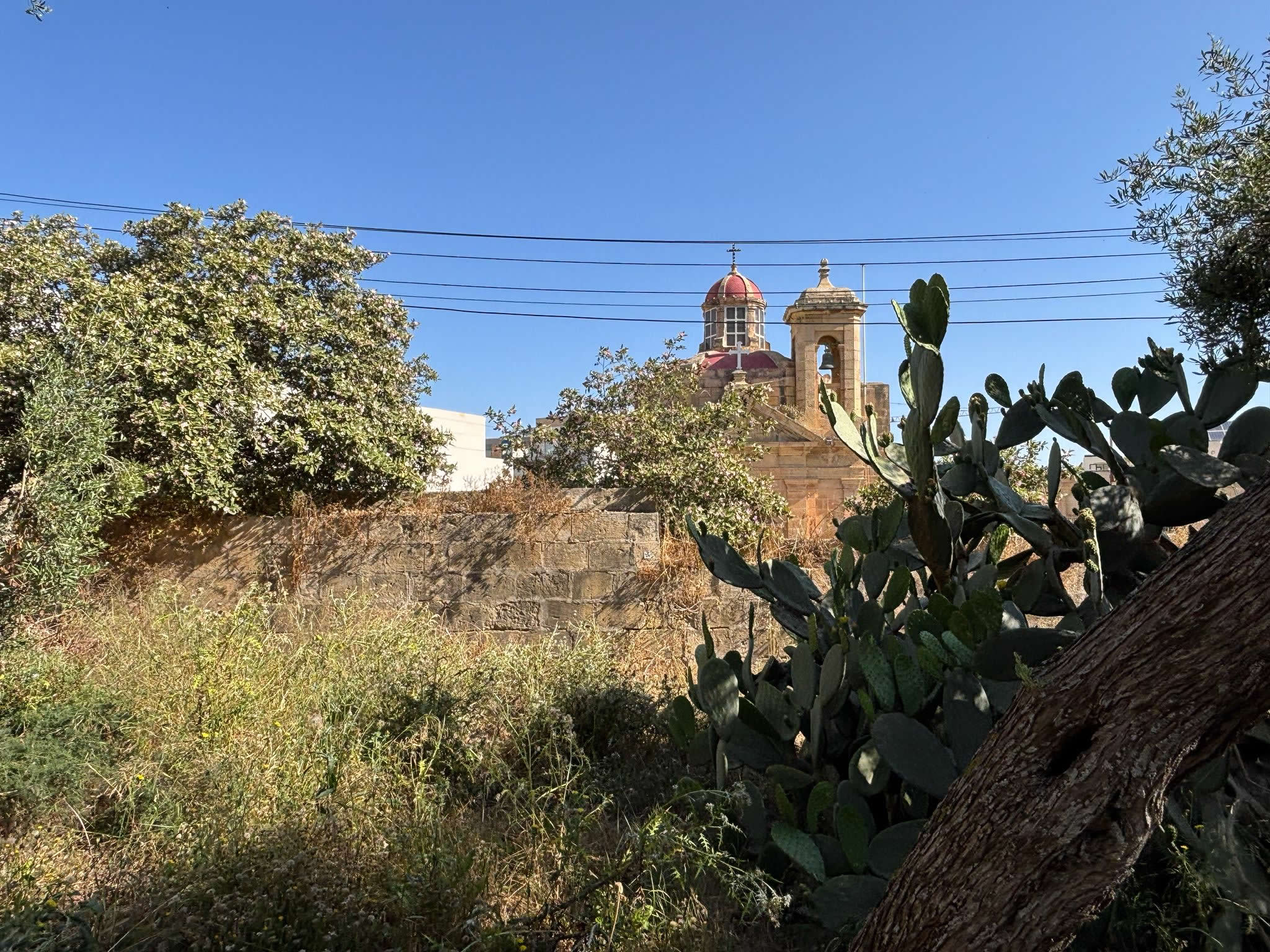
The history of Tal-Għonq Cemetery is tied directly to the prominent building standing directly across the street: the historic Chapel of Saint Martha (Santa Marta tal-Għonq). To read a full structural analysis of that building, view our standalone page for the Chapel of Santa Marta, Victoria, Gozo.
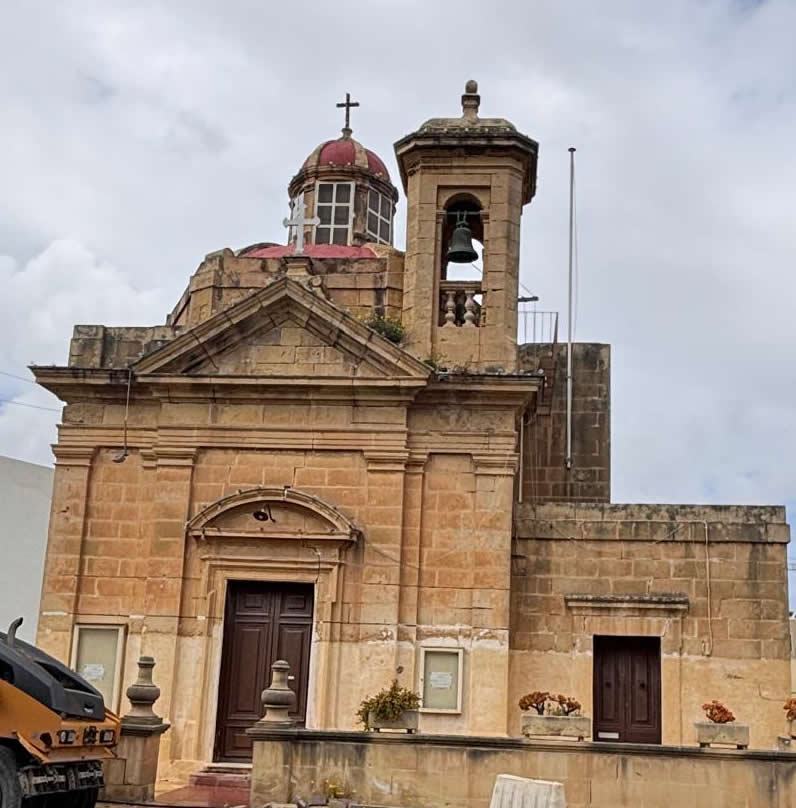
During the terrifying cholera outbreak of 1865, a wealthy Gozitan gentleman named Felice Attard and his wife, Rosina, locked themselves inside their home to escape the relentless spread of the disease. In their isolation, they made a solemn religious vow (ex-voto): if God spared their lives from the deadly disease, they would fund the construction of a new church out of gratitude. Having survived the epidemic, they fulfilled their promise in 1866. They intentionally chose a plot of land directly opposite the quarantine cemetery to build the chapel. Dedicated to Saint Martha—the patron saint of the sick and dying—the chapel was meant to stand as a permanent place of prayer and intercession for the anonymous souls resting across the road.
5. The Modern Conservation Crisis: A State of Poor Repair
Despite its profound historical and sociological value, Tal-Għonq Cemetery is currently facing a severe structural crisis. Unlike the well-maintained municipal grounds nearby, this defunct quarantine yard has suffered from decades of neglect, weather damage, and lack of funding.
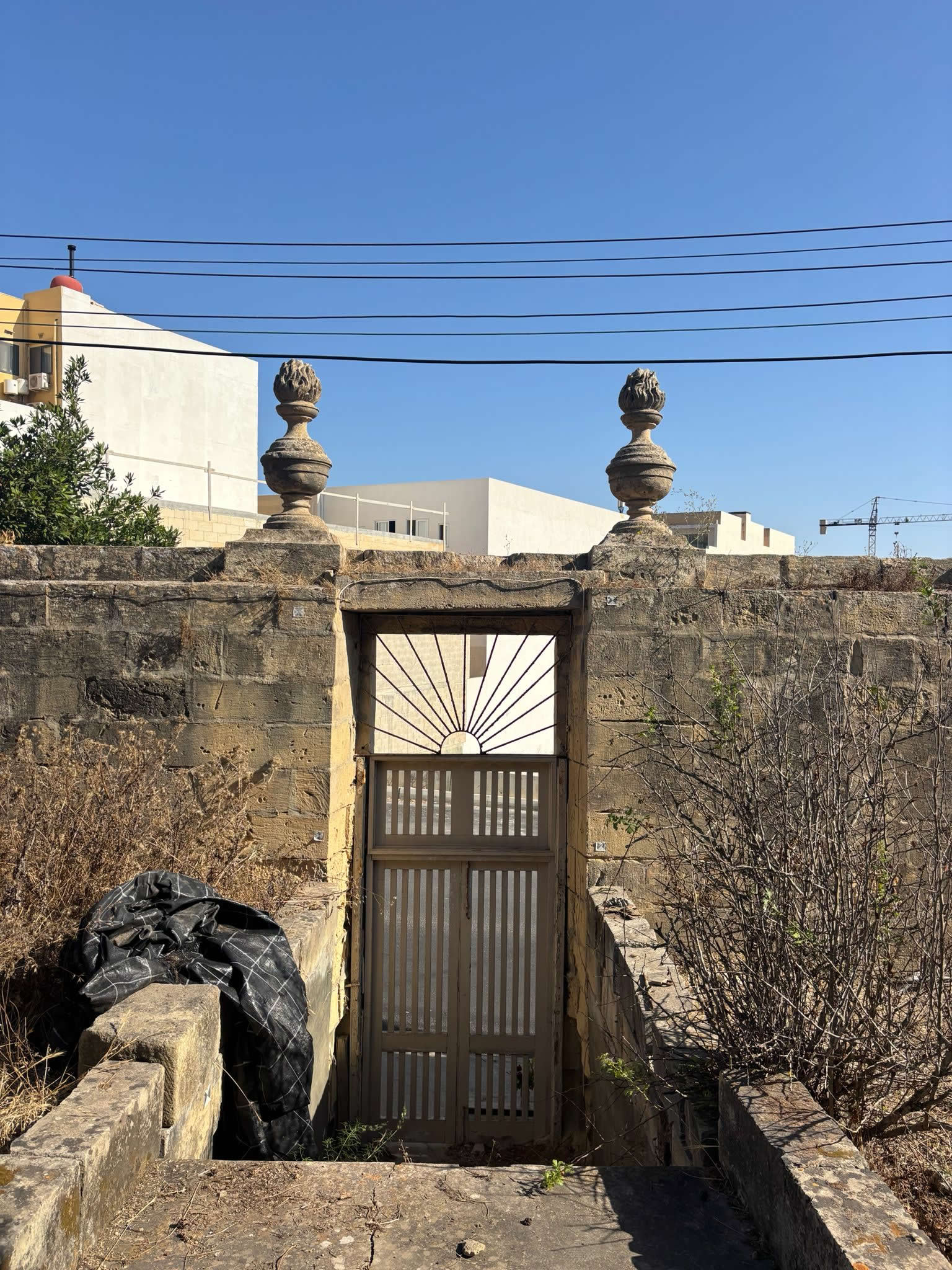
The site's vulnerability is heightened by modern commercial development expanding around this part of Victoria. With showrooms, industrial warehouses, and traffic routes heading toward the Gozo General Hospital wrapping closely around its boundaries, the cemetery is isolated from the main tourist paths. Local heritage advocates continue to call for a comprehensive restoration project to repair the historic walls, clean the central ossuary, and clear the overgrowth, ensuring this important piece of Gozo's history is preserved for the future.
6. Technical and Administrative Dataset Profile
The reference chart below tracks the verified administrative, geographical, and operational parameters of the Tal-Għonq facility:
| Administrative Survey Parameter | Field Inventory Reference Data |
|---|---|
| Official Nomenclature | Tal-Għonq Cemetery / Iċ-Ċimiterju tal-Infetti |
| Primary Disease Association | Asiatic Cholera & High-Contagion Quarantined Epidemics |
| WGS84 Reference Grid | 36.041948 Latitude, 14.246984 Longitude |
| Internal Grave Evidence | None; Individual plots are completely absent |
| Central Feature | Stone Ossuary containing exposed human skeletal bones |
| Current Structural State | Poor State of Repair / Requiring Urgent Masonry Conservation |
| Direct Architectural Opposite | Chapel of Saint Martha (Built 1866 as an Ex-Voto Vow) |
| Liturgical / Memorial Custom | All Souls' Day Processions and Grave Blessings in November |
7. Frequently Asked Questions (FAQ)
❓ Can the public freely enter the interior of the Tal-Għonq Cemetery?
No, the interior of the defunct cemetery is closed to the general public due to its delicate, dilapidated condition. However, the external walls and its layout can be easily viewed from the public road directly outside.
❓ Who is responsible for the upkeep of this abandoned burial ground?
The site falls under joint ecclesiastical and regional heritage responsibilities. Because it is an ancient, defunct church burial yard, local heritage organizations and Gozo ministry offices are being urged to coordinate a formal preservation plan.
❓ Are the bones inside the central ossuary authentic historical remains?
Yes, on-site physical evidence confirms that the central stone structure holds genuine human skeletal remains, belonging to the local victims of the 19th-century cholera outbreaks.
❓ What does the name 'Cimiterju tal-Infetti' mean?
It translates directly to 'Cemetery of the Infected.' This name was used by generations of Gozitans because the site was built specifically to handle victims of highly contagious, dangerous diseases.