📍 Location
Location Map Coordinates 36.008376, 14.330750
Historic Quarantine & Isolation Medical Facility in the Maltese Islands
Introduction
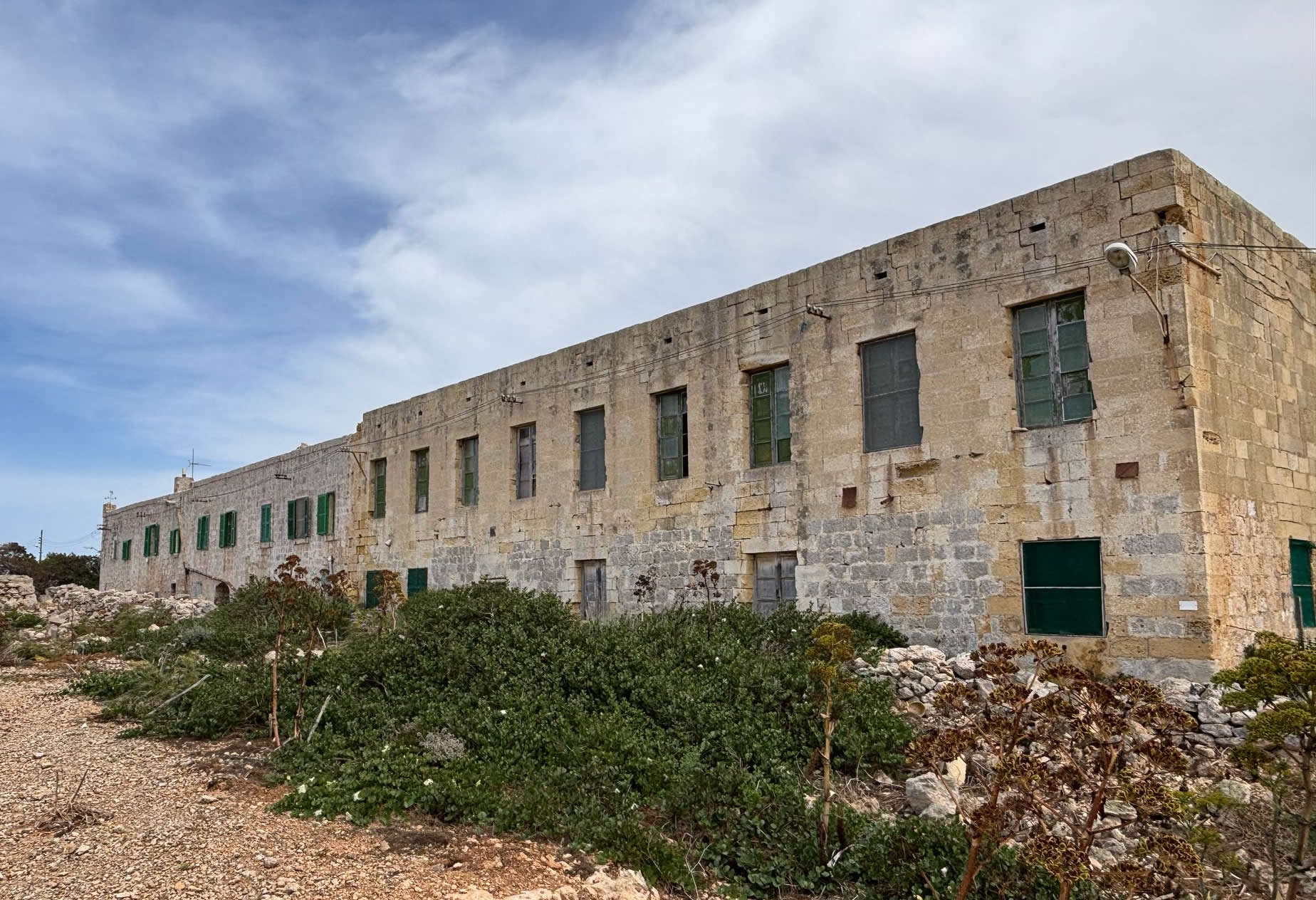
The Comino Isolation Hospital is one of the lesser-known but historically significant medical sites in the Maltese Islands. Located on the small island of Comino between Malta and Gozo, the hospital formed part of Malta’s wider quarantine and infectious disease control system during the nineteenth and early twentieth centuries. Its isolated location made it particularly suitable for the treatment and containment of contagious illnesses at a time when epidemics and maritime disease transmission represented a constant threat to Mediterranean ports.
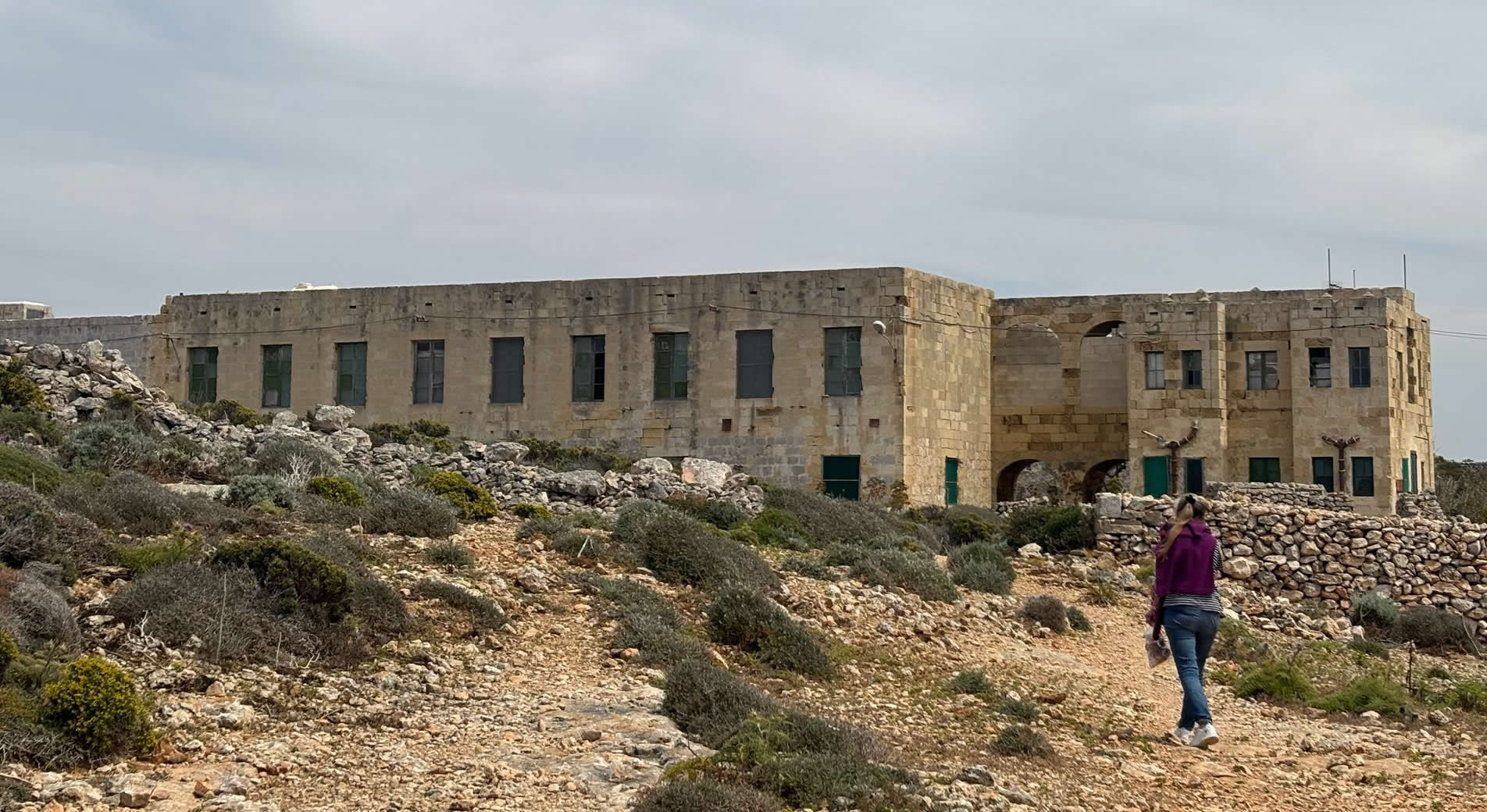
Today the remains of the hospital stand as an important reminder of Malta’s long medical and maritime history. Although abandoned and largely inaccessible, the site remains historically valuable due to its role within the British colonial medical infrastructure and the wider system of Mediterranean quarantine control.
Location and Strategic Importance
The Comino Isolation Hospital is located at coordinates 36.008376, 14.330750 on the island of Comino. The island’s small population, geographical separation and relative remoteness made it an ideal location for quarantine facilities and medical isolation. Throughout history, islands were frequently selected for such institutions because they naturally reduced the risk of disease transmission to larger populated areas.
Comino occupies a strategic position within the Comino Channel separating Malta from Gozo. Historically, the island already contained military and quarantine-related structures including St Mary’s Tower and quarantine observation facilities. The establishment of an isolation hospital therefore continued Comino’s longstanding role as a place associated with defence, surveillance and controlled isolation.
Historical Background
Malta’s position at the centre of Mediterranean maritime routes exposed the islands to repeated outbreaks of plague, cholera, typhus, smallpox and other infectious diseases. Ships arriving from foreign ports were carefully monitored, and quarantine systems became essential to protecting both the civilian population and military installations.
During British rule, Malta developed an extensive medical and quarantine infrastructure. Existing lazarettos and quarantine stations were supplemented by more specialised isolation facilities designed specifically for infectious diseases. The Comino Isolation Hospital formed part of this broader network and was intended to accommodate patients who required strict separation from the main population centres.
The hospital appears to have been particularly associated with infectious disease isolation and maritime health precautions. Patients suffering from potentially dangerous illnesses could be transferred to Comino where they could be treated while minimising the risk of epidemic spread across Malta and Gozo.
Construction and Design
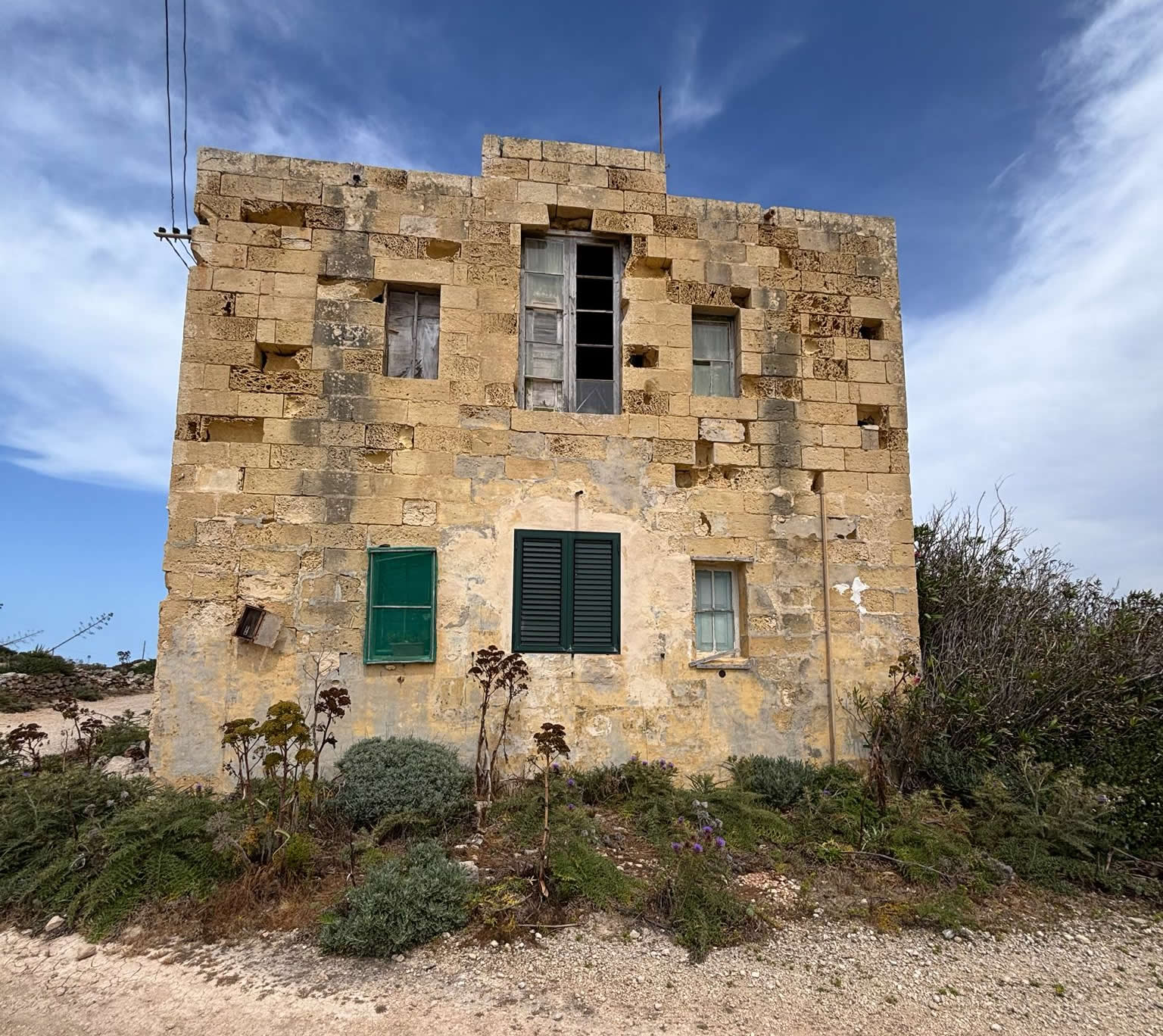
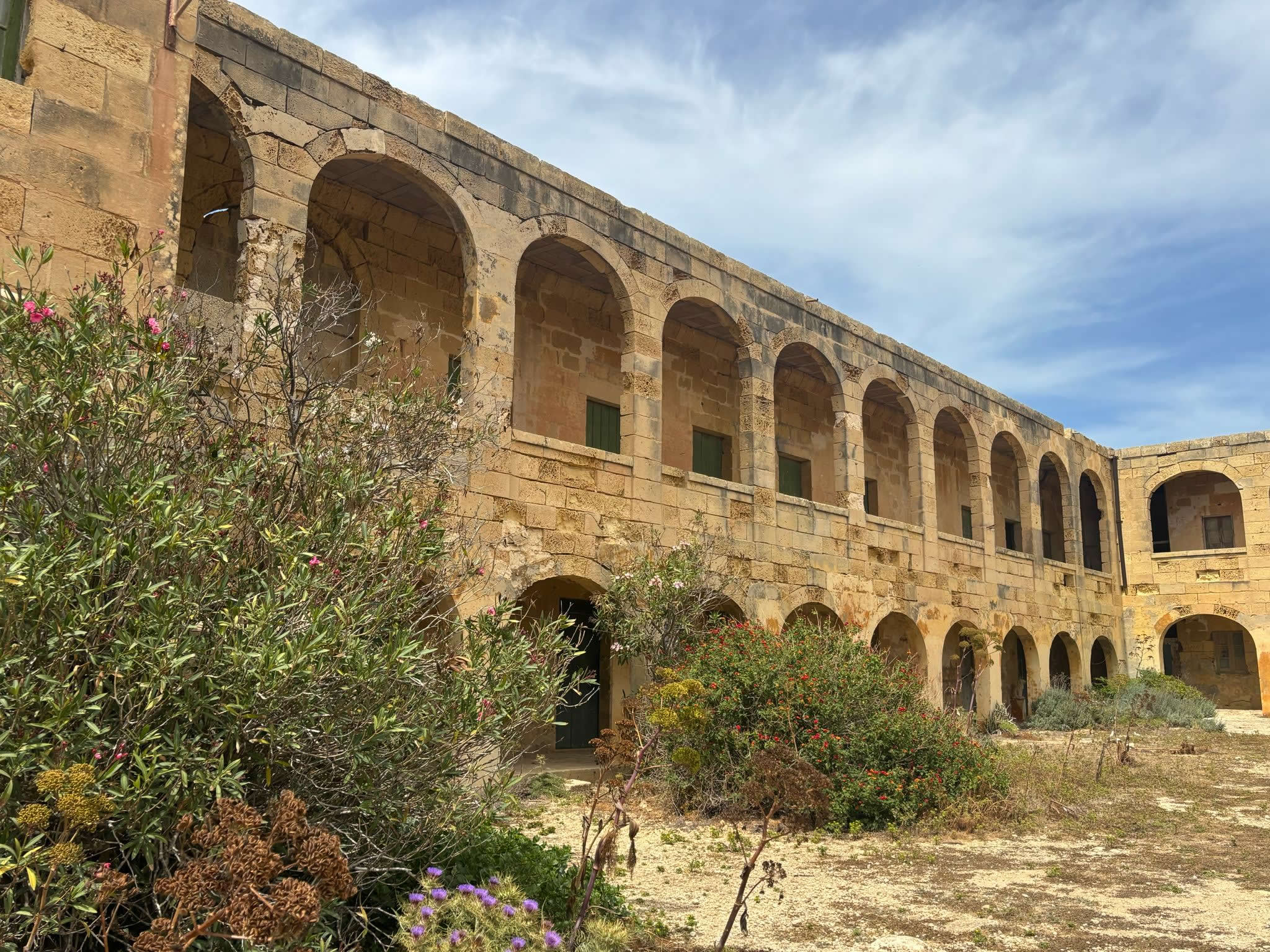
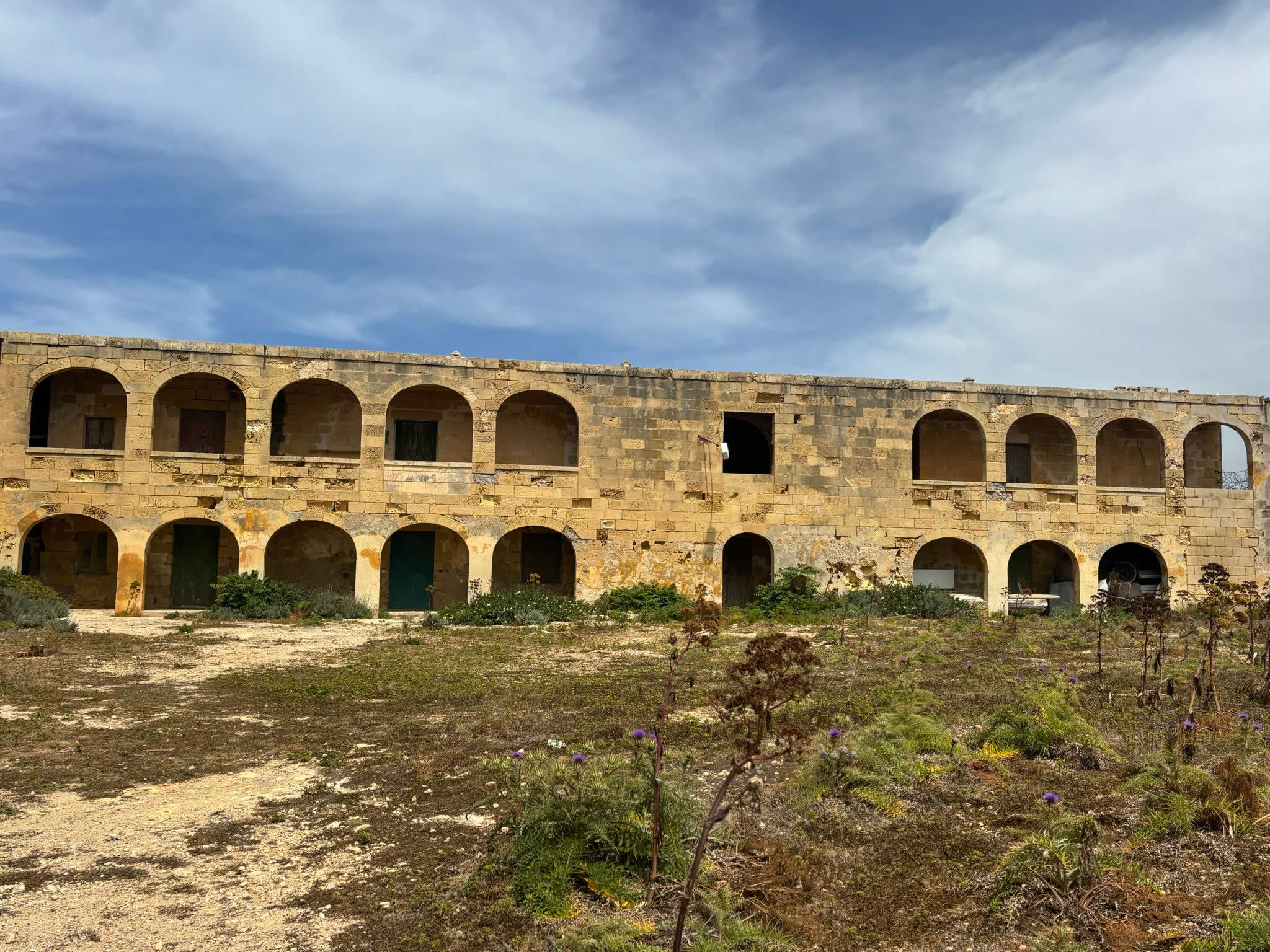
The architecture of the Comino Isolation Hospital reflected its practical medical purpose rather than decorative design. Like many colonial-era medical structures, the building prioritised ventilation, separation and sanitation. Fresh sea air and isolation from urban environments were considered medically beneficial during the nineteenth century and strongly influenced hospital planning.
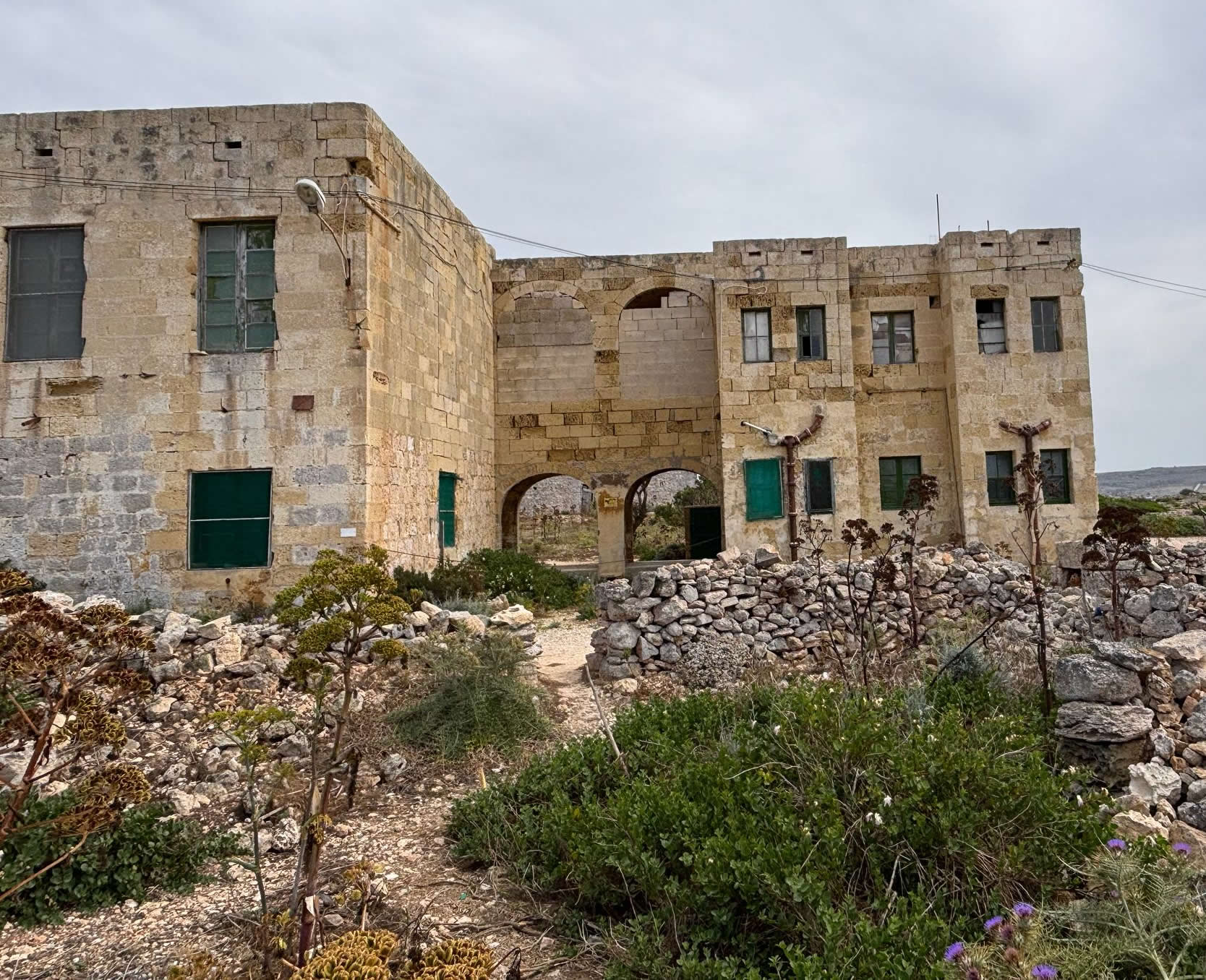
The structure was built using traditional Maltese limestone and designed to withstand the exposed marine environment of Comino. The hospital likely included separate wards, sanitary facilities, accommodation for staff and storage areas for medical supplies. Its isolated setting also required self-sufficiency, particularly during periods of quarantine enforcement.
Unlike the larger hospitals in Valletta or Cottonera, the Comino Isolation Hospital was intended for specialised containment rather than large-scale medical treatment. Its importance therefore lay more in disease prevention and quarantine management than in conventional healthcare delivery.
Role in Malta’s Quarantine System
Quarantine was one of the most important aspects of public health administration in historic Malta. The islands relied heavily on maritime trade, naval operations and passenger shipping, all of which increased the risk of imported disease outbreaks.
The Comino Isolation Hospital functioned as an extension of Malta’s broader quarantine network which included the famous Lazaretto on Manoel Island. While the Lazaretto primarily handled maritime quarantine and observation, Comino provided a more remote and isolated environment for cases requiring stricter containment.
This system was particularly important during periods of epidemic disease in Europe, North Africa and the eastern Mediterranean. Medical authorities sought to prevent outbreaks from spreading into Malta’s densely populated harbour cities where disease could spread rapidly among both civilians and military personnel.
You can also explore Malta’s wider history of epidemic burial grounds and disease control on the related page: Plague Cemeteries in Malta and Gozo.
British Military and Colonial Medical Use
Under British administration Malta became one of the Mediterranean’s principal naval bases. Large numbers of troops, sailors and dockyard workers passed through the islands, increasing the need for organised medical infrastructure and disease prevention systems.
The Comino Isolation Hospital likely treated both civilians and military-related cases, especially during periods of heightened epidemic concern. British authorities regarded quarantine and sanitation as essential to maintaining Malta’s operational effectiveness as a naval and military station.
During the late nineteenth and early twentieth centuries, advances in bacteriology and infectious disease research improved understanding of epidemic control. Nevertheless, isolation remained one of the most effective available methods for preventing widespread contagion.
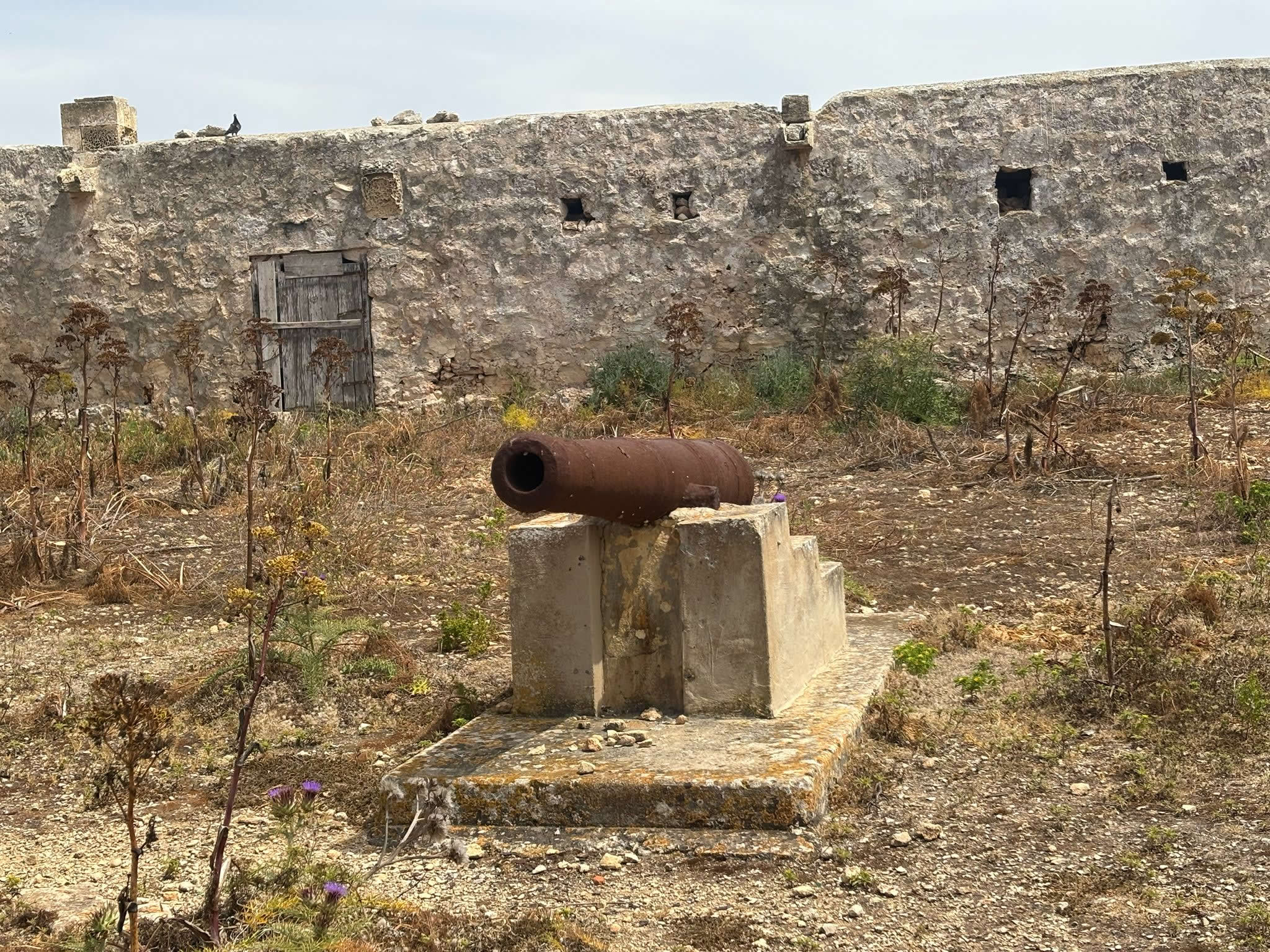
Connection with Comino’s Isolation History
Comino has long been associated with isolation and restricted habitation. The island’s sparse population and difficult access historically made it suitable for functions considered undesirable or dangerous elsewhere.
Over the centuries Comino served as:
- A defensive military outpost.
- A watch and signalling station.
- A quarantine and isolation zone.
- A refuge during epidemics.
- A controlled maritime observation point.
The isolation hospital therefore formed part of a much longer historical pattern linking Comino with quarantine and controlled confinement.
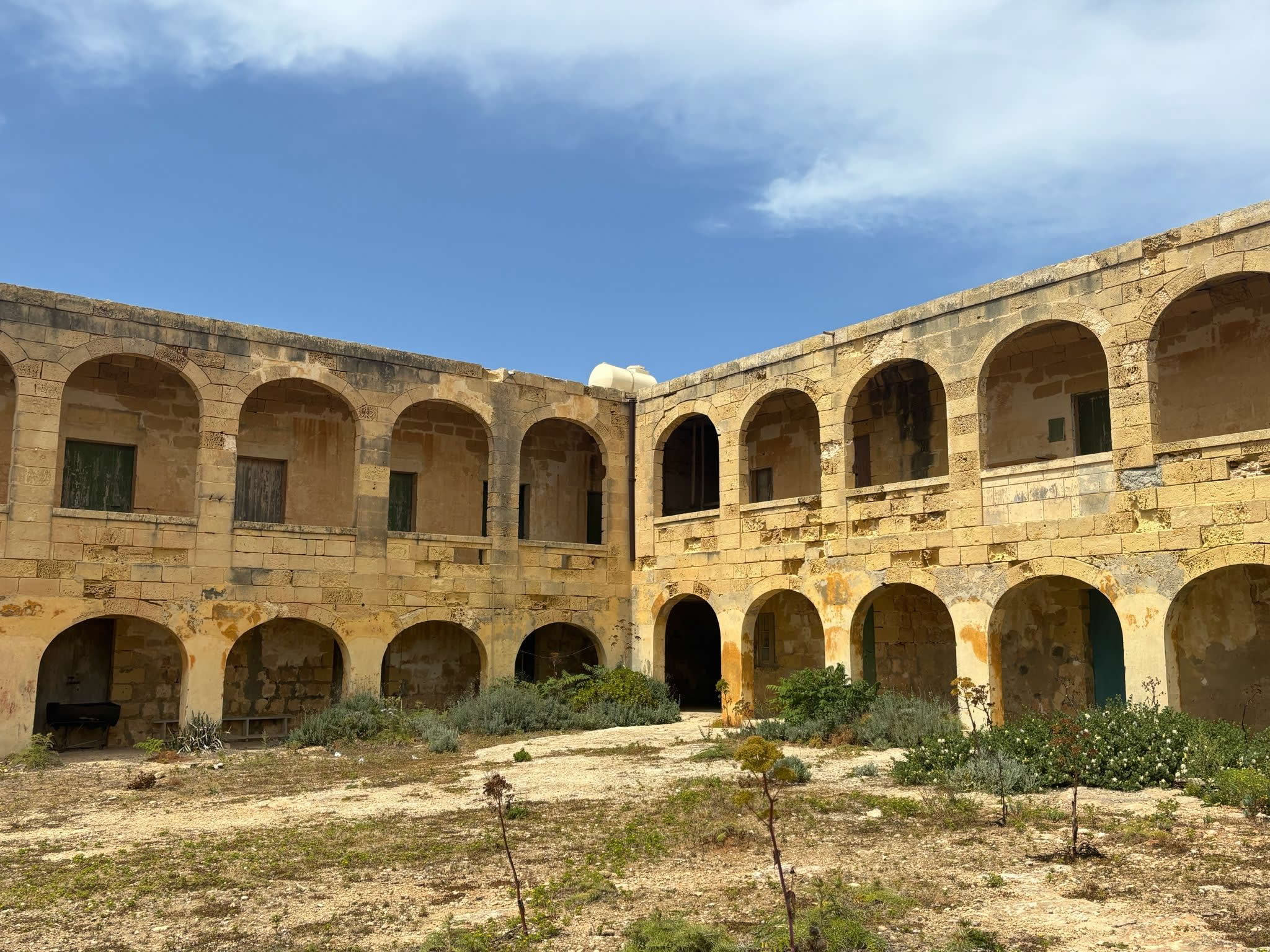
Medical Conditions and Treatments
Although surviving records relating specifically to the Comino Isolation Hospital remain limited, facilities of this type generally handled infectious diseases such as cholera, typhus, plague-related scares, tuberculosis and other communicable illnesses.
Treatment methods during the nineteenth century were often limited by contemporary medical knowledge. Isolation, ventilation, hygiene and supportive care represented the primary forms of treatment before the development of antibiotics and modern vaccines.
Medical staff working in such isolated environments faced difficult conditions, particularly during periods of epidemic emergency. Supplies, personnel and communication with Malta could be affected by weather and transport limitations.
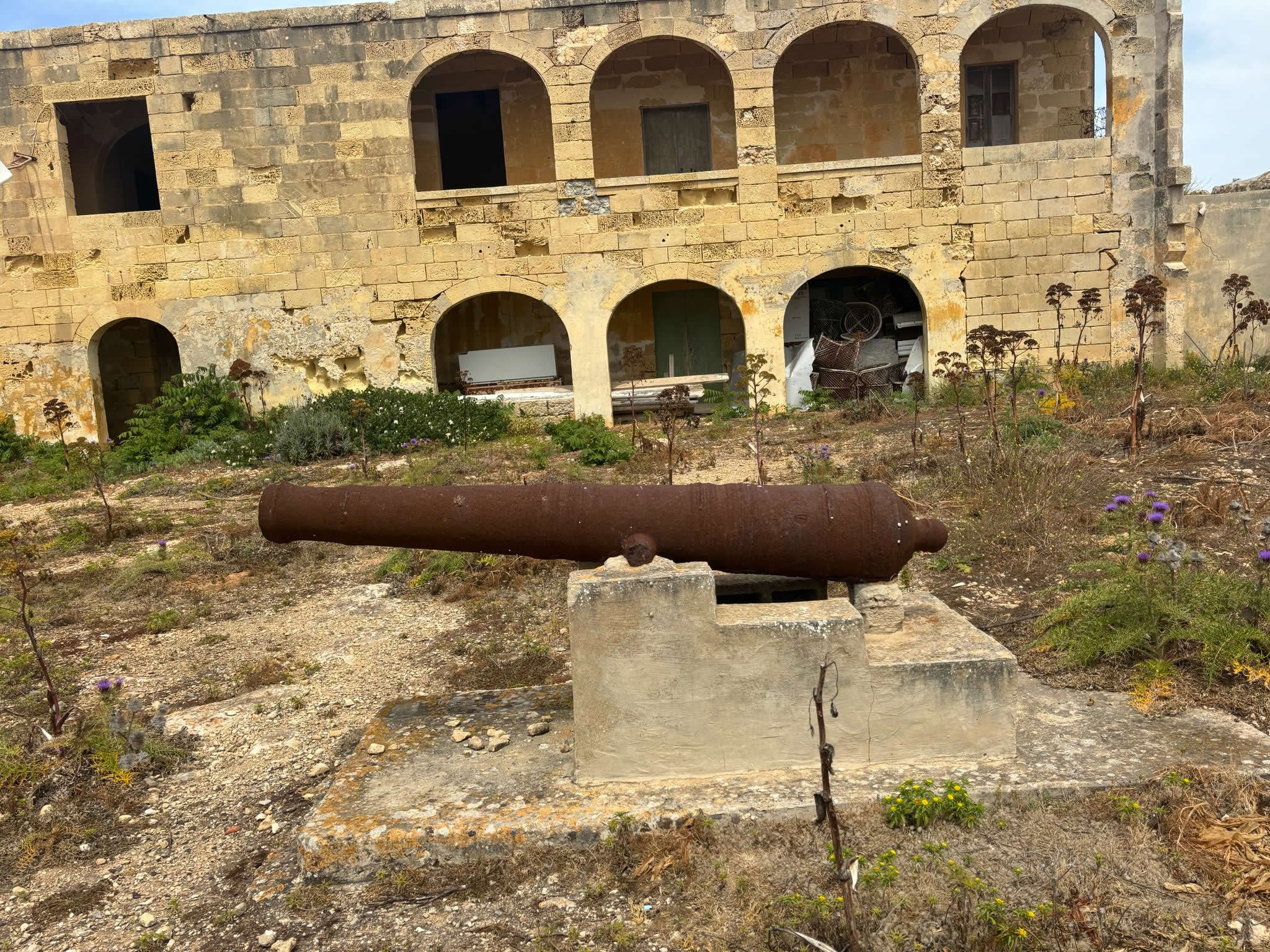
Decline and Abandonment
As medical science advanced during the twentieth century and quarantine practices evolved, isolated hospital facilities such as the Comino Isolation Hospital gradually lost their original purpose. Improvements in vaccination, sanitation, antibiotics and public health infrastructure reduced reliance on remote quarantine hospitals.
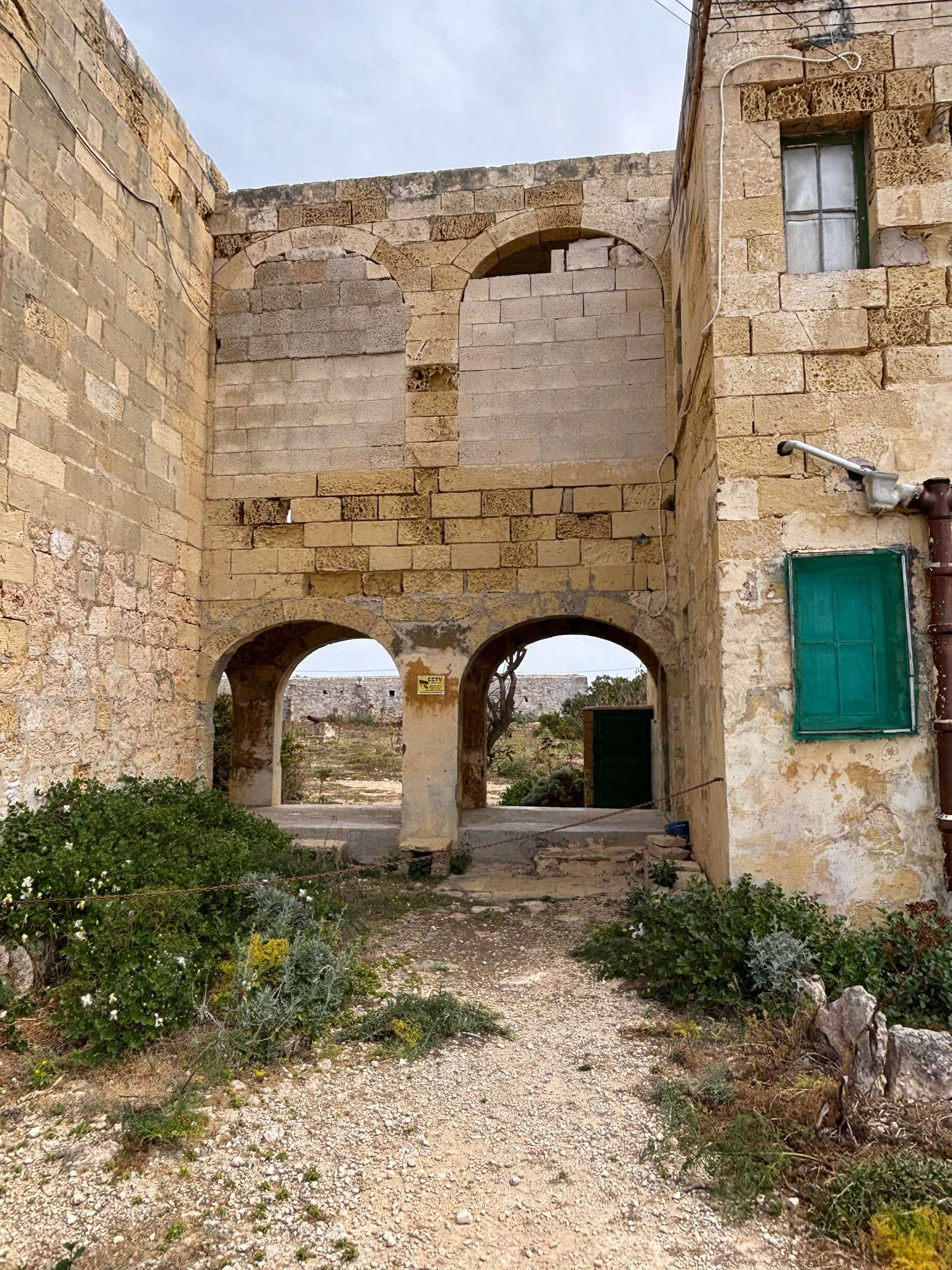
Eventually the hospital ceased operating and the building fell into abandonment. Exposure to harsh coastal weather, lack of maintenance and natural deterioration affected the structure over time. Today the remains survive as an abandoned historic site with considerable heritage significance.
Although no longer functioning, the hospital continues to represent an important chapter in Malta’s medical and public health history.
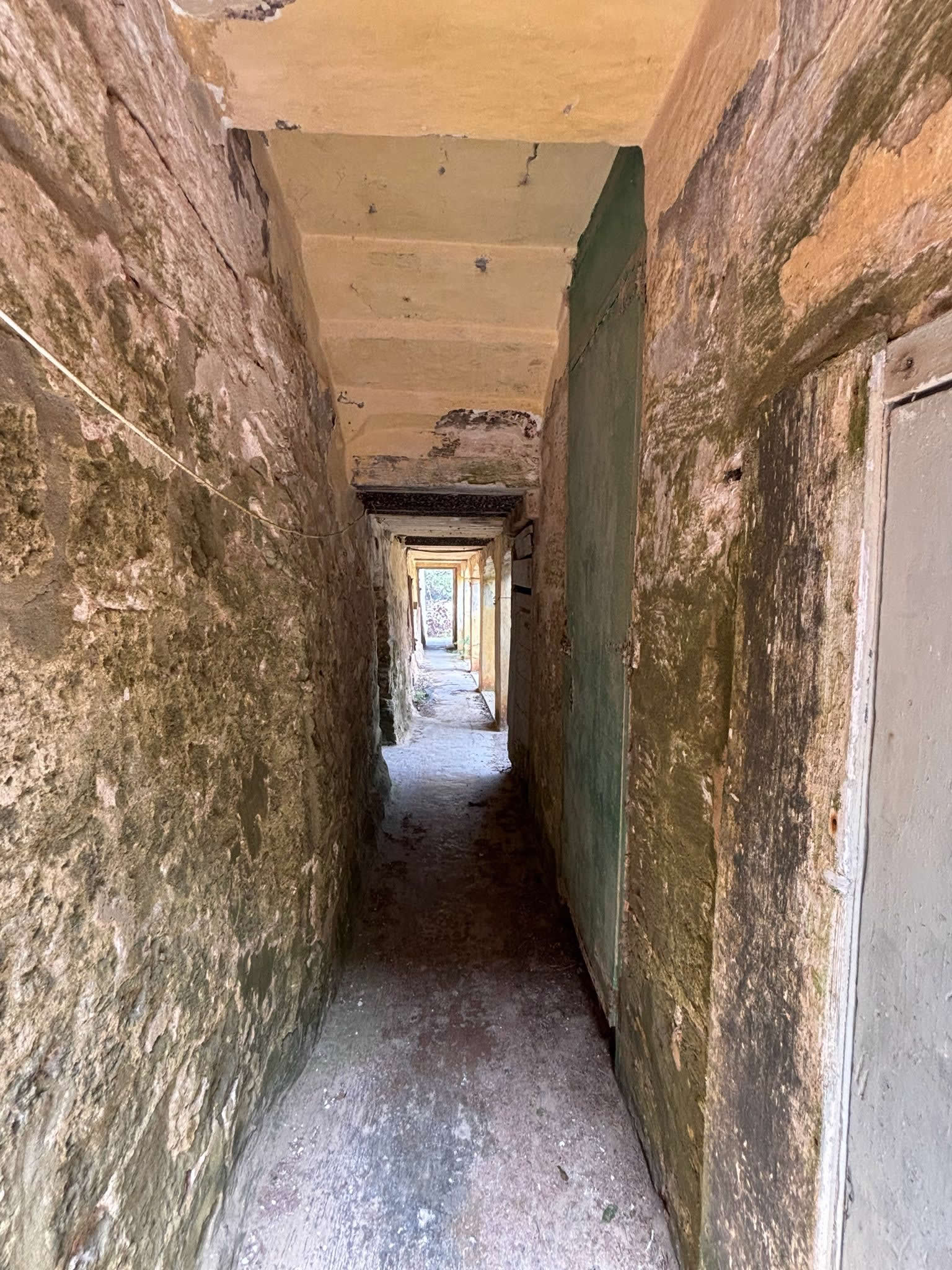
Architectural and Heritage Importance
The Comino Isolation Hospital remains significant for several reasons:
- Its role within Malta’s quarantine and epidemic control system.
- Its association with British colonial medical administration.
- Its contribution to the medical history of the Maltese Islands.
- Its unique isolated island setting.
- Its connection to wider Mediterranean maritime health networks.
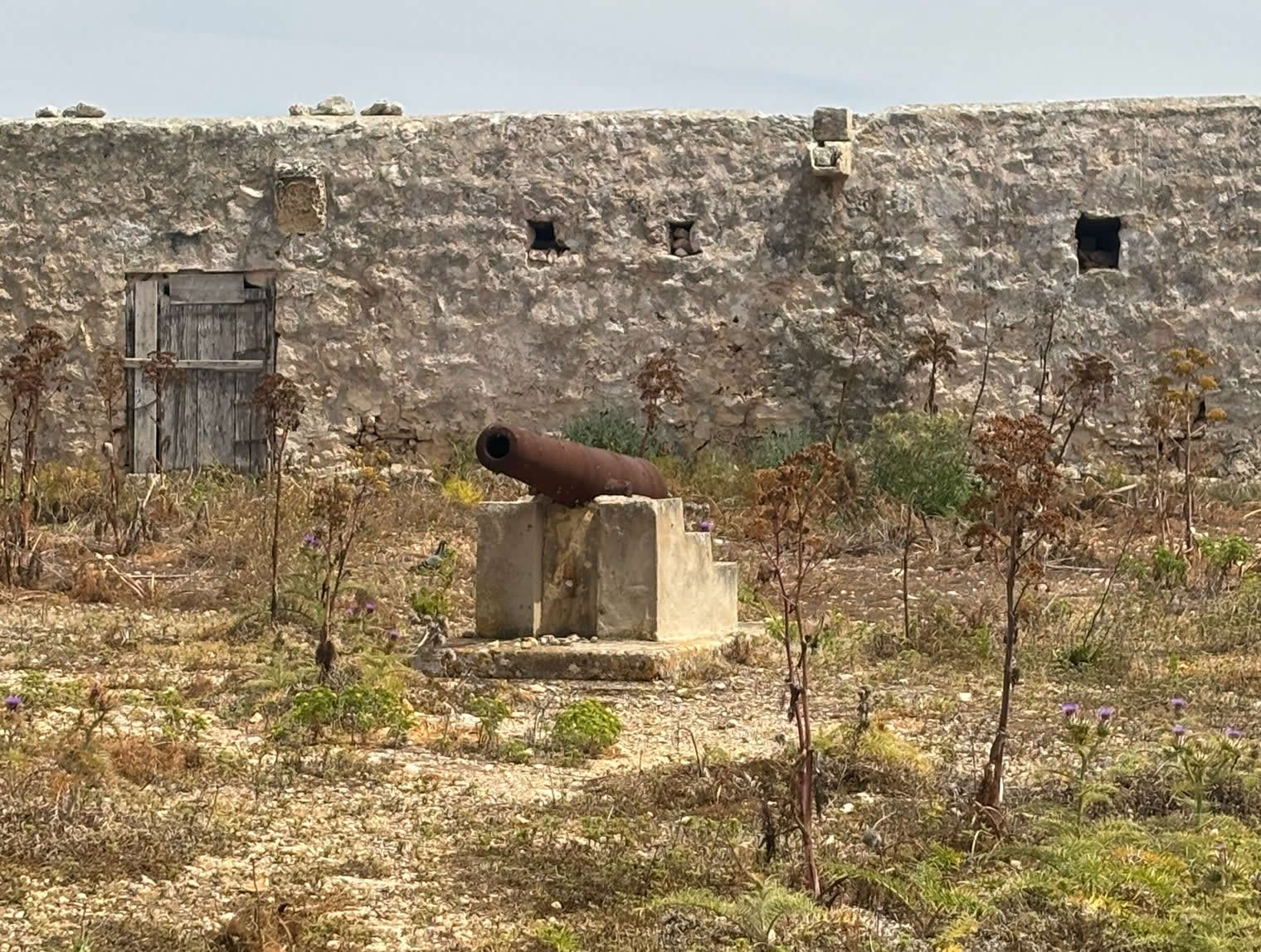
The building also contributes to the historic landscape of Comino which includes military towers, defensive batteries and other heritage structures linked to the island’s strategic importance.
Present Condition
Today the Comino Isolation Hospital is abandoned and not generally open to the public. The structure has experienced deterioration due to exposure, neglect and environmental conditions. Parts of the building may be unstable and caution should be exercised by anyone approaching the area.
Despite its condition, the hospital remains historically important and deserves greater recognition as part of Malta’s medical heritage. Preservation and documentation efforts may help ensure that the site’s history is not forgotten.
Visiting the Area
Comino is accessible by boat from both Malta and Gozo. Most visitors travel to the island for its natural scenery, coastal cliffs and the Blue Lagoon. The isolation hospital is not a conventional tourist attraction, but heritage enthusiasts and researchers may find the surrounding area historically interesting.
Visitors should respect the fragile condition of abandoned historic sites and avoid entering unsafe structures.
Quick Facts
| Feature | Details |
|---|---|
| Name | Comino Isolation Hospital |
| Location | Comino, Malta |
| Coordinates | 36.008376, 14.330750 |
| Function | Isolation and quarantine hospital |
| Historical Period | British Colonial Era |
| Current Condition | Abandoned historic structure |
Frequently Asked Questions
What was the Comino Isolation Hospital?
It was a specialised quarantine and infectious disease isolation hospital located on the island of Comino in Malta.
Why was the hospital built on Comino?
Comino’s isolated location made it ideal for quarantine purposes and minimised the risk of disease spreading to Malta and Gozo.
Does the hospital still exist?
Yes, parts of the structure still survive, although the building is abandoned and in deteriorated condition.
Was the hospital connected to Malta’s quarantine system?
Yes. It formed part of Malta’s wider maritime quarantine and public health network during British rule.
Can visitors enter the hospital?
The site is not officially developed as a tourist attraction and caution should be exercised due to structural deterioration.
Conclusion
The Comino Isolation Hospital represents an important but often overlooked chapter in Malta’s medical and quarantine history. Positioned on one of the most isolated islands in the Maltese archipelago, the hospital played a role in protecting Malta from infectious disease outbreaks during a period when quarantine was essential to public health and maritime security.
Although abandoned today, the surviving structure continues to illustrate the realities of nineteenth and early twentieth century epidemic control. Alongside Malta’s lazarettos, military hospitals and plague cemeteries, the Comino Isolation Hospital forms part of a wider historical story linking medicine, maritime trade, colonial administration and island isolation in the Mediterranean world.