📍 Location
Location Map Coordinates 35.884822, 14.403960
The Former Hospital Within the Historic Vilhena Palace
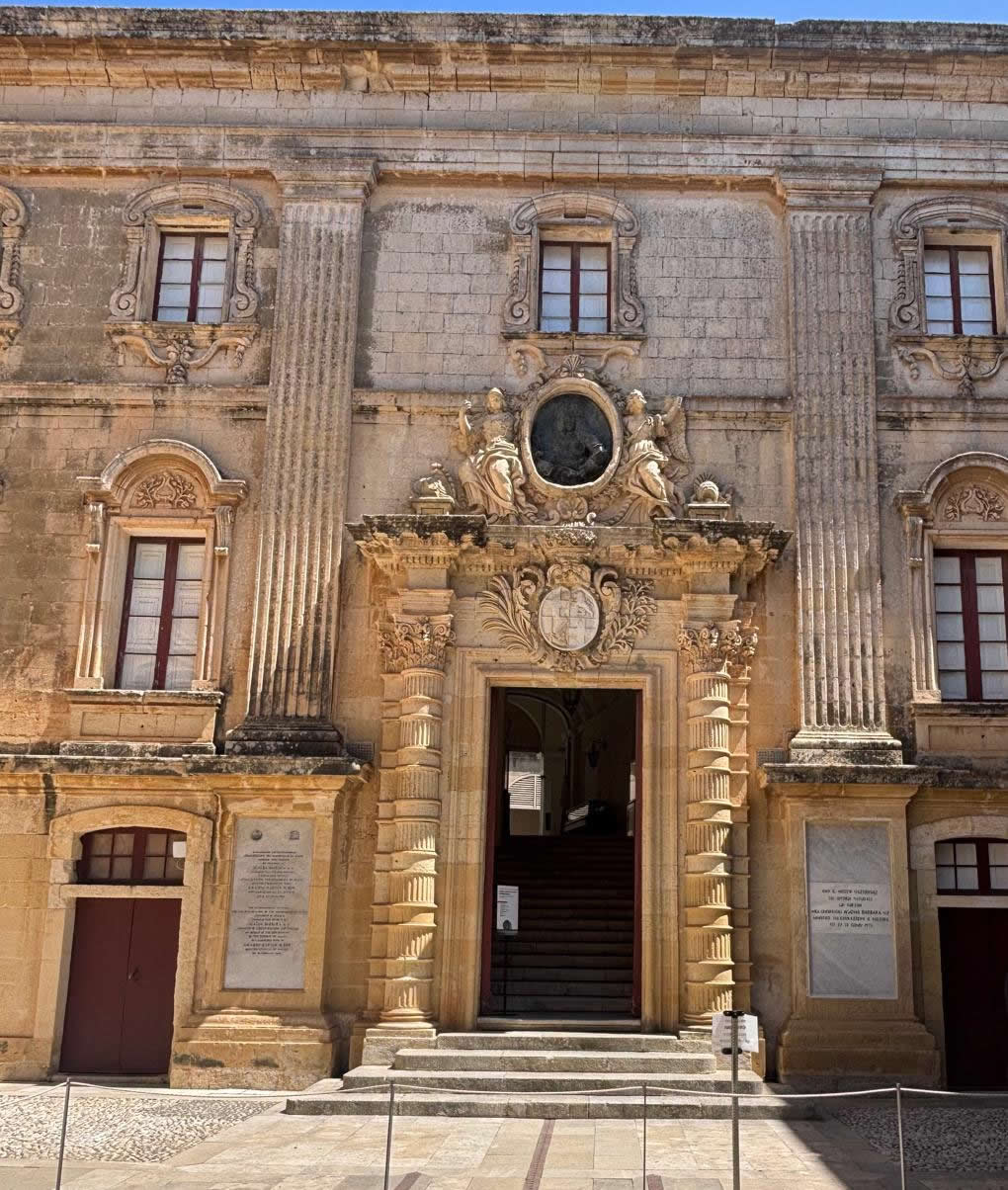
Coordinates: 35.884822, 14.403960
Introduction
Connaught Hospital in Mdina was one of Malta’s most historically significant medical institutions during the British colonial period. Housed within the magnificent Vilhena Palace just inside Mdina’s main gate, the hospital represented an important chapter in the evolution of Maltese healthcare during the early 20th century.
Although the building is today known primarily as the National Museum of Natural History, for several decades it functioned as a modern hospital serving the population of Mdina, Rabat and surrounding areas. The hospital became widely known as Connaught Hospital after receiving financial support connected to the Duke of Connaught, a member of the British royal family.
The structure itself is far older than the hospital it later contained. Built during the rule of the Knights of St John under Grand Master António Manoel de Vilhena, the palace remains one of the most architecturally significant Baroque buildings in Mdina.
The Site Before Connaught Hospital
The building which later became Connaught Hospital originally served as the Università, or local administrative headquarters, during the Hospitaller period. Mdina had long been Malta’s historic capital and administrative centre before the Knights established Valletta as the new capital after the Great Siege of 1565.
Despite Mdina losing political importance after 1530, the city remained a symbolically important aristocratic and religious centre. The old Università building near the city entrance became increasingly inadequate by the early 18th century.
Grand Master António Manoel de Vilhena therefore commissioned the complete rebuilding of the structure as part of a wider programme of urban improvements in Mdina.
Construction of Vilhena Palace
Construction of the palace began in 1726 during the magistracy of Grand Master António Manoel de Vilhena. The project formed part of a major transformation of Mdina led by the French architect Charles François de Mondion.
Mondion was responsible for many important Baroque interventions within Mdina including:
- The redesign of Mdina Gate
- Urban improvements after the 1693 earthquake
- Public buildings and defensive works
- Several noble residences and civic structures
The palace was designed in an elegant French Baroque style with strong symmetrical proportions and a monumental façade overlooking the city entrance square.
Construction was completed in 1728 and the building became known as Palazzo Vilhena or Vilhena Palace.
Architectural Features
Vilhena Palace remains one of the finest examples of Baroque civic architecture in Malta.
The façade features:
- A central ceremonial entrance
- Decorative pilasters
- Large symmetrical windows
- The coat of arms of Grand Master Vilhena
- Baroque stone ornamentation
- An imposing elevated position facing Mdina Gate
Internally, the palace originally contained administrative offices, meeting chambers and ceremonial halls.
The building was strategically positioned near the main entrance to Mdina and directly connected to the city’s administrative and judicial functions.
Transformation into Connaught Hospital
By the late 19th and early 20th centuries Malta’s healthcare system was undergoing substantial reform and expansion under British administration.
The old palace in Mdina was selected for conversion into a hospital intended to serve central Malta. Financial support for the project was associated with the Duke of Connaught and Strathearn, Prince Arthur, who visited Malta and maintained close ties with the British Empire’s military and colonial administration.
The building was officially inaugurated as Connaught Hospital in 1909.
The transformation of a former Baroque palace into a modern hospital reflected wider British efforts to modernise public healthcare facilities throughout Malta during the colonial era.
The Duke of Connaught
The hospital was named after Prince Arthur, Duke of Connaught and Strathearn, the seventh child of Queen Victoria. The Duke enjoyed a distinguished military career and held several important imperial appointments throughout the British Empire.
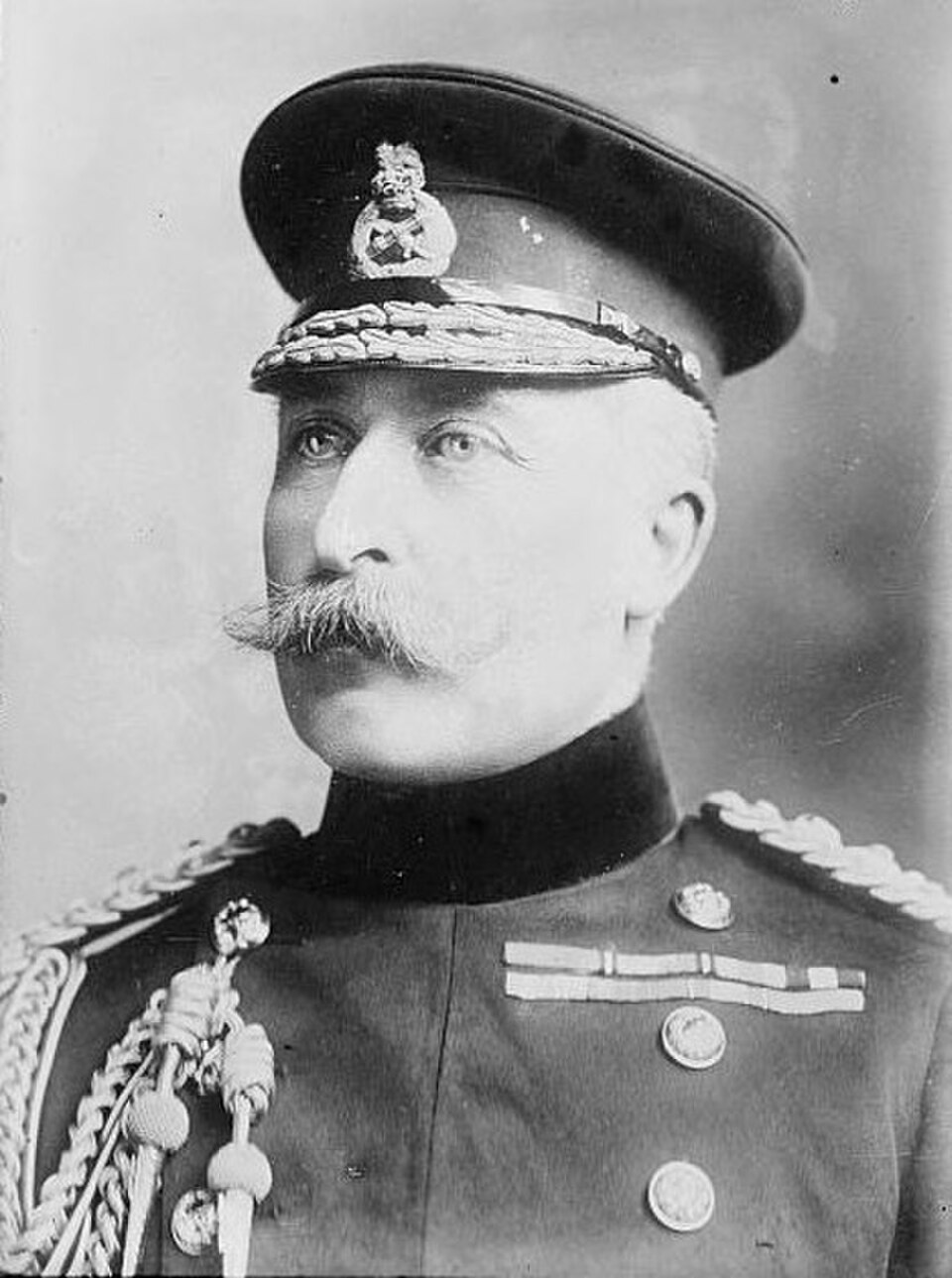
The naming of Connaught Hospital reflected Malta’s close relationship with Britain during the early 20th century when the islands formed one of the Mediterranean’s most important naval and military bases.
Medical Services at Connaught Hospital
Connaught Hospital served the communities of Mdina, Rabat and surrounding villages during a period when Malta’s medical services were expanding rapidly.
The hospital provided:
- General medical treatment
- Surgical services
- Outpatient care
- Basic emergency treatment
- Hospital wards for patients
- Support services for nearby rural communities
Although smaller than major institutions such as the Sacra Infermeria in Valletta or later St Luke’s Hospital, Connaught Hospital played an important regional role within Malta’s healthcare network.
Healthcare in Malta During the British Period
The creation of Connaught Hospital formed part of broader developments in Maltese medicine during British rule.
The British administration invested heavily in hospitals and sanitation due partly to Malta’s strategic importance as a naval base. Military medicine, tropical disease research and public health became major priorities.
Hospitals throughout Malta evolved considerably during this period:
| Hospital | Role |
|---|---|
| Sacra Infermeria | Main military and teaching hospital |
| Santo Spirito Hospital | Historic civil hospital in Rabat |
| Connaught Hospital | Regional hospital for central Malta |
| St Luke’s Hospital | Major modern hospital after WWII |
Connaught Hospital therefore represents an important transitional phase between Malta’s older Hospitaller medical institutions and the more modern hospital systems developed during the 20th century.
The Hospital During the World Wars
During World War I and World War II, Malta became known as the “Nurse of the Mediterranean” due to the large number of wounded soldiers treated on the islands.
Although Connaught Hospital was relatively small compared to larger military hospitals, it formed part of the wider medical infrastructure supporting the Maltese population during periods of wartime pressure.
Medical services in Malta faced enormous strain during World War II due to:
- Heavy aerial bombardment
- Food shortages
- Civilian casualties
- Military injuries
- Limited medical supplies
The hospital continued operating during this difficult period and remained an important local institution for Mdina and surrounding communities.
Closure of Connaught Hospital
Connaught Hospital operated for approximately four decades before eventually closing in the mid-20th century as Malta’s healthcare system became increasingly centralised.
Larger and more modern hospitals gradually replaced smaller regional institutions. Medical services increasingly shifted toward larger specialised facilities capable of supporting advanced surgical and diagnostic treatments.
Following its closure as a hospital, the building underwent another major transformation.
The National Museum of Natural History
In 1973 the former Connaught Hospital became the National Museum of Natural History, a role it continues to serve today.
The museum contains collections relating to:
- Maltese geology
- Marine biology
- Fossils
- Birds and wildlife
- Mineralogy
- Natural ecosystems
The adaptive reuse of the former hospital ensured the long-term preservation of one of Mdina’s most important historic buildings.
Today many visitors entering Mdina pass through the palace without realising its former role as Connaught Hospital.
Restoration and Preservation
Over the centuries the building has undergone several restoration campaigns aimed at preserving both its Baroque architecture and later historic layers associated with its medical use.
Conservation works have focused on:
- Stone façade cleaning
- Structural stabilisation
- Roof restoration
- Interior conservation
- Museum adaptation works
- Environmental protection measures
As one of Mdina’s most prominent buildings, the palace forms an essential part of Malta’s national cultural heritage.
Connaught Hospital and Mdina’s Identity
Connaught Hospital occupies a unique place in the history of Mdina. The building connects several important historical phases:
- The medieval administrative history of Mdina
- The Baroque rebuilding programme of Grand Master Vilhena
- The British colonial healthcare system
- Modern heritage preservation in Malta
Very few buildings in Malta have undergone such varied transformations while still preserving their architectural significance.
The palace therefore represents not only an important hospital in Maltese history but also a symbol of continuity within the changing urban landscape of Mdina.
Conclusion
Connaught Hospital remains one of the most fascinating chapters in Malta’s medical history. Established within the grand Baroque Vilhena Palace in 1909, the hospital served central Malta during a transformative period in healthcare development under British rule.
Although its role as a hospital lasted only a few decades, Connaught Hospital formed an important link between Malta’s historic Hospitaller medical traditions and the emergence of modern healthcare systems during the 20th century.
Today the building continues to serve the Maltese public as the National Museum of Natural History, preserving both its architectural magnificence and its rich medical heritage within the historic city of Mdina.
Frequently Asked Questions
Where was Connaught Hospital located?
Connaught Hospital was located within Vilhena Palace in Mdina, Malta.
When did Connaught Hospital open?
The hospital officially opened in 1909 during the British colonial period.
Who was Connaught Hospital named after?
The hospital was named after Prince Arthur, Duke of Connaught and Strathearn.
What was the building before it became a hospital?
The structure was originally Vilhena Palace, built in the 1720s by Grand Master António Manoel de Vilhena.
What is the building used for today?
Today the former Connaught Hospital houses the National Museum of Natural History.
Who designed Vilhena Palace?
The palace was designed by the French architect Charles François de Mondion.
Was Connaught Hospital important in Malta’s medical history?
Yes, the hospital played an important regional role in Malta’s healthcare system during the early 20th century.