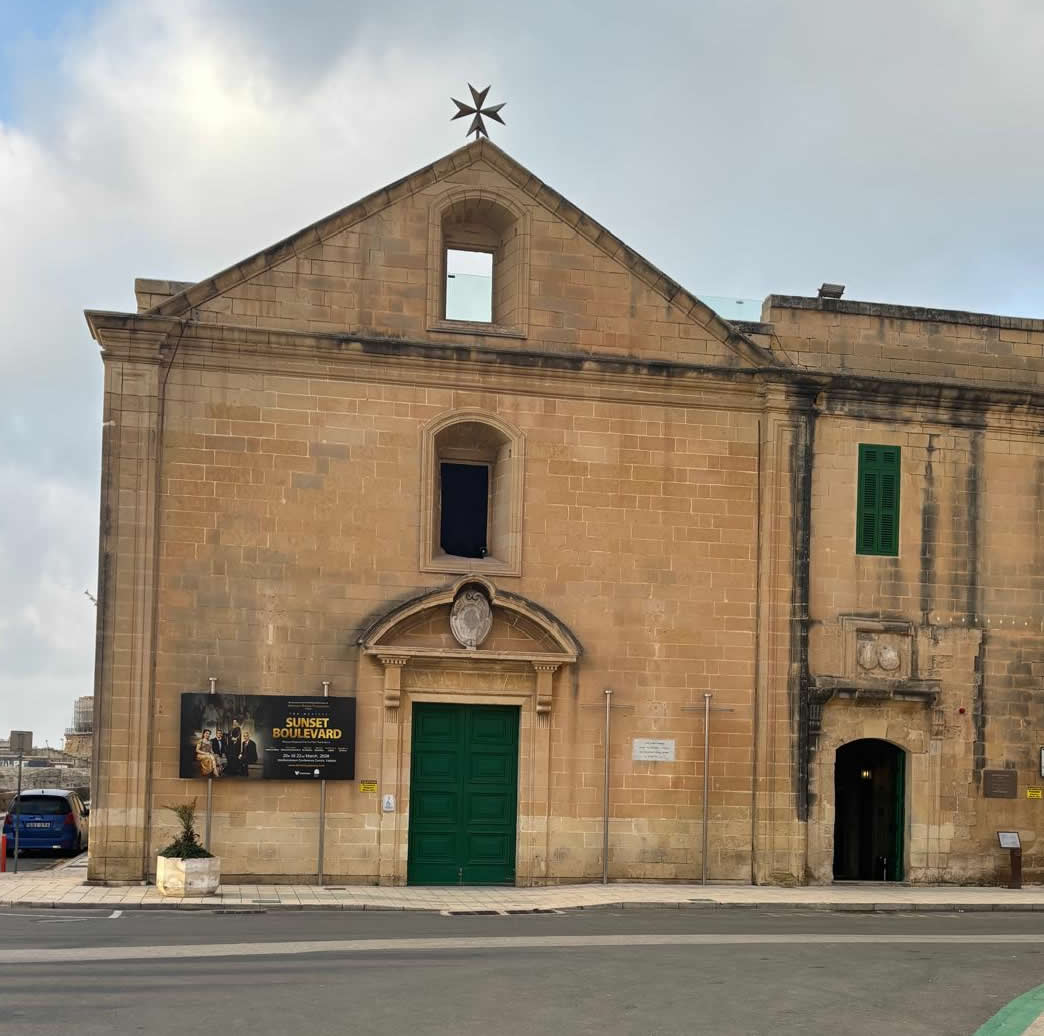
1. The Genesis of the Holy Infirmary
The Sacra Infermeria, or the Holy Infirmary, stands as a monumental testament to the Hospitaller vocation of the Order of St. John. While the Knights are often remembered as a military force, their primary identity was rooted in medical care—a tradition dating back to their 11th-century origins in Jerusalem.
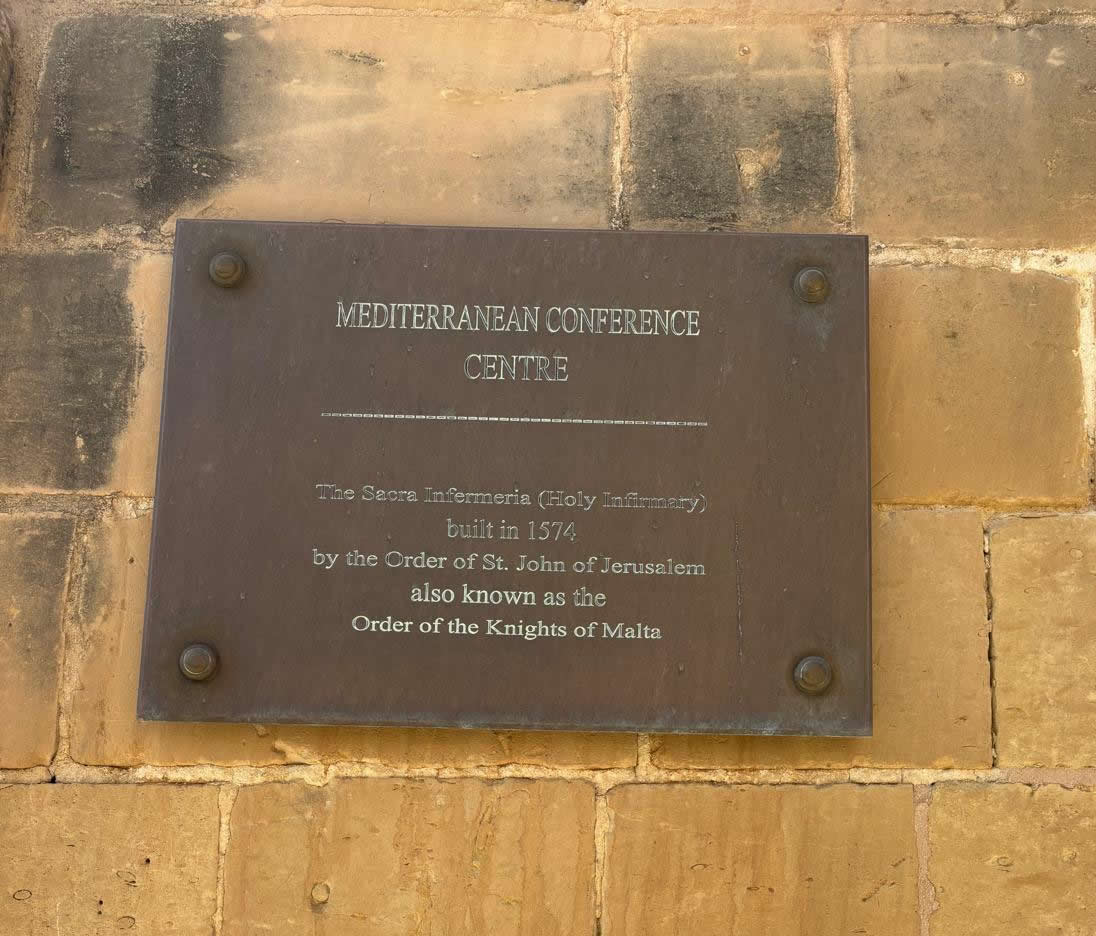
Following the Great Siege of 1565 and the founding of Valletta, Grand Master Jean de la Cassière recognized that the existing infirmary in Birgu was no longer sufficient for the Order's growing needs. In 1574, construction began on the site at the southeastern tip of Valletta, strategically positioned near the Grand Harbour to allow for the easy transport of sick sailors and soldiers.
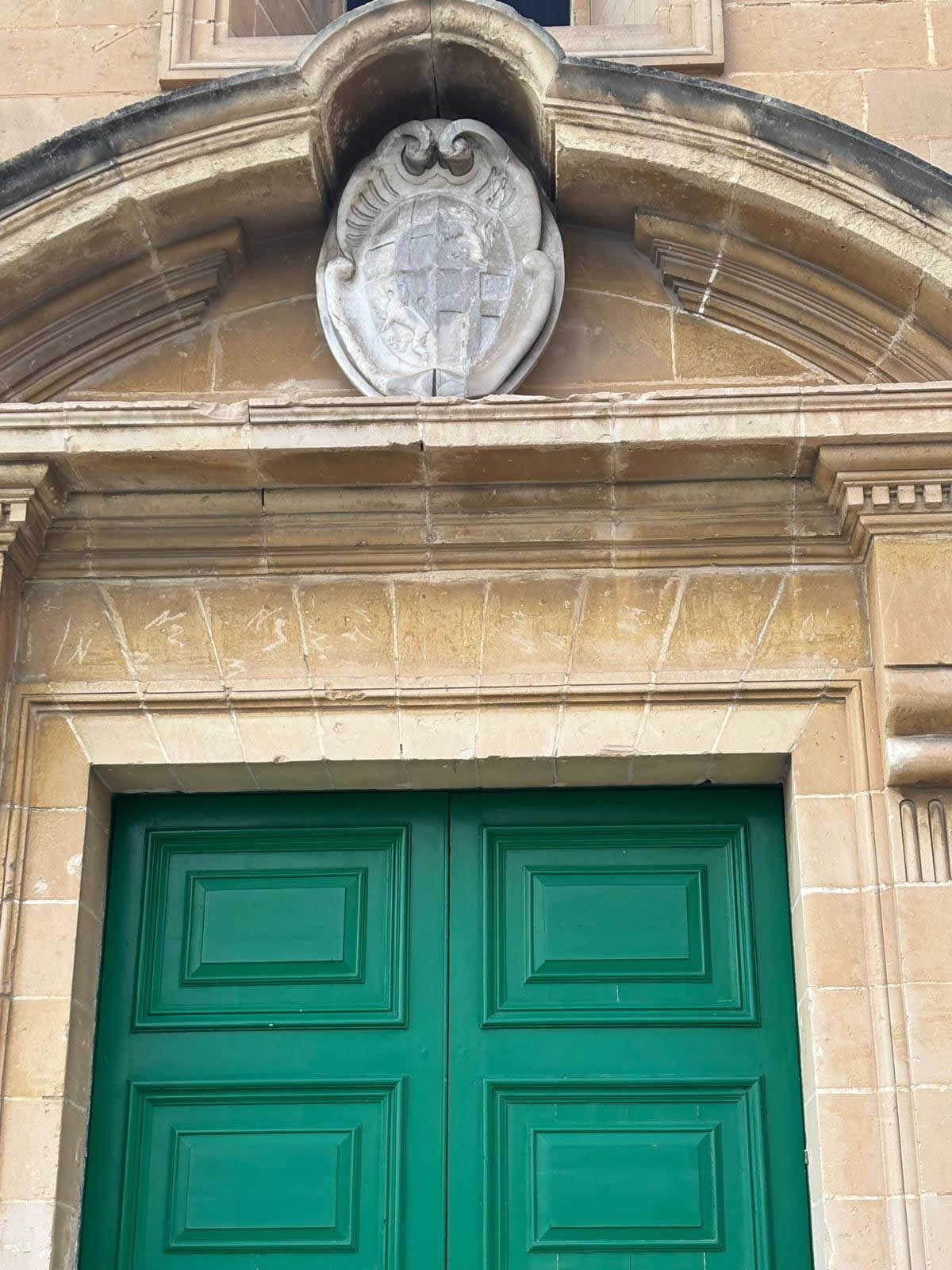
2. Architectural Splendor: The Great Ward and Beyond
The building we see today (now the Mediterranean Conference Centre) is the result of centuries of expansion. Its most famous feature is the Great Ward (La Gran Sala).
The Engineering of the Great Ward
Measuring an astonishing 155 meters in length, it was one of the largest clear-span rooms in the world at the time of its completion. The hall was designed with high ceilings and massive windows to facilitate cross-ventilation—a critical medical necessity to combat the "miasma" or foul air thought to spread disease in the 16th century.
Beneath the main floor lies the Old Ward (the Magazzeno), characterized by its vaulted stone ceilings. This area was typically reserved for the lower classes, galley slaves, and non-combatants, yet it maintained the same rigorous hygiene standards as the upper halls.
3. Clinical Excellence: Why the Knights Led Europe
The Sacra Infermeria was not merely a building; it was a center of medical innovation that challenged the dark-age practices of the era.
Hygiene and Silver Service
In an age where most European hospitals were overcrowded and unsanitary, the Knights enforced strict protocols. Patients were served on solid silver plates. While this appears decadent, the intent was strictly medicinal: silver is naturally antimicrobial and easier to sterilize than wood or pewter, significantly reducing the transmission of gastrointestinal infections among the "lords the sick."
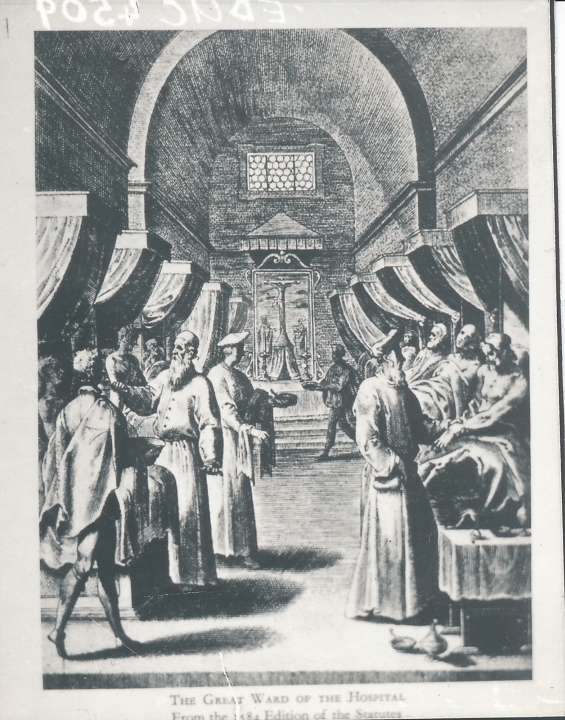
Ref MT NAM PHO-00001503 National Archives of Malta
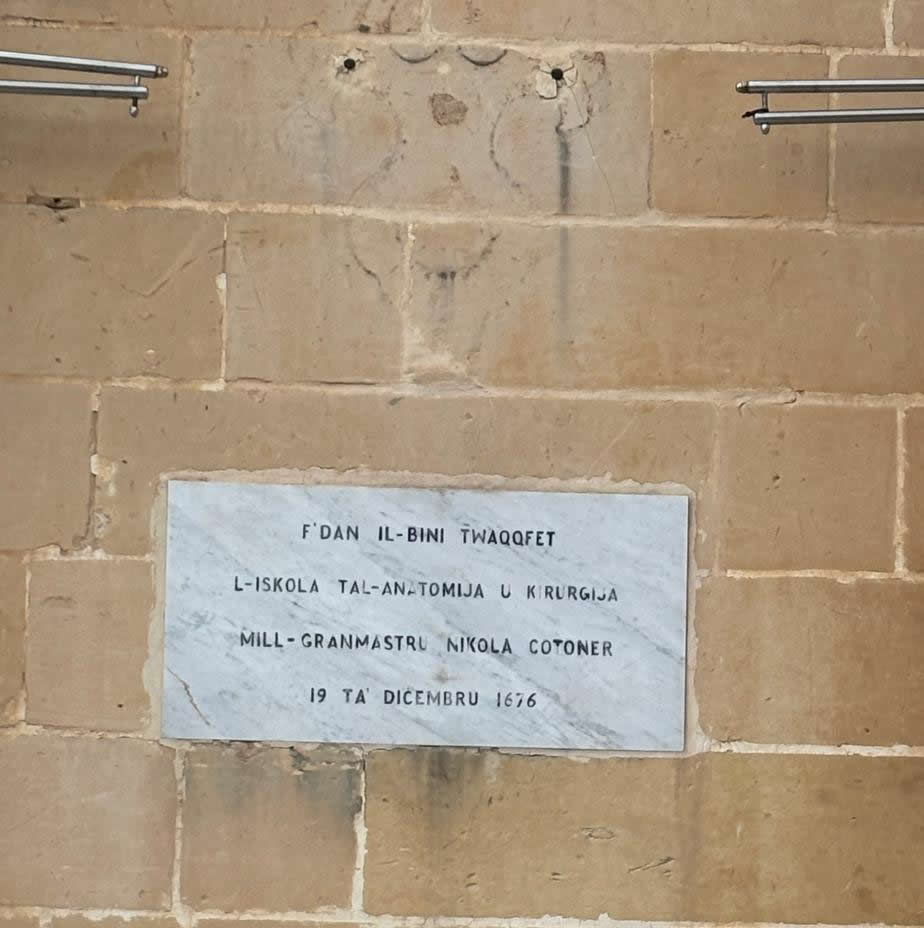
The School of Anatomy (1676)
Grand Master Nicolas Cotoner established the School of Anatomy and Surgery within the hospital walls. This institution predates many of the major medical faculties in Europe. Surgeons at the Sacra Infermeria were performing advanced procedures, including lithotomies (bladder stone removal) and cataract surgeries, documenting their findings in detailed medical journals that are now housed in the National Library of Malta.
4. The Apothecary and the "Mushroom of Malta"
The hospital operated two distinct pharmacies. They were famous for utilizing both local Mediterranean herbs and exotic ingredients imported from the East. One of the most guarded "secret medicines" was the Fungus Melitensis (Maltese Mushroom), which grew on the Fungus Rock in Gozo. The Knights believed this rare parasitic plant could cure dysentery and staunch bleeding; it was so valuable that the rock was put under 24-hour armed guard.
5. Faith and Mortality: The Nibbia Chapel
For a hospital of this size, managing death was a daily reality. The Nibbia Chapel (named after Fra Giorgio Nibbia) was the hospital’s primary funerary site. In the 1850s, the chaplain of the hospital, Father Sceberras, rearranged the bones of deceased patients into intricate, decorative patterns across the walls of the crypt.
This "Chapel of Bones" became a major tourist attraction during the Victorian era before it was tragically destroyed by German bombs during the Siege of Malta in 1941. Today, heritage researchers still study the site to understand the demographics of the thousands buried there over three centuries.
6. The French and British Legacy
When Napoleon Bonaparte expelled the Order in 1798, the hospital was renamed the Grand Hôpital. The French introduced modern military triage but struggled with the lack of resources during the blockade.
Under British rule (1800–1918), the site became the Station Hospital. During the Crimean War, Malta earned the title "Nurse of the Mediterranean" because the Sacra Infermeria was the primary destination for thousands of wounded soldiers evacuated from the front lines. The British modernized the plumbing and lighting, though they famously painted over many of the Knights' ornate stone carvings to meet "sanitary" military standards.
7. Restoration: The Mediterranean Conference Centre
After being nearly ruined in WWII, the building was restored in the late 1970s. The restoration was a masterpiece of heritage preservation, winning the Europa Nostra diploma. Today, as the Mediterranean Conference Centre, it hosts world leaders and international summits in the same wards where Knights once tended to the sick.
Frequently Asked Questions about Sacra Infermeria
Can you visit the Sacra Infermeria today?
Yes, the building houses the 'Valletta Living History' and 'Reliving the Sacra Infermeria' augmented reality tours, allowing visitors to see the Great Ward and the underground chambers.
Is the Chapel of Bones still there?
The chapel was destroyed in WWII, but the site remains near the Evans Building in Valletta. Efforts to memorialize the site are ongoing.