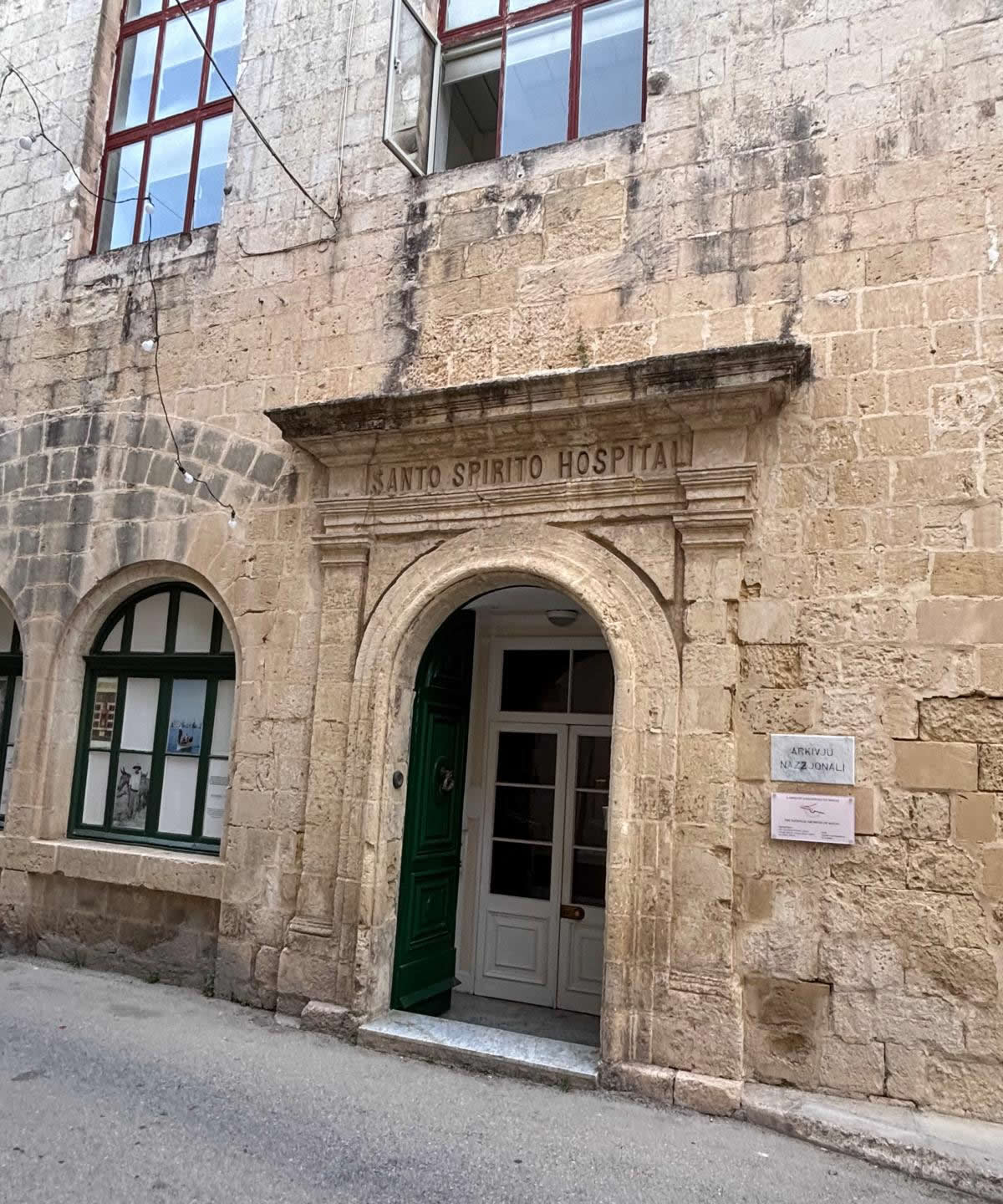
1. The Medieval Foundations of Santo Spirito
The origins of Santo Spirito Hospital represent a fascinating intersection of religious devotion and the birth of civic responsibility in Malta. While the Knights of St. John eventually centralized medical care in Valletta, Santo Spirito stood as the island’s primary medical bastion for centuries prior, rooted in the medieval heart of Rabat.
The Royal Hospital of the Aragonese Era
During the 14th and 15th centuries, Malta was under the Crown of Aragon. Santo Spirito was not merely a local clinic but was recognized as a Royal Hospital. This status meant it was under the direct protection of the Sicilian monarchs. Documents from 1372 reveal that the hospital was deeply integrated into the Universitas—the local administrative council of Mdina. Unlike many hospitals in Europe that were purely monastic, Santo Spirito was a "civic-religious" hybrid, a rare model for the time.
The Transition of 1467: A Public Health Landmark
A pivotal moment in Maltese heritage occurred in 1467. The local government petitioned the King of Sicily to remove the hospital from the exclusive control of the Franciscan friars. They argued that the community's needs were outgrowing the friars' resources. The King granted this request, allowing the Universitas to appoint a Marmoraro (a secular governor). This shift is considered by historians as the birth of organized public health in Malta, predating the arrival of the Knights by over sixty years.
Social Sanctuary and "Hospitalitas"
In the medieval mind, a hospital was more than a place for surgery; it was a sanctuary (hospitalitas). The foundations of Santo Spirito were built to withstand more than just disease. Situated outside the fortified walls of Mdina, the building's thick lower masonry and narrow apertures suggest it served as a refuge for the sick and elderly during the frequent North African corsair raids. If a raid was signaled from the coastal watchtowers, the hospital became a fortress for those too frail to reach the safety of Mdina’s gates.
The 1494 "Rules of the Sick"
Historical records from 1494 provide a rare glimpse into the daily life of a medieval patient in Rabat. The hospital’s regulations stipulated that every patient was entitled to:
- A Clean Bed: A luxury in an era where many slept on straw mats.
- Fresh Meat and Wine: Considered essential for "strengthening the blood."
- Spiritual Care: The hospital employed a chaplain to ensure that no one faced the "great transition" without the last rites, reflecting the medieval belief that the soul’s health dictated the body’s recovery.
Archeological Footprints
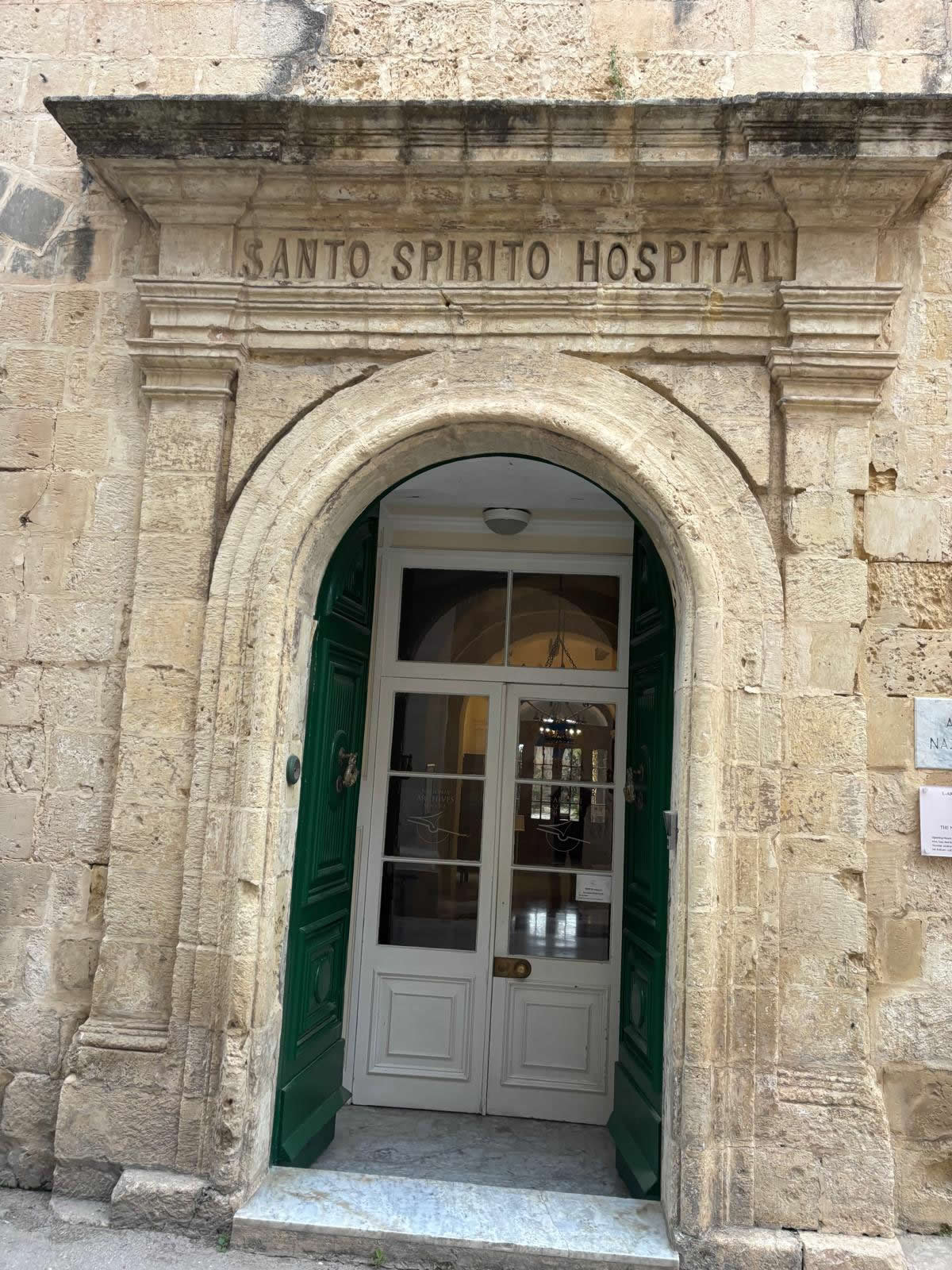
Architecturally, the medieval foundations are still "audible" in the stone. While the facade is later Baroque, the ground-level rooms feature Siculo-Norman architectural fragments. Pointed arches and heavy corbels found in the lower archives suggest that the original 14th-century structure was a series of interconnected vaulted chambers, designed to keep the interior cool during the harsh Maltese summers without the aid of modern ventilation.
2. Architecture: A Blend of Eras
The Santo Spirito Hospital is an architectural palimpsest, a building that has been rewritten multiple times over six centuries. While its facade speaks the language of the 17th-century Baroque, its core remains stubbornly medieval, offering a physical timeline of Maltese construction techniques.
The 17th-Century Baroque Facade
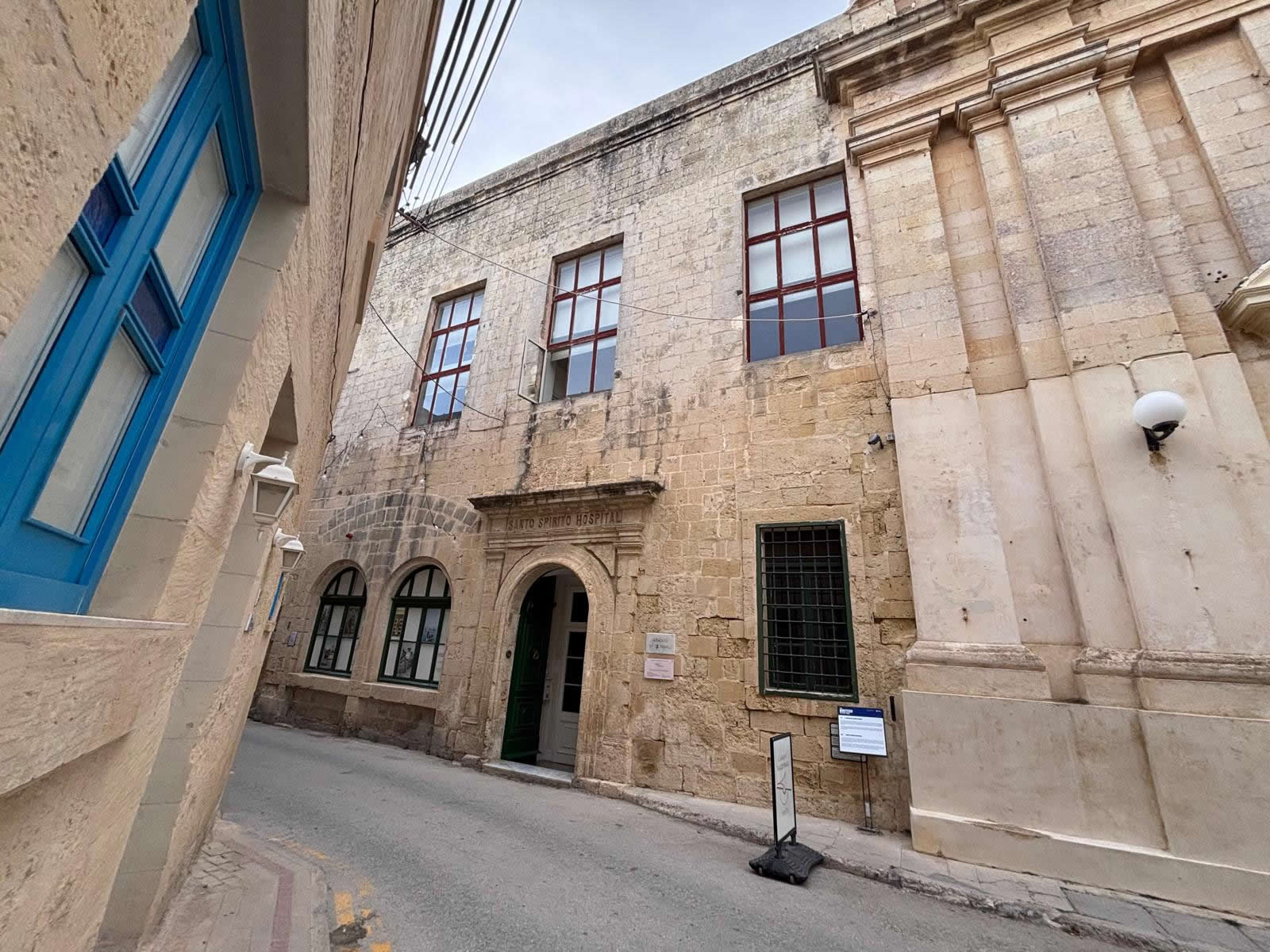
The most recognizable aspect of the building today is the elegant facade, which was largely reconstructed during the major renovations of 1648. This period saw the hospital move away from its fortress-like medieval roots toward a more sophisticated, public-facing aesthetic. The use of the local globigerina limestone (franka) allowed for crisp moldings and a symmetrical arrangement of windows that signaled the hospital’s status as a premier civic institution under the protection of the Holy Spirit.
Internal Layout: The Triage of Light and Air
The hospital was designed around a central courtyard—a feature that was as much a medical tool as an architectural choice. In an era before mechanical ventilation, this "lung" of the building provided:
- Cross-Ventilation: High-vaulted ceilings and large internal apertures allowed for the constant movement of air, which was believed to flush out "miasmas" (bad air) that caused disease.
- Natural Illumination: Light was considered essential for the psychological well-being of the patients, as well as for the medical staff to perform examinations without the smoke and heat of oil lamps.
- Thermal Mass: The incredibly thick limestone walls (some exceeding 1.5 meters in thickness) provided natural insulation, keeping the wards cool in the scorching summer heat of Rabat and retaining warmth during the damp winter months.
Medieval Masonry and Archaeological Fragments
Beneath the 17th-century "skin" lies the original 14th and 15th-century structure. During the restoration in the 1980s and 90s, architects uncovered several Siculo-Norman elements. These include pointed arches and heavy stone corbels that support the lower vaulted ceilings. These fragments are crucial because they prove that the site was not cleared for the 1648 renovation; rather, the "new" hospital was built directly on top of and around the medieval infirmary.
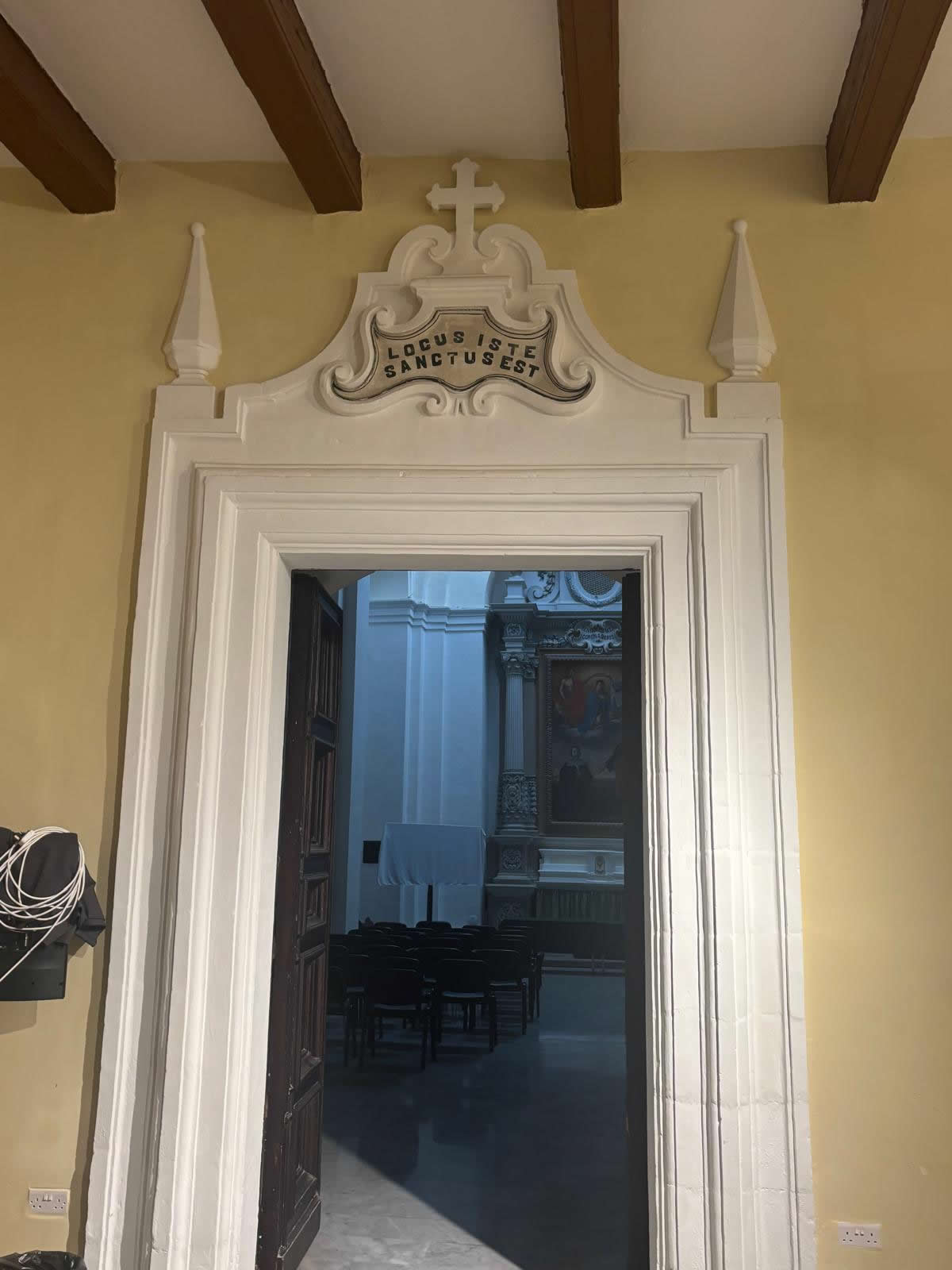
The Chapel of San Nicola
The internal chapel, dedicated to San Nicola, is a masterpiece of small-scale liturgical architecture. It served as the spiritual heart of the complex. Unlike the grand parish churches of Rabat, this chapel was intimate, designed specifically for patients and staff. Its placement within the hospital footprint ensured that even those who were bedridden could hear the echoes of the liturgy, bridging the gap between clinical care and the medieval belief in divine healing.
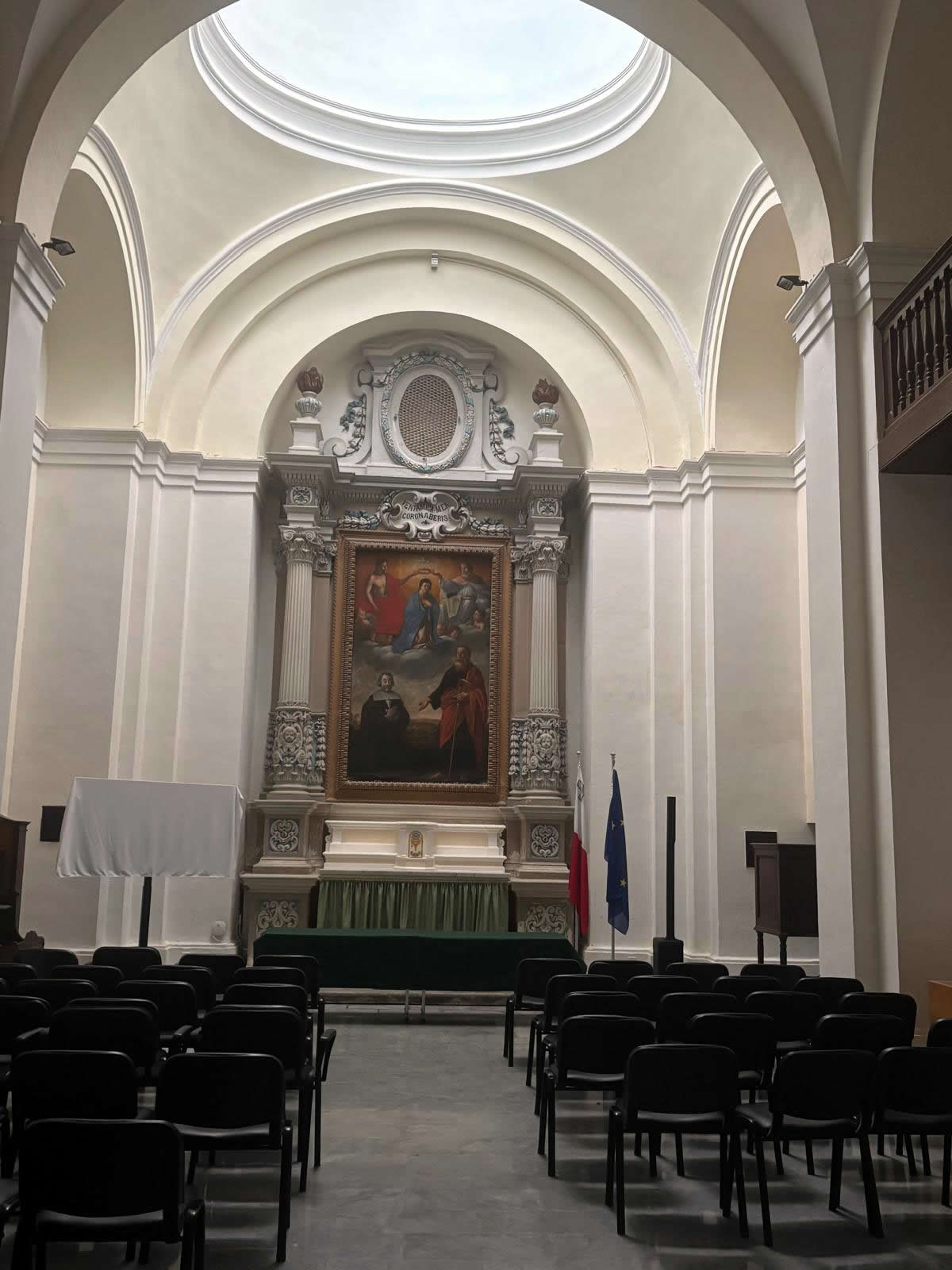
Transition to the National Archives
The building's final architectural evolution occurred in the late 20th century. Converting a damp, porous limestone hospital into a climate-controlled environment for sensitive paper documents was a significant engineering feat. Modern interventions—such as the discrete installation of HVAC systems and fire-suppression technology—were handled with extreme care to ensure the original stone fabric remained visible. This "adaptive reuse" is often cited by heritage experts as one of the most successful examples of historic preservation in the Mediterranean.
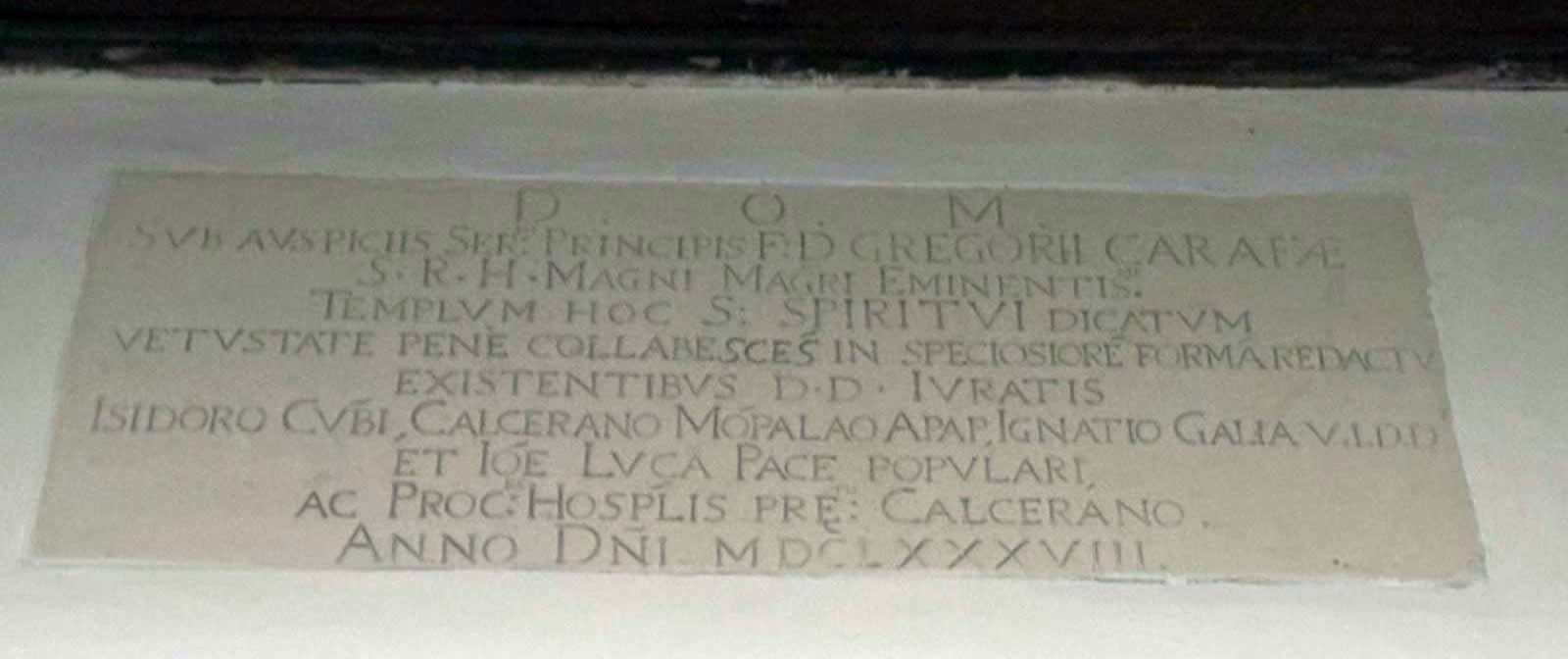
The Strategic Location: Hospital Street, Rabat
Contrary to common misconceptions that place all medieval institutions within the walls of Mdina, Santo Spirito Hospital is situated on the southern periphery of Rabat. Located on Triq l-Isptar (Hospital Street), its position was a deliberate choice by the medieval Universitas.
Why Rabat and Not Mdina?
By the 14th century, Mdina was a densely packed fortress reserved for the nobility and administrative elite. Placing a hospital for the "common folk" and foundlings on the far side of Rabat served two purposes:
- Sanitation: It kept the sick and potential carriers of contagion at a safe distance from the crowded capital.
- Accessibility: It was more accessible to the rural farmers and villagers coming from the southern and western "casali" (villages), who didn't need to pass through the heavily guarded gates of Mdina to receive care.
Today, its location near the St. Catherine's Monastery and the Rabat Health Centre highlights the area's long-standing tradition as a hub for social and medical welfare.
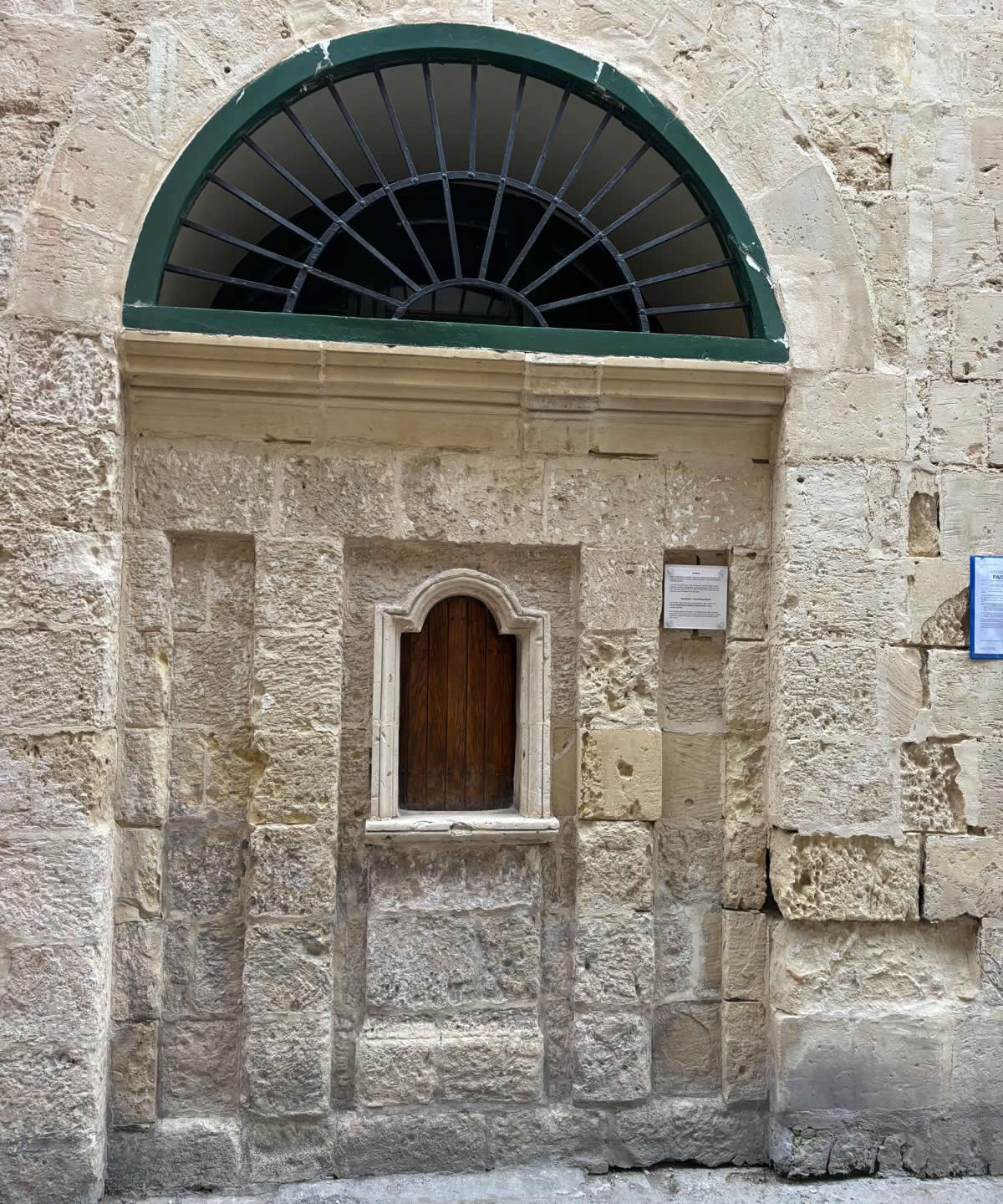
3. The "Ruota" and the Care of Foundlings
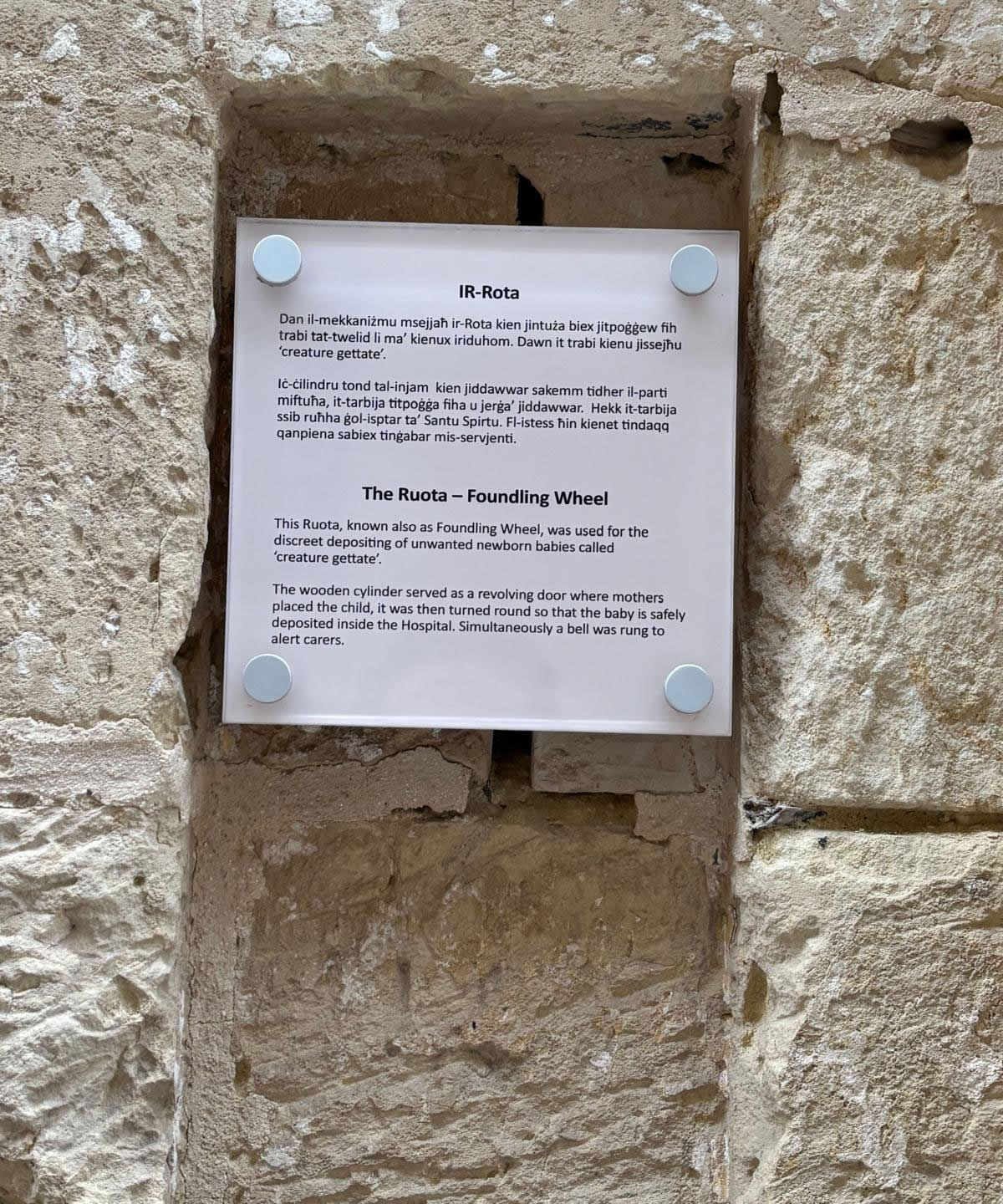
One of the most unique historical aspects of Santo Spirito was its role as an asylum for abandoned children. Until the late 19th century, the hospital featured a Ruota (foundling wheel)—a revolving wooden door that allowed mothers to leave their infants anonymously.
Once a baby was placed in the wheel and turned inside, a bell would ring to alert the nuns or staff. These children were often given the surname "Spiteri," a common Maltese name derived from Ospitaliere (Hospitaller), signifying their upbringing within the hospital walls.
4. From Ward to Archive: A Second Life
Santo Spirito ceased its medical operations in the mid-20th century. After decades of serving as a regional clinic and later falling into disrepair, the building underwent a massive restoration project in the 1980s.
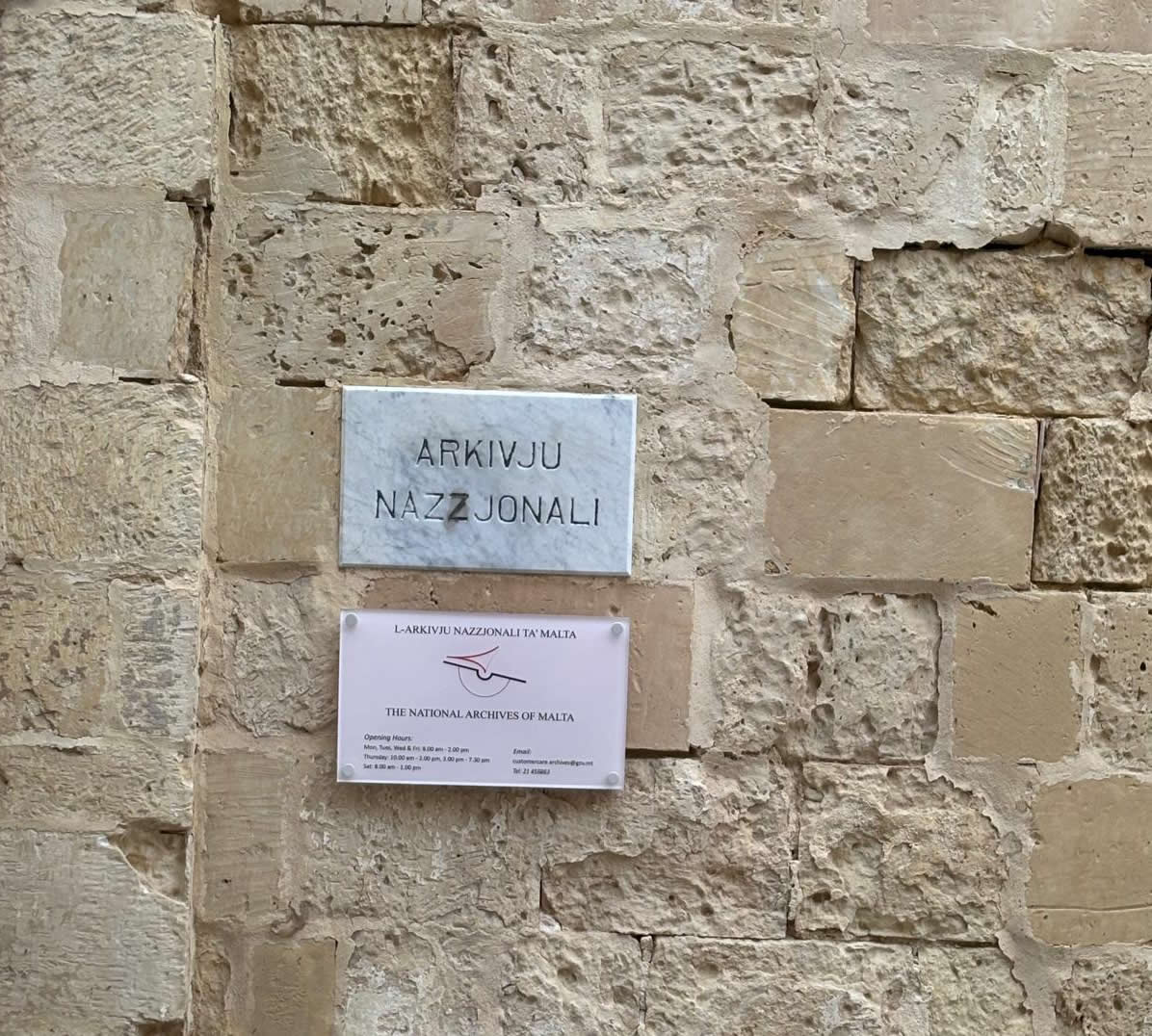
In 1994, it was officially inaugurated as the National Archives of Malta. Today, the very rooms that once housed the sick now protect over 500 years of the nation’s written memory, including the Magna Curia Castellania records and British colonial files.
5. The Rabat Medical Hub: A Sanctuary Outside the Walls
While Valletta was the administrative heart of the Knights of St. John, Rabat served as the medical frontier for Malta’s rural interior. The Santo Spirito Hospital did not exist in a vacuum; it was the anchor of a sophisticated sanitary district designed to manage public health away from the high-density population of the old capital, Mdina.
The "Sanitary Cordon" Strategy
Historically, Rabat served as a buffer zone. Because Santo Spirito was located on the southern outskirts (Triq l-Isptar), it allowed medical authorities to intercept illness before it reached the fortified gates of Mdina. This "Sanitary Cordon" strategy became vital during the 17th and 18th centuries, where Rabat functioned as a primary triage center for the central and southern villages (the Casali).
Synergy with Connaught Hospital
The medical footprint of Rabat expanded significantly in 1909 with the inauguration of the Connaught Hospital (the former Vilhena Palace). While Santo Spirito continued to handle general infirmary duties, maternity cases, and the care of the elderly, Connaught was dedicated specifically to the Tuberculosis (TB) epidemic. This created a specialized medical ecosystem in Rabat:
- Santo Spirito: Managed acute general illness, foundlings, and served as the regional dispensary.
- Connaught Hospital: Provided long-term isolation and specialized pulmonary care for TB victims.
- Saura Hospital: Located nearby, this institution (founded by Admiral Saura) focused on the "incurables" and the destitute elderly, completing the tripartite healthcare system of the town.
The Pharmacy of the Countryside
Because of its location on the edge of the Rabat countryside, Santo Spirito became a hub for Galenic medicine—remedies derived from plants. The hospital’s apothecary relied heavily on herbs gathered from the nearby Wied il-Luq and the Buskett gardens. This tradition of localized, botanical medicine distinguished the Rabat medical hub from the more "surgical" and "military" focus of the Sacra Infermeria in Valletta. For centuries, the people of the rural casali viewed Santo Spirito not just as a hospital, but as the "Pharmacy of the Poor."
Legacy as a Research Center
The concentration of medical facilities in Rabat attracted the island’s brightest scientific minds. Beyond Dr. Gavino Gulia, many physicians used the records at Santo Spirito to track the spread of infectious diseases across the island. Today, this legacy of information continues; the building no longer heals bodies, but as the National Archives, it heals our historical memory by preserving the very medical registers and census data that documented these centuries of care.
6. Burial Grounds and Epidemics
During the various plague outbreaks (1592, 1675, and 1813), Santo Spirito played a vital role in triage. Because Rabat sits outside the walls of Mdina, it was the natural location for treating those who could not be admitted to the city. Many victims who passed away at Santo Spirito were interred in the nearby St. Roque Cemetery or the Rabat parish burial grounds, following the "extra-mural" burial laws of the time.
Frequently Asked Questions
Is Santo Spirito Hospital still open to the public?
The building is open to the public as the National Archives. While you cannot visit "wards" for medical reasons, you can explore the historic architecture while conducting research.
Where is the "Ruota" (Foundling Wheel) located?
While the original wheel is no longer in active use, its location is marked within the historic fabric of the building as a reminder of its social history.