📍 Location
Location Map Coordinates 35.898572, 14.513880
Introduction
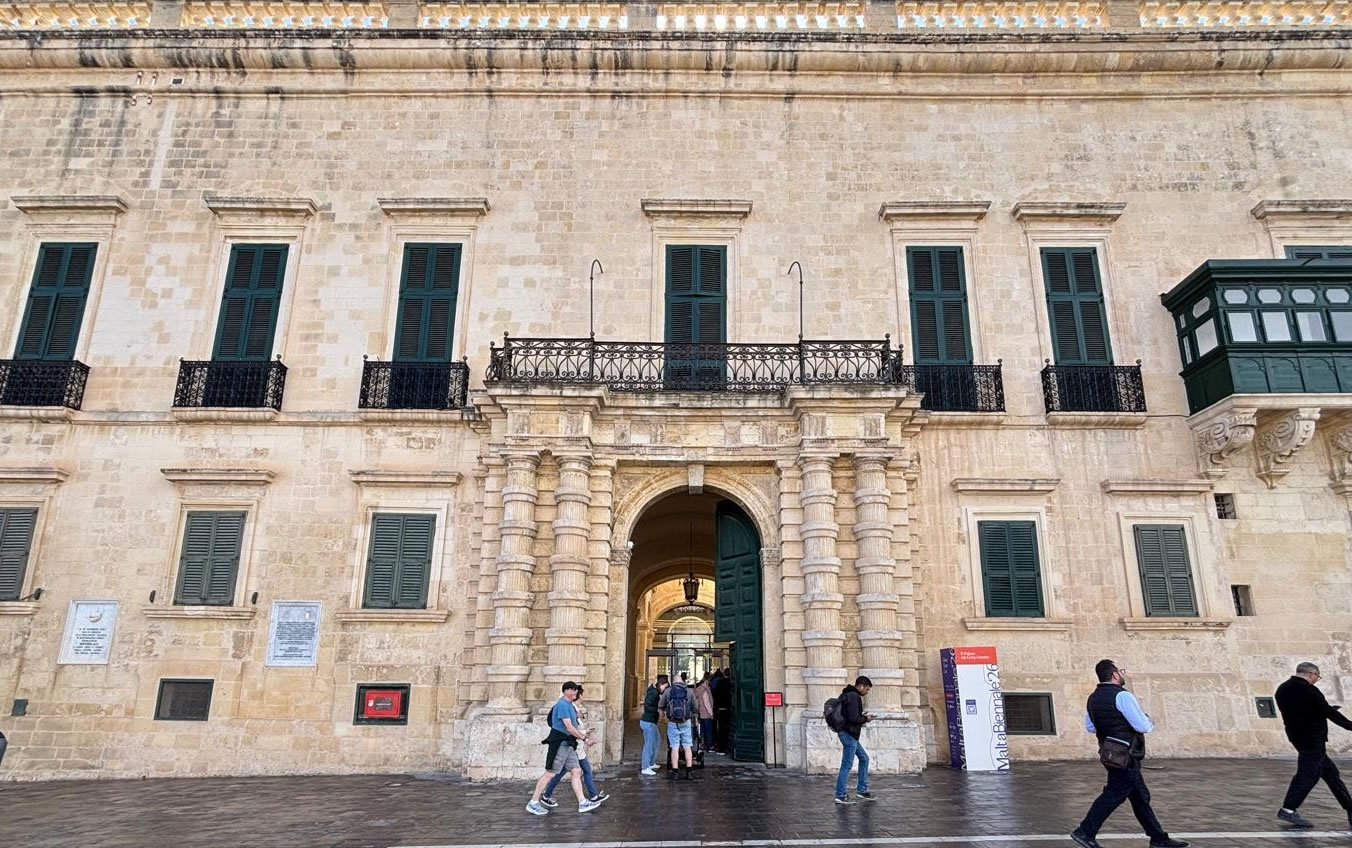
The Grand Master's Palace in Valletta is one of Malta’s most historically significant and architecturally impressive landmarks. Situated in the heart of the capital at St George’s Square, this monumental building has served as the centre of political power on the island for over four centuries.
Originally constructed as the residence of the Grand Masters of the Order of St John, the palace later became the seat of British colonial administration and eventually Malta’s Parliament. Today, it functions as the Office of the President of Malta while also operating as a major cultural attraction open to the public.
As one of the earliest buildings constructed in Valletta, the palace stands as a symbol of Malta’s national identity and historical continuity.
Construction and Early History (1570s)
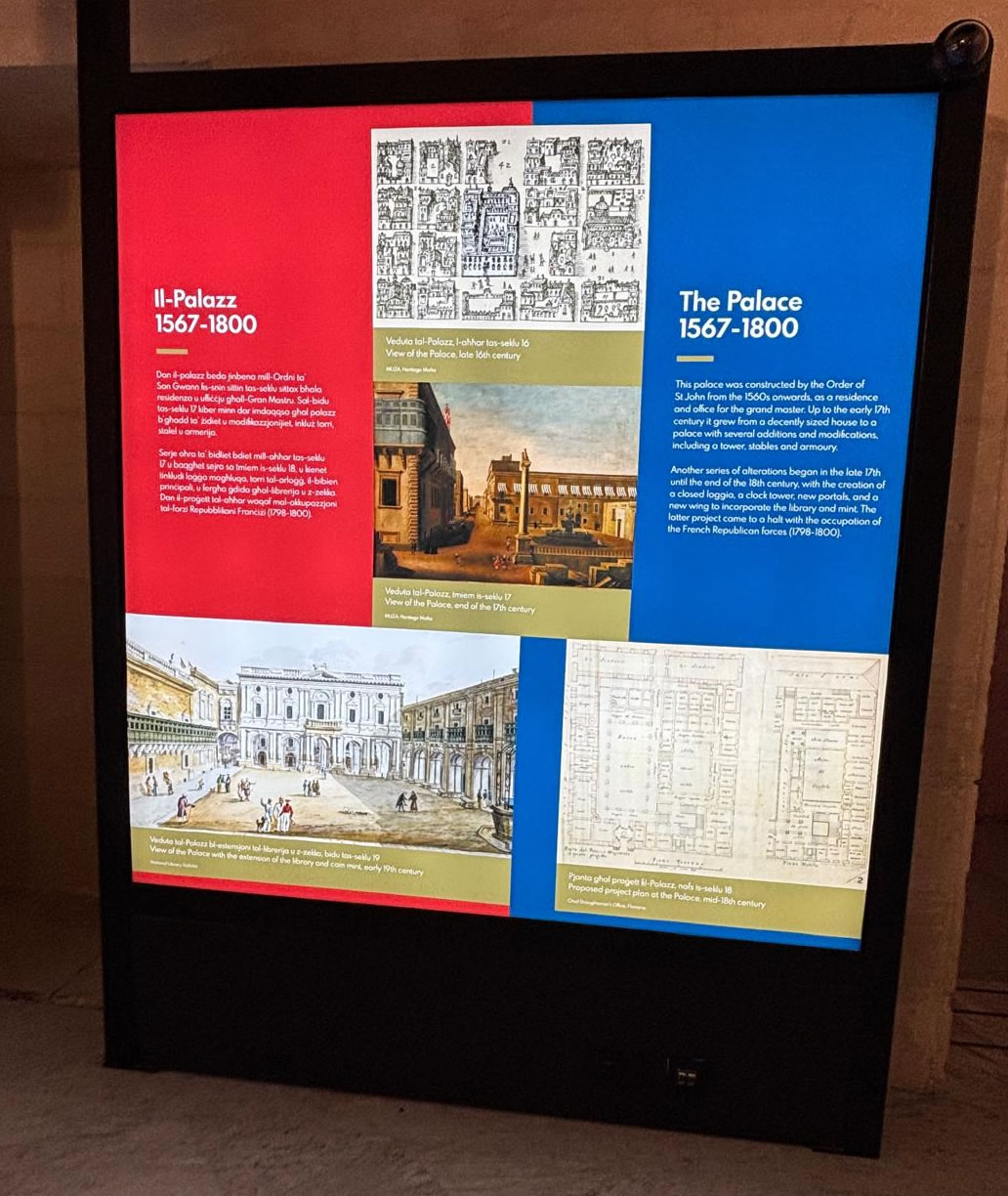
The Grand Master's Palace was built in the 1570s, shortly after the foundation of Valletta following the Great Siege of 1565.
Designed by Maltese architect Girolamo Cassar, the palace was among the first major structures erected in the new capital city. Its construction marked the establishment of Valletta as the administrative and military centre of the Order of St John.
The palace served as the official residence of the Grand Master, the supreme leader of the Order. It also functioned as the administrative headquarters where key decisions regarding governance, military strategy, and diplomacy were made.
Over time, the building was expanded and modified to accommodate the growing needs of the Order, evolving into a vast complex often described as a “state within a building.”
Role During the Knights of St John
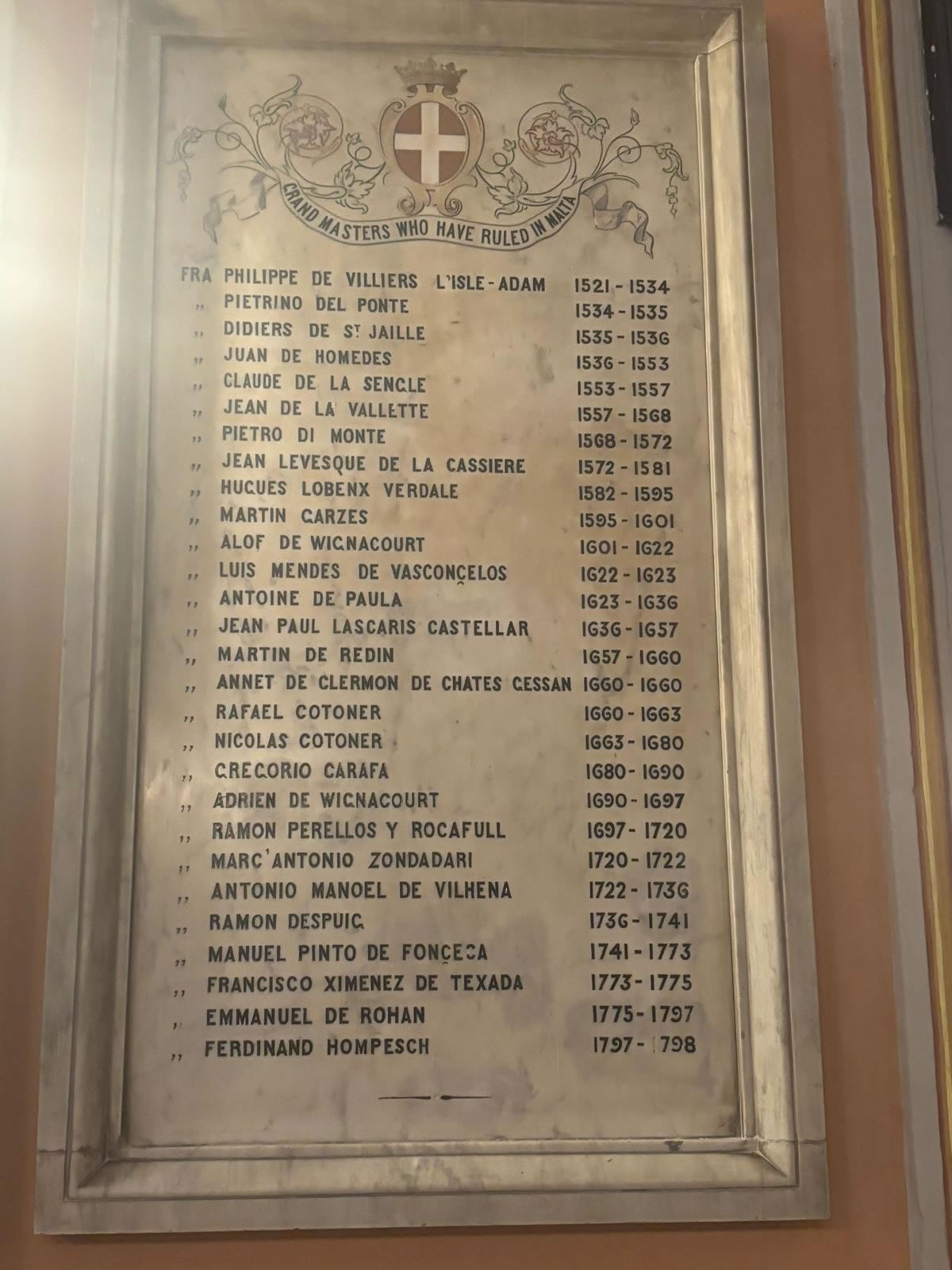
During the rule of the Knights of St John (1530–1798), the Grand Master's Palace was the centre of authority in Malta. It hosted official ceremonies, diplomatic meetings, and state functions.
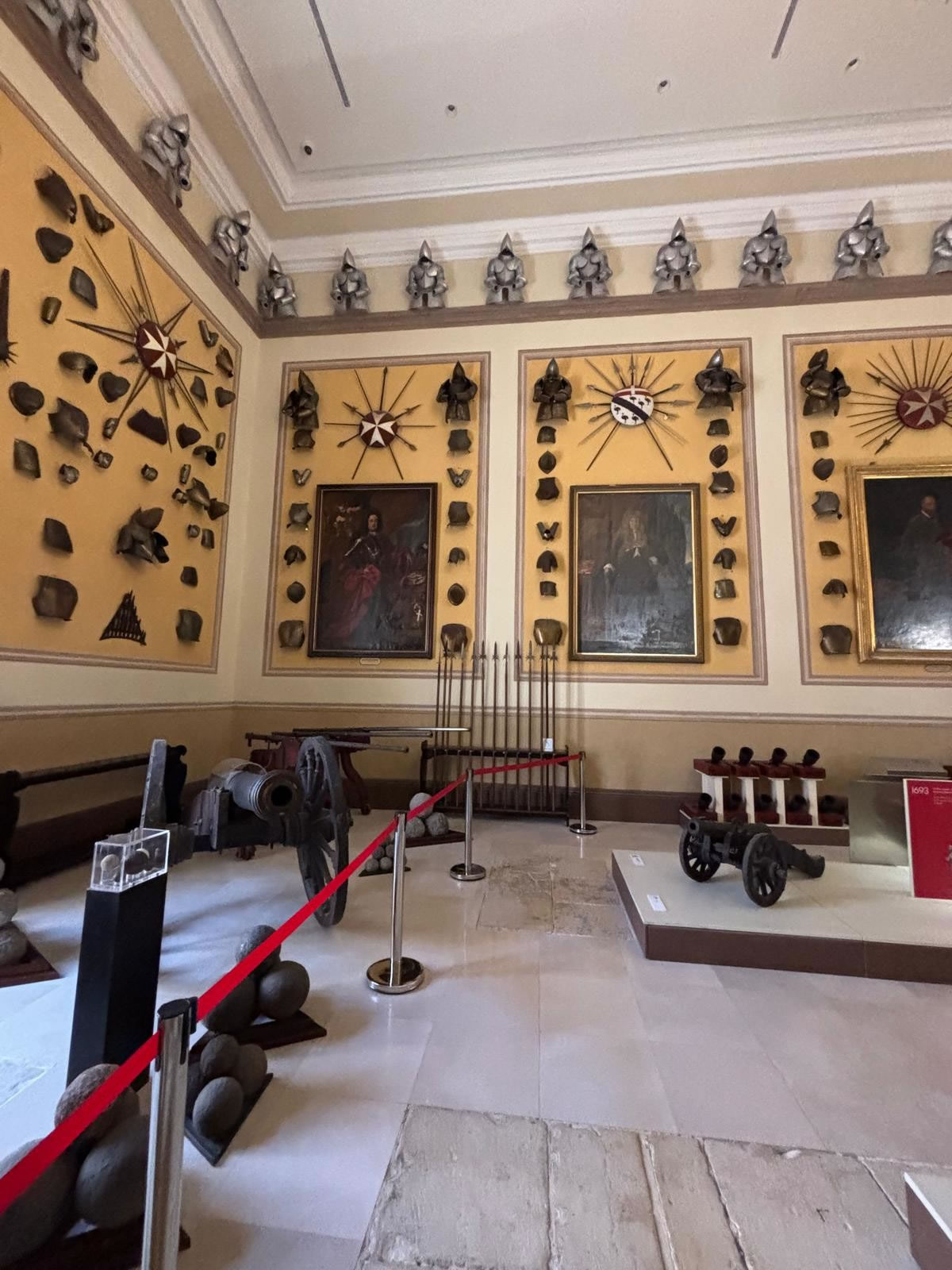
The palace interiors were richly decorated to reflect the prestige of the Order. Grand Masters sought to emulate the grandeur of European royal courts, commissioning artworks, tapestries, and elaborate furnishings.
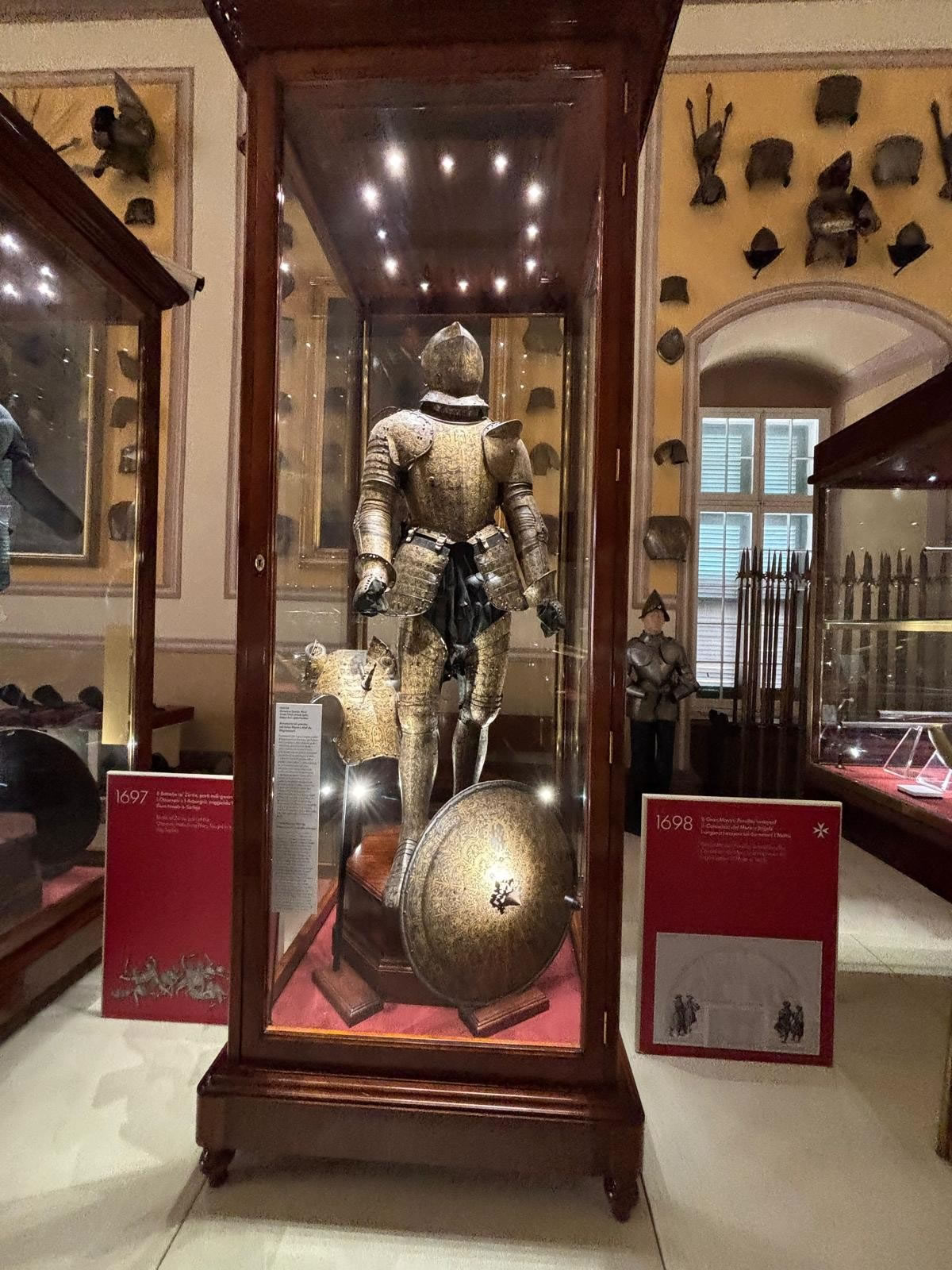
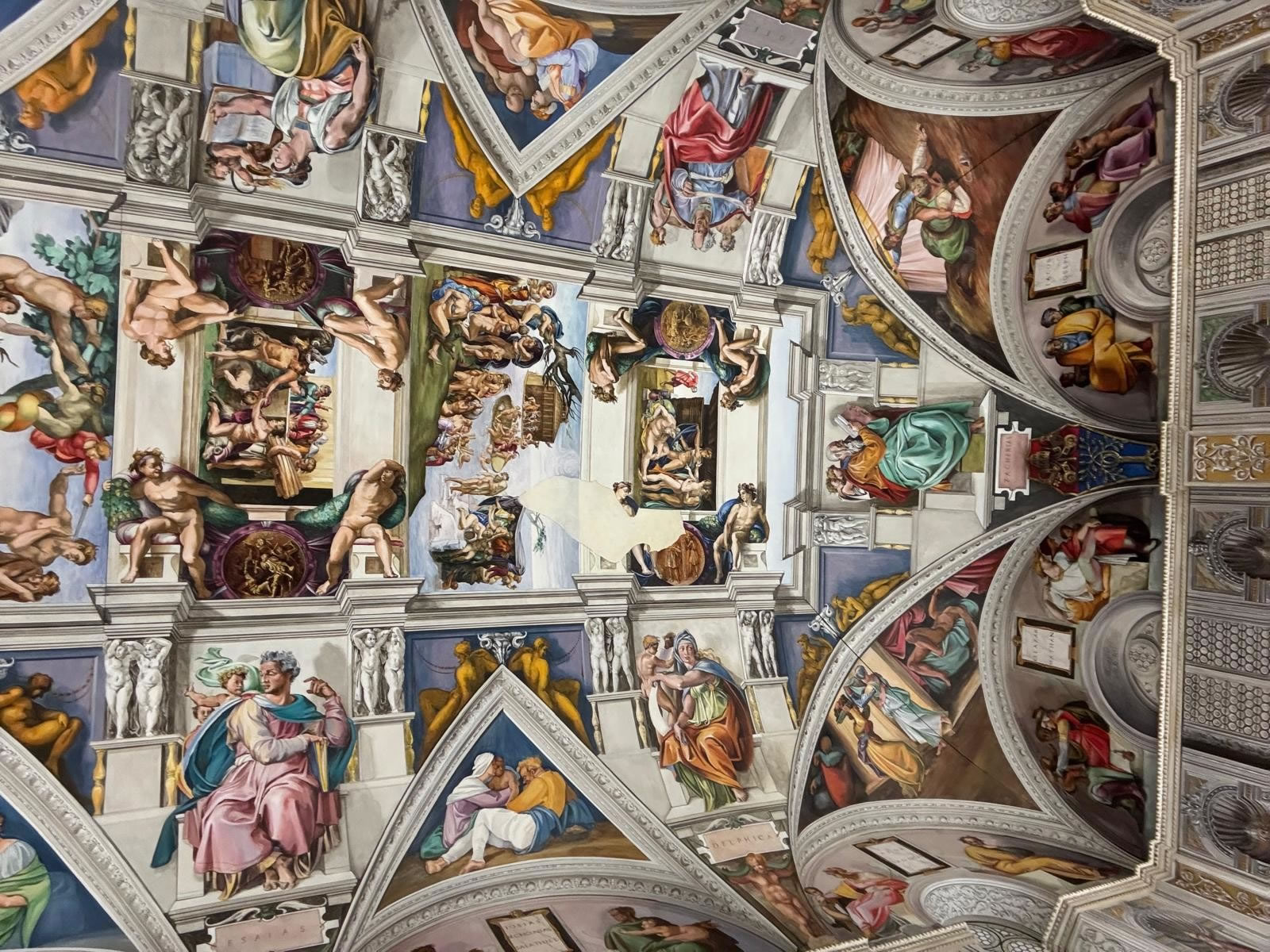
One of the most important artistic features of the palace is the cycle of paintings depicting the Great Siege of 1565 by Matteo Perez d’Aleccio. These works provide a detailed visual narrative of one of Malta’s defining historical events.
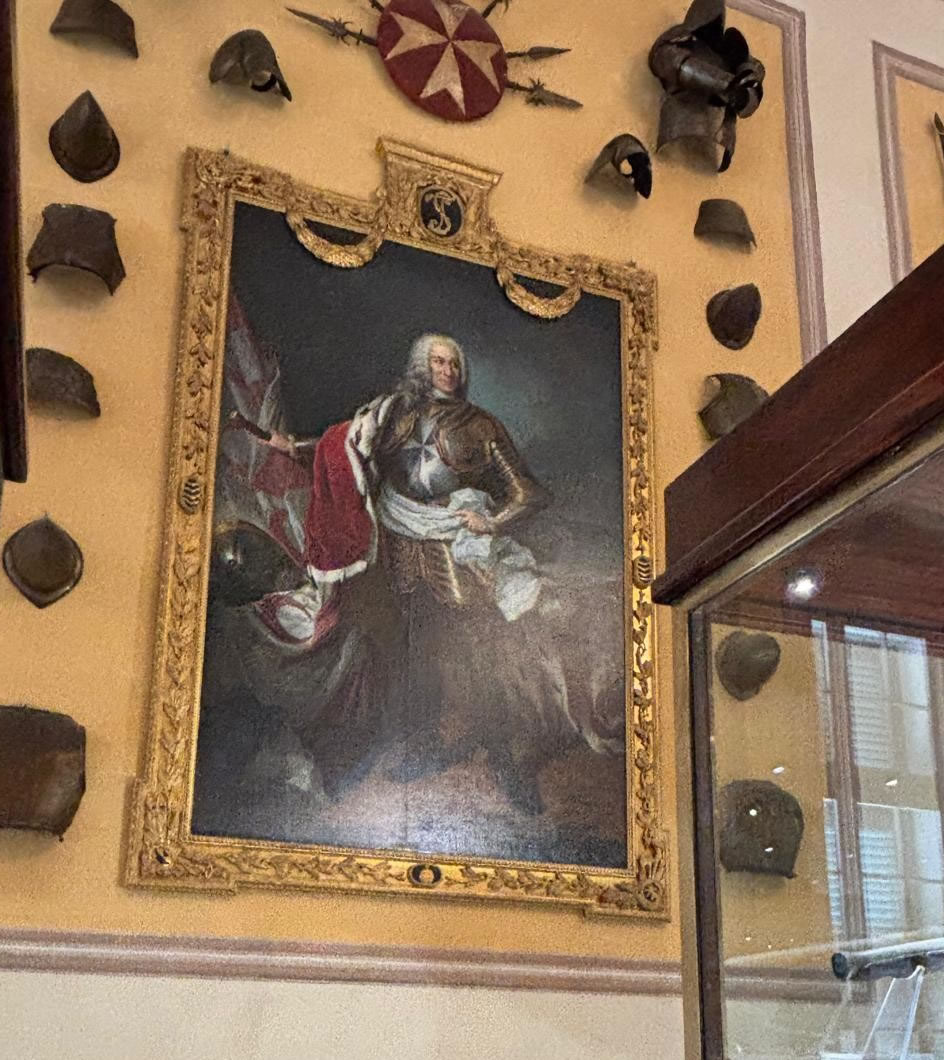
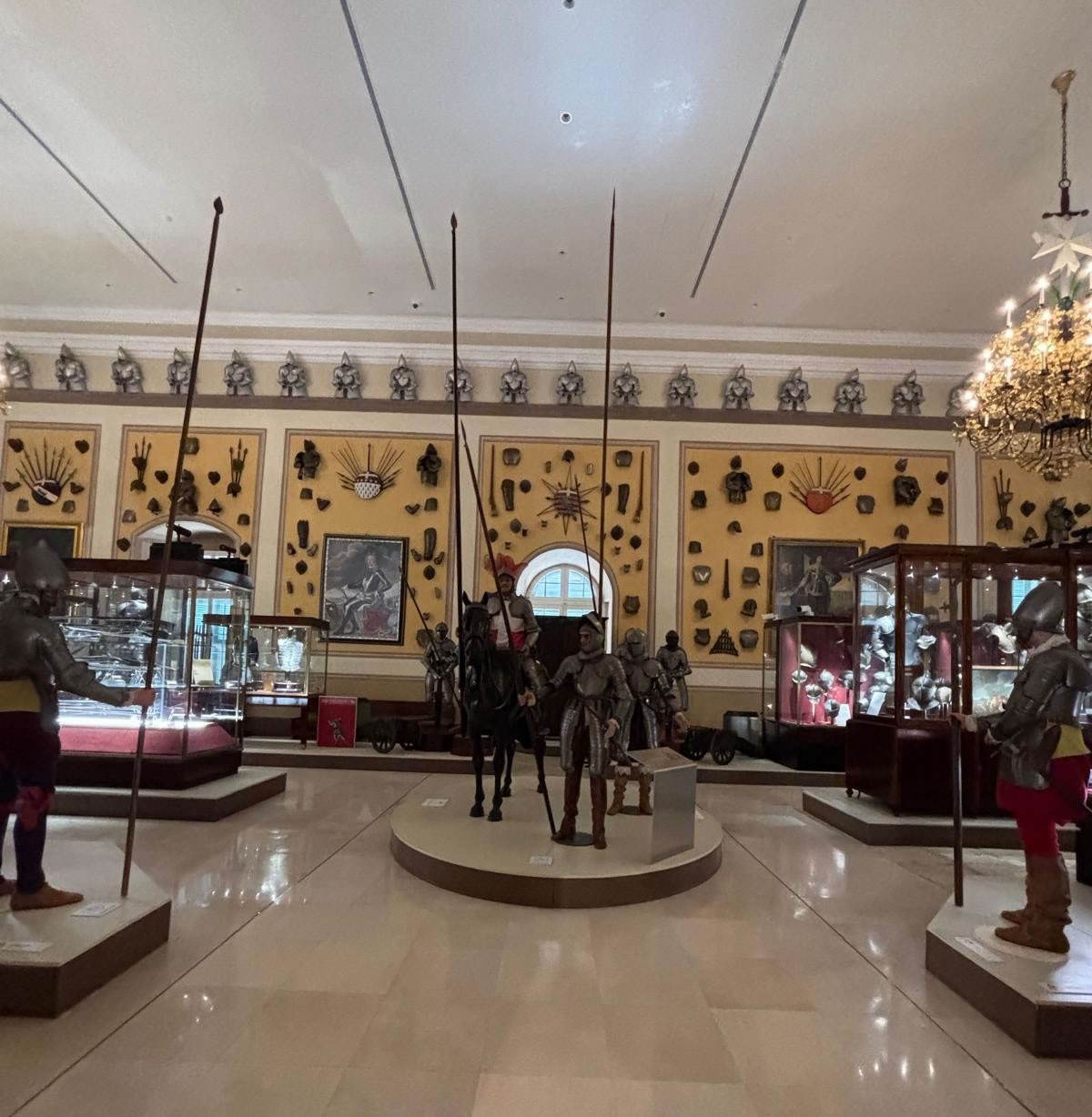
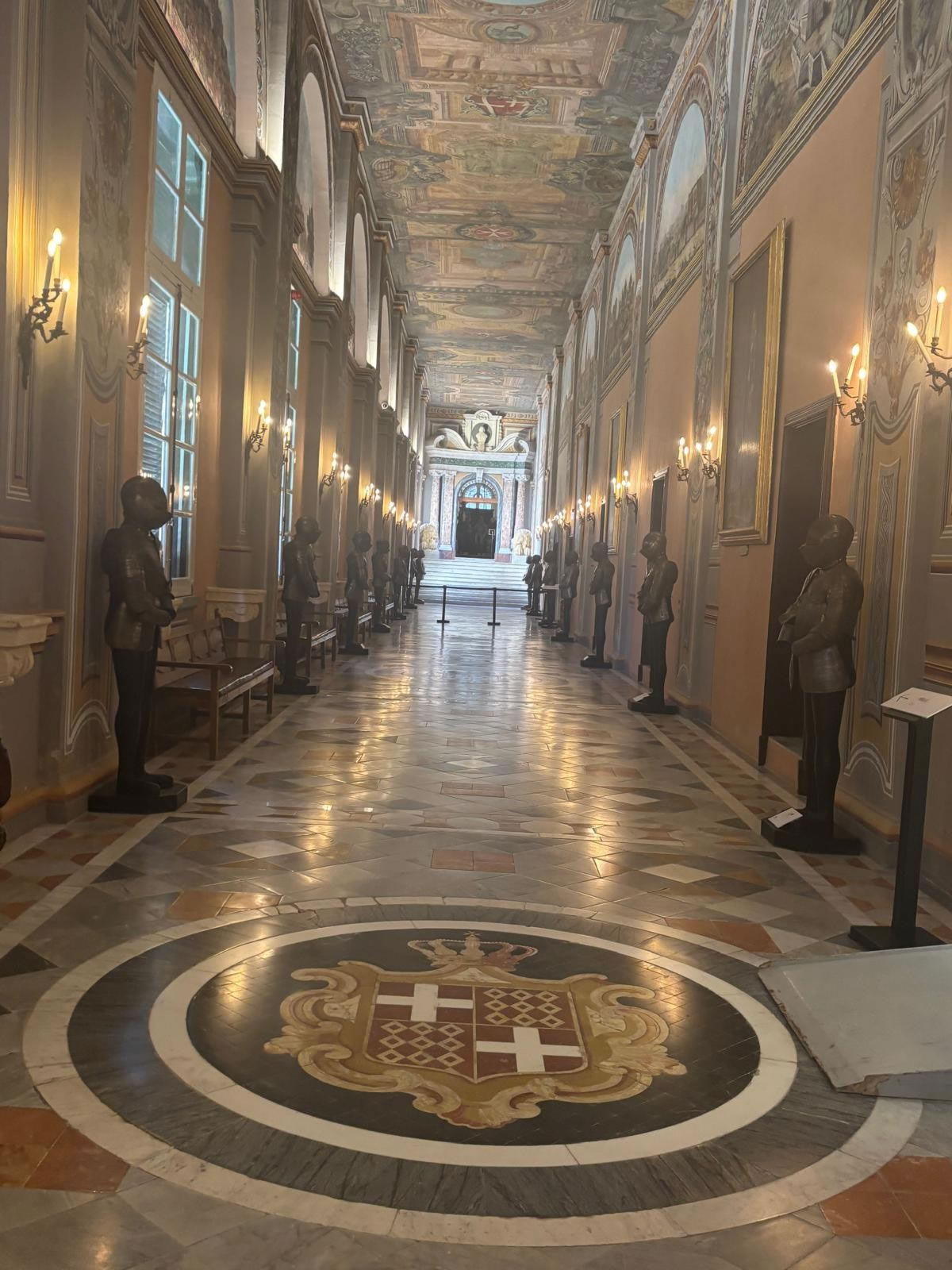
The palace also housed an extensive armoury, showcasing the military strength of the Order and its role in defending Christianity in the Mediterranean.
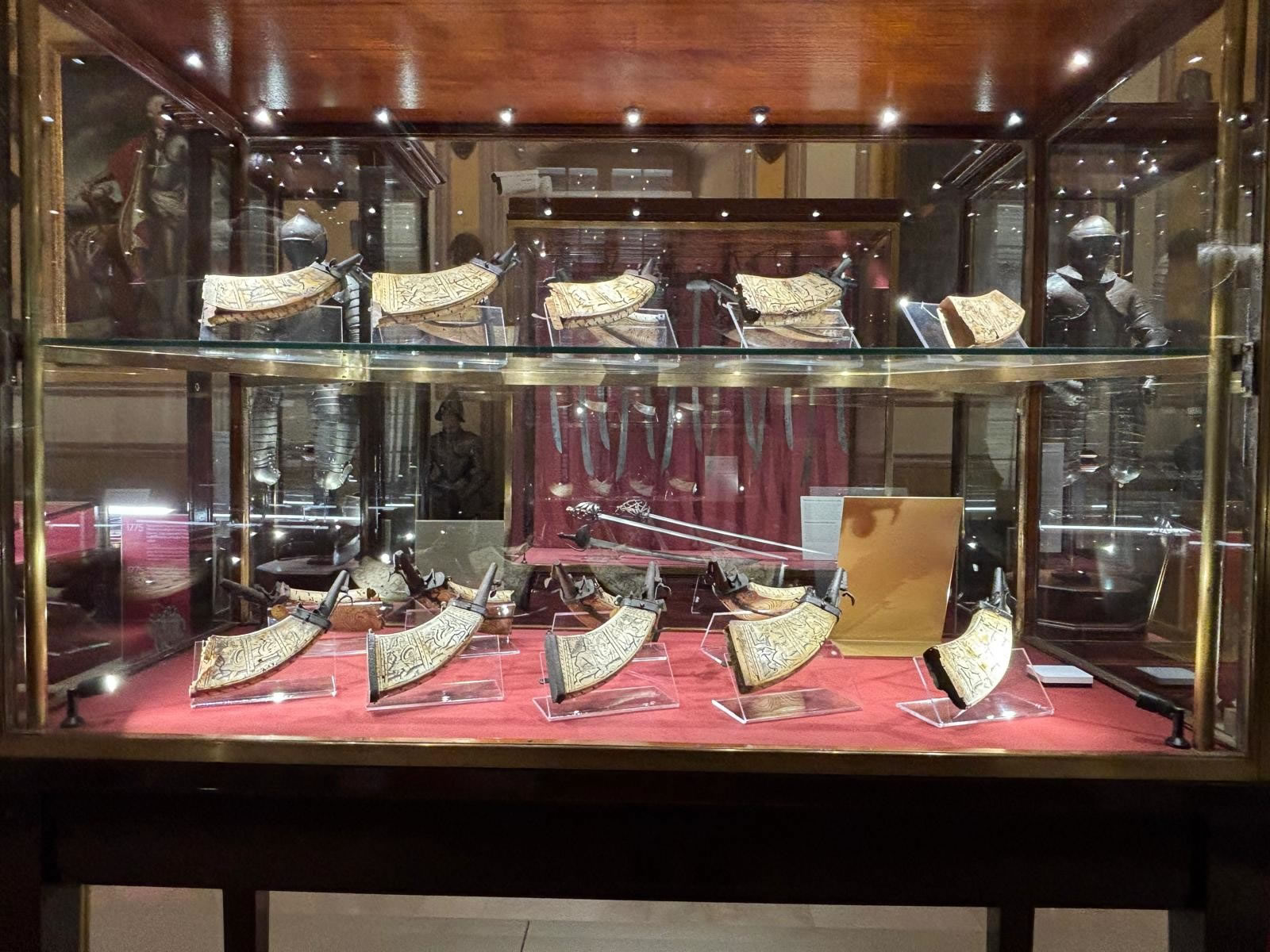
The Palace Armoury
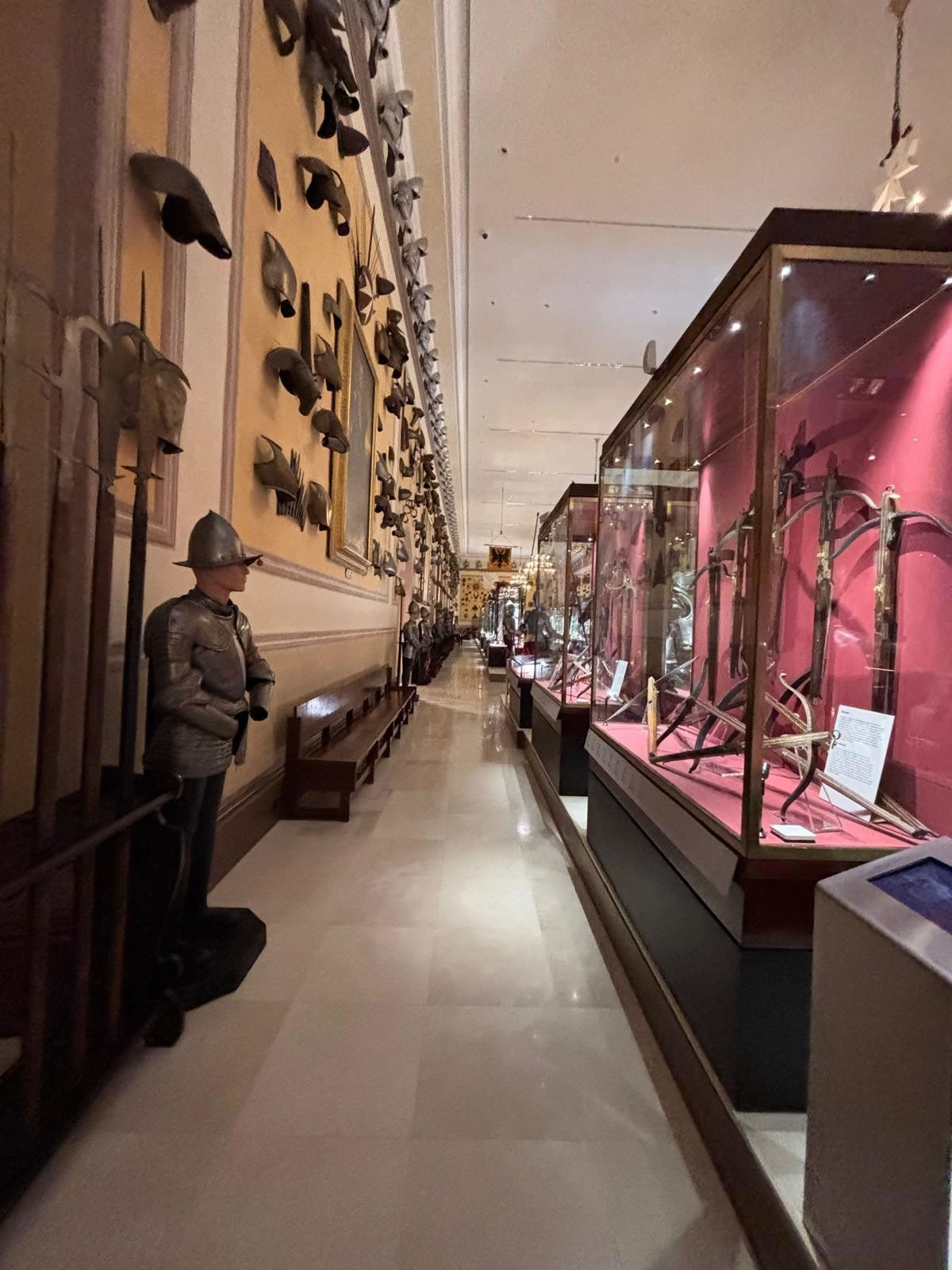
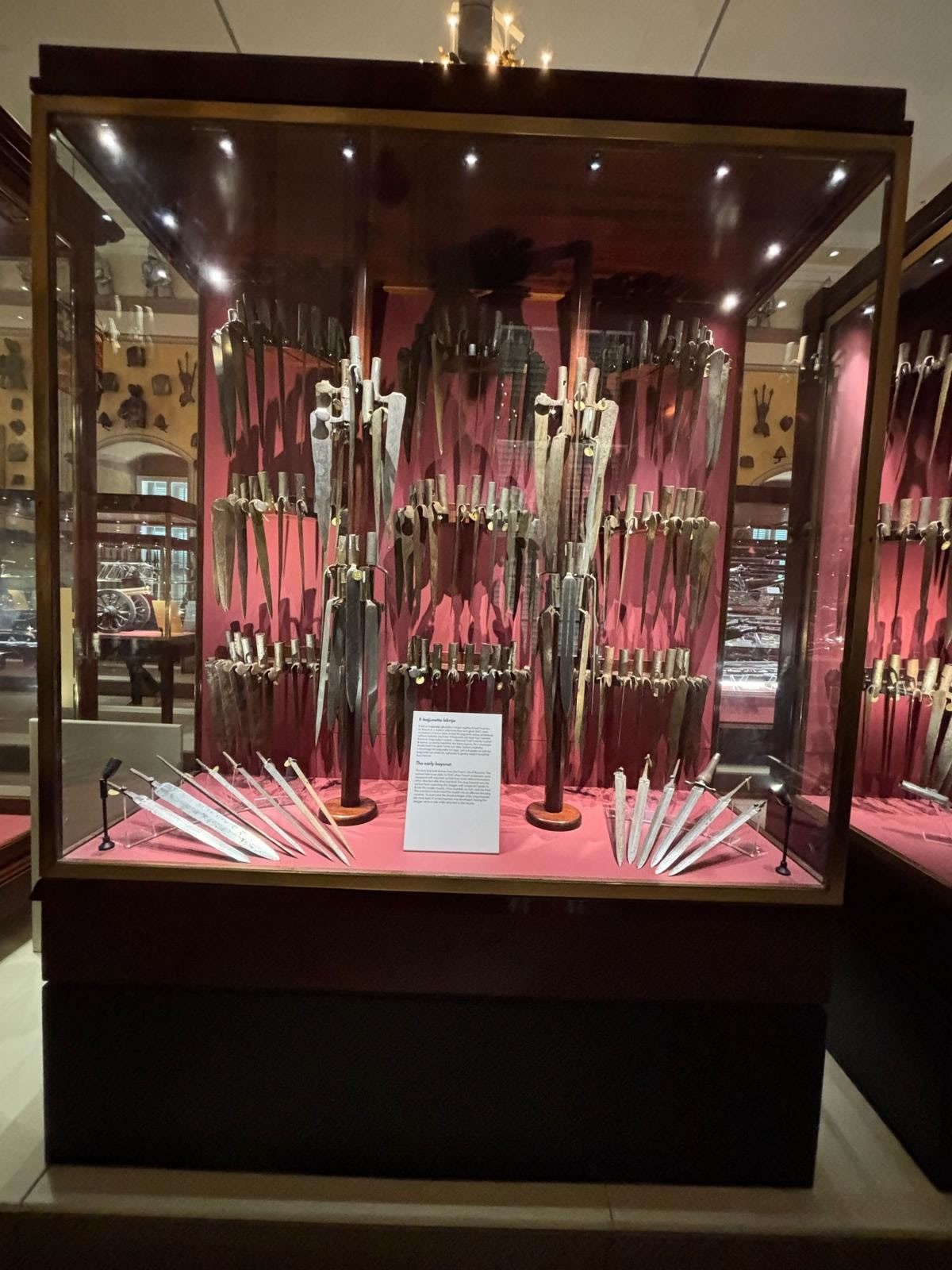
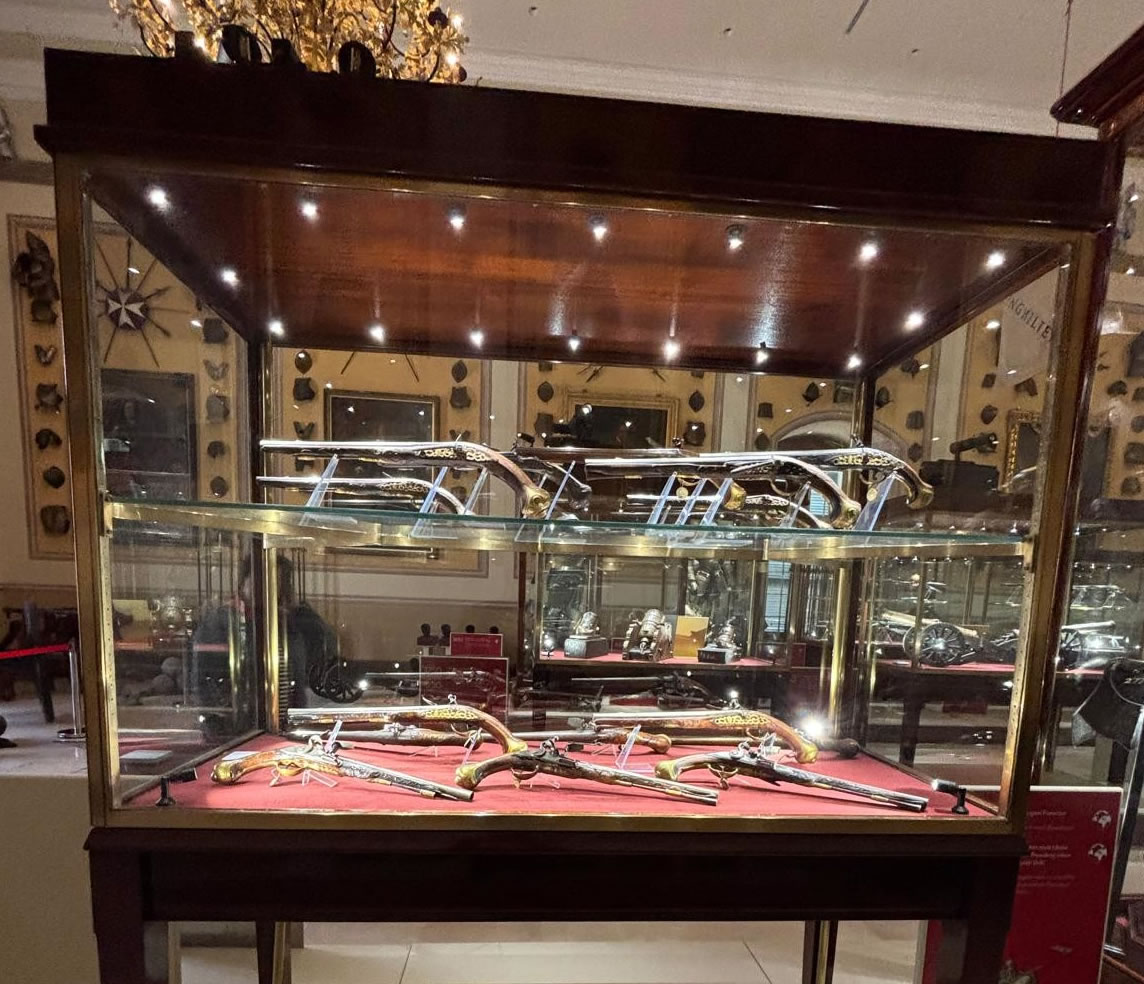
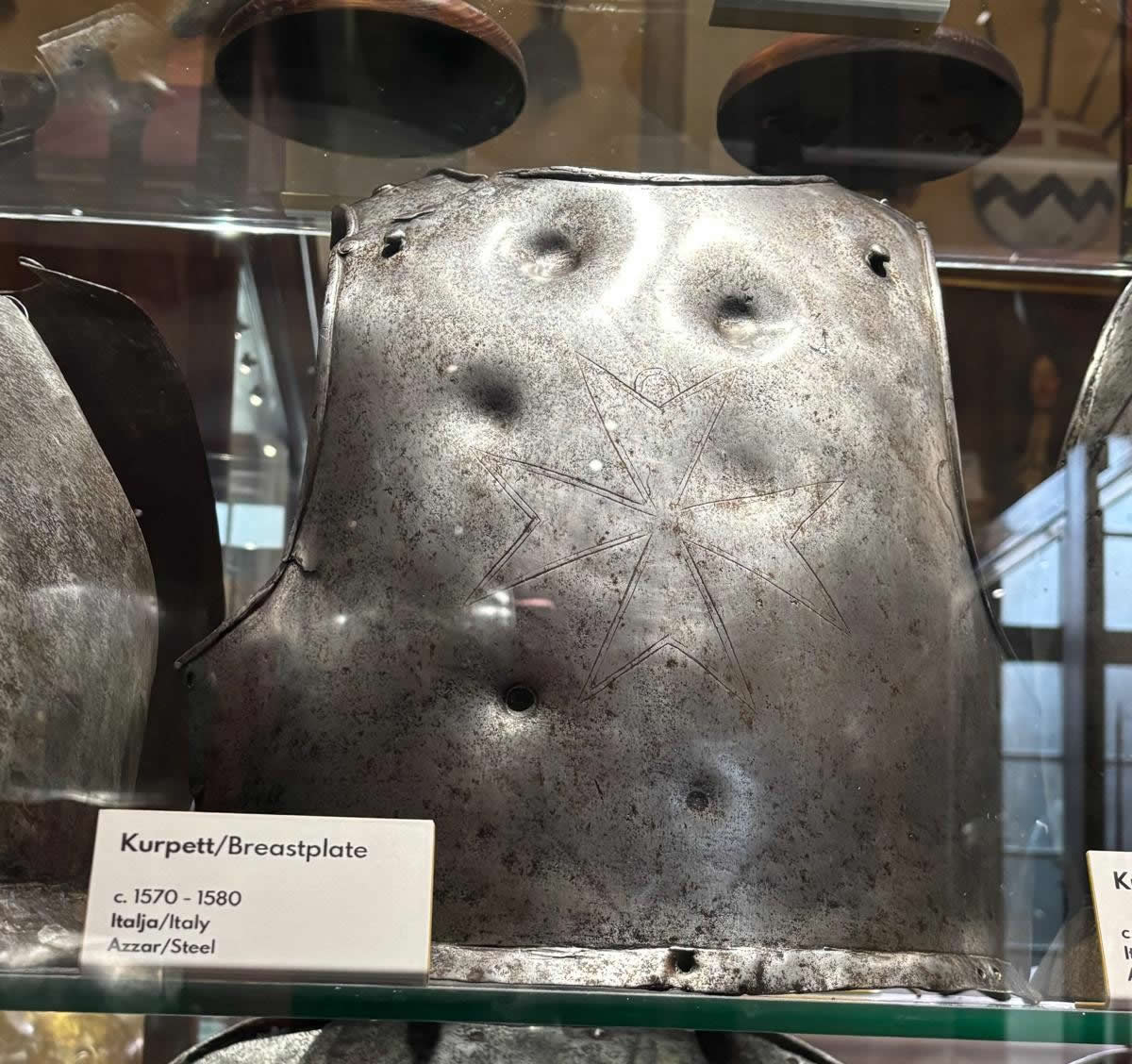
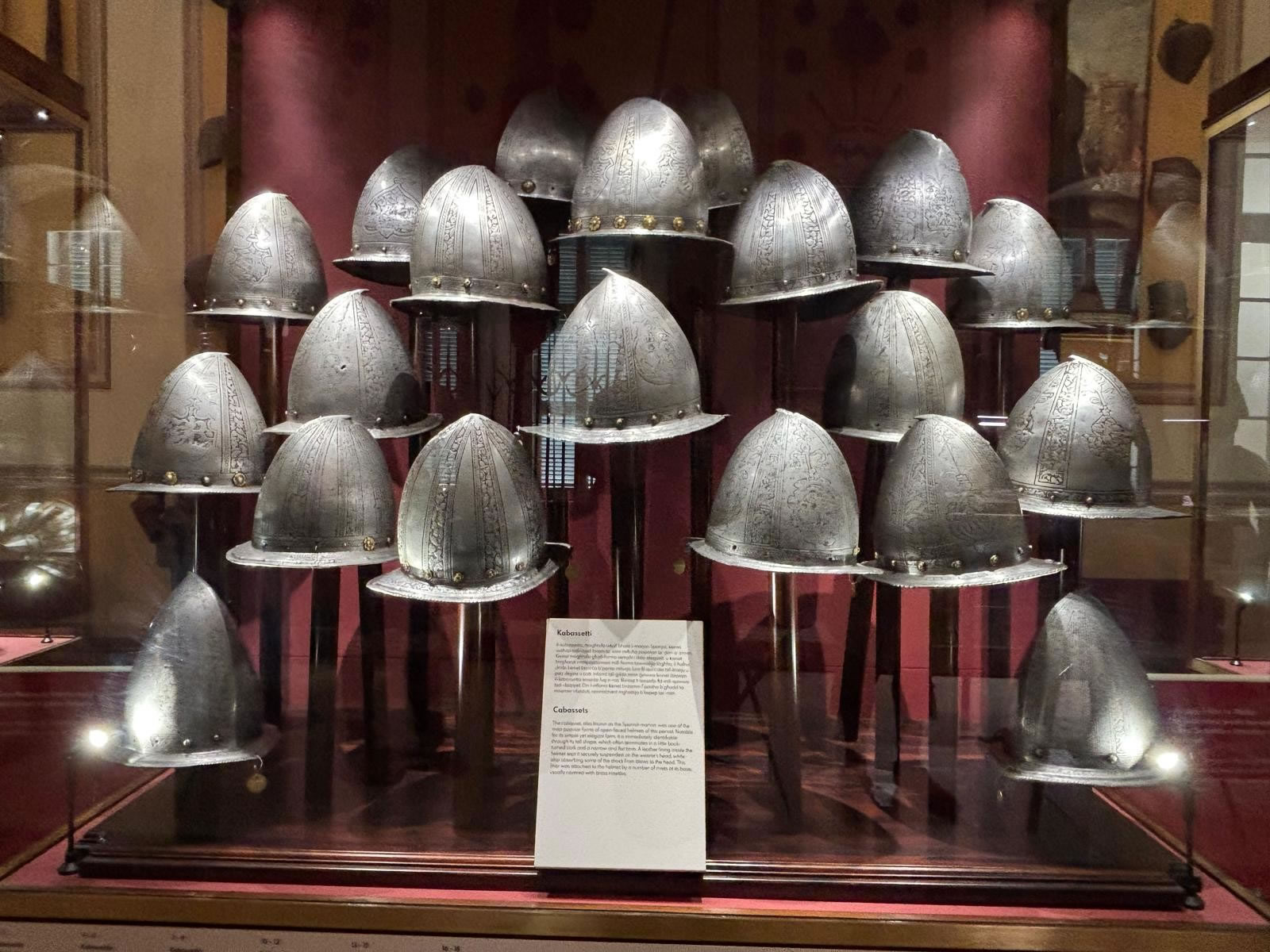
The armoury within the Grand Master’s Palace in Valletta, Malta, is one of the finest collections of arms and armour in Europe. Established by the Knights of the Order of St John in the 16th century, it originally housed weapons used during battles such as the Great Siege of 1565.
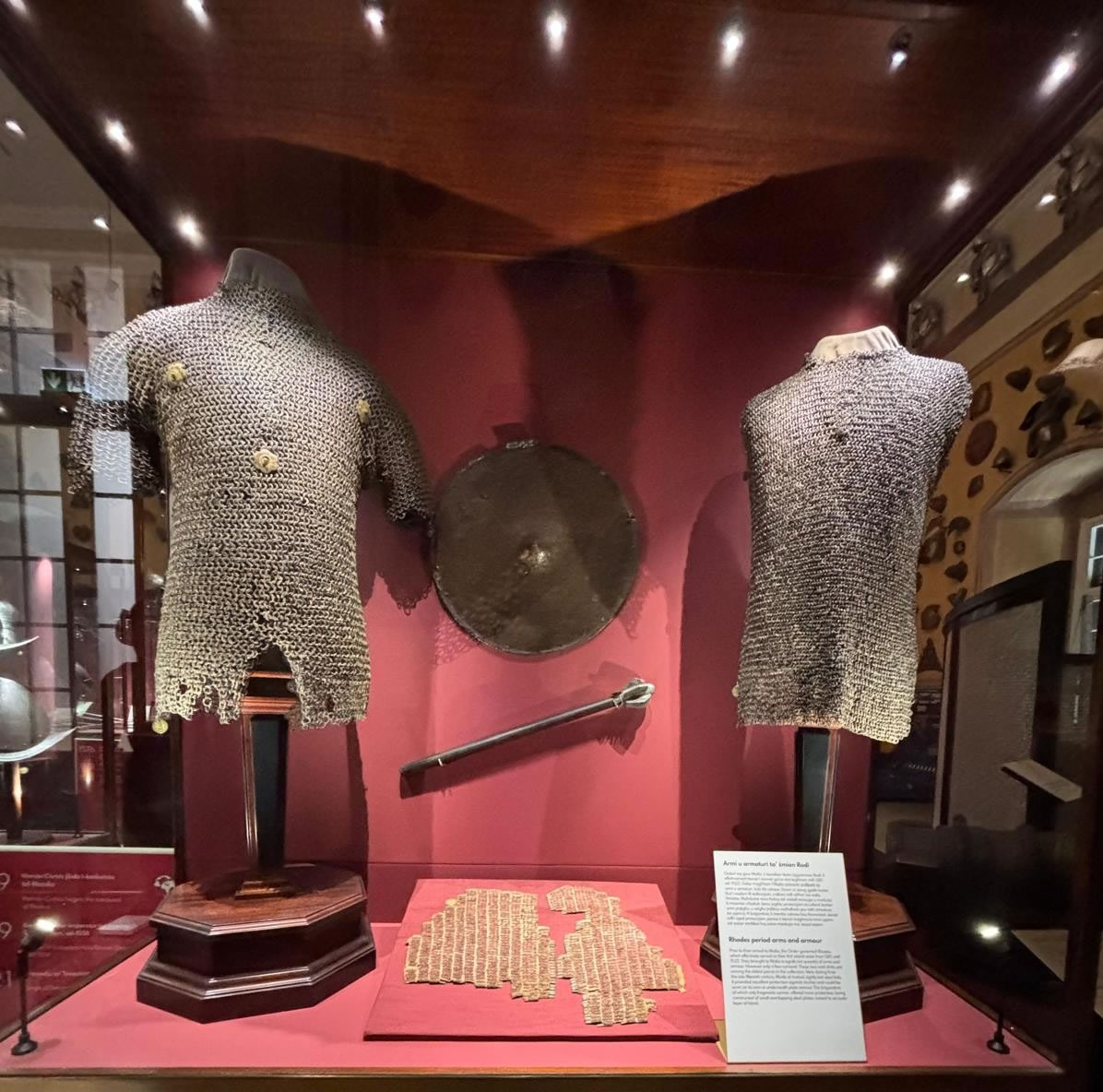
The Palace Armoury in Valletta also preserves an important collection of Ottoman armour and weapons, many of which were captured during the Great Siege of 1565.
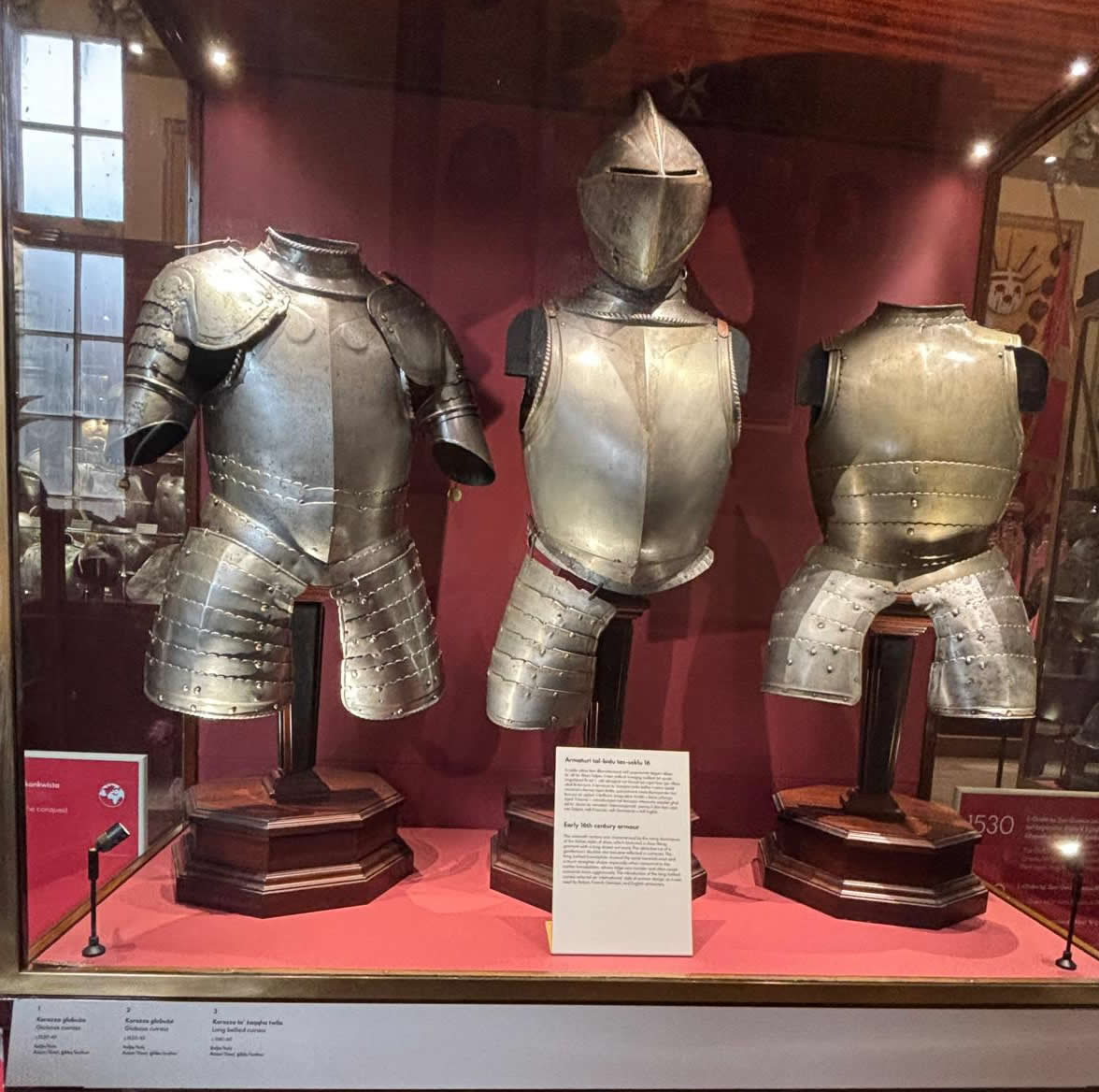
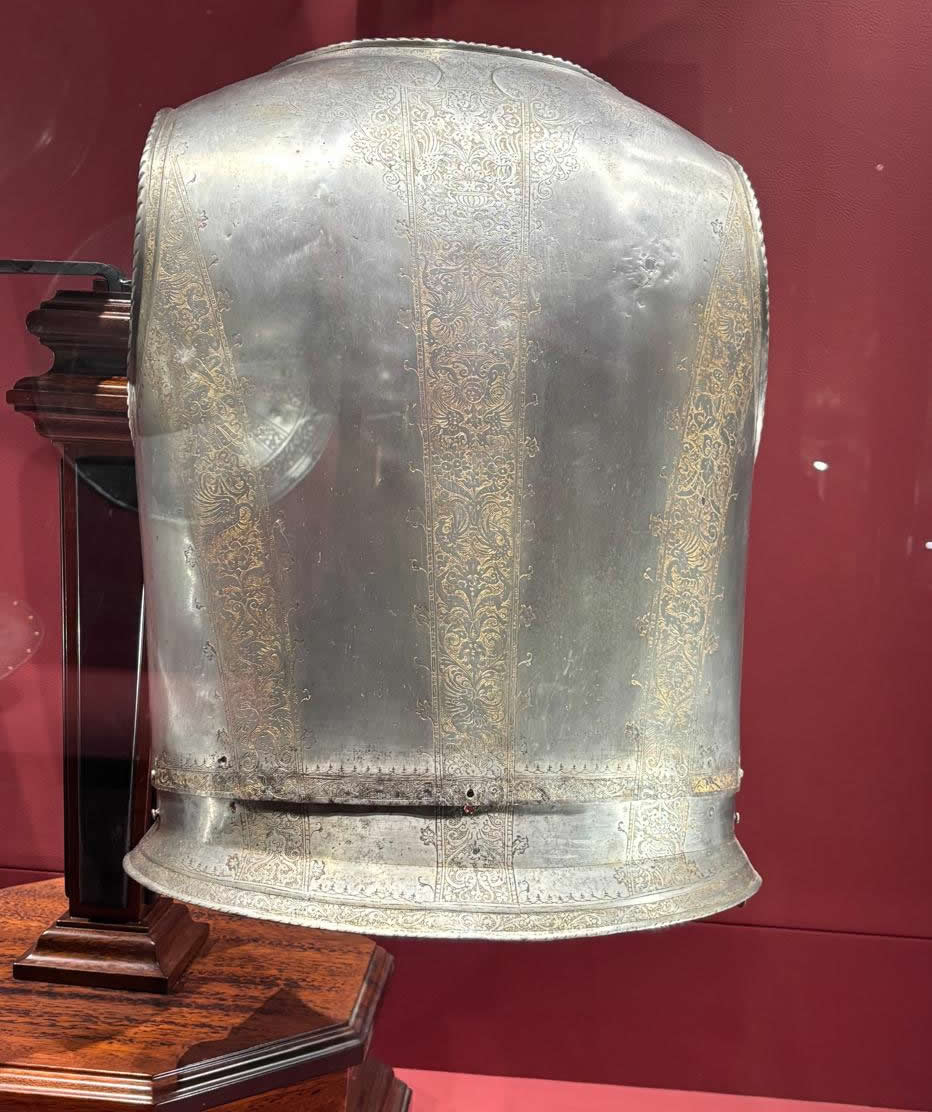
Ottoman Armour in the Palace Armoury
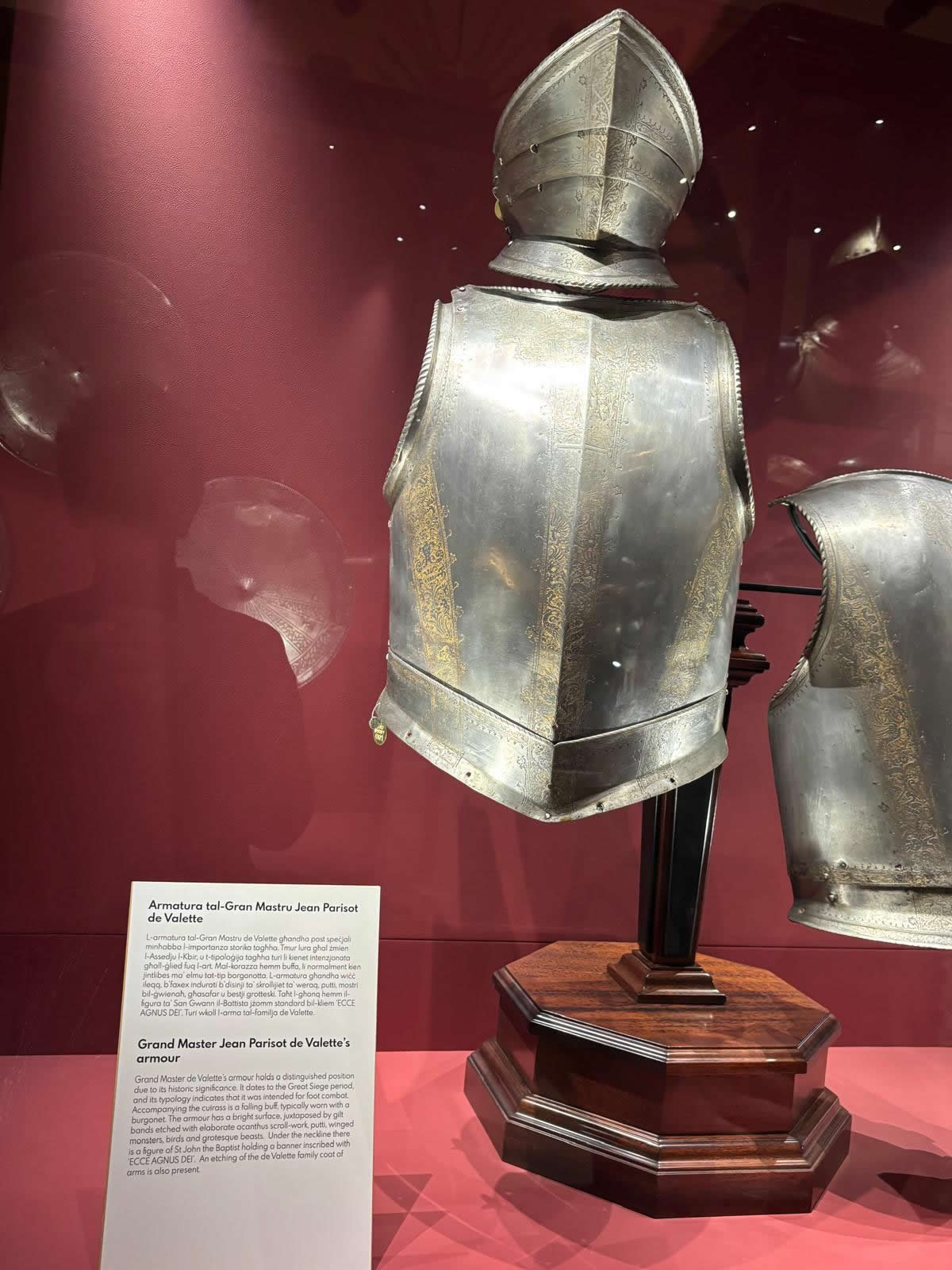
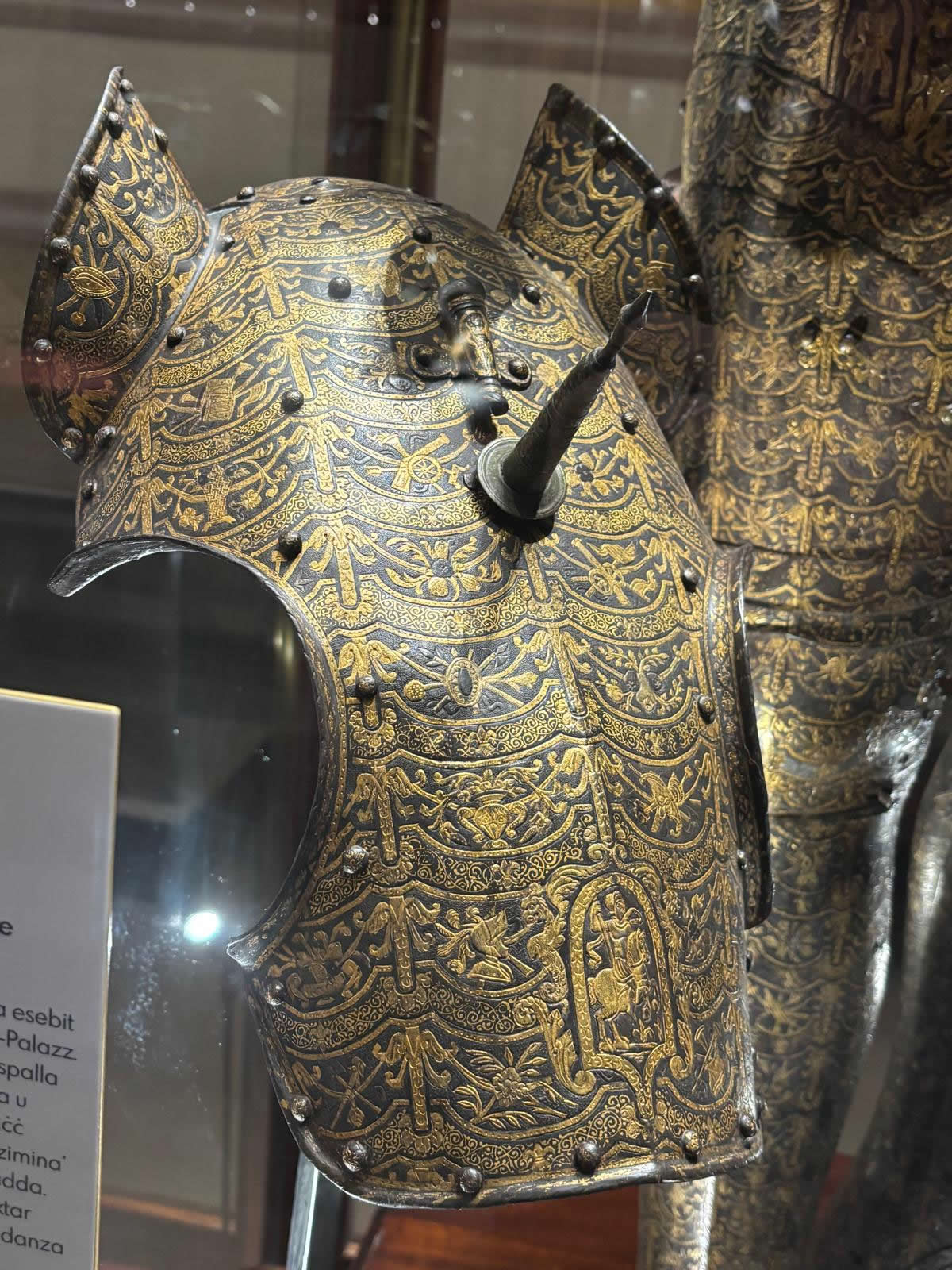
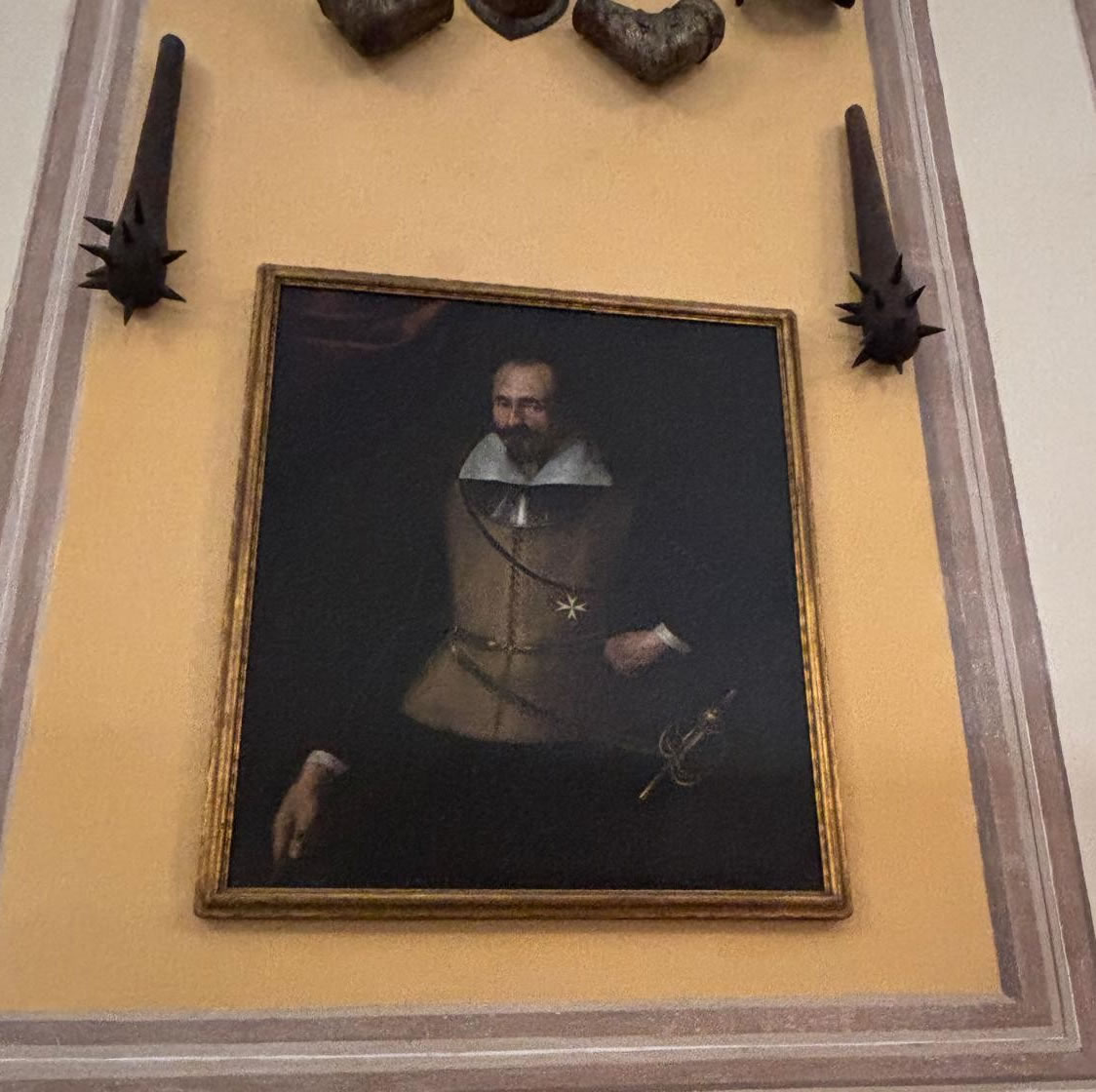
- Armour suits of Grand Masters such as Jean de Valette and Alof de Wignacourt
- Ottoman weapons and armour captured during battles
- Artillery pieces and military equipment
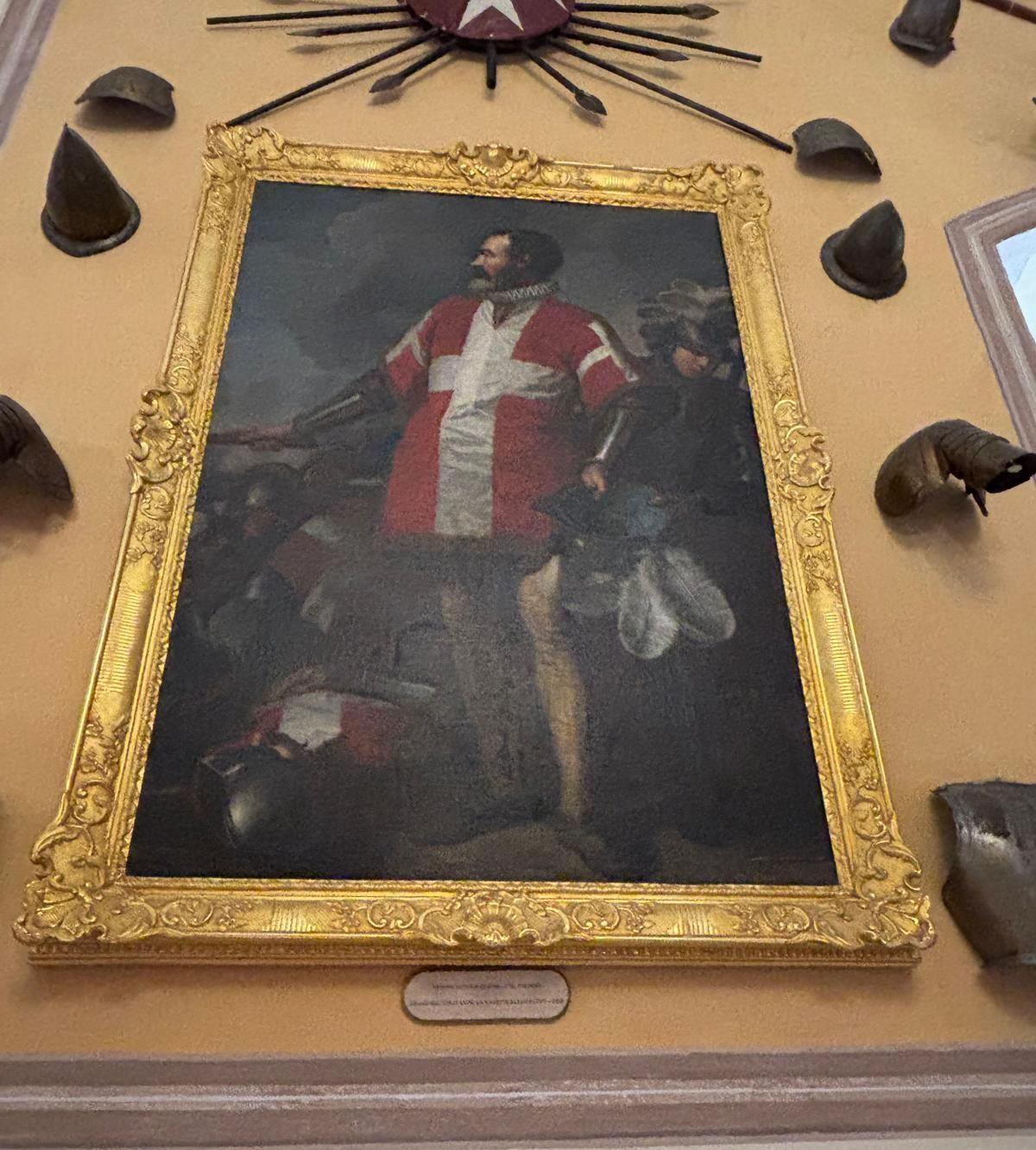
The armoury was historically located within the palace but was later moved during the British period. Following recent restoration works, it has been returned to its original location in the former Parliament Chamber.
British Period and Constitutional Role (1798–1964)
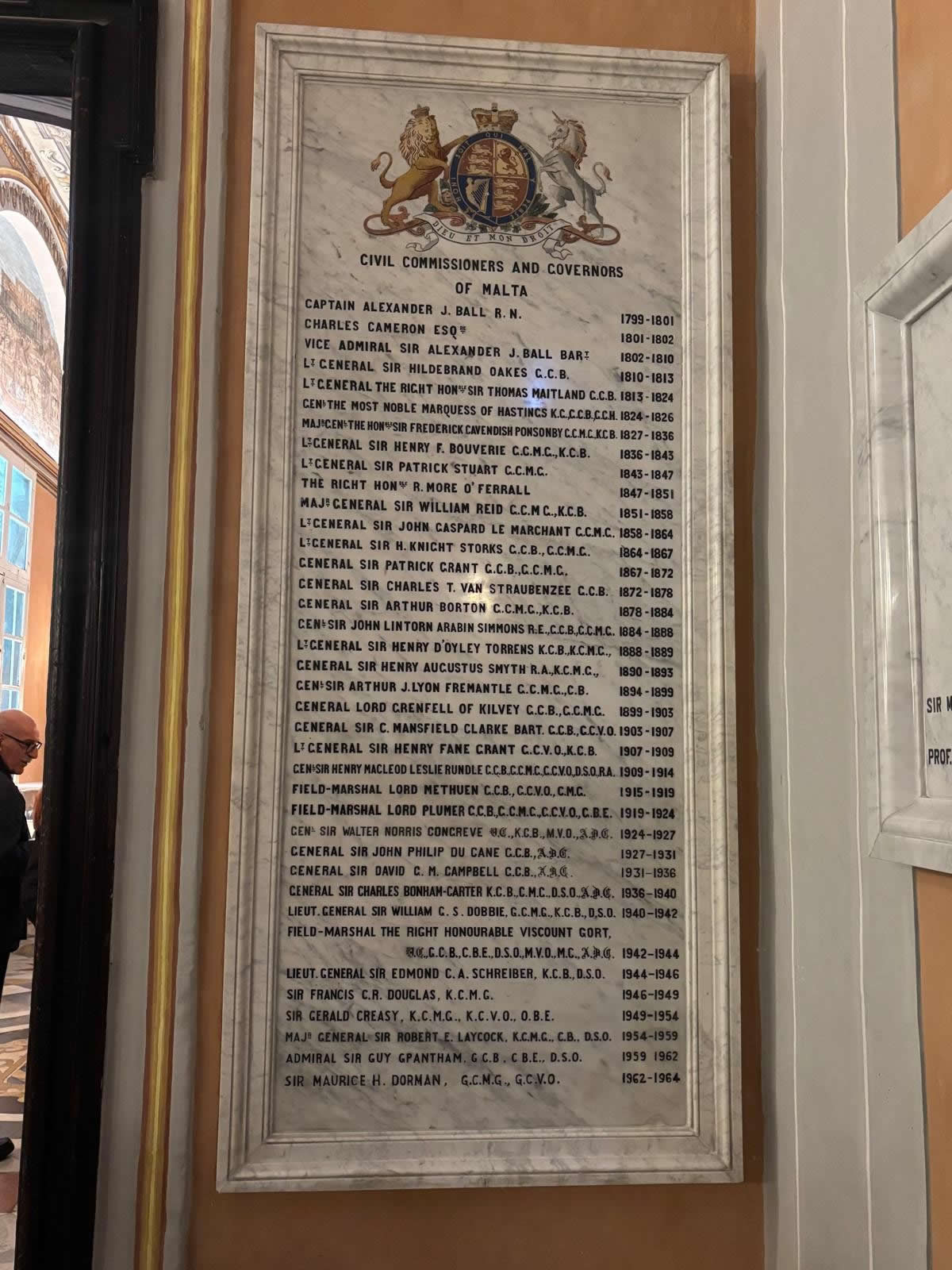
After the departure of the Knights in 1798, Malta came under British rule, and the palace was transformed into the Governor’s Palace.
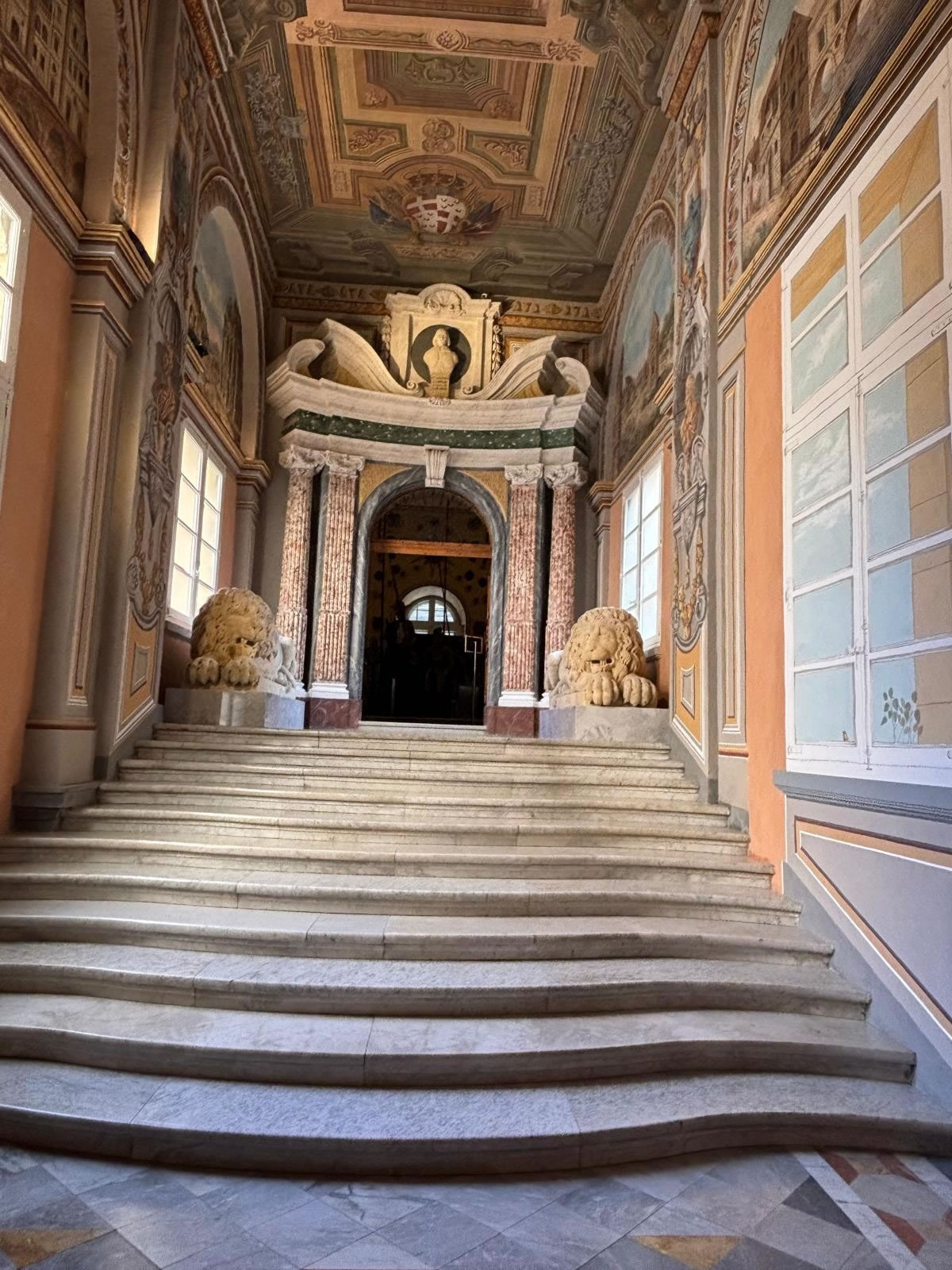
During this period, the building became the centre of colonial administration. It continued to host official ceremonies and governmental functions, maintaining its role as the political heart of the island.
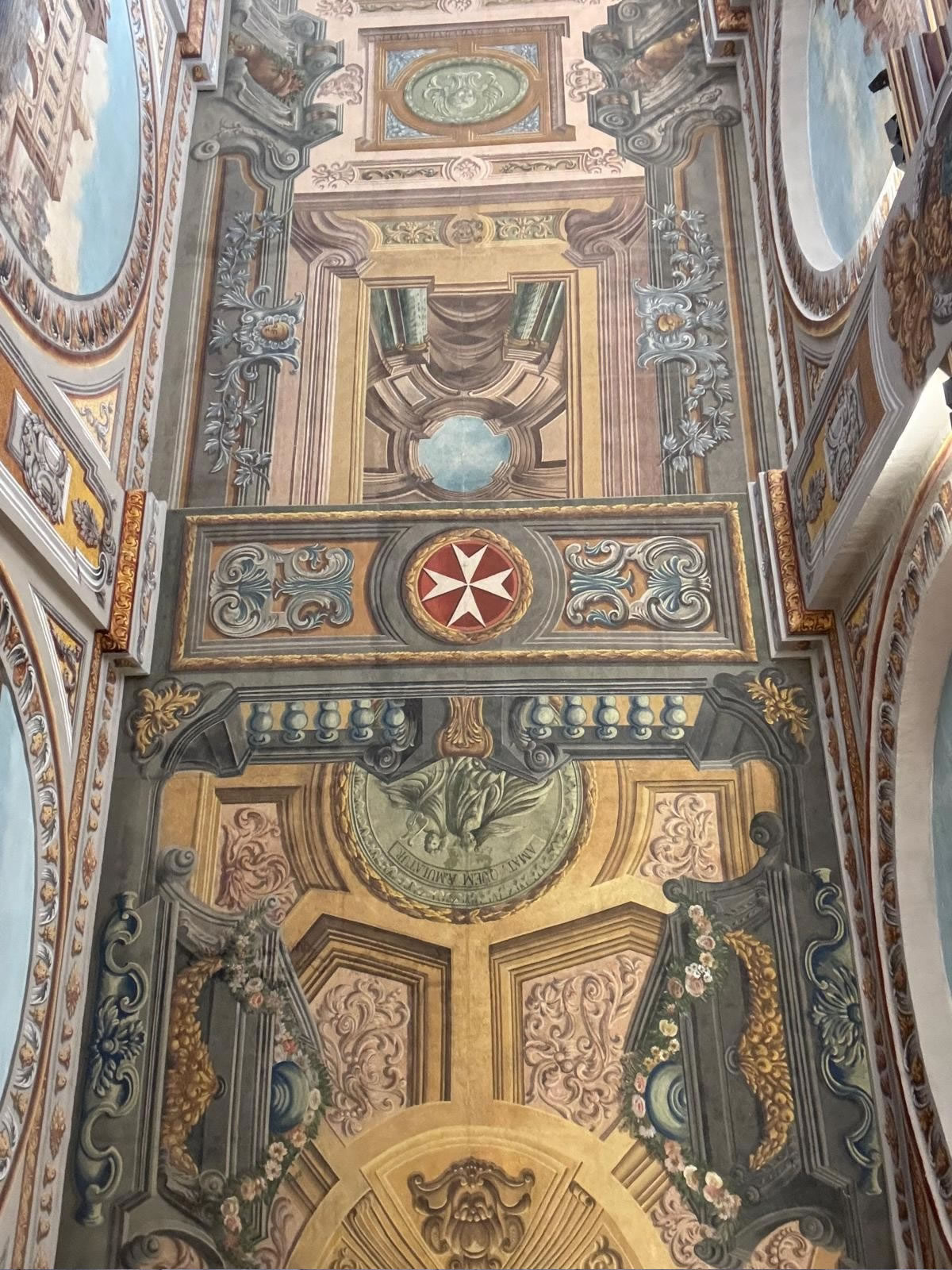
In 1921, the palace gained additional historical significance when it became the seat of Malta’s first constitutional parliament.
The building continued to serve as the parliamentary seat until 2015, when Malta’s Parliament moved to a new purpose-built structure.
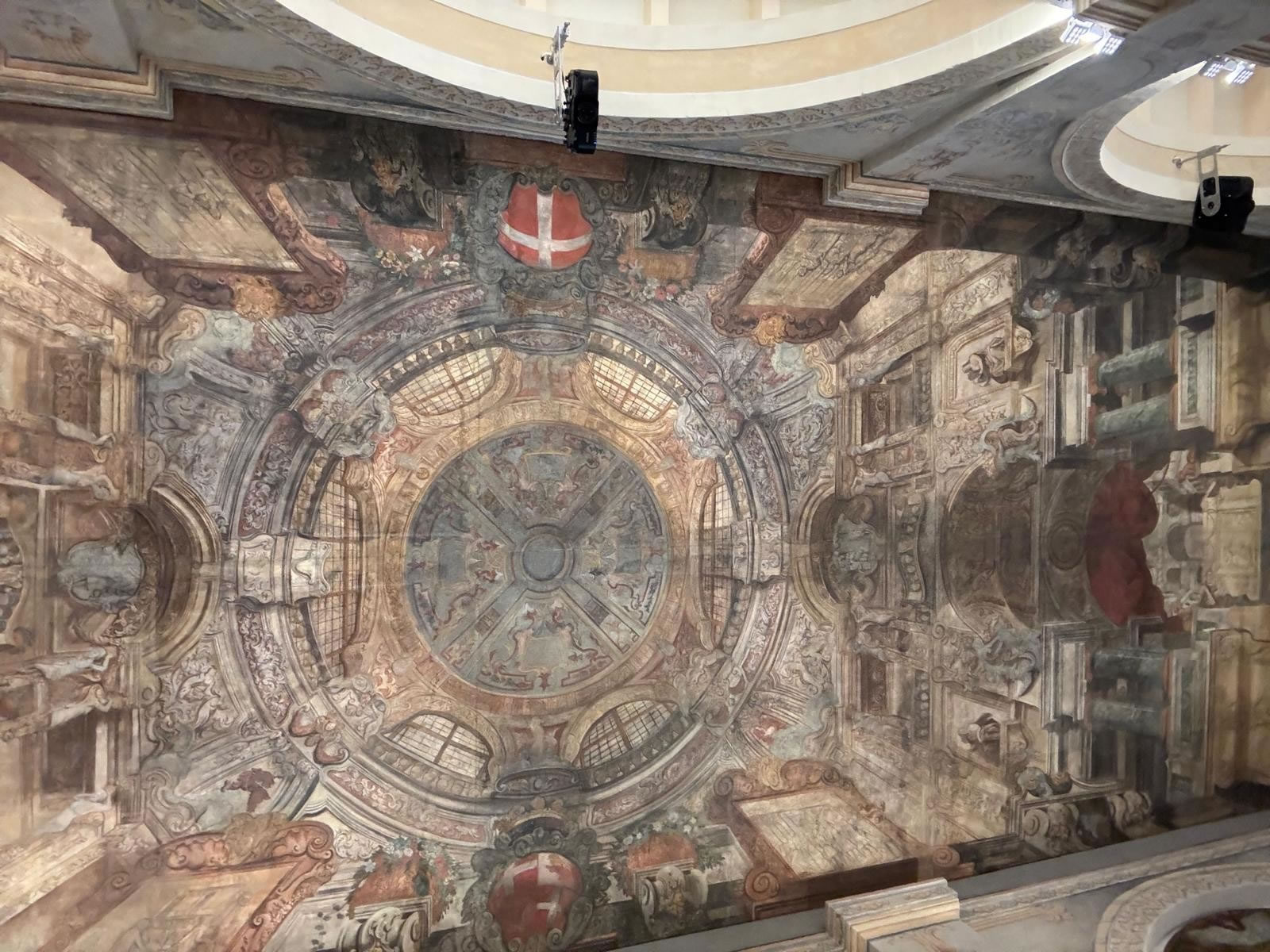
Modern Role and National Significance
Today, the Grand Master's Palace serves as the Office of the President of Malta, maintaining its status as a centre of national authority.
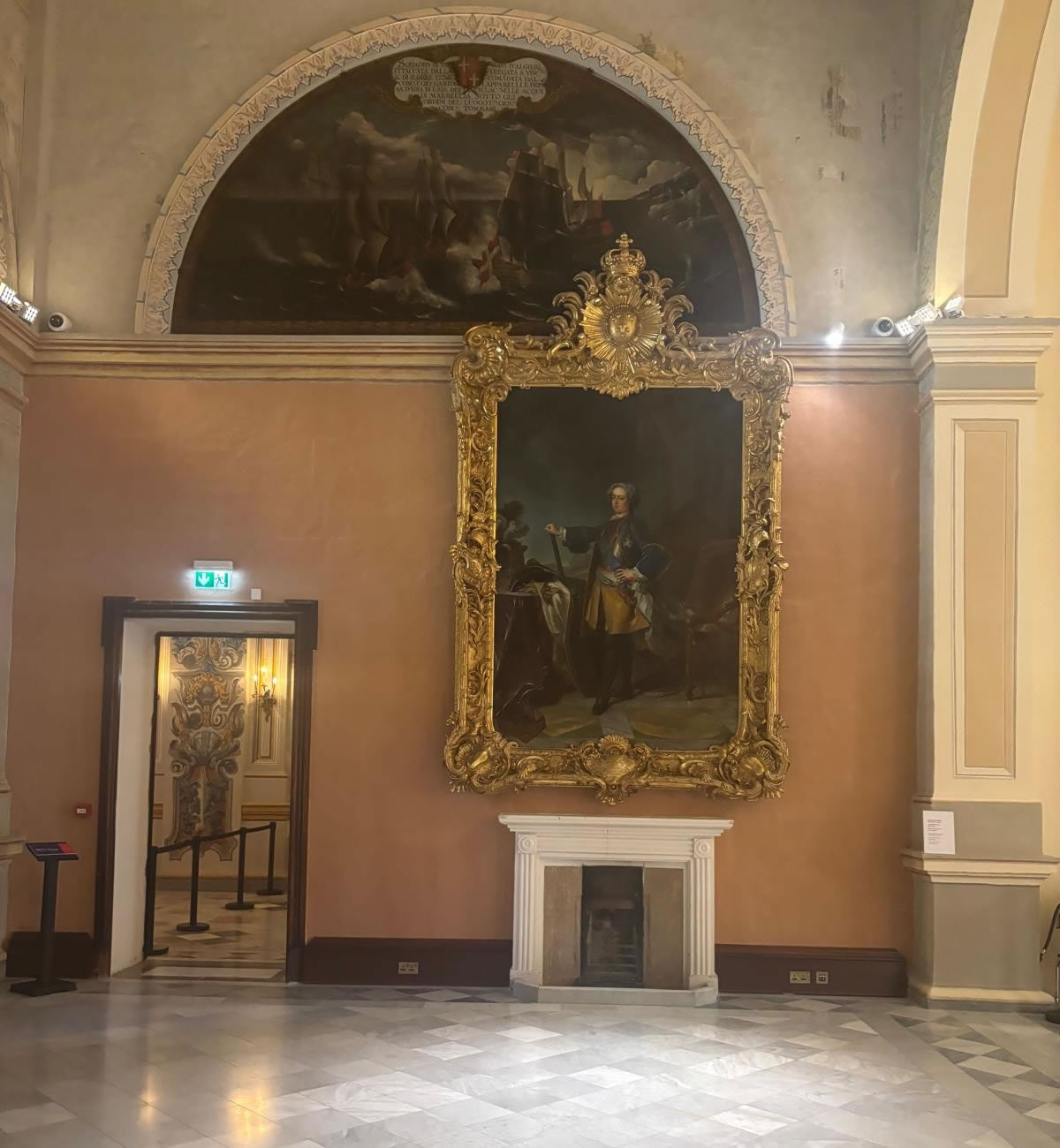
At the same time, large parts of the building have been opened to the public as a museum, allowing visitors to explore its historic rooms and collections.
The palace is widely regarded as one of Malta’s most important national monuments, symbolising over 500 years of political and cultural history.
Architectural Features
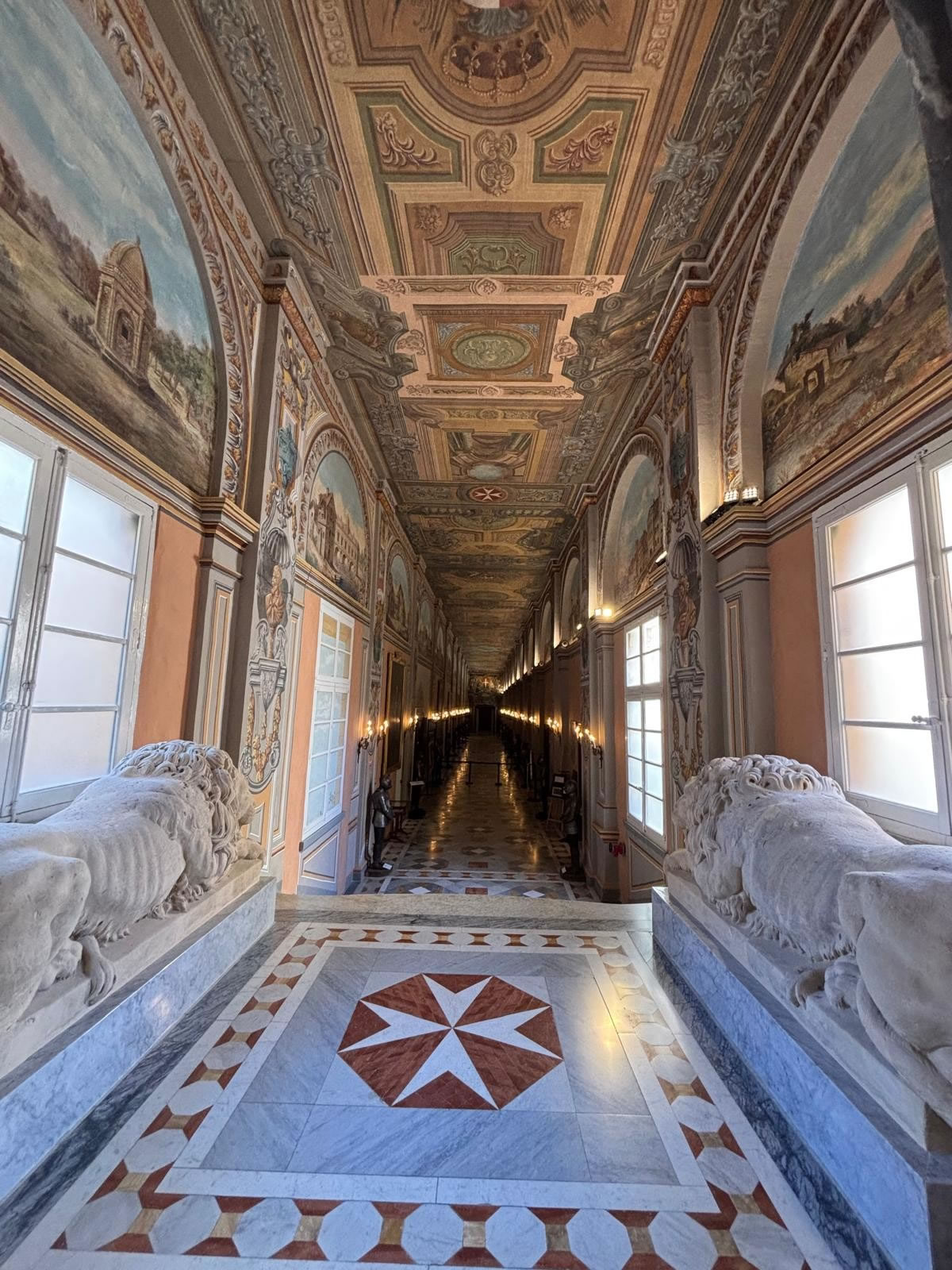
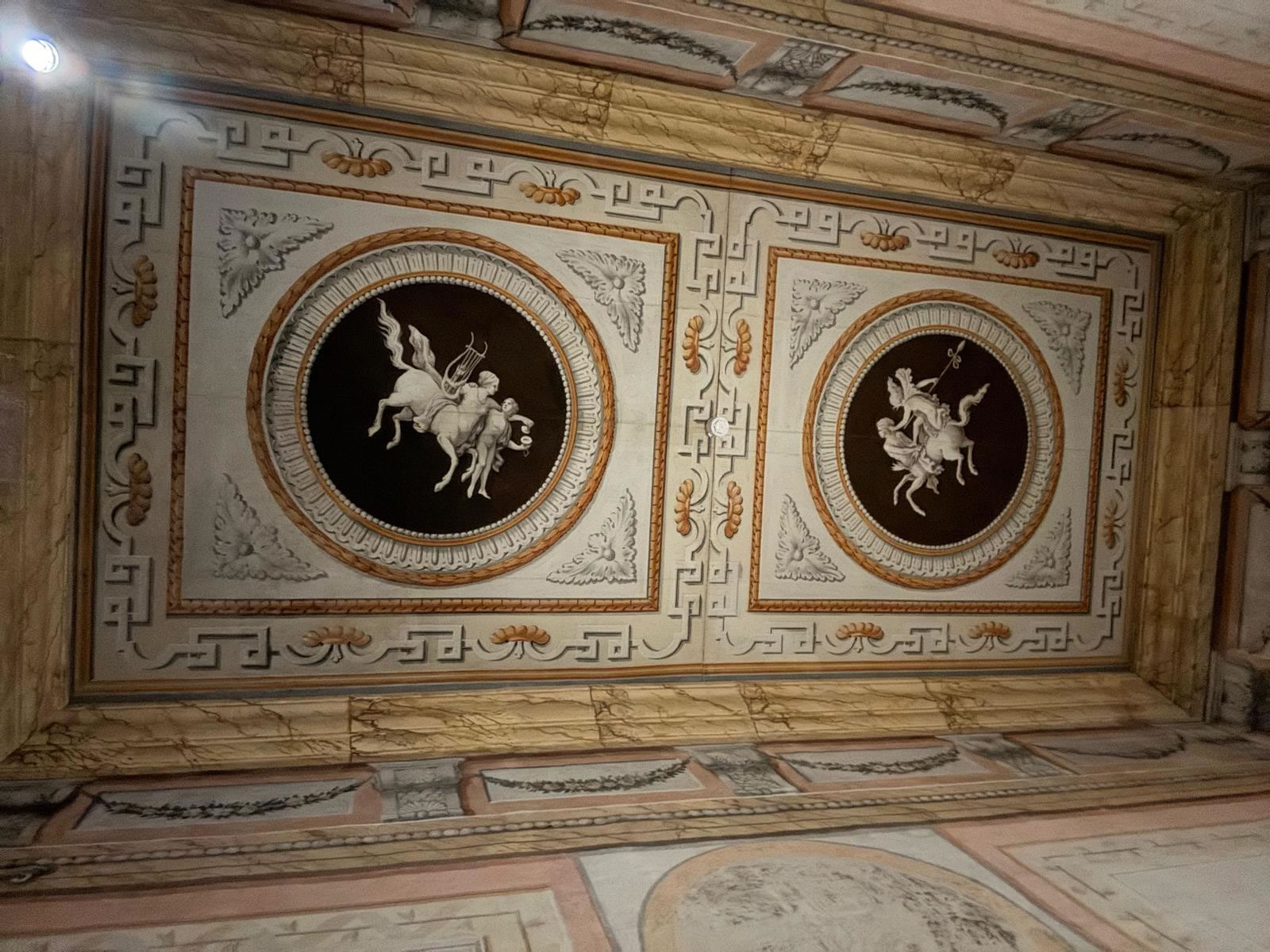
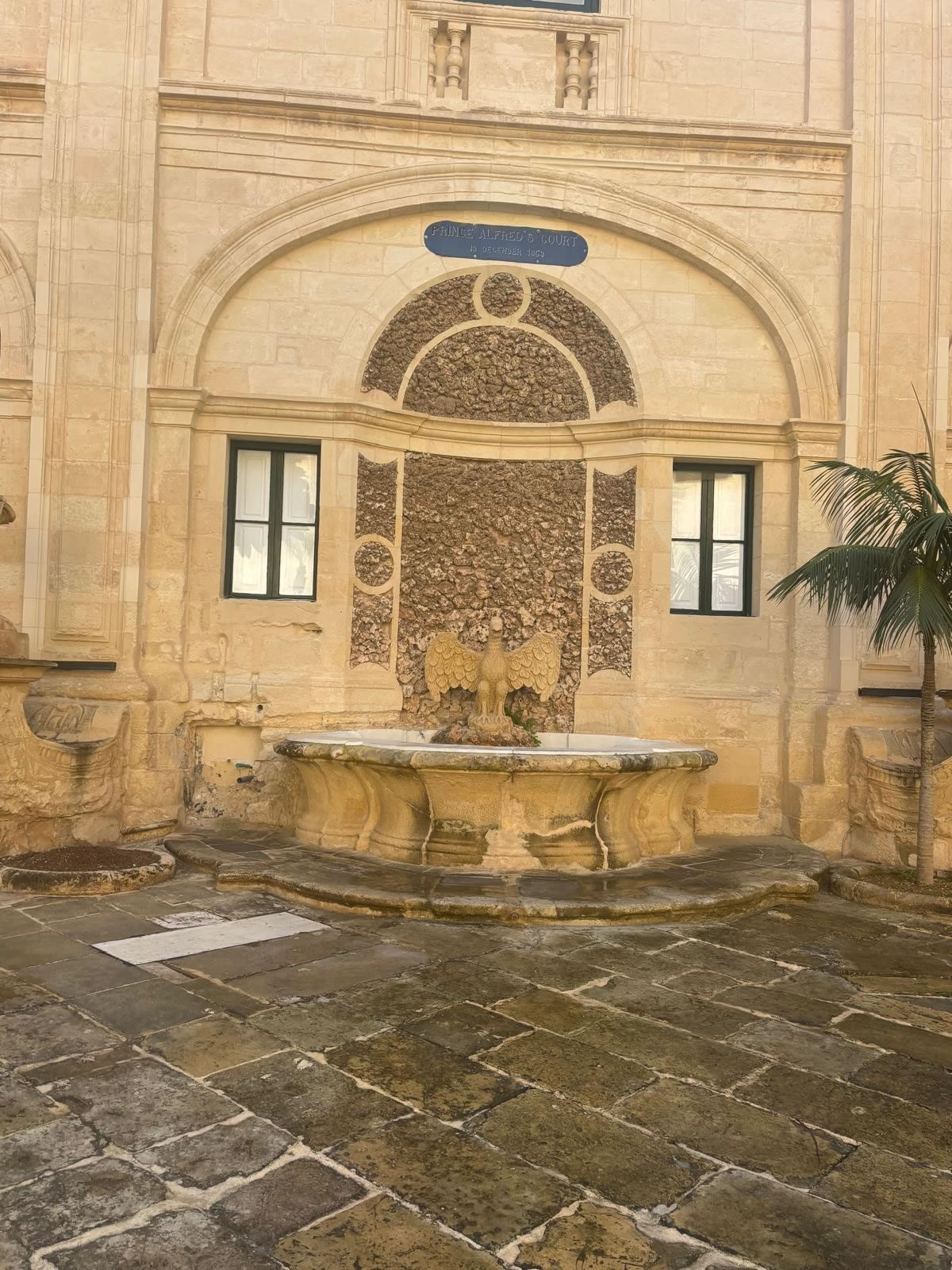
The Grand Master's Palace is a prime example of Maltese Renaissance and Baroque architecture. While its exterior is relatively austere, reflecting the military character of the Order, the interior is richly decorated.
Key architectural features include:
- Large central courtyards with arcaded walkways
- Grand staircases leading to the Piano Nobile
- Lavishly decorated state rooms
- Baroque ceiling paintings and wall decorations
The Piano Nobile, or principal floor, contains the most important rooms, including the Throne Room, Ambassadors’ Room, and Grand Master’s Study.
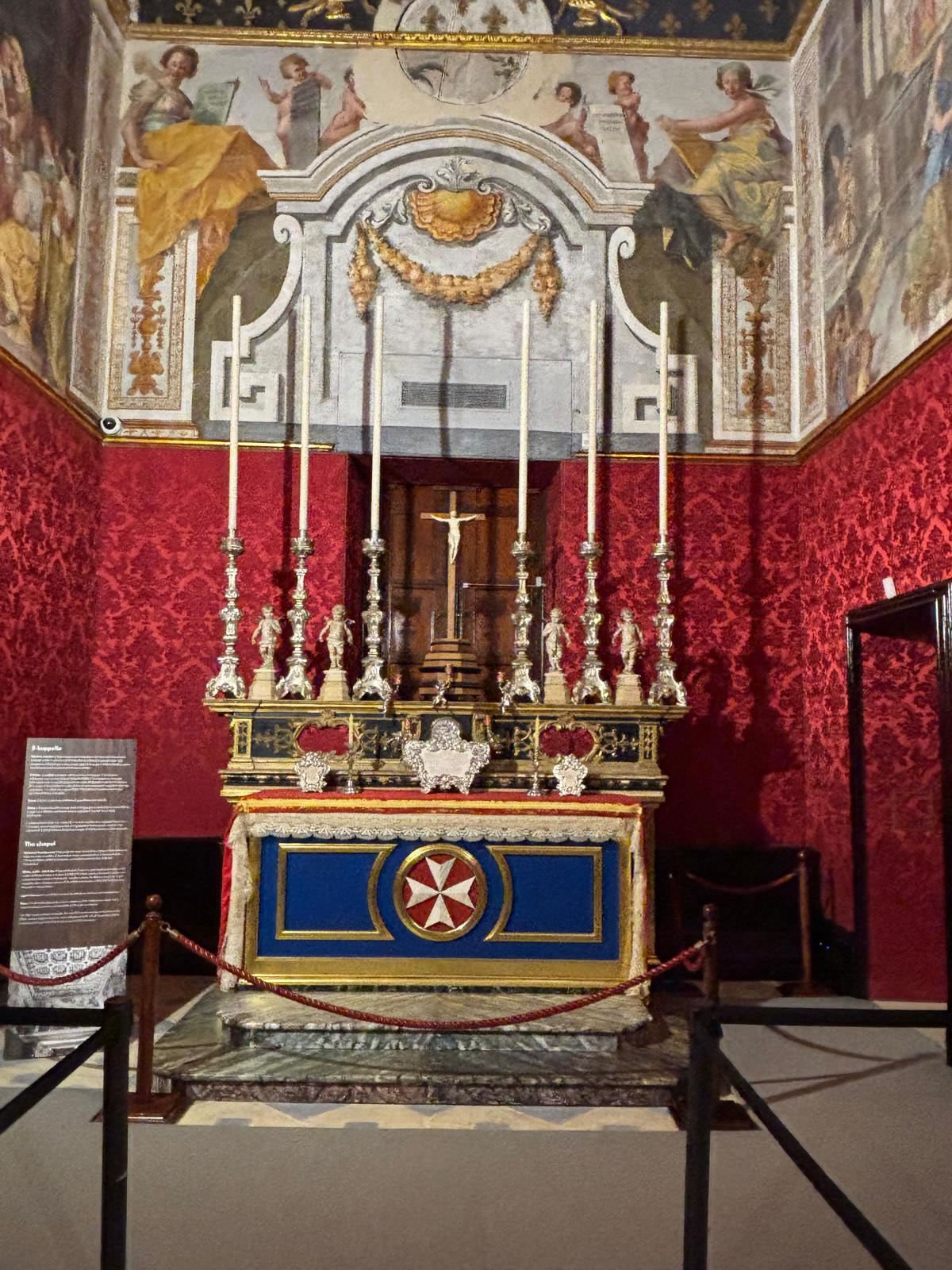
These spaces were designed to impress visitors and reflect the authority of the Grand Master.
State Rooms and Interiors
The State Rooms of the palace are among its most impressive features. These rooms were used for official functions, ceremonies, and receptions.
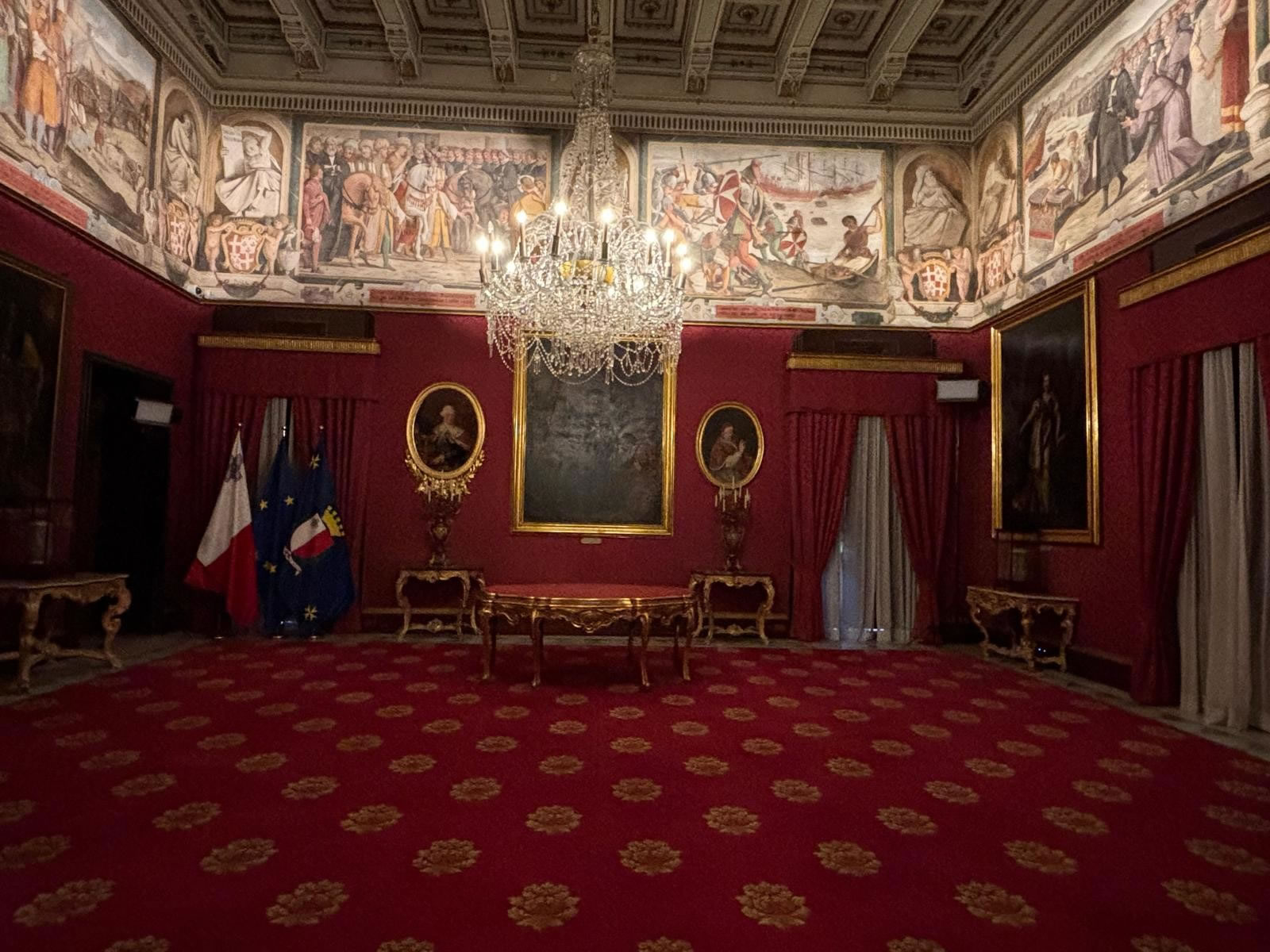
Highlights include:
- The Throne Room, used for ceremonial occasions
- The Ambassadors’ Room, decorated with historical paintings
- The Pages’ Room and Grand Master’s private apartments
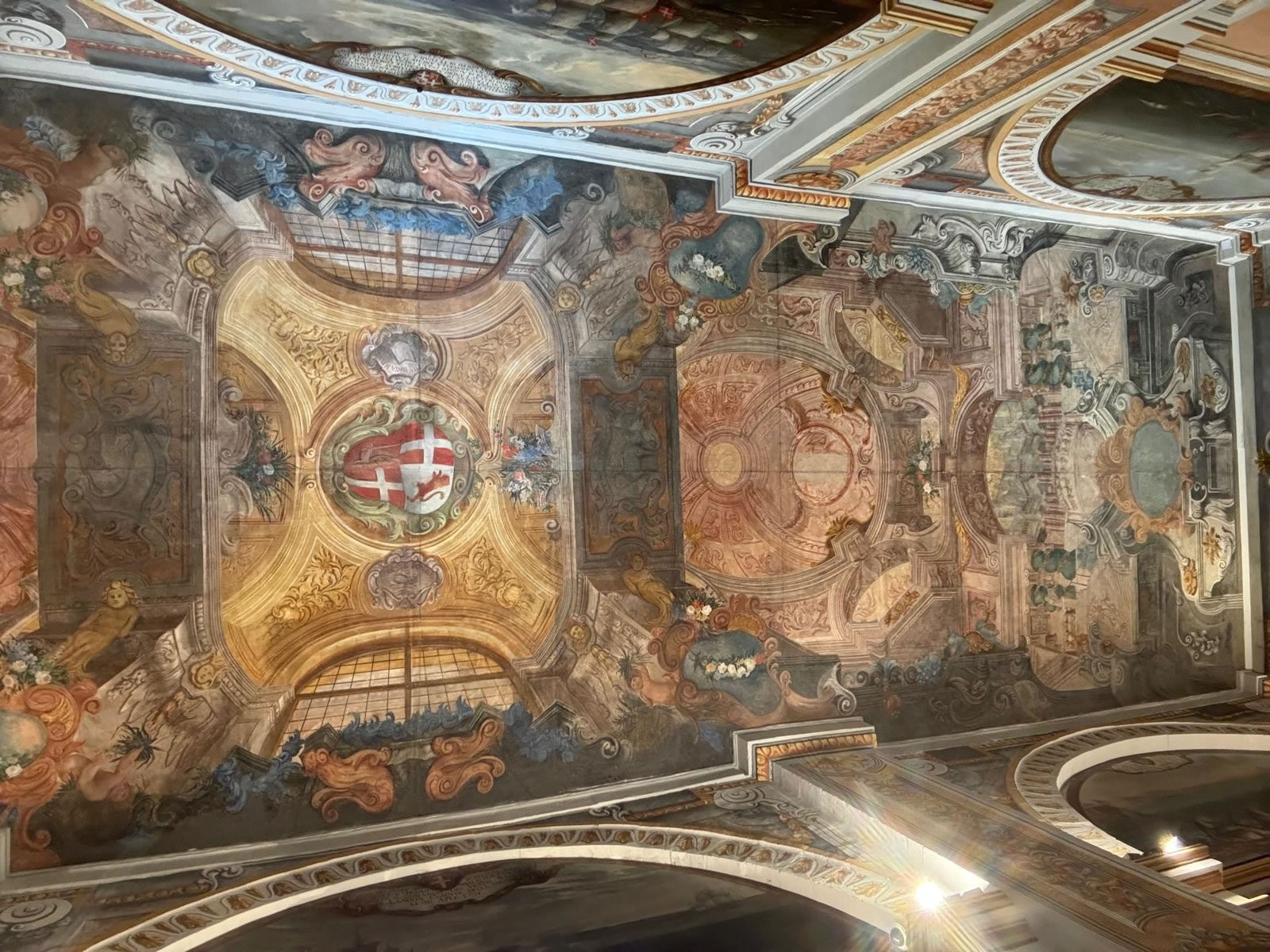
The ceilings of these rooms are adorned with elaborate Baroque paintings, reflecting the artistic tastes of the period.
Recent restoration efforts have revealed previously hidden details, enhancing the visual richness of these interiors.
Restoration and Recent Developments
The Grand Master's Palace has undergone one of the most extensive restoration projects in Malta’s history, with an investment exceeding €40 million.
This project aimed to restore the palace to its original appearance while improving accessibility for visitors.
Key restoration works included:
- Restoration of the State Rooms and corridors
- Reinstatement of the Armoury in its original hall
- Conservation of artworks and decorative elements
- Creation of a modern visitor centre
The project has significantly expanded public access, with over 85% of the building now open to visitors.
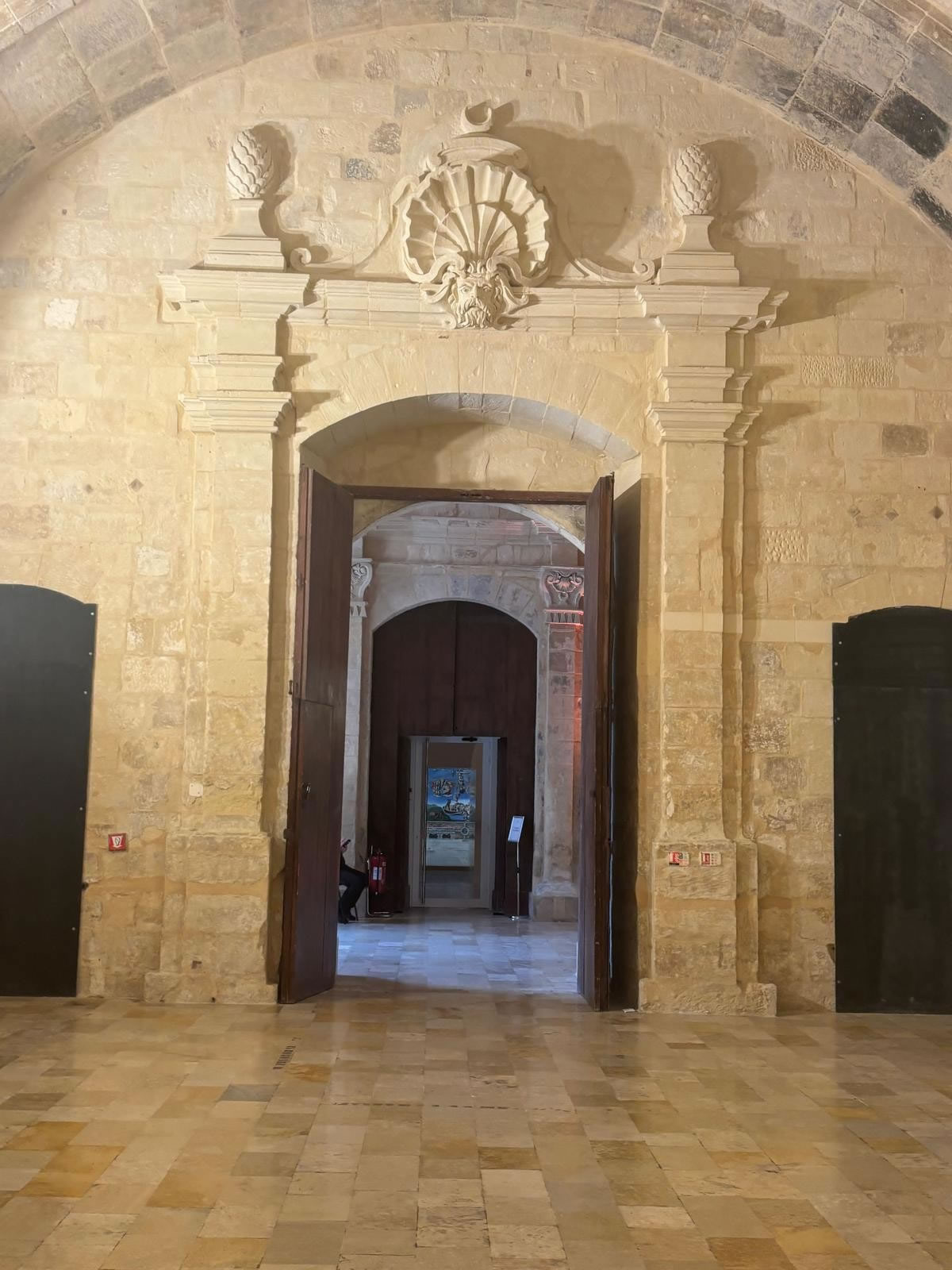
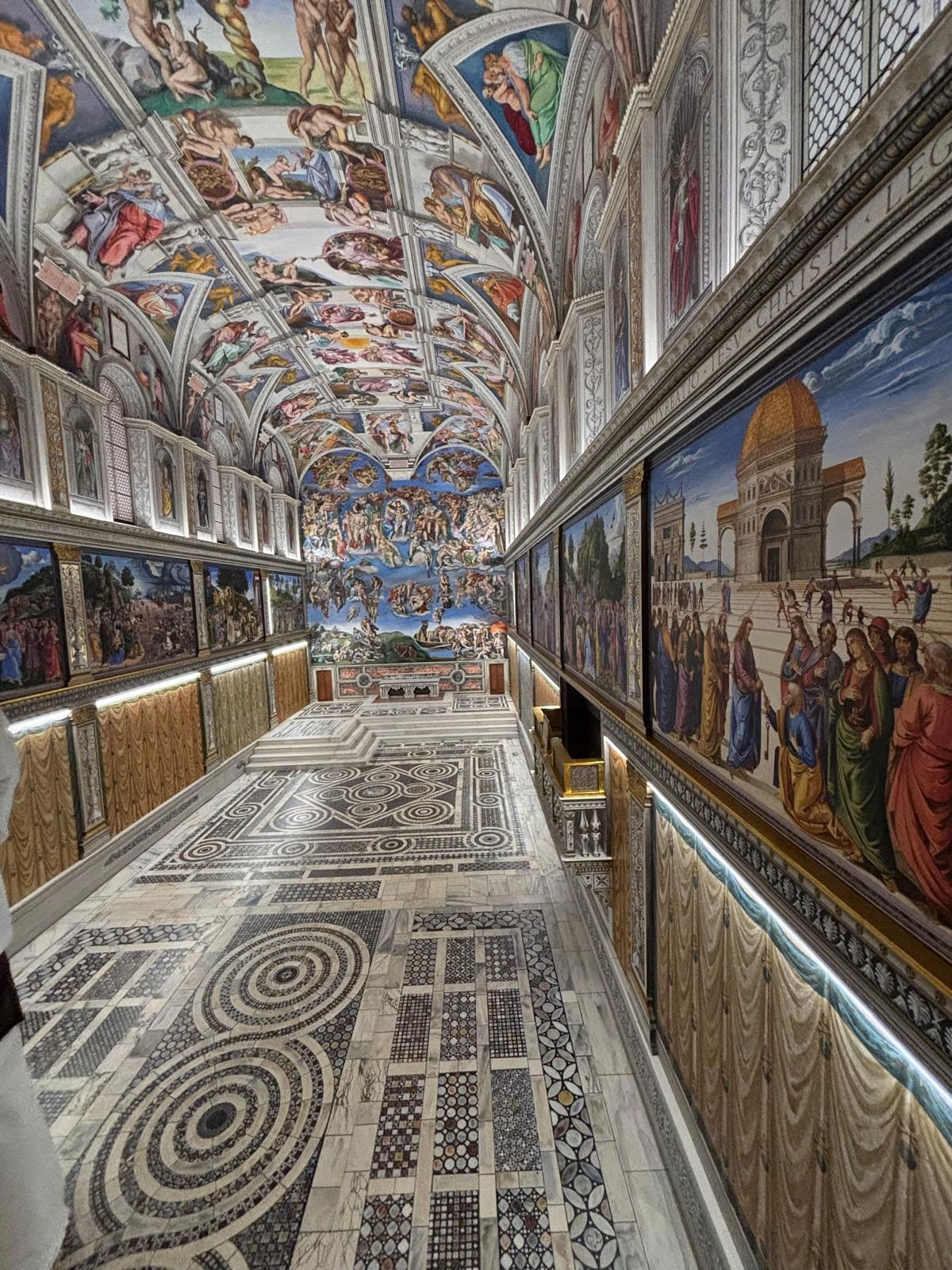
In 2024–2025, additional halls were opened to the public for the first time, including rooms from the Grand Master’s private apartments.
These developments have transformed the palace into a dynamic cultural destination while preserving its historical integrity.
Collections and Exhibits
The palace houses a wide range of historical artefacts and exhibits, including:
- The Palace Armoury collection
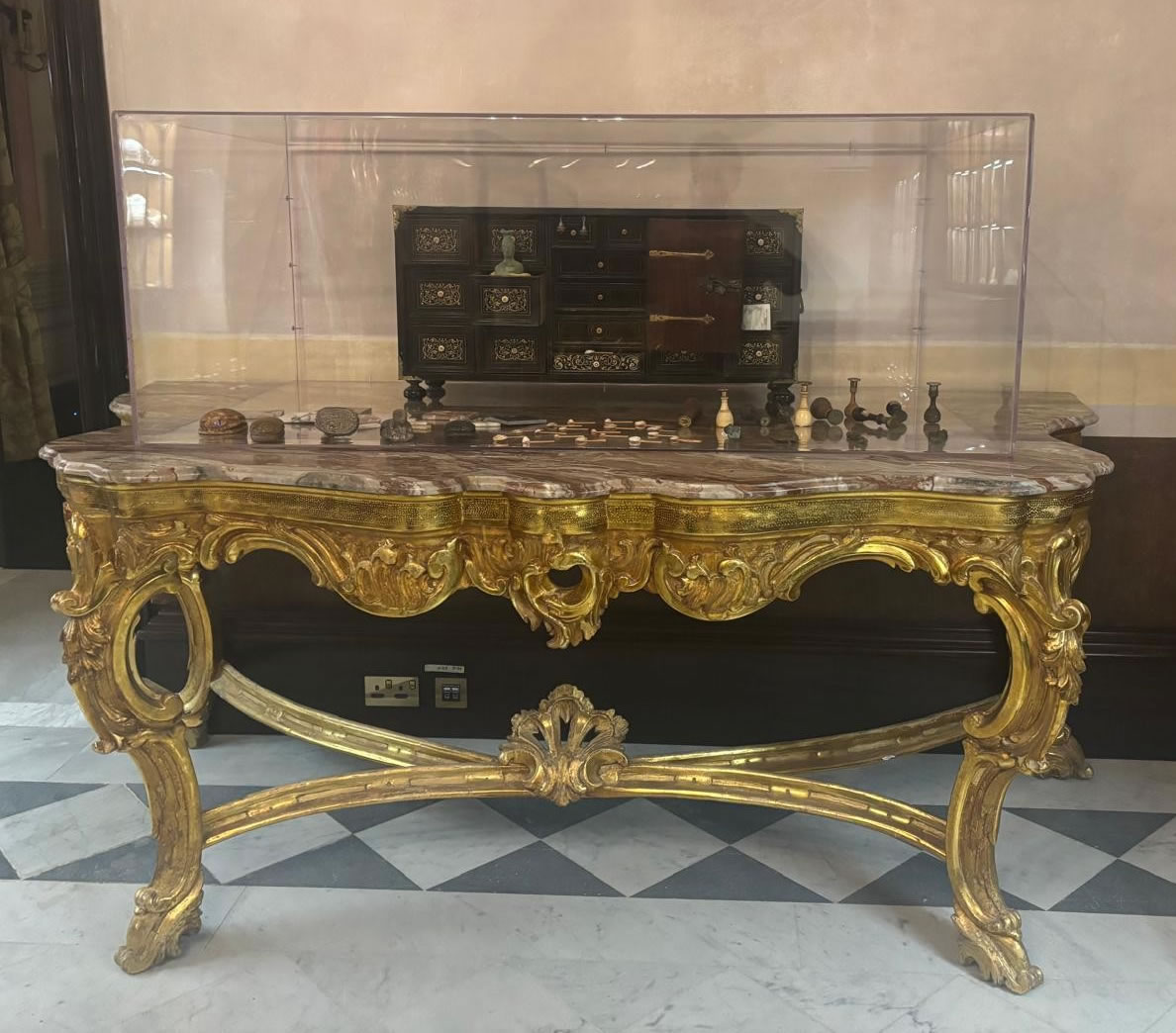
- Historic furniture and decorative objects
- Paintings depicting the Great Siege of 1565
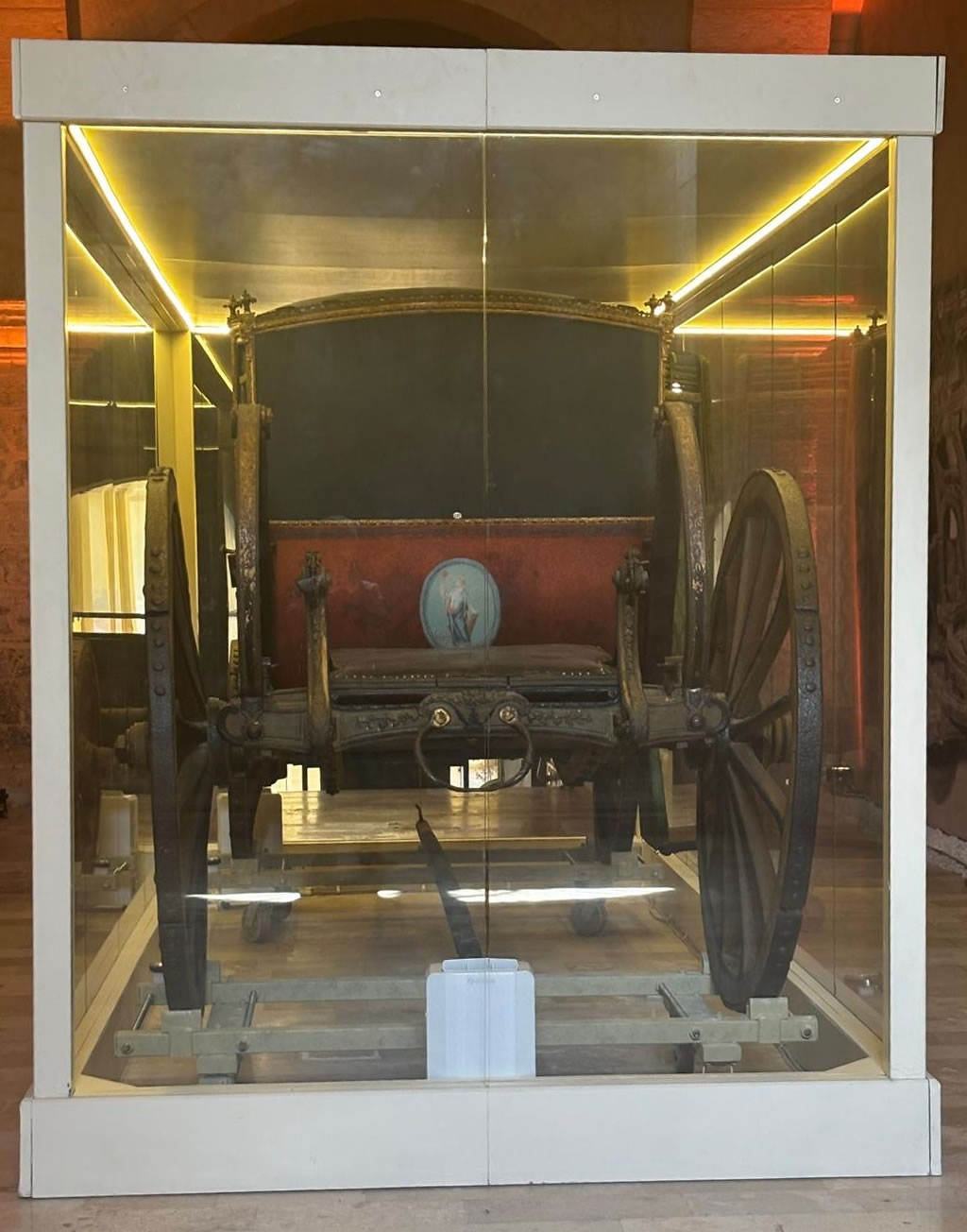
- Royal carriages and ceremonial items
One notable exhibit is the restored Grand Master’s carriage, a late 18th-century vehicle used by the last Grand Masters of the Order.
These collections provide insight into the political, military, and cultural history of Malta.
Visitor Experience
Visitors to the Grand Master's Palace can explore a large portion of the building, including the State Rooms, courtyards, and Armoury.
The museum offers:
- Immersive historical displays
- Restored interiors reflecting different historical periods
- Educational exhibits on the Knights of St John
Located in central Valletta, the palace is easily accessible and forms a key part of any visit to the city.
Location and Accessibility
The Grand Master's Palace is located in St George’s Square, Valletta, Malta’s capital and a UNESCO World Heritage Site.
Coordinates: 35.898572, 14.513880
Its central location makes it one of the most visited attractions in Malta, attracting hundreds of thousands of visitors each year.
Conclusion
The Grand Master's Palace stands as one of Malta’s most important historical landmarks. From its origins in the 16th century as the seat of the Knights of St John to its modern role as the Office of the President, the palace has remained at the heart of Maltese history.
Its architectural grandeur, rich collections, and extensive restoration make it an essential destination for anyone interested in Malta’s past and cultural heritage.