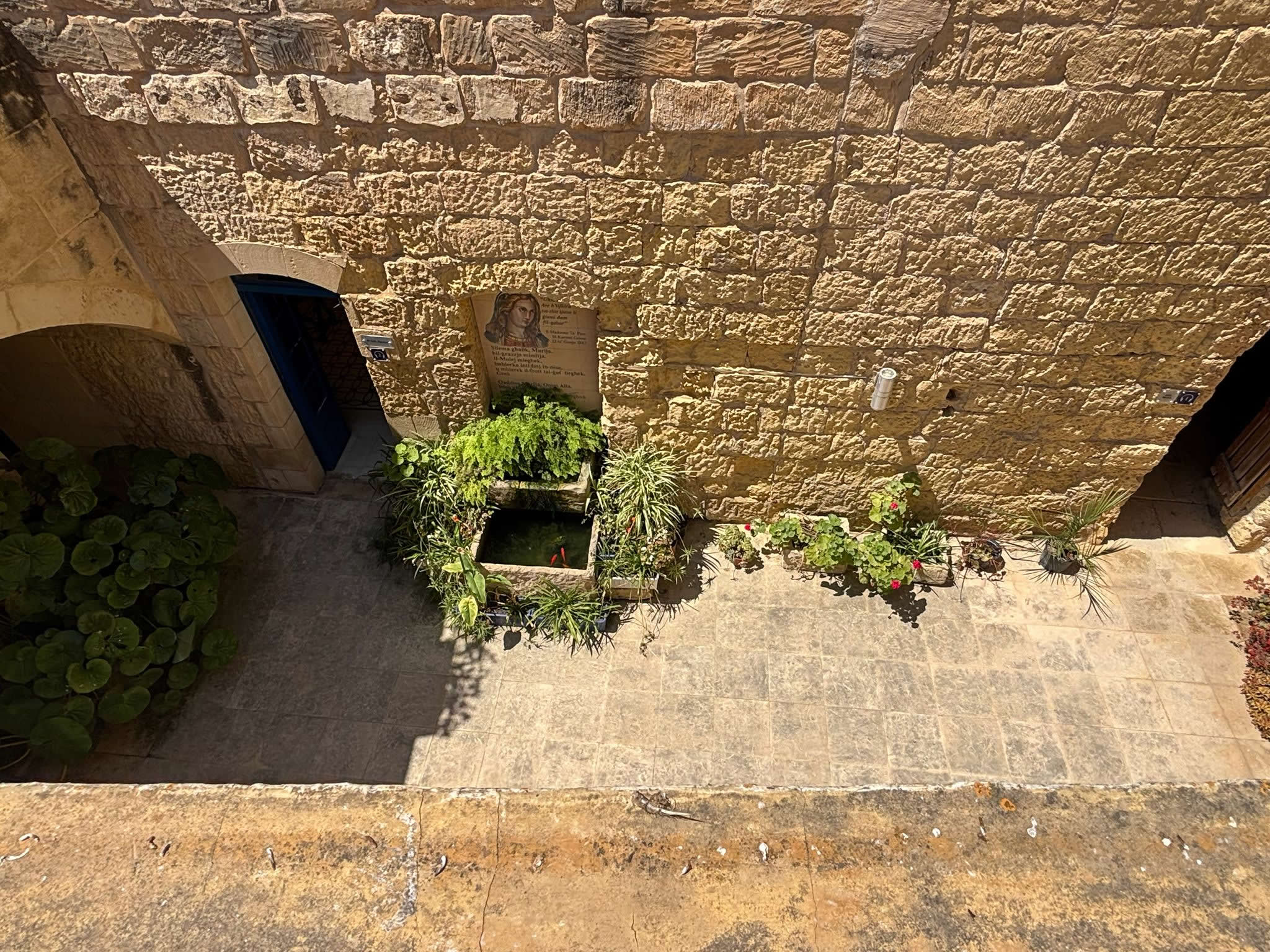
An Authoritative Guide to the Historic Visionary Home, Architectural Evolution, and Sacred Artworks of Għarb, Gozo
WGS84 Field Positioning: 36.055387 Latitude, 14.215447 Longitude.
The photographs represent a small amount of the museum so make a point of visiting to see an important part of Gozitan history and way of life
1. Biographical Origins of a Gozitan Peasant LadyTo fully comprehend the deep cultural significance of the Dar Karmni Grima Museum, one must examine the humble rural environment of nineteenth-century Gozo. Born on February 2, 1838, in the westernmost village of Għarb, Carmela Grima (popularly known as *Karmni*) was the daughter of Tumas Grima and Antonia Apap. Raised in a devoutly religious and hardworking agricultural family, Karmni spent her life working the rocky, sun-baked fields of Gozo, particularly the arable areas flanking the iconic Għordan Hill. | 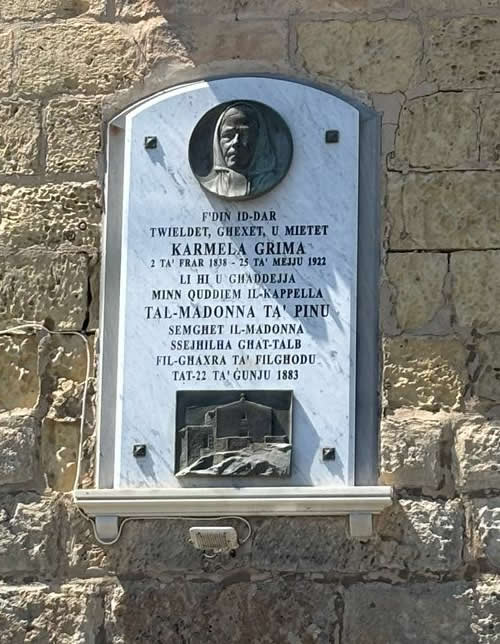 |
Like many rural Gozitans of her generation, her daily life followed a strict rhythm of labor and prayer. Every morning before sunrise, she walked down the dirt tracks of Għarb to hear Holy Mass. Her deeply spiritual path was fundamentally woven into the local religious community, an landscape characterized by historic monuments detailed in our comprehensive index tracking the Museums and Historical Collections of Malta.
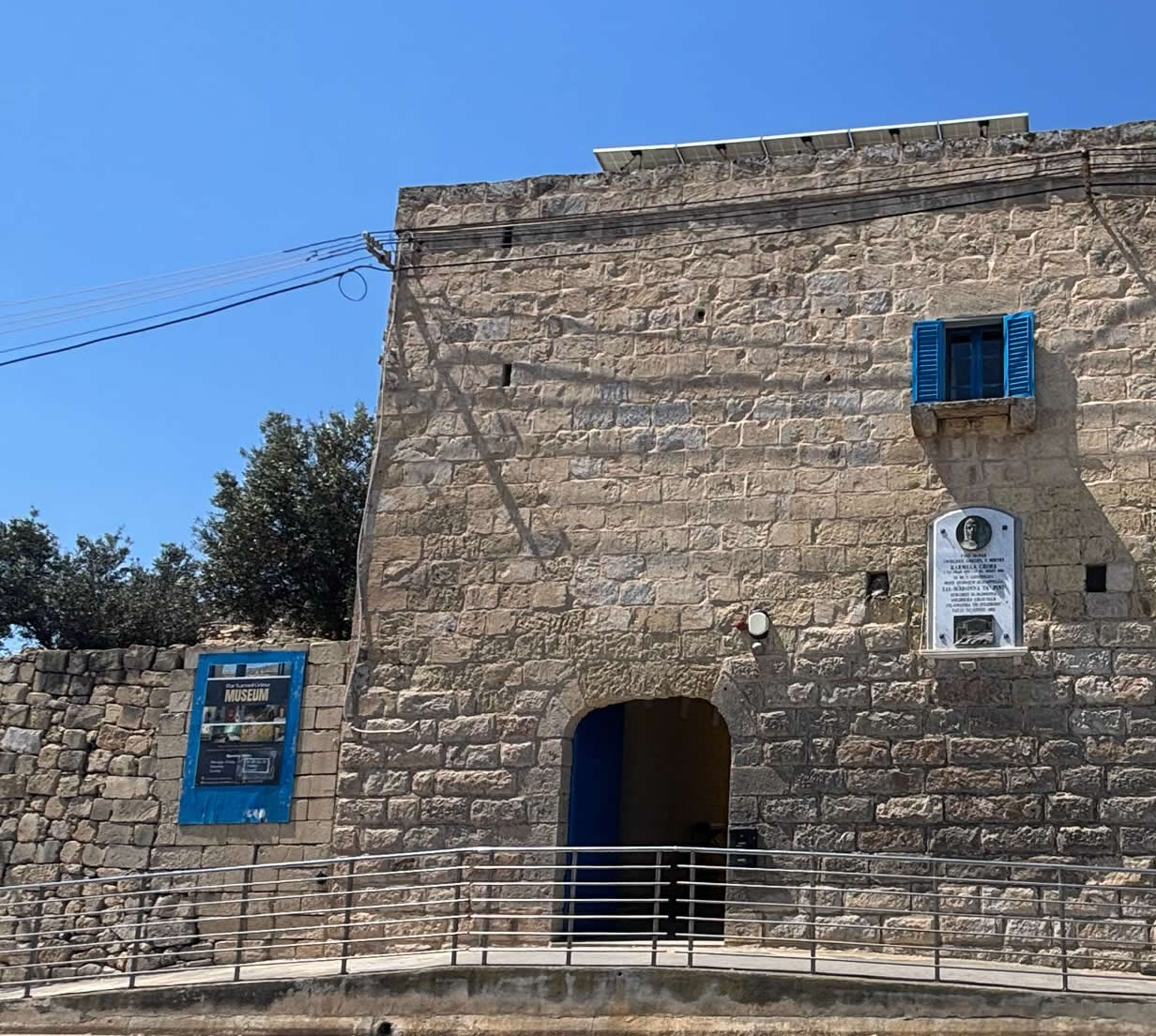
2. The Mystical Event of 1883 and the Transgression of Ta' Pinu
The turning point in Gozo’s religious history occurred on the morning of June 22, 1883. While returning home from her family's fields near the Għordan ridge, the forty-five-year-old Karmni walked past a lonely, deteriorating medieval chapel dedicated to the Assumption of Our Lady, colloquially known as *Ta' Pinu* (named after Pinu Gauci, who had funded its early seventeenth-century restoration).
As she reached the junction leading toward the chapel, Karmni heard a clear, majestic voice calling out three times: "Come! Come! Come!" Terrified by the isolation of the surrounding fields, she cautiously stepped into the ancient structure. Upon approaching the historical altarpiece depicting the Assumption, the voice spoke again, instructing her: "Recite three Hail Marys in honor of the three days that my body lay in the tomb."
Shortly after this event, Karmni fell seriously ill, rendering her bedridden and unable to return to the fields or the chapel for an entire year. She bore this physical suffering with remarkable composure, offering her pain up as an expression of spiritual devotion. This period of illness effectively marked the end of her life as an active farmworker, focusing her remaining decades purely on spiritual guidance and prayer within the walls of her stone home.
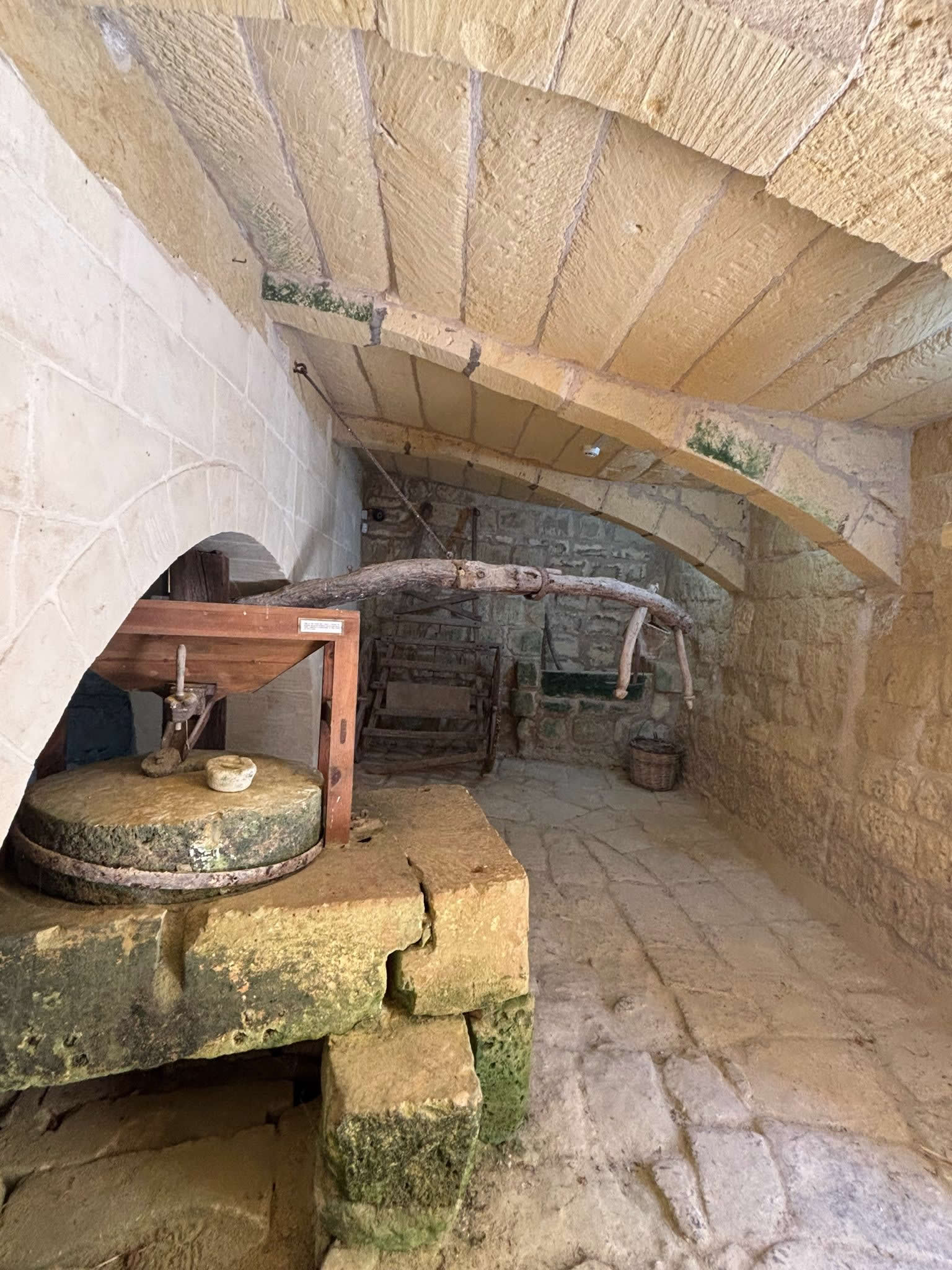
3. Vernacular Architecture and Spatial Design of the Grima Homestead
The museum building itself is an exceptional, well-preserved example of Maltese vernacular domestic architecture from the late eighteenth and early nineteenth centuries. Constructed entirely from locally quarried globigerina and lower coralline limestone, the property shows the classic stone-masonry techniques developed to combat the intense Mediterranean summer heat while providing structural security for rural farming families.
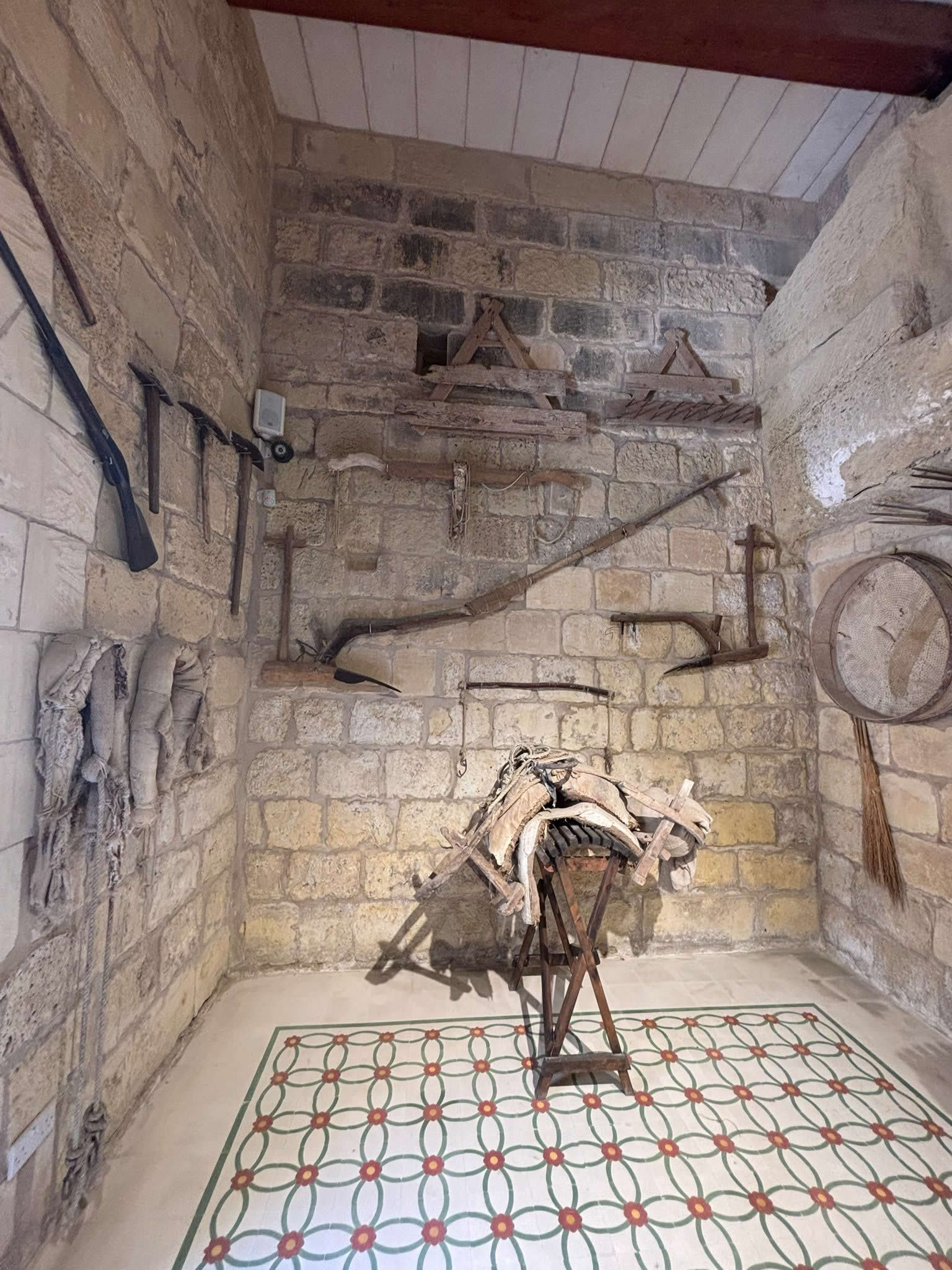
The architectural layout consists of multiple interconnected rooms spread across two main levels, centered around a small internal courtyard that maximized natural light and ventilation:
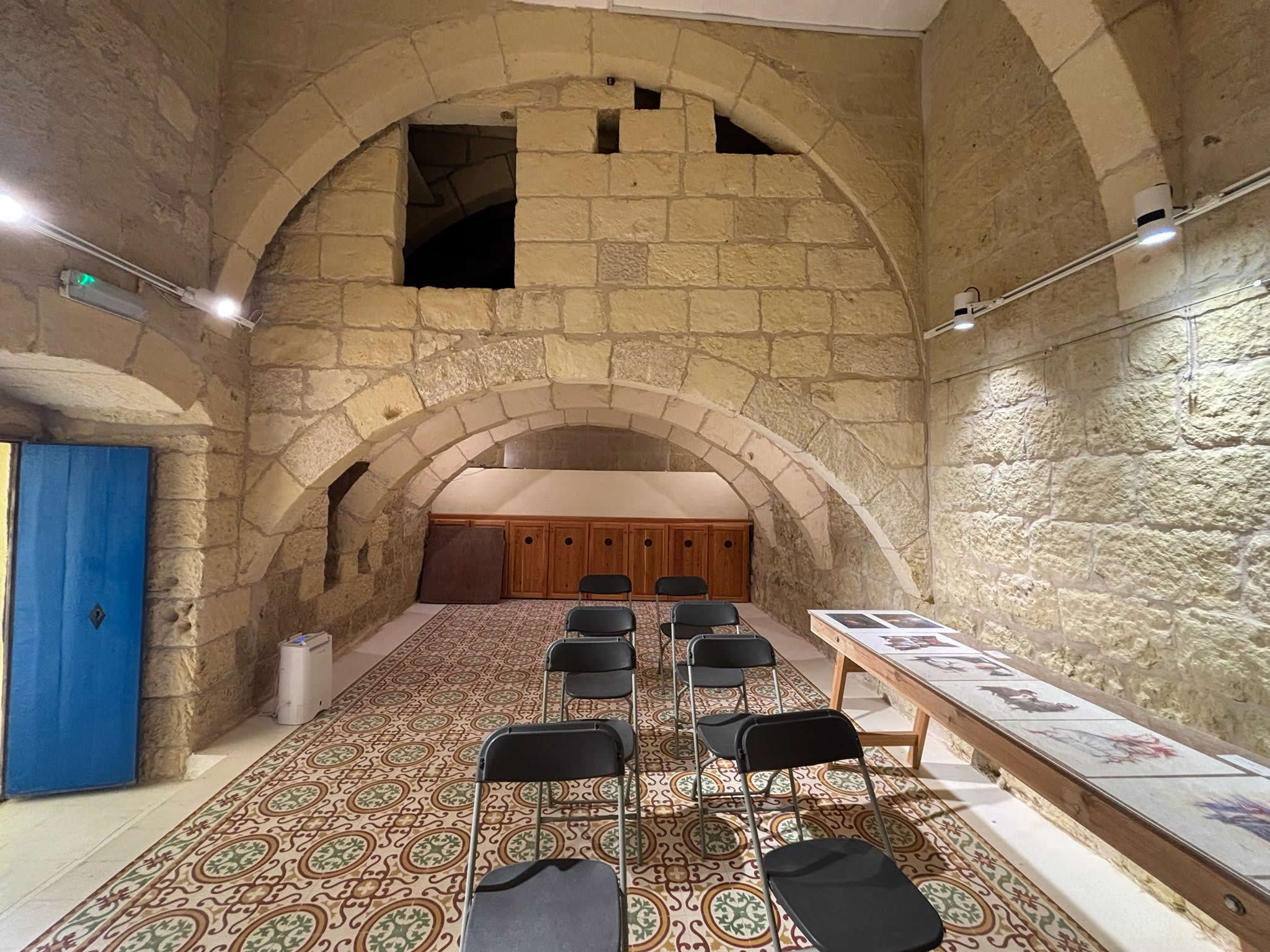
- The Ground Floor (The Economic Hub): This section houses the traditional stable (*stalla*), storage rooms for dry agricultural produce, and a workspace where the family handled their daily farming yields. The ceilings feature wide limestone slabs (*ċangaturi*) supported by heavy, hand-dressed stone arches (*arki*), a design choice that eliminated the need for scarce timber beams.
- The Upper Floor (The Living Quarters): Accessible via a traditional external stone staircase, this floor contains the domestic kitchen, a modest sleeping space, and the bedroom where Karmni spent the final fifteen years of her life bedridden. The spatial configuration reflects a minimalist, highly functional lifestyle, where architecture served strictly to meet basic domestic and agricultural needs.
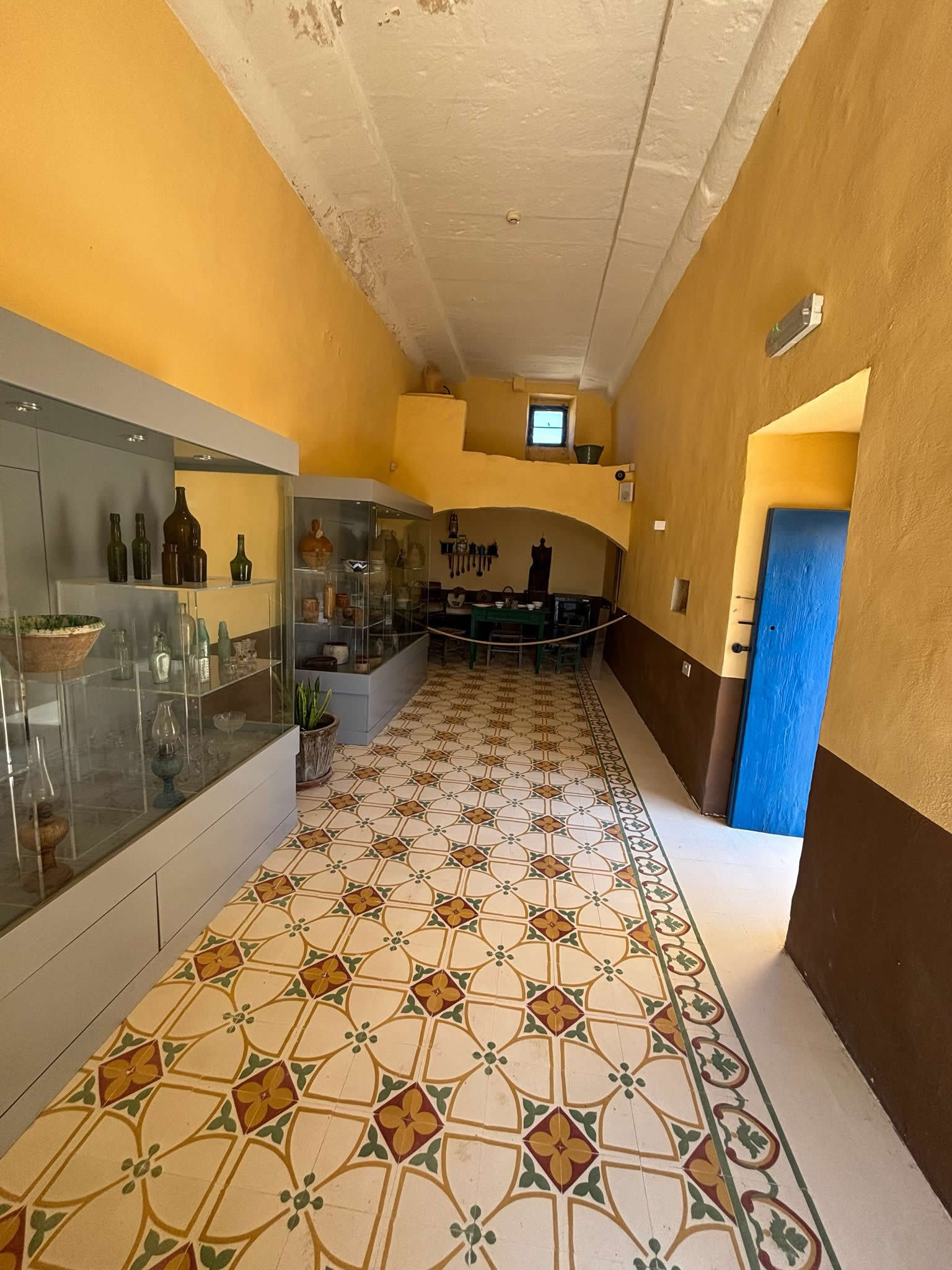
4. The Major EU Restoration and Preservation Campaign
Following Karmni Grima's passing, the property was bequeathed to the Catholic Church, which maintained it as a simple memorial space for several decades. However, the relentless march of time and environmental factors took a heavy toll on the soft globigerina limestone. Moisture ingress, rising damp, and structural shifting threatened to compromise the building's physical integrity.
To preserve this priceless piece of Gozitan heritage for future generations, the Ta' Pinu Sanctuary administration spearheaded a comprehensive, multi-million-euro restoration campaign. Heavily co-financed through European Union Regional Development Funds (ERDF), this extensive project concluded with the museum's grand reopening in the mid-2010s.
The structural intervention was exhaustive and highly technical. Conservators used delicate chemical treatments to extract salt deposits from the stone walls, replaced deeply eroded blocks using period-accurate limestone, and completely re-wired the complex with state-of-the-art climate control systems. Crucially, two modern, unobtrusive passenger lifts were installed to ensure complete accessibility for visitors with mobility challenges. This forward-thinking addition successfully opened both levels of the historic home to the public without altering its unique architectural character.
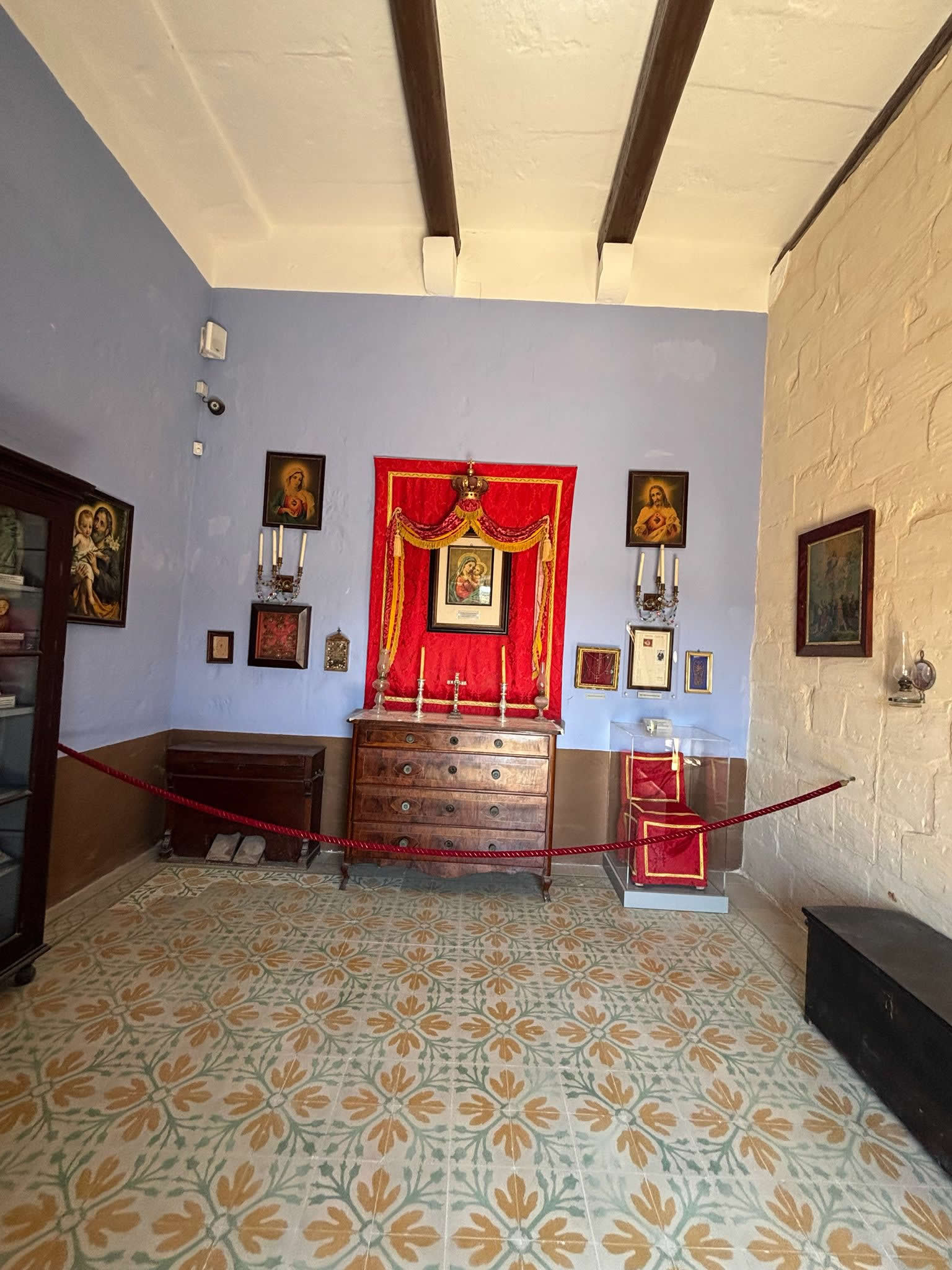
5. Curated Artworks, Personal Artifacts, and Sacred Exhibitions
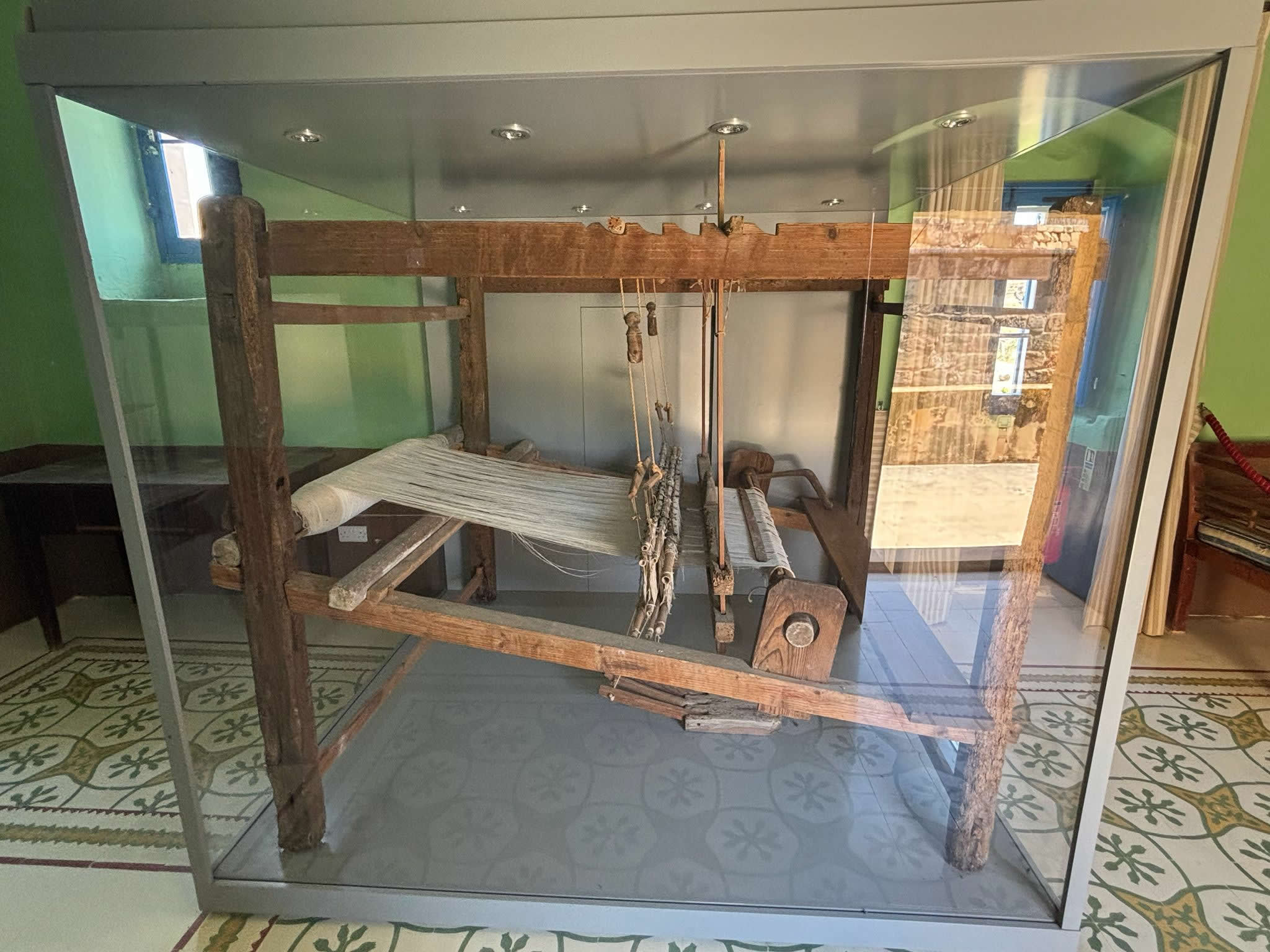
Today, the museum offers an immersive journey into the domestic and spiritual reality of nineteenth-century Gozo. The exhibition spaces successfully balance the raw authenticity of a historic home with modern museum standards. Visitors can view a rich collection of personal artifacts, including Karmni's authentic wooden bed, her hand-woven clothing, original oil lamps, and the traditional agricultural tools she used daily in the fields.
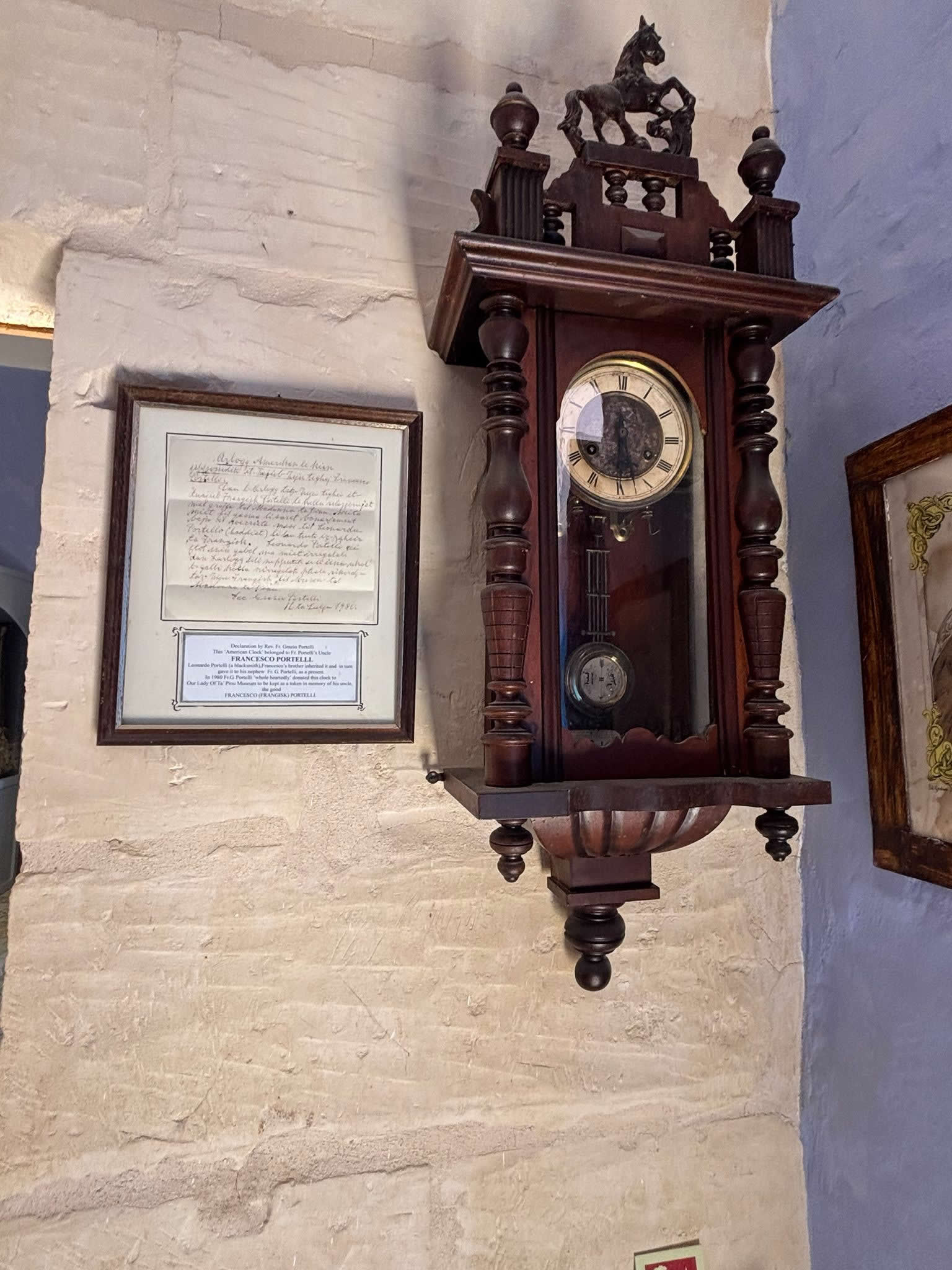
The museum also features an extensive collection of sacred art and ex-voto offerings. These items include historical paintings, devotional silver ornaments, and personal tokens of gratitude sent to the Ta' Pinu Sanctuary over the past century by pilgrims from around the world who attributed miraculous healings to the intercession of Our Lady. To provide deep historical context for international travelers, the museum incorporates an advanced, multi-lingual audio-visual presentation system operating in six primary languages: Maltese, English, Italian, French, German, and Spanish.
6. Eternal Rest and Final Burial at Ta' Pinu Basilica
After spending her final fifteen years entirely bedridden—patiently bearing her physical ailments while welcoming a constant stream of pilgrims seeking her spiritual advice—Karmni Grima passed away peacefully on May 25, 1922, at the advanced age of eighty-four. Her death triggered a wave of mourning across the Maltese islands, cementing her legacy as Gozo's most revered modern spiritual figure.
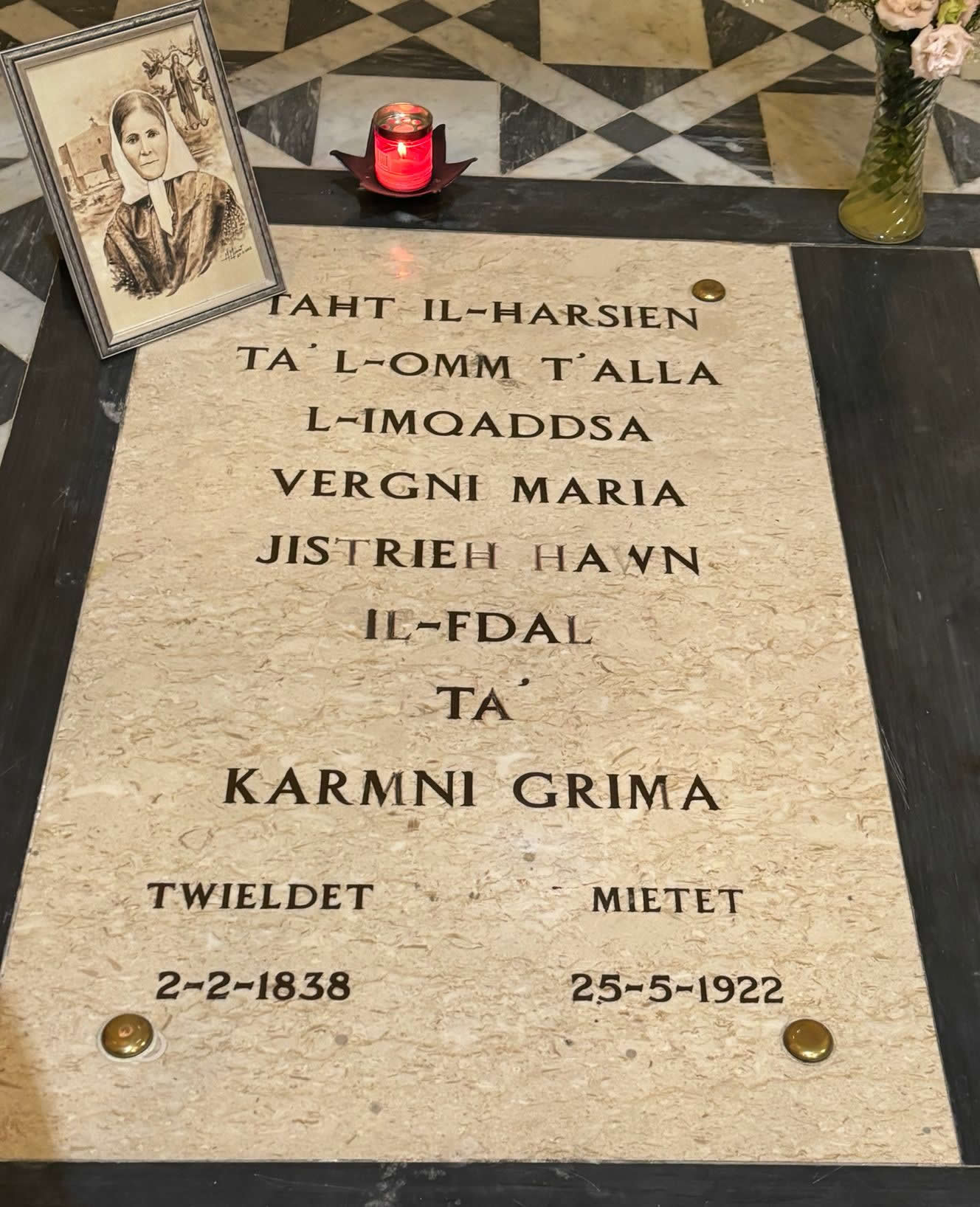
While her beloved home was preserved as a monument to her earthly life, her final resting place reflects her eternal bond with the Marian sanctuary she helped inspire. Following her initial interment in the local cemetery, her remains were exhumed and formally transferred to the monumental Ta' Pinu Basilica, which was constructed between 1920 and 1931 right next to the original medieval chapel. Today, Karmni Grima is buried in a dedicated tomb located directly behind the main altar of the Basilica, a location that remains a focal point of intense prayer, silent reflection, and global pilgrimage.
7. Technical Profile and Structural Inventory
The dataset below organizes the verified architectural, historical, and logistical profile of the Dar Karmni Grima Museum complex:
| Technical Profile Parameter | Field Inventory Reference Data |
|---|---|
| Official Nomenclature | Dar Karmni Grima Museum / The Karmni Grima House Museum |
| WGS84 Coordinate Grid | 36.055387 Latitude, 14.215447 Longitude |
| Architectural Typology | Maltese Vernacular Rural Residential Architecture (18th/19th-Century) |
| Primary Construction Material | Locally quarried Globigerina and Lower Coralline Limestone |
| Key Historical Date (Vision) | June 22, 1883 (The Call of Our Lady of Ta' Pinu) |
| Date of Death (Karmni Grima) | May 25, 1922 (Aged 84 Years) |
| Final Burial Destination | Entombed behind the Main Altar inside the Ta' Pinu Basilica, Gozo |
| Restoration Funding Source | European Union Regional Development Fund (ERDF) Integration |
| Accessibility Retrofitting | Fully accessible via dual integrated passenger lift installations |
| Audio-Visual Languages | Maltese, English, French, German, Italian, Spanish |
| Administrative Overseer | The National Shrine of the Blessed Virgin of Ta' Pinu Administration |