📍 Location
Location Map Coordinates 35.893844, 14.416176
A comprehensive journey through Malta’s aviation history, from World War II to modern restoration
Introduction
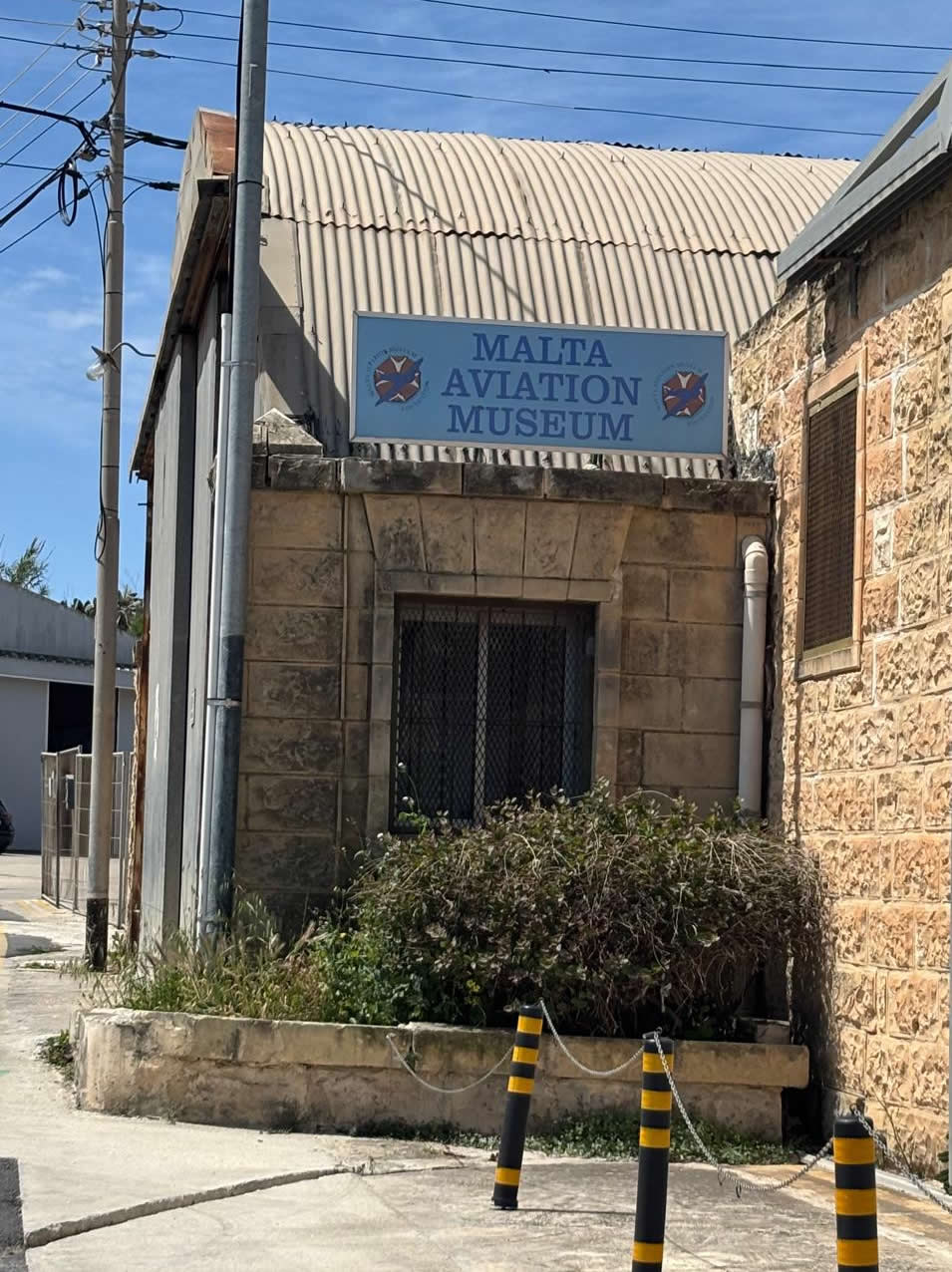
The Malta Aviation Museum, located at Ta’ Qali near Attard at coordinates 35.893844, 14.416176, is one of the most important specialised museums in Malta. Situated on the grounds of the former Royal Air Force airfield RAF Ta’ Qali, the museum preserves and showcases the island’s rich aviation heritage, particularly its pivotal role during the Second World War.
Established in 1994, the museum is operated by a non-profit foundation dedicated to the preservation, restoration, and interpretation of aircraft and aviation-related artefacts.
Today, it stands as both an educational institution and a working restoration centre, offering visitors a unique opportunity to explore Malta’s aviation past while observing ongoing conservation efforts.
Historical Background
Malta’s strategic location in the Mediterranean made it a critical base during World War II, particularly during the Air Battle of Malta (1940–1943). The island endured intense aerial bombardment but played a decisive role in Allied victory by disrupting Axis supply routes.
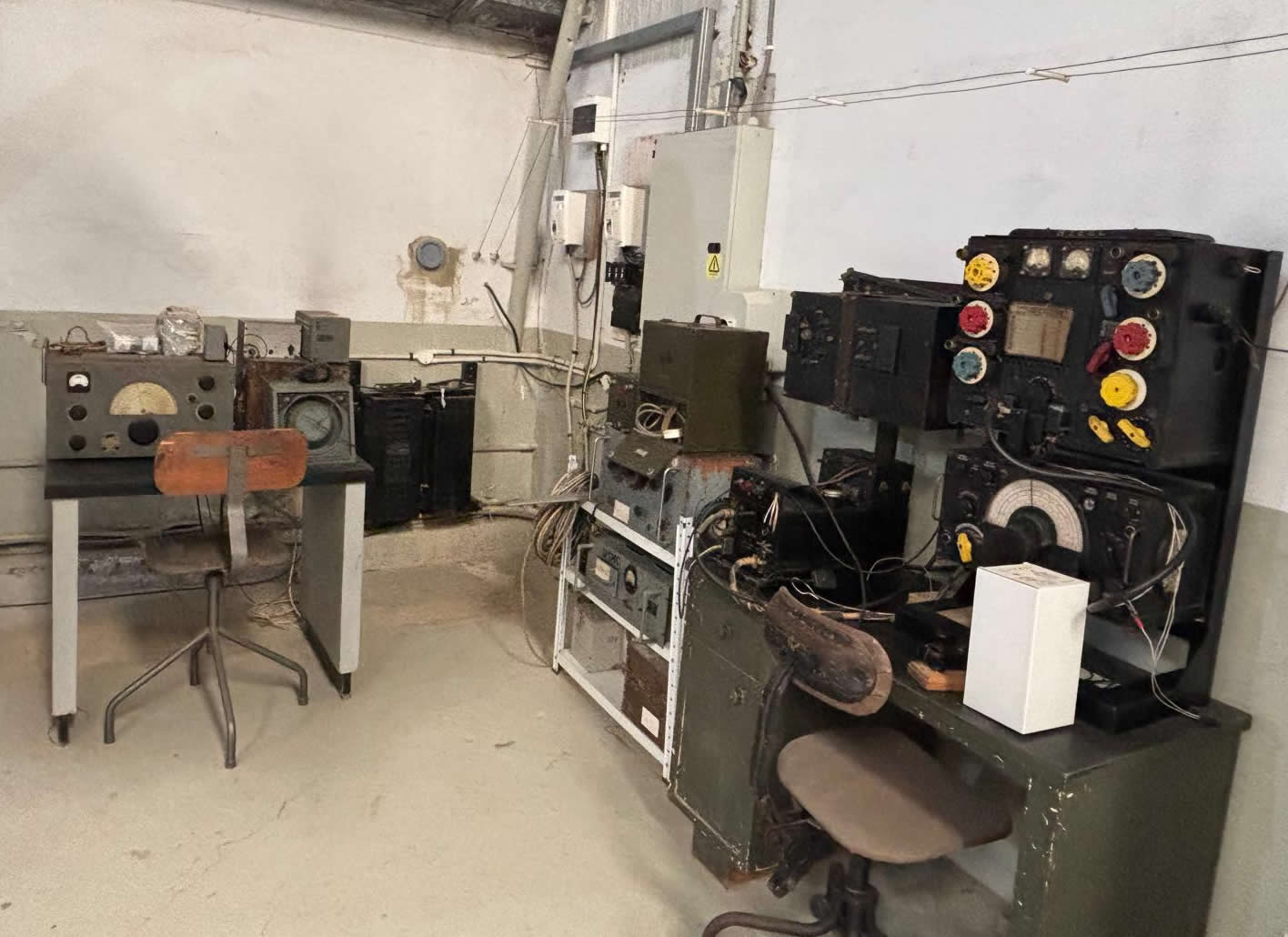
The Malta Aviation Museum was created to preserve this legacy. The foundation behind the museum brought together aviation enthusiasts, historians, and engineers with the aim of safeguarding Malta’s aviation history and making it accessible to the public.
The museum occupies the site of the former RAF Ta’ Qali airfield, linking the exhibits directly to the historic events they represent.
Development and Expansion
Since its establishment in 1994, the museum has undergone continuous expansion. Early efforts focused on acquiring and restoring aircraft wrecks and relics recovered from crash sites and the sea.
Key developments include:
- 1990s – Initial formation and restoration of early aircraft
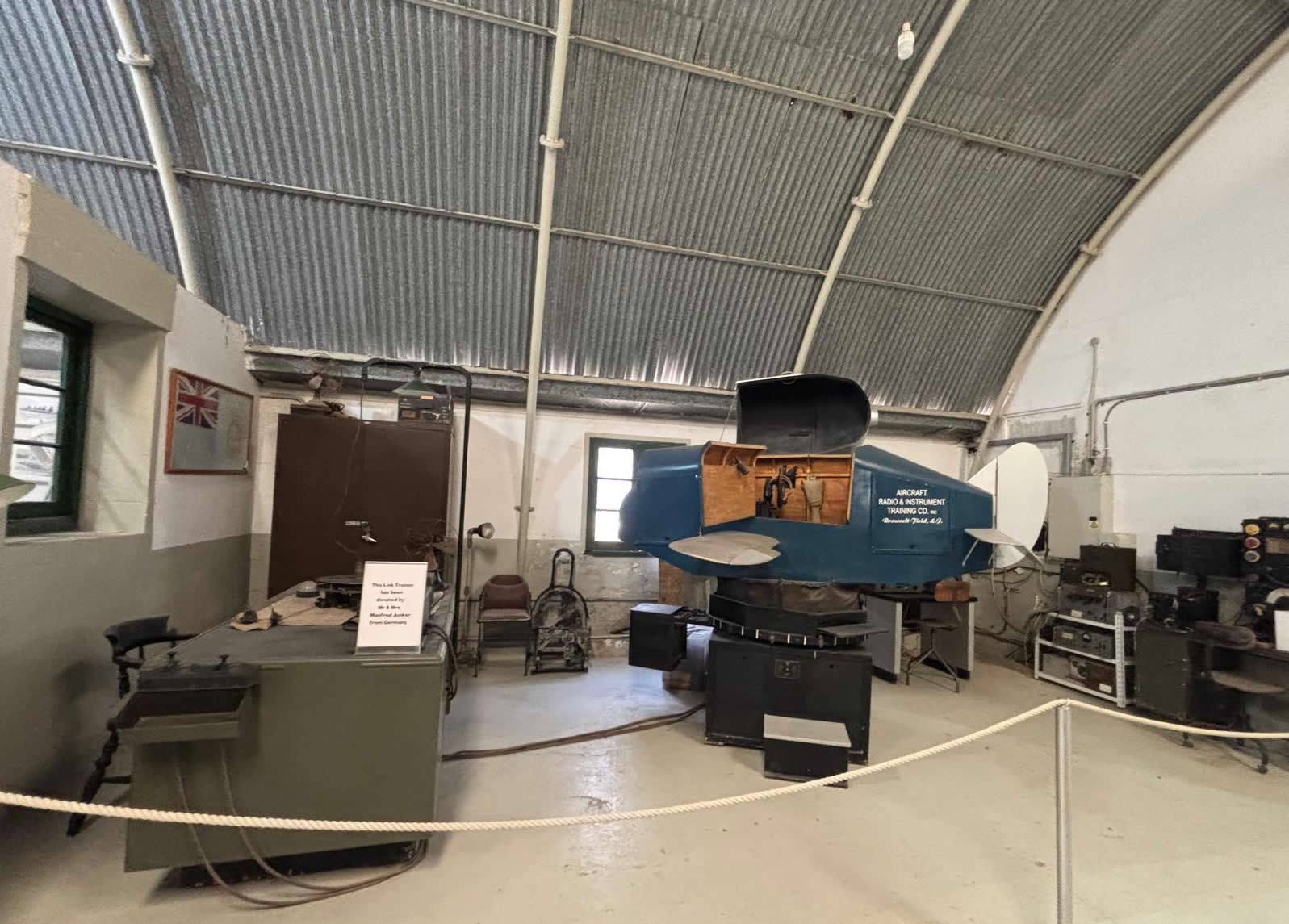
- 2003 – Acquisition of WWII Romney huts for exhibition use
- 2005 – Opening of the Air Battle of Malta Memorial Hangar
- 2021 – Completion of a new EU-funded main exhibition hangar
These expansions transformed the museum into a multi-hangar complex capable of housing a growing collection of aviation artefacts.
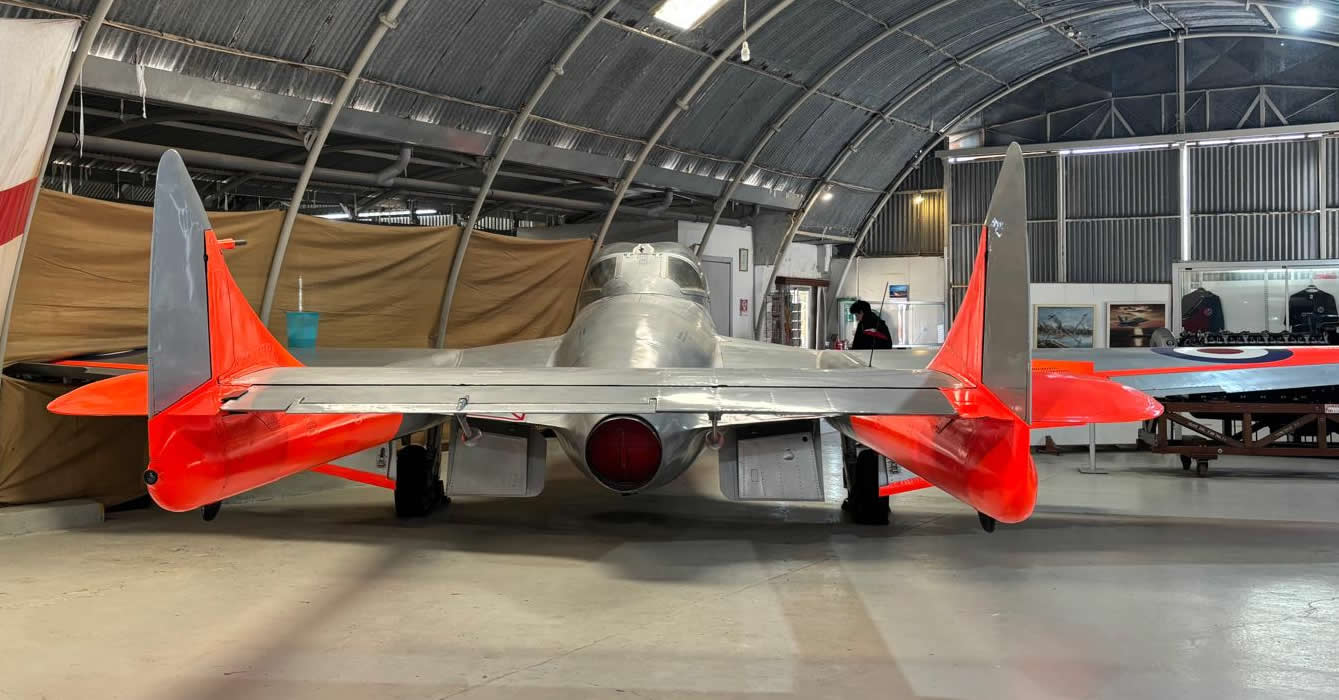
Museum Layout and Hangars
The Malta Aviation Museum is organised into several distinct exhibition spaces, each focusing on different aspects of aviation history.
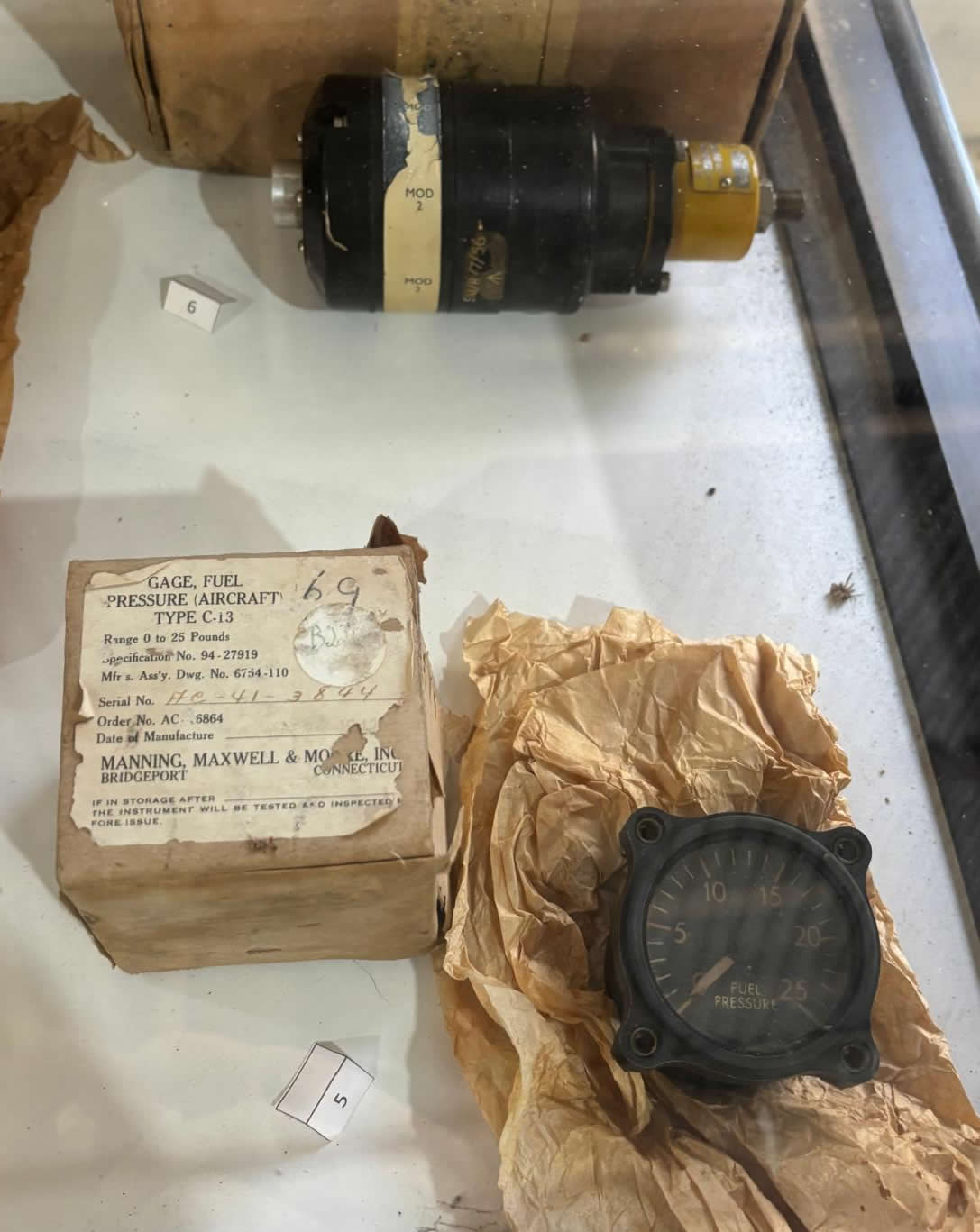
Main Exhibition Hangar
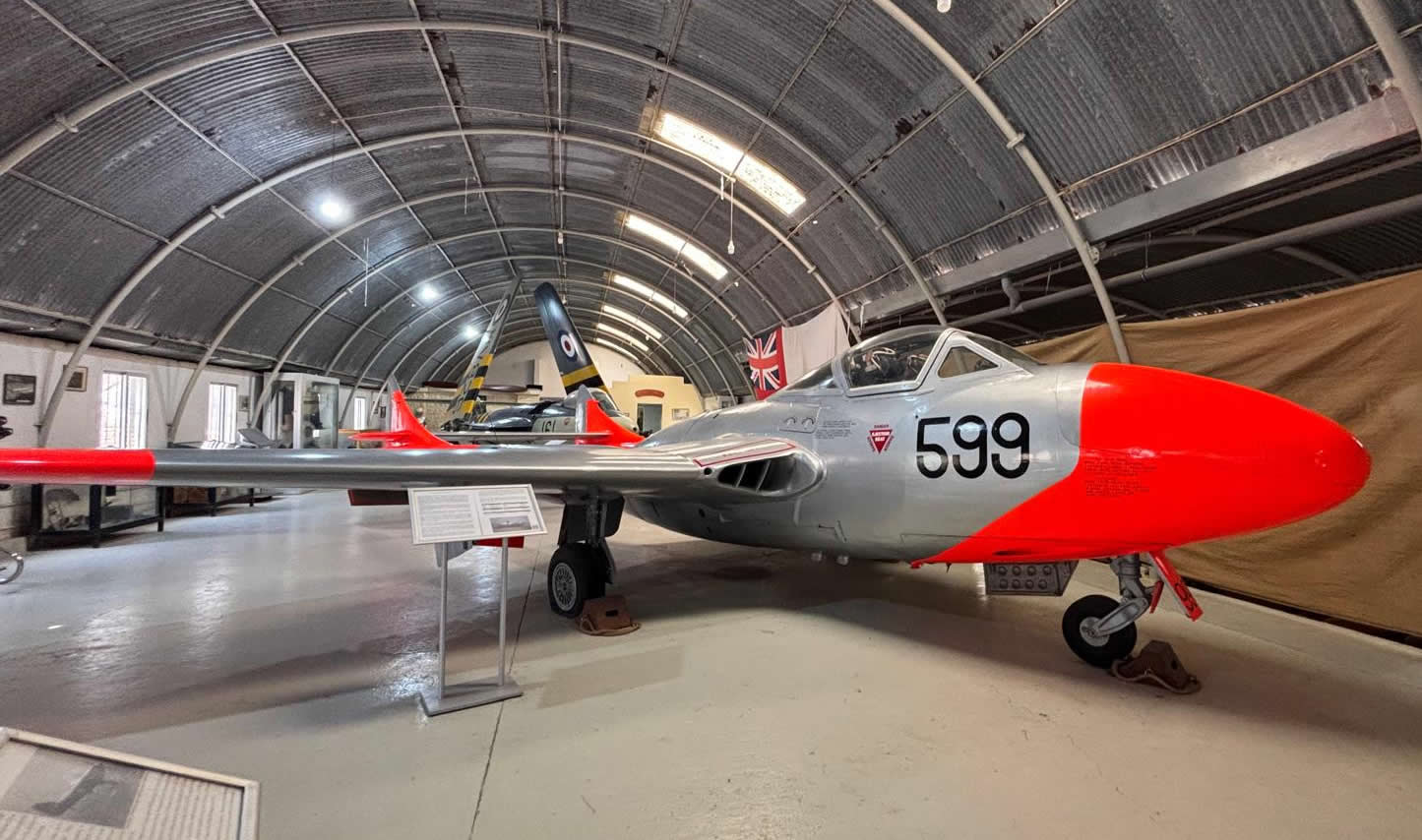
This hangar houses aircraft from post-war and modern aviation, including jets, helicopters, and training aircraft.
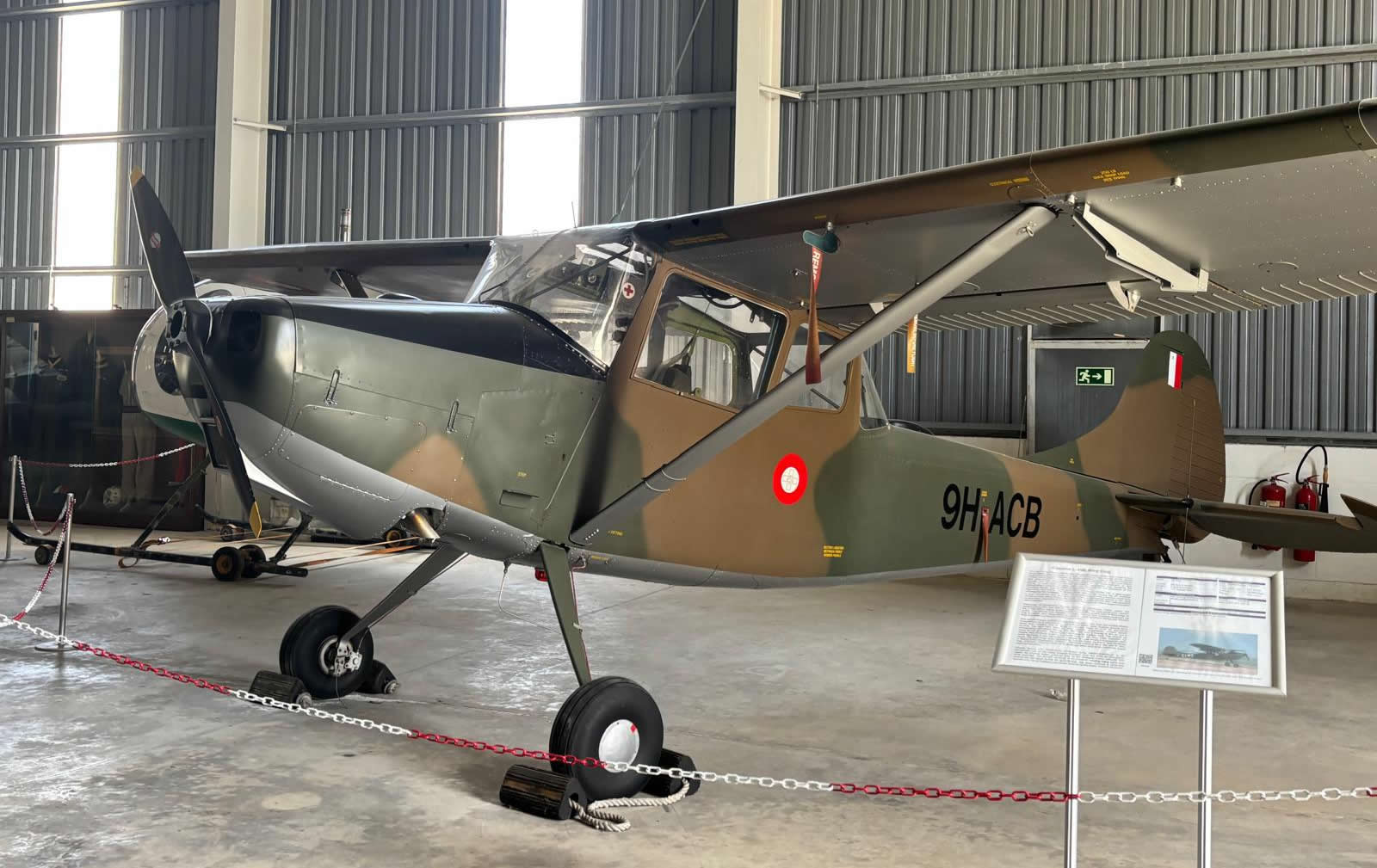
Air Battle of Malta Memorial Hangar
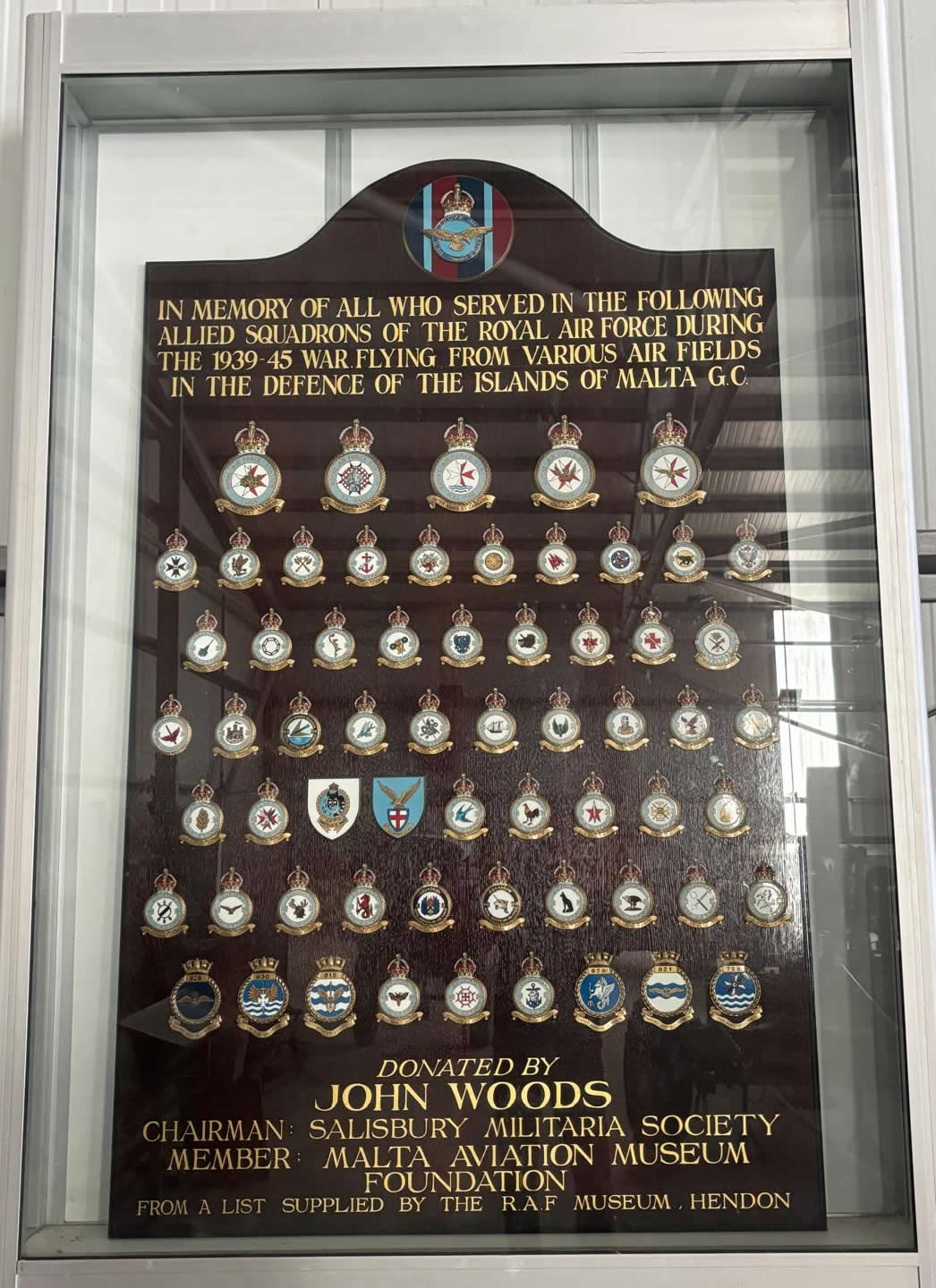
Dedicated to World War II, this hangar displays aircraft that were directly involved in the defence of Malta, many of which have been painstakingly restored from wreckage.
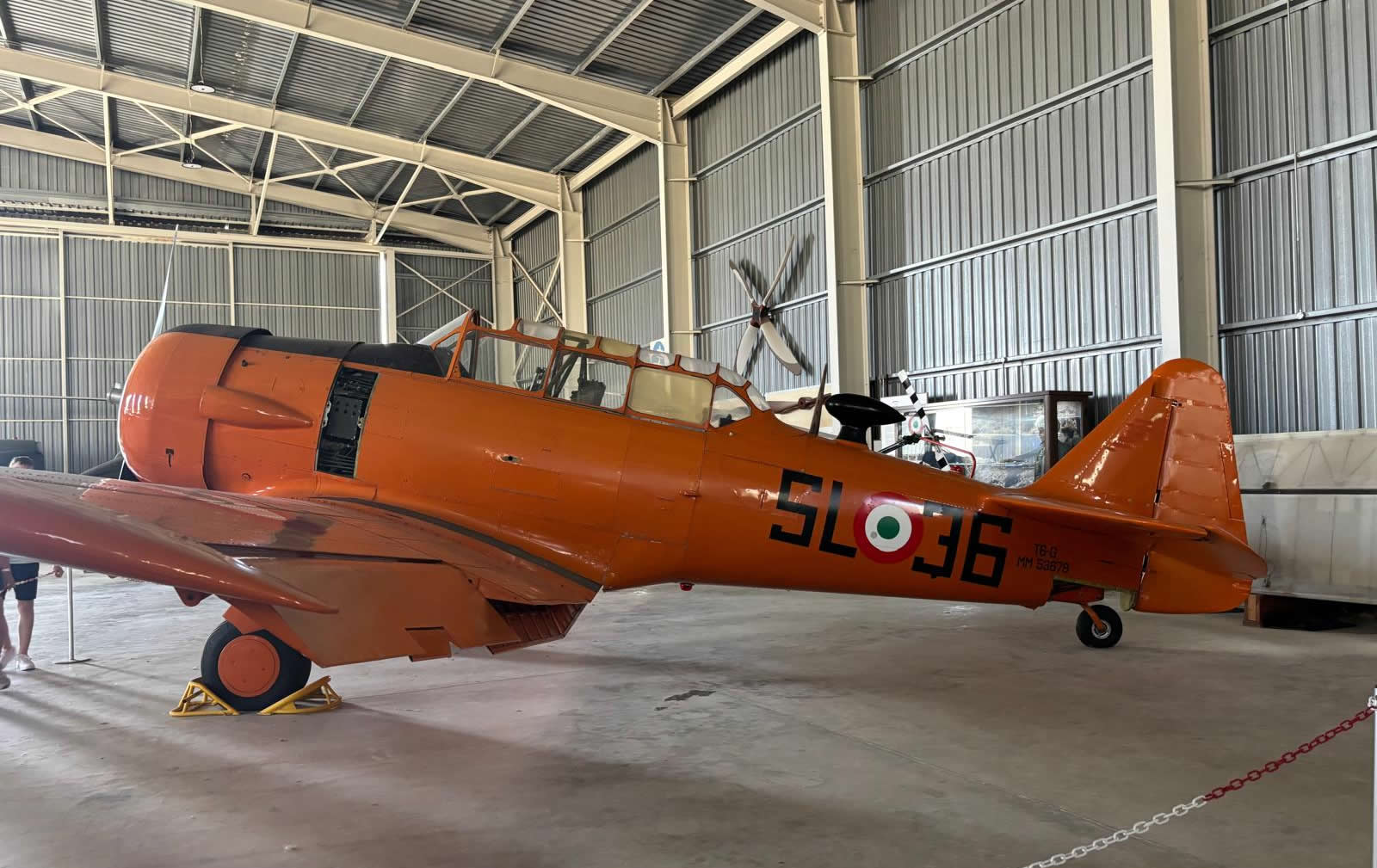
Romney Exhibition Hangar
Originally military storage structures, these huts now serve as exhibition and restoration spaces, maintaining their historic wartime character.
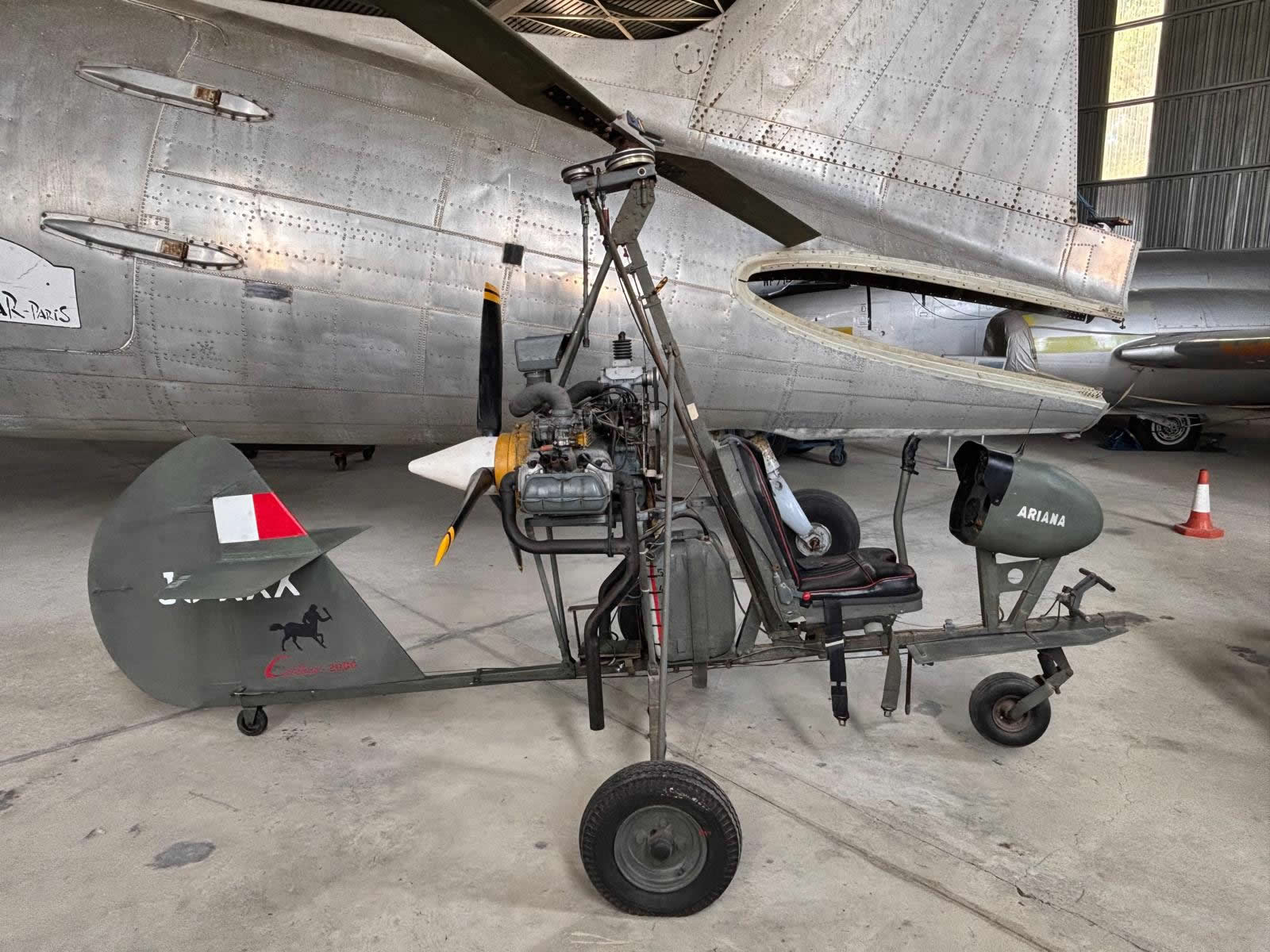
Together, these hangars provide a comprehensive narrative of Malta’s aviation development across different eras.
Main Aircraft and Exhibits
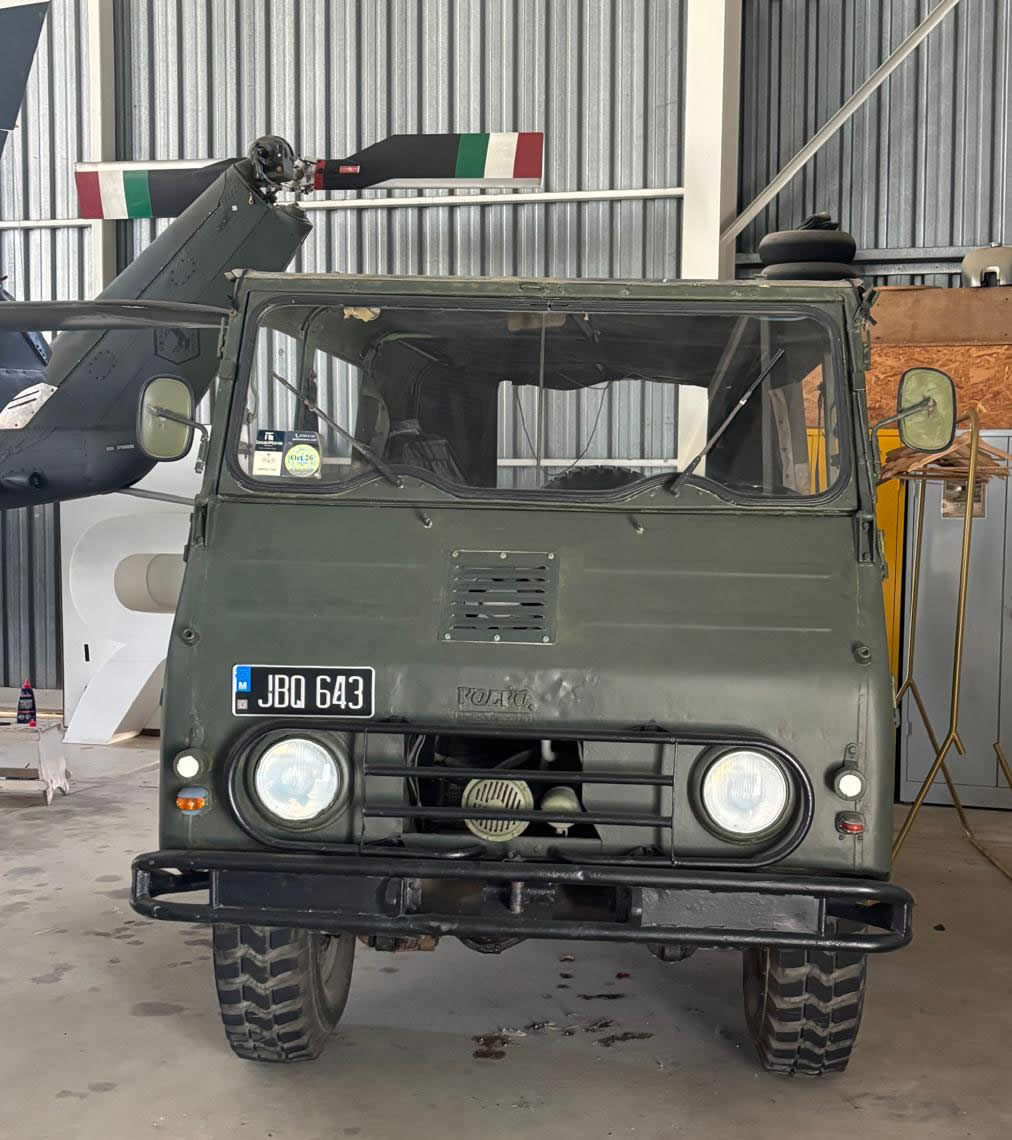
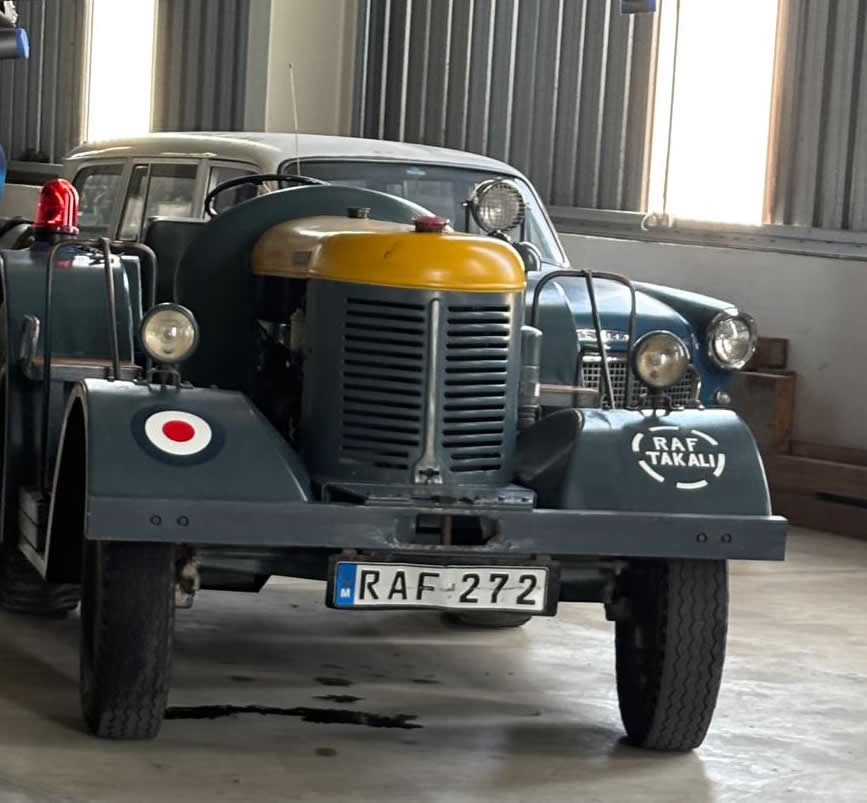
The museum is renowned for its collection of historic aircraft, many of which are rare or unique within Malta.
World War II Aircraft
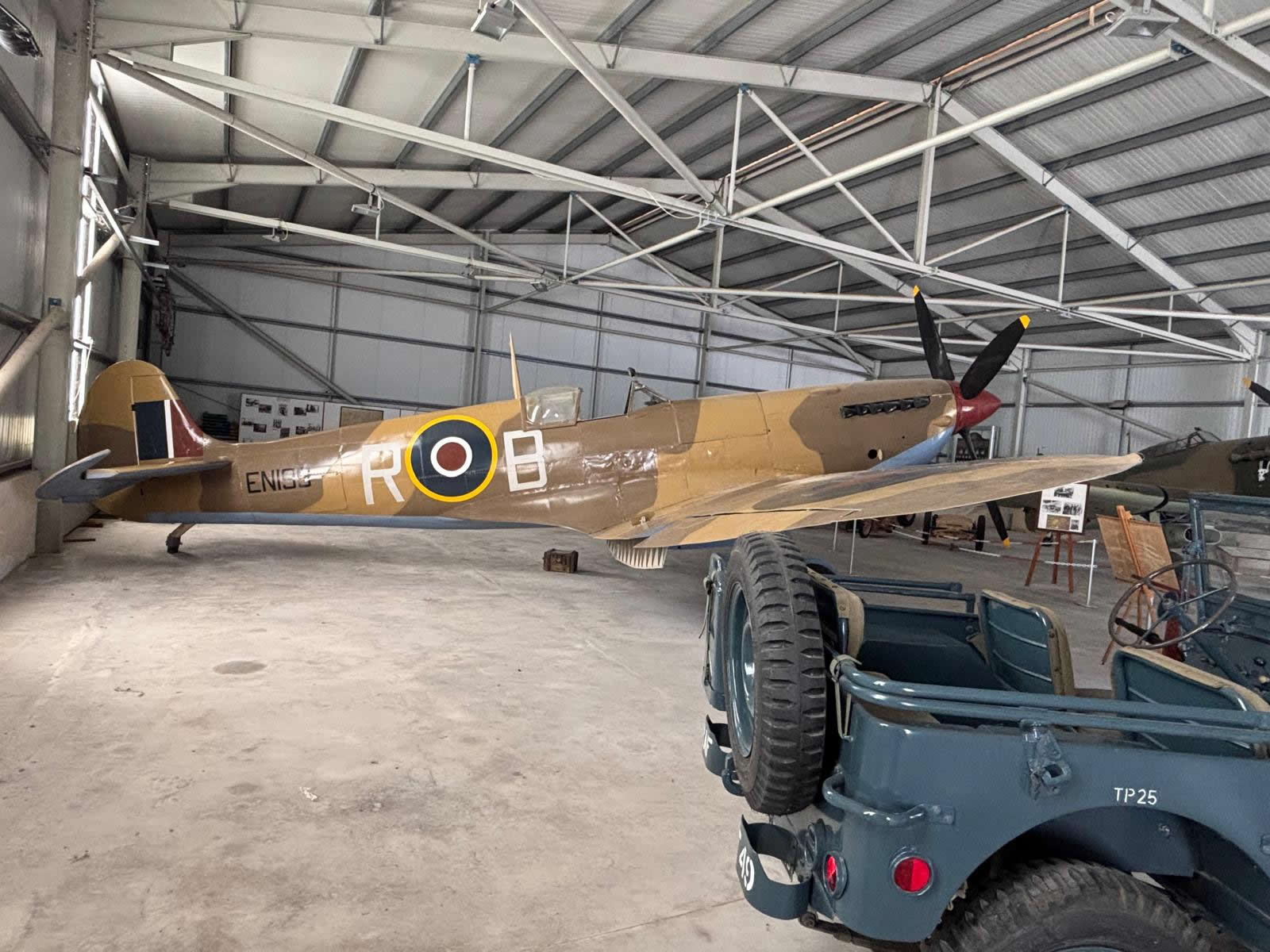
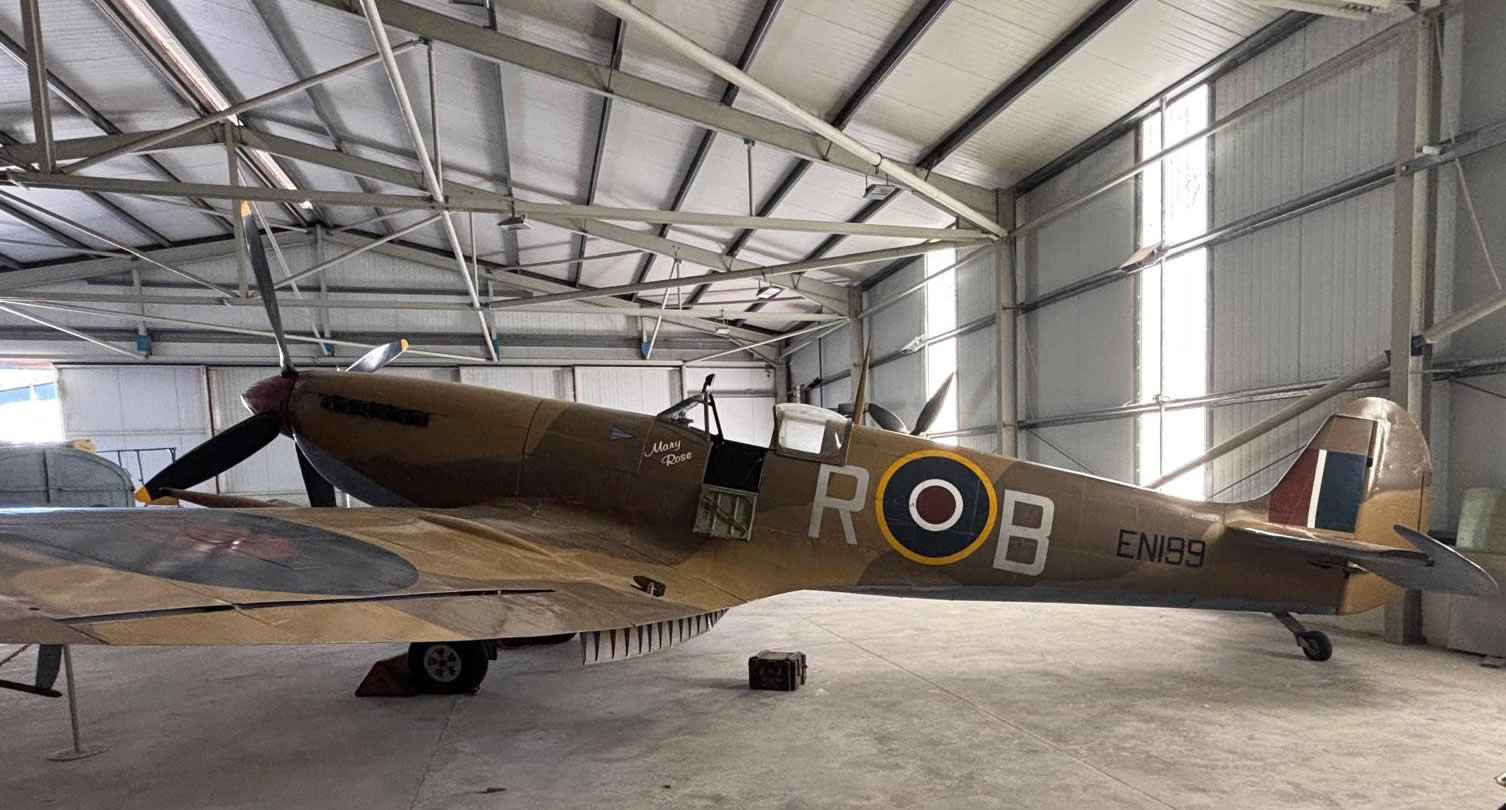
- Supermarine Spitfire Mk IX (EN199)
- Hawker Hurricane IIa Z3055
- Fairey Swordfish (fuselage reconstruction)
- De Havilland Tiger Moth DH82A
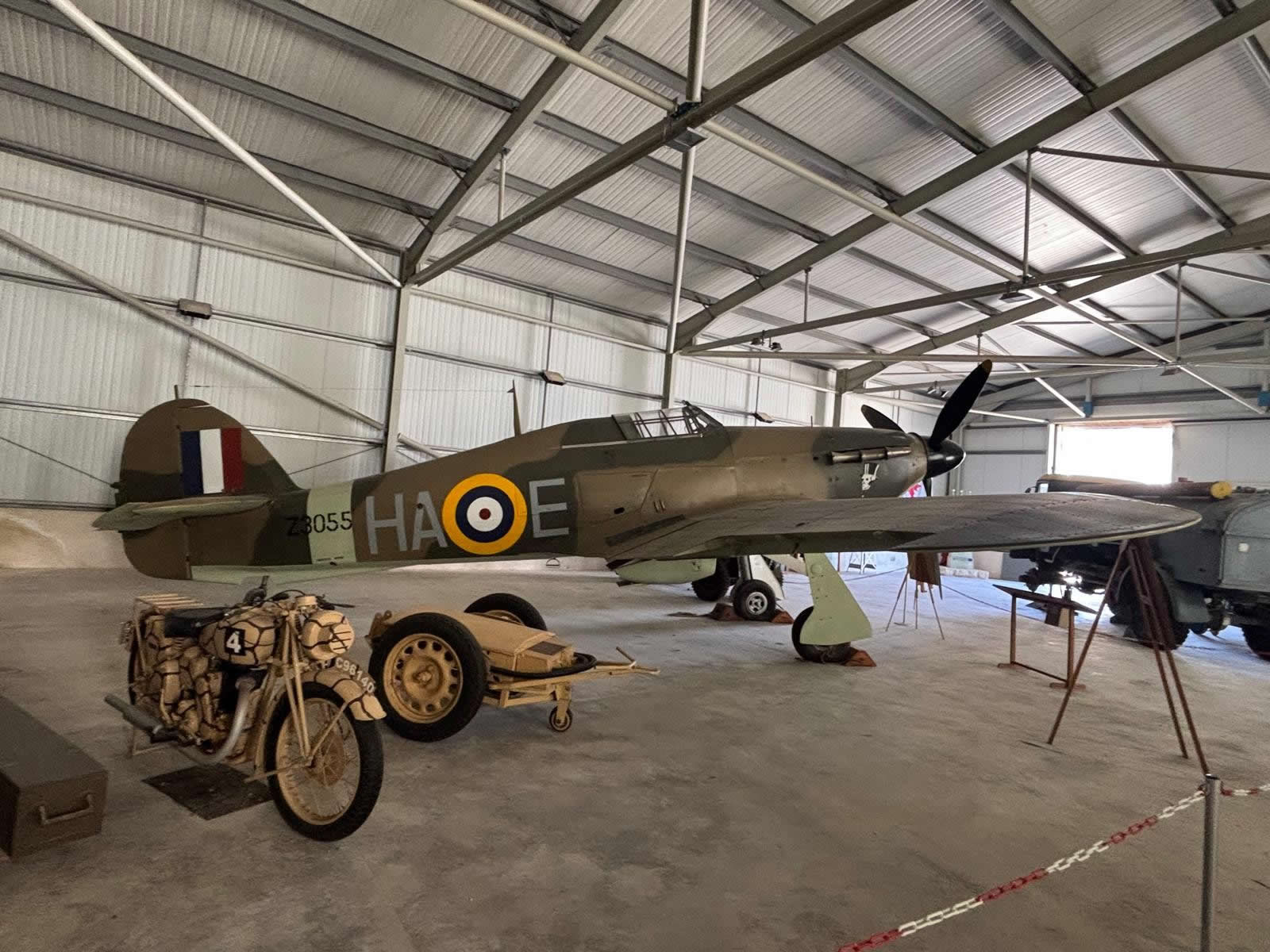
These aircraft represent the backbone of Malta’s wartime air defence and illustrate the technological and strategic challenges of the period.
Post-War and Modern Aircraft
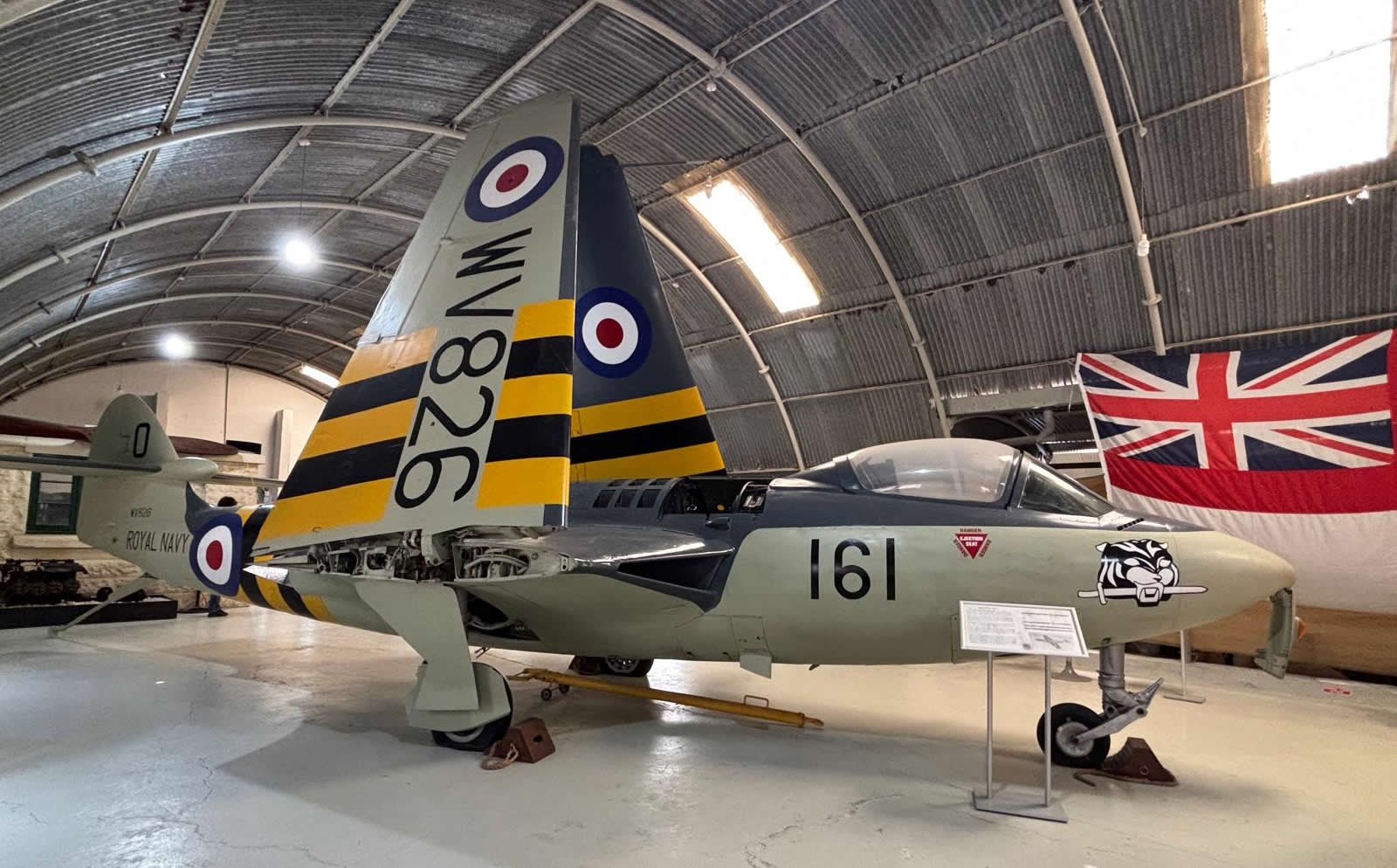
- Gloster Meteor F8
- Fiat G.91R
- De Havilland Vampire T11
- Hawker Sea Hawk
- Agusta-Bell helicopters
These exhibits demonstrate the evolution of aviation technology in the decades following World War II.
Additional Collections
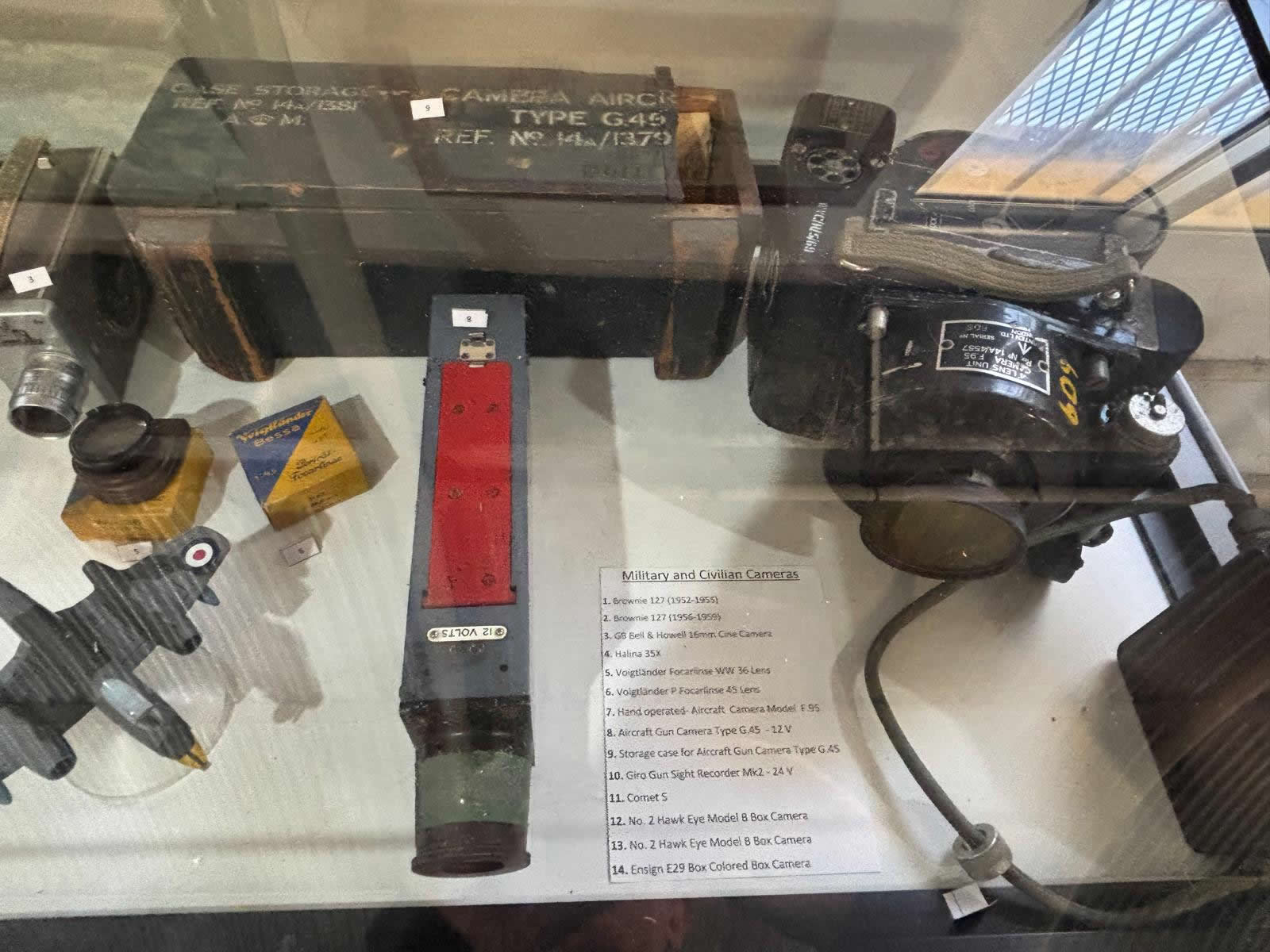
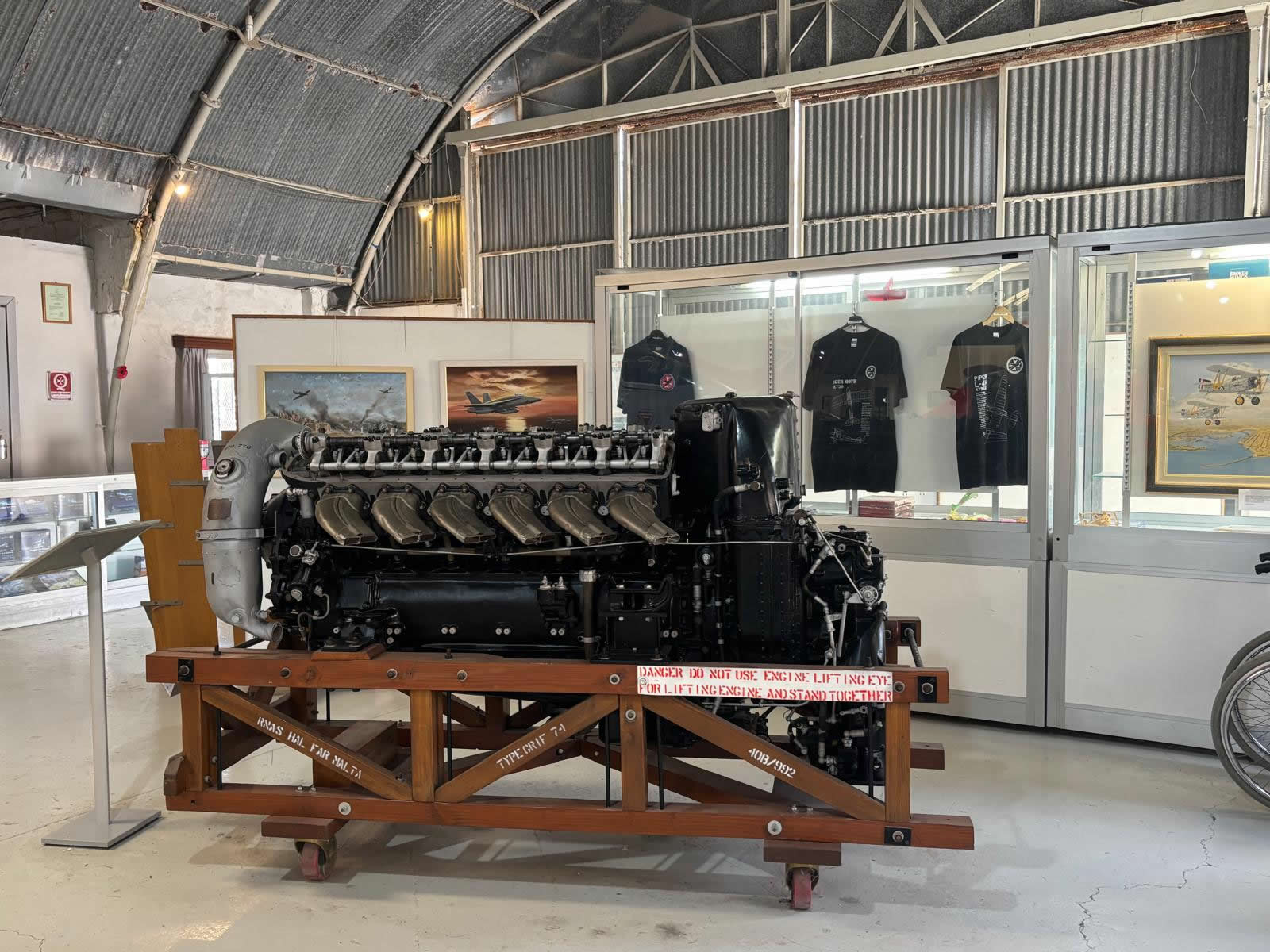
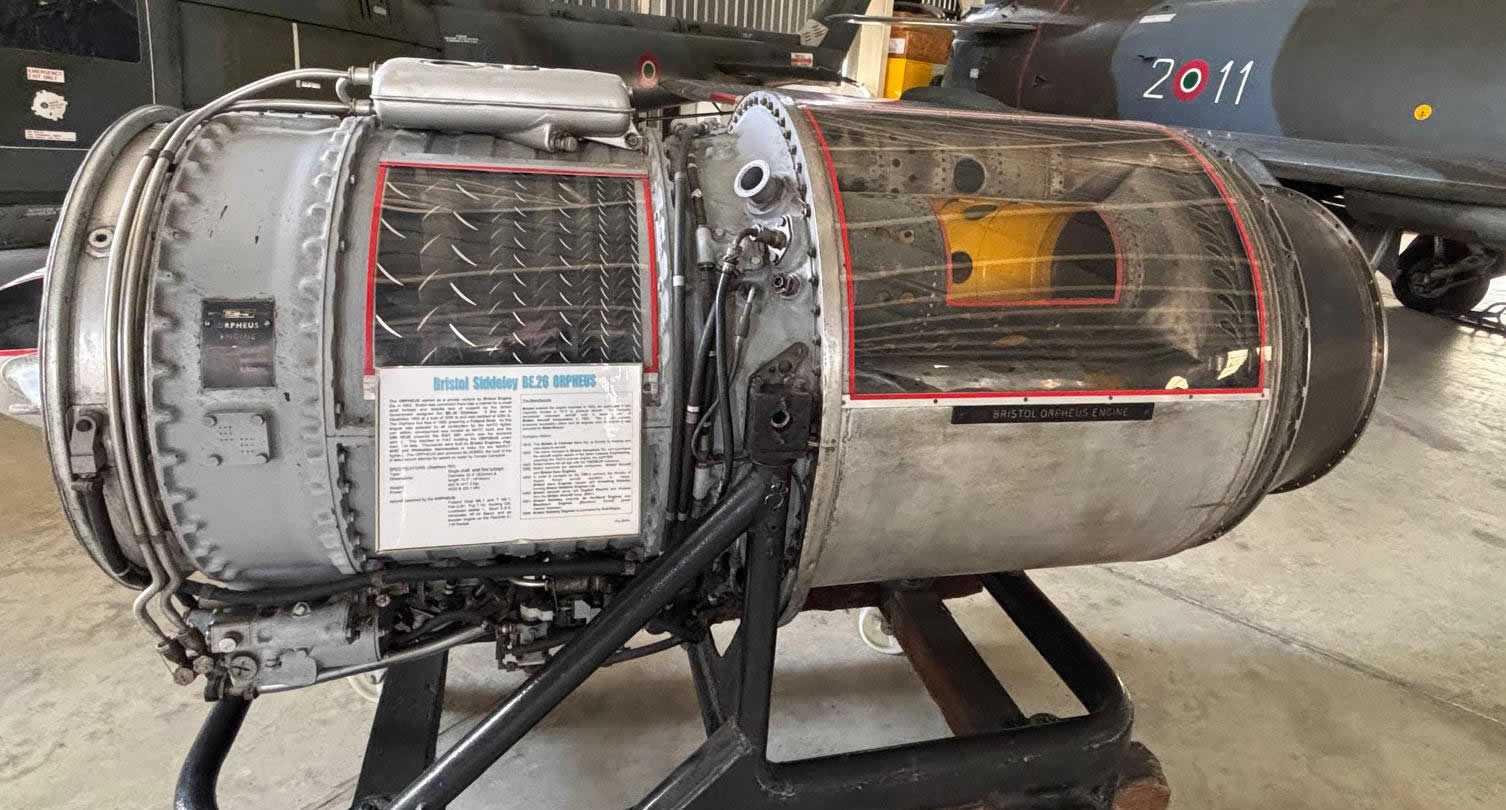
- Aircraft engines and mechanical components
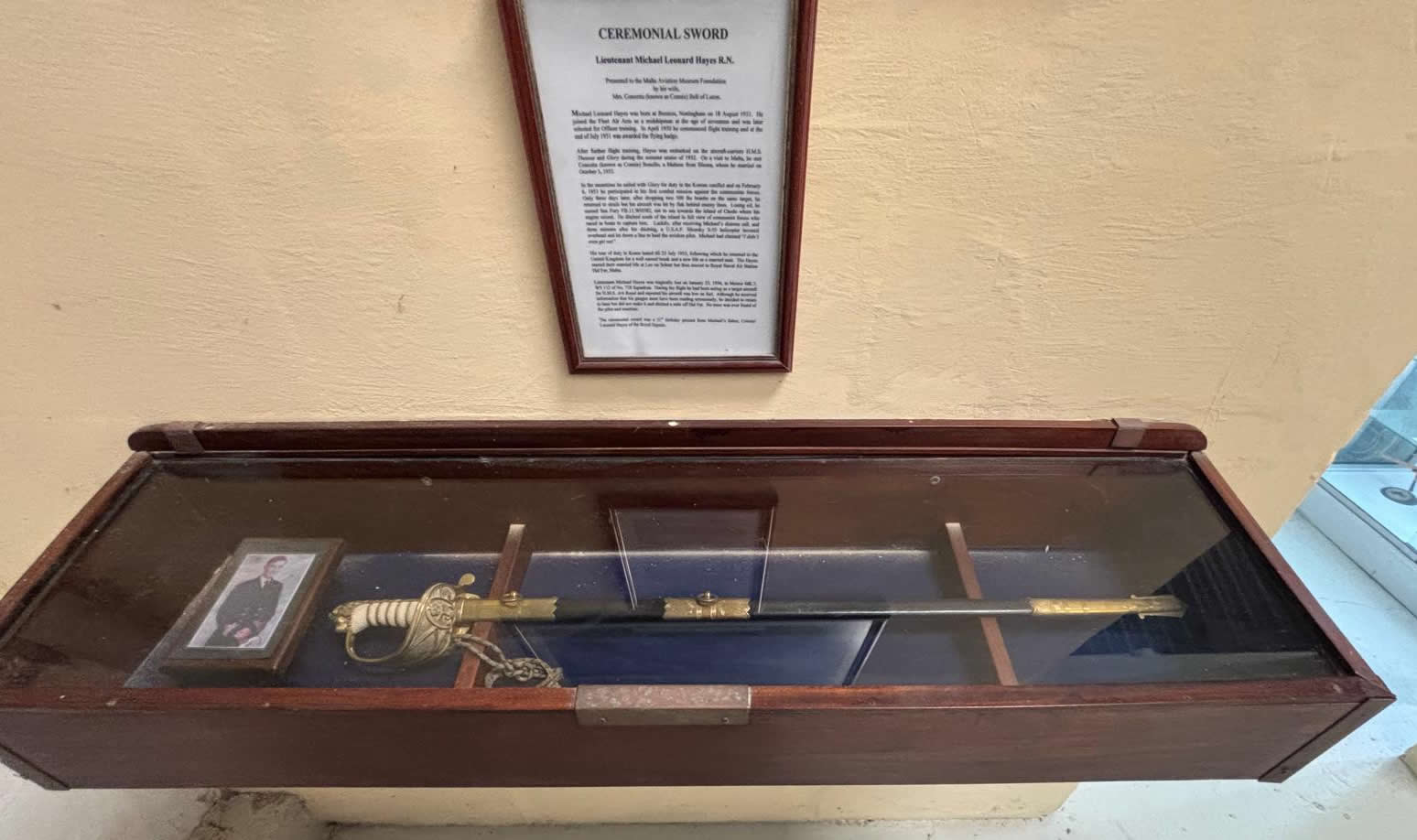
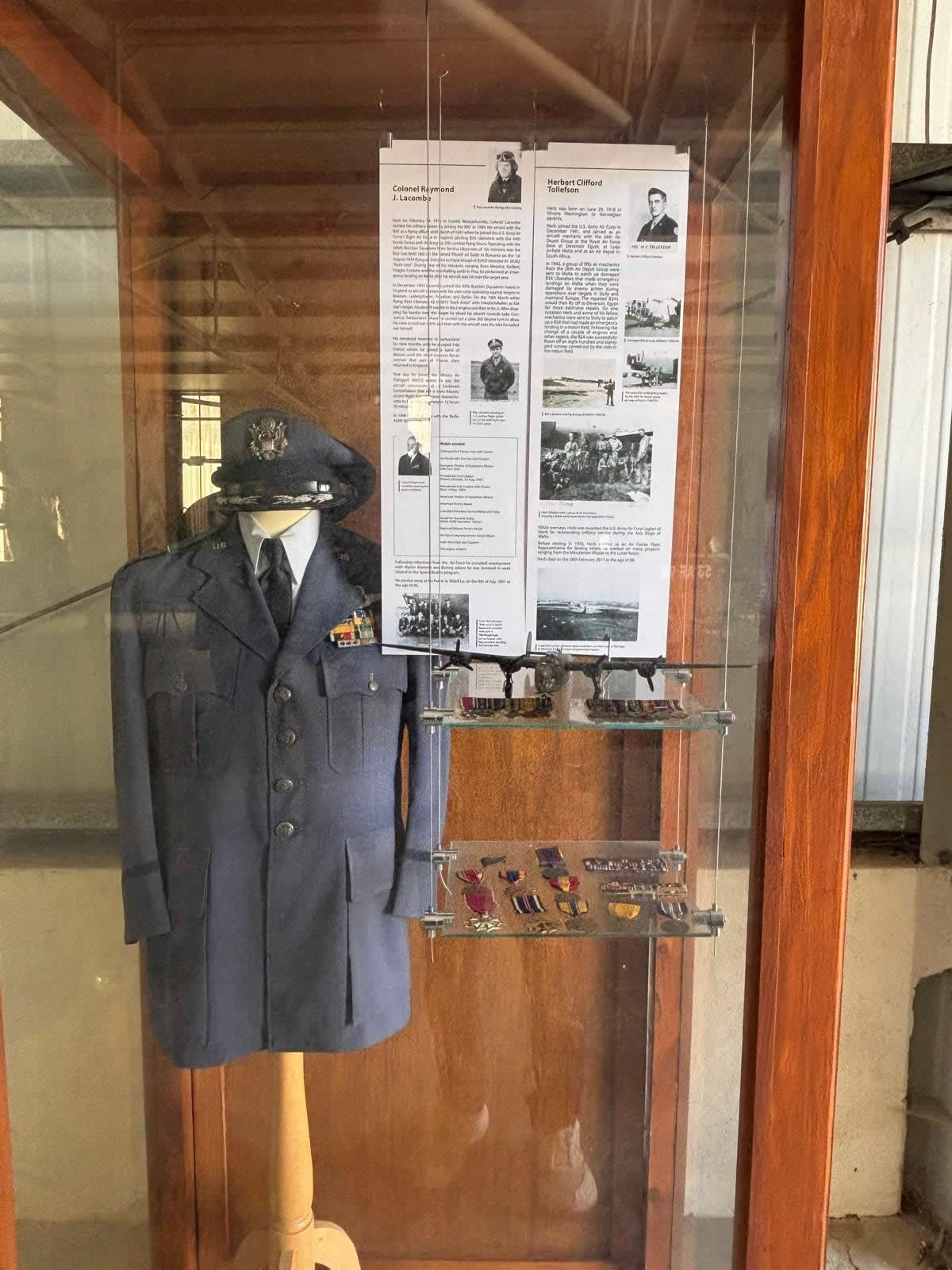
- Uniforms and personal equipment
- Flight simulators including a historic Link Trainer
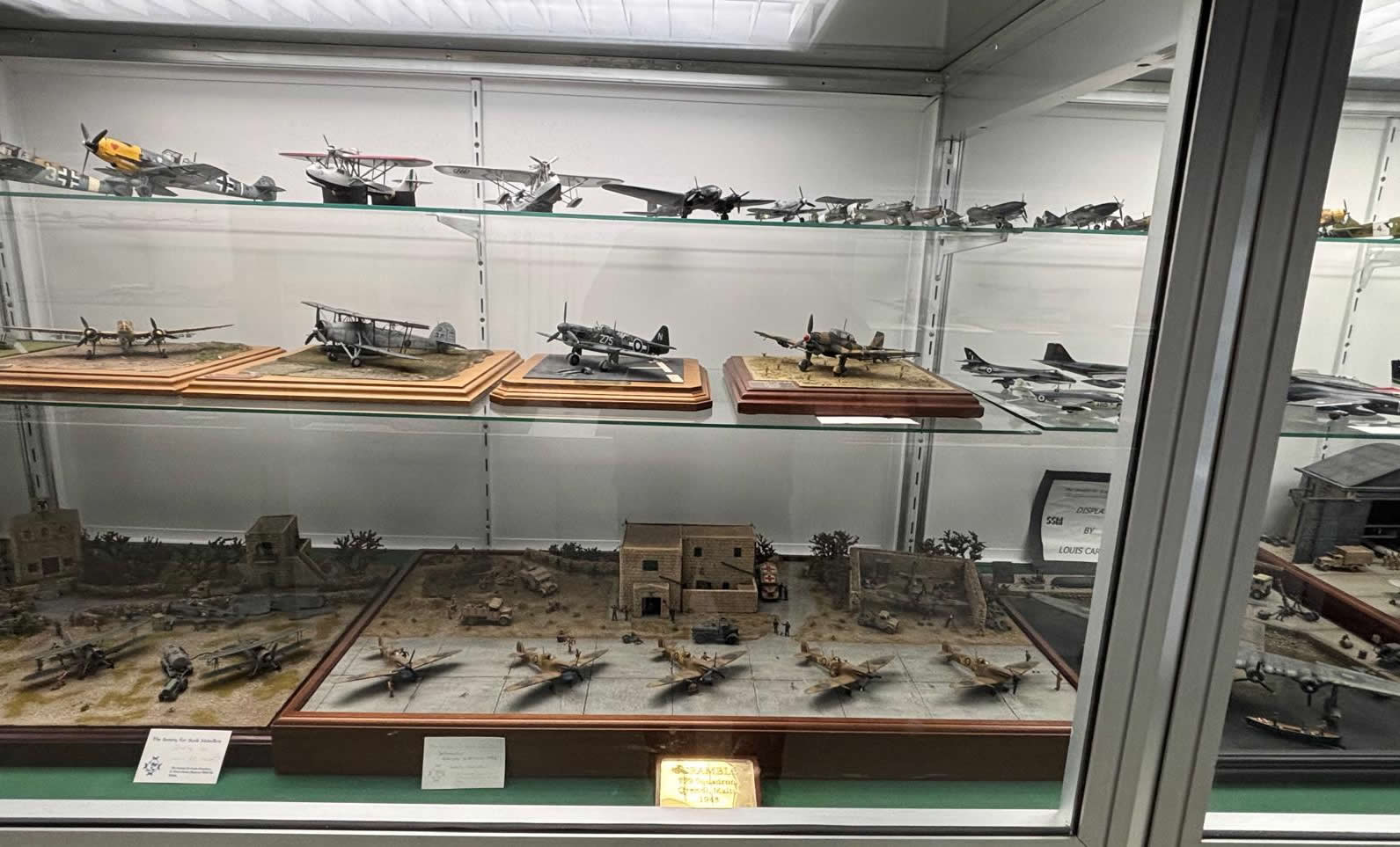
- Scale models and dioramas

The diversity of exhibits ensures that visitors gain a broad understanding of aviation history and technology.
Aircraft Restoration Programme
One of the defining features of the Malta Aviation Museum is its active restoration programme. Unlike many traditional museums, this institution functions as a working restoration centre where visitors can observe aircraft being rebuilt.
Aircraft are restored to varying conditions, including:
- Static display condition
- Taxiing condition
- Fully airworthy condition
These restoration efforts are carried out by skilled volunteers and professionals, ensuring the preservation of Malta’s aviation heritage for future generations.
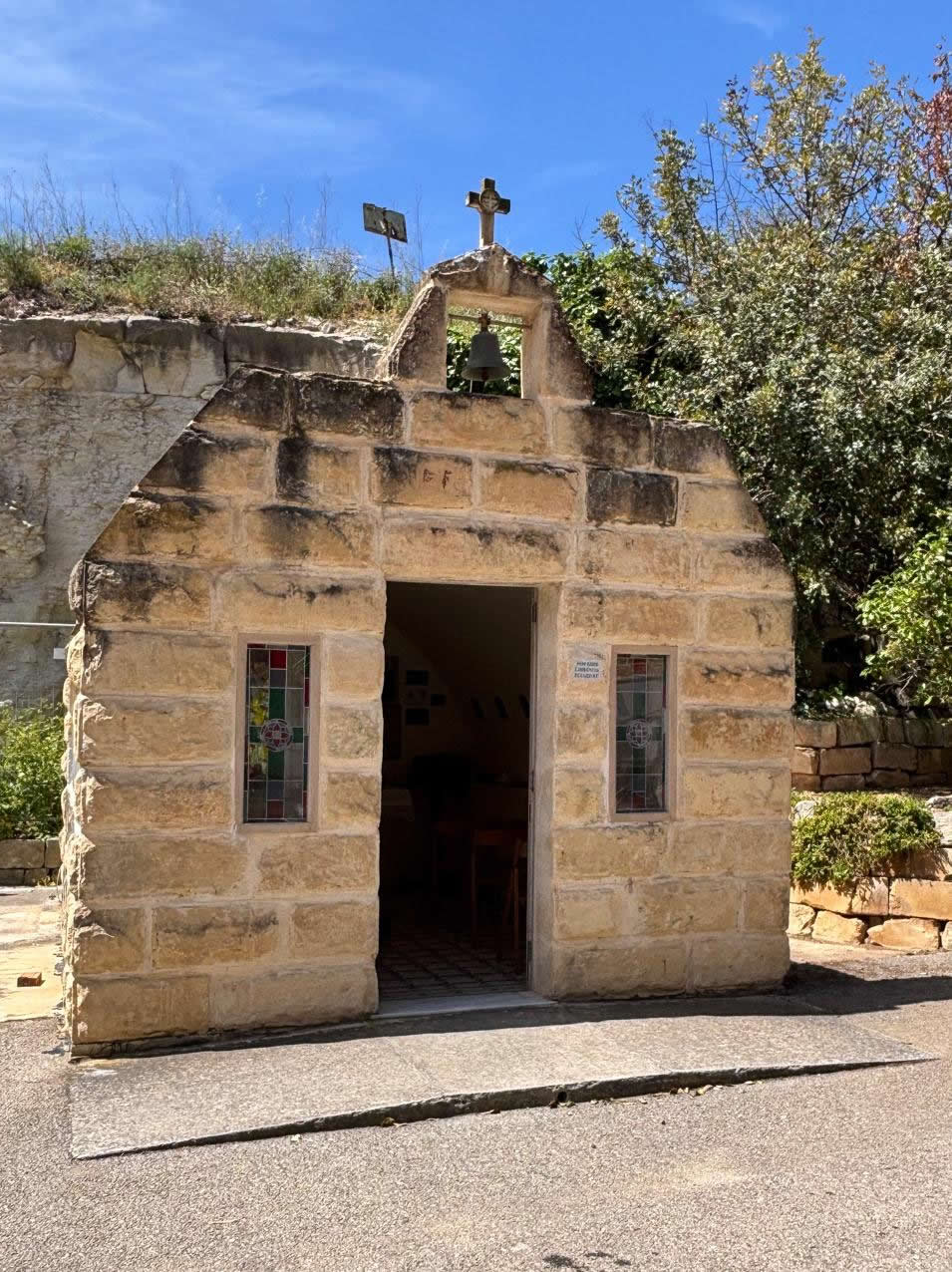
The Malta Aviation Museum Chapel
A unique feature of the museum is its aviation chapel, dedicated to Our Lady of Loreto, the patron saint of aviators.
The chapel is housed within a reconstructed World War II “elephant hut”, a type of military structure used during the war for storage and operational purposes.
Constructed using recycled materials and supported by volunteers, the chapel serves as a memorial space honouring aviators who lost their lives during the Air Battle of Malta.
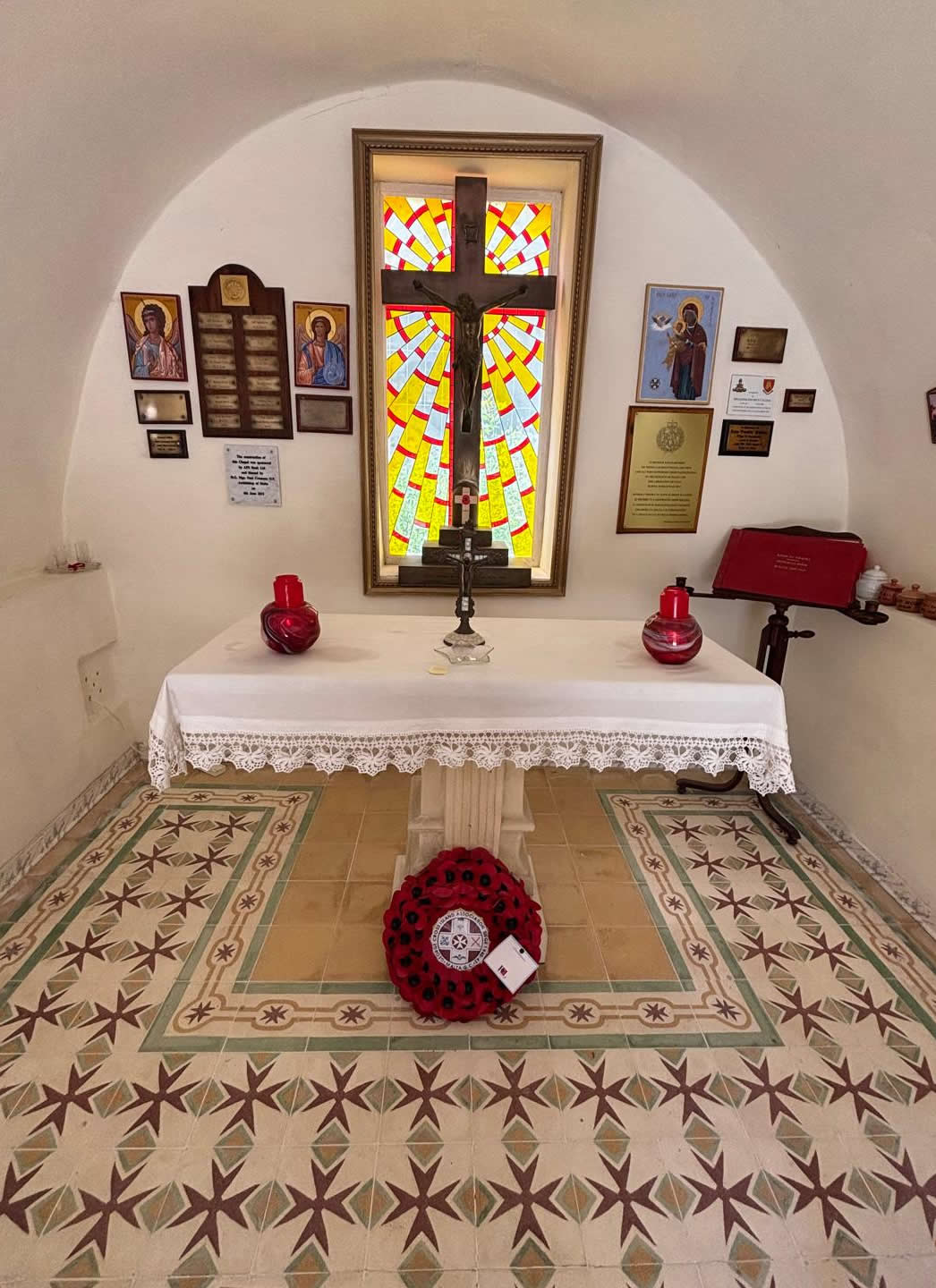
Key features include:
- A historic crucifix commemorating a Royal Navy officer
- A memorial book listing fallen RAF personnel
- Gothic-script Roll of Honour
- Traditional altar and devotional elements
The chapel provides a reflective and spiritual dimension to the museum, connecting technological history with human sacrifice and remembrance.
Educational Role and Visitor Experience
The Malta Aviation Museum plays an important educational role, offering insights into engineering, history, and wartime strategy.
Visitors can:
- Explore restored aircraft up close
- Learn about WWII aviation in Malta
- Observe restoration projects in progress
- Engage with knowledgeable volunteers
The museum is widely regarded as an engaging and informative experience, particularly for those interested in aviation and military history.
Modern Importance
Today, the Malta Aviation Museum stands as a testament to Malta’s resilience during wartime and its ongoing commitment to preserving historical memory.
It highlights:
- Malta’s strategic role in WWII
- Technological advancements in aviation
- The importance of heritage conservation
- The contributions of volunteers and historians
The museum also continues to expand, ensuring its relevance as both a cultural and educational institution.
Location and Visiting Information
📍 Location: Ta’ Qali, Attard, Malta 📍 Coordinates: 35.893844, 14.416176
The museum is easily accessible and located near other attractions such as the Ta’ Qali Crafts Village.
👉 View on map: https://maps.app.goo.gl/uyLC6LW6SZaRTK2V7
Frequently Asked Questions (FAQ)
When was the Malta Aviation Museum established?
The museum was established in 1994 by the Malta Aviation Museum Foundation.
What can you see at the museum?
Visitors can see historic aircraft, engines, uniforms, and restoration projects, particularly from World War II.
Where is the museum located?
It is located at Ta’ Qali near Attard, on a former RAF airfield.
Does the museum have a chapel?
Yes, it includes a chapel dedicated to Our Lady of Loreto, honouring fallen aviators.
Is the museum still active?
Yes, it is an active museum and restoration centre open to visitors.