📍 Location
Location Map Coordinates 35.880579, 14.396763

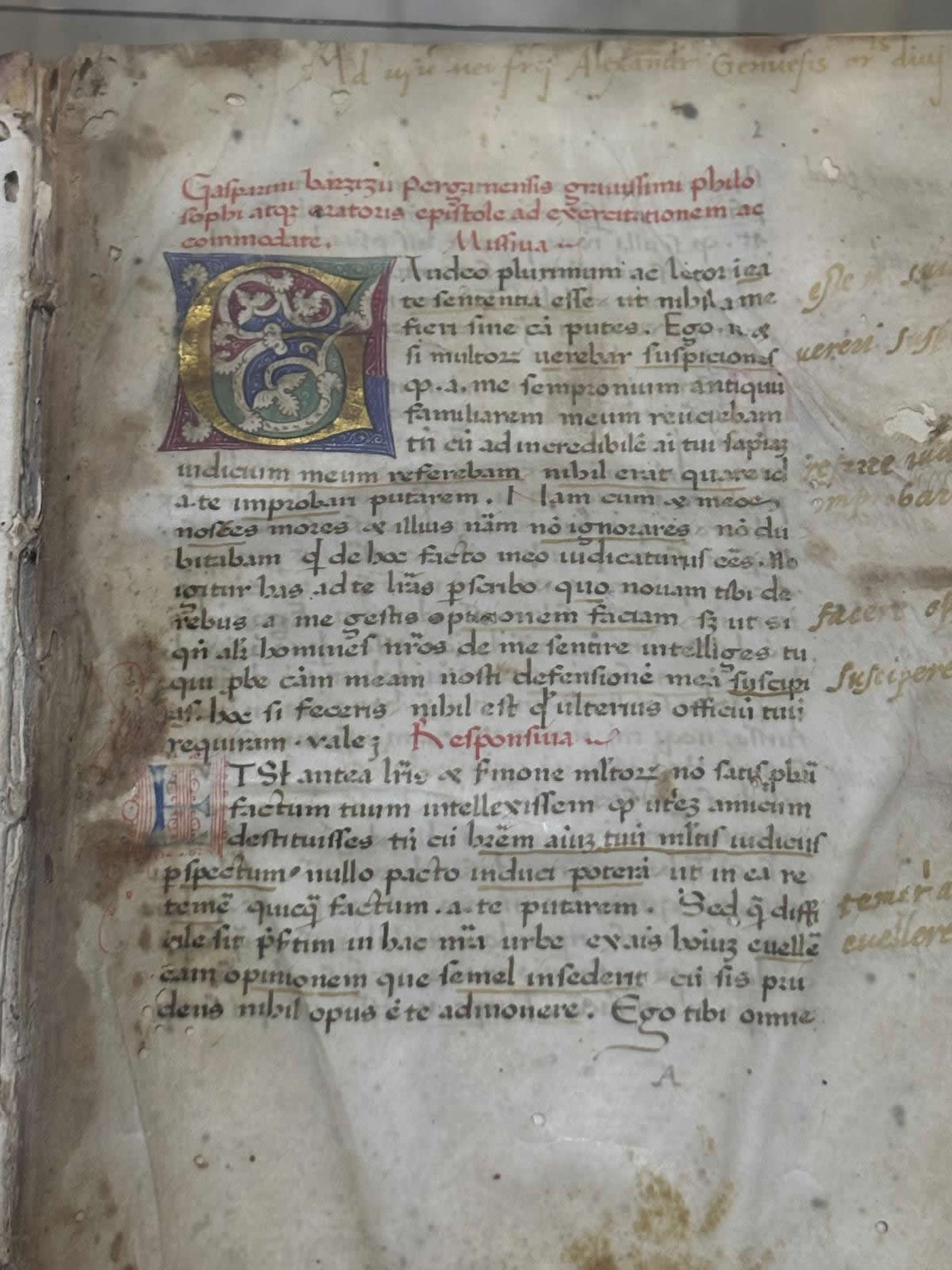
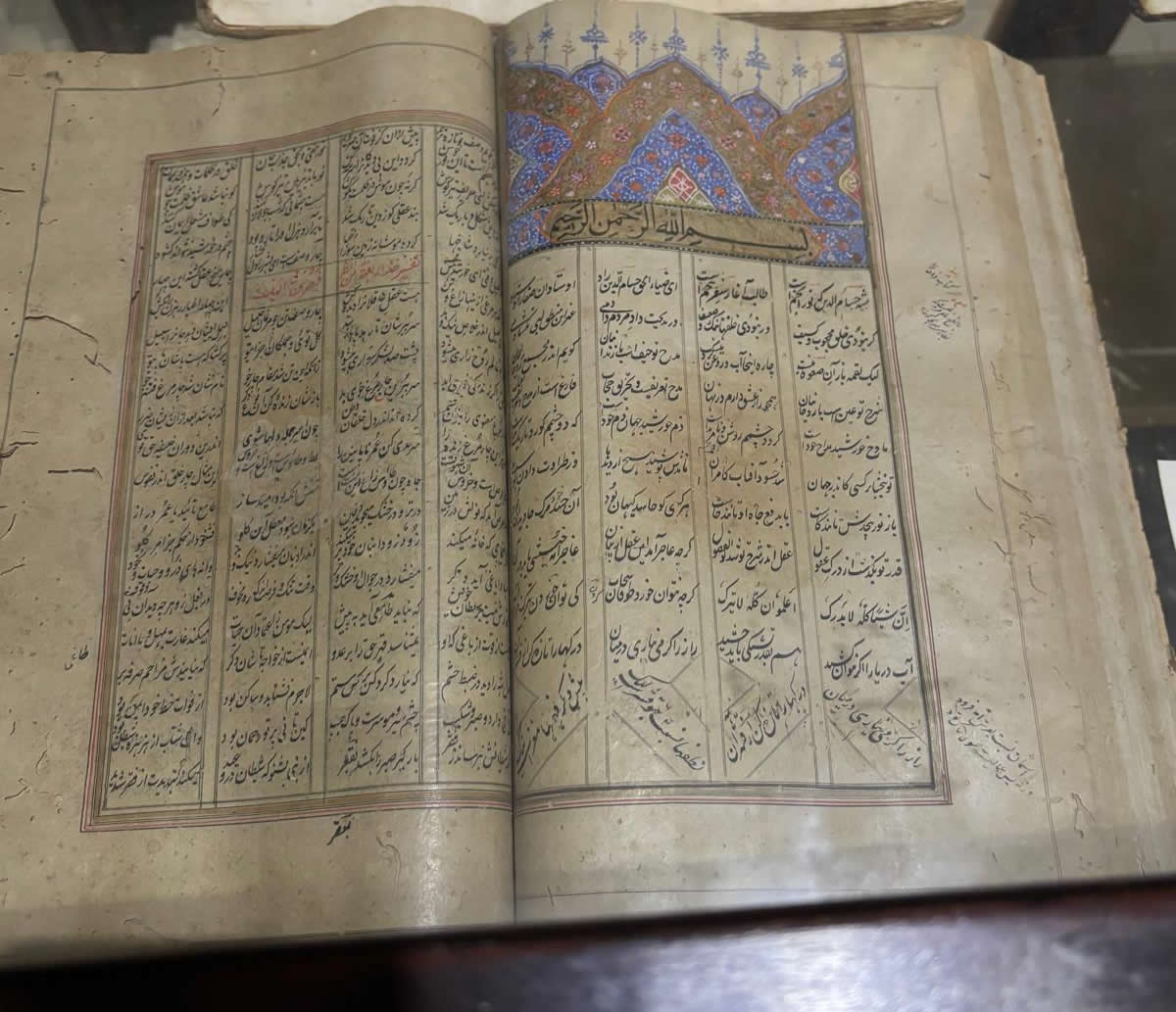
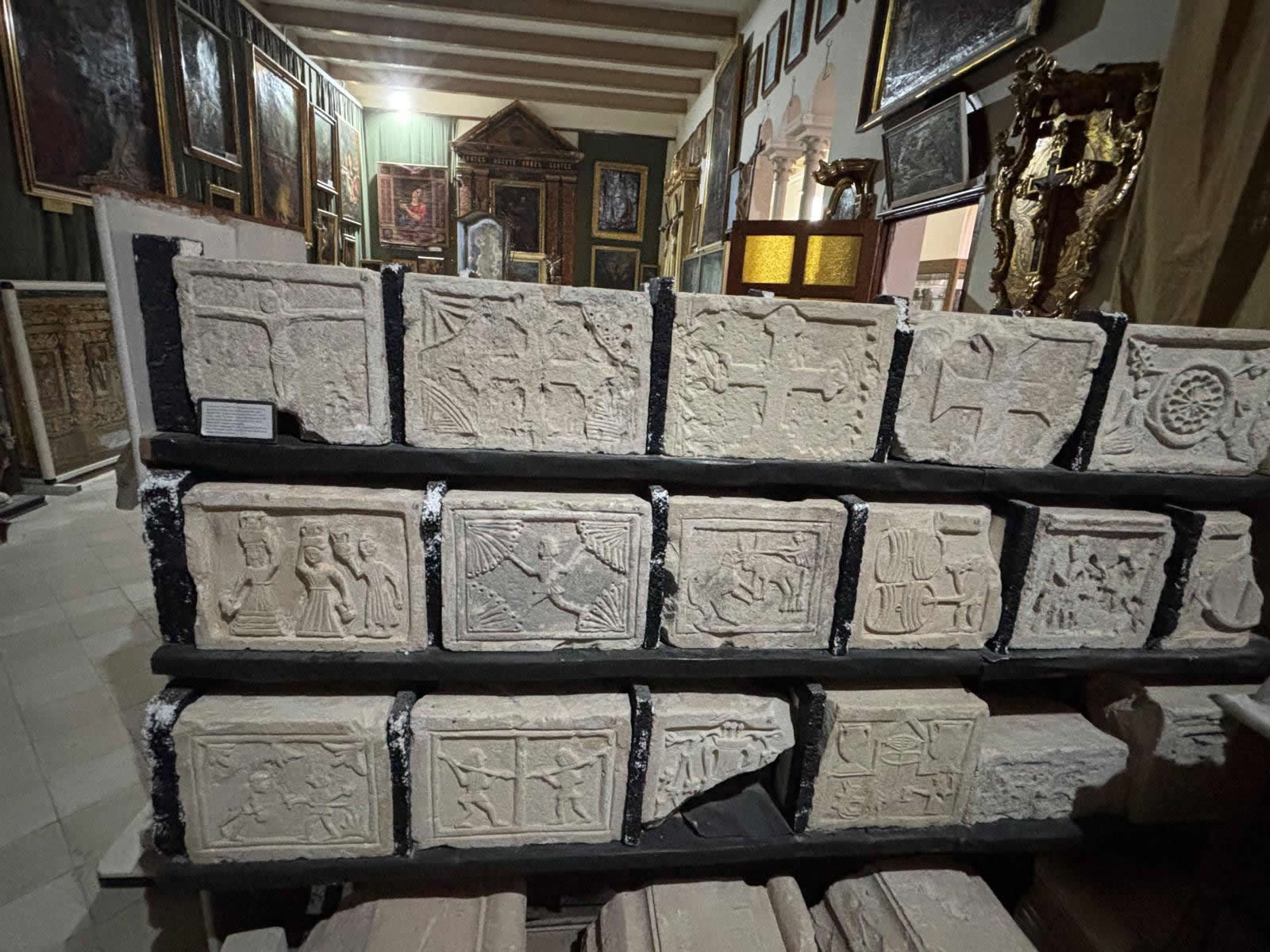
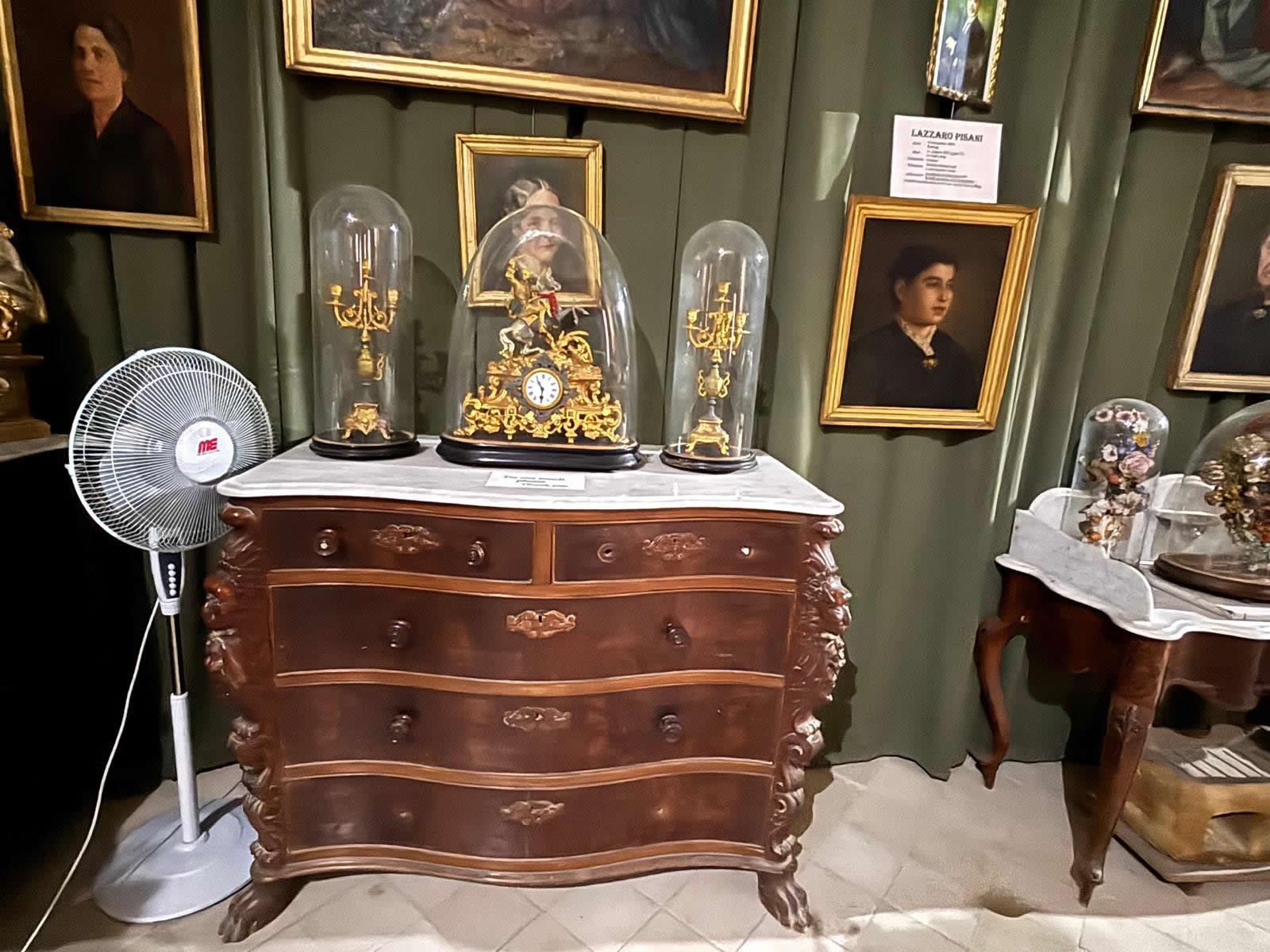
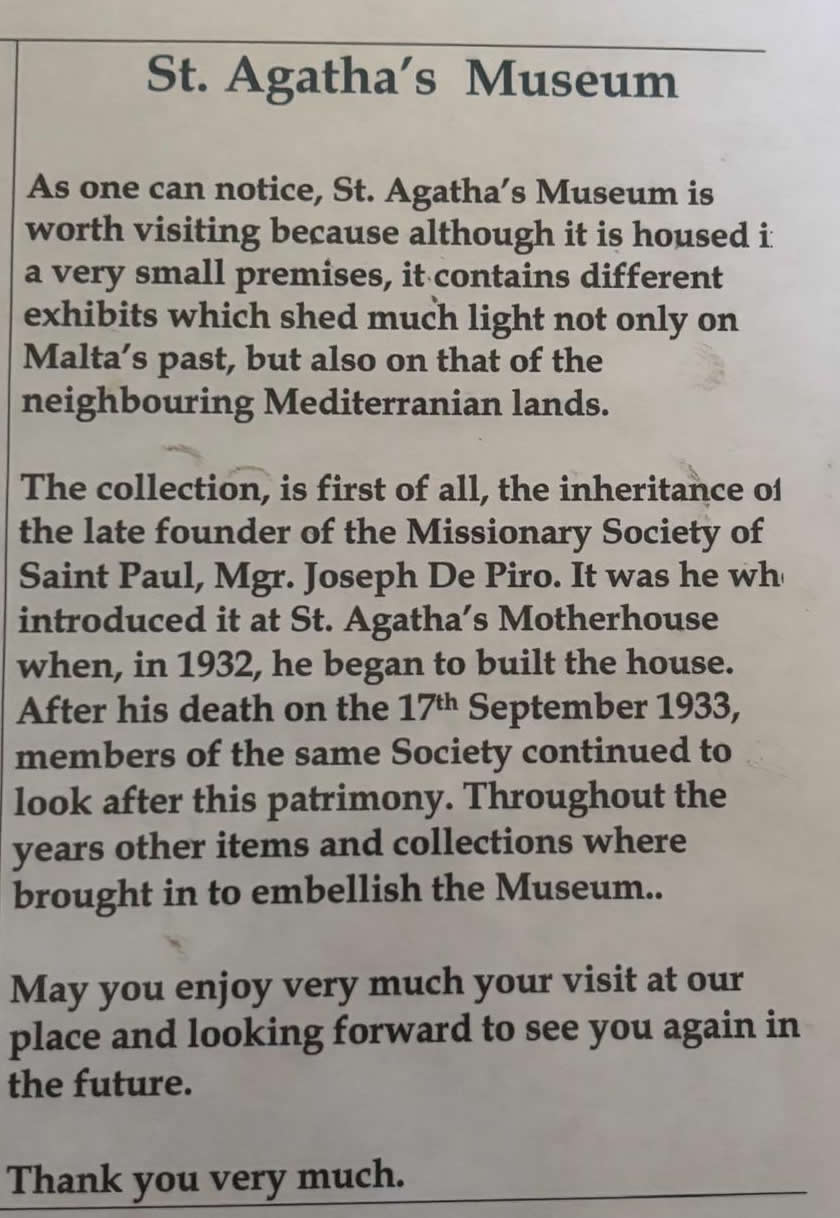
The Saint Agatha Museum in Rabat, Malta, located at coordinates 35.880579, 14.396763, forms an integral part of the wider St Agatha historical complex. Although modest in size, the museum offers an exceptionally diverse collection that spans prehistoric times, the Roman period, the medieval era, and the time of the Knights of St John.

Positioned alongside the crypt, catacombs, and historic church dedicated to St Agatha, the museum serves as an interpretative space that complements the archaeological and religious significance of the site.
Historical Context and Establishment
The museum is closely associated with the Missionary Society of St Paul (M.S.S.P.), which has played a central role in preserving and presenting the St Agatha complex. Over time, artefacts discovered within the catacombs and surrounding areas were collected and displayed, leading to the formation of the museum as a dedicated exhibition space.

Its development reflects a broader effort to interpret the archaeological findings of Rabat, an area built over the ancient Roman city of Melite. This region has yielded significant material evidence of continuous habitation and religious activity spanning over two millennia.

The Numismatic Collection
One of the most remarkable features of the Saint Agatha Museum is its extensive coin collection, which provides a chronological overview of Malta’s monetary history.

The collection includes coins from:
- The Roman period, reflecting Malta’s integration into the Roman Empire
- The medieval era, illustrating shifts in political control
- The period of the Knights of St John, including coins issued under various Grand Masters

These coins offer valuable insight into economic systems, trade networks, and political authority across different historical periods. Numismatic collections such as this are particularly important for understanding how Malta functioned within wider Mediterranean exchange systems.

Minerals, Fossils and Natural History
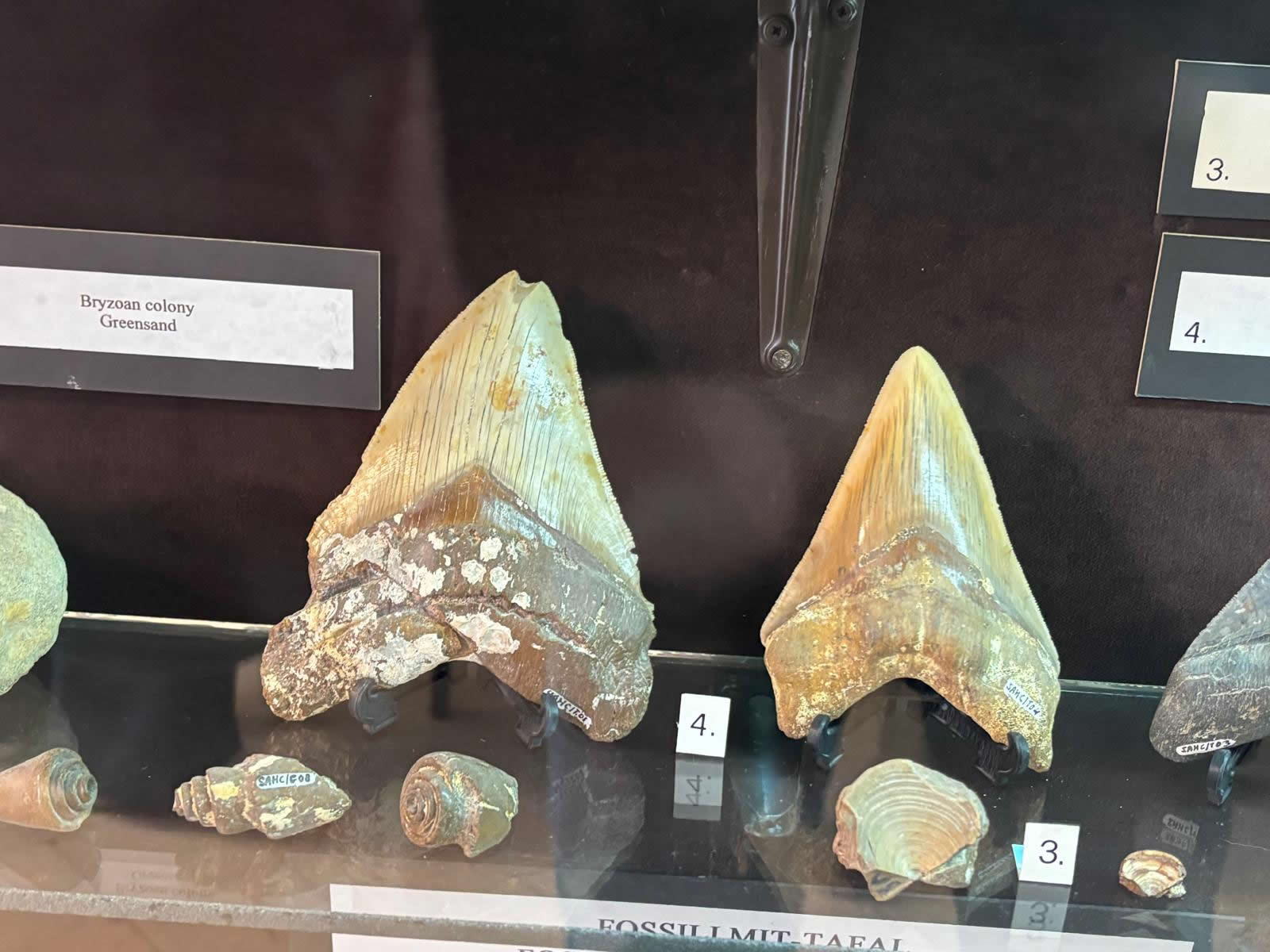
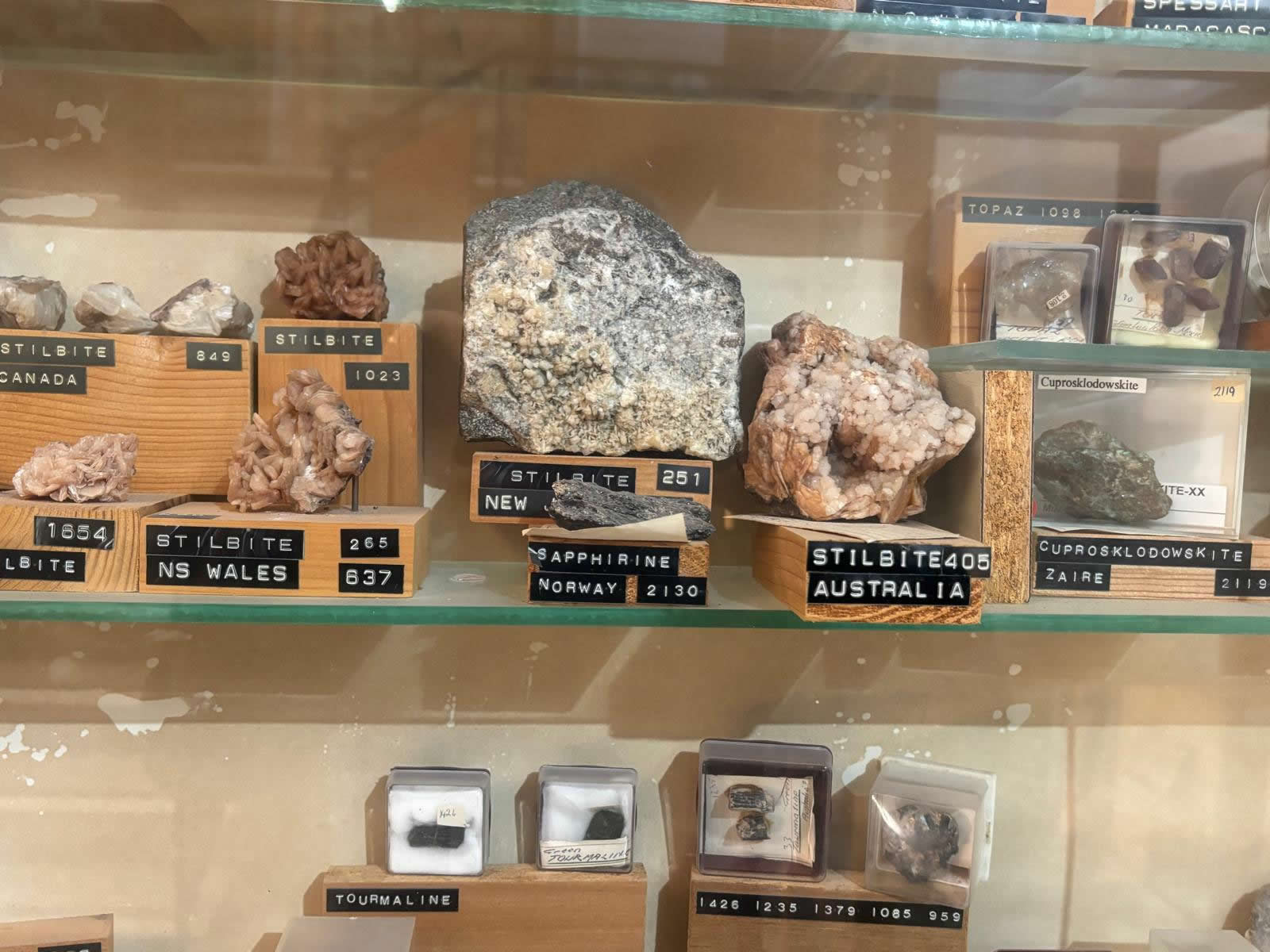
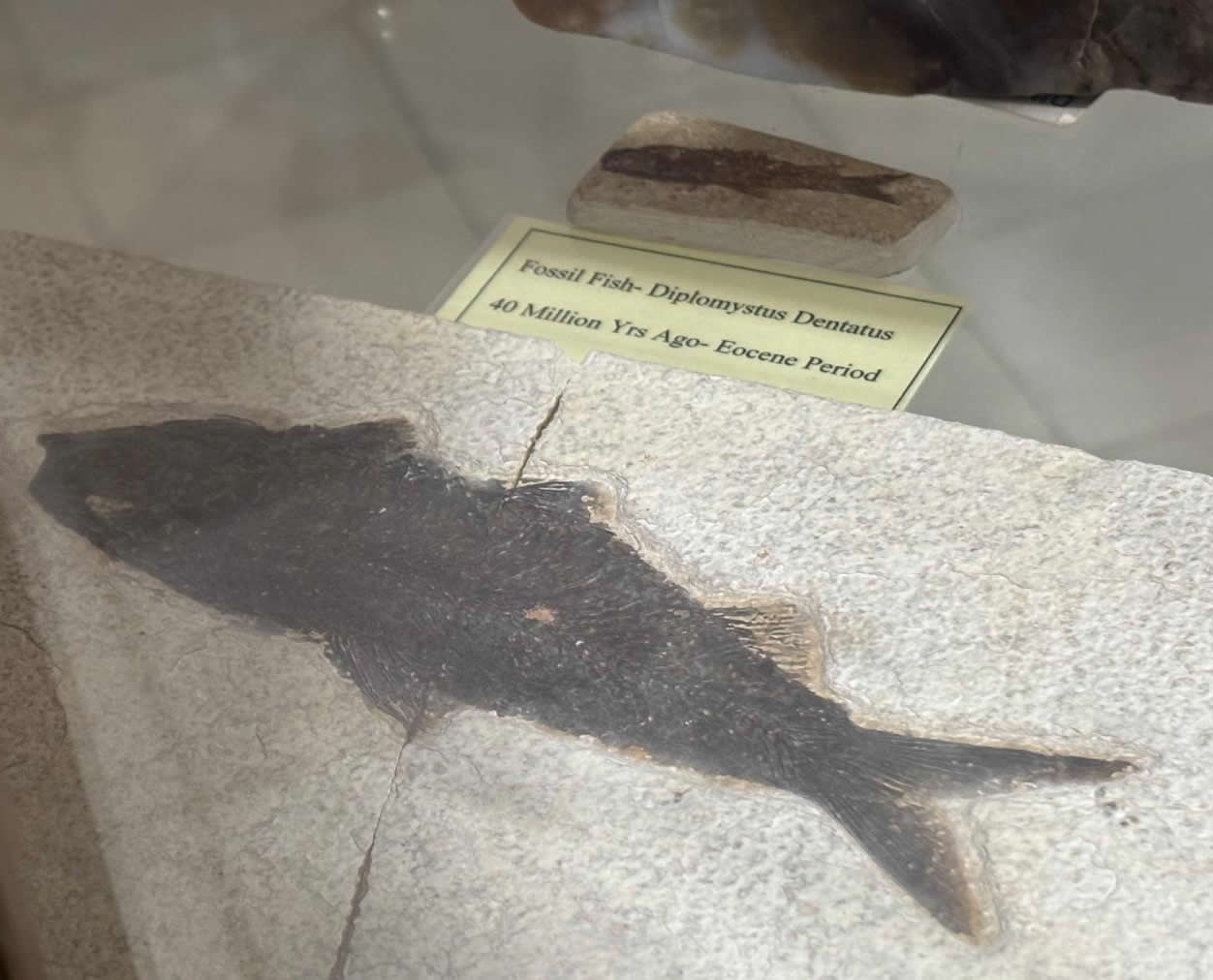
Another major component of the museum is its collection of minerals, crystals, and fossils. Visitors can view:
- Fossilised remains, including marine specimens such as sharks’ teeth
- Mineral samples and crystals from Malta and abroad
Many of these items were donated to the museum and represent both local geological history and international mineralogical diversity.
This section of the museum complements Malta’s natural history by illustrating the island’s geological formation and prehistoric environment.
Roman and Archaeological Artefacts
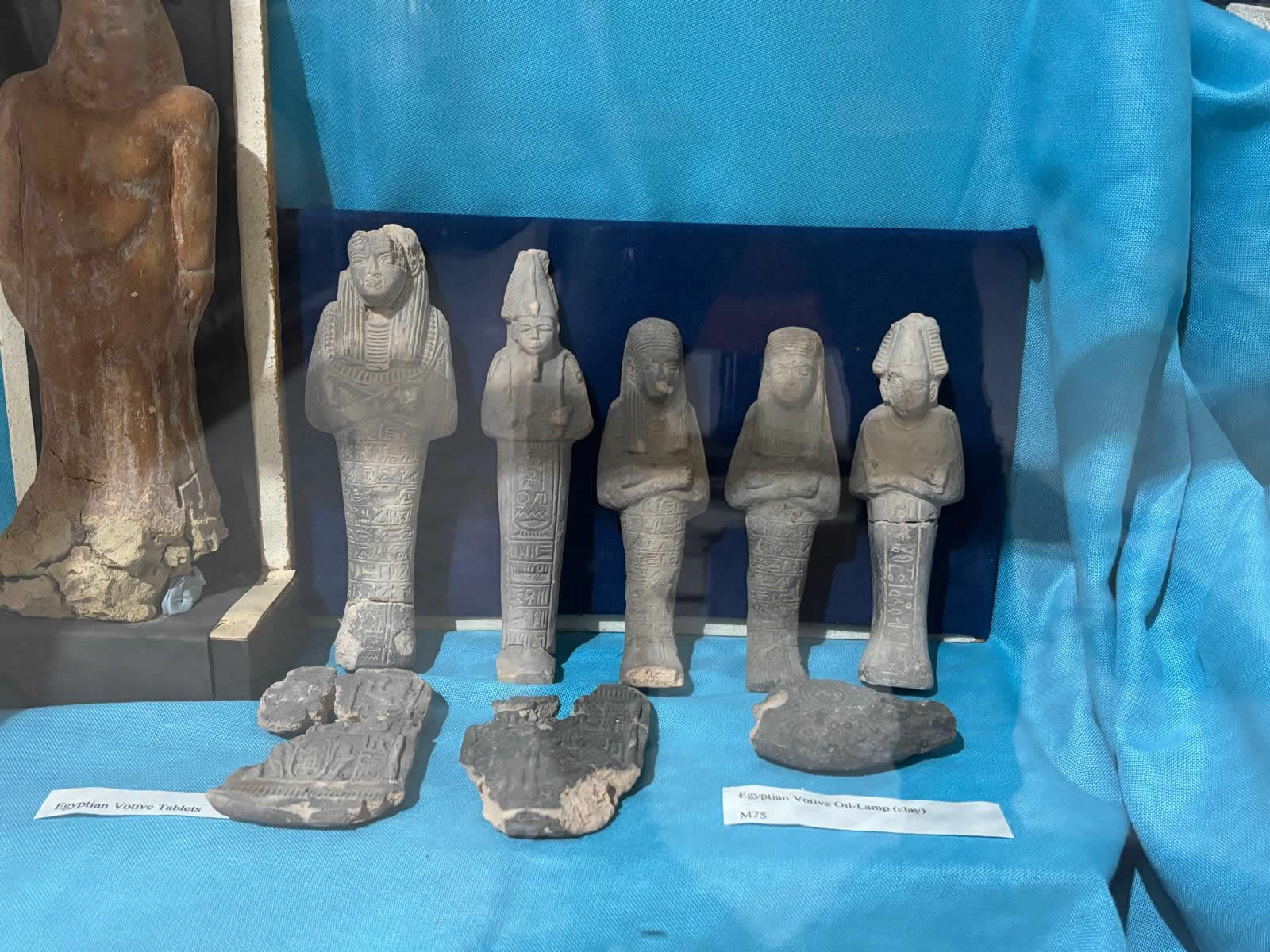
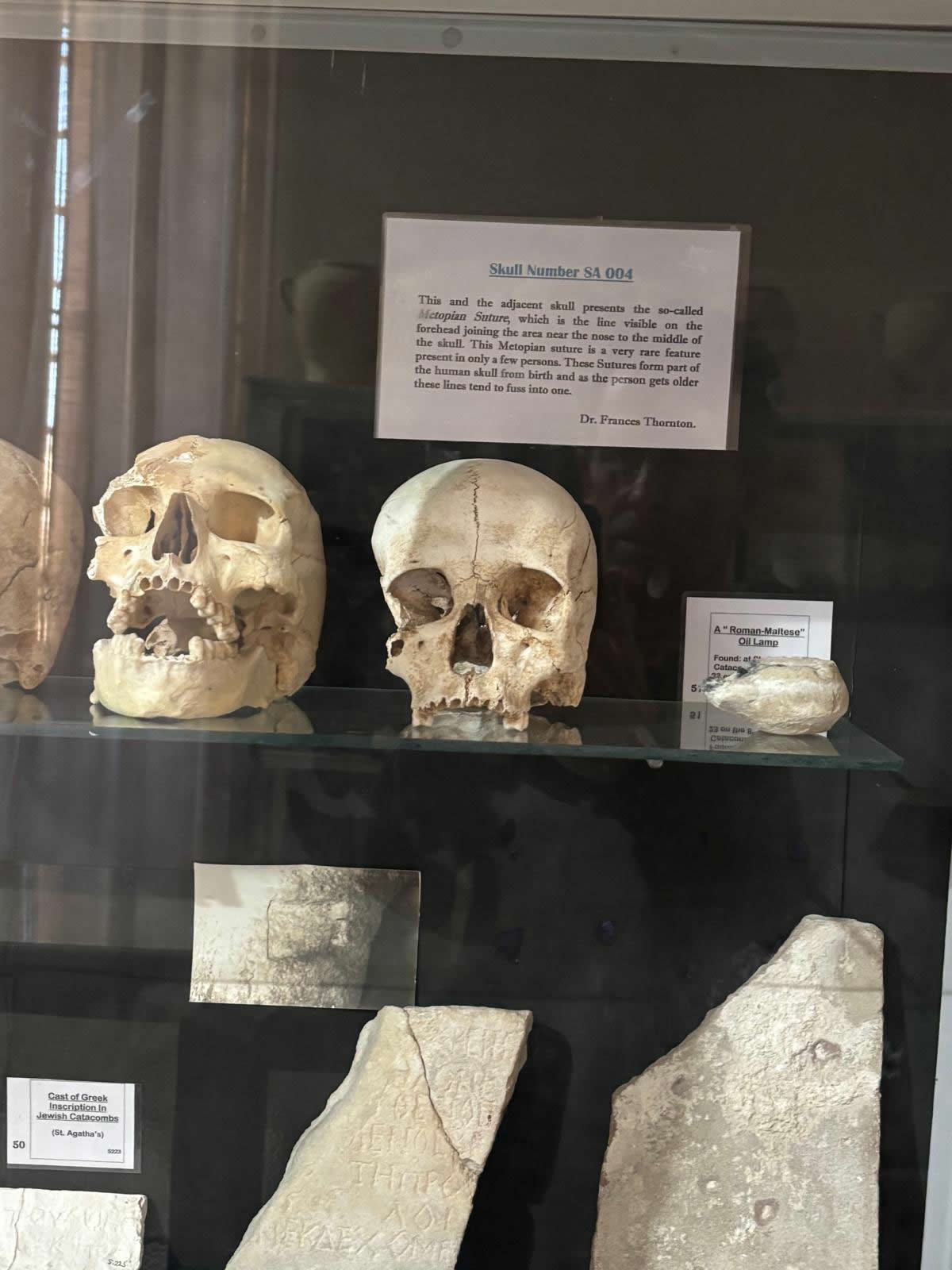
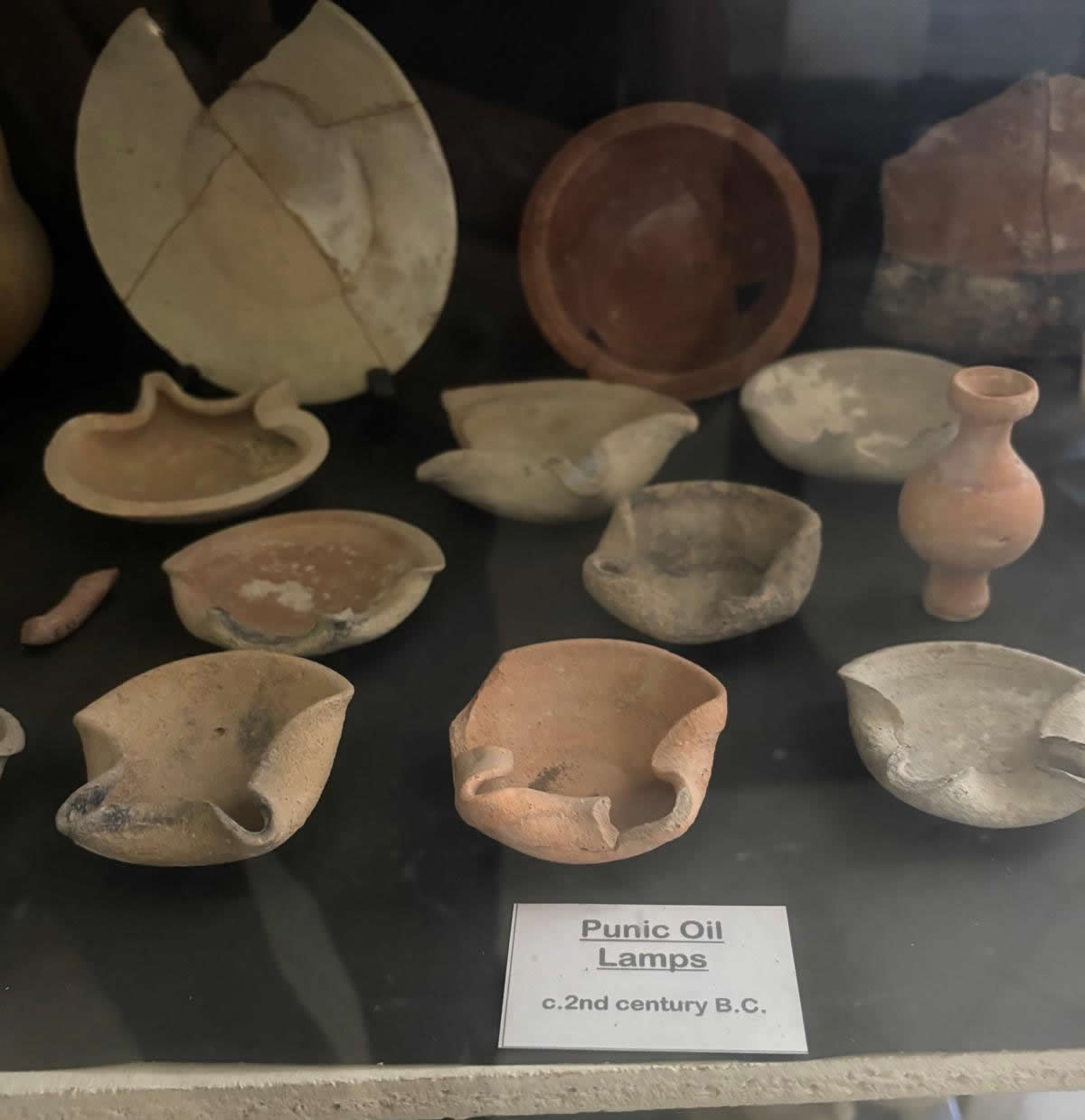
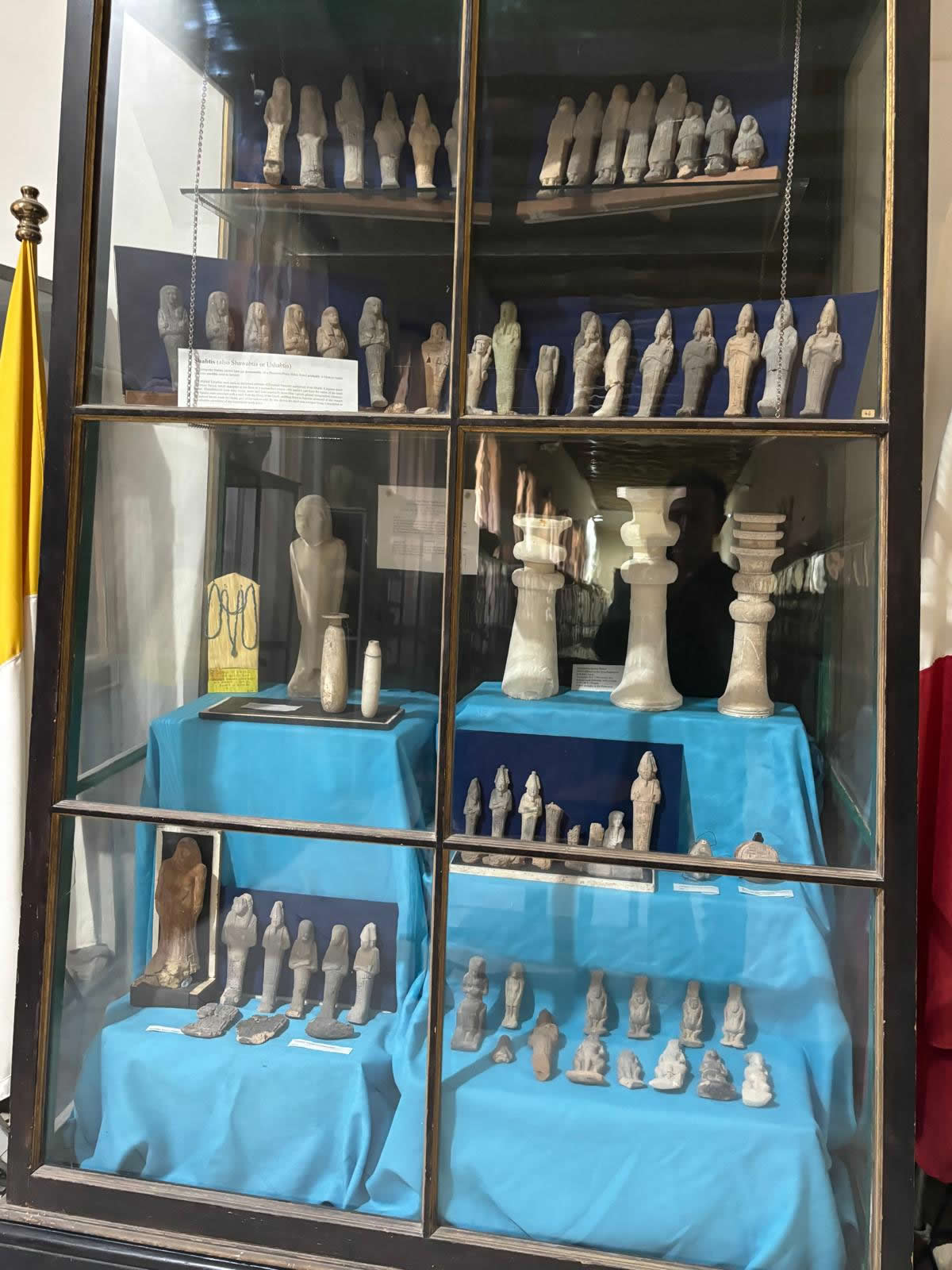
The museum houses a significant collection of Roman artefacts, many of which were discovered in the nearby catacombs. These include:
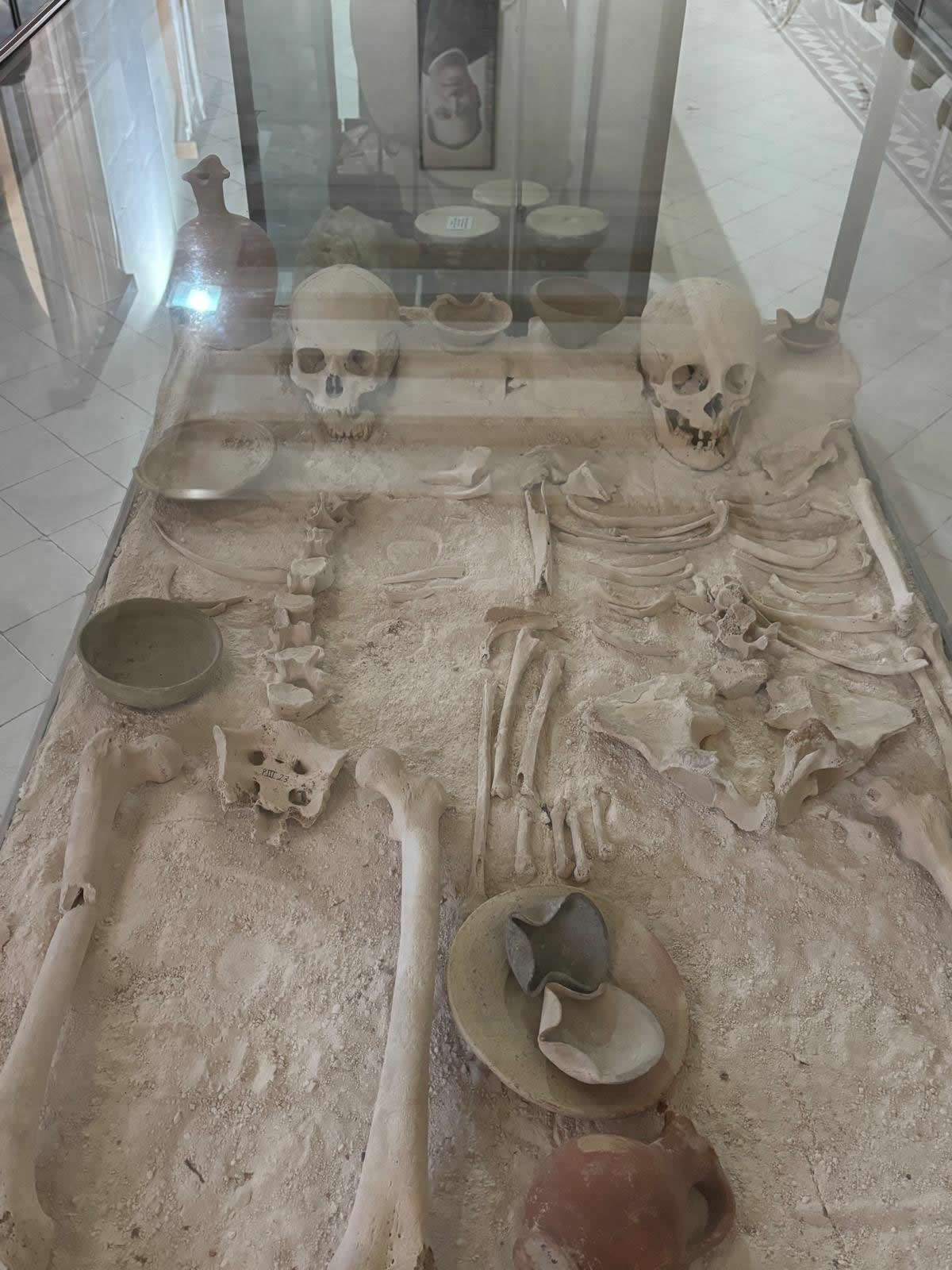
- Pottery fragments and vessels
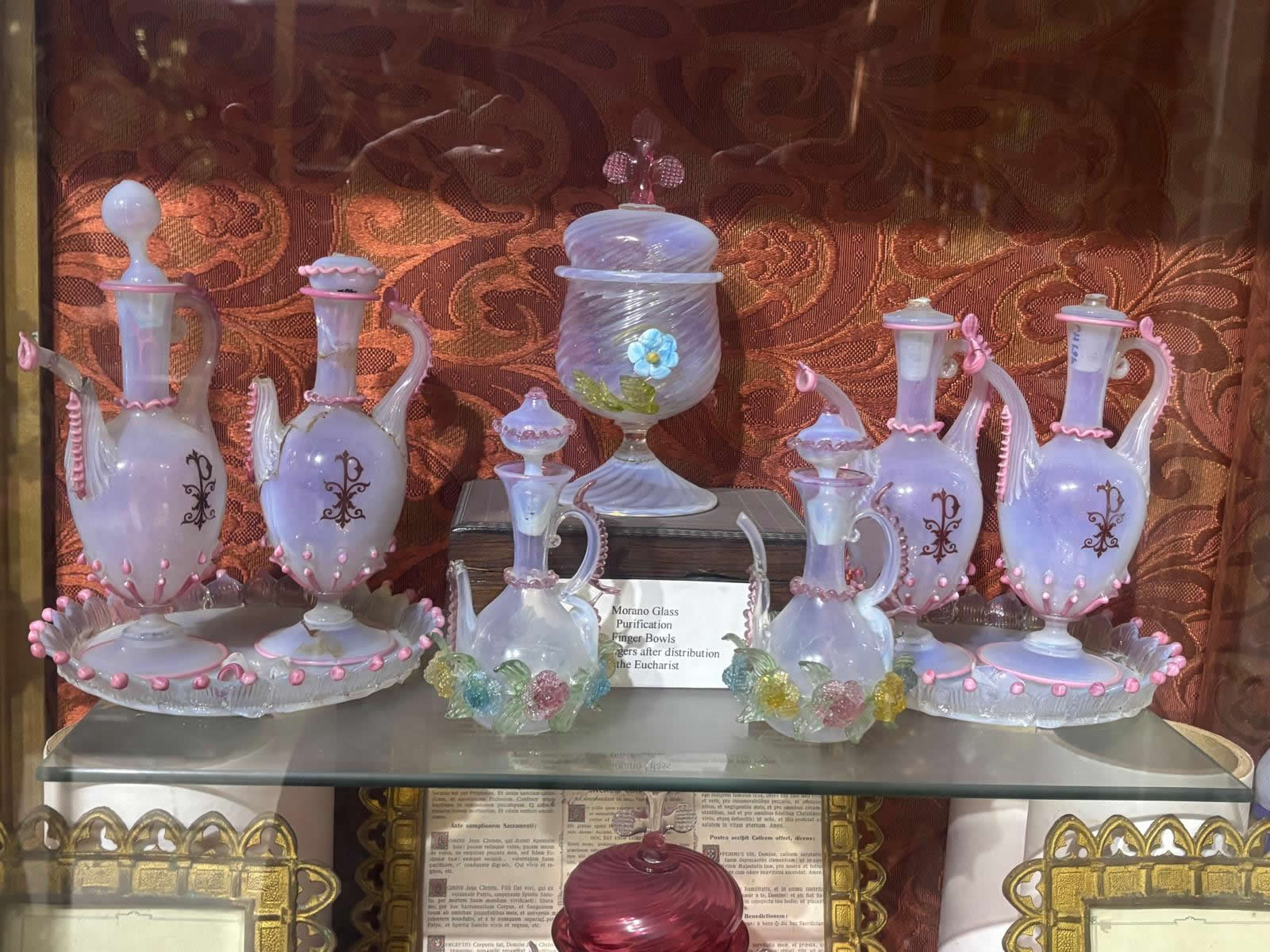
- Glass remains
- Everyday objects associated with burial practices
These artefacts provide insight into the funerary customs of the Roman population of Melite, where burial outside city walls was standard practice.
The presence of such items reinforces the importance of Rabat as a major archaeological zone within Malta.
Prehistoric and Early Artefacts
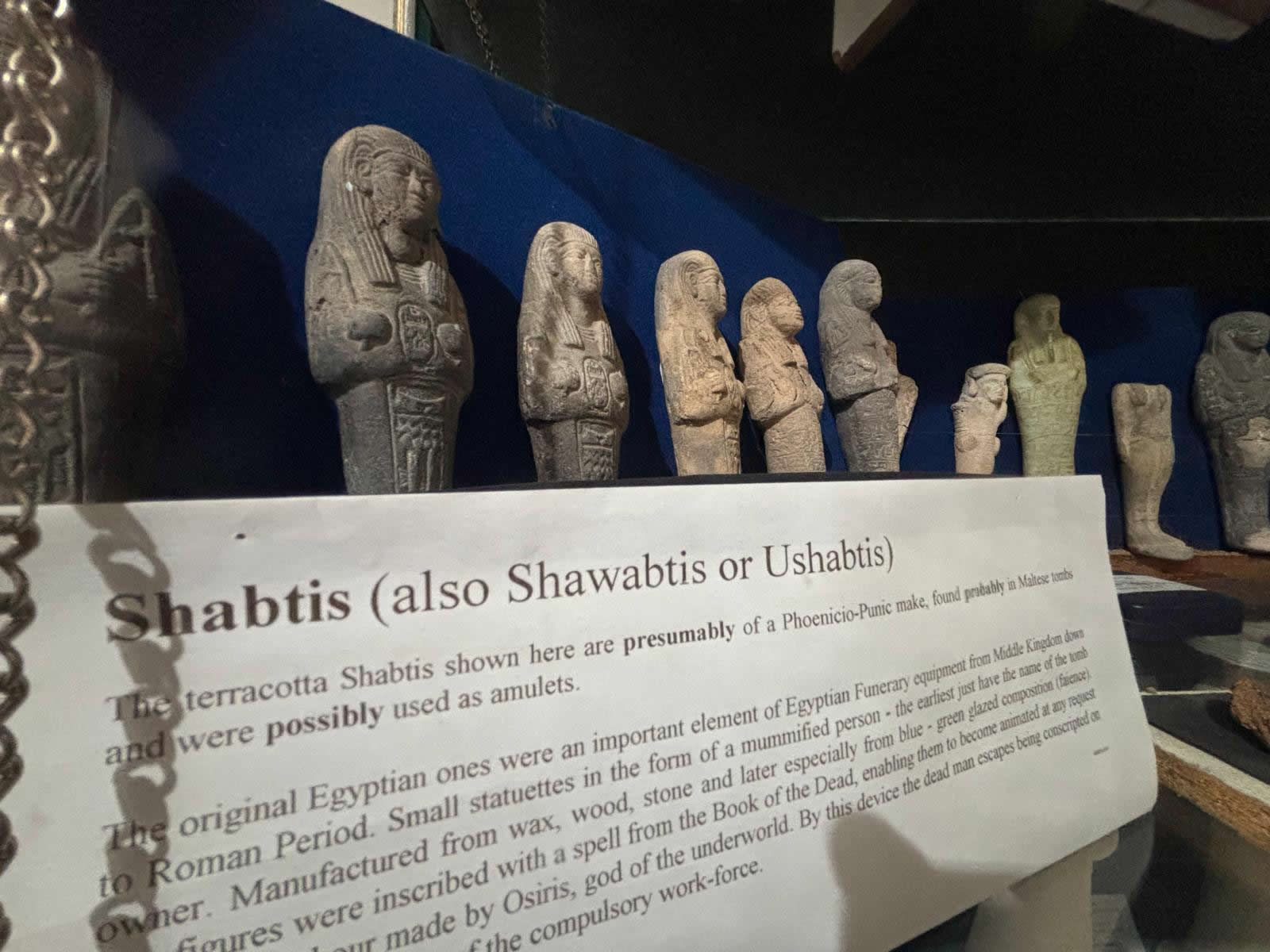
In addition to Roman material, the museum contains prehistoric remains, further extending its chronological scope. These items demonstrate that the area surrounding Rabat was inhabited long before the Roman period.
Such artefacts contribute to a broader understanding of Malta’s early human activity and environmental conditions.
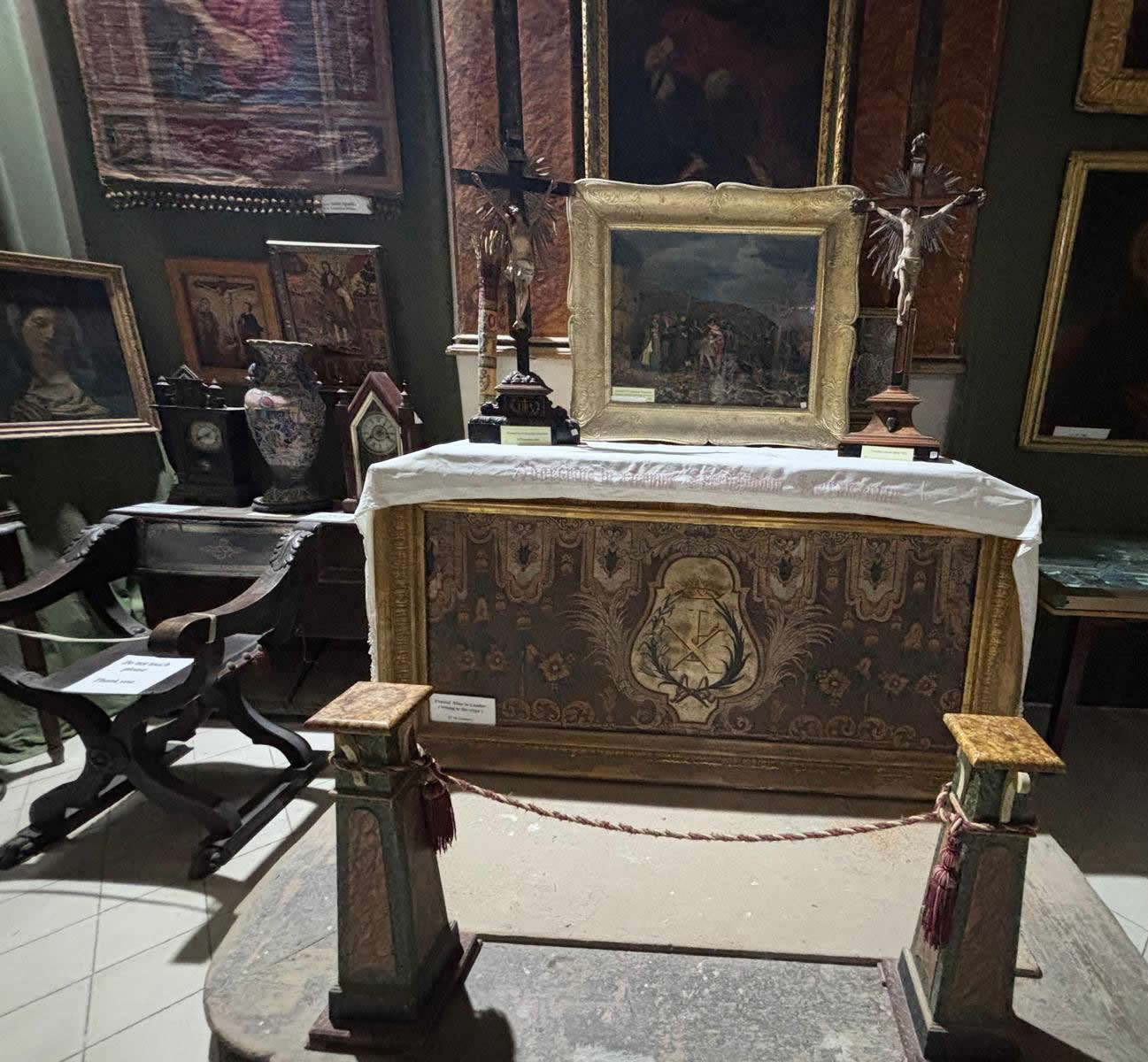
Religious and Ecclesiastical Objects
The museum also preserves a number of religious artefacts, including:
- Church vestments
- Liturgical objects
- Devotional items
These objects reflect the continued religious importance of the St Agatha complex from early Christianity through the medieval and early modern periods.
Integration with the St Agatha Complex
The Saint Agatha Museum forms part of a larger historical ensemble that includes:
- The underground crypt with medieval frescoes
- The catacombs, used as burial sites from antiquity
- The church, rebuilt and expanded over time
Together, these elements create a layered historical environment that illustrates the evolution of religious practice in Malta.
The museum acts as a bridge between these spaces, providing context and interpretation for visitors.
Exhibitions and Use
The museum has also hosted temporary exhibitions, particularly seasonal displays such as Christmas and Good Friday exhibitions, which further enrich its cultural role.
Today, it functions as:
- An educational resource for visitors
- A complement to guided tours of the crypt and catacombs
- A repository of artefacts from multiple historical periods
Cultural and Educational Importance
Despite its relatively small size, the Saint Agatha Museum holds considerable importance due to the diversity of its collections. It offers a rare opportunity to view:
- Natural history specimens alongside archaeological artefacts
- Coins spanning centuries of Maltese history
- Objects directly linked to one of Malta’s most significant early Christian sites
This multidisciplinary approach enhances its value as both a cultural and educational institution.
Location and Access
Location: Rabat, Malta
Coordinates: 35.880579, 14.396763
The museum is accessible as part of the St Agatha complex and is typically visited in conjunction with the crypt and catacombs.
Conclusion
The Saint Agatha Museum is an essential component of Rabat’s rich historical landscape. Through its collections of coins, fossils, minerals, and artefacts, it provides a comprehensive overview of Malta’s past, from prehistoric times to the era of the Knights.
Its integration within the St Agatha complex makes it a key interpretative space, enhancing the understanding of one of Malta’s most important archaeological and religious sites.
Frequently Asked Questions
What is the highlight of the museum?
The extensive coin collection and Roman artefacts are among its most notable features.
Does it include fossils and minerals?
Yes, the museum has a significant collection of fossils, minerals, and crystals.
Is it linked to the catacombs?
Yes, it forms part of the same historical complex but is a separate exhibition space.