📍 Location
Location Map Coordinates 35.884905, 14.403591

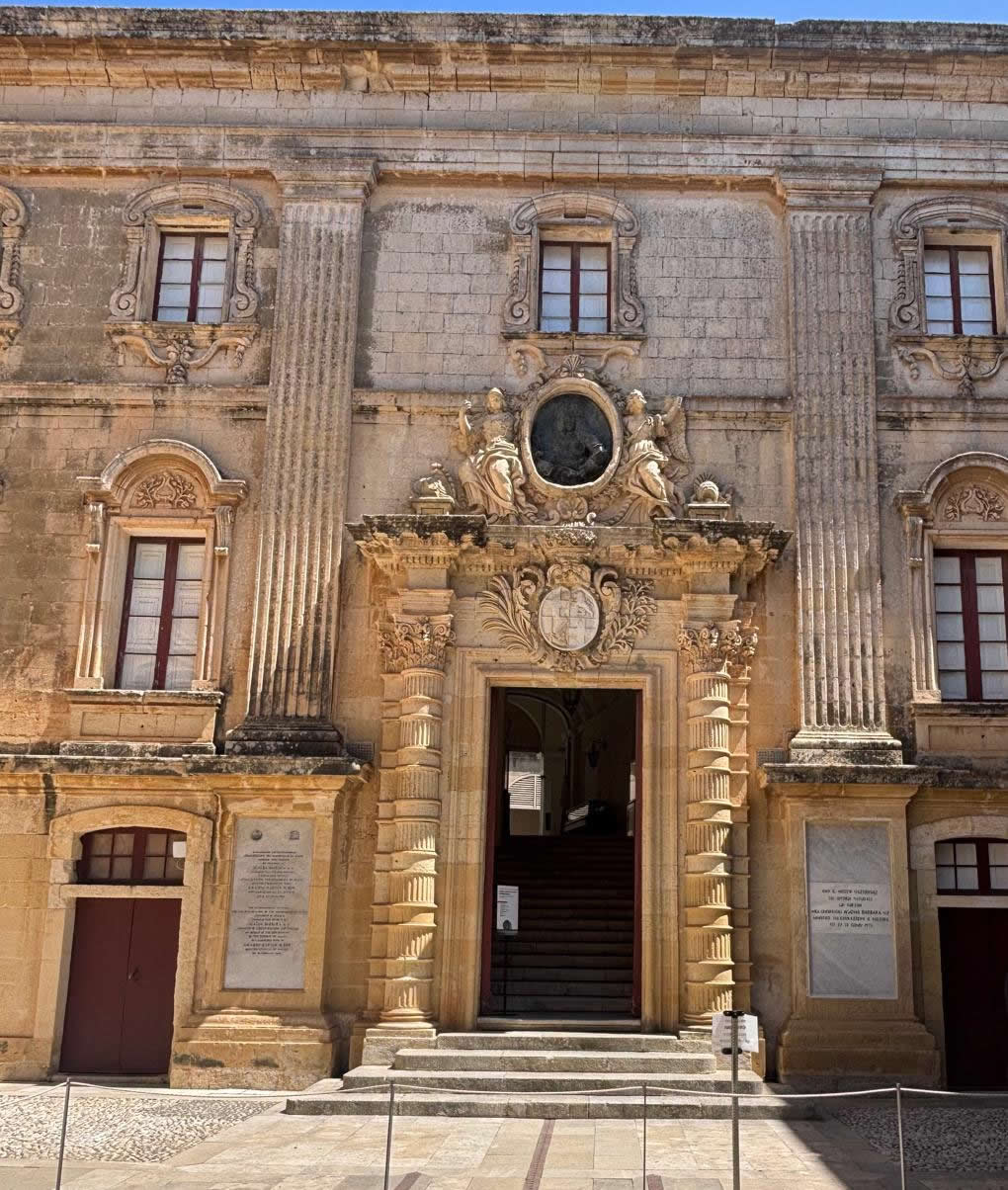
The National Museum of Natural History, located in the historic walled city of Mdina, is Malta’s principal institution dedicated to the study, preservation, and display of the natural world. Situated at coordinates 35.884905, 14.403591, the museum is housed within the magnificent Vilhena Palace, an 18th-century Baroque landmark that forms an integral part of Mdina’s architectural heritage.
Historical Background of Vilhena Palace
The building that houses the museum, Vilhena Palace, was commissioned in 1724 by Grand Master António Manoel de Vilhena and designed by the French architect Charles François de Mondion in the elegant Parisian Baroque style.
The palace was built as a symbol of authority and prestige, featuring a grand façade, symmetrical courtyard, and richly detailed architectural elements typical of Baroque design. Over time, the building became one of the most recognisable landmarks in Mdina.
Changing Functions of the Building
Before becoming a museum, Vilhena Palace served several important roles reflecting Malta’s evolving history:
- 18th century: Magisterial Palace and administrative centre
- 1837: Temporary hospital during the cholera epidemic
- 1860 onwards: British military sanatorium
- Early 20th century: Tuberculosis hospital (Connaught Hospital)
These varied uses demonstrate how the palace adapted to Malta’s social and medical needs across centuries before transitioning into a cultural institution.
Establishment of the Museum (1973)
The National Museum of Natural History was officially inaugurated on 22 June 1973, marking a significant milestone in Malta’s cultural development. Its establishment aimed to centralise and preserve the country’s natural heritage, including geological, biological, and palaeontological collections.
Today, the museum is managed by Heritage Malta and serves as the national repository for natural history specimens, with a strong emphasis on the unique ecosystems of the Maltese Islands.
Collections and Exhibitions
The museum houses an extensive and diverse range of collections, making it one of the most important educational institutions in Malta.
Geology and Palaeontology
One of the most significant sections of the museum focuses on Malta’s geological formation and prehistoric life. Visitors can explore:
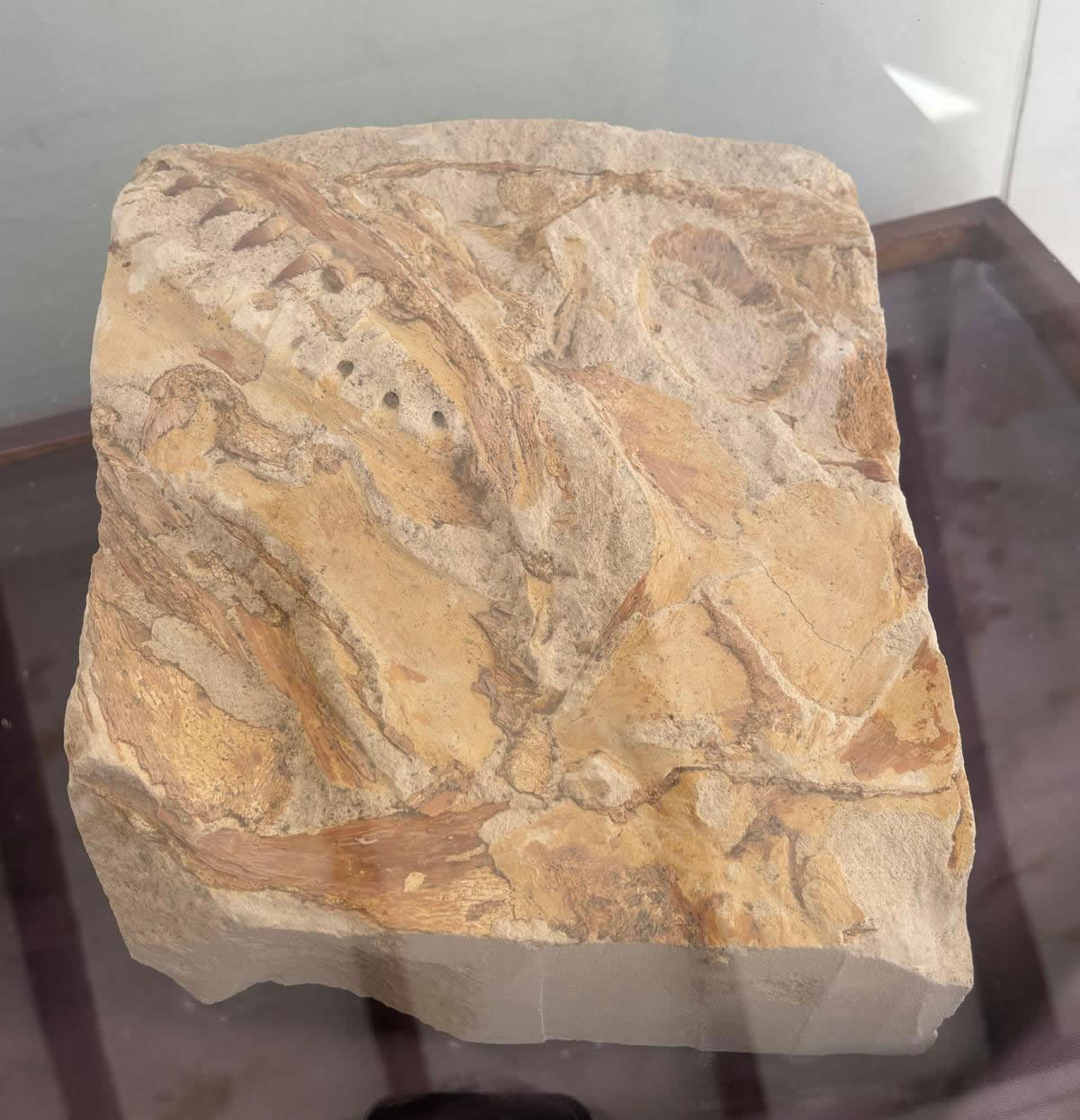
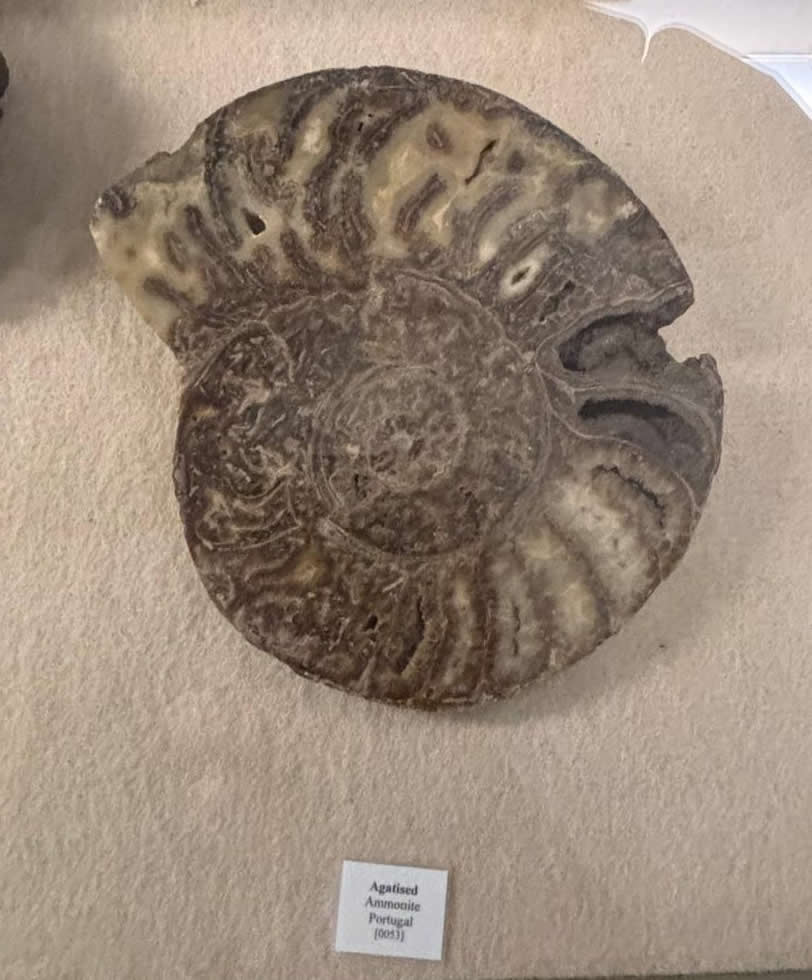
- Fossils from the Quaternary period
- Remains of extinct species such as pygmy elephants and hippopotami
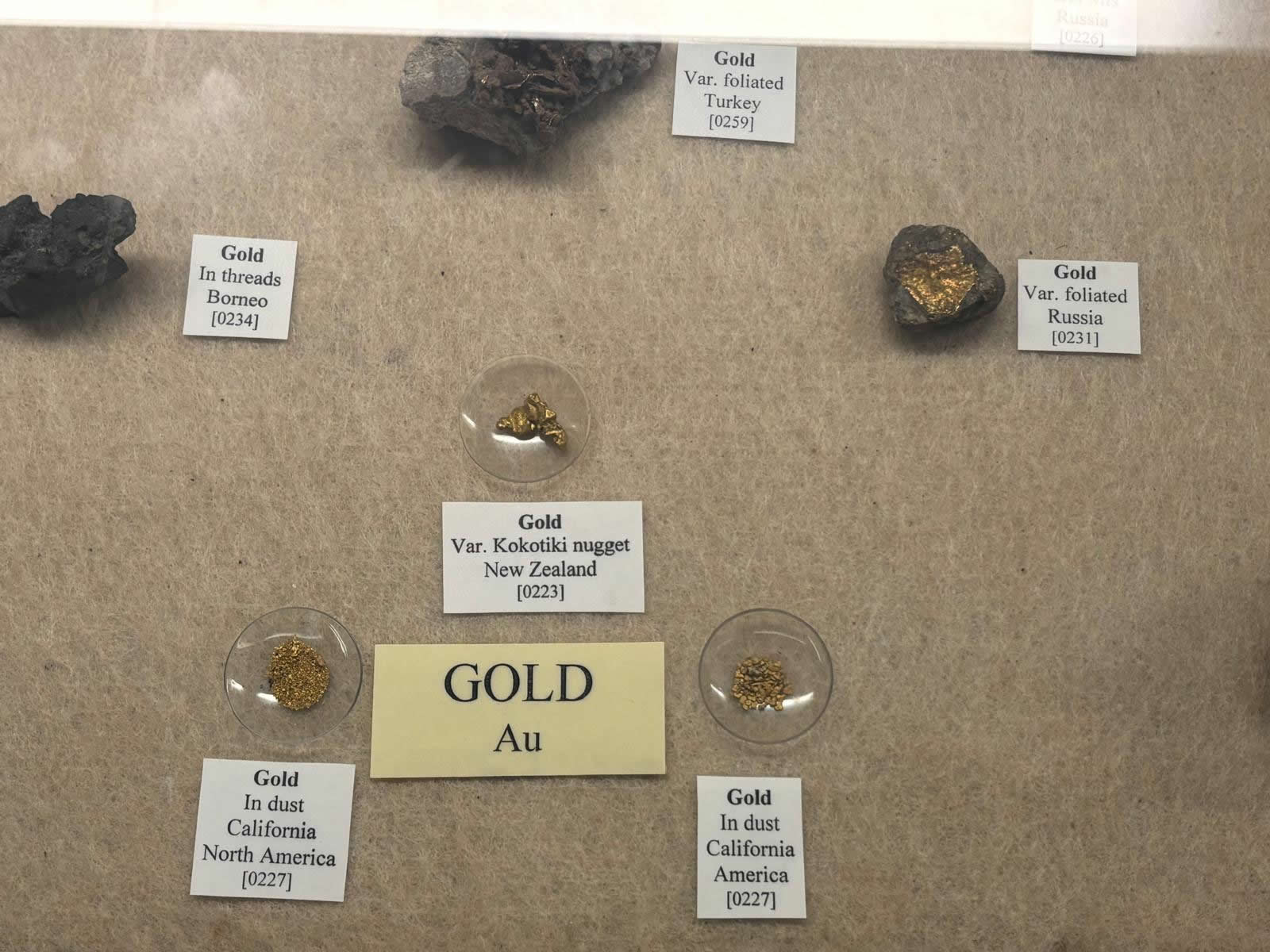
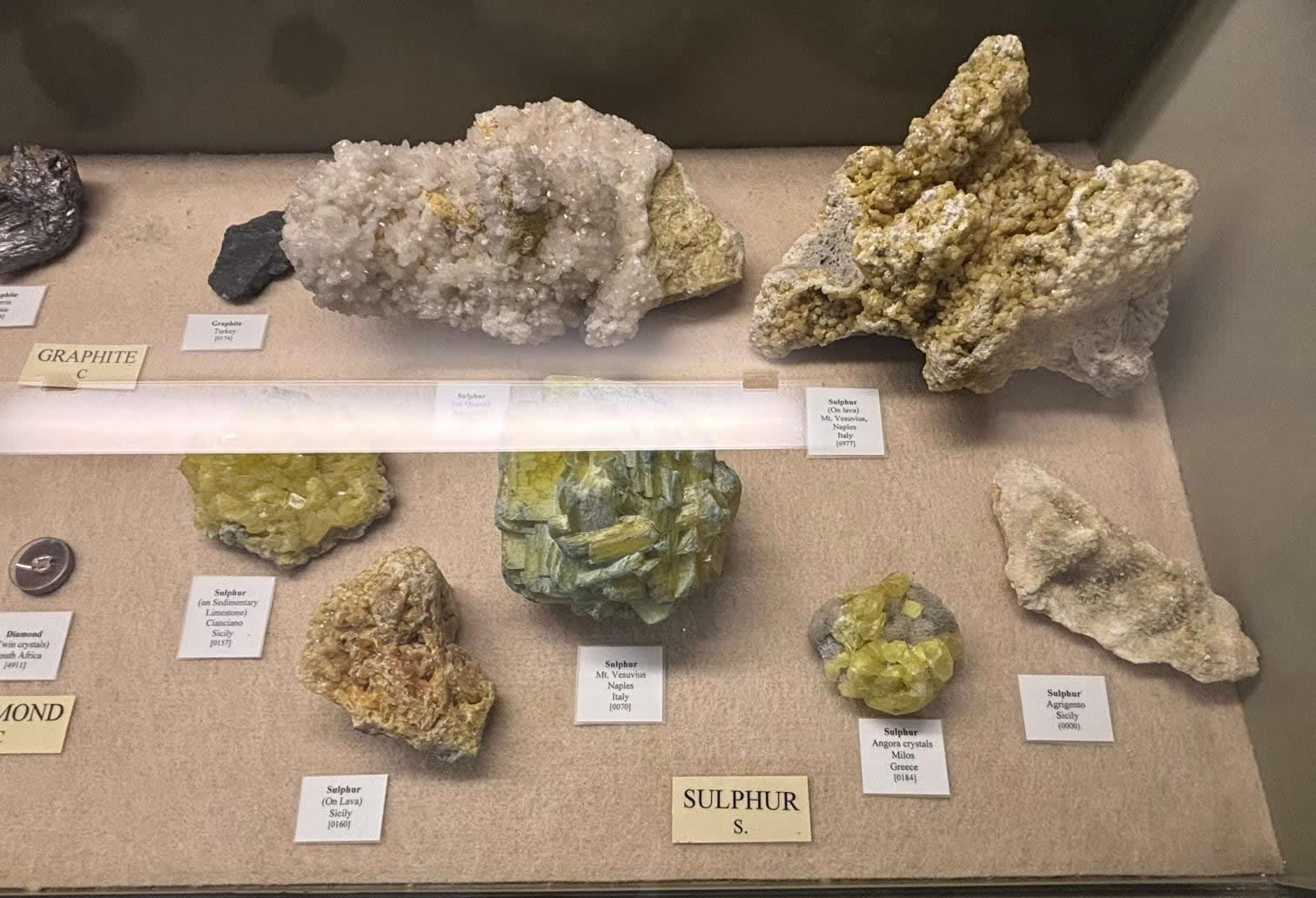
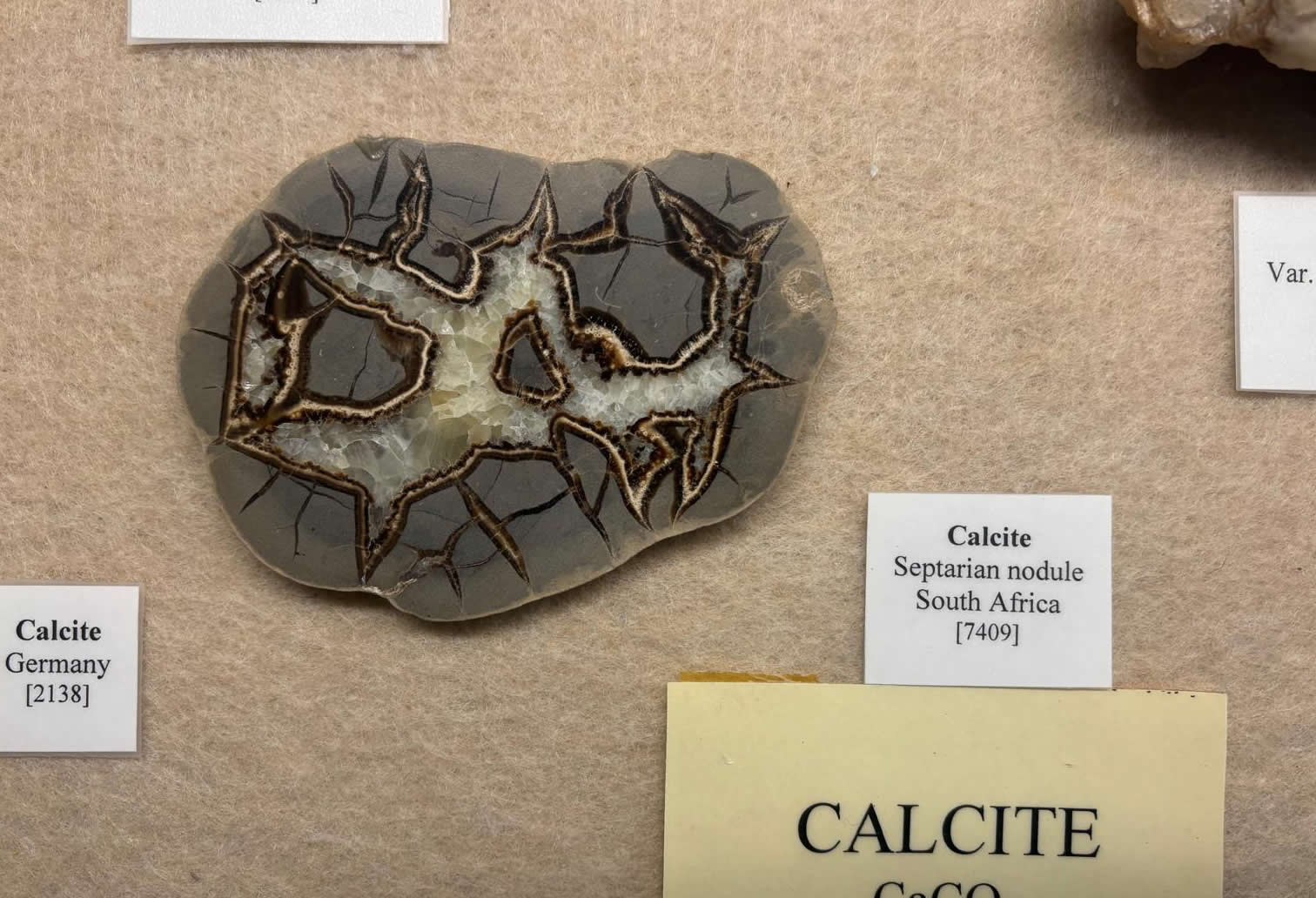
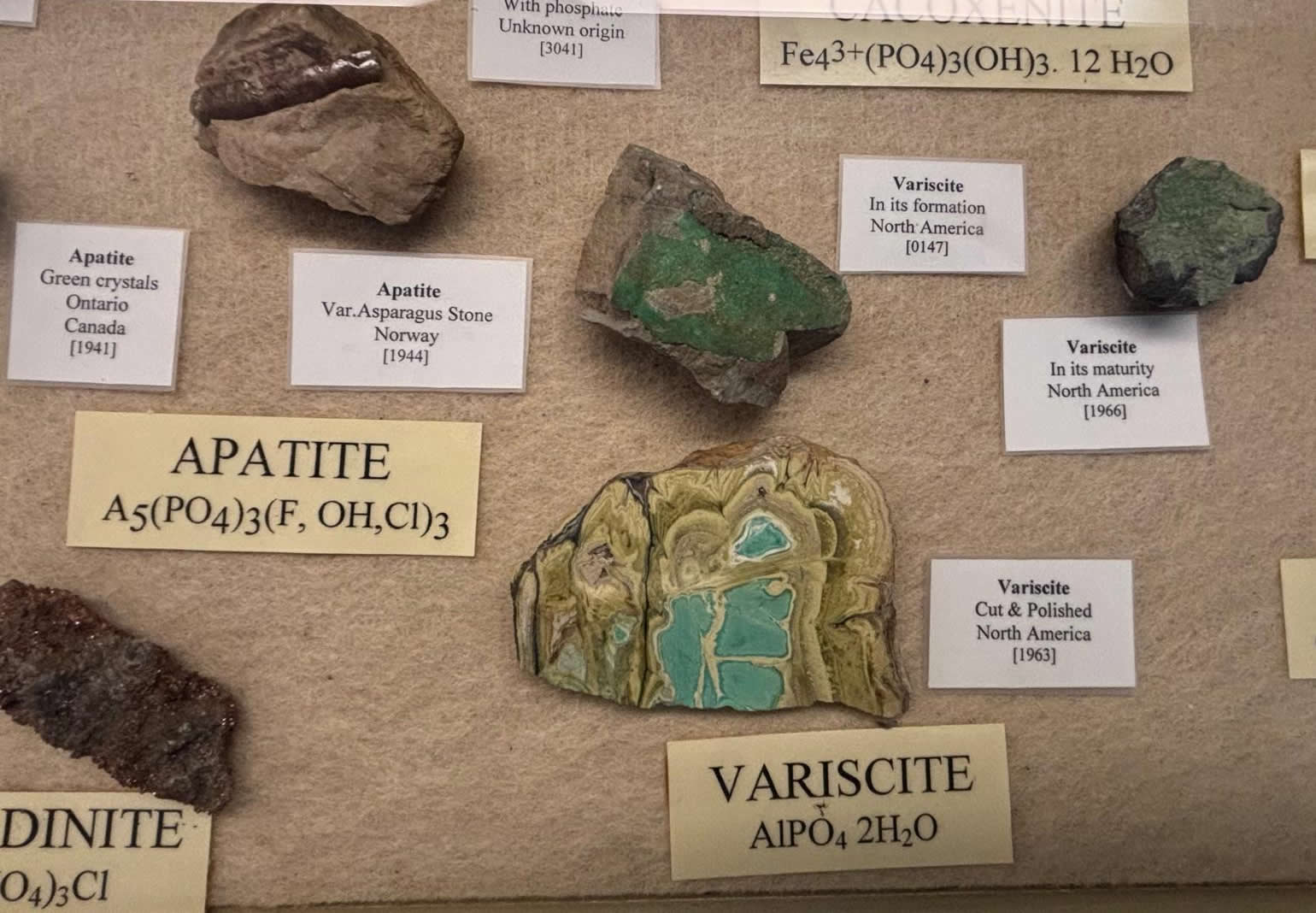
- Mineral collections illustrating Malta’s sedimentary rock formations

These exhibits provide valuable insights into how the Maltese Islands evolved over millions of years.

Zoology and Fauna
The zoological collections include thousands of specimens representing both local and international species:

- Over 3,500 birds and numerous mammals
- Marine life including fish and rare specimens
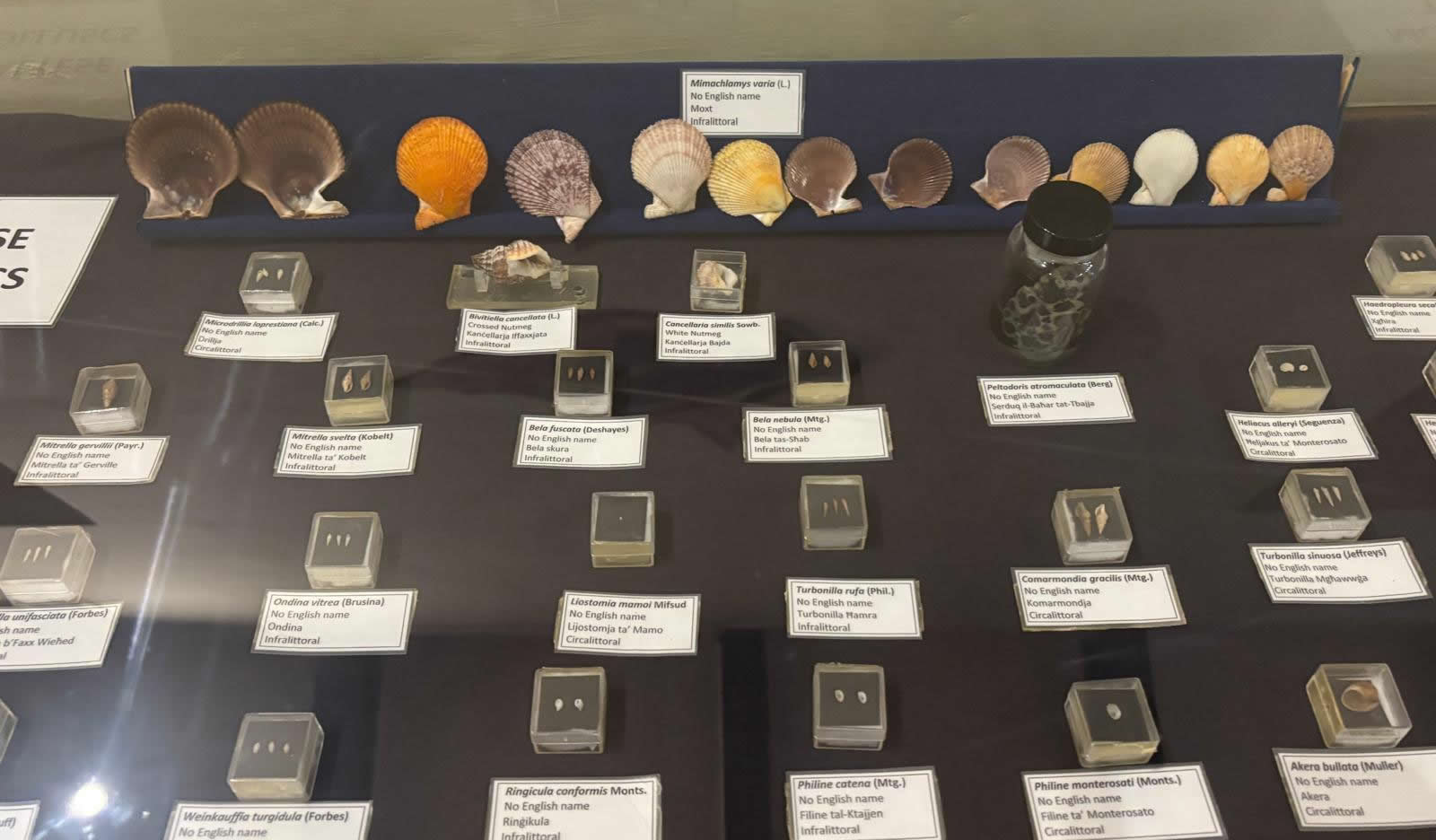
- Insects, shells, and reptiles

Special attention is given to Malta’s endemic species, including:
- The Blue Rock Thrush (Malta’s national bird)
- The Maltese Centaury (national plant)

Marine and Environmental Displays
Marine ecosystems are a key focus, reflecting Malta’s island geography. Displays highlight:
- Mediterranean marine biodiversity
- Coastal ecosystems
- Human interaction with marine environments
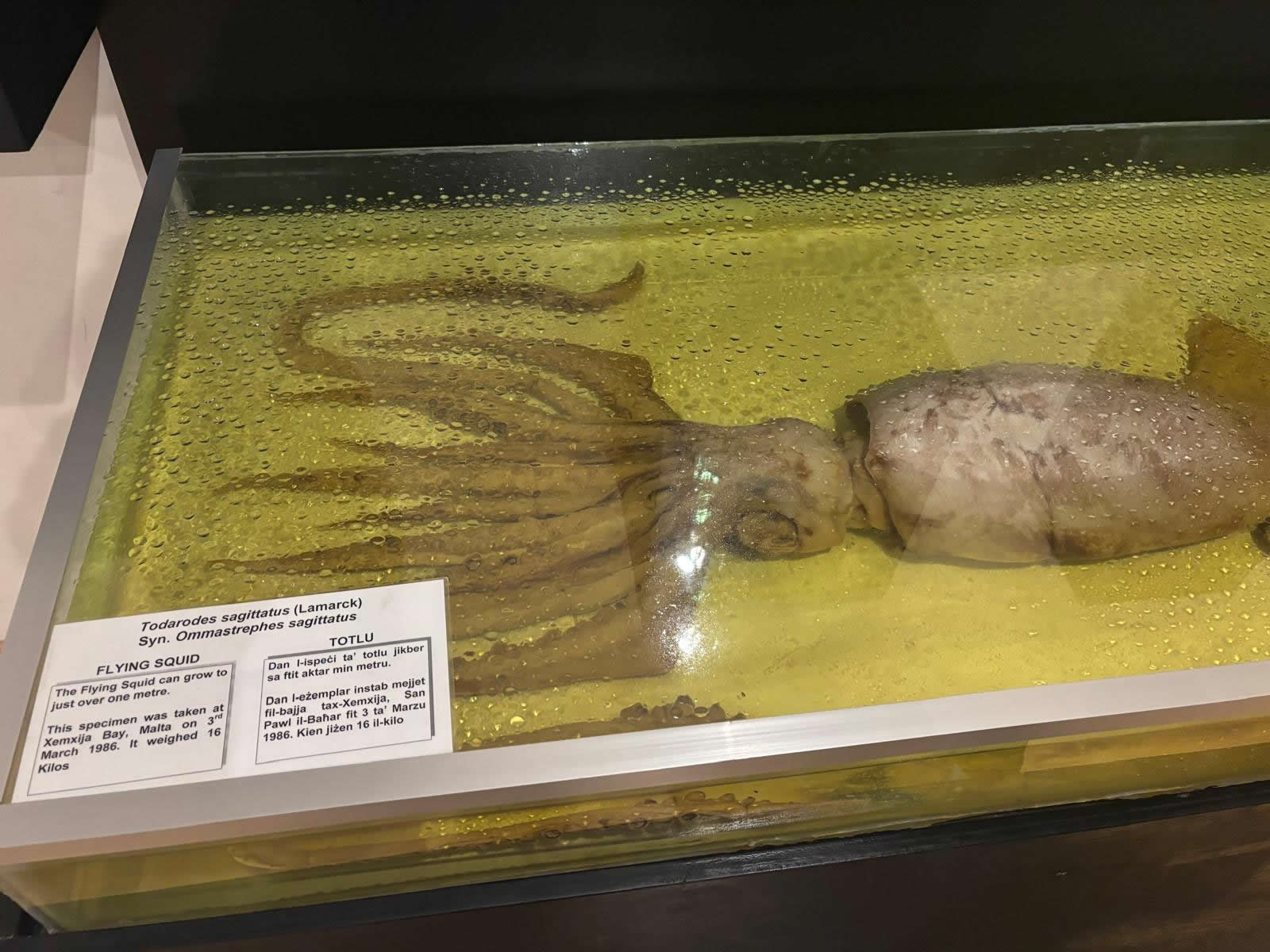
A notable exhibit includes a large squid specimen found along Malta’s coast, illustrating the richness of marine life.

Dioramas and Habitats
The museum features detailed dioramas depicting Maltese habitats such as:
- Cliff ecosystems
- Valleys and agricultural landscapes
- Rubble walls and their ecological importance
These displays help visitors understand the delicate balance of Malta’s ecosystems.

Human Evolution and Science
Exhibits also explore human evolution and scientific development, connecting Malta’s natural history with broader global themes.

Rare and Notable Exhibits
Among the museum’s most intriguing items are:
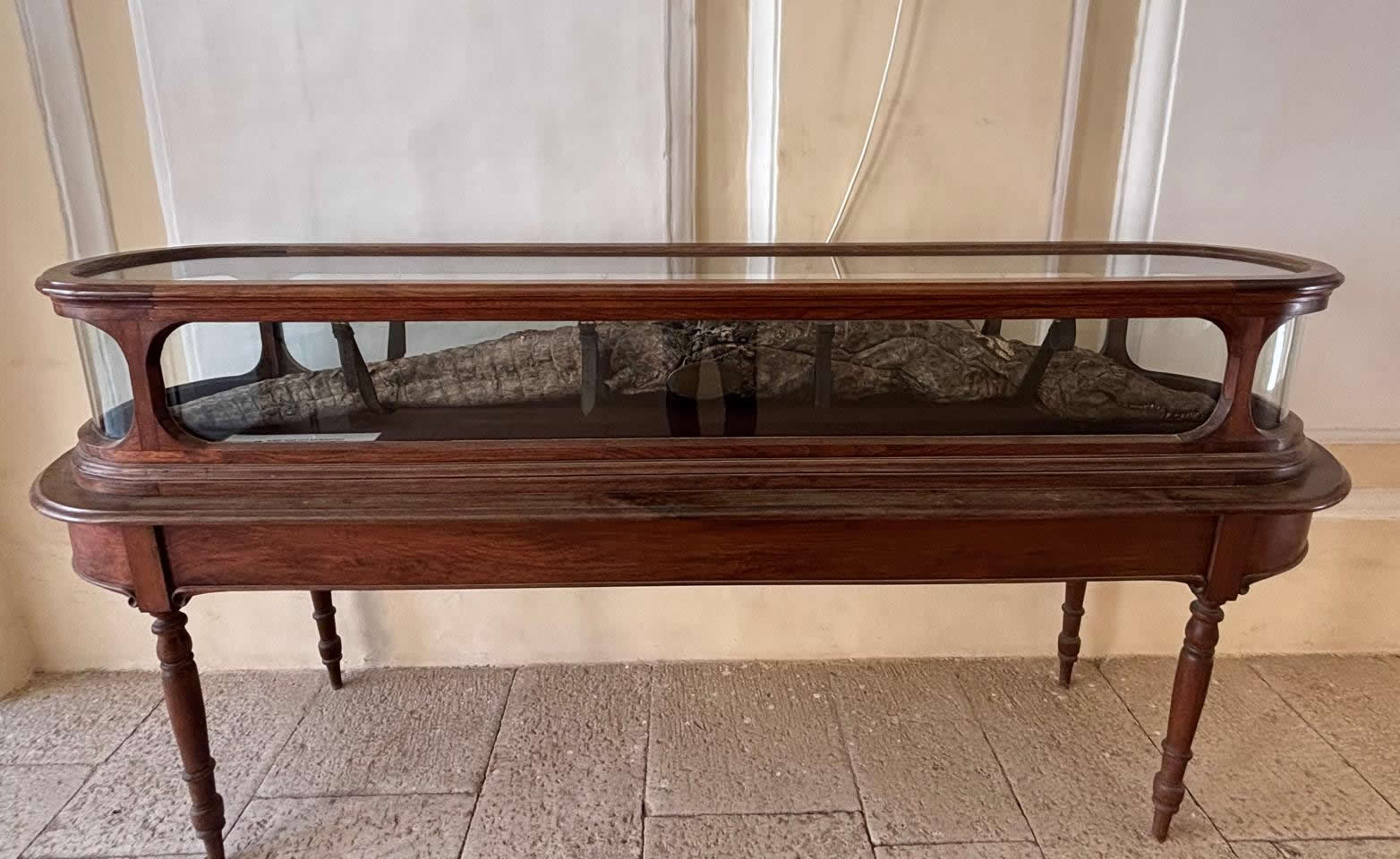
- Fossilised remains of extinct Maltese animals
- Extensive shell and insect collections
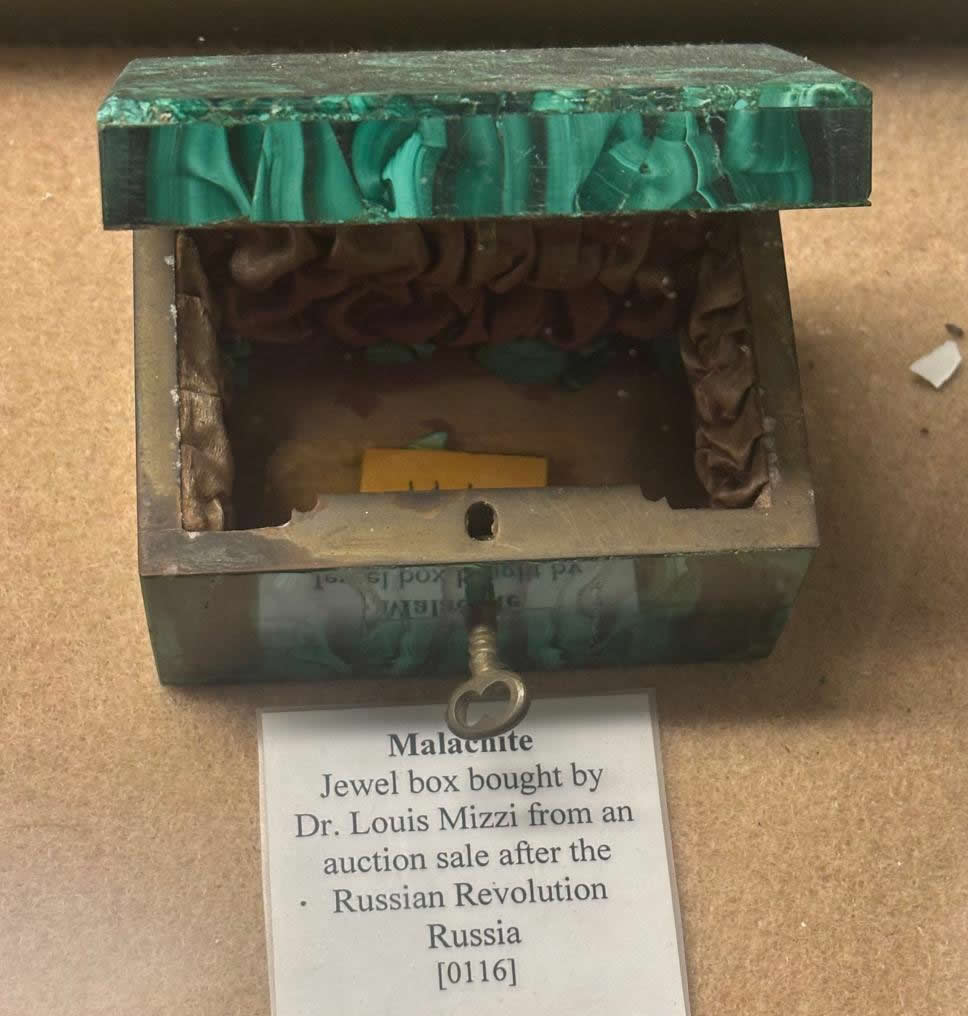
- Historic geological specimens
- The famous “Goodwill Moon Rock” fragment (later stolen in 2004)
These objects highlight both the scientific and historical importance of the museum’s collections.

Educational Role and Research
The museum plays a vital role in education and research by:
- Supporting scientific studies of Maltese biodiversity
- Providing educational programmes for schools
- Maintaining a reference library with thousands of scientific publications
Its collections are essential for understanding Malta’s environmental history and conservation needs.
Architecture and Visitor Experience
Vilhena Palace itself is a major attraction. Its Baroque façade, central courtyard, and historical interiors create a unique setting for the museum experience. The building’s layered history—from medieval origins to hospital use—adds depth to every visit.
Visitors entering Mdina through the main gate will find the museum prominently located in St Publius Square, making it one of the first major landmarks encountered.
Role in Maltese Heritage
The National Museum of Natural History is central to Malta’s cultural and scientific identity. It preserves not only natural specimens but also the story of the islands’ formation, biodiversity, and environmental changes over time.
By combining scientific research with public education, the museum bridges the gap between past and present, helping visitors appreciate Malta’s natural environment.

Visiting Information
- Location: Vilhena Palace, Mdina
- Opening: Typically daily (check Heritage Malta for updates)
- Established: 1973
- Managed by: Heritage Malta
Frequently Asked Questions (FAQ)
When was the National Museum of Natural History established?
It was officially opened on 22 June 1973.
Where is the museum located?
It is located in Vilhena Palace in Mdina, Malta.

What can you see in the museum?
Visitors can explore fossils, Maltese wildlife, marine life, geology, and environmental displays.
What is Vilhena Palace?
An 18th-century Baroque palace built by Grand Master António Manoel de Vilhena.
Is the museum suitable for children?
Yes, it offers educational displays and exhibits suitable for all ages.
Conclusion
The National Museum of Natural History in Mdina stands as a cornerstone of Malta’s cultural and scientific heritage. Housed within the historic Vilhena Palace, it offers visitors a unique journey through the natural evolution of the Maltese Islands.
From ancient fossils to modern ecosystems, the museum provides a comprehensive understanding of Malta’s environment, making it an essential destination for anyone interested in history, science, and the natural world.