📍 Location
Location Map Coordinates 35.887153, 14.403134
Location: Mdina, Malta
Coordinates: 35.887153, 14.403134
Introduction
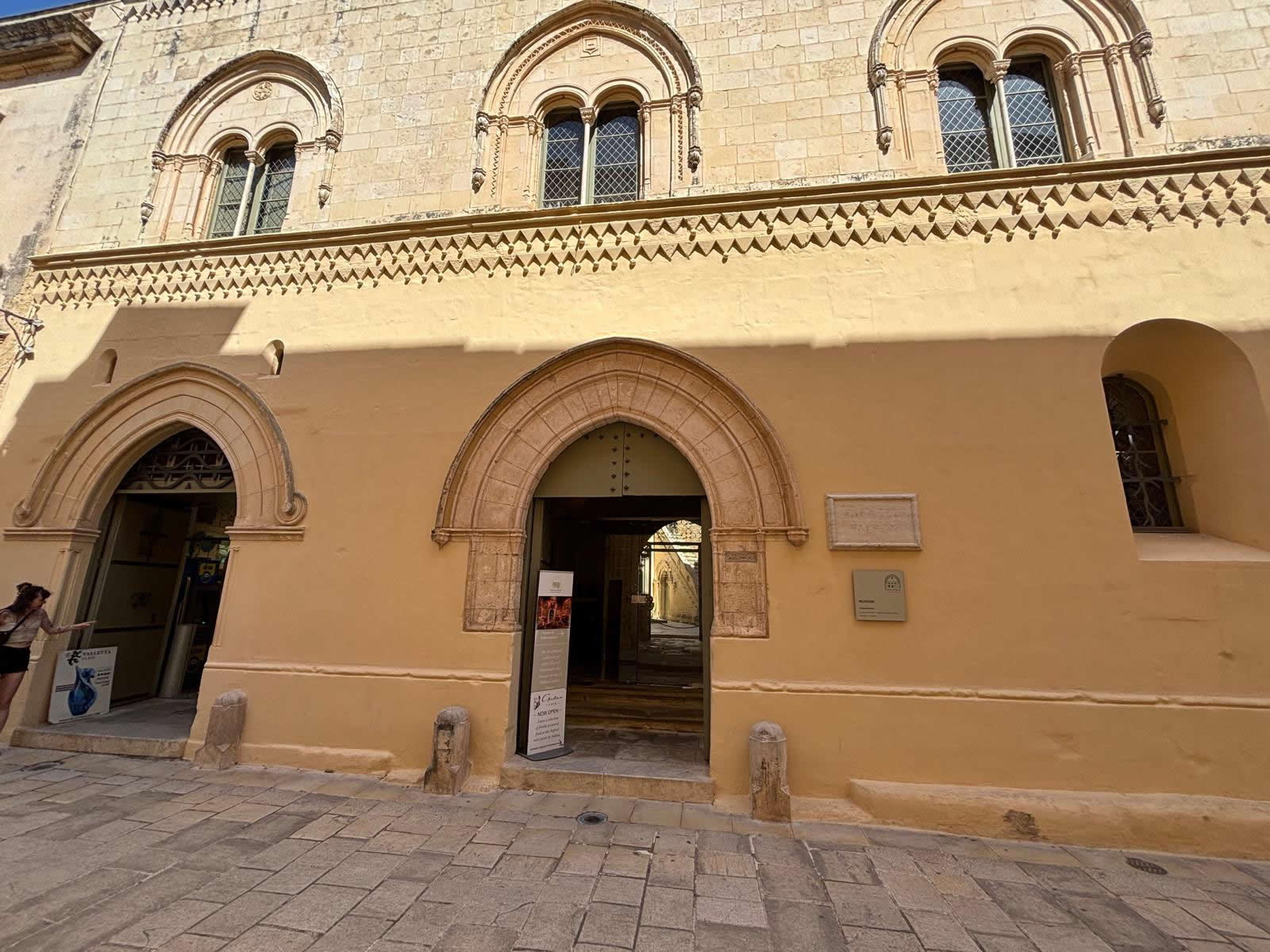
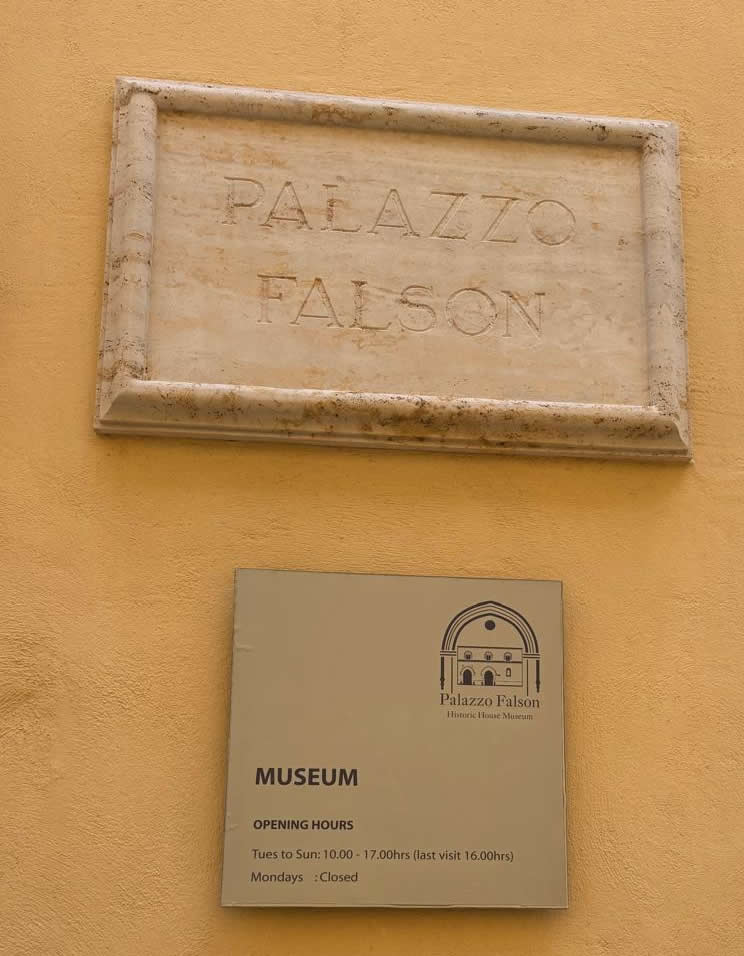
Palazzo Falson, located in the historic walled city of Mdina, is one of the oldest surviving buildings in Malta and among the finest examples of a medieval urban residence in the Maltese Islands. Often referred to historically as the “Norman House”, the palazzo today operates as a historic house museum, offering a rare and immersive insight into aristocratic life spanning several centuries.
The building stands as a unique cultural landmark, preserving both its architectural fabric and an extraordinary private collection assembled over generations. Its significance lies not only in its antiquity but also in the continuity of its use, evolving from a noble residence into one of Malta’s most important museums.
Origins and Early History
The origins of Palazzo Falson can be traced back to the 13th century, making it one of the earliest surviving structures within Mdina. The site itself is even older, having formed part of the fortified core of the city during the Arab period (870–1091 AD), and possibly earlier Roman occupation.
Initially constructed as a single-storey building, the palazzo was later expanded and transformed into a more substantial residence. By the late medieval period, it had become associated with prominent noble families, including the Falson family from whom it derives its modern name.
During the early 16th century, significant alterations were undertaken, including the addition of an upper floor and refined architectural features. These works coincided with the transition of Malta into the hands of the Order of St John in 1530.
Connection with the Knights of St John
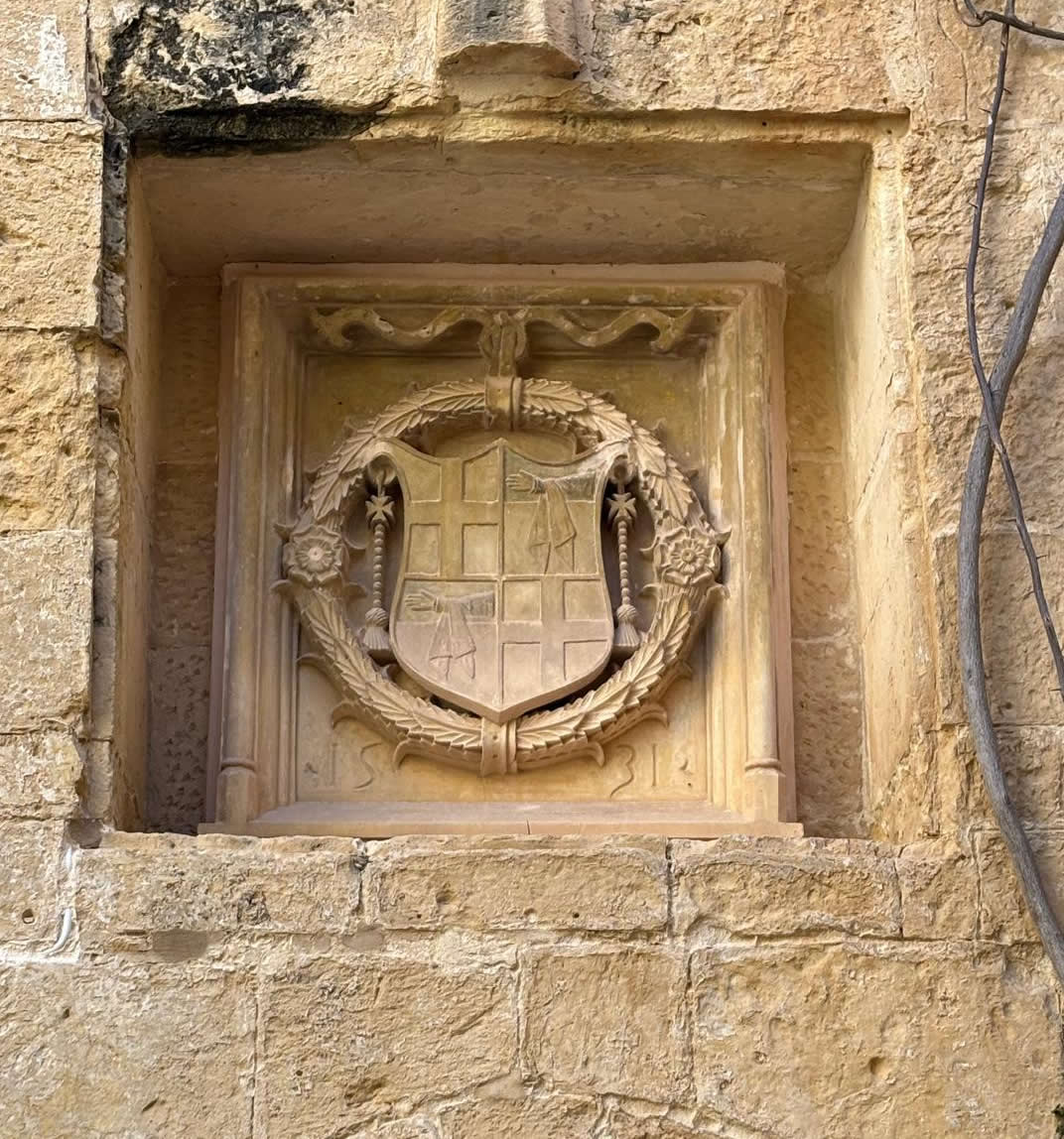
Palazzo Falson holds an important place in Maltese history due to its association with the arrival of the Knights of St John. The building is believed to have hosted Grand Master Philippe Villiers de L’Isle-Adam during his early stay in Mdina in 1531.
This connection highlights the palazzo’s prestige and status during the transitional period when Mdina remained the administrative centre of Malta before Valletta was founded.
Architectural Features
Palazzo Falson is a prime example of Siculo-Norman architecture, reflecting the cultural influences that shaped medieval Malta.
The structure is organised around a central courtyard, a typical feature of Mediterranean domestic architecture. The ground floor retains a more vernacular and defensive character, while the upper floor (piano nobile) displays refined decorative elements.
Key architectural elements include:
- Elegant mullioned windows with Catalan influences
- Stone cornices dividing the building levels
- Internal courtyard providing light and ventilation
- Thick limestone walls typical of medieval construction
These features collectively illustrate the blending of local Maltese traditions with Sicilian and broader Mediterranean architectural styles.
Ownership and the Gollcher Legacy
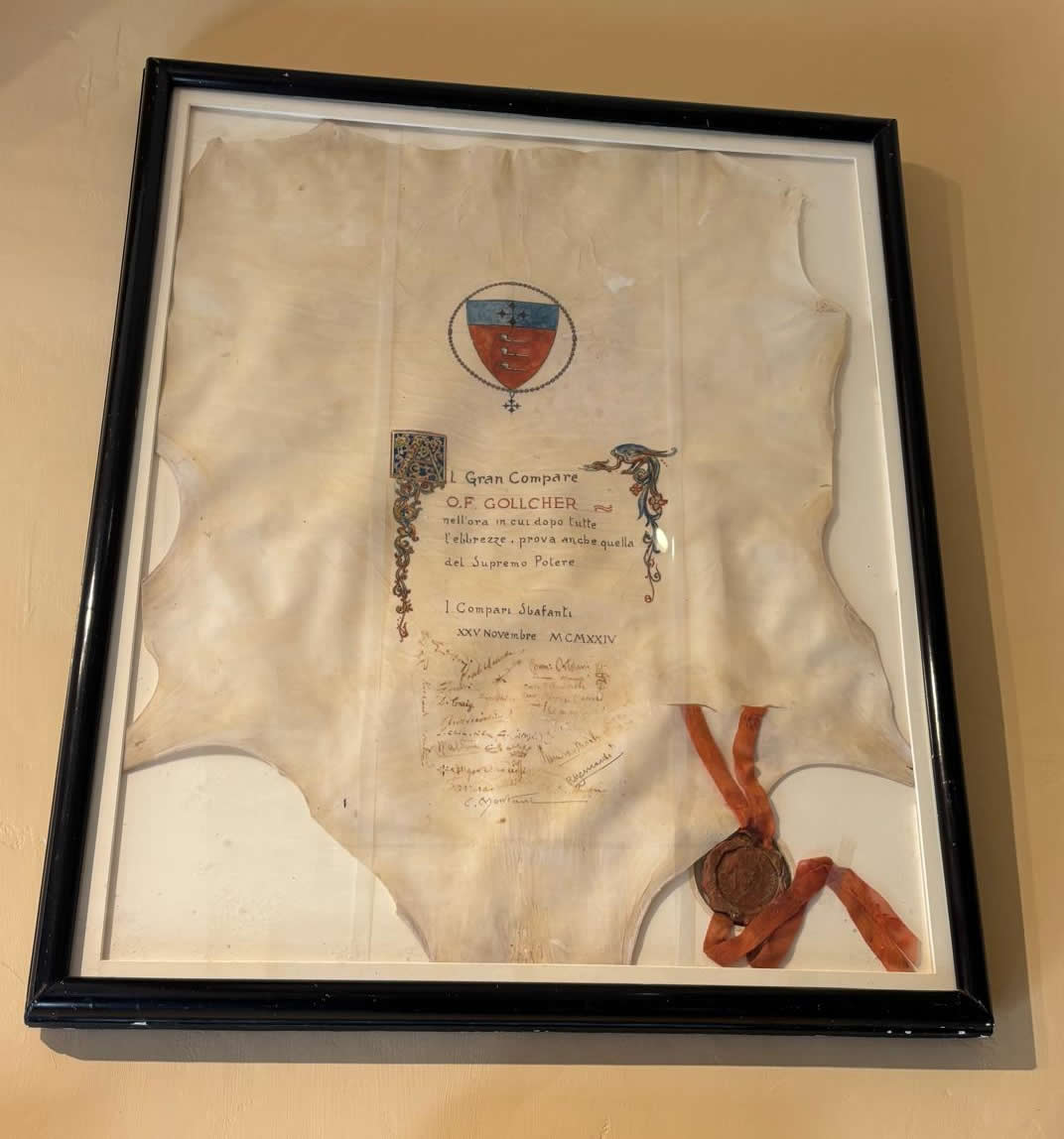
In the early 20th century, Palazzo Falson entered a new chapter when it was acquired in 1927 by Captain Olof Frederick Gollcher, a collector, artist, and philanthropist.
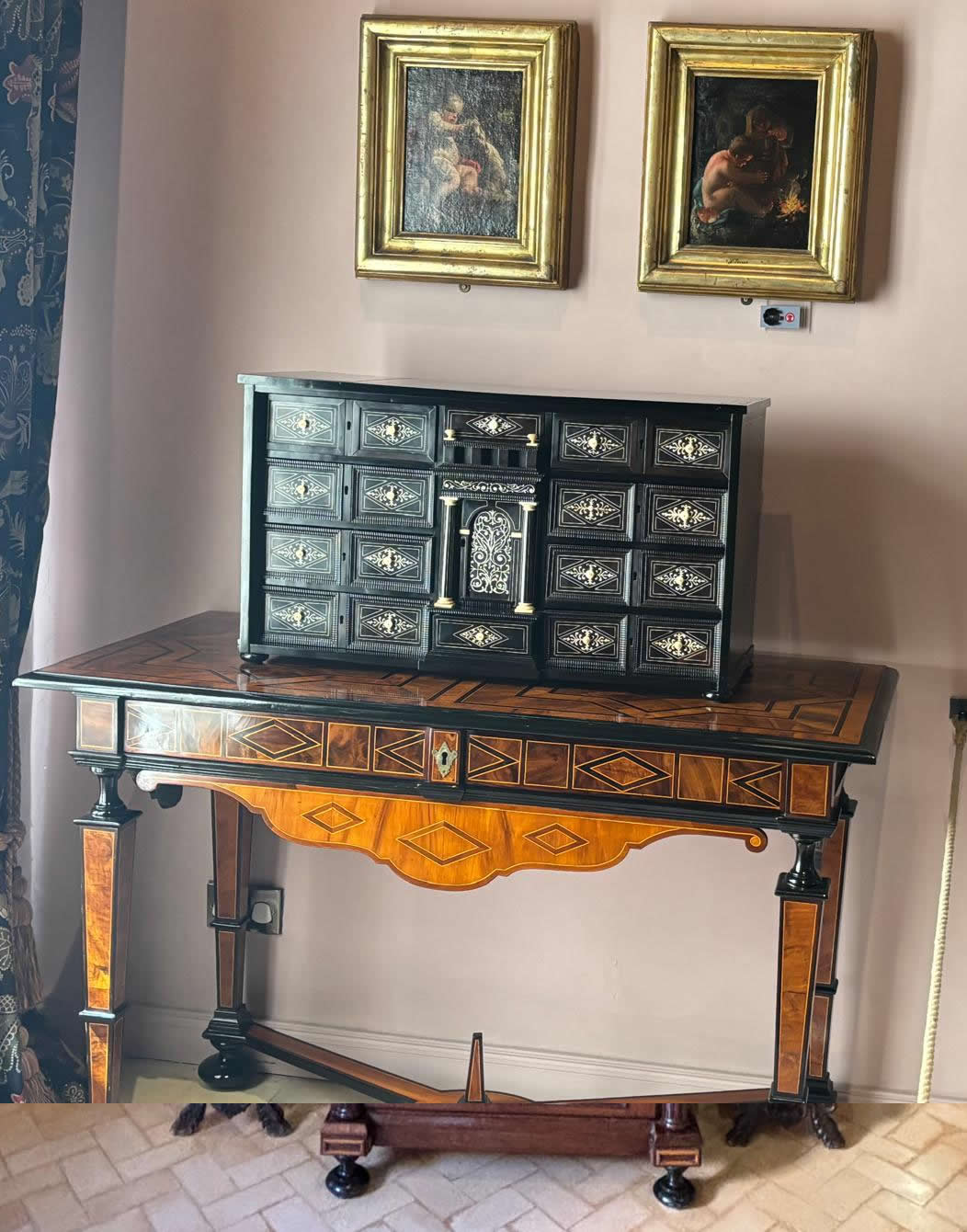
Gollcher transformed the building into a residence filled with an extraordinary collection of historical artefacts. His passion for collecting resulted in one of the most diverse and significant private collections in Malta.
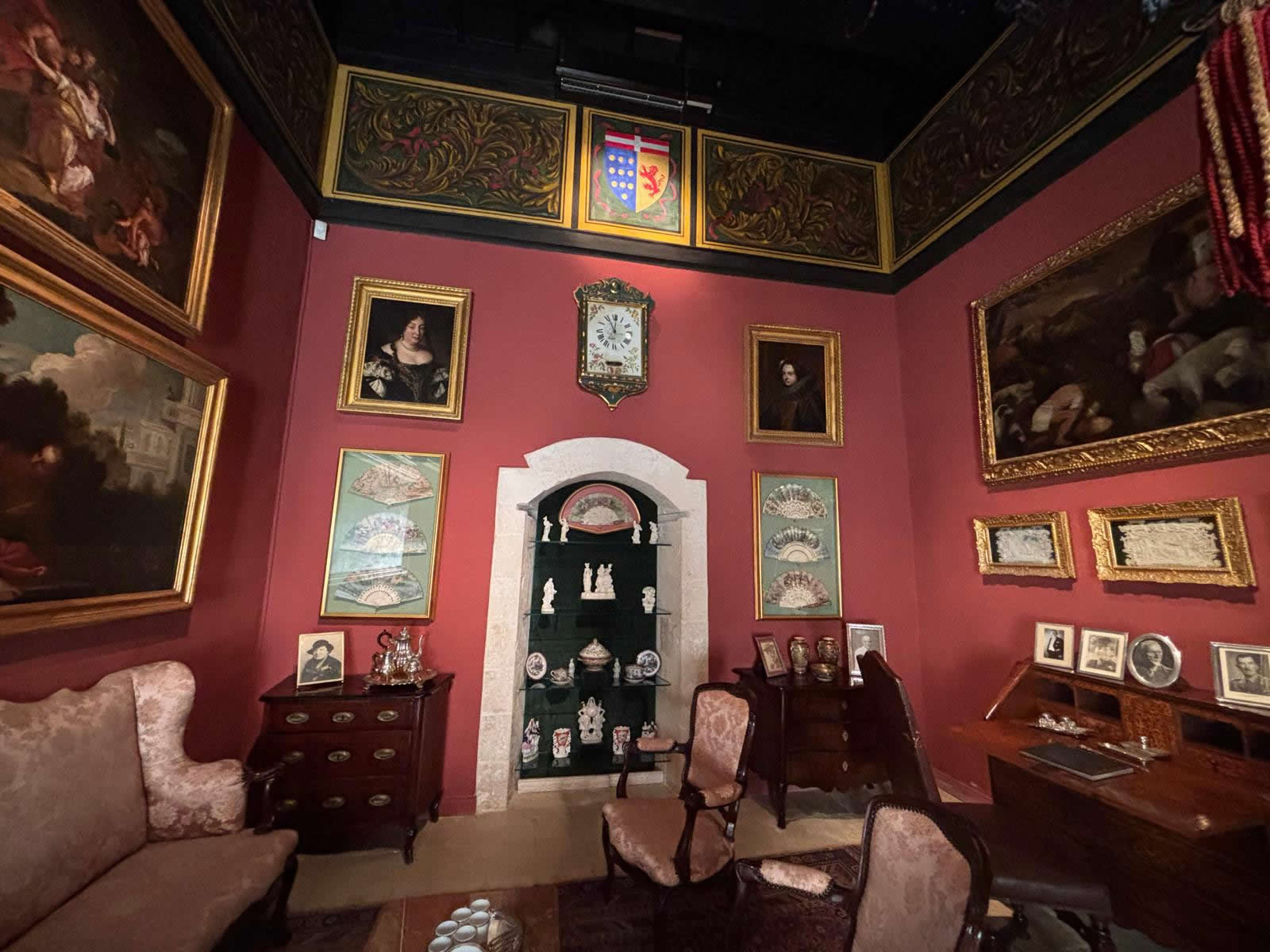
Upon his death in 1962, Gollcher bequeathed the palazzo and its contents to a foundation, ensuring its preservation and eventual opening to the public.
Restoration and Opening as a Museum
A major restoration project began in 2002 under the direction of Fondazzjoni Patrimonju Malti. The works aimed to preserve the building’s historical integrity while adapting it for public access.
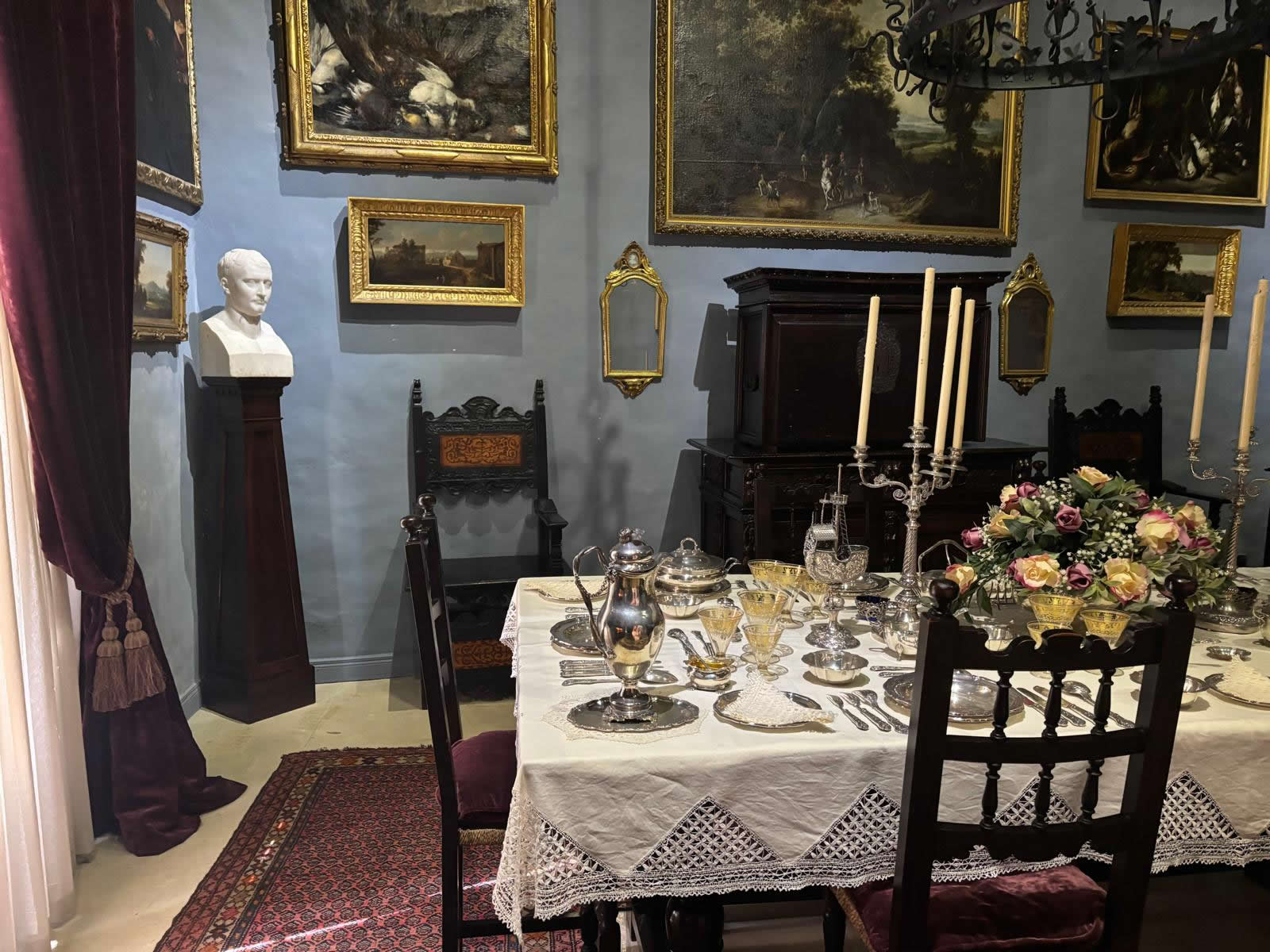
Following extensive conservation efforts, Palazzo Falson officially opened as a museum in May 2007.
The restoration carefully retained original architectural elements while stabilising the structure and enhancing the visitor experience.
The Collections
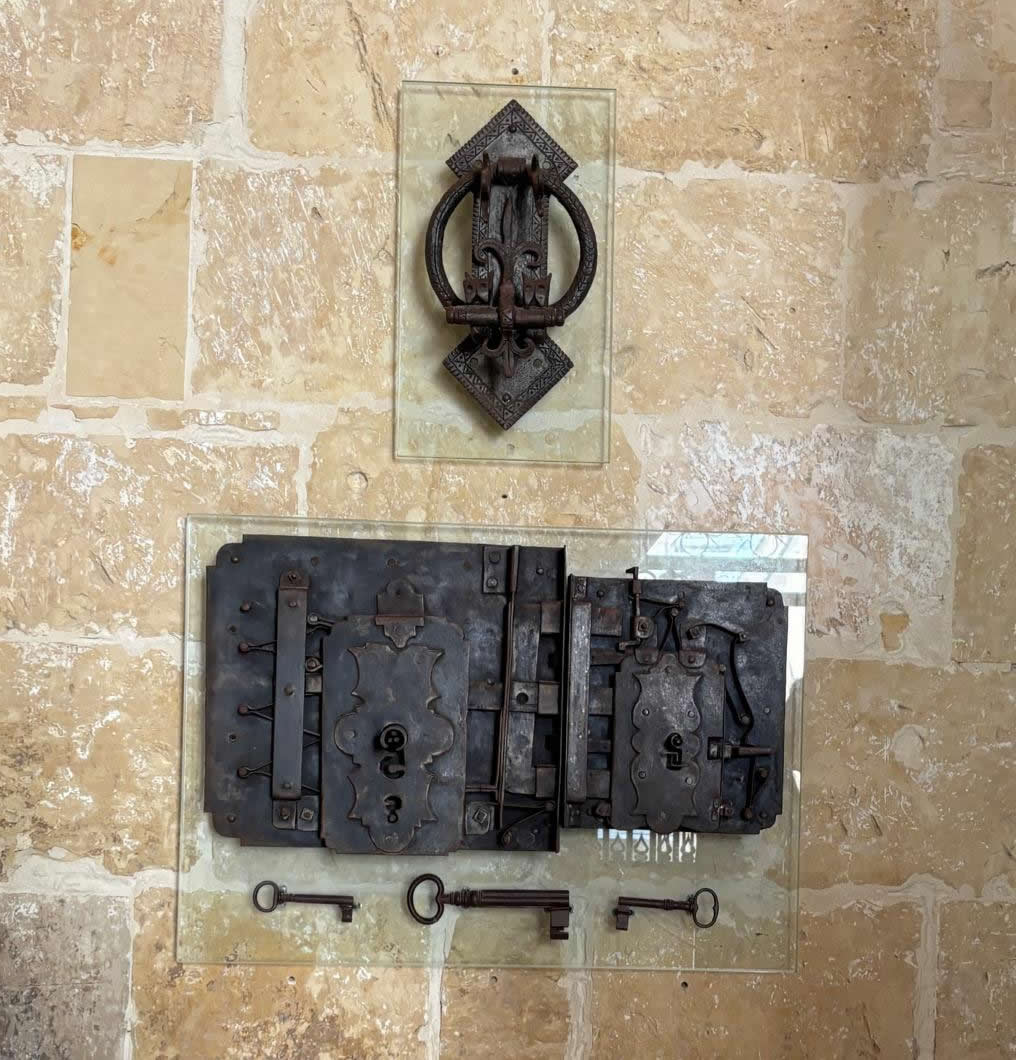
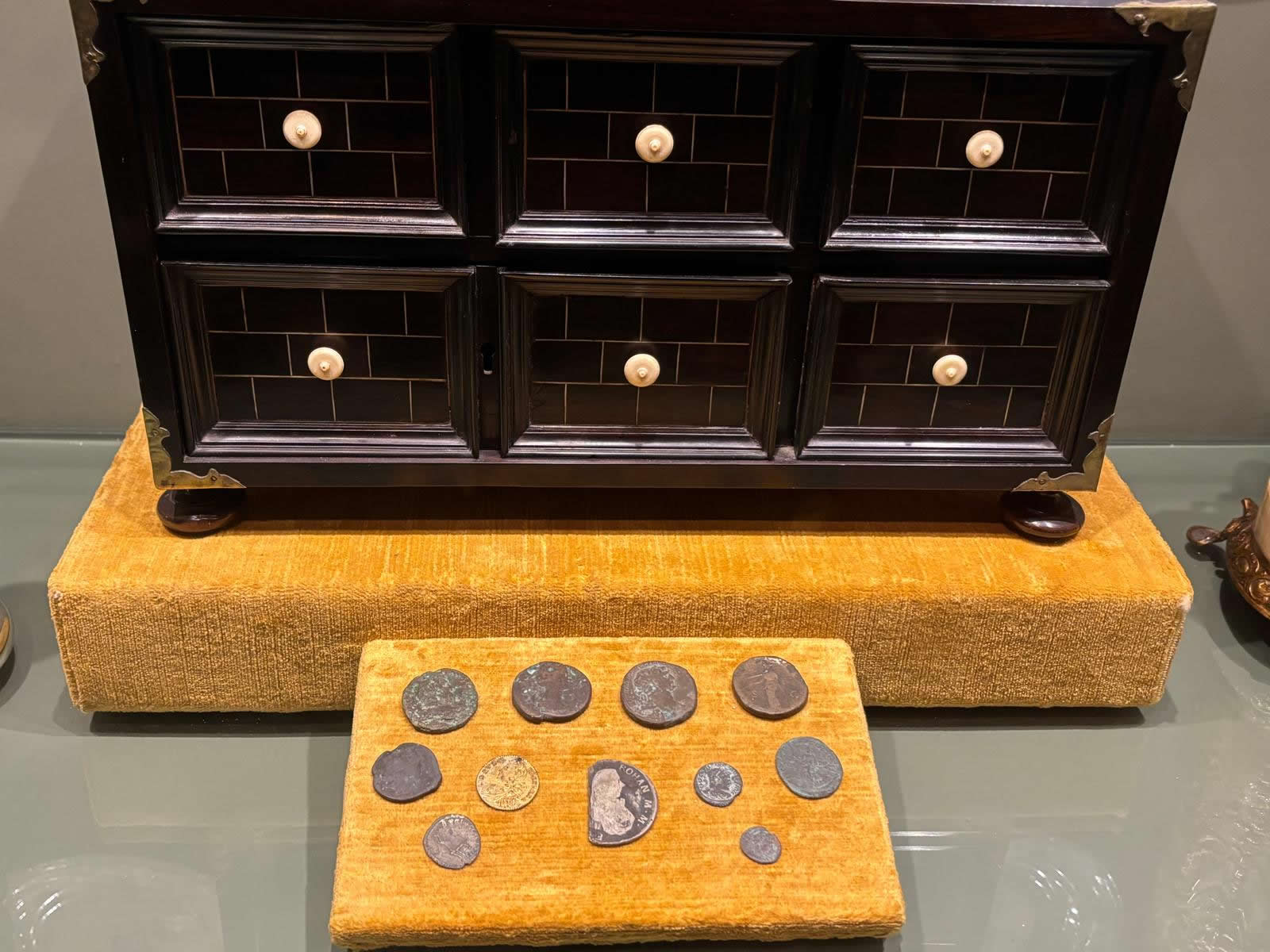
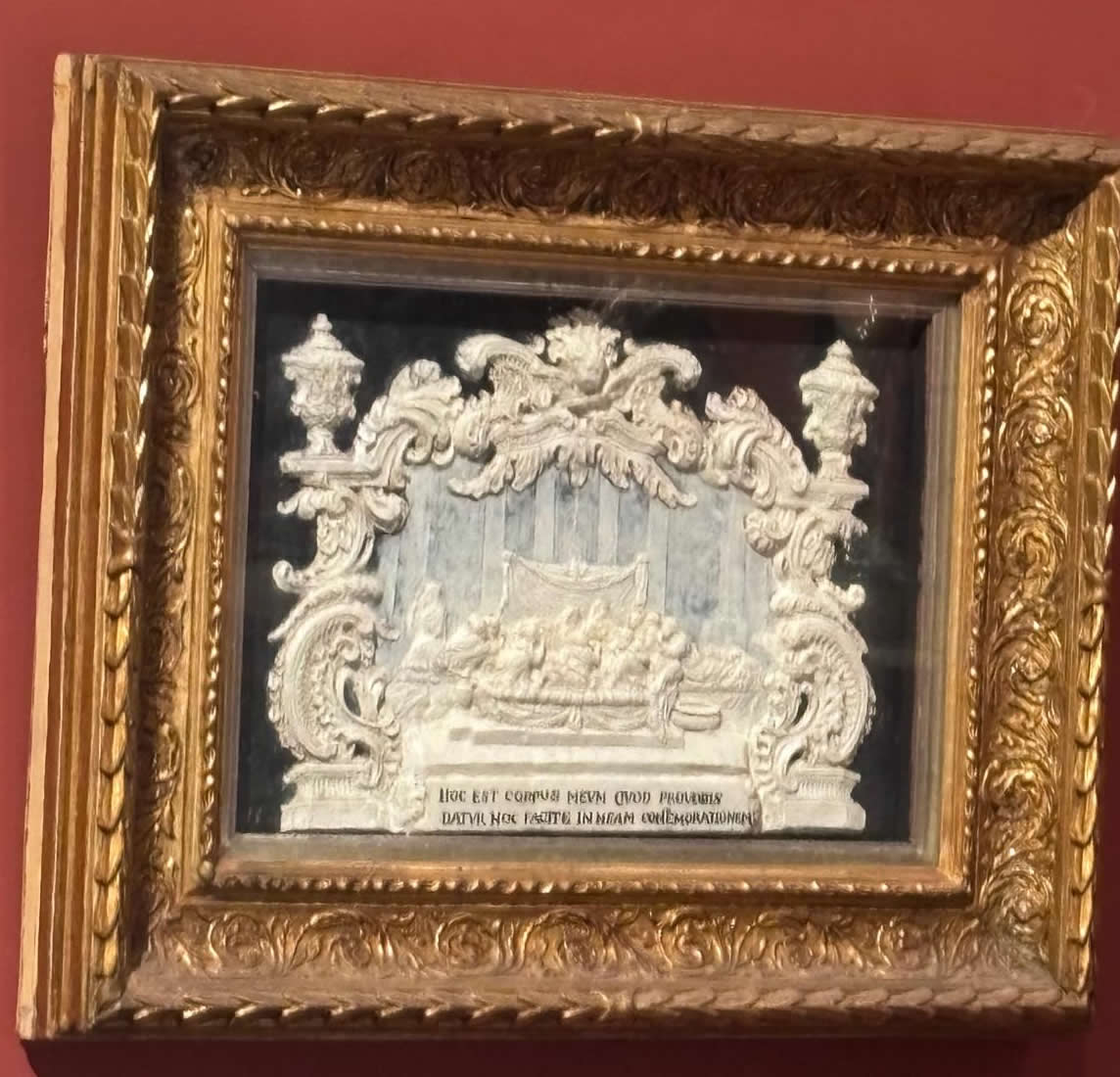
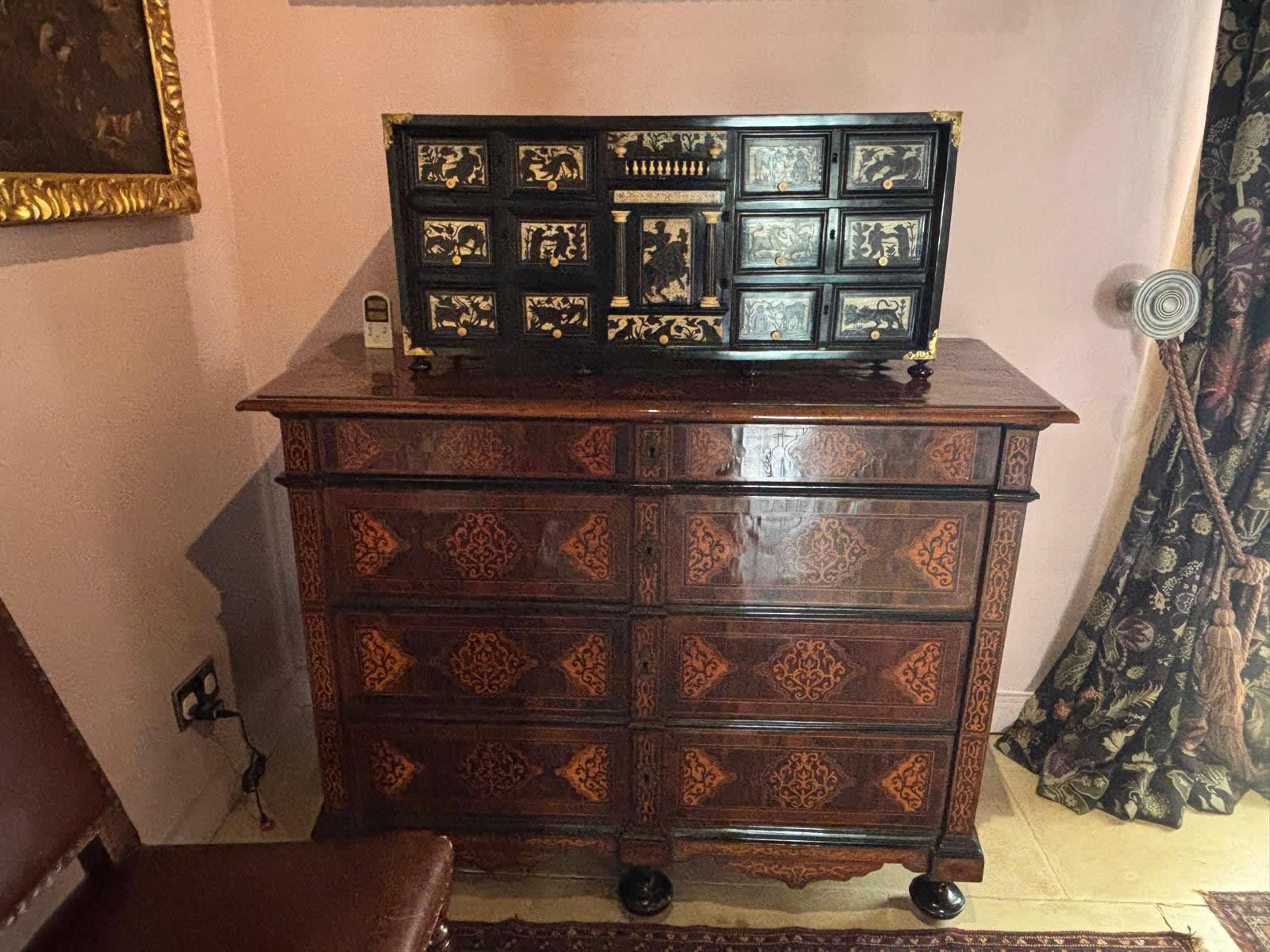
The museum houses an exceptional collection assembled by Gollcher, spanning several centuries and regions. The collection includes over 45 themed groupings of artefacts.
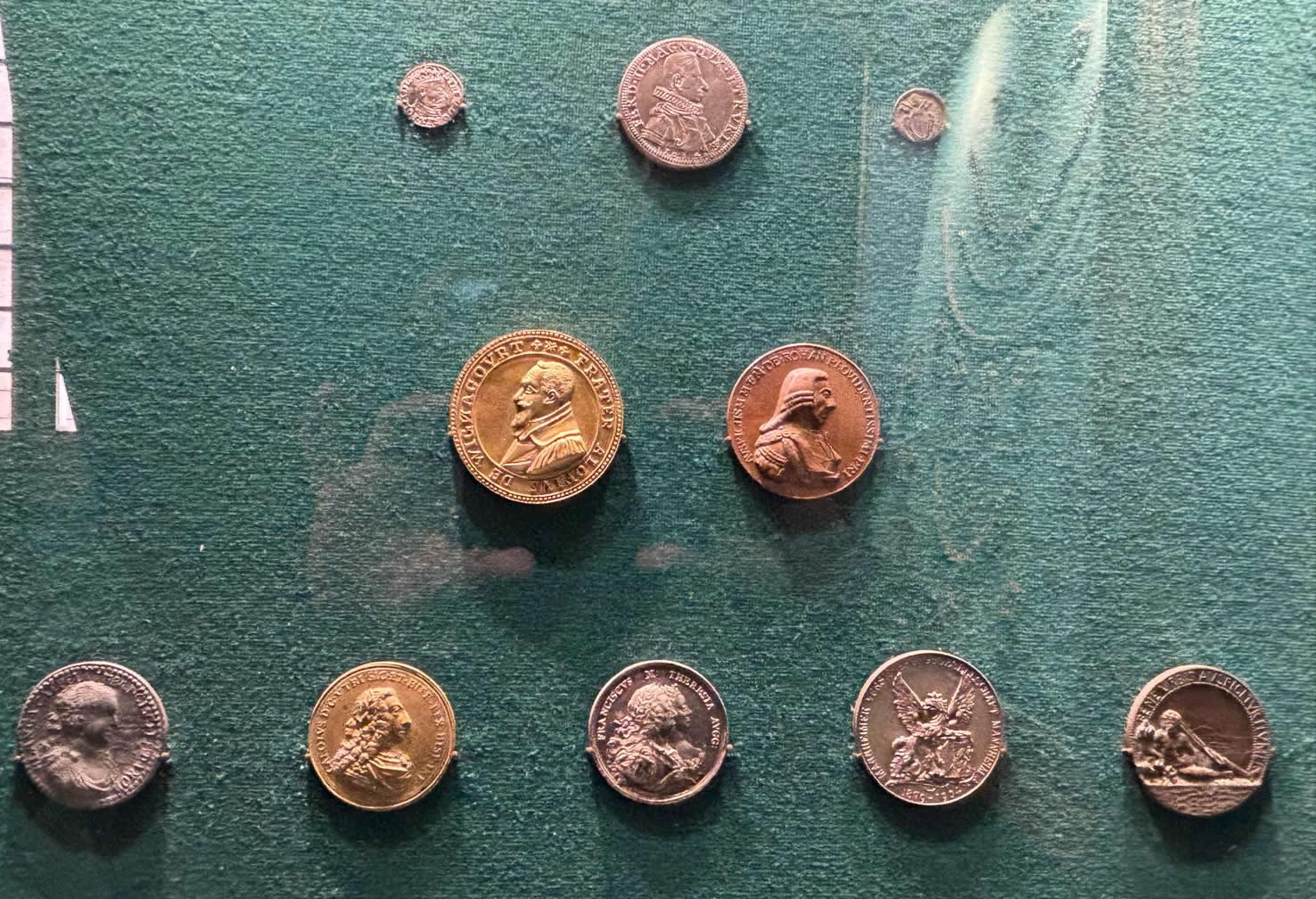
Highlights include:
- European paintings and decorative arts
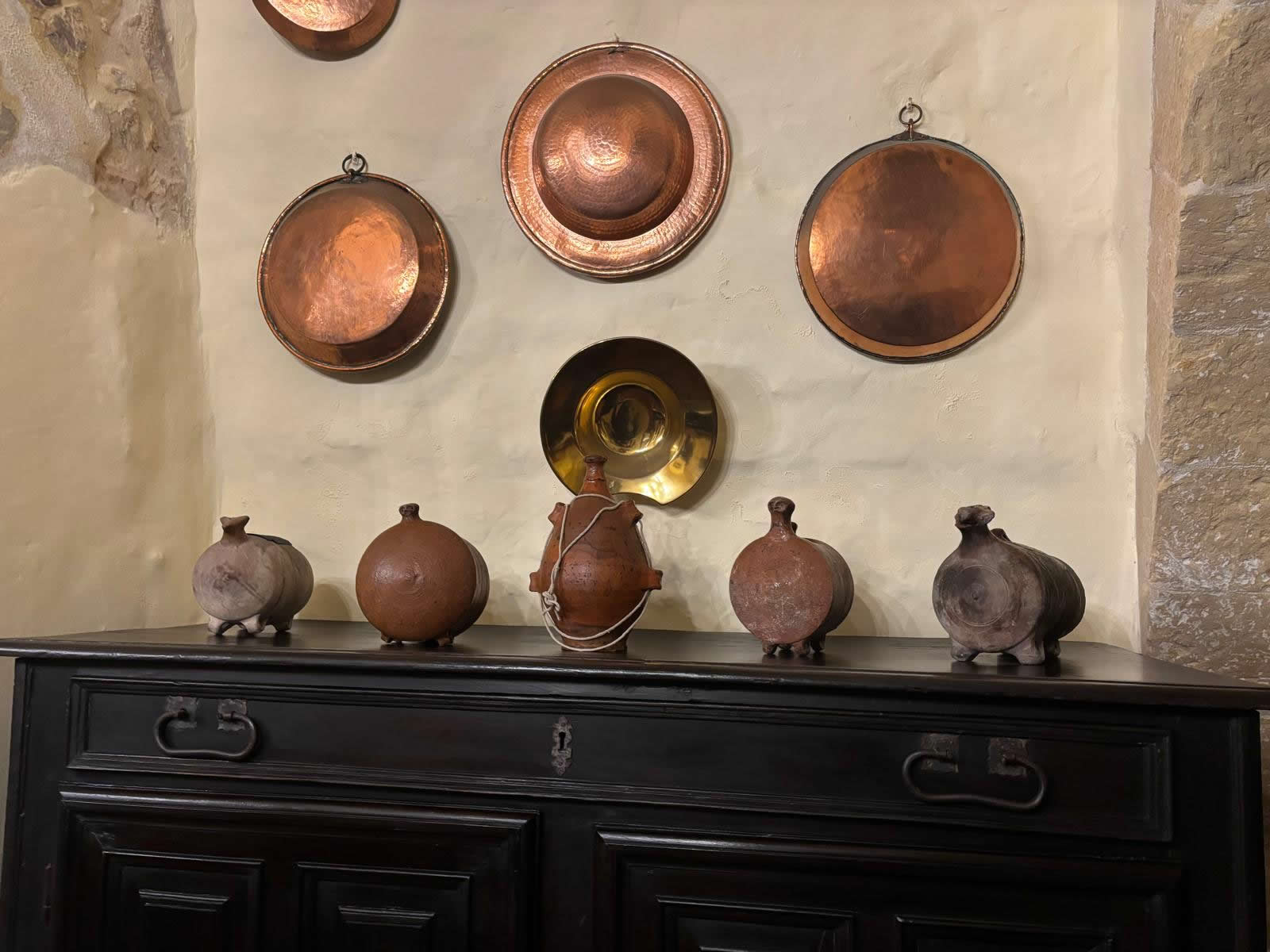
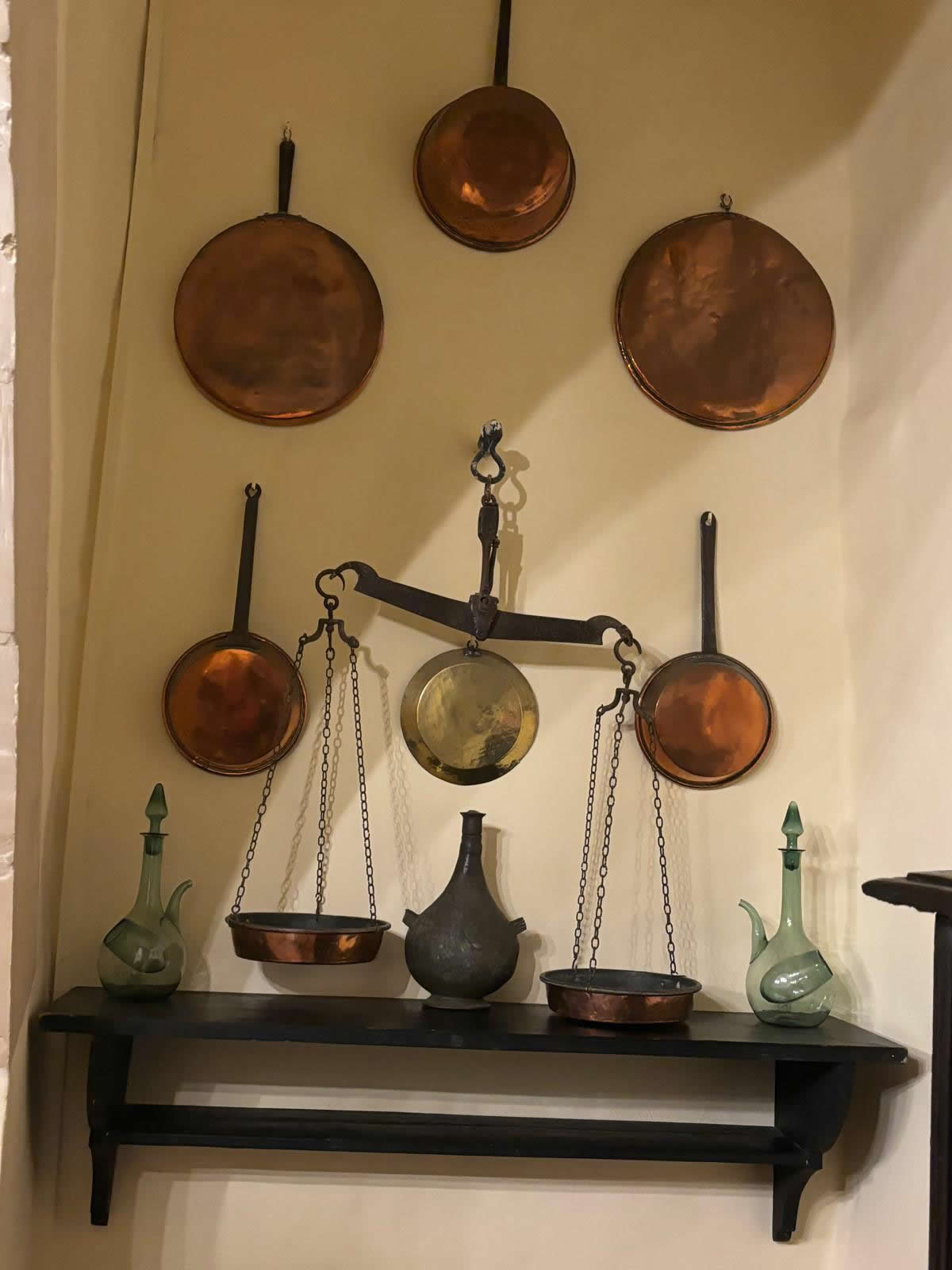
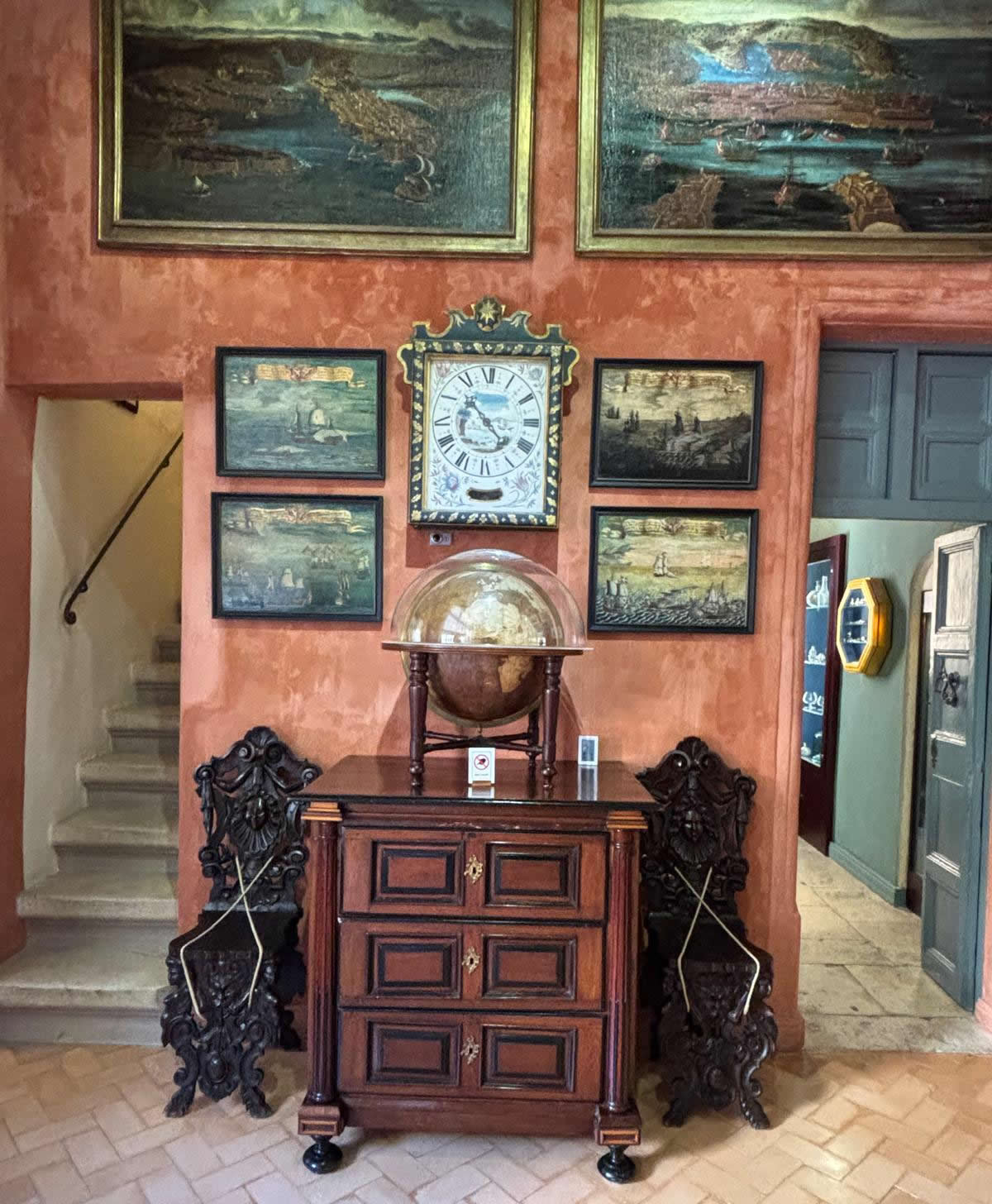
- Antique furniture and period interiors
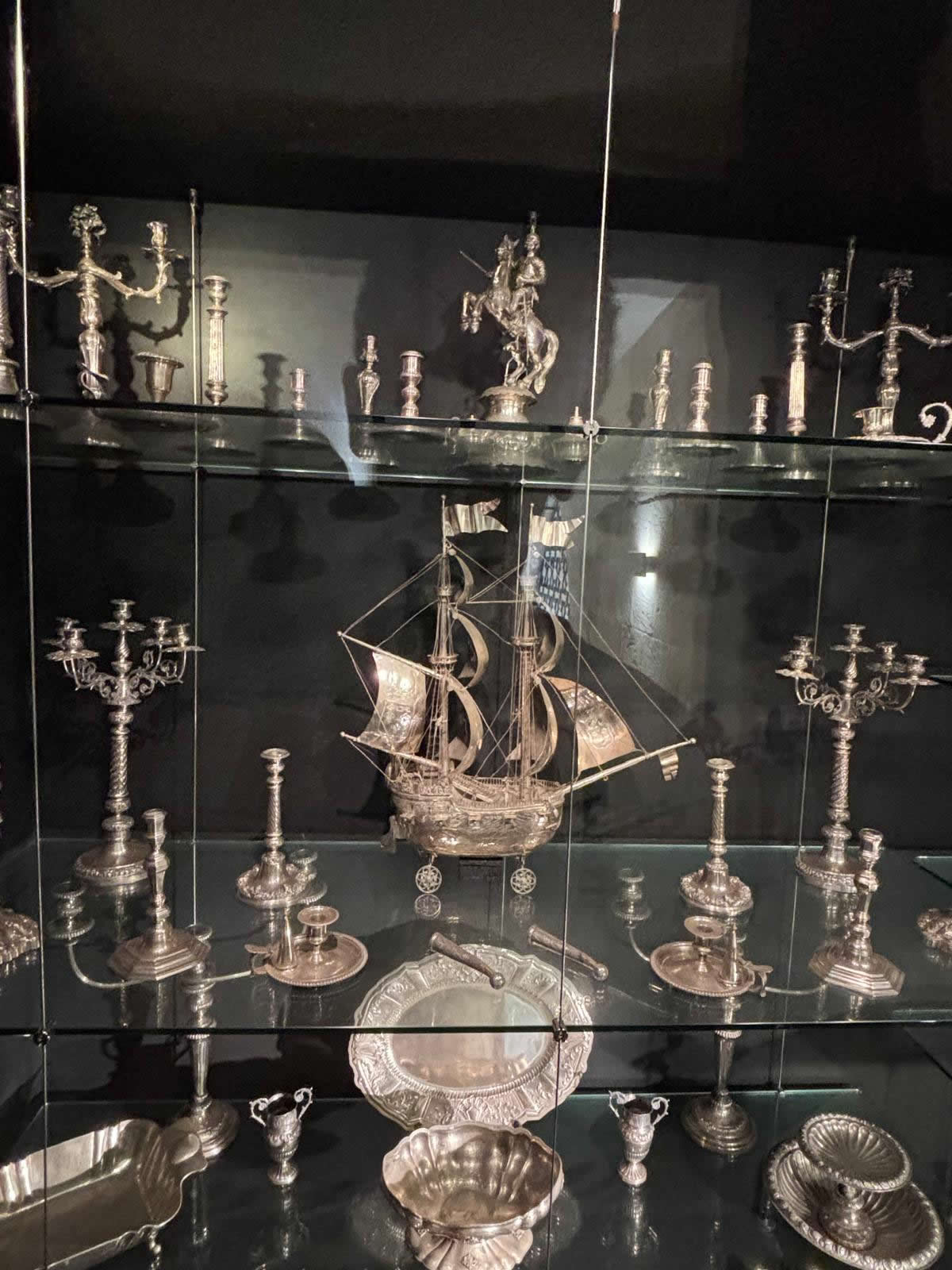
- Silverware and objets d’art
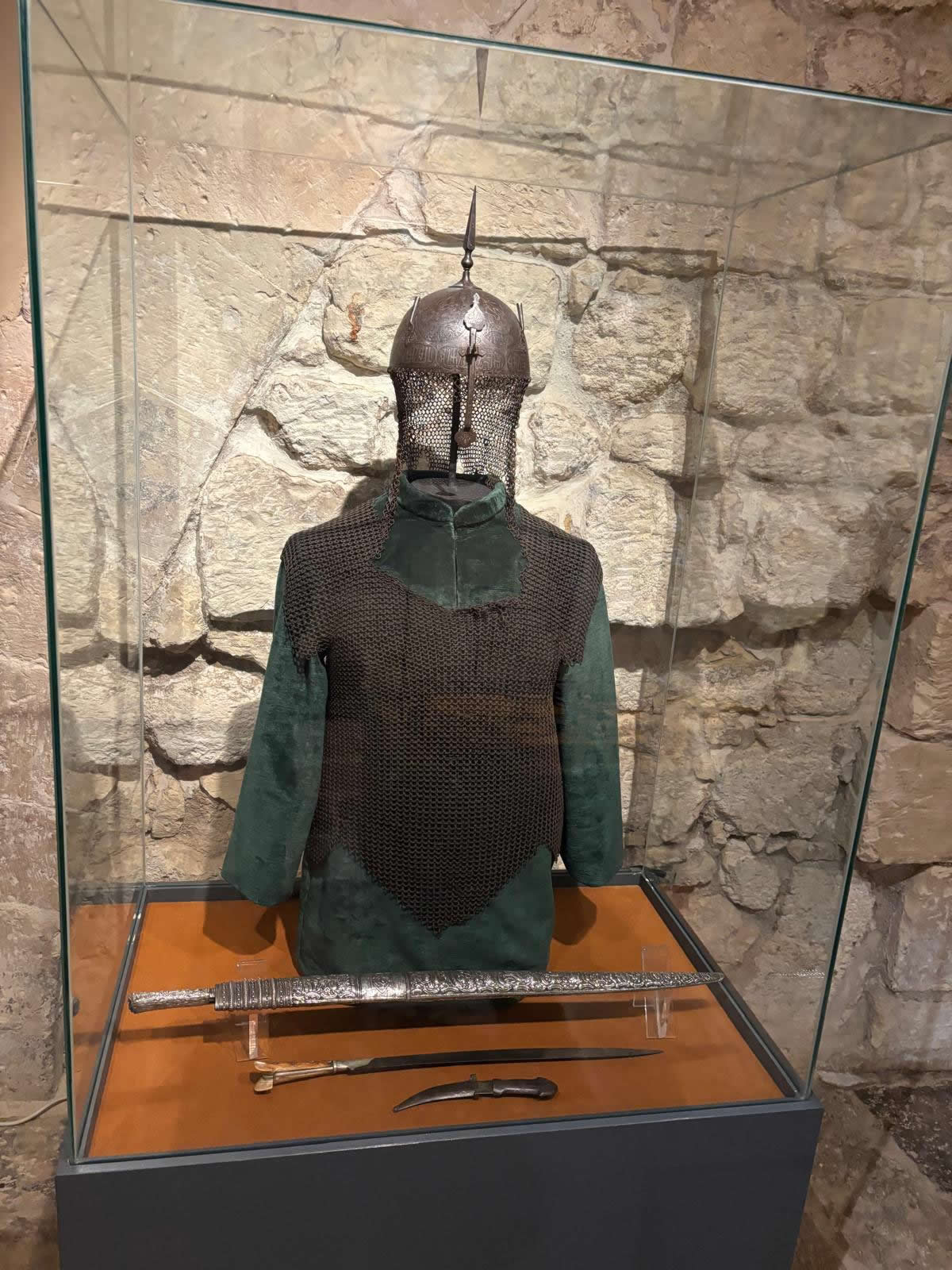
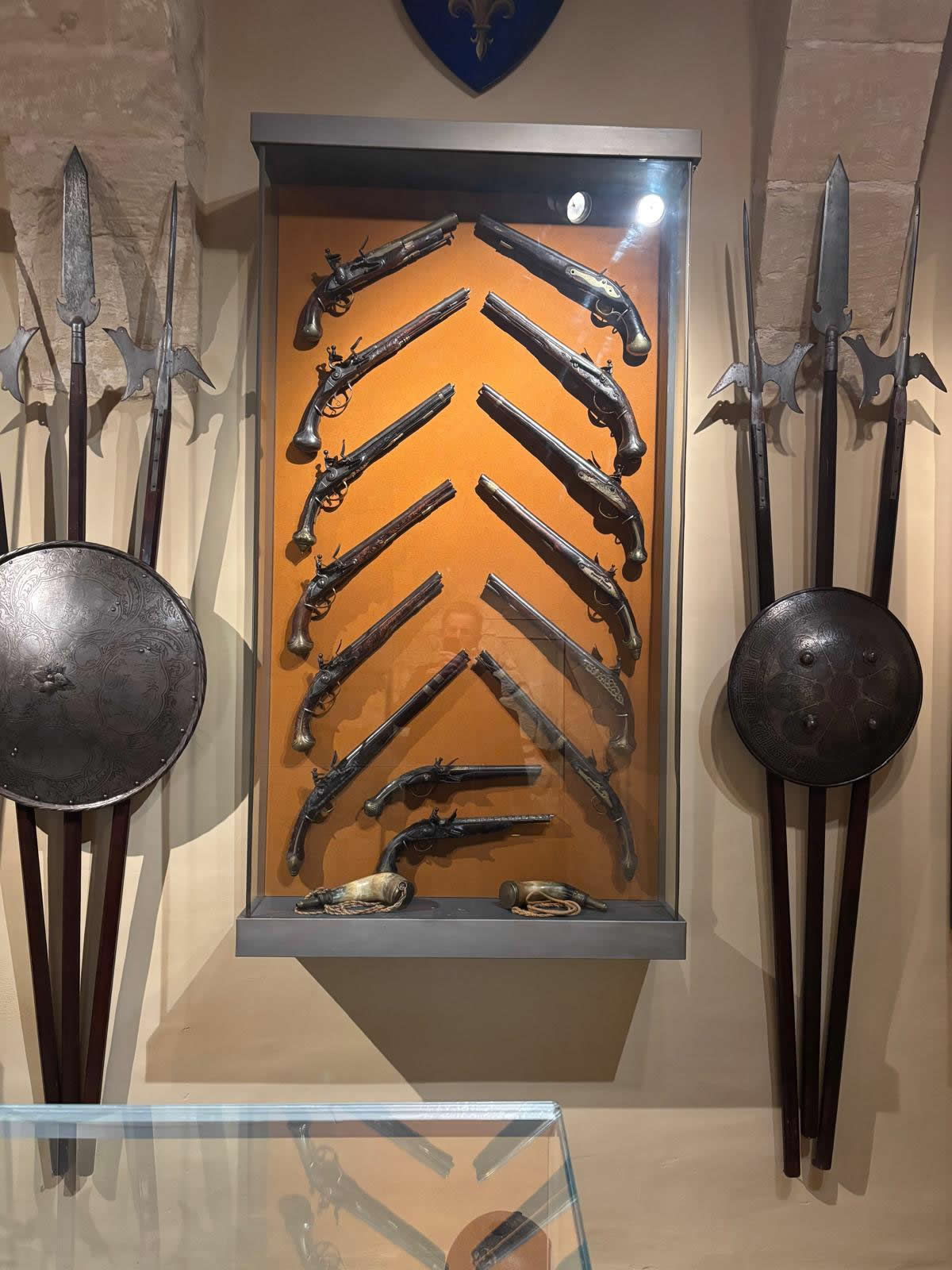
- Arms and armour from various periods
- Oriental carpets and textiles
- Rare manuscripts and a library of over 4,500 volumes
- Timepieces, jewellery, and historic personal items
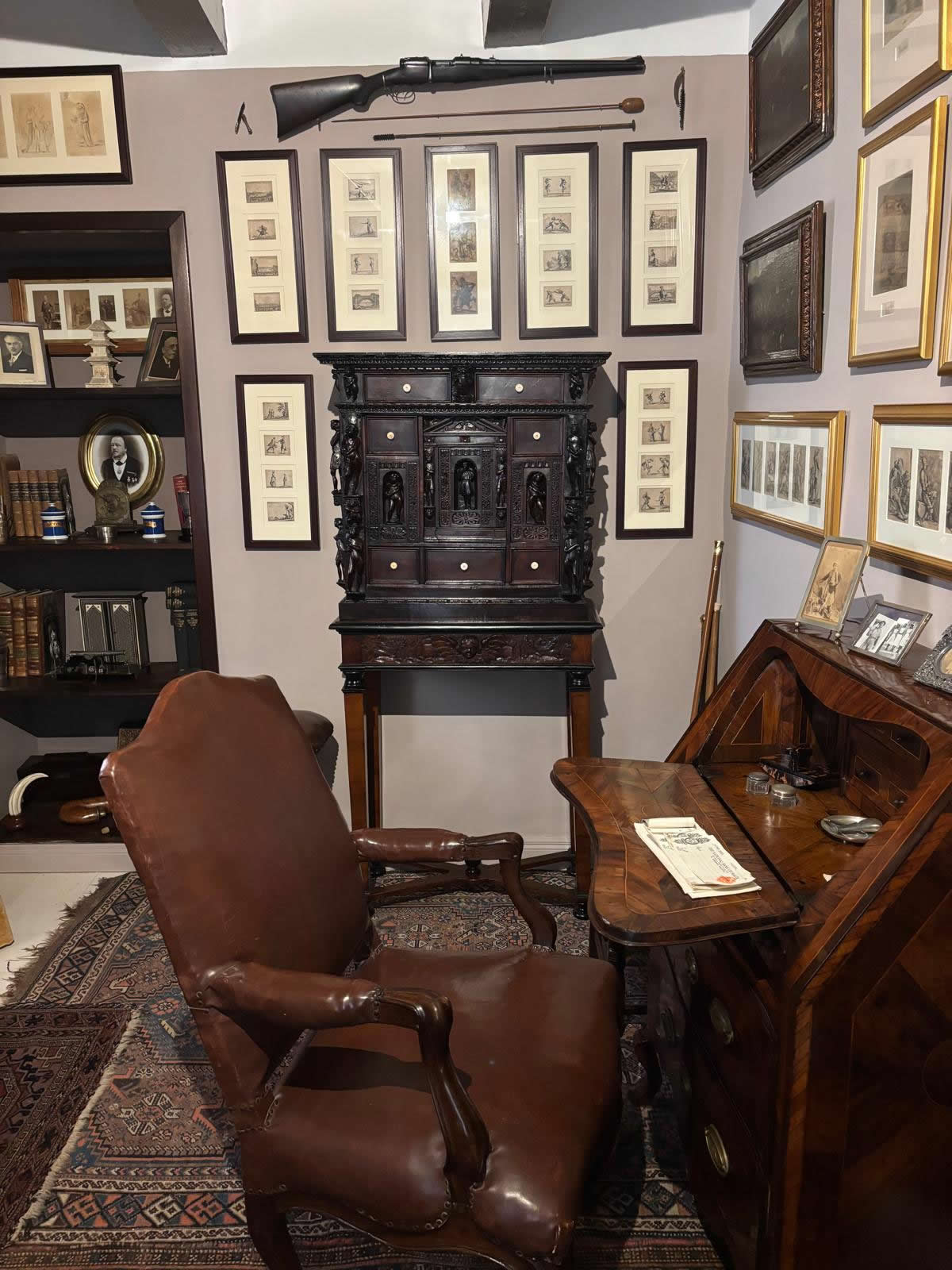
The collection is displayed across multiple rooms, preserving the atmosphere of a lived-in historic residence rather than a conventional museum.
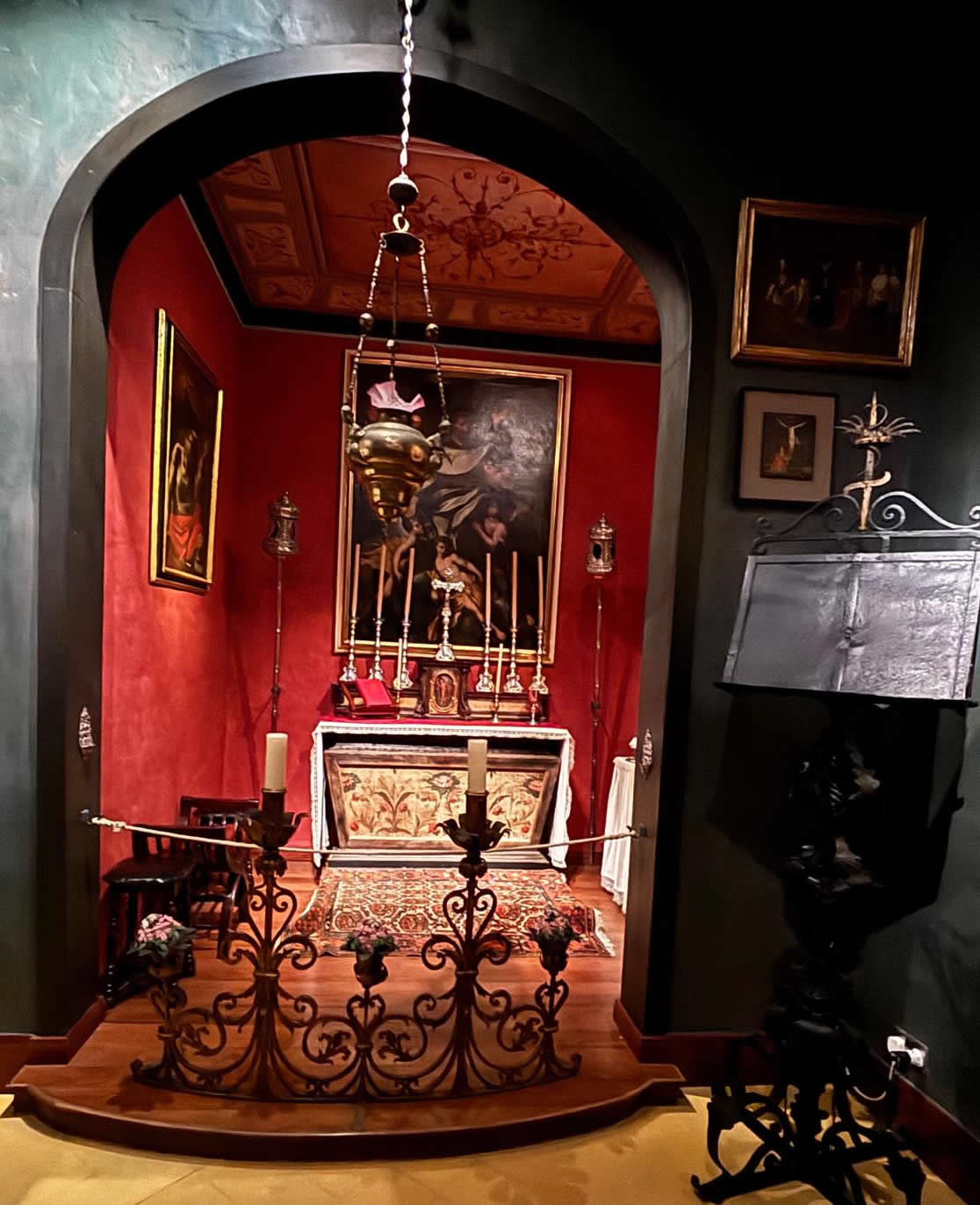
Layout and Museum Experience
Palazzo Falson contains approximately 17 rooms arranged around the courtyard, each curated to reflect different aspects of domestic and collecting life.
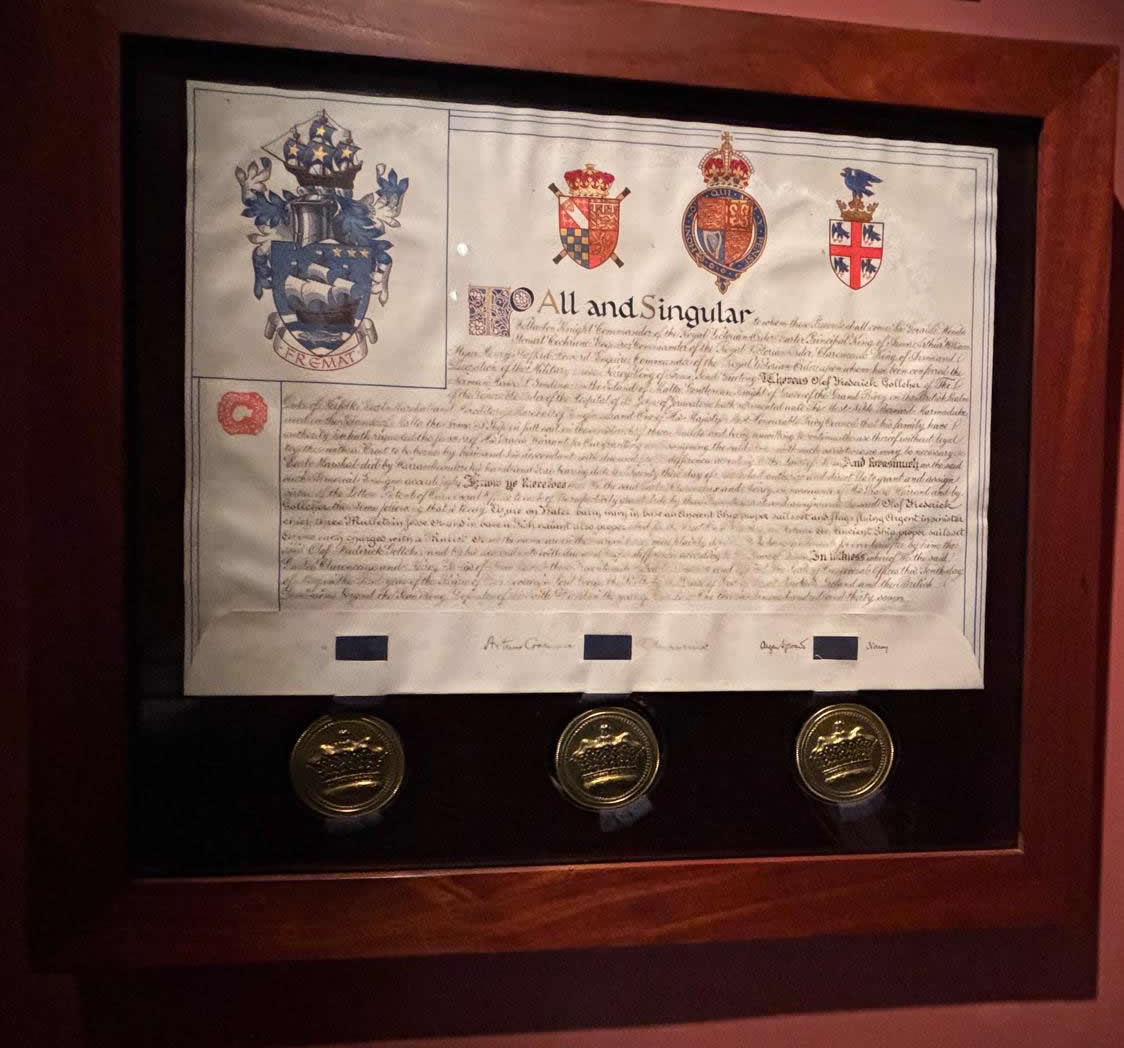
Visitors experience the building through a self-guided tour, often supported by audio guides that provide historical context and interpretation.
Unlike larger national museums, Palazzo Falson offers an intimate and immersive environment, allowing visitors to engage closely with both the architecture and the objects on display.
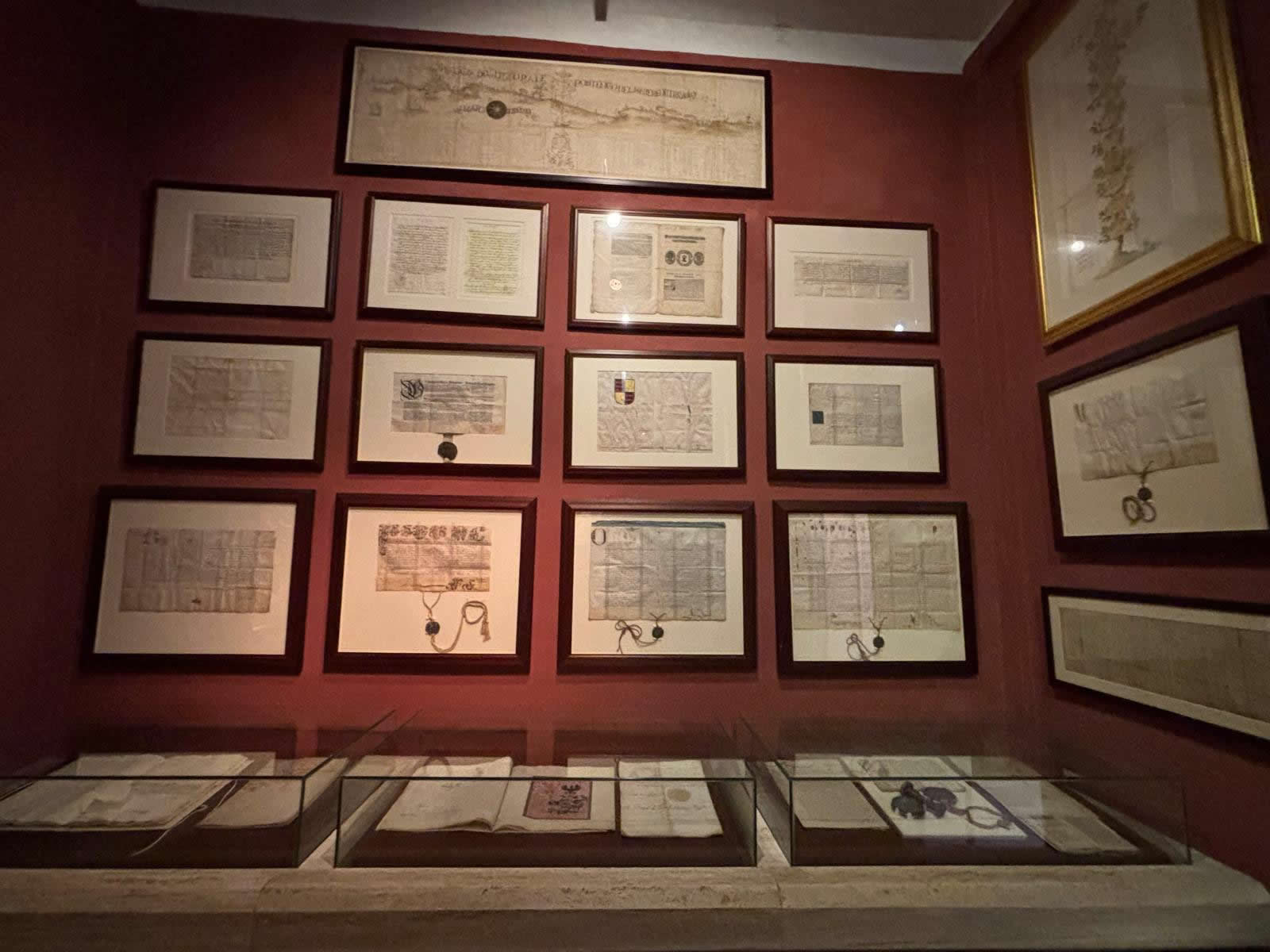
Historical Significance
Palazzo Falson is widely regarded as:
- One of the oldest surviving buildings in Mdina
- A rare example of a medieval urban residence
- An important repository of private collecting traditions in Malta
The building is protected as a Grade 1 scheduled property and forms part of Malta’s National Inventory of Cultural Property.
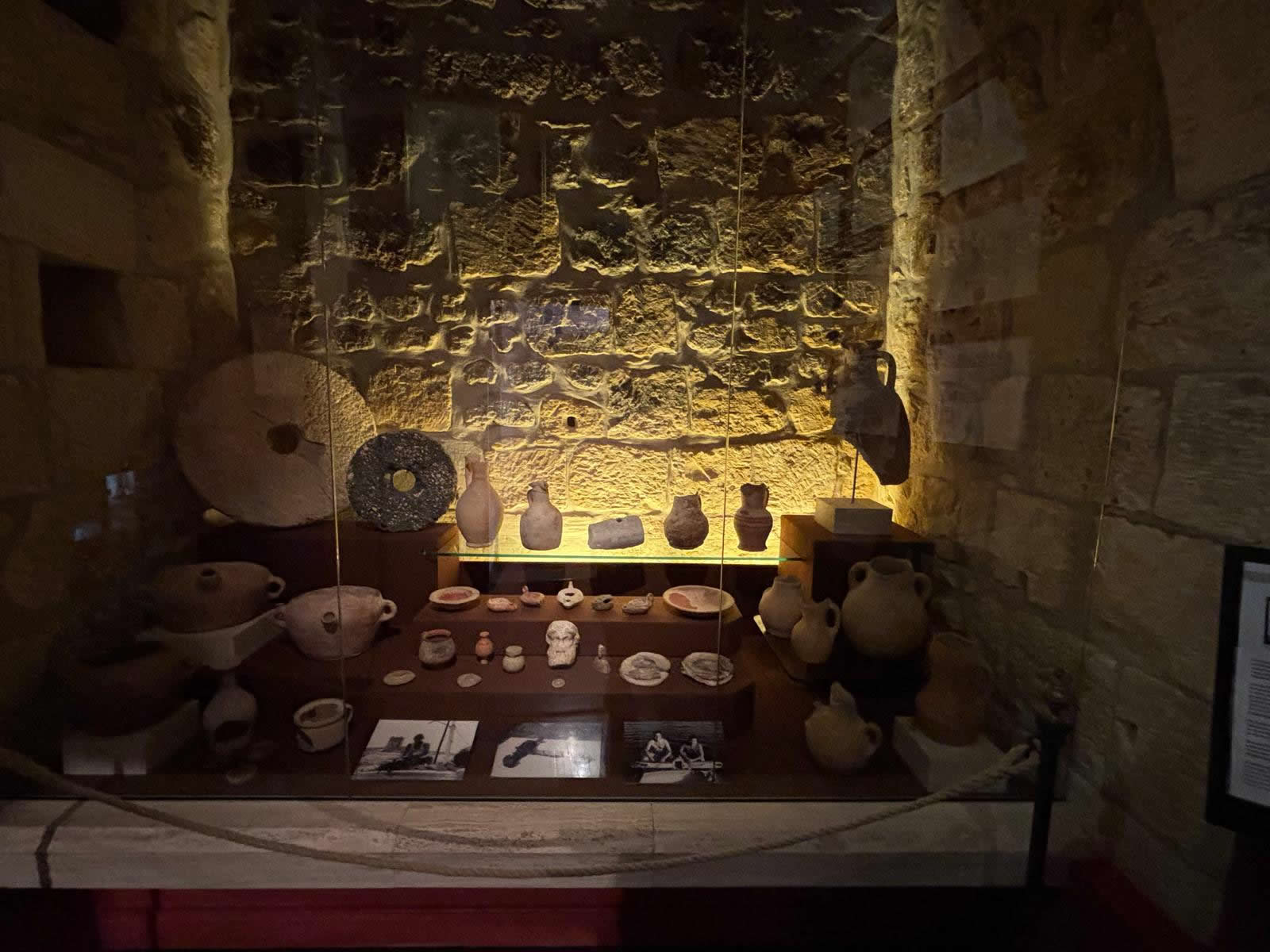
Use Today
Today, Palazzo Falson functions as a historic house museum and cultural institution. It hosts:
- Permanent exhibitions
- Temporary curated displays
- Educational programmes
- Cultural events and lectures
The museum also includes a rooftop terrace offering views over Mdina, enhancing its appeal as both a cultural and visitor destination.
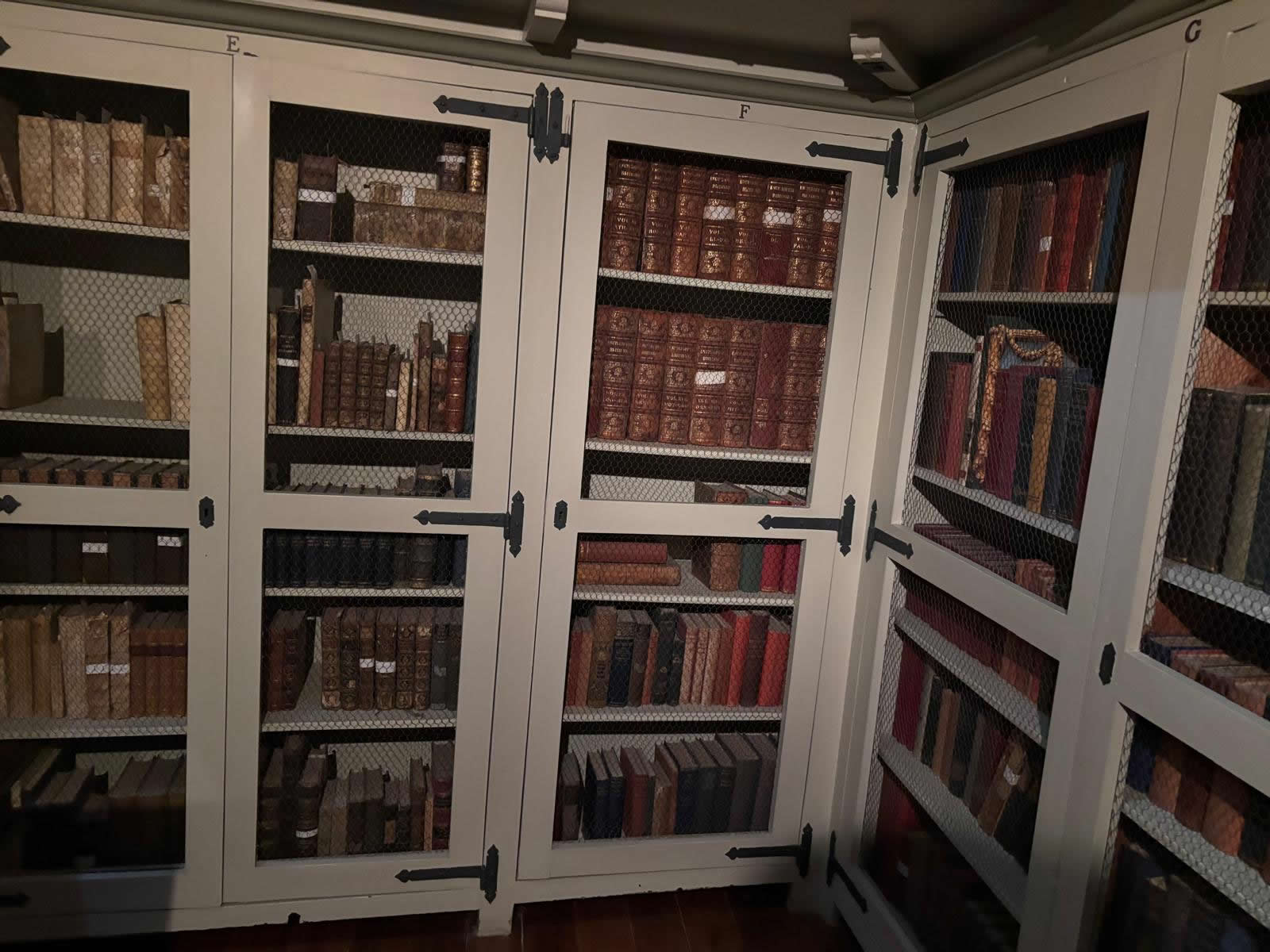
Visiting Palazzo Falson
Palazzo Falson is located in Villegaignon Street, within the fortified city of Mdina. Its central position makes it easily accessible alongside other key historical sites.
For more museums across Malta, visit:
Museums in Malta
Conclusion
Palazzo Falson stands as a remarkable testament to Malta’s layered history, combining medieval architecture, noble heritage, and a world-class private collection. Its preservation and transformation into a museum ensure that this unique building continues to educate and inspire future generations.