📍 Location
Location Map Coordinates 35.885271, 14.400315
The Roman Domus in Rabat, Malta, is one of the most important archaeological and historical sites on the Maltese Islands, offering a rare and remarkably well-preserved glimpse into domestic life during the Roman period. Dating back to the late 1st century BC, this grand townhouse once stood on the outskirts of the ancient Roman city of Melite, the predecessor of modern Mdina and Rabat.
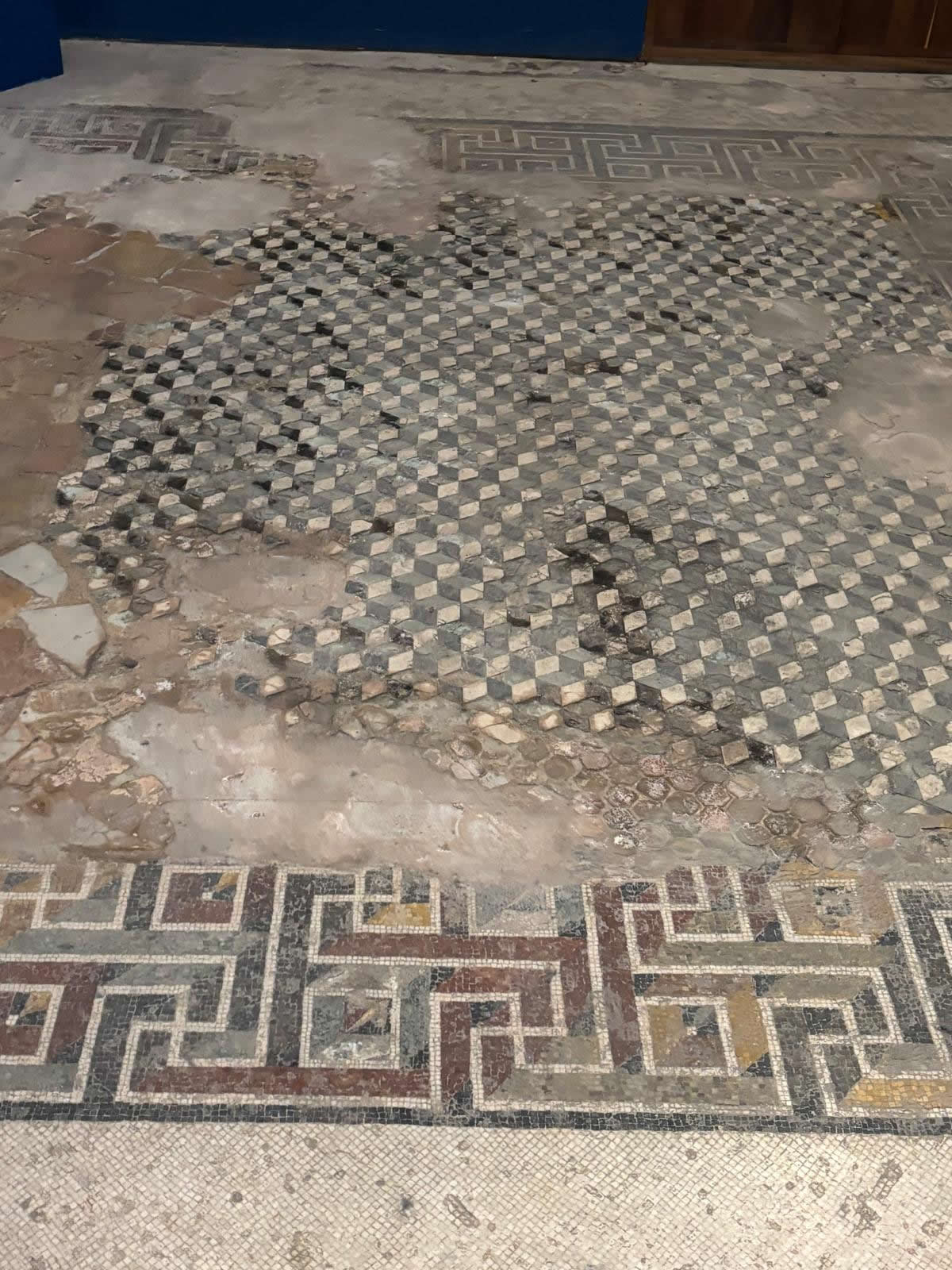
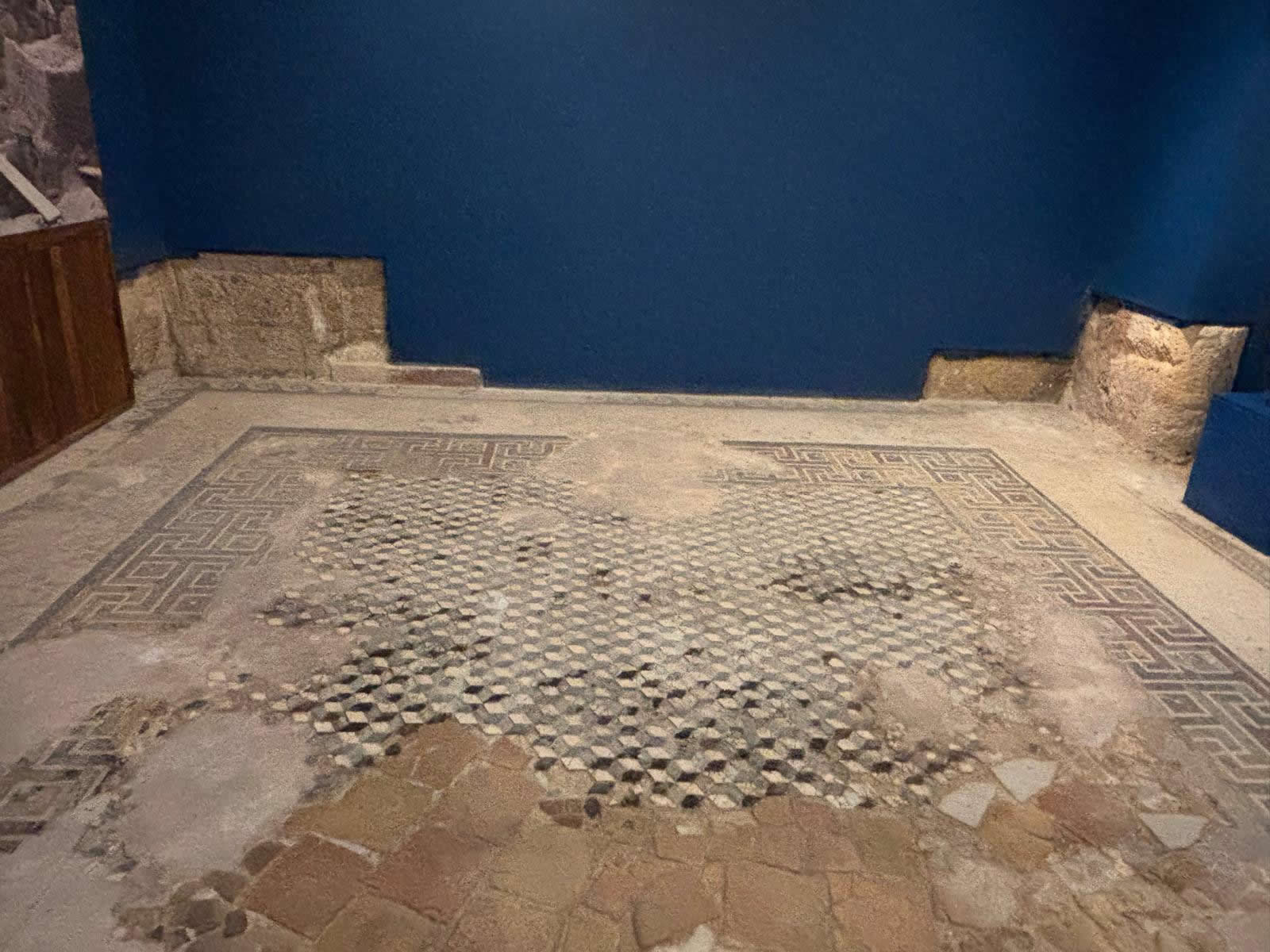
Today, the Roman Domus is preserved as a museum, renowned particularly for its intricate and highly refined mosaic floors, which are considered among the finest surviving examples of Roman mosaic art in the western Mediterranean. The site provides invaluable insight into Roman architecture, artistic expression, and elite lifestyle in Malta nearly two millennia ago.
Location and Historical Setting
The Roman Domus is located in Rabat, immediately outside the walls of Mdina. In antiquity, this area formed part of the Roman city of Melite, which served as the administrative centre of Malta during Roman rule following the islands’ incorporation into the Roman Republic in 218 BC.
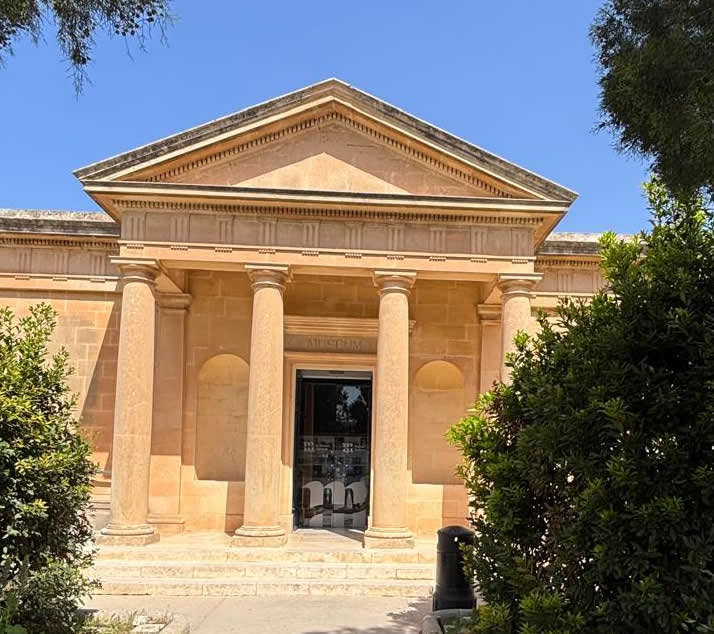
The domus was strategically positioned in a prestigious suburban zone, reflecting the Roman preference for spacious residences slightly removed from the dense urban core. Its location highlights the continuity between the Roman settlement and the later medieval development of Mdina.
Discovery and Excavation
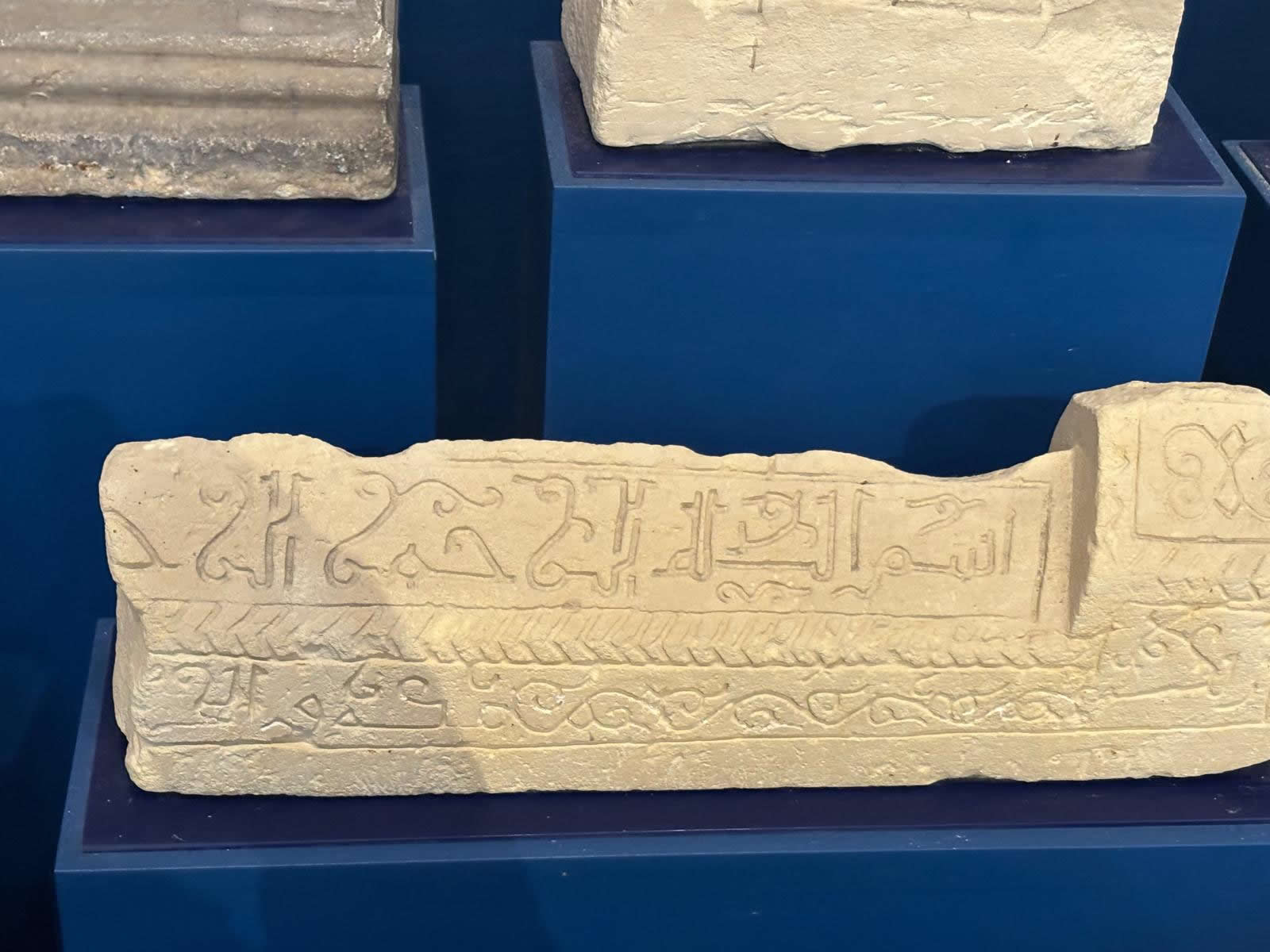
The site was discovered in 1881 during public works, when labourers uncovered fragments of mosaic flooring. Subsequent archaeological excavation revealed the remains of an extensive Roman residence, including multiple rooms, courtyards, and decorative features.
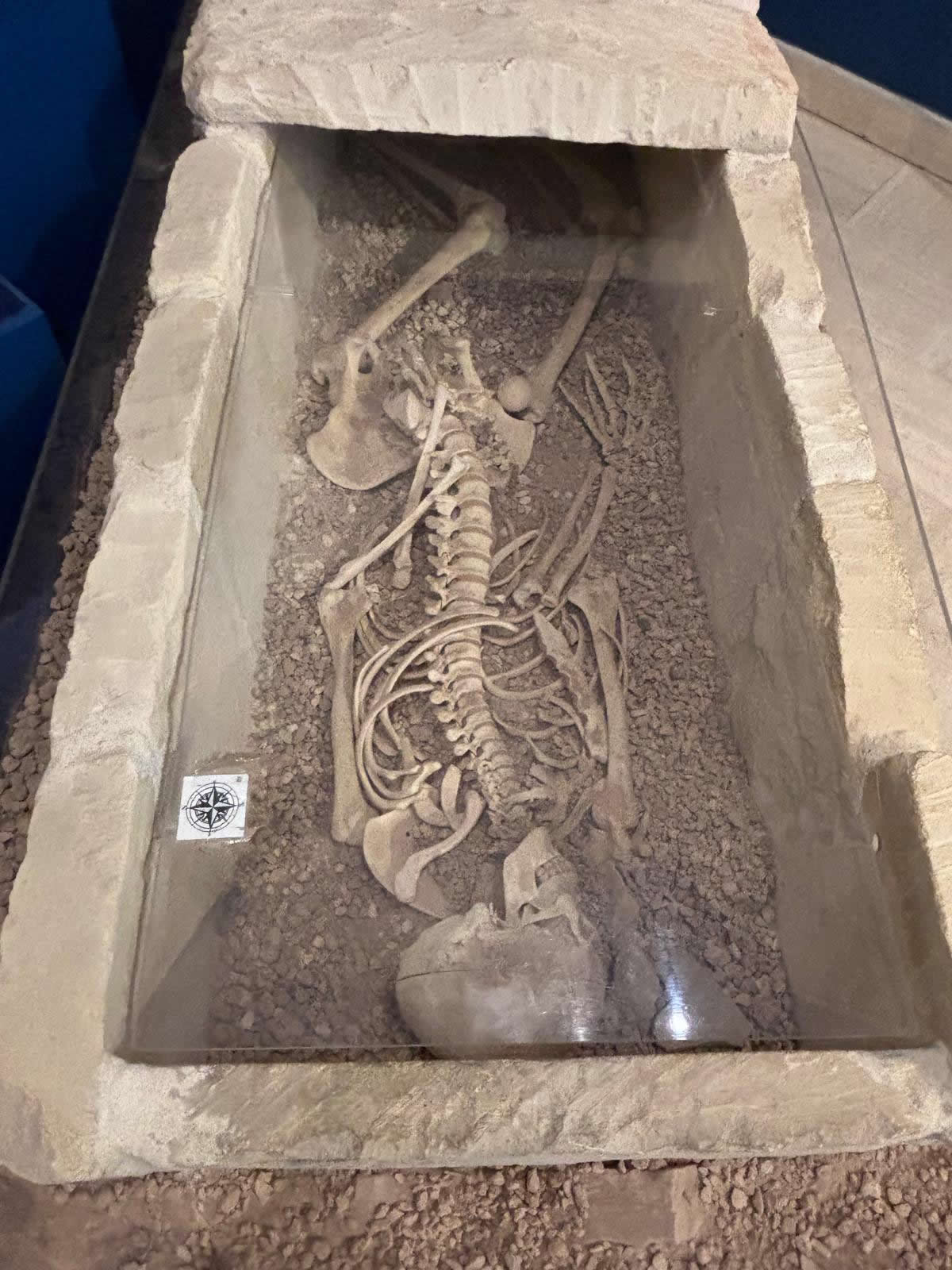
The significance of the discovery led to the establishment of one of Malta’s earliest purpose-built museums on the site, ensuring that the remains could be preserved and displayed in situ. The Roman Domus thus represents both an important archaeological site and a landmark in the history of heritage conservation in Malta.
Construction and Layout
Peristyle Courtyard
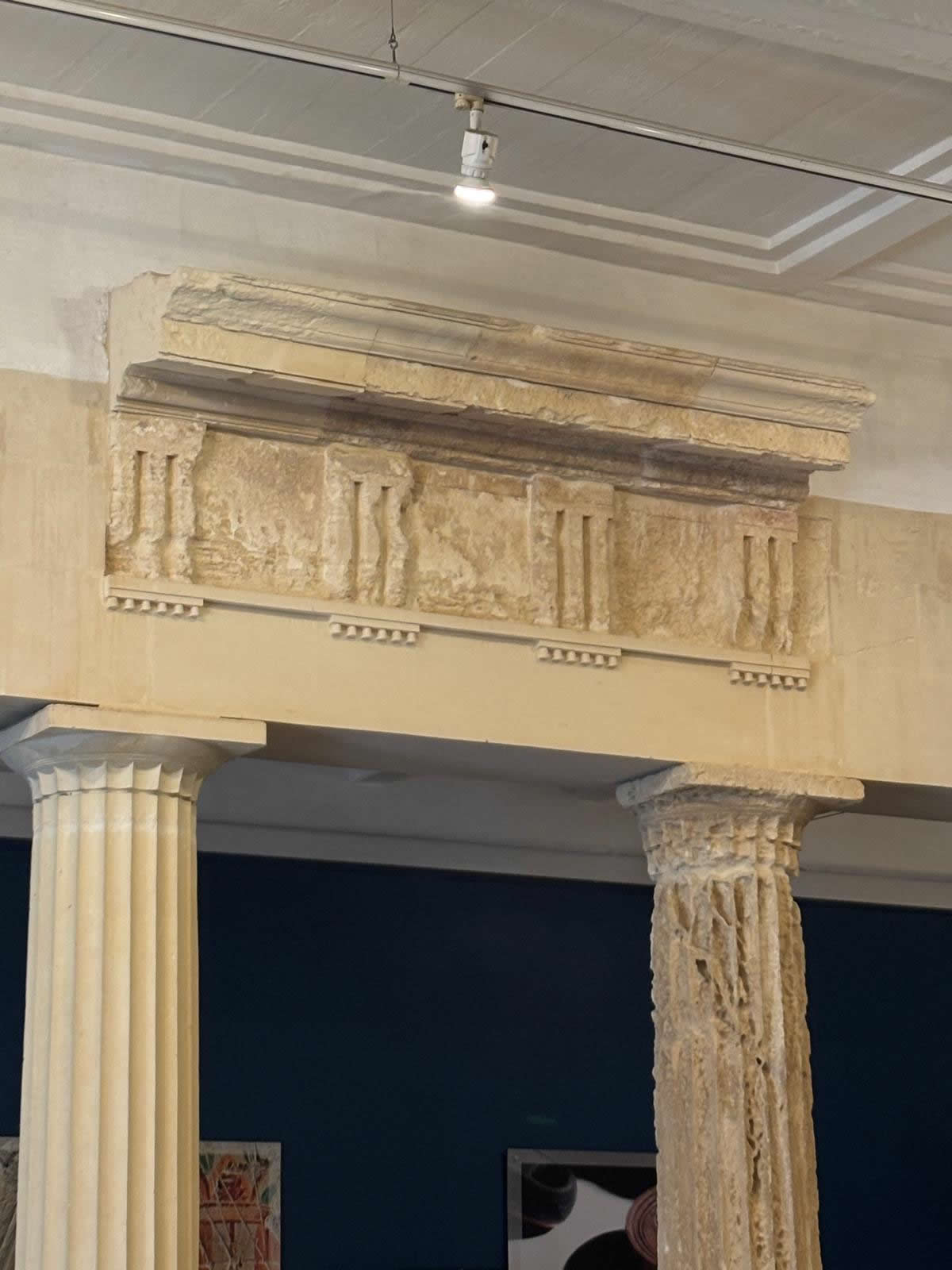
At the heart of the domus is a peristyle courtyard, a defining feature of Roman domestic architecture. This open central space would have been surrounded by columns and provided light, ventilation, and a focal point for the household.
Reception Rooms
The house includes a series of reception rooms, where the owner would have entertained guests and conducted social or business interactions. These spaces are characterised by elaborate decoration, including the famous mosaics that distinguish the site.
Private Areas
Beyond the public areas, the domus would have contained more private living quarters, though much of this section has not survived. The surviving remains nevertheless provide a clear indication of the building’s scale and sophistication.
The Mosaics
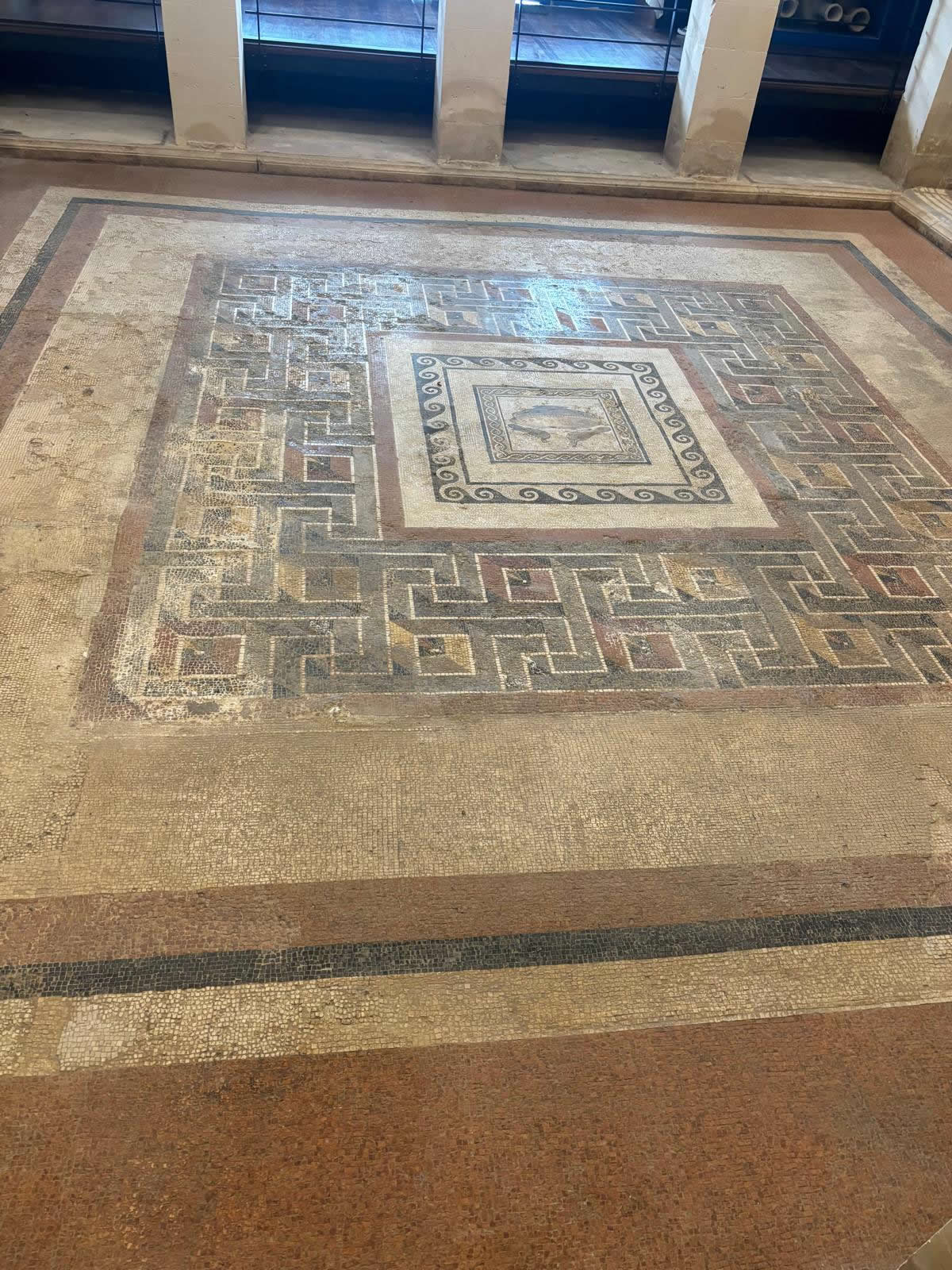
The highlight of the Roman Domus is undoubtedly its exceptional mosaic flooring. These mosaics are composed of thousands of tiny tesserae arranged in intricate geometric patterns, demonstrating a high level of artistic and technical skill.
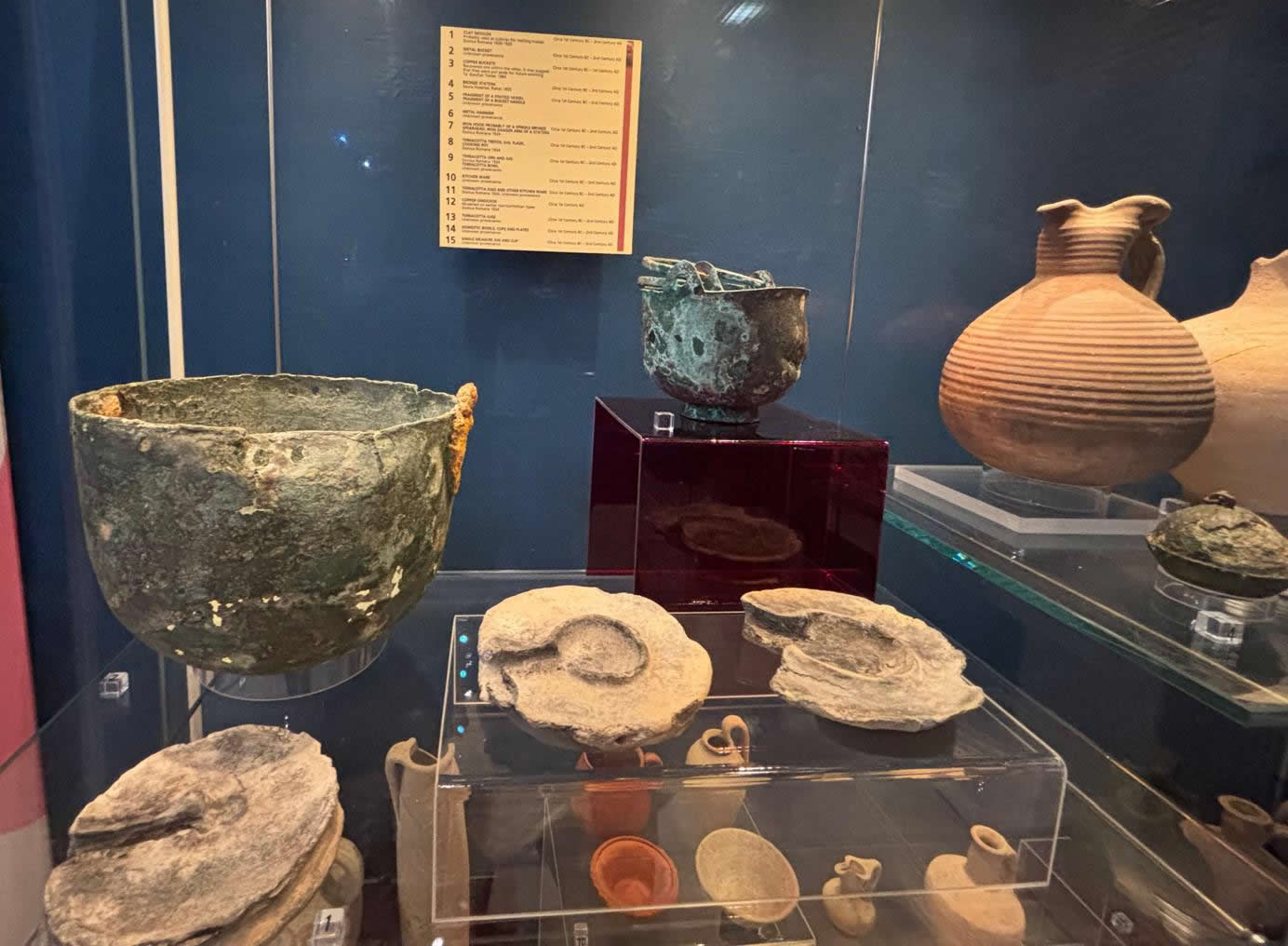
The craftsmanship suggests the involvement of skilled artisans, possibly from Sicily or mainland Italy, reflecting the integration of Malta into wider Roman cultural and artistic networks.
The preservation of these mosaics is remarkable, and they remain one of the most important examples of Roman decorative art in Malta.
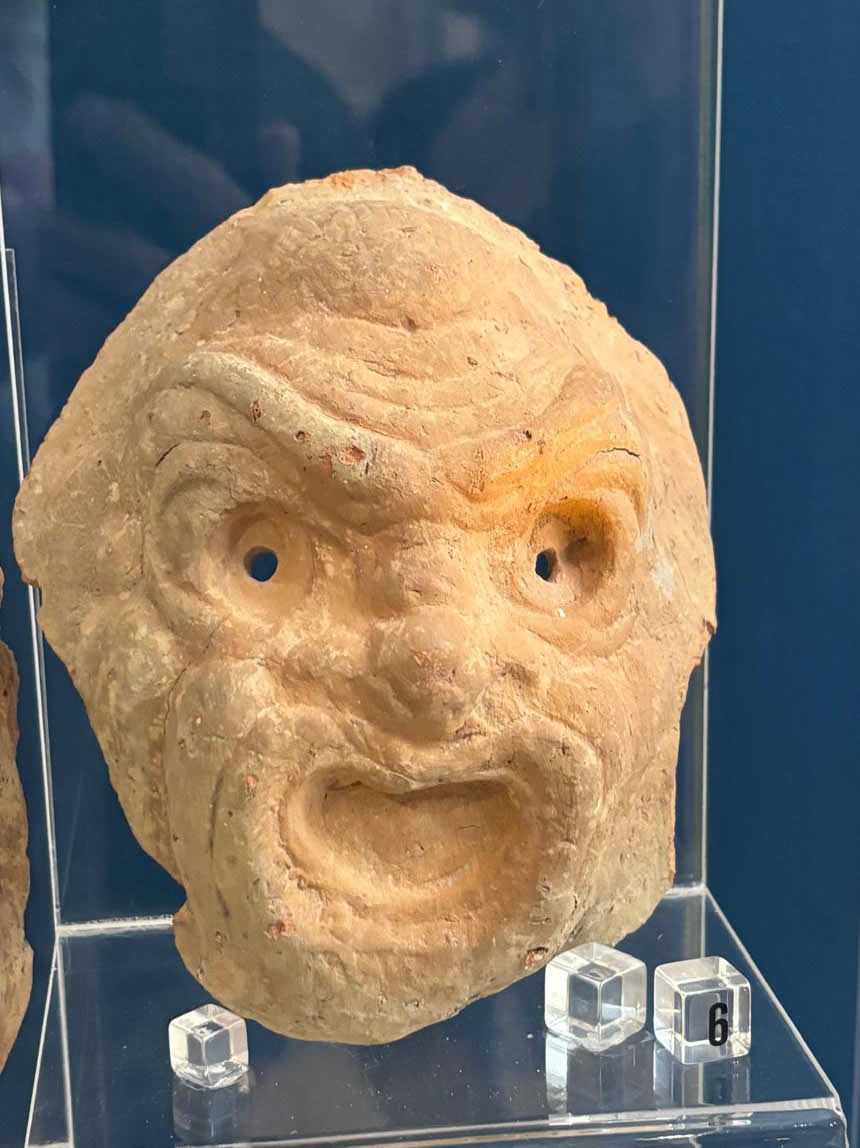
Donated by Mrs Cassar Torregiani nee Depiro
Sculptures and Artefacts
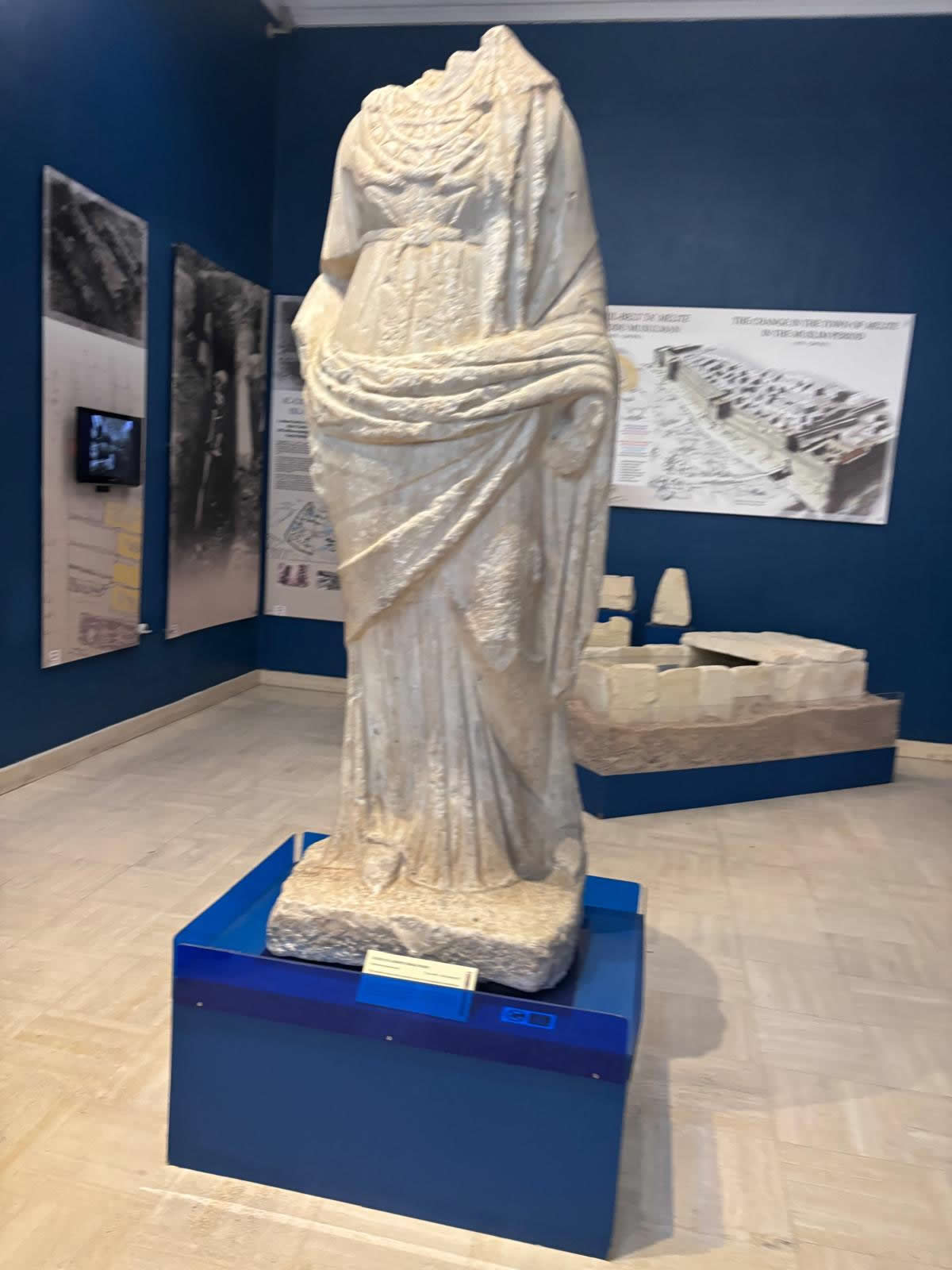
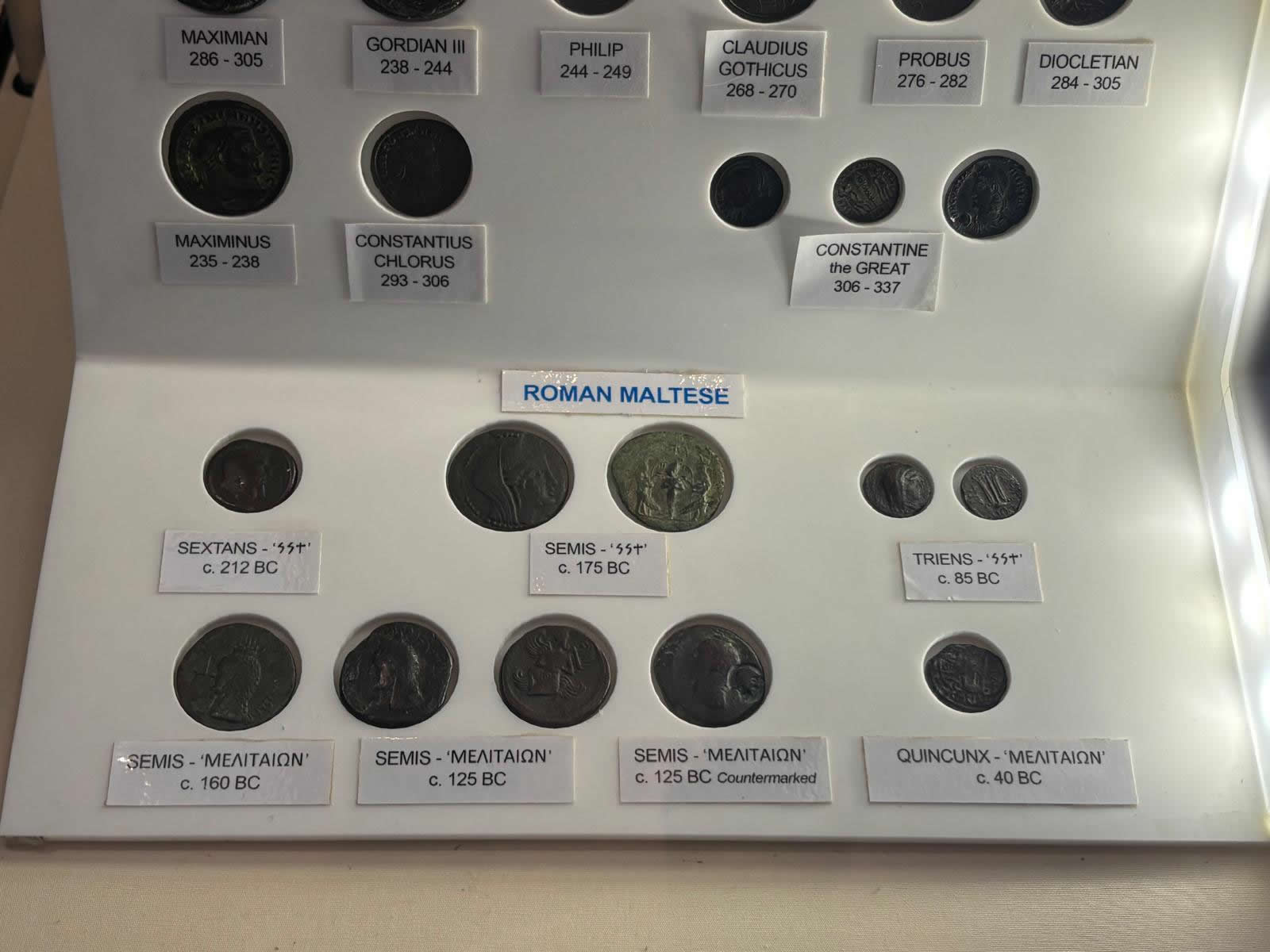
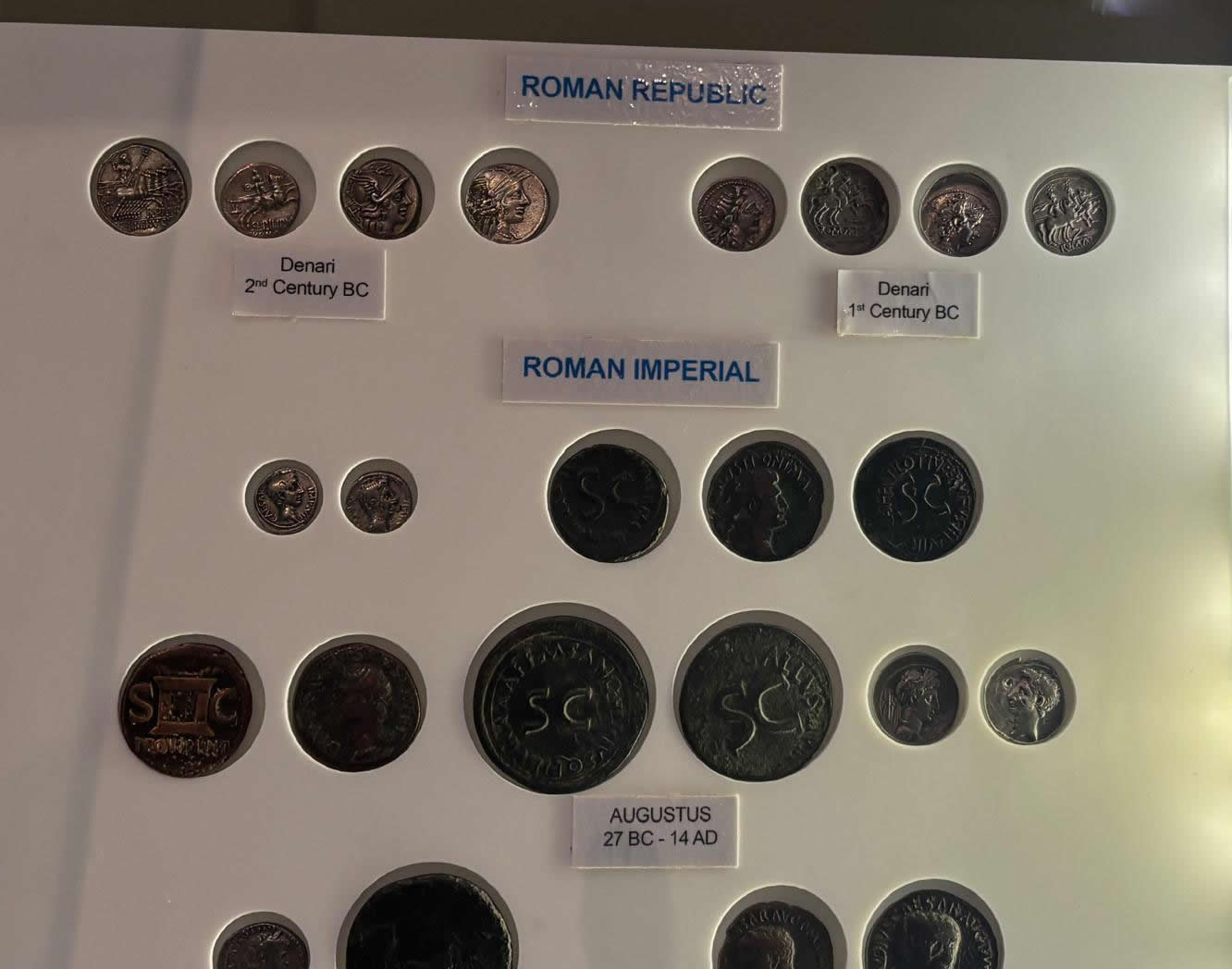
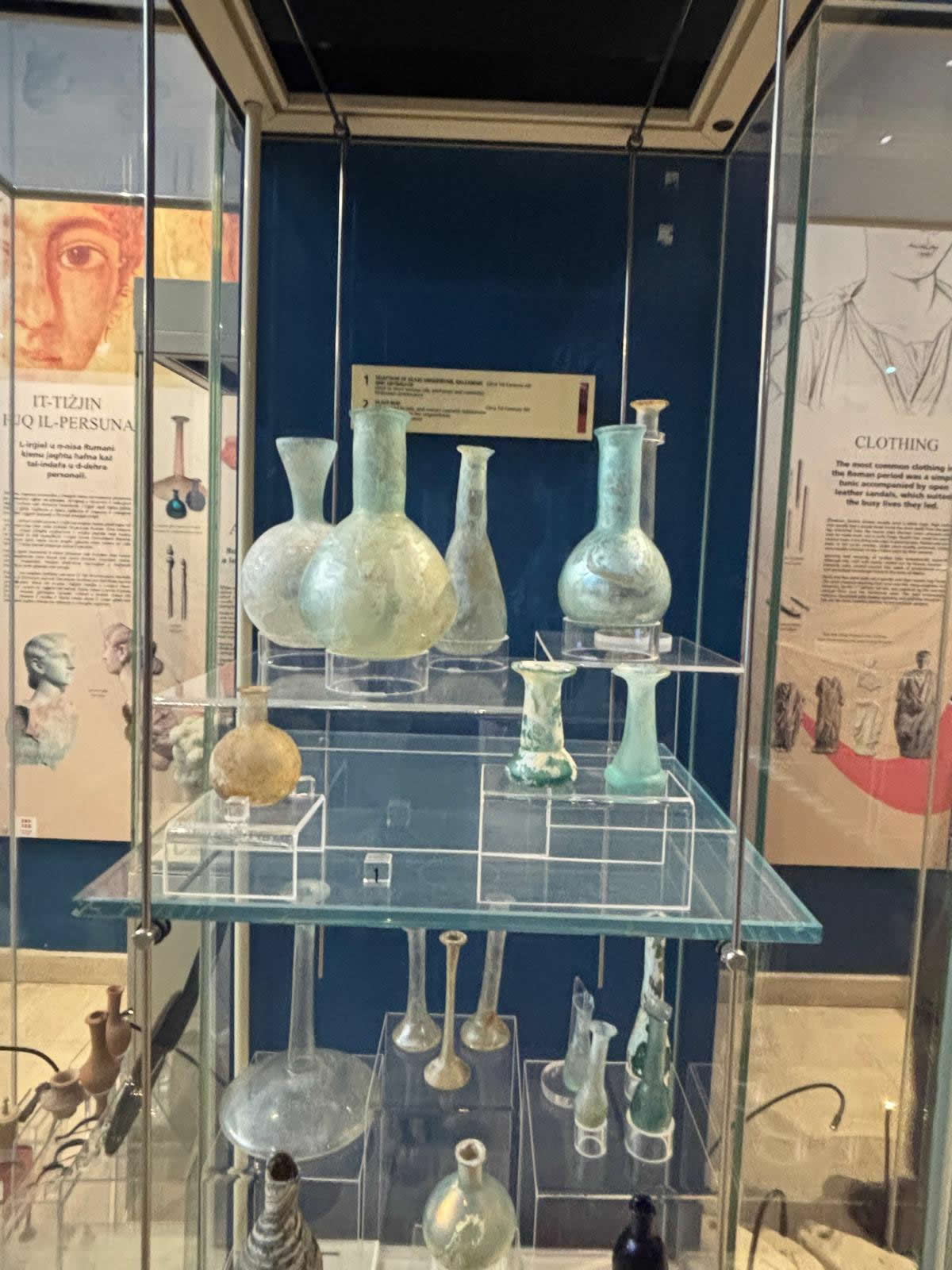
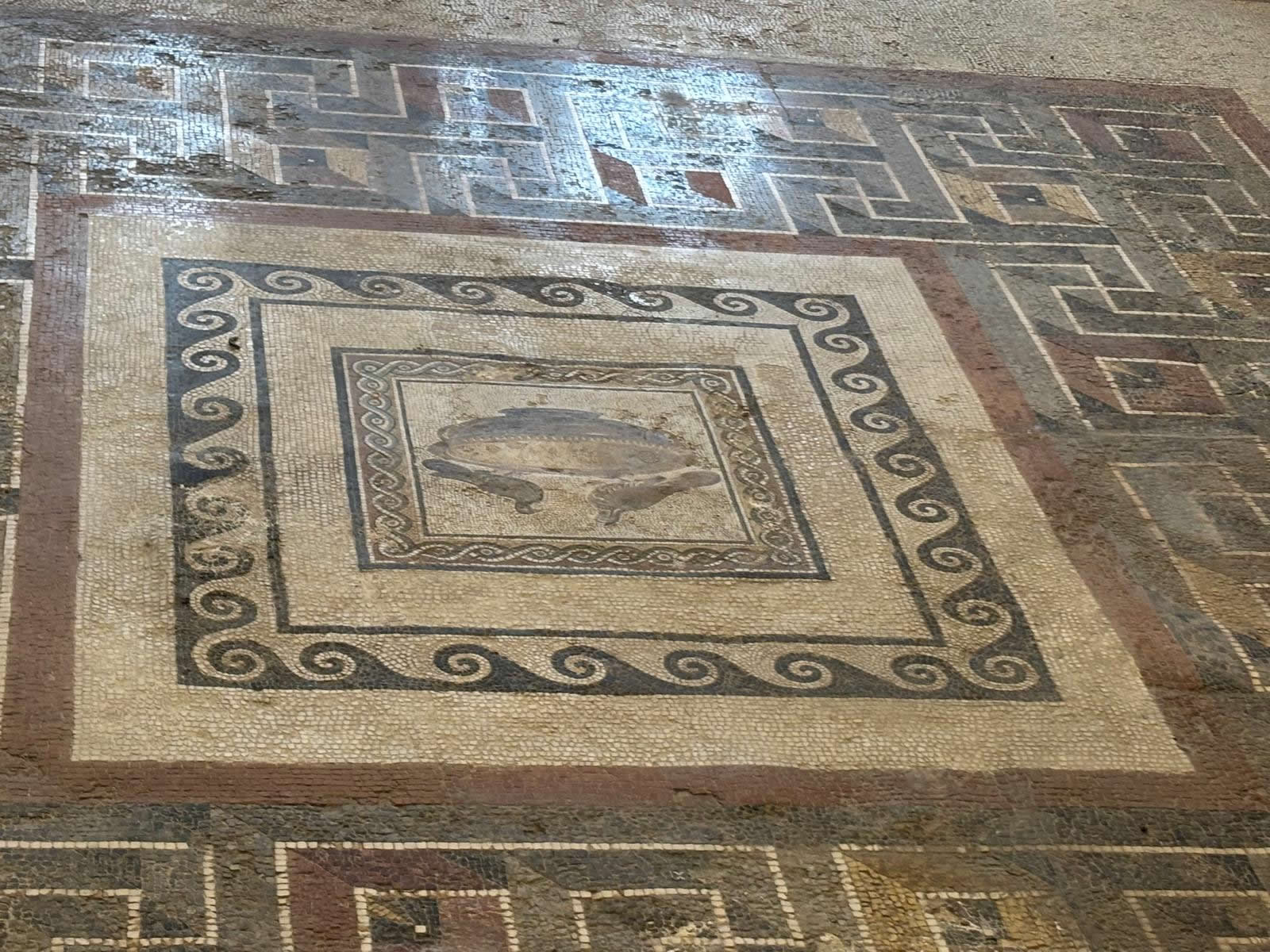
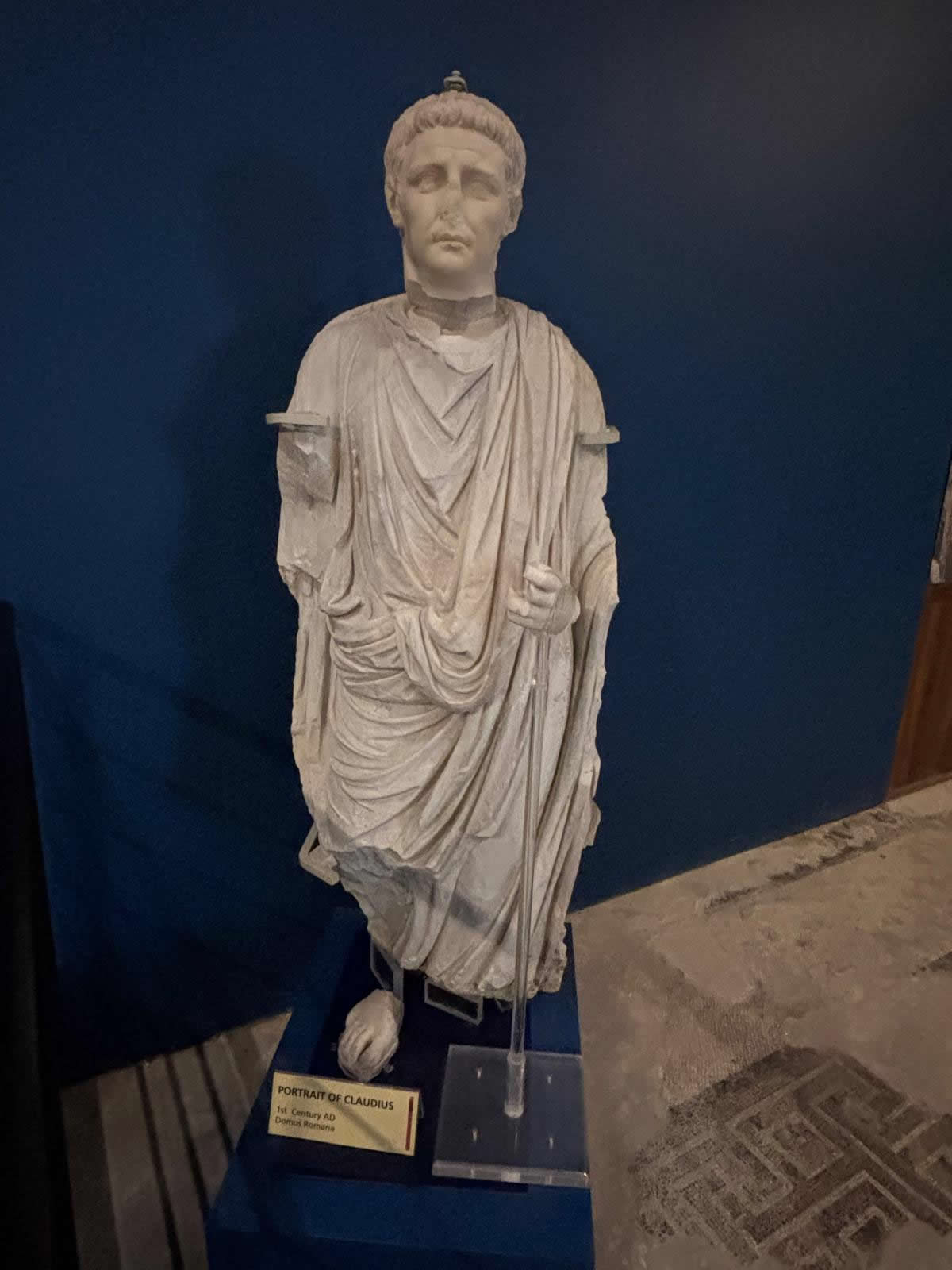
In addition to the mosaics, the site has yielded a number of important artefacts, including marble statues, architectural fragments, and domestic objects. These finds provide further evidence of the wealth and status of the house’s occupants.
The presence of imported materials such as marble highlights the economic connections between Malta and the broader Roman world, as well as the ability of elite residents to access luxury goods.
Use and Transformation Over Time
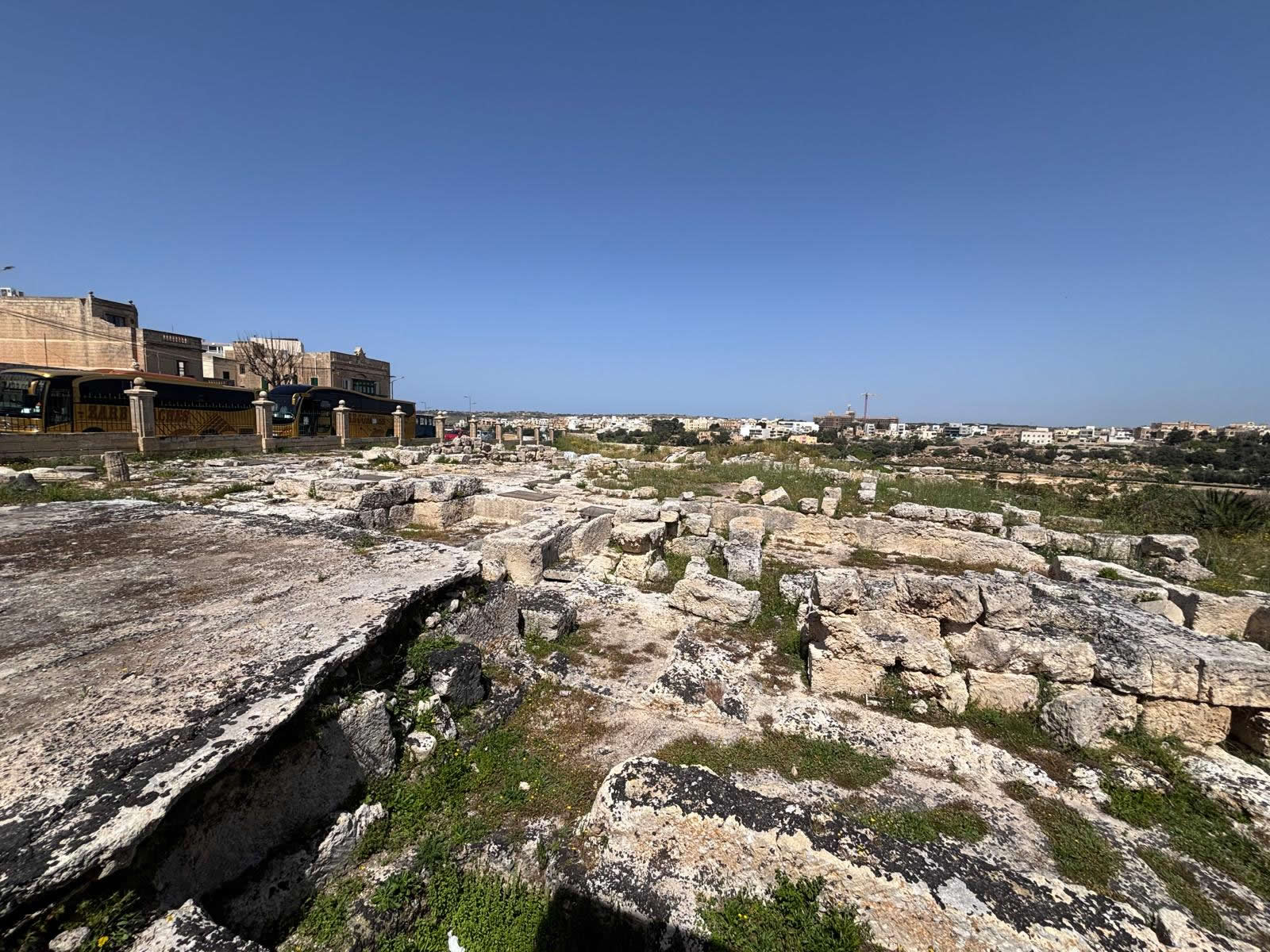
Following the decline of Roman rule in Malta, the domus gradually fell into disuse. Over time, the structure was abandoned and eventually buried beneath layers of soil and later development.
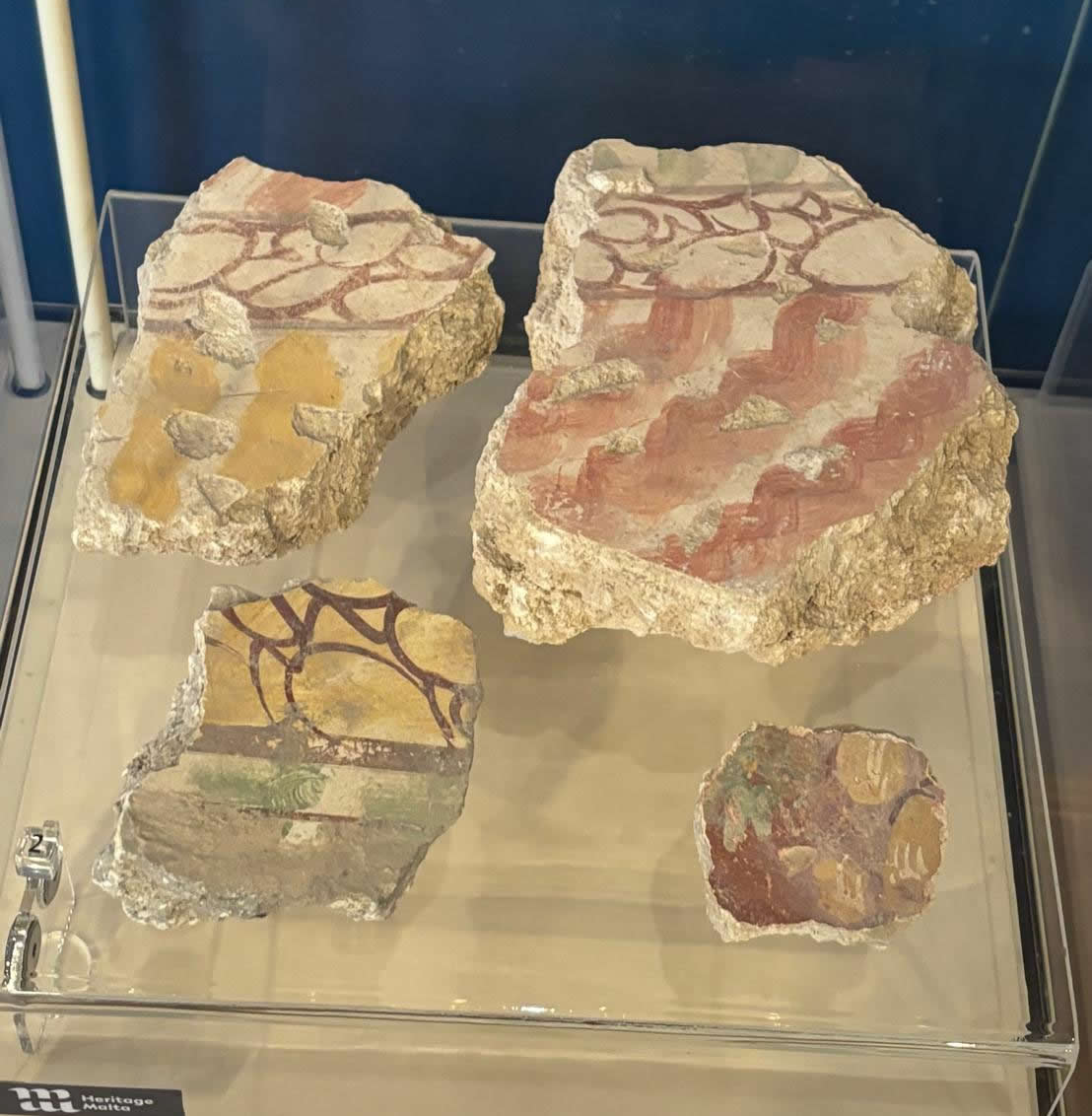
During the medieval period, the area was incorporated into the expanding settlement outside Mdina, obscuring the Roman remains until their rediscovery in the 19th century.
Architectural Significance
The Roman Domus is a key example of Roman domestic architecture adapted to a provincial context. While it follows the general principles of Roman house design, it also reflects local conditions and materials.
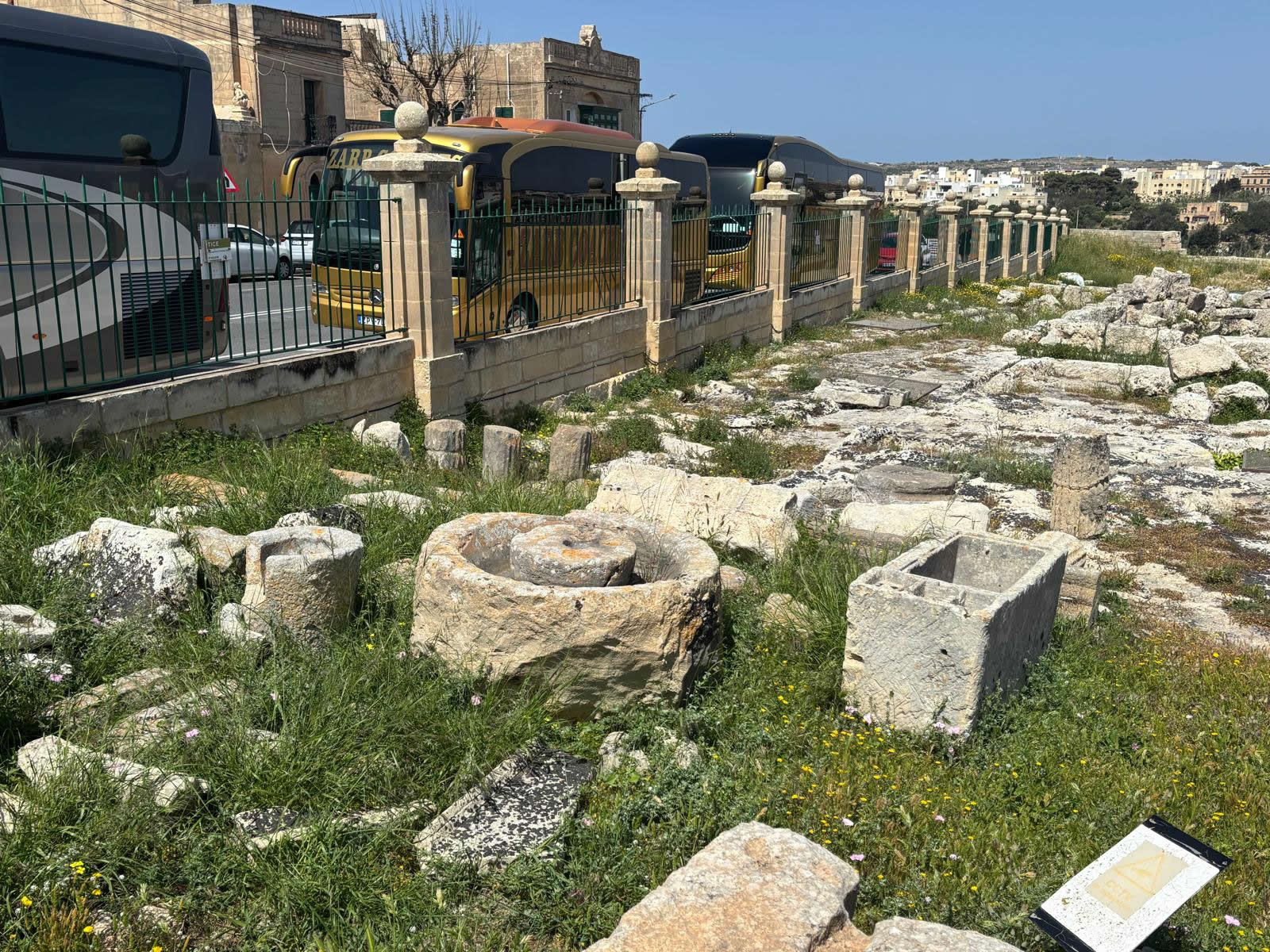
Its scale and decoration indicate that it belonged to a wealthy and influential family, making it an important case study for understanding social hierarchy in Roman Malta.
Relationship with Other Historic Sites
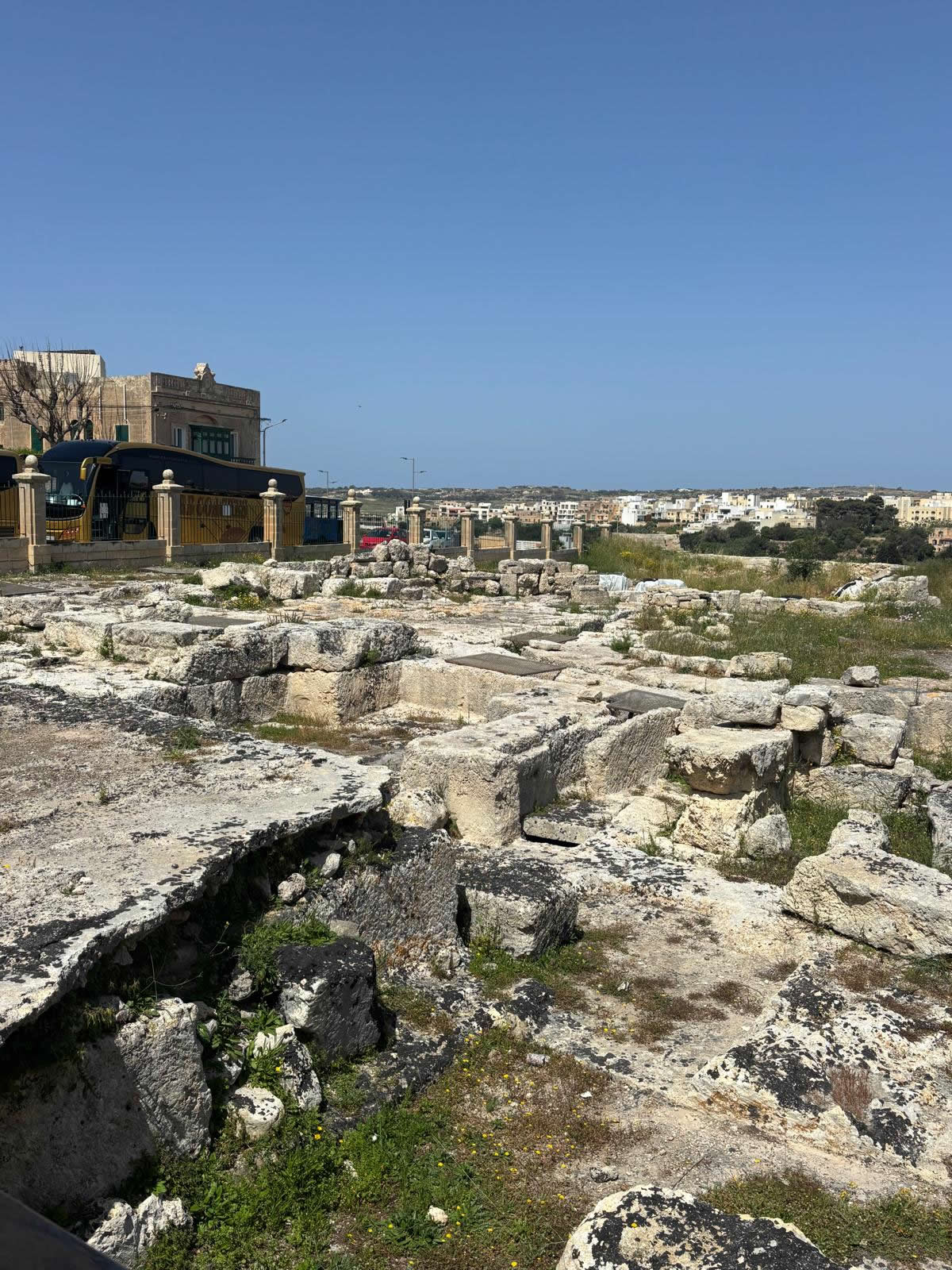
The Roman Domus forms part of a broader historical landscape that includes Mdina, the catacombs of Rabat, and other archaeological remains. Together, these sites illustrate the continuity of settlement in this area from antiquity through the medieval period and into modern times.
It complements other major Maltese heritage sites, such as prehistoric temples and medieval palaces, providing a crucial link in the chronological narrative of the islands.
Modern Museum and Visitor Experience
Today, the Roman Domus is managed as a museum, allowing visitors to view the mosaics and artefacts in their original context. The site is partially sheltered to protect the remains while still enabling clear visibility.
Interpretive displays provide information about the history and significance of the site, making it accessible to both casual visitors and those with a deeper interest in archaeology.
Importance in Maltese Heritage
The Roman Domus is one of the most important Roman sites in Malta and plays a central role in understanding the island’s ancient past. Its preservation and presentation have contributed significantly to public awareness of Malta’s archaeological heritage.
As a rare example of a high-status Roman residence, it offers invaluable insights into architecture, art, and daily life during this period.
Conclusion
The Roman Domus in Rabat stands as a testament to Malta’s integration into the Roman world and the prosperity of its elite inhabitants. With its exceptional mosaics, architectural remains, and rich historical context, it remains one of the most compelling heritage sites on the island.
For visitors and researchers alike, the domus provides a unique opportunity to step back into the Roman era and experience the sophistication of ancient domestic life in Malta.
Frequently Asked Questions
When was the Roman Domus built?
It dates to the late 1st century BC during the Roman period in Malta.
Where is the Roman Domus located?
It is located in Rabat, just outside Mdina, Malta.
What is the Roman Domus famous for?
It is renowned for its exceptionally well-preserved Roman mosaics.
Can visitors enter the site?
Yes, it is open to the public as a museum.