📍 Location
Location Map Coordinates 35.874977, 14.533849
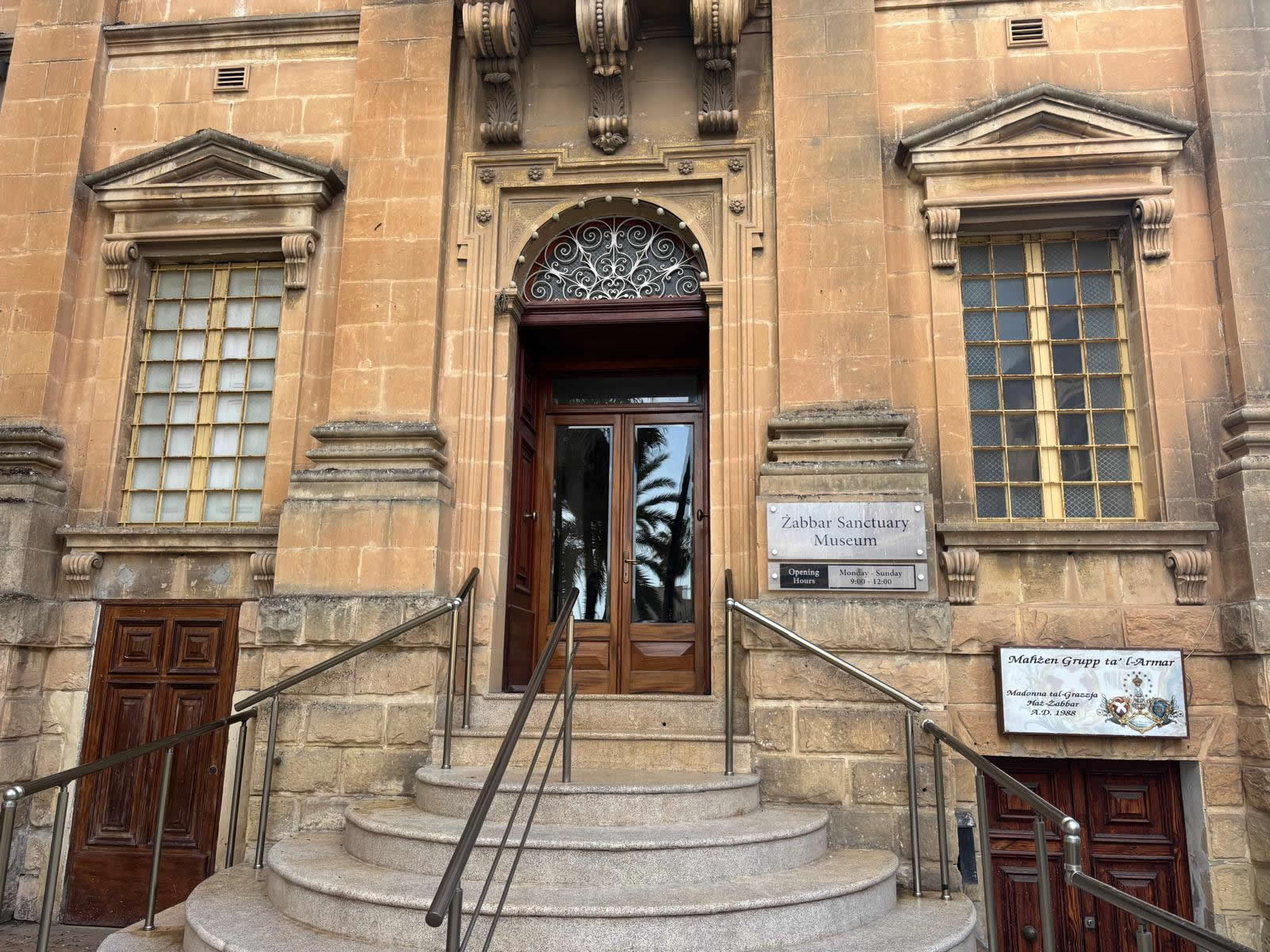
The Żabbar Sanctuary Museum is one of Malta’s most fascinating yet often overlooked cultural institutions. Located adjacent to the Sanctuary of Our Lady of Graces in Żabbar, this museum preserves centuries of devotion, maritime history, and artistic heritage. It stands out as Malta’s first purpose-built parish museum, inaugurated in 1954 through the vision of Monsignor Giuseppe Zarb.
Location and Setting
The museum is situated in the historic core of Żabbar, directly beside the Sanctuary of Our Lady of Graces, one of the most important Marian pilgrimage sites in Malta.
Coordinates: 35.874977, 14.533849
Foundation and Historical Development
The origins of the Żabbar Sanctuary Museum lie in the efforts of Monsignor Giuseppe Zarb, who became parish priest of Żabbar in 1943. Recognising the historical and devotional value of the numerous objects held within the sanctuary, Zarb initiated a project to catalogue and preserve these artefacts.
Plans for the museum were drawn up in 1952, and construction began shortly afterwards. The first stone was laid the same year, marking the beginning of a pioneering project in Maltese museology.
The museum was officially inaugurated on 5 September 1954, fulfilling Zarb’s vision of creating a dedicated space to safeguard the heritage of the sanctuary and its devotees.
At the time, the concept of a purpose-built parish museum was revolutionary in Malta, where most collections were housed in adapted historic buildings.
Architecture and Building
The museum is housed in a purpose-built structure designed in a post-war Baroque style, reflecting the architectural language of the adjacent sanctuary. Its construction within the historic core initially sparked controversy due to its modern interpretation of traditional forms, but it was ultimately approved.
Today, the museum comprises multiple levels, including two main exhibition floors and additional display areas, allowing for a comprehensive presentation of its extensive collection.
Numismatic Collection:
Coins of the Grand Masters of the Order of St John
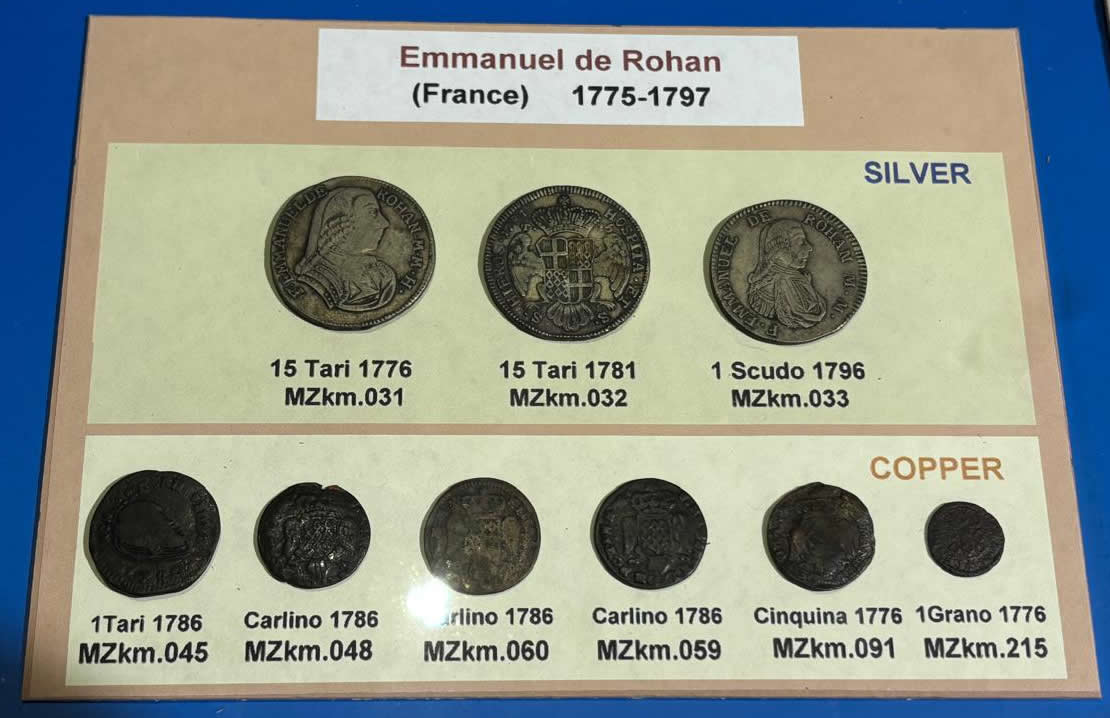
Among the most historically significant artefacts preserved within the Żabbar Sanctuary Museum is its collection of coins issued during the rule of the Grand Masters of the Order of St John. This numismatic collection provides a tangible link to Malta’s period under Hospitaller rule (1530–1798), when the Order exercised sovereign authority over the Maltese Islands.
The museum holds several sets of coins representing different Grand Masters, offering insight into the economic, political and artistic developments of the time. These coins were not merely instruments of commerce but also served as powerful symbols of authority, legitimacy and identity.

Historical Context of Coinage in Hospitaller Malta
Following their arrival in Malta in 1530, the Knights of the Order of St John established their own monetary system. Coins were minted locally and circulated widely across the islands, facilitating trade and daily life while reinforcing the sovereignty of the Order.
Each Grand Master issued coinage bearing his name, coat of arms and heraldic symbols, effectively acting as a form of political messaging. The inscriptions were typically in Latin, reflecting both the scholarly traditions of the Order and its European connections.

Design and Iconography
The coins within the Żabbar Sanctuary Museum display a rich variety of artistic and symbolic elements. Common features include:
- The coat of arms of the reigning Grand Master
- The eight-pointed Maltese cross, emblem of the Order
- Latin inscriptions identifying the Grand Master and his titles
- Religious imagery reflecting the Order’s Christian mission
The craftsmanship of these coins reflects the broader artistic traditions of the period, particularly the influence of Renaissance and Baroque styles.

Notable Grand Masters Represented
Although the exact range of coins may vary, collections of this type often include issues from prominent Grand Masters such as:
- Jean Parisot de Valette (Grand Master during the Great Siege of 1565)
- Alof de Wignacourt (early 17th century, known for major architectural works)
- Manuel Pinto da Fonseca (18th century, associated with economic expansion)
Each set reflects the historical circumstances of the respective Grand Master’s rule, including periods of conflict, prosperity or reform.

Materials and Denominations
The coins in the collection are typically struck in a range of metals, including copper, silver and occasionally gold. These correspond to different denominations used in everyday transactions, from low-value coins for local trade to higher-value pieces used in official or international contexts.
The variation in size, weight and metal content illustrates the complexity of the monetary system in Hospitaller Malta.

Archaeological and Devotional Significance
Many of the coins preserved in the museum were likely donated as part of votive offerings or collected over time due to their historical value. In some cases, coins were associated with acts of devotion, placed within the sanctuary as tokens of gratitude or protection.
Their presence within the museum therefore reflects not only economic history but also the devotional practices of the Maltese people.

Importance of the Collection
The numismatic collection of the Żabbar Sanctuary Museum provides valuable insight into Malta’s past under the Knights of St John. It illustrates how coinage functioned as both a practical necessity and a medium of artistic and political expression.
For historians and visitors alike, these coins offer a unique opportunity to explore the intersection of governance, economy and faith in early modern Malta.
Collections and Exhibits
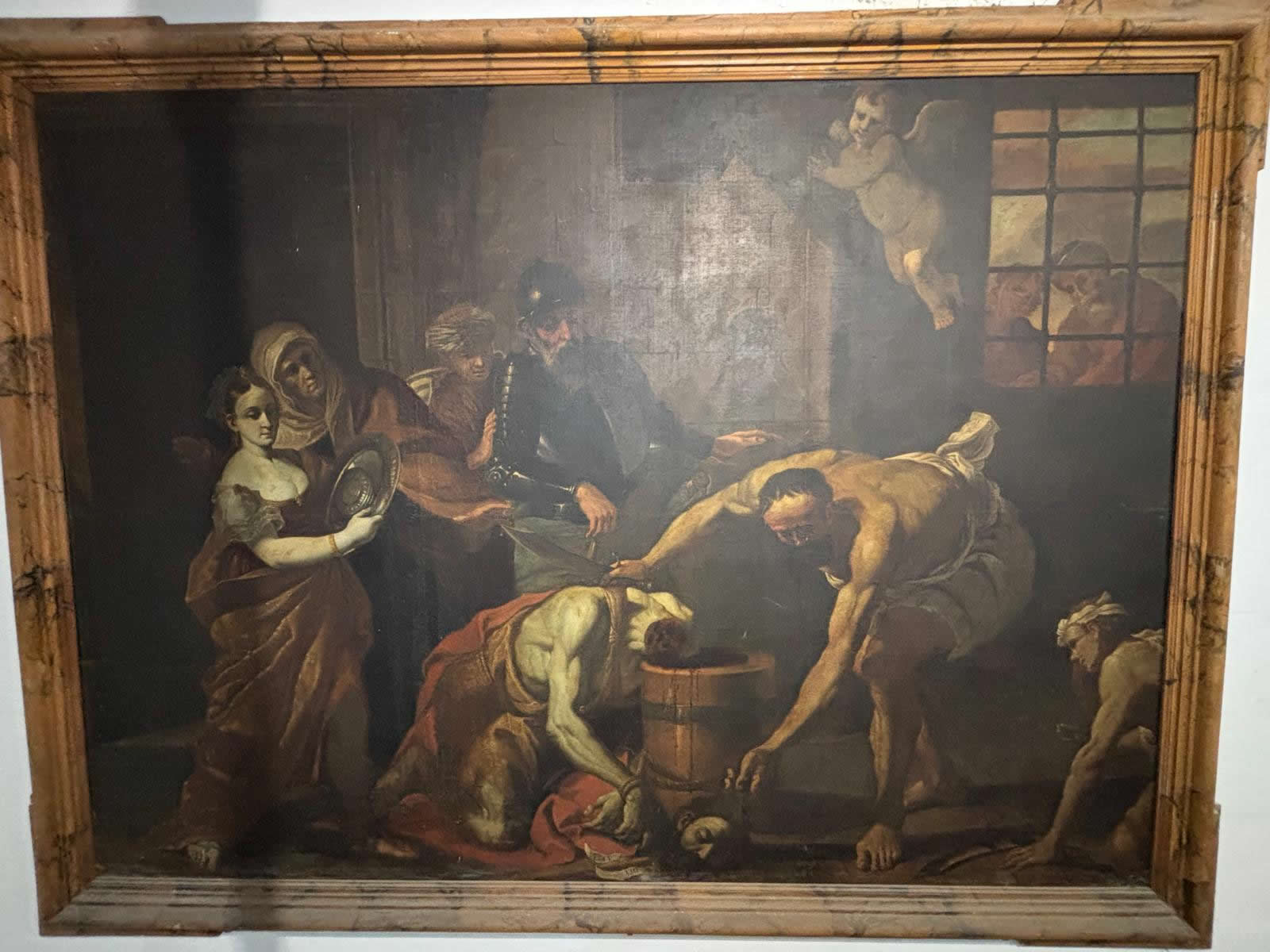
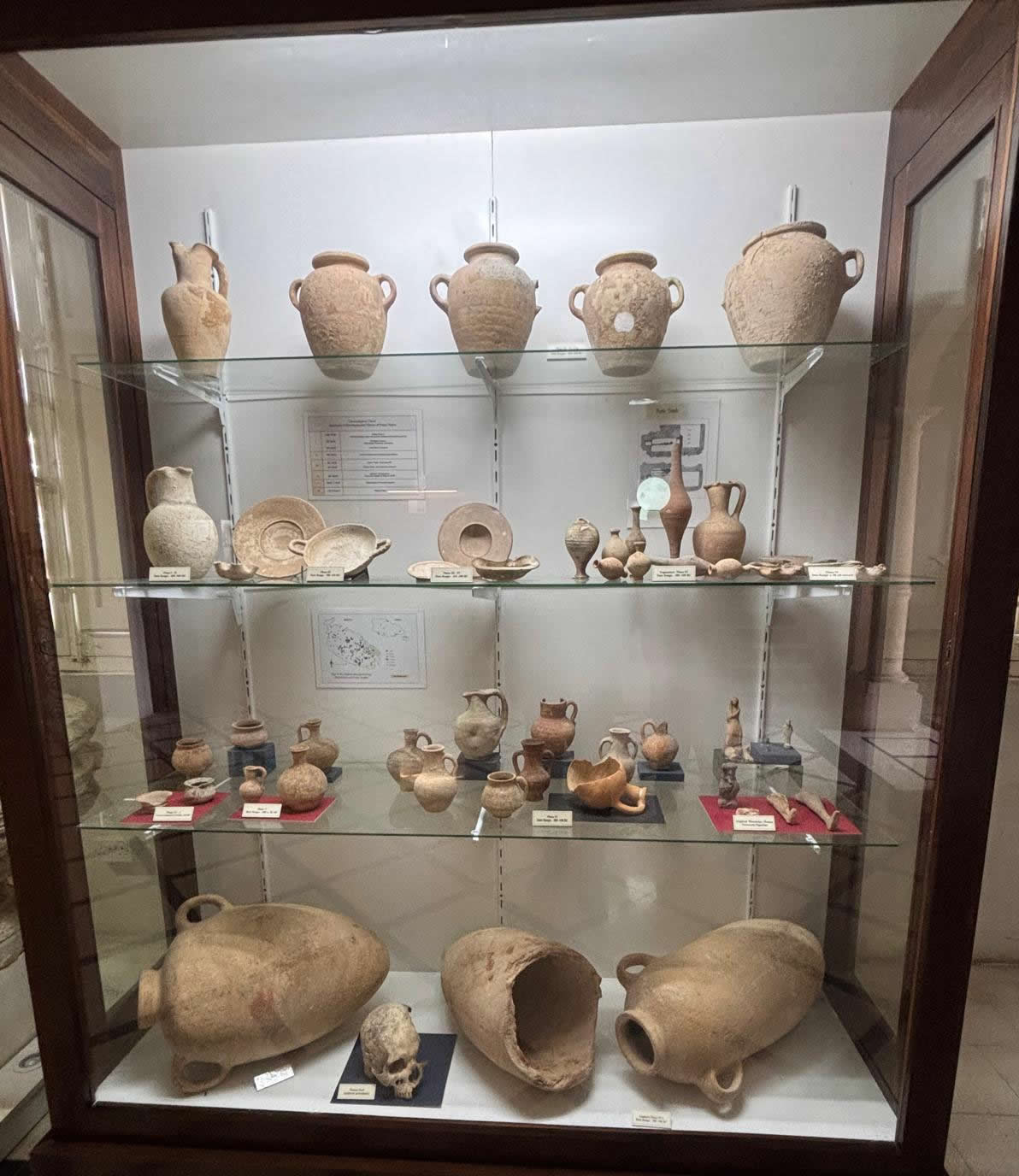
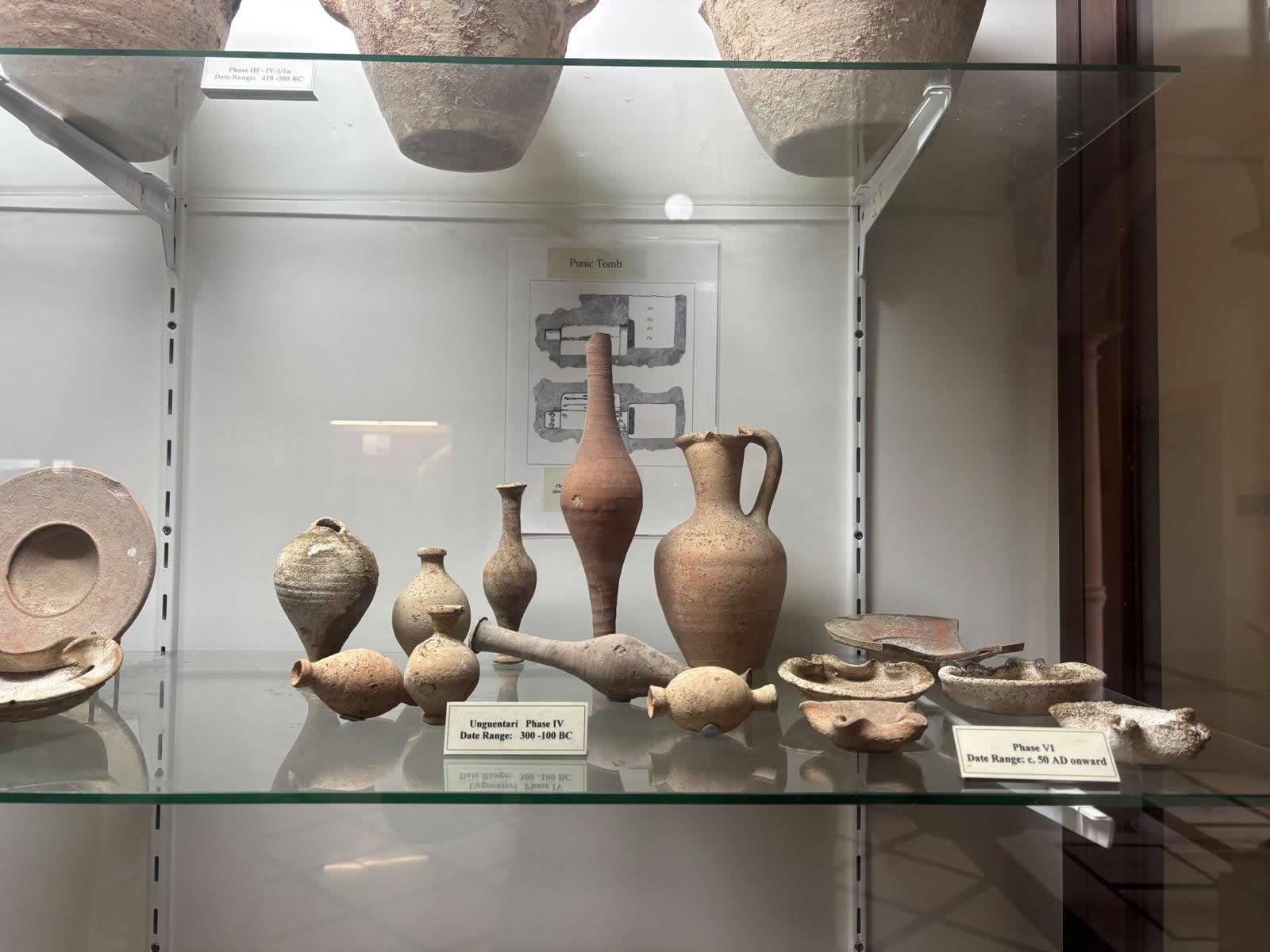
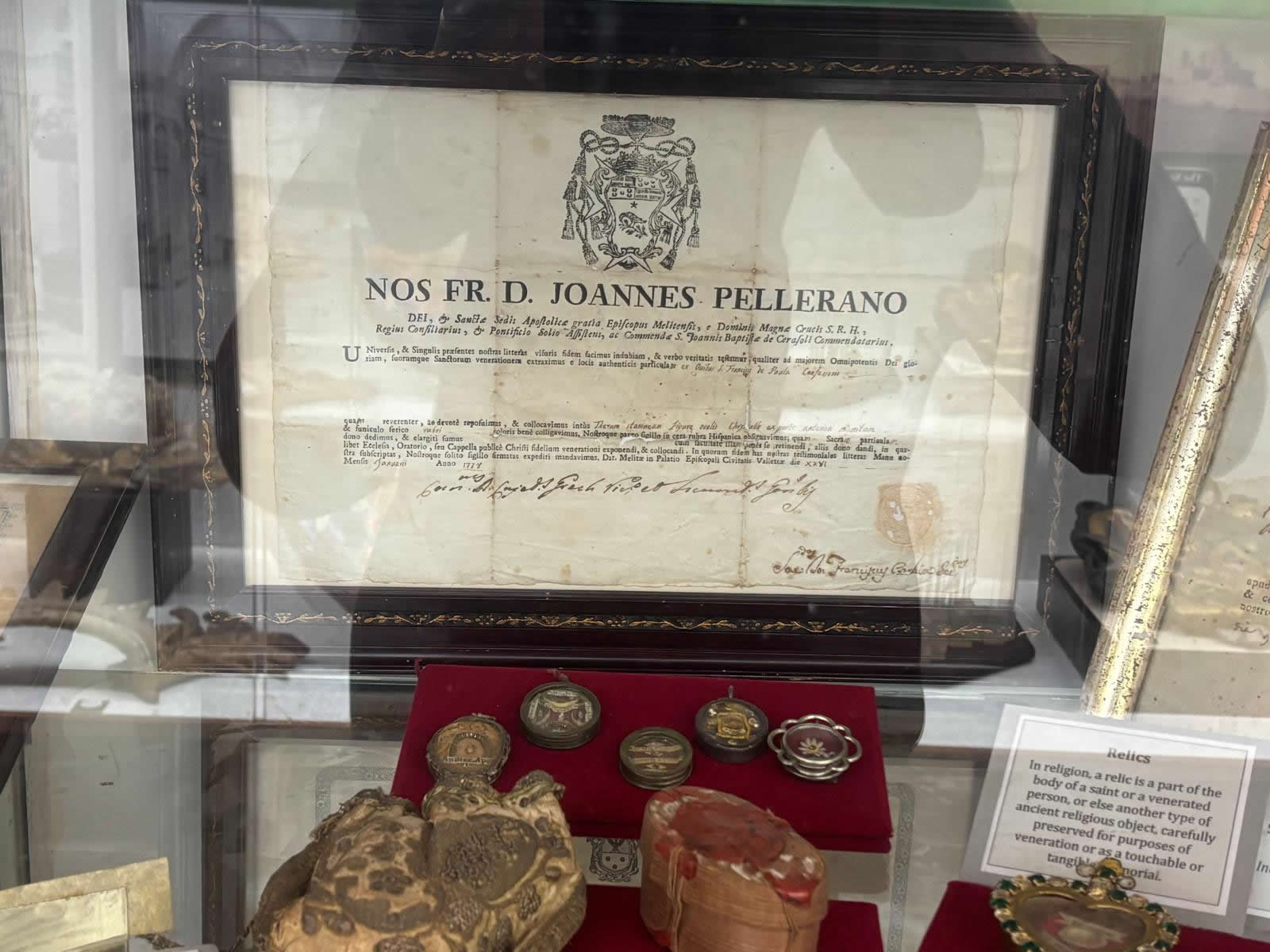
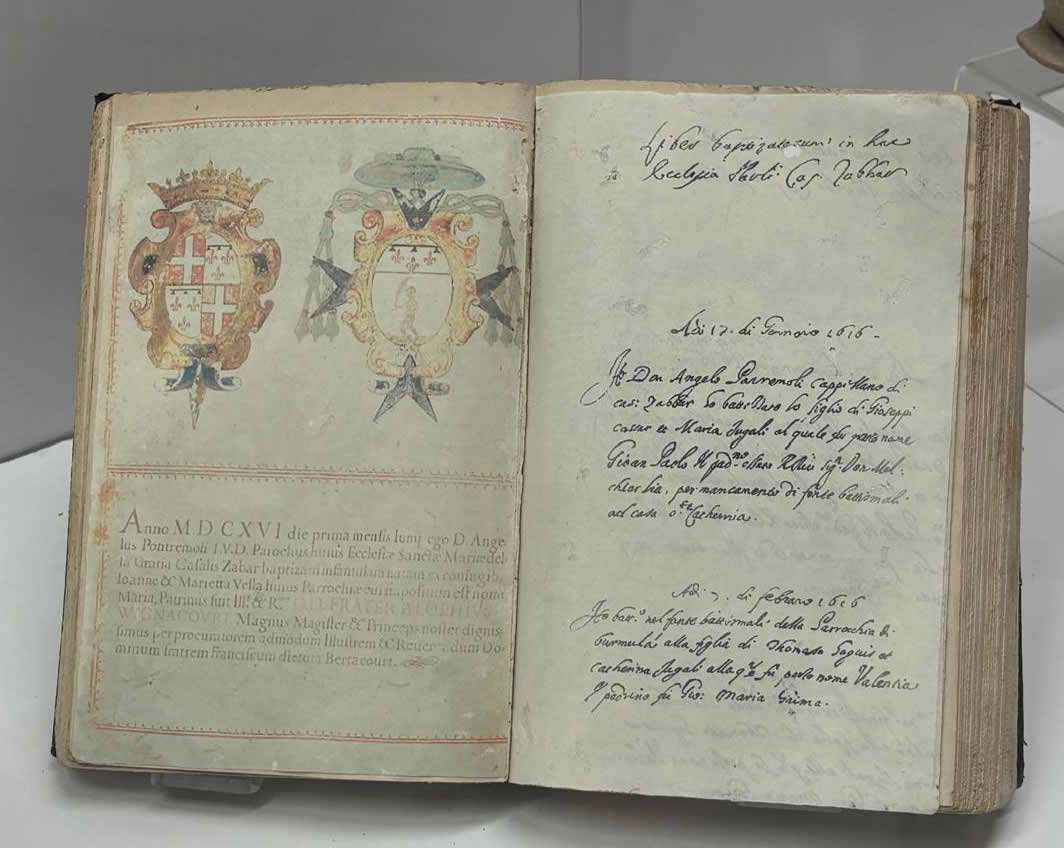
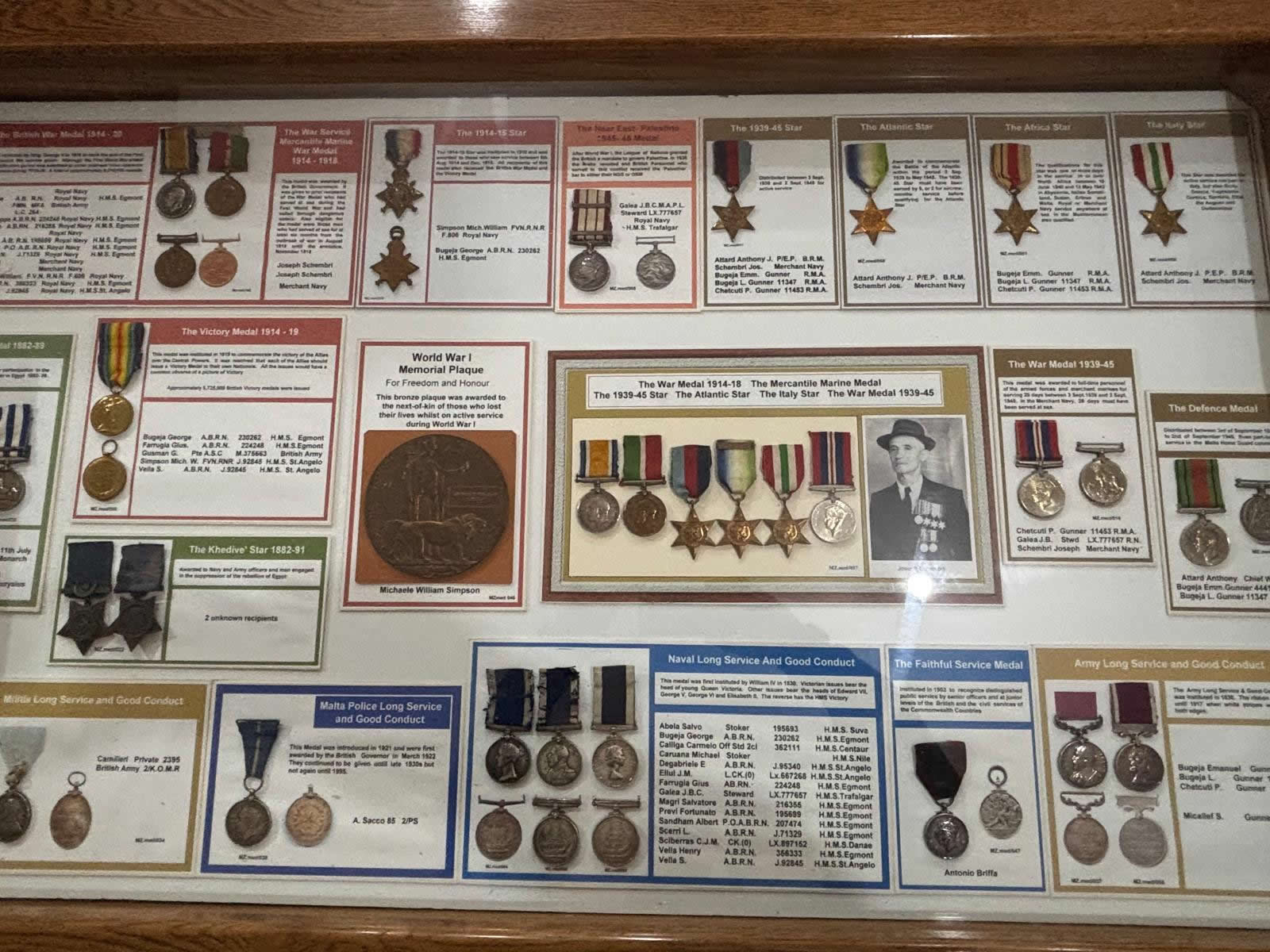
The Żabbar Sanctuary Museum houses a remarkable collection of artefacts spanning from prehistory to contemporary times. The majority of items are religious in nature, reflecting centuries of devotion to Our Lady of Graces, though many secular objects are also included.
Ex-Voto Paintings
The museum is particularly renowned for its collection of ex-voto paintings, many of which depict maritime scenes such as shipwrecks and rescues. These works were donated by sailors and devotees in gratitude for divine intervention.
This collection is among the largest of its kind in Malta and includes numerous examples associated with members of the Order of St John.
Maritime and Naval Artefacts
Closely linked to the ex-voto collection are maritime artefacts, including ship models, navigational items and relics connected with Malta’s naval history. Notable pieces include models of historic vessels and depictions of famous ships such as the carrack Santa Anna.

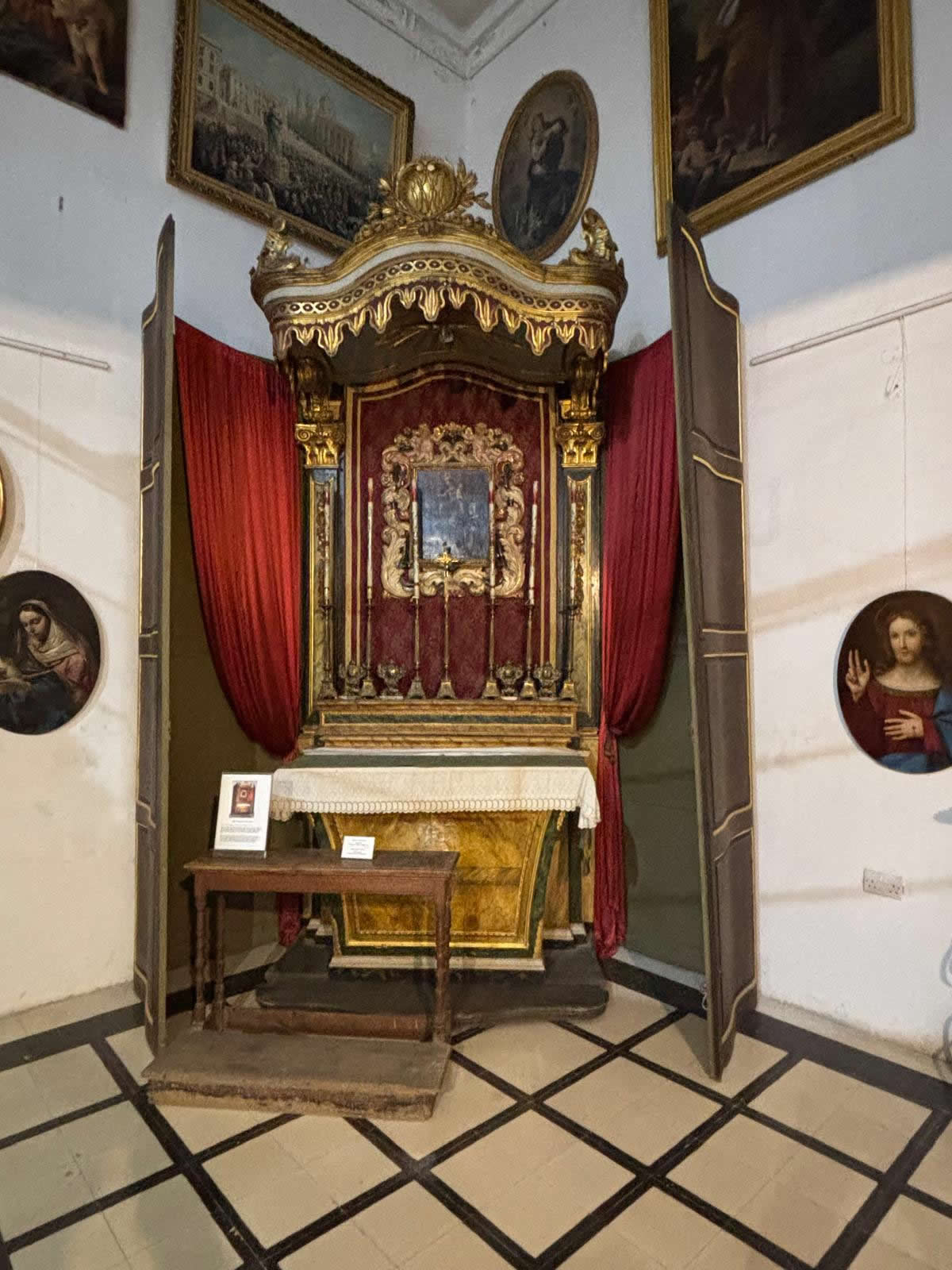
Religious Art and Sacred Objects
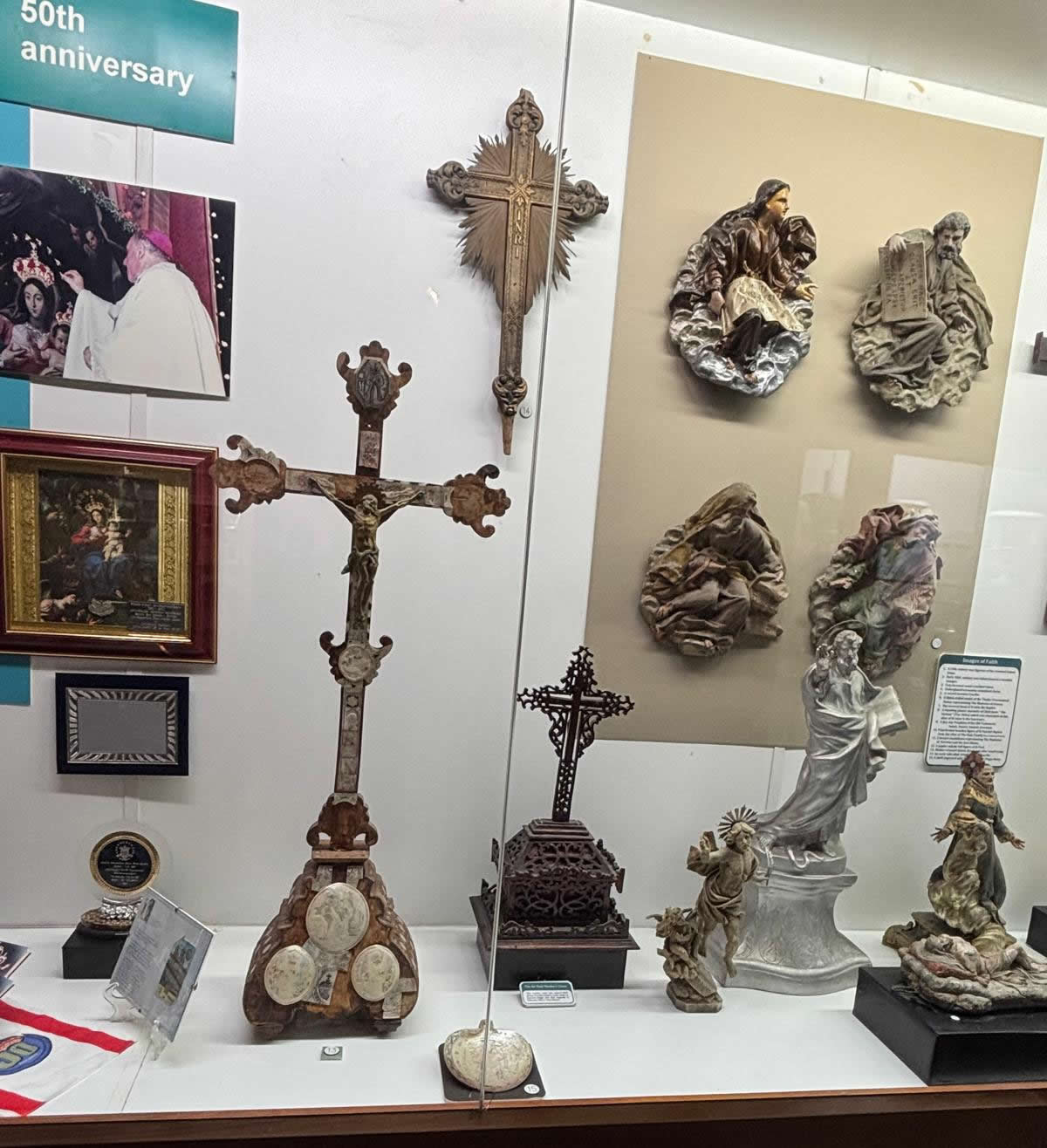
The museum also contains a wide range of religious artworks and liturgical objects, including:
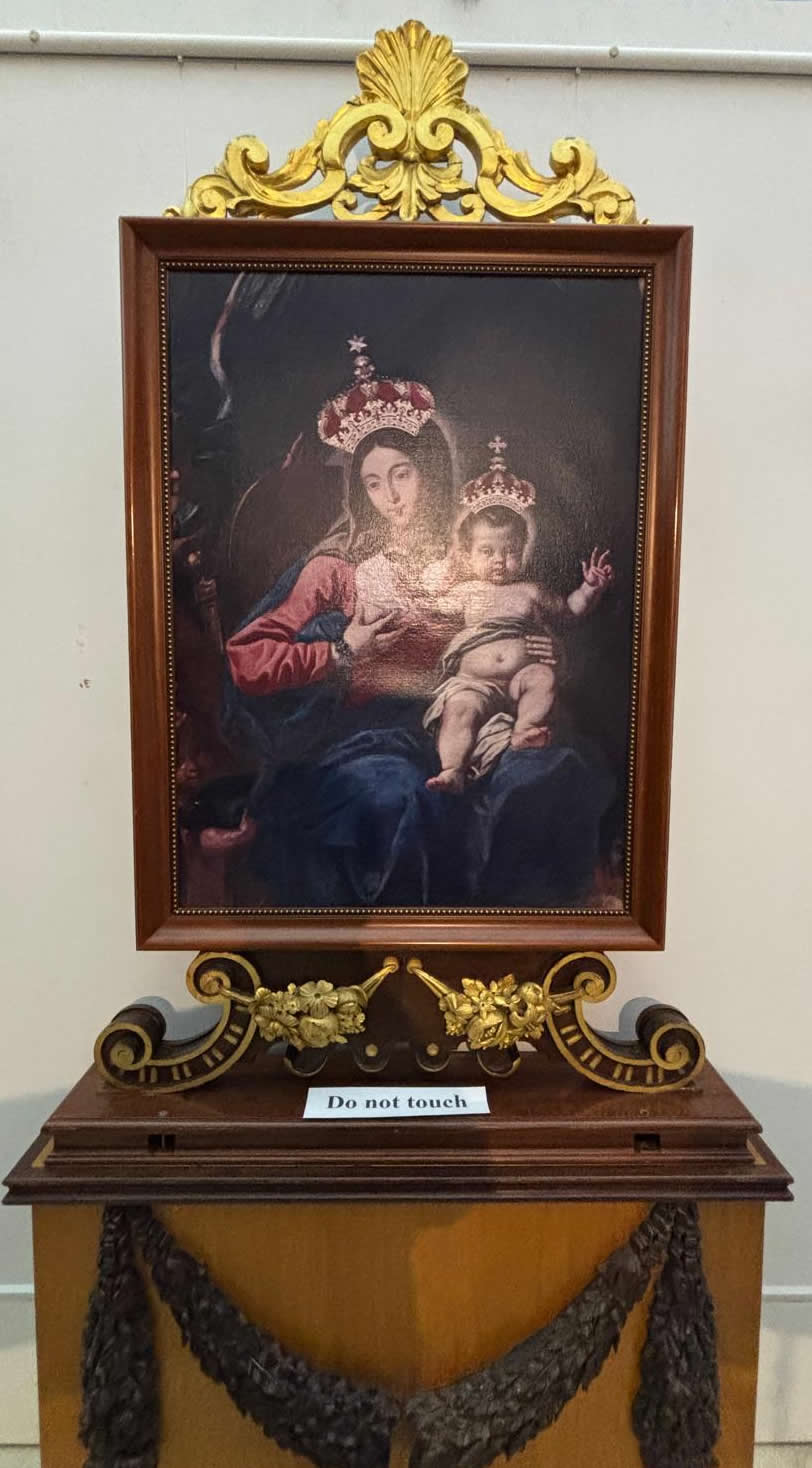
- Paintings by Maltese and European artists
- Church vestments and altar furnishings
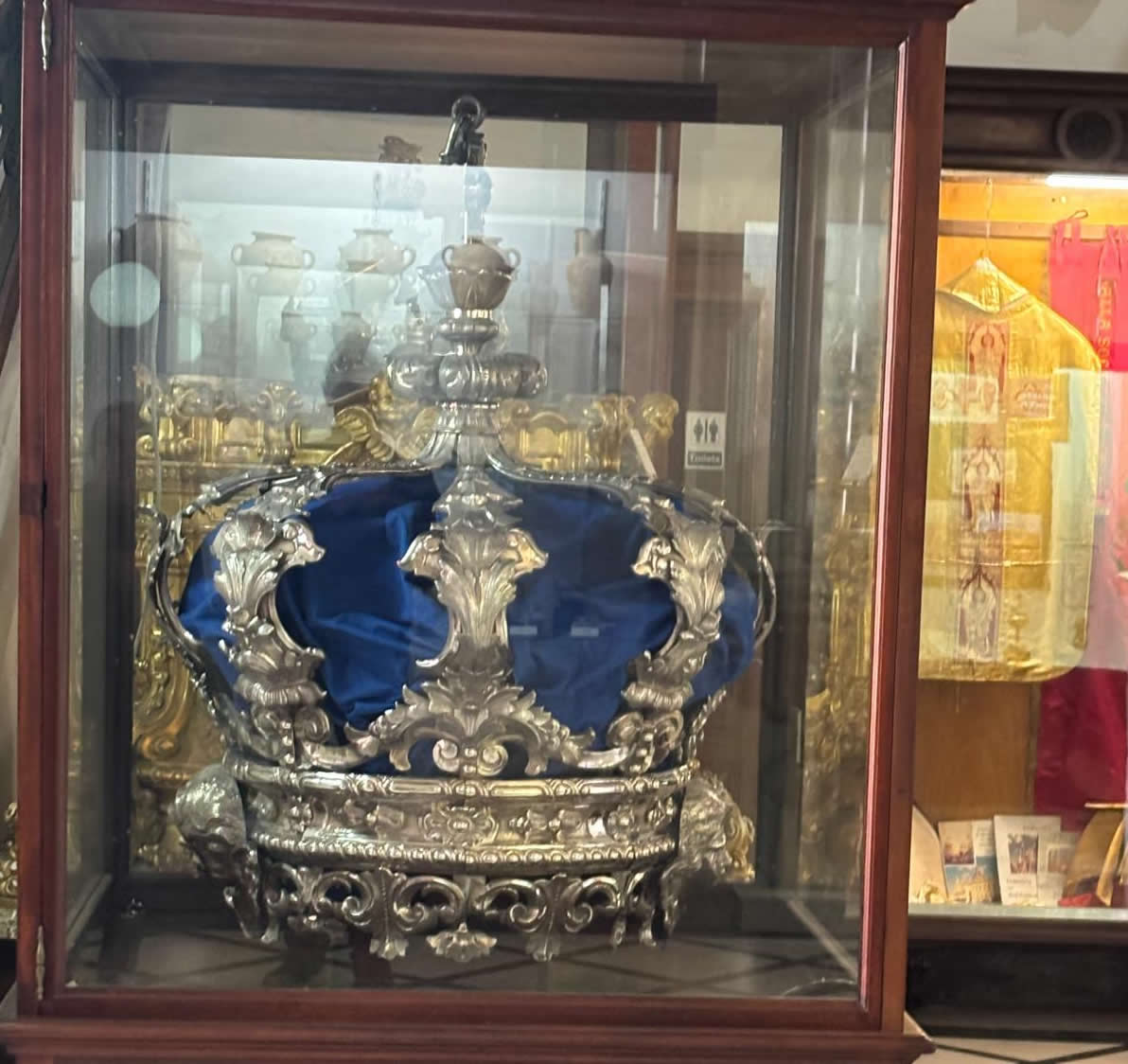
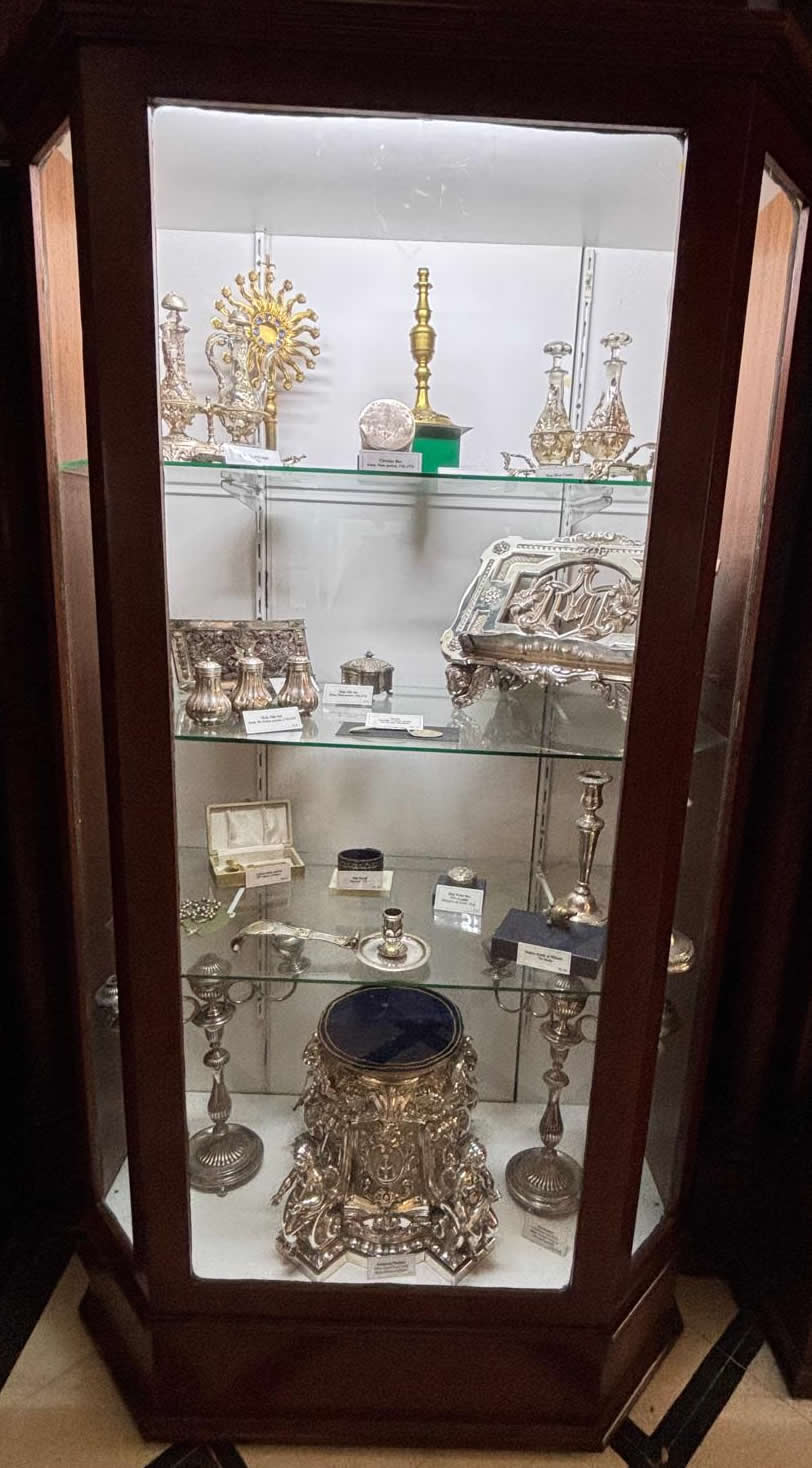
- Silver processional items and devotional objects
- A medieval fresco of Our Lady of Graces
These items illustrate the artistic and spiritual life of the sanctuary across centuries.

Unique Historical Objects
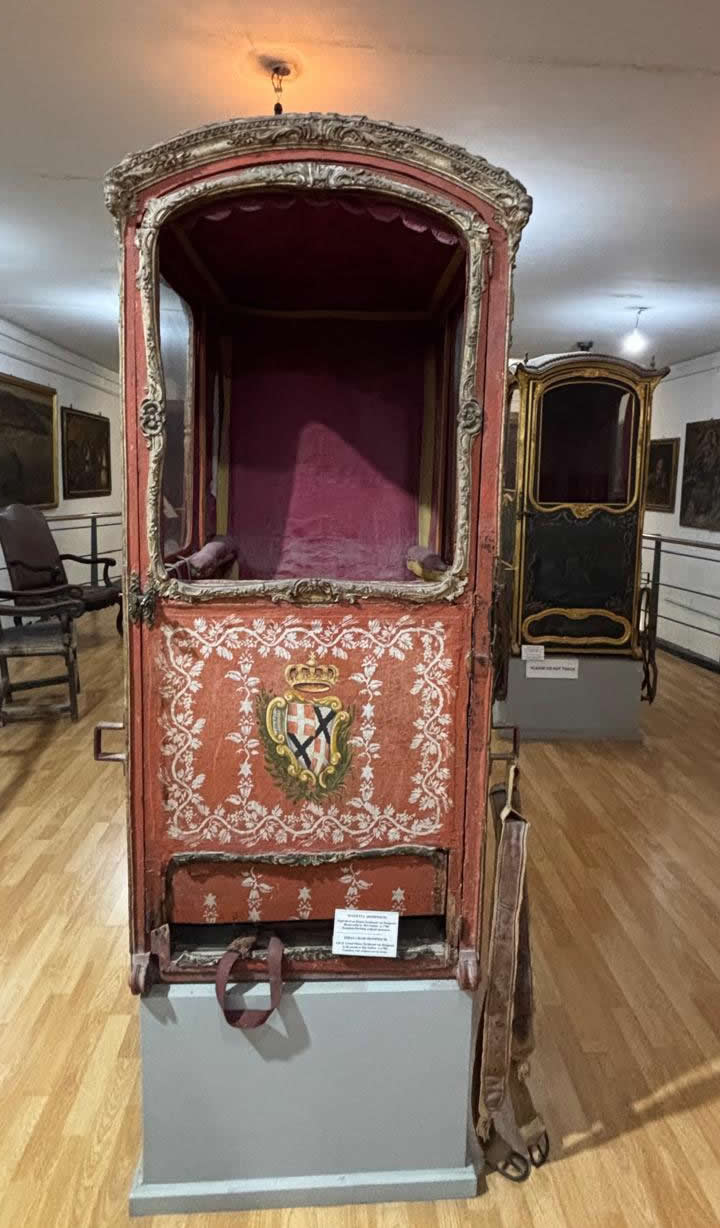
Among the museum’s most unusual exhibits are:
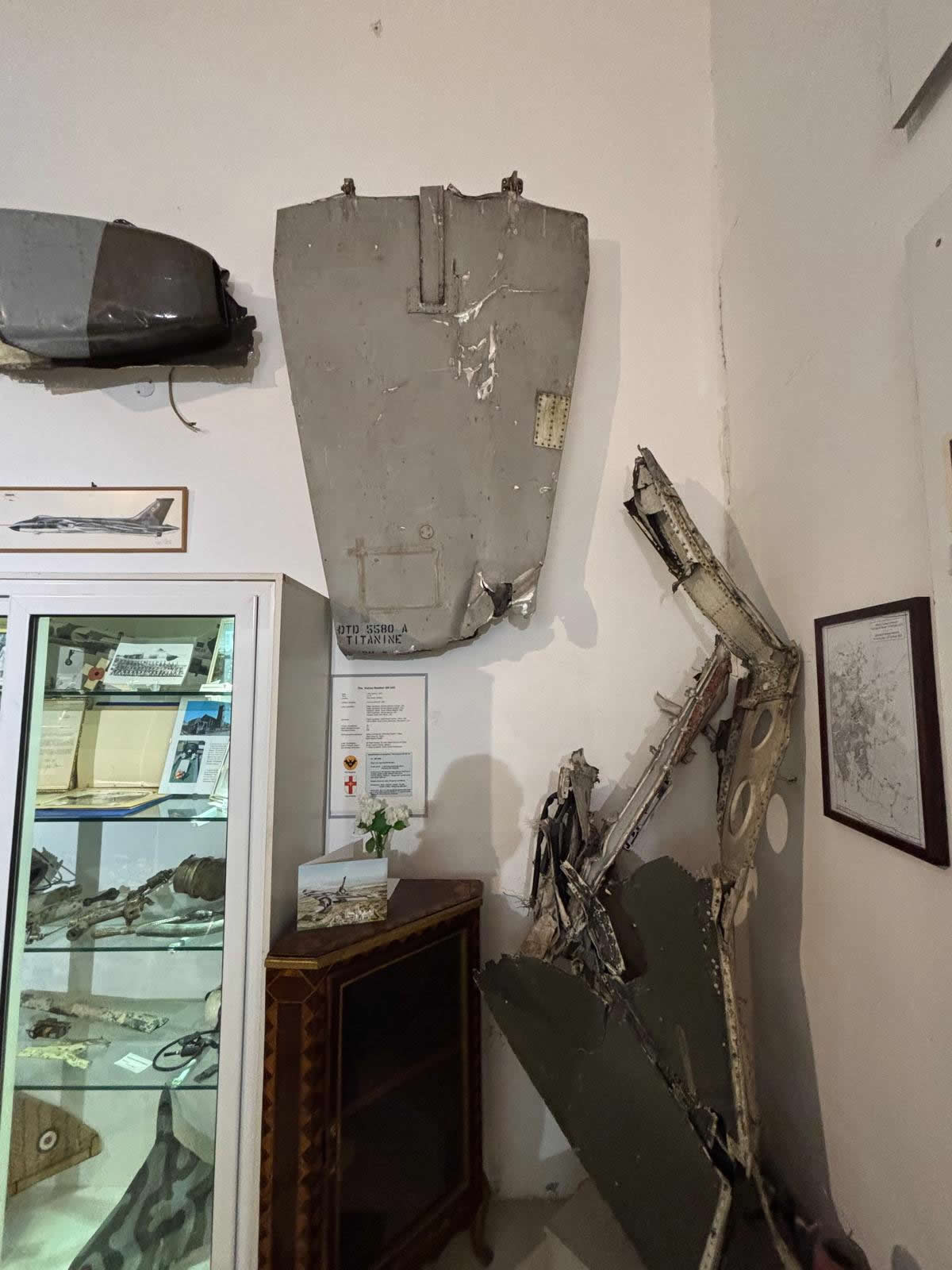
- A plague hearse used during the 1813 epidemic
- Sedan chairs associated with Grand Masters of the Order of St John
- Fragments from the RMS Alcantara
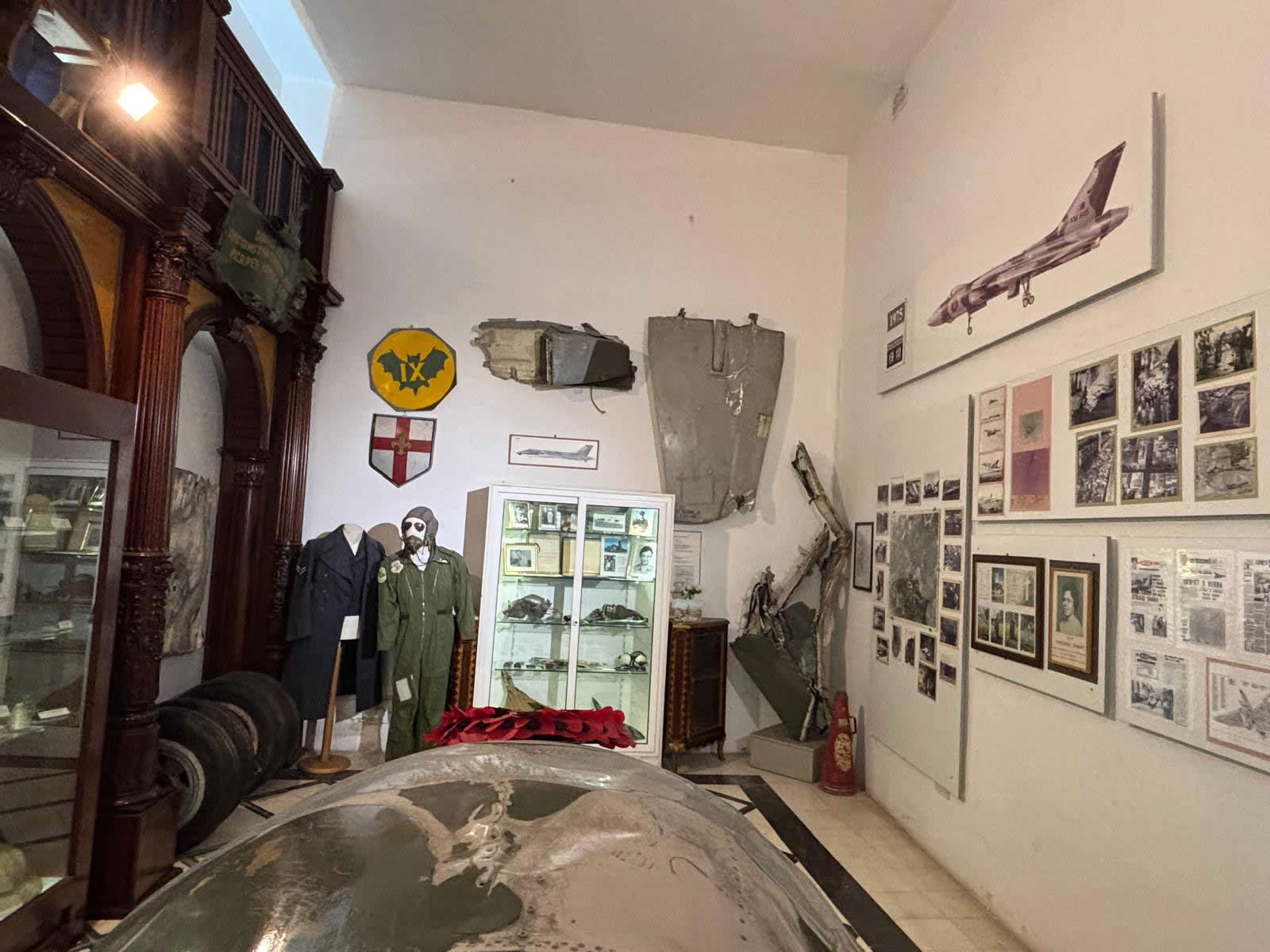
- Artefacts from the 1975 Żabbar Vulcan aircraft crash
These objects provide insight into Malta’s broader historical narrative, extending beyond purely religious themes.

The Role of the Museum
The Żabbar Sanctuary Museum serves both as a repository of heritage and as a centre for education and research. Managed by the parish and supported by volunteers, it continues to preserve artefacts that might otherwise have been lost.
Its collections reflect the lived experiences of generations of Maltese people, particularly their devotion to the Virgin Mary and their connection to the sea.
Restoration and Modern Development
In 2003, the museum underwent a major refurbishment under the direction of parish priest Fr Anton Cassar. This restoration modernised the display spaces and improved the preservation of artefacts, ensuring the museum’s continued relevance.

Following this renovation, the museum reopened with a reorganised layout, enhancing the visitor experience while maintaining its historical authenticity.

Visitor Experience
Visitors to the museum can explore a diverse range of exhibits within an intimate setting. The museum is typically open daily in the morning hours and is managed by volunteers who often provide additional insights into the collections.

The experience is often described as personal and immersive, offering a glimpse into the spiritual and cultural history of Żabbar and Malta as a whole.
Significance in Maltese Heritage
The Żabbar Sanctuary Museum holds a unique place in Malta’s cultural landscape. As the first purpose-built parish museum on the islands, it represents a significant development in the preservation of local heritage.
Its extensive collection of ex-voto paintings, maritime artefacts and religious objects provides valuable insight into Malta’s identity as a maritime and deeply religious society.
Visiting Information
- Location: Żabbar, Malta
- Coordinates: 35.874977, 14.533849
- Founded: 5 September 1954
- Founder: Monsignor Giuseppe Zarb
Conclusion
The Żabbar Sanctuary Museum is a remarkable testament to Malta’s religious devotion and maritime heritage. Through the vision of Monsignor Giuseppe Zarb, it has preserved an extraordinary collection that continues to inspire visitors today.
As both a museum and a cultural archive, it remains an essential destination for anyone seeking to understand the historical and spiritual identity of Malta.