📍 Location
Location Map Coordinates 35.956036, 14.349896
An enigmatic 18th-century structure blending Maltese rural heritage with folklore and mystery

Introduction
Ir-Razzett tax-Xitan, widely known as the Devil’s Farmhouse, is one of the most intriguing historic buildings in Mellieħa, Malta. Located at coordinates 35.884905, 14.403591, this isolated rural structure has captured the imagination of locals and visitors alike due to its unusual architecture and the legends associated with it.
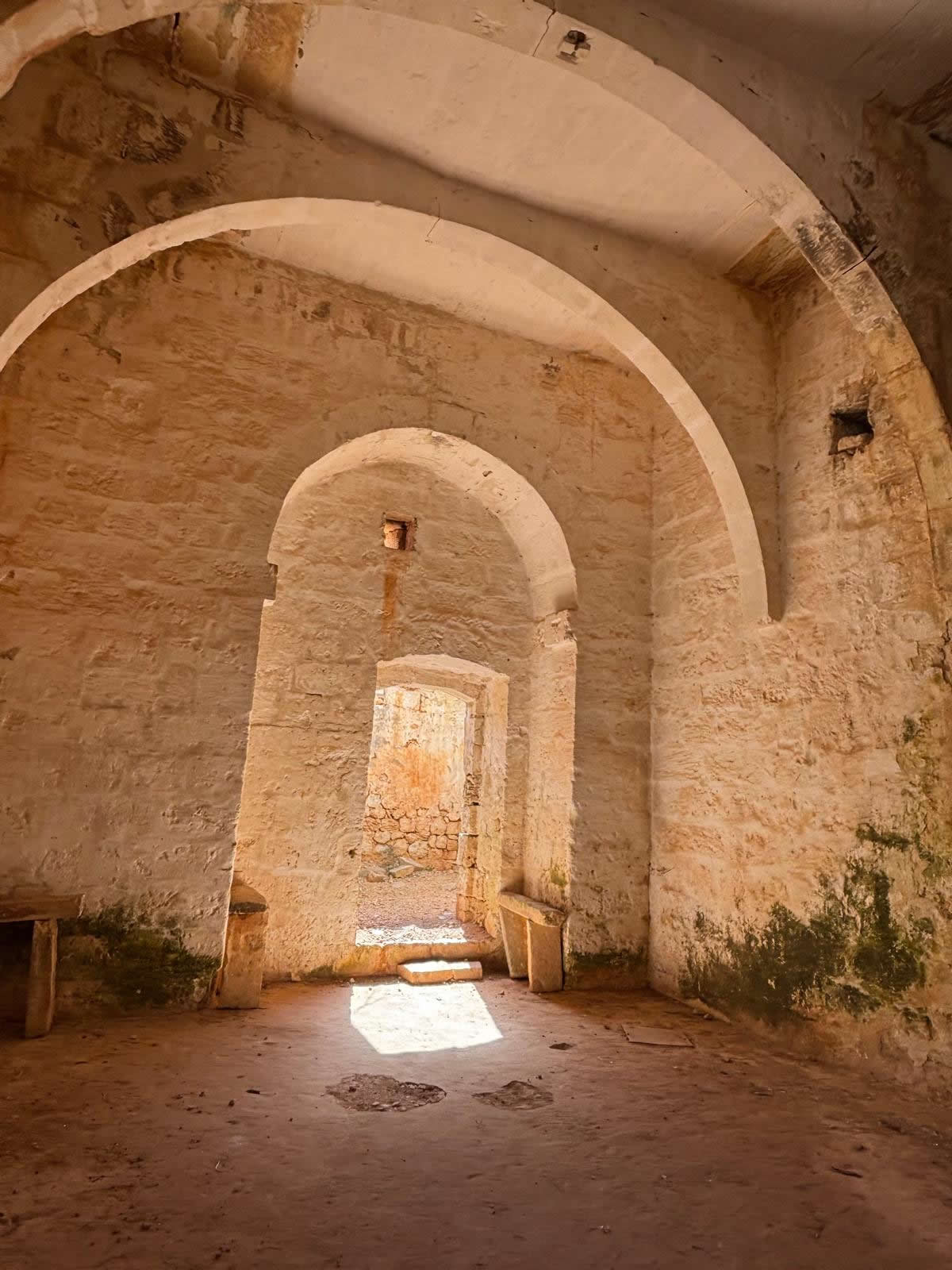
Dating back to the 18th century during the rule of the Order of Saint John, the building is a rare example of rural infrastructure linked to military and agricultural use rather than traditional domestic habitation.
What makes this site unique is not just its architecture, but the enduring folklore that gave rise to its name—the Devil’s Farmhouse.
Historical Background
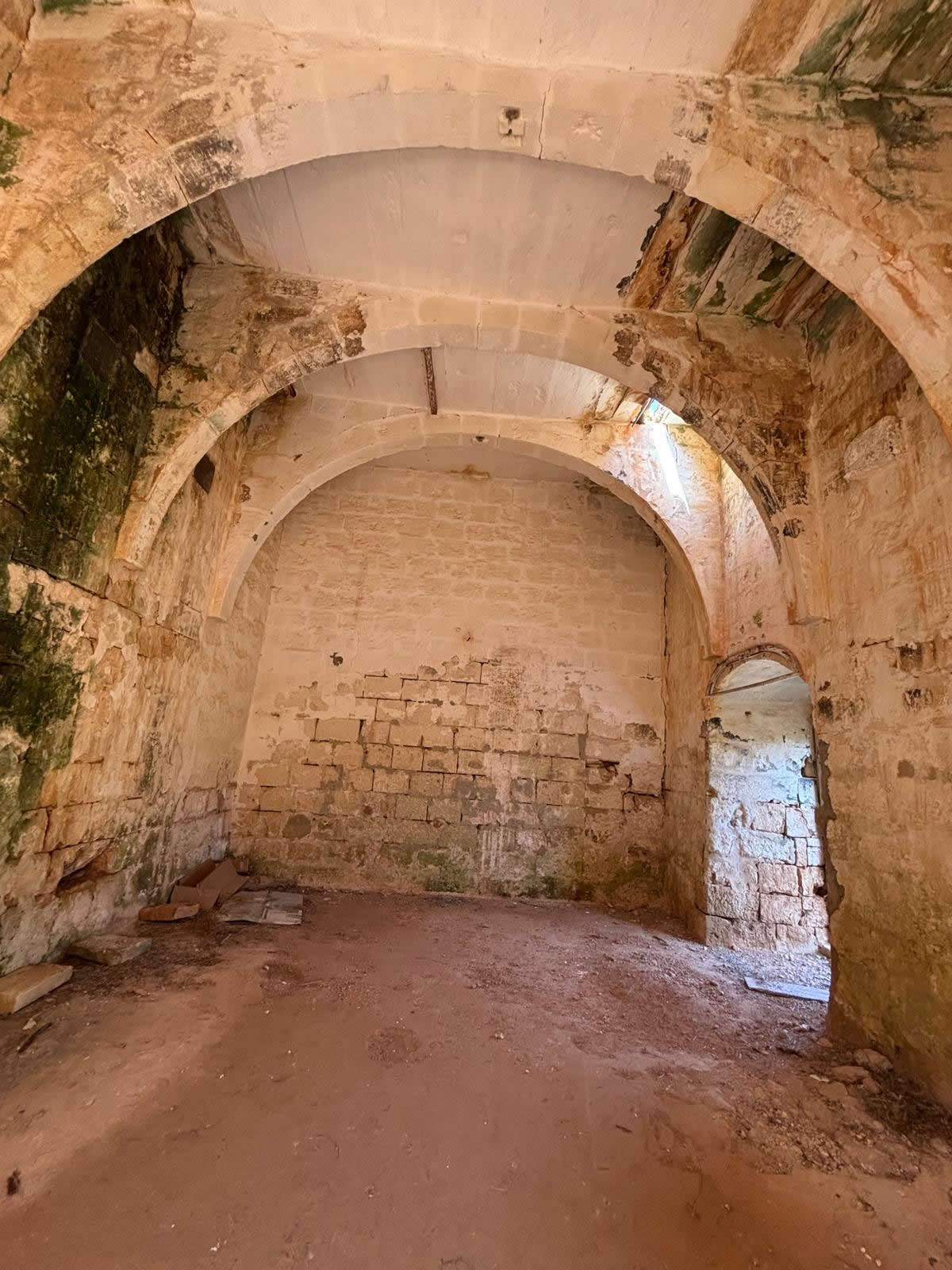
The Devil’s Farmhouse was constructed in the 18th century at a time when Mellieħa was undergoing significant development under the Knights of St John. The northern region of Malta was being fortified and agricultural infrastructure was expanding to support both military and civilian populations.
Unlike traditional Maltese farmhouses, this structure was originally designed as a stable complex and horse-riding school (cavalerizza), rather than a residence.
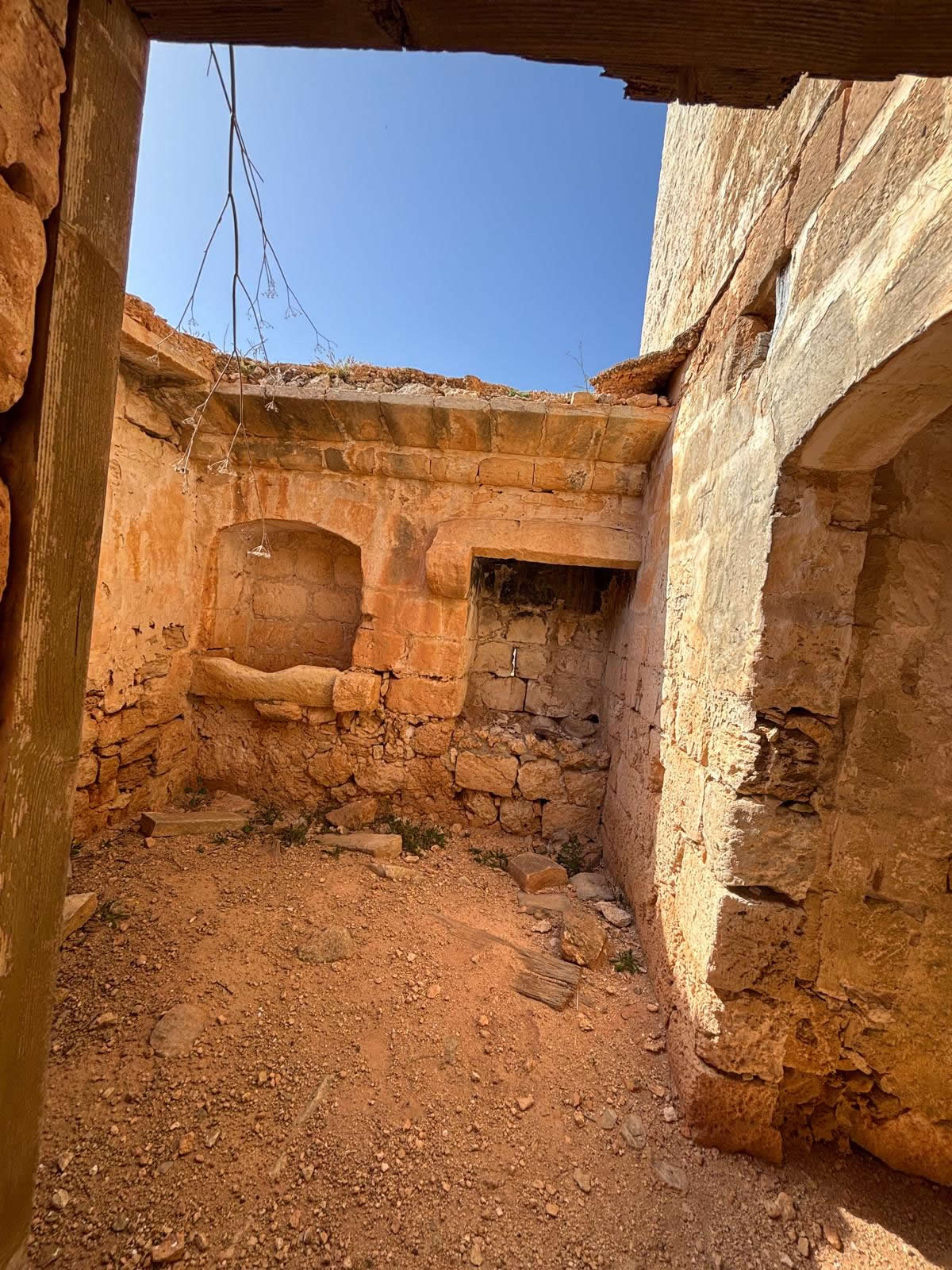
This function is confirmed by:
- The presence of animal feeding mangers
- The layout of the buildings
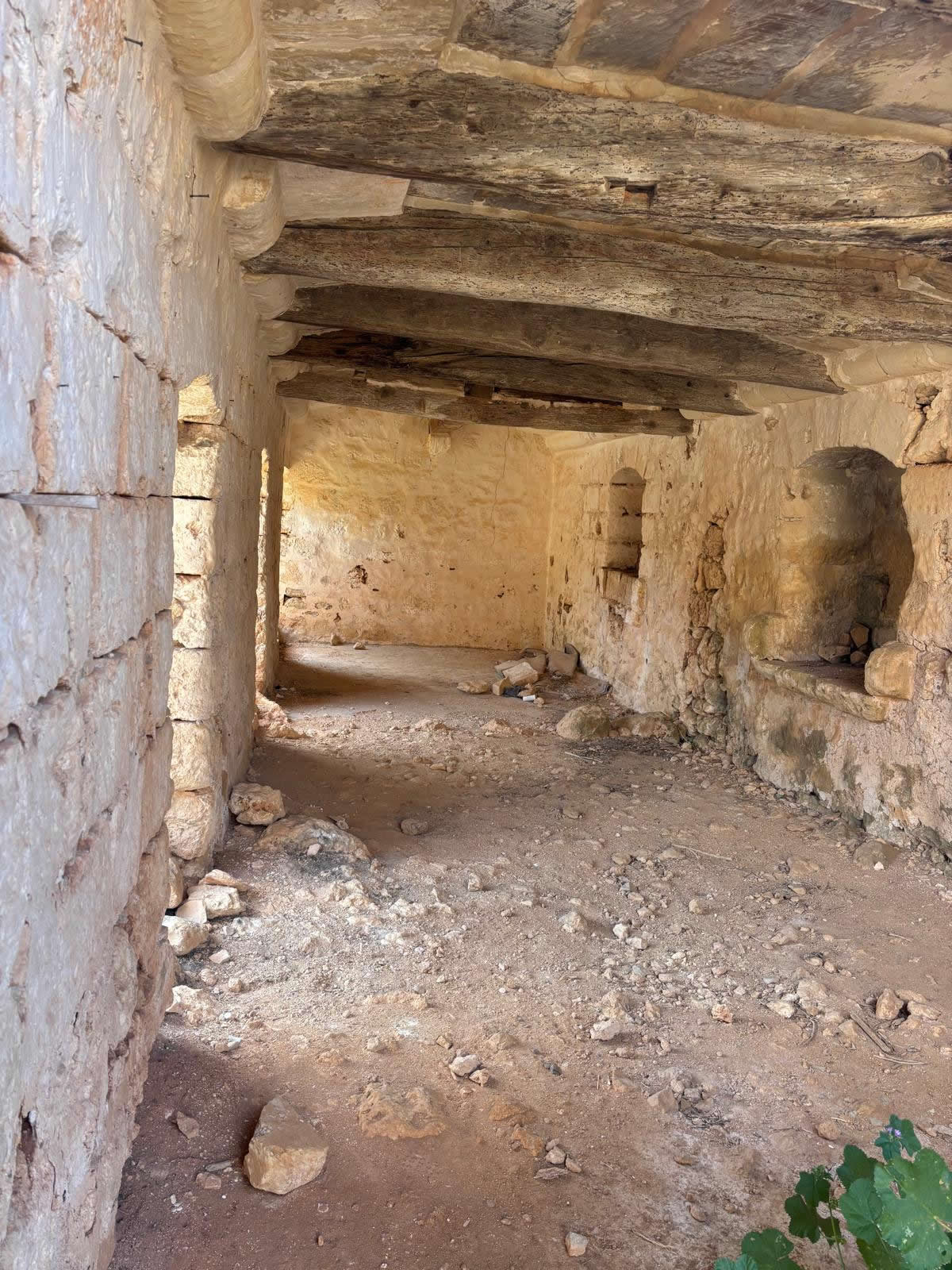
- The unusually high ceilings suited for horses
Over time, the buildings were converted into agricultural farmhouses by different occupants, who made structural modifications to adapt them for rural living.
Location and Setting
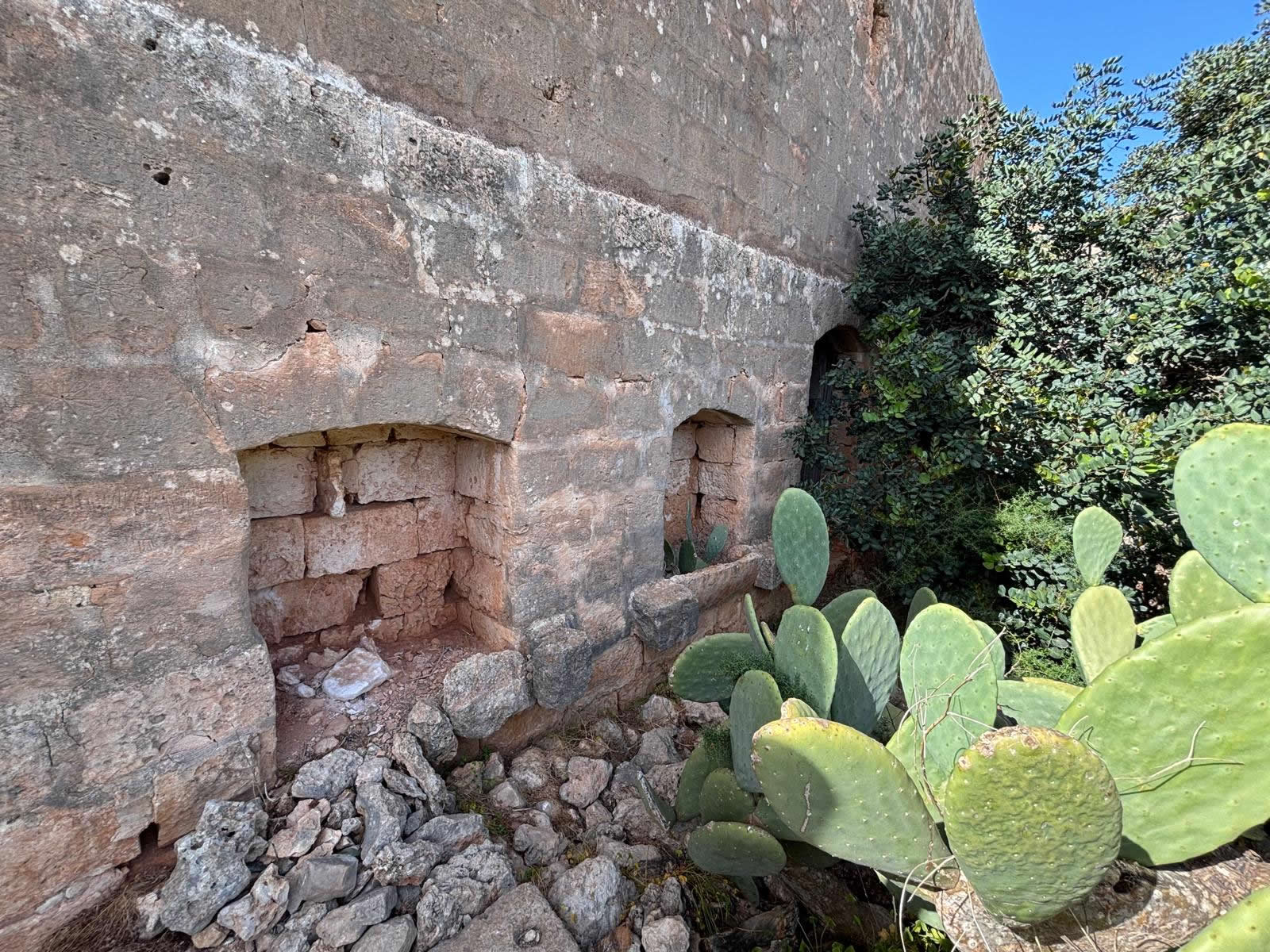
The farmhouse is located in the Ta’ Randa area of Mellieħa, close to Għar ta’ Żamberat (Zamberat Cave) , in a relatively isolated rural setting.
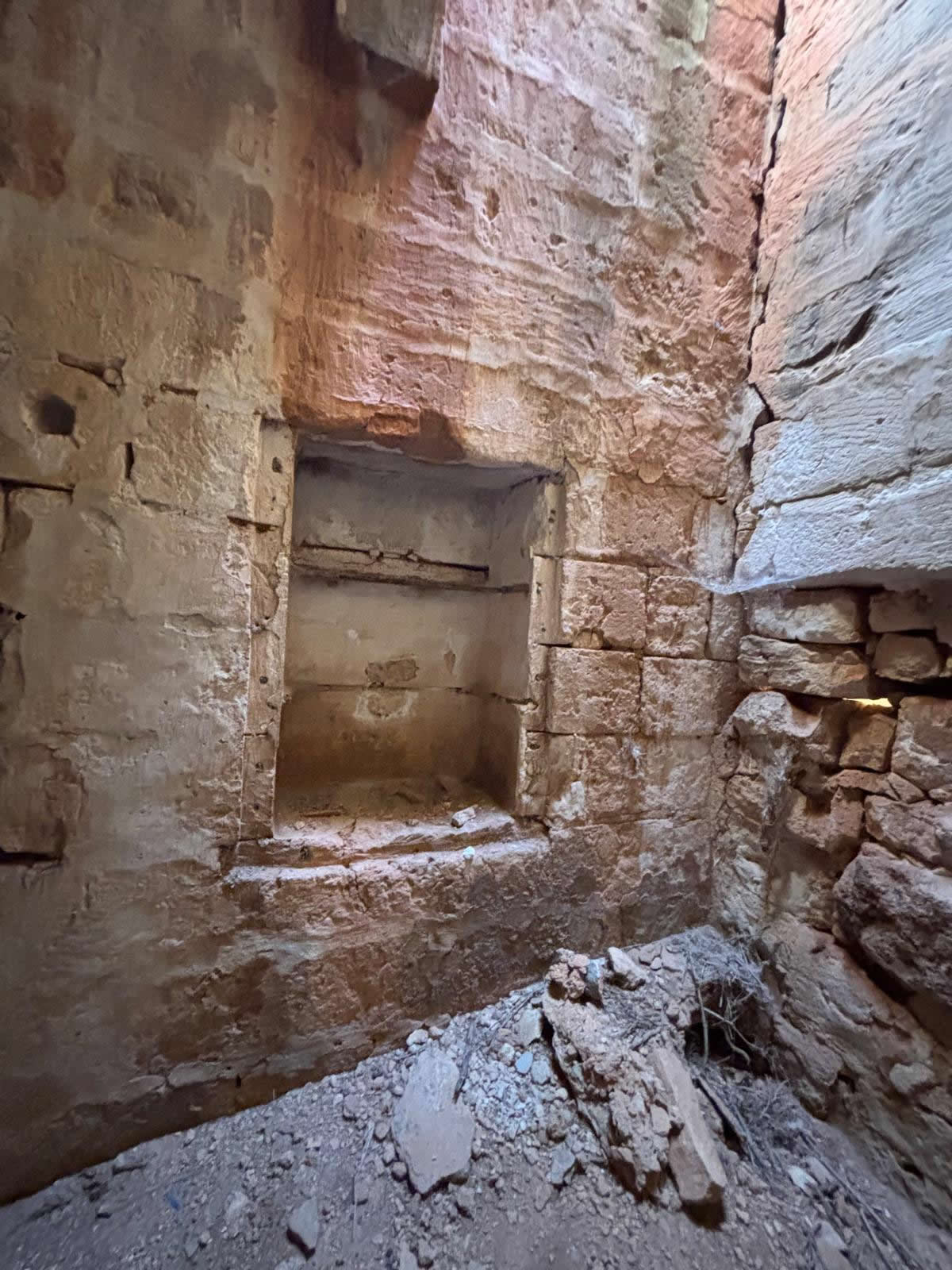
Its remote position—away from dense settlement—adds to its mysterious reputation and reinforces the sense of abandonment that surrounds the site.
Mellieħa itself is one of Malta’s oldest inhabited regions, with evidence of settlement dating back to prehistoric times and continuing through Roman, Byzantine, and medieval periods.
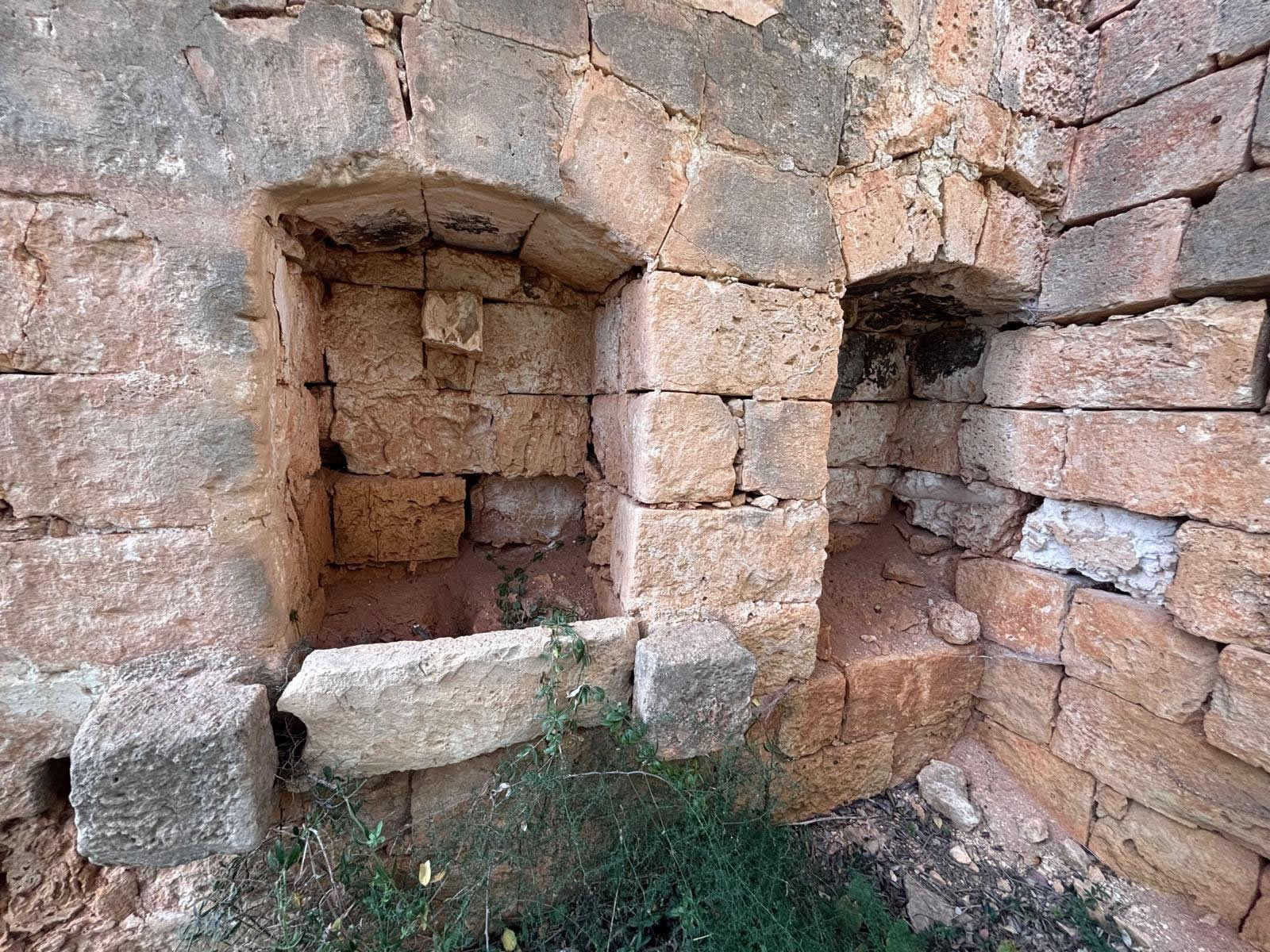
Architecture and Layout
Ir-Razzett tax-Xitan is a fine example of vernacular Maltese architecture, though it deviates from typical farmhouse design.
Key Features
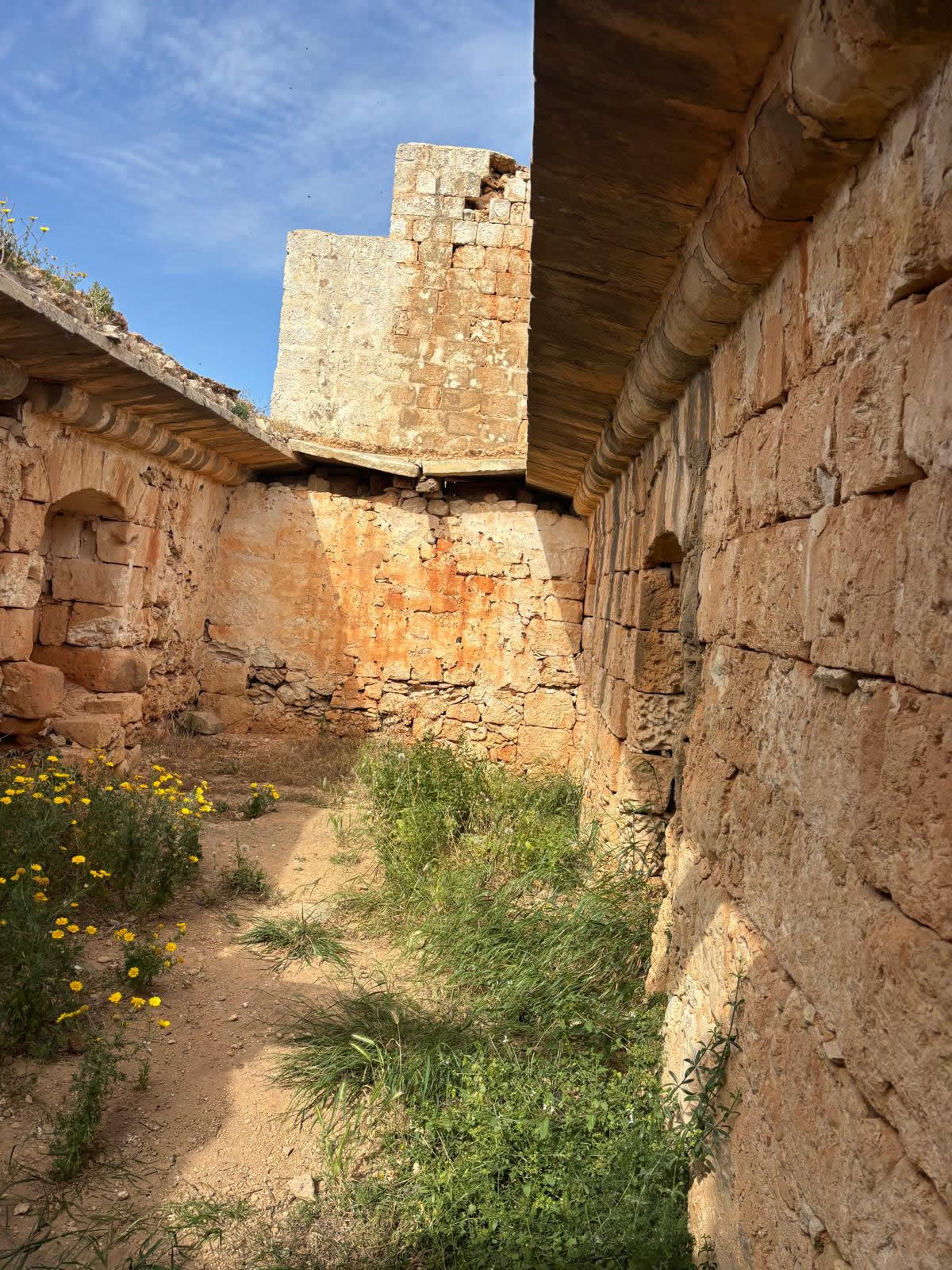
- Two separate, unconnected buildings
- Constructed from local limestone
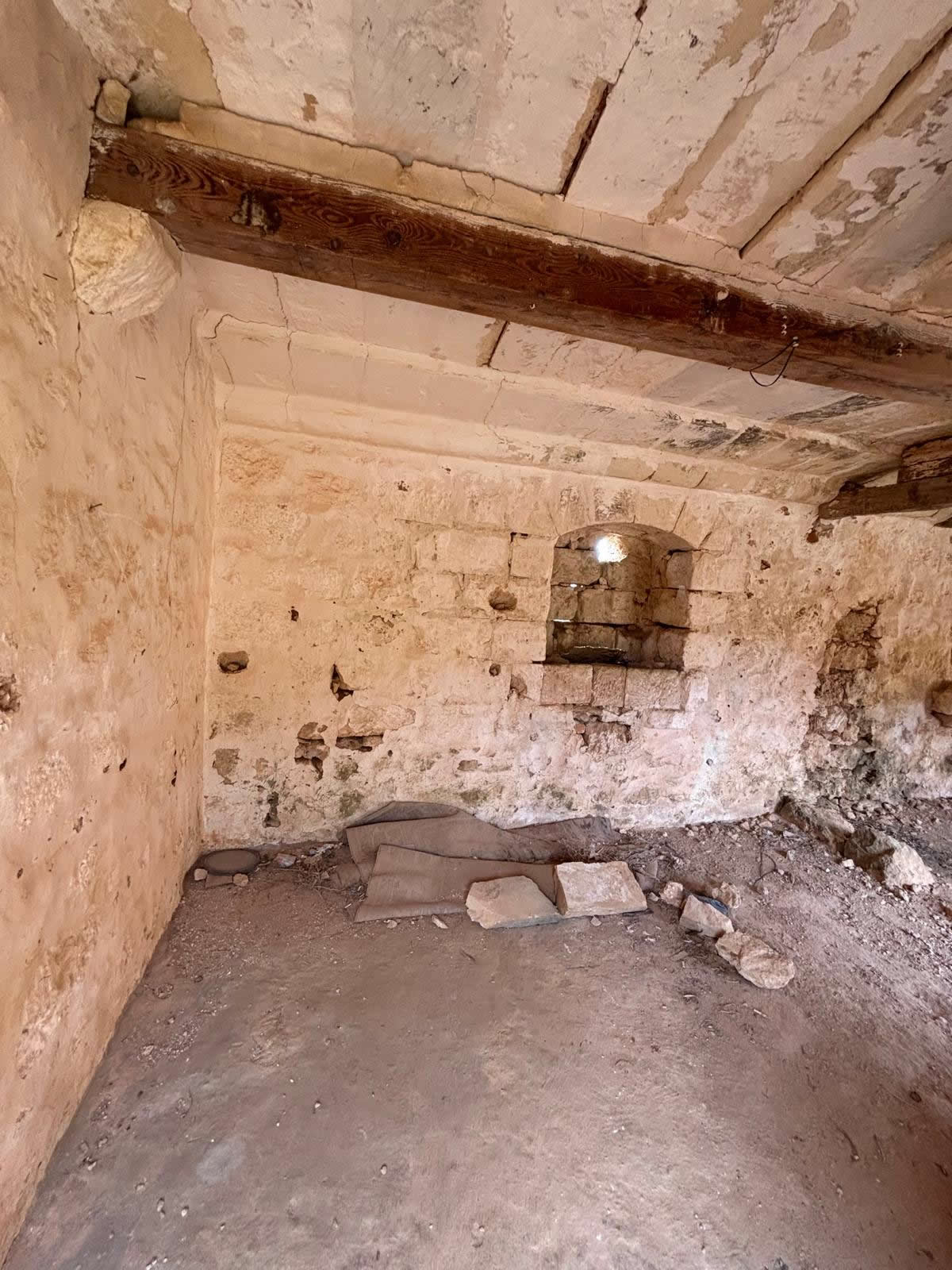
- Slit windows used for ventilation
- Traditional stone roofing slabs
- Internal feeding troughs for animals
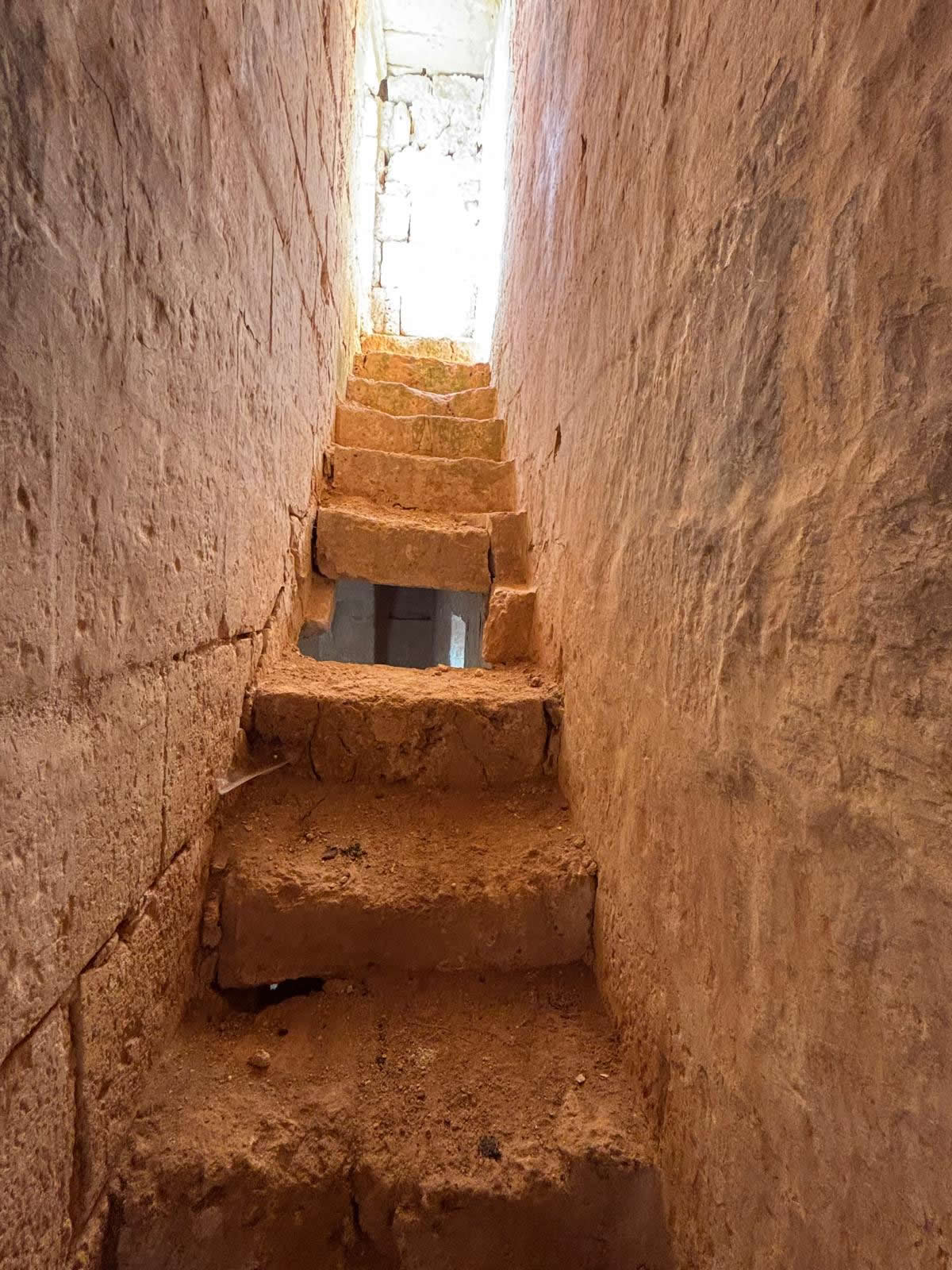
One of the most distinctive features is the presence of two enclosed staircases leading to the roof, which some observers claim resemble horns—an interpretation that likely contributed to the building’s sinister reputation.

The structure also includes traditional rural elements such as giren (stone huts) in the surrounding area, used historically for bird hunting.
Despite later adaptations, the building clearly retains its original function as a stable complex, distinguishing it from typical Maltese farmhouses.
Legends and Folklore
The Devil’s Farmhouse is best known for the legend that gives it its name.
According to local folklore, the building was constructed by the devil—or demons—overnight, or within a few nights during a full moon.
Other versions of the story claim:
- The site was haunted by evil spirits
- A priest was called to exorcise the building
- A cross was inscribed to keep evil forces away
Such stories reflect a broader tradition in Maltese folklore, where unusual or unexplained structures were often attributed to supernatural forces.
The name “Ir-Razzett tax-Xitan” (The Devil’s Farmhouse) derives directly from these legends, ensuring that the building remains embedded in local cultural memory.
Later Use and Modifications
Following its original use as a stable complex, the building underwent several transformations:
- Conversion into agricultural farmhouses
- Structural modifications by different occupants
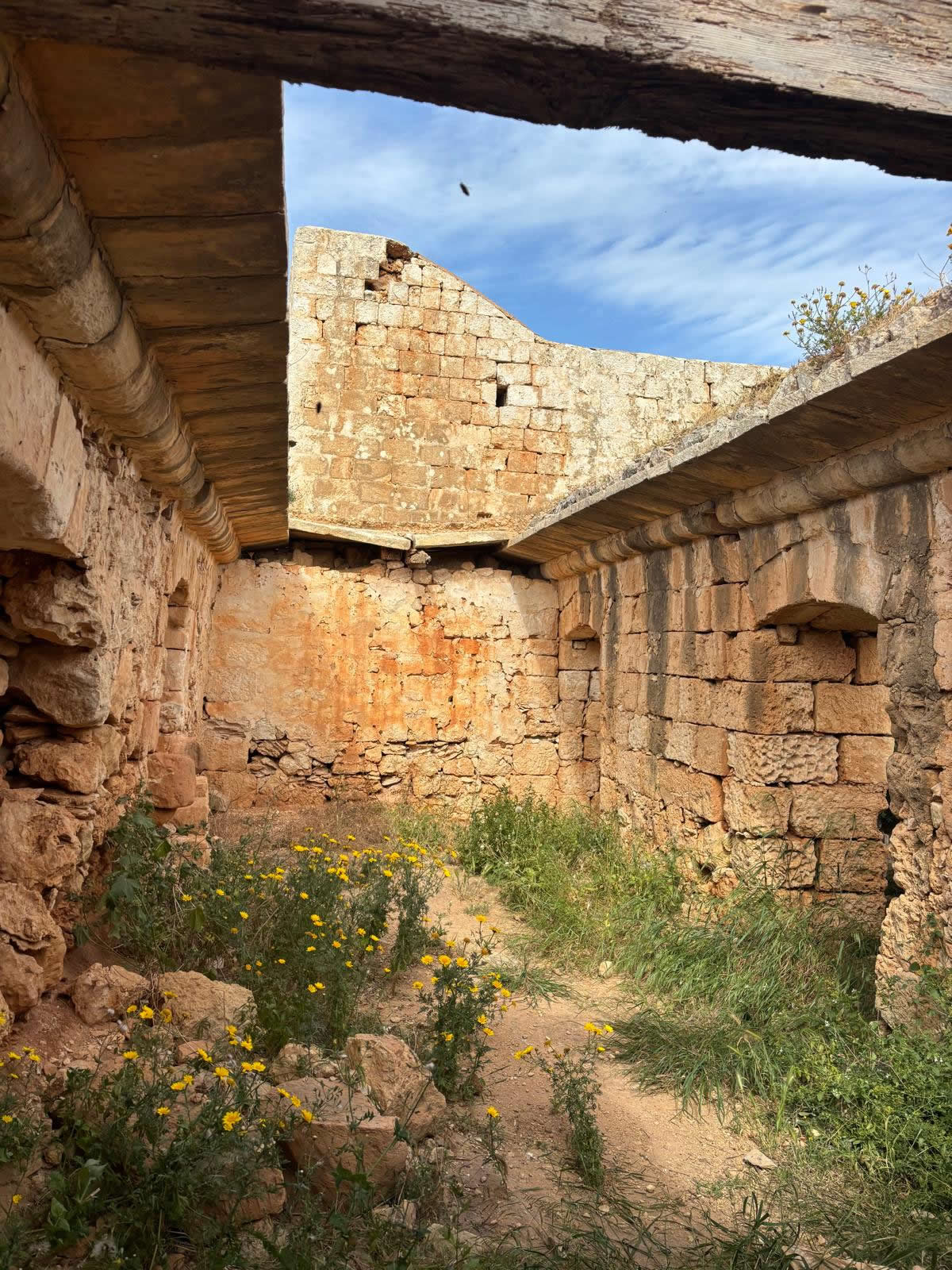
- Addition of wooden beams for support
Inscriptions in Roman numerals found within the structure indicate agricultural activity, including the recording of produce sales.
At various points, the building may also have served as a hunting lodge, reflecting its rural location and surrounding landscape.
Current Condition
Today, the Devil’s Farmhouse is in a state of partial ruin.
Several sections of the roof have collapsed, while others remain at risk. The building is not maintained for public access and is considered unsafe in certain areas.
Despite its condition, the structure retains significant historical and architectural value.
It has been officially scheduled as a Grade 1 National Monument, offering it legal protection from demolition or inappropriate alteration.
Cultural and Heritage Importance
Ir-Razzett tax-Xitan represents an important aspect of Malta’s rural and architectural heritage.
Its significance lies in:
- Its connection to the Knights of St John
- Its rare function as a cavalerizza (horse facility)
- Its unique architectural features
- Its strong association with Maltese folklore
The building also illustrates how rural Malta functioned in the 18th century, combining agricultural, military, and economic roles.
Rare Features and Notable Elements
- Dual-building layout (uncommon in farmhouses)
- Roof staircases resembling “horns”
- Stone mangers indicating equestrian use
- Roman numeral inscriptions from later farming use
- Nearby giren linked to hunting practices
These features contribute to the building’s uniqueness and make it a valuable case study in Maltese vernacular architecture.
Visitor Information
📍 Coordinates: 35.884905, 14.403591 📍 Location: Ta’ Randa, Mellieħa, Malta
⚠️ Access: The site is not officially open to the public and should be approached with caution due to structural instability.
Explore more historic places: Historic Places in Malta
Frequently Asked Questions (FAQ)
When was the Devil’s Farmhouse built?
It dates back to the 18th century during the rule of the Knights of St John.
Was it really built by the devil?
No, this is a local legend. Historically, it was built as a stable and horse-riding facility.
Why is it called the Devil’s Farmhouse?
The name comes from folklore claiming it was built by demons overnight.
Can visitors enter the building?
No, it is not open to the public and may be unsafe due to structural damage.
What makes it unique?
Its unusual design, dual buildings, equestrian purpose, and strong folklore associations.