Full detailed history of Munxar (with relevant dates)
Origins and early recordsHistorical summaries note that the name “Munxar” appears in records from the 16th century. For much of its earlier history, Munxar and nearby Xlendi were closely linked to neighbouring communities for administration and parish life, reflecting how Gozo’s settlements evolved around agriculture, valleys and coastal access. |  |
Parish church of St Paul’s Shipwreck: construction, consecration and parish status
Munxar’s most important heritage building is the parish church dedicated to St Paul’s Shipwreck (Nawfraġju ta’ San Pawl), tying the village’s identity to Malta’s best-known shipwreck narrative.
- 2 February 1914: foundation stone laid and church works begin.
- 1914–1925: construction period (village-scale Baroque style in local limestone).
- 18 October 1925: church consecrated.
- 12 December 1957: Munxar established as an autonomous parish (the last in Gozo to gain this status).
Modern Munxar: a walking village beside Xlendi
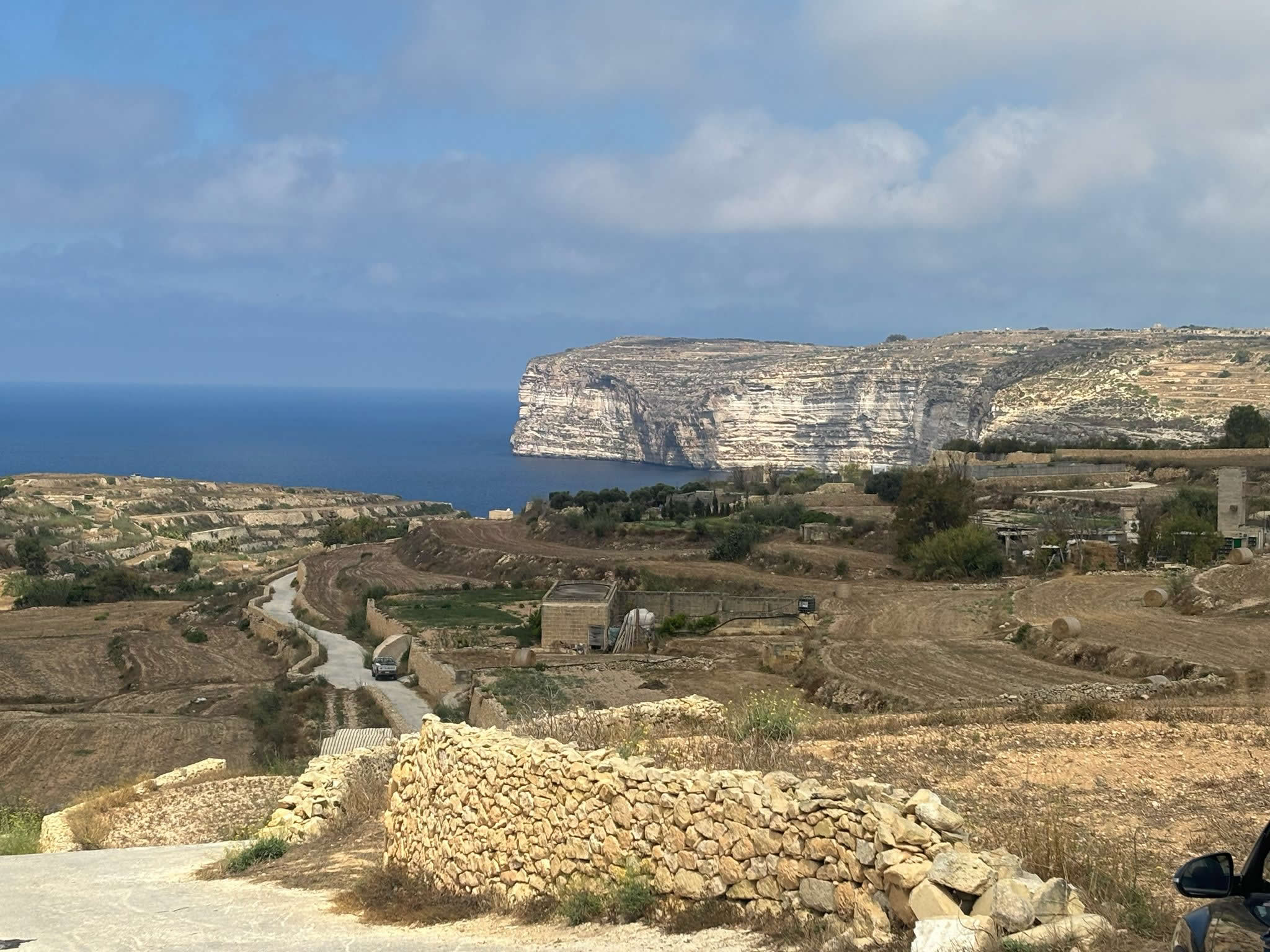
Munxar’s modern visitor appeal is strongly landscape-based: it sits within easy reach of Xlendi Bay and provides quick access to the island’s southern cliff scenery. The village is therefore ideal for travellers who want calm accommodation with high-impact coastal day walks.

At-a-glance timeline
- 16th century — Munxar appears in records as an area name.
- 2 Feb 1914 — foundation stone laid for the parish church.
- 1914–1925 — church construction period.
- 18 Oct 1925 — church consecrated.
- 12 Dec 1957 — Munxar becomes an autonomous parish (last in Gozo).
Best places to visit in and around Munxar
St Paul Shipwreck Parish Church (village core)
The key heritage anchor in Munxar—best appreciated for its clear early-20th-century timeline and its role in making Munxar the last autonomous parish in Gozo.
Xlendi Bay (nearby): fjord-like inlet, diving and sunset views
Just minutes away, Xlendi offers a dramatic inlet between cliffs, seafront restaurants and excellent swimming/snorkelling/diving. It’s the natural “coastal living room” for anyone staying in Munxar.
Sanap (Ta’ Saguna) Cliffs viewpoint
One of Gozo’s most spectacular cliff edges—popular for late-afternoon walks, big-horizon photography, and dramatic coastal scenery. Often combined with a route starting from (or returning to) Xlendi and passing through Munxar countryside.
Ras il-Bajjada headland
A rugged headland walk with open sea views—ideal for a short hike from the village outskirts and a quiet alternative to busier bays.
Coastal & countryside walks linking Munxar, Sannat and Xlendi
Munxar is a practical “link village” for Gozo’s southern hiking routes: valley lanes, cliff tracks, and return loops that connect village squares to big coastal viewpoints.

How to visit
- Best for: coastal walking, quiet village stays, quick access to Xlendi, and sunset viewpoints.
- Best time: October–May for walking conditions; early morning or late afternoon for the cliff edges.
- Safety: cliff paths can be exposed—avoid edges in strong wind and wear proper footwear.
- Pair it with: Sannat (for additional cliff routes) and Victoria (Rabat) for museums and the Citadel.
FAQ
When did Munxar become an autonomous parish?
12 December 1957 (the last village in Gozo to gain autonomous parish status).
When was the parish church built and consecrated?
Built 1914–1925. Foundation stone laid 2 February 1914; consecrated 18 October 1925.
What’s the easiest “must-do” walk from Munxar?
A classic route links Xlendi Bay → Sanap Cliffs → Munxar (or the reverse), with huge cliff and sunset views.