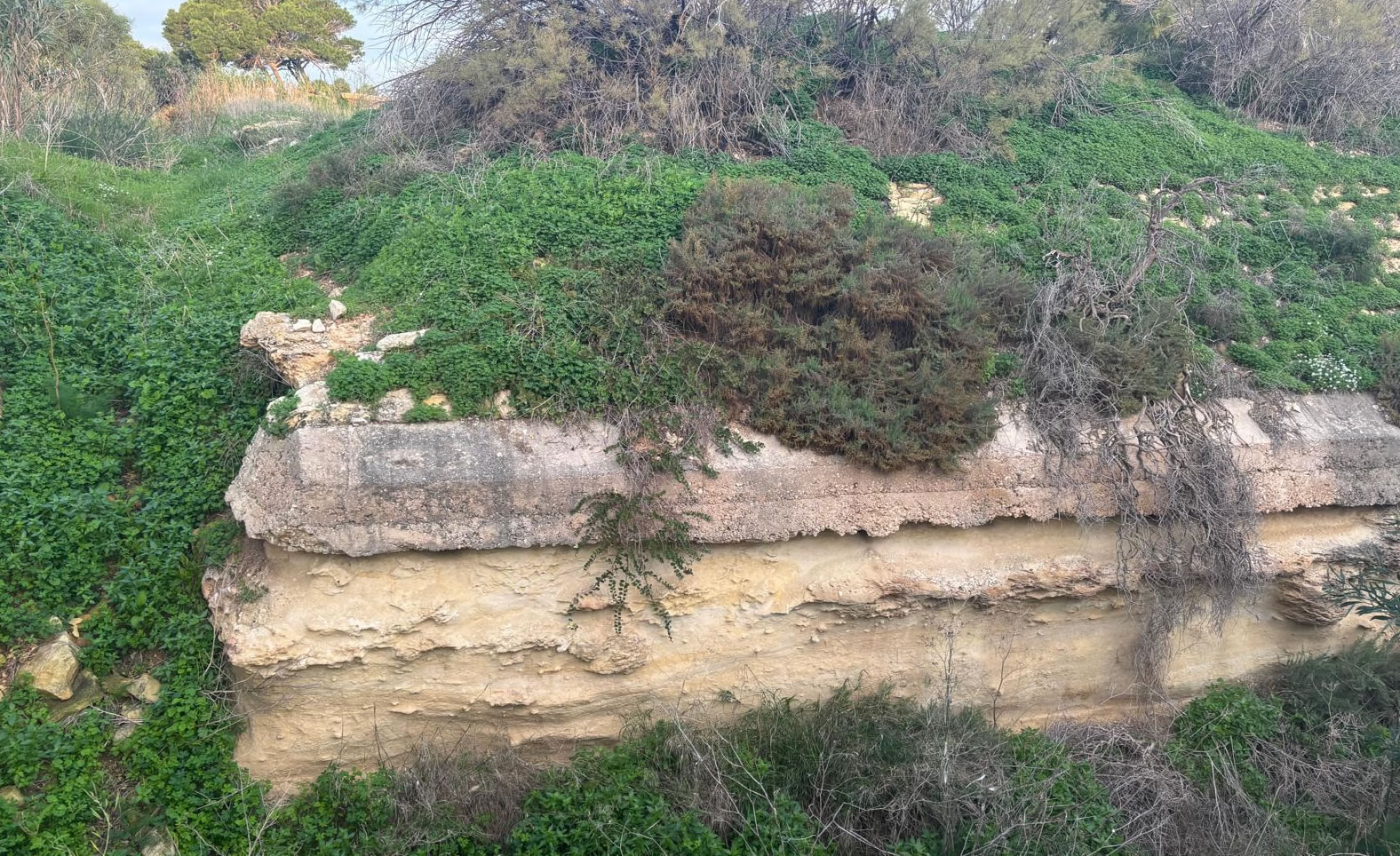
Why the British built it (late 19th-century coastal defence)
In the late 1800s, British Malta was strengthened by a belt of coastal forts and batteries—especially around strategic anchorages and sea lanes. The Marsaxlokk/Delimara sector saw major works in this period, including nearby polygonal fortifications and supporting batteries.
Build dates confirmed
Multiple published references consistently give the construction window as 1881–1886, and describe the battery as a polygonal, “D”-shaped work built by the British.
Confirmed modifications: armament change during construction
A key “modification” is actually an upgrade decision made while the battery was still being built: the intended armament was changed so the finished work mounted three 7-inch 6.5-ton RML guns in barbette mounts.
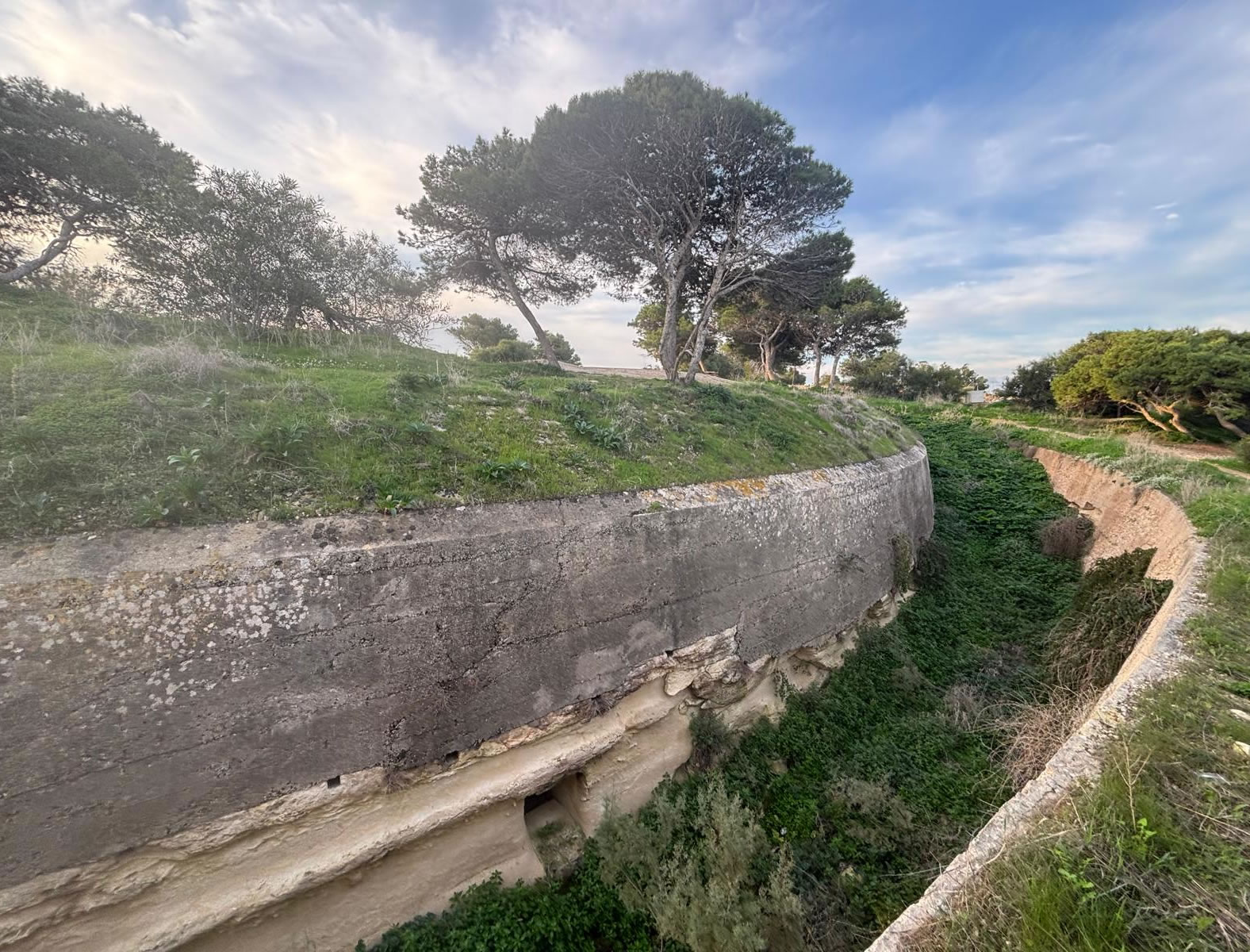
Service life and decommissioning around 1900
St Paul’s Battery had a relatively short operational life: it is commonly described as used from completion in the late 1880s until it was decommissioned around 1900, when shifting technology and the adoption of newer systems reduced its tactical value.
Mapping and documentary traces (early 20th century)
A 1910 Royal Engineers survey sheet titled for St Paul’s Battery and nearby fortifications exists within the National Archives of Malta catalogue, indicating the battery’s continued cartographic documentation and military interest in the area’s layout.
Modern era: abandonment, overgrowth, and heritage protection
Recent descriptions characterise the site as abandoned/overgrown, while modern planning policy has moved toward formal protection. In 2024, the Planning Authority scheduled St Paul’s Battery as a Grade 1 heritage asset within a broader scheduling of British-era batteries.
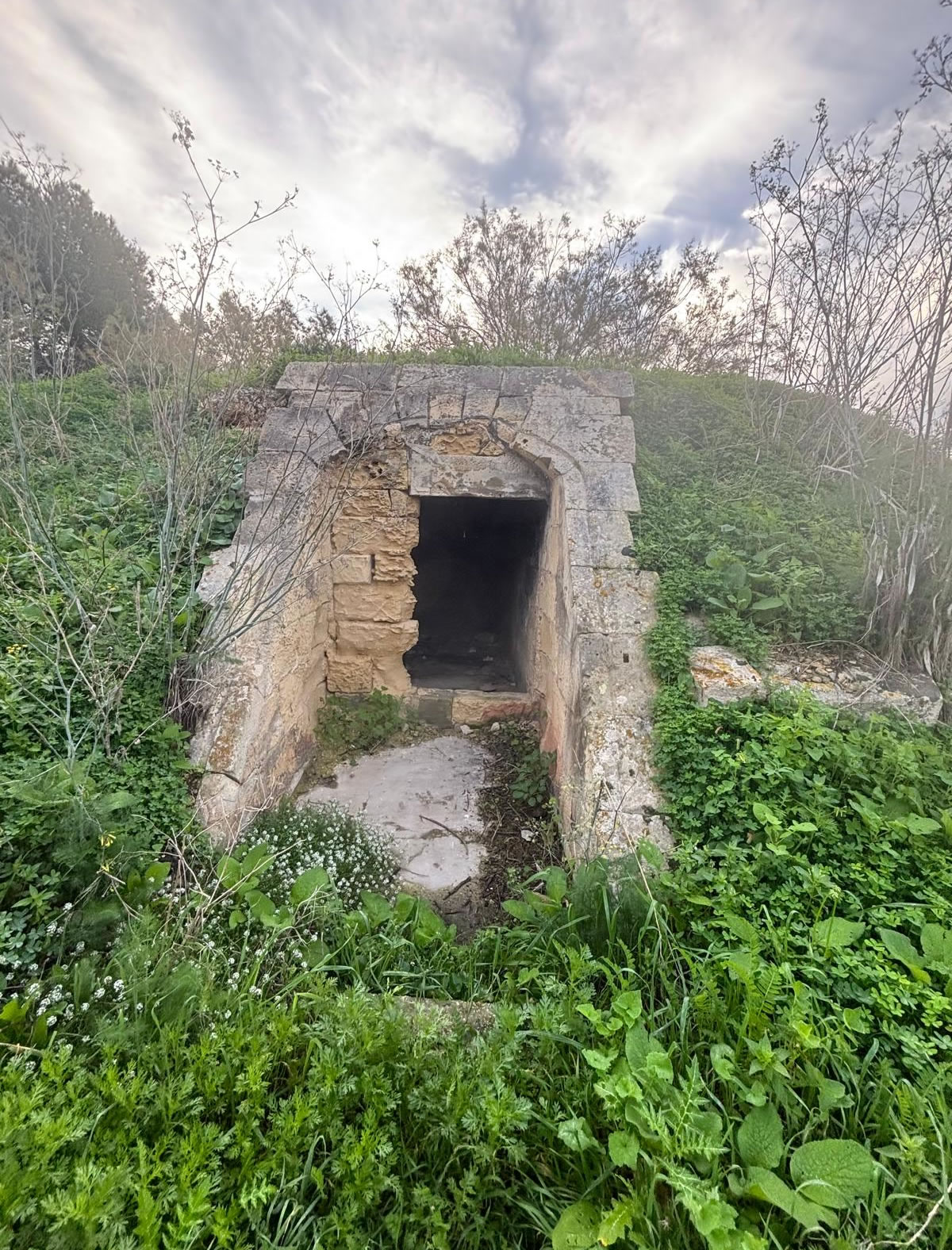
For the physical layout—gun positions, ditch/moat, underground magazine—continue to Construction.