What Grade 1 protection means in practice
Grade 1 scheduling generally signals exceptional heritage significance. For fortifications, it typically implies that alterations must be minimal, justified, and designed to preserve the monument’s character, plan, and historic fabric.
Current condition and main threats
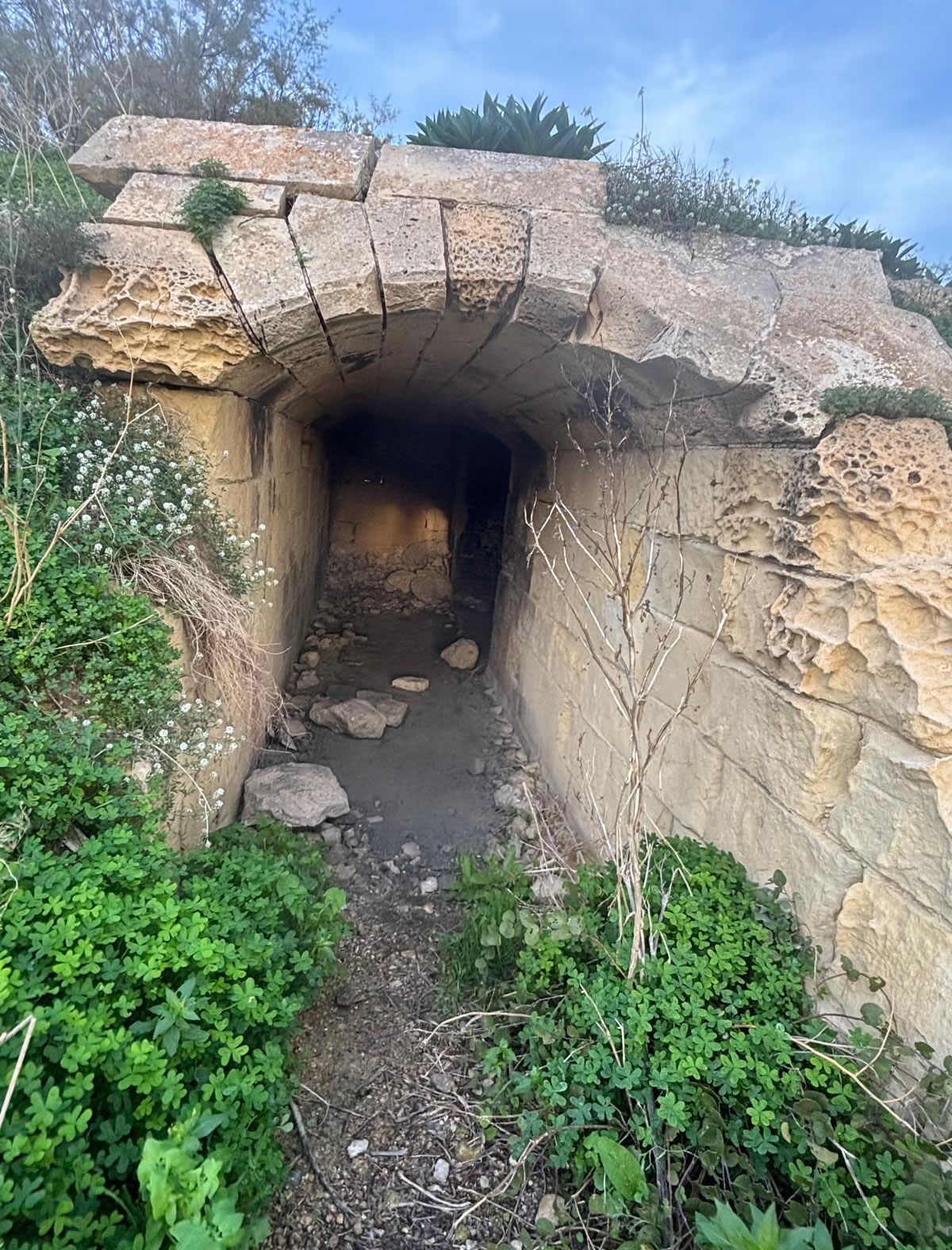
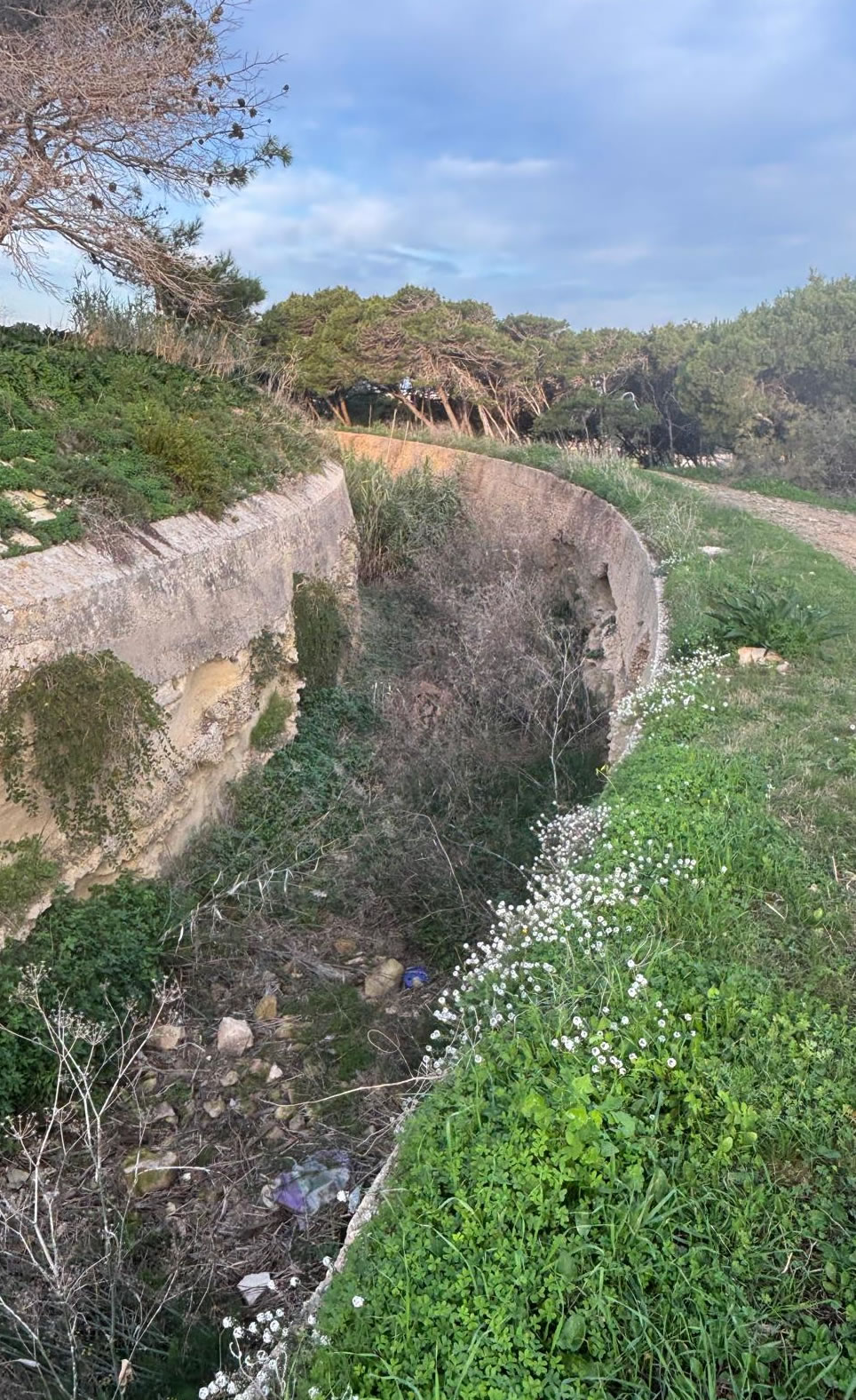
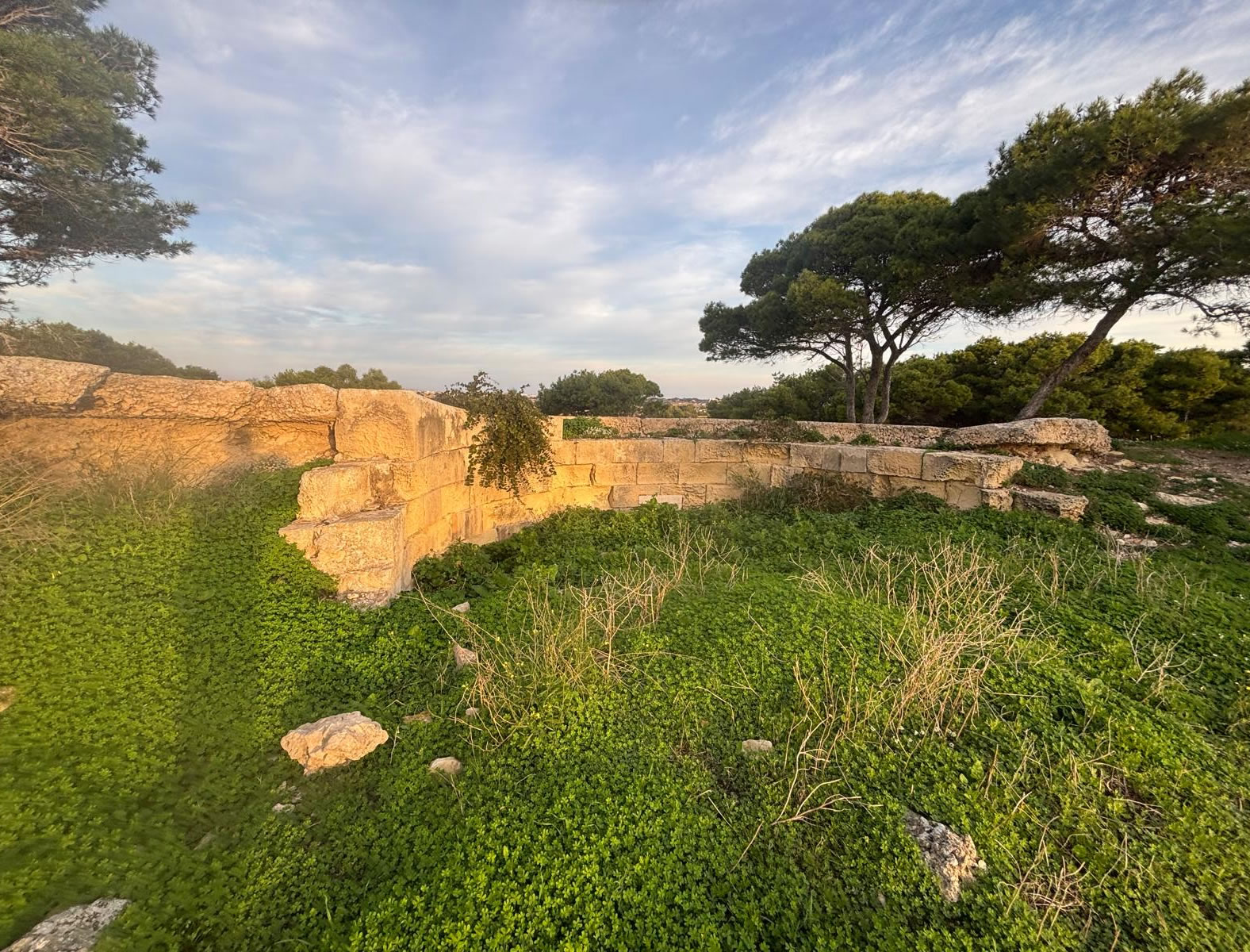
Public descriptions commonly characterise the battery as abandoned and overgrown, with the ditch often affected by debris and vegetation. :contentReference[oaicite:42]{index=42} These are typical drivers of accelerated decay for 19th-century coastal works.
Key risks to a late-19th-century coastal battery
- Vegetation: roots pry apart masonry joints and trap moisture against stone and concrete.
- Water ingress: pooled water in the ditch or gun platforms accelerates cracking and salt movement.
- Concrete spalling: early concrete elements can crack and delaminate when exposed and unmanaged.
- Vandalism and dumping: common pressures on unfenced, remote sites.
Responsible restoration priorities for St Paul’s Battery
- Stabilise and make safe: address unstable edges, openings, and trip hazards before opening access.
- Vegetation control: remove invasive growth with a plan to prevent regrowth without damaging fabric.
- Drainage and moisture management: keep the ditch functional and prevent water from collecting in vulnerable areas.
- Repair with compatible materials: match mortars/stone; repair concrete using conservation-grade methods (avoid hard, incompatible finishes).
- Interpretation: on-site panels or QR-guides to explain the 1881–1886 build and the armament change during construction.
For the “how to visit safely” version of this, see Use & Visiting.