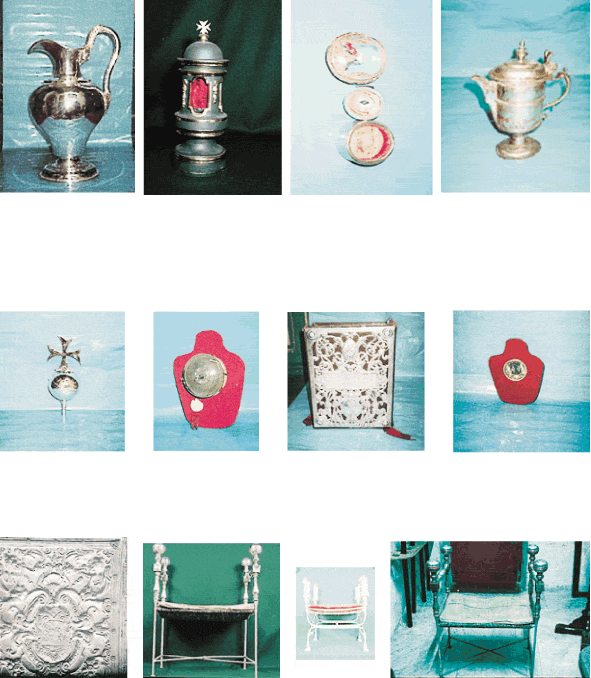
Silver Collection Special Objects
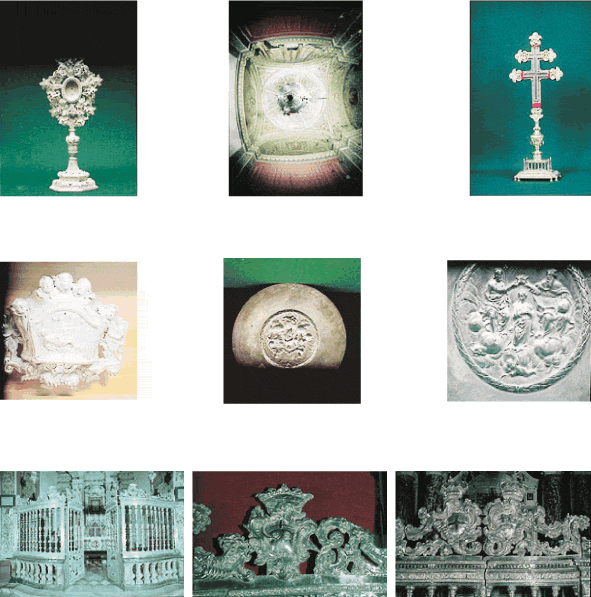
The Sanctury Lamp
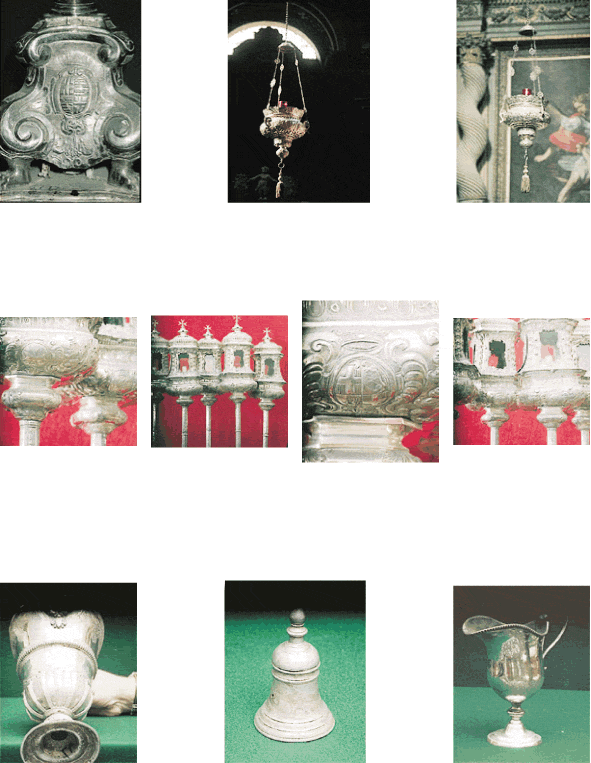
Another exceptional piece , it is grand but has not lost a mood of prayer and is uplifting in more dense in more senses then one . The flying angels add a great deal of excitement to the design . Its creater must have realised that he would have to produce something to "woo" the eye ; there is so much all around it -and yet ,it holds it's own with perfect dignity . This treasure was donated by the Bali Fra Vincenzo Rospigliosi in 1669 . It has , like the silver gates , been spared the ravages of history.
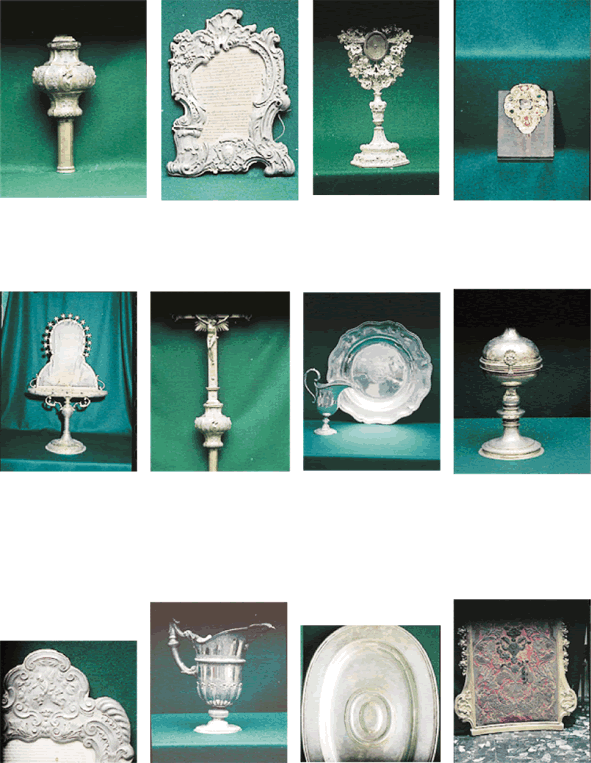
Present to Vilhena
This reliquary measuring 43 cm in hight is preserved in the treasure of St. John's and dates to a period before napolian ransatked the treasury .Here we have an important example of fine 18'th centenary artistry . Surmounted by an authentic Maltese cross it can almost be termed a masterpiece as there is little of this quality to compare it with . The subdued flamboyance of this piece leans on baroque inspiration and yet preserves it's delicacy intact . A delightfully silver present to Grand Master de Vilhena by the Inquisitor Monsignor Antonio ruffo , eventually presented to St.John's by de Vilhena in 1726.
True cross preseved at St.John's
The obverse and reverse view of the most important relic of the True Cross preserved at St. John's . This might be as late as 17th centuary ; However ,the base is interesting for being in the gothic taste with an enclosed effigy of the dead Christ behind the small columns . Experts have disagreed over the period of froduction of the stem and the padistral.
Introduction
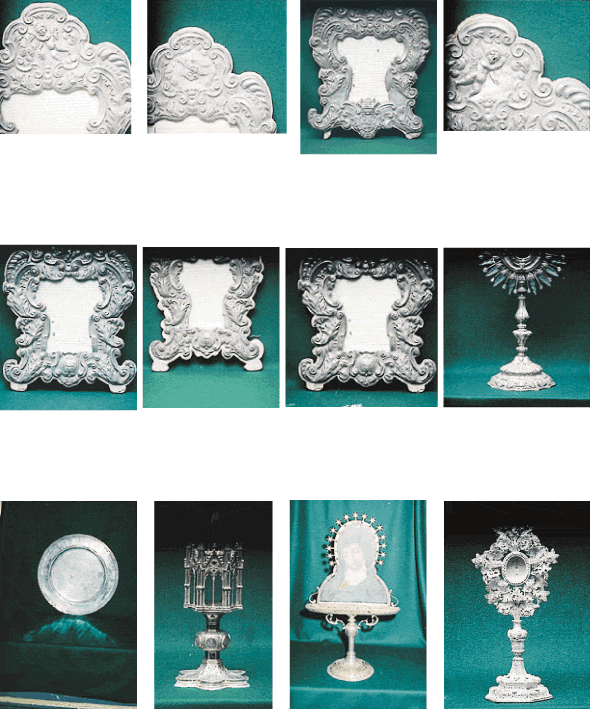
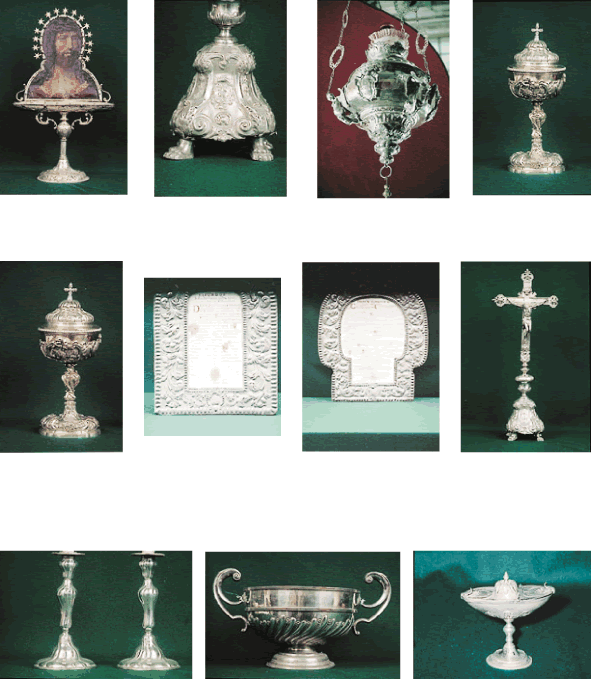
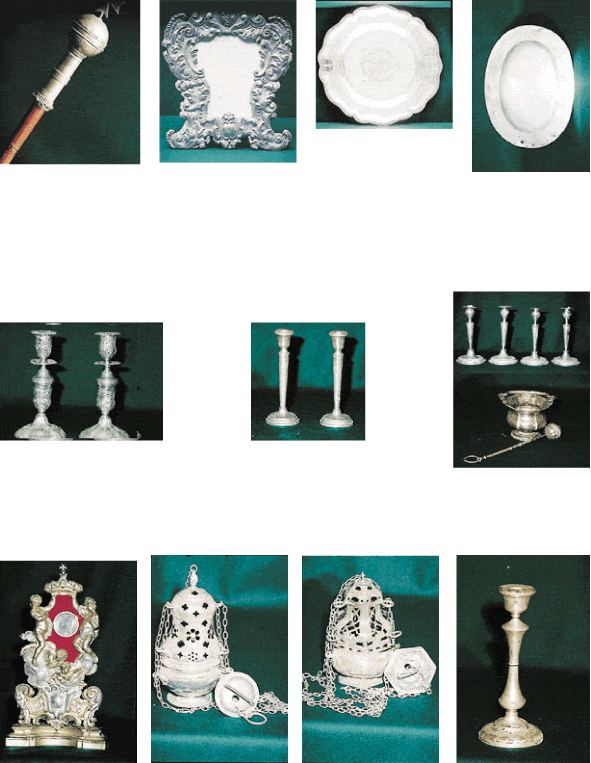
The Silver Collection at St John’s Co-Cathedral is one of the most remarkable treasures of the Knights of St John, showcasing their wealth, power, and devotion. It consists of sacred liturgical objects, ceremonial plate, reliquaries, candlesticks, processional crosses, and chalices, much of it crafted by some of the most skilled silversmiths in Europe between the 16th and 18th centuries.
Historical Background
When the Order of St John moved to Malta in 1530, the knights brought with them both their military might and their tradition of commissioning lavish works of art and liturgical furnishings.
After the construction of St John’s Co-Cathedral (1572–1577), the knights began adorning it with silver treasures, which grew steadily as successive Grand Masters and Langues (national groups of knights) contributed.
Silver was not only used for liturgy but also as a symbol of prestige. Each langue competed in donating magnificent objects to their chapel inside the cathedral.
The Collection
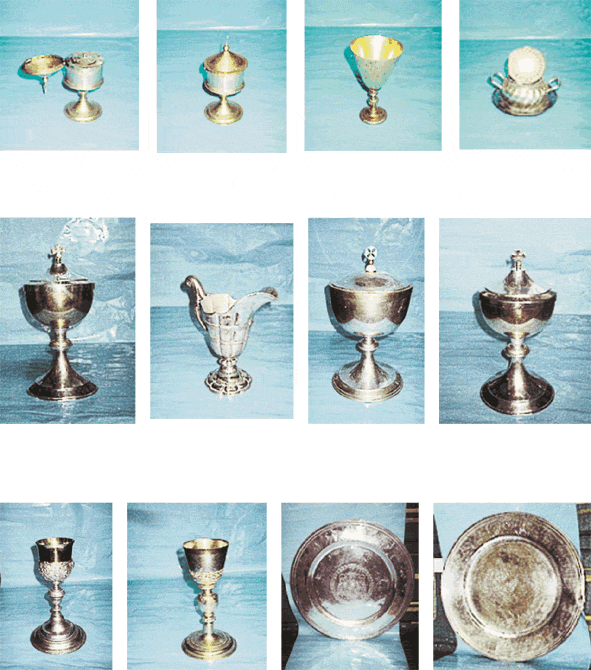
The Silver Collection is preserved and displayed in the **Cathedral Museum** and includes:1. Sacred Vessels
2. Processional Silver
3. Reliquaries
4. Donations of Grand Masters
5. The Baldacchino (Canopy)
Napoleonic Looting (1798)
In 1798, Napoleon Bonaparte invaded Malta and expelled the Knights.
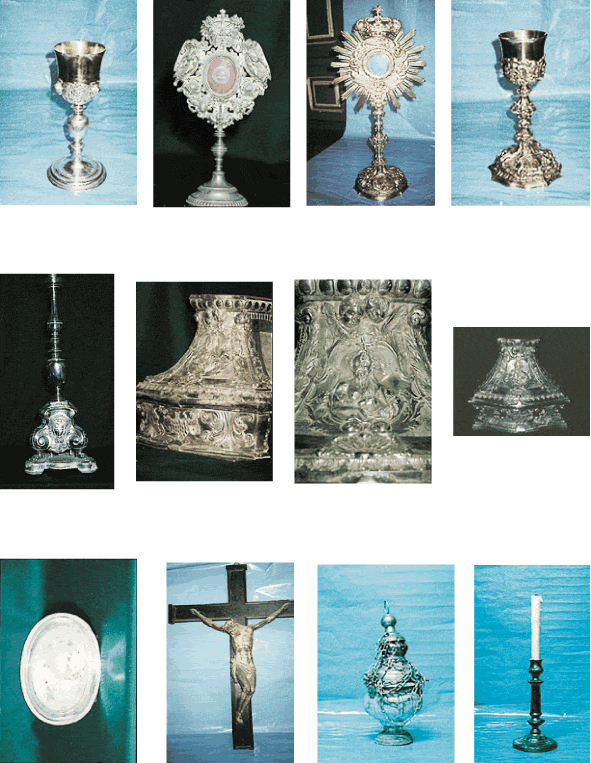
The French army systematically looted St John’s Co-Cathedral, stripping it of its massive silver treasury, which was melted down to fund Napoleon’s campaigns.
Only a portion of the silver was saved, hidden by cathedral officials and local Maltese.
What remains today is just a fraction of the original collection.
Today’s Silver Collection
The surviving silver works are displayed in the St John’s Co-Cathedral Museum, housed in the former Oratory and Sacristy.
The collection highlights:
Significance
The Silver Collection is a testament to the wealth, piety, and artistic patronage of the Knights of St John.
It represents the fusion of Maltese, Italian, French, and Spanish influences in the art of silversmithing.
Even in its reduced form, it provides a rare glimpse into the liturgical grandeur of the Order.