The Architect
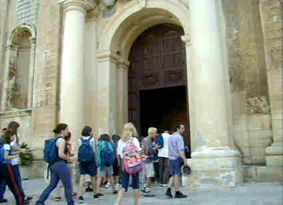
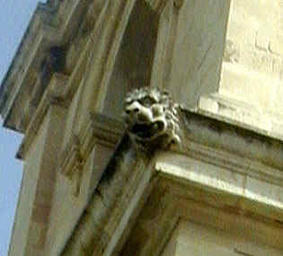
The great structure was designed by the maltese architect Gerolamo Cassar (1520-c.1586).He was in his 50's and had ,it has been speculated ,travelled abroad. He was able to take responsibility for much of the earlier building work which characterises Valletta. Cassar was not only a trained military enginier , but he had also sevioured the latest roman trends of palatial architecture .He trained under Francesco Laparelli da Cortona, the Italian military engineer sent by Pope Pius V after the Great Siege of Malta (1565) to plan Valletta’s fortifications. this made him eminently siutably to take on the task of planning and designing the principle auberges and palazzi.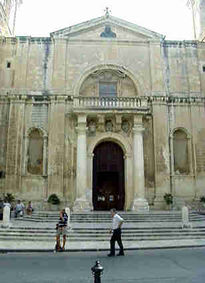
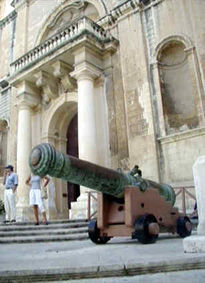
He built the Grand Master's Palace , seven Auberges ,The Sacra infermeria
, the Order's Bakery and Verdala Castle and more . It is evident that Cassar
had seen some of Michelangelos Architectural works probabely including plans
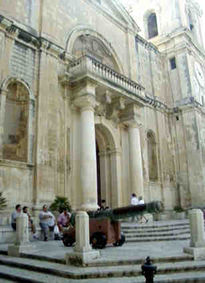
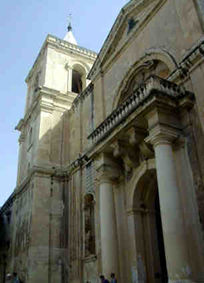
and models there are great similarities between the facade of st john's and
the proposed facade of St Lorenzo in Florence . Also ,aspects of the interior
of the Medici chaples in the same city match up well with st john's exterior
.This was obserbed in recent years by a maltese architect and historian the
late leonard mahony . He wrote ;Cassar's knolage of the exact measures of
mechelangelo's works is probabely deu to Laparelli who was Michelangelo's
trusted assistant on the fabric of St. Peter's in Rome .
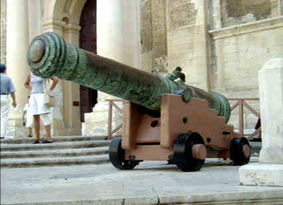
Major Works
Cassar was the chief Maltese architect responsible for much of Valletta’s civic and religious architecture in the late 16th century.
His works include:
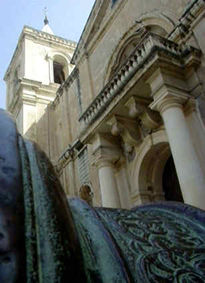
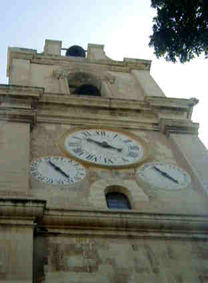
St. John’s Co-Cathedral (1572–1577)
The Grandmaster’s Palace (Valletta)
Auberges (lodges) of the Knights’ Langues
Cassar designed or oversaw most of them, including:
Other Valletta landmarks