St. John’s Co-Cathedral
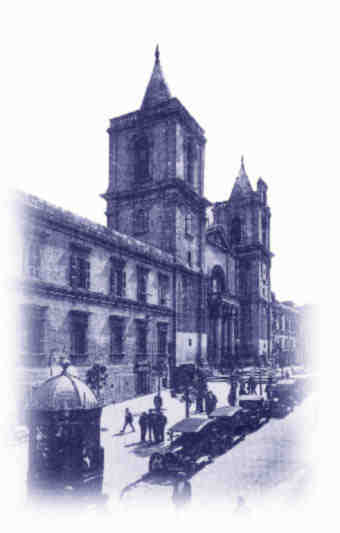 | The great structure was designed by the Maltese architect Gerolamo Cassar (1520c.1586).He was in his 50's, it has been speculated,travelled abroad. He was able to take responsibility for much of the earlier buildingwork which characterises Valletta. Cassar was not only a trained military engineer, but he had also sevioured the latest roman trends of palatial architecture. This made him eminently suitable to take on the task of planning and designing the principle auberges and palazzi. |
The structure of St John’s Co-Cathedral is a striking example of late 16th-century ecclesiastical architecture, combining a disciplined exterior with an extraordinarily elaborate interior. Designed by the Maltese architect Girolamo Cassar and constructed between 1573 and 1577, the building follows a rectangular, basilica-style plan typical of Counter-Reformation churches. The exterior reflects a Mannerist style—plain, symmetrical, and fortress-like—with two prominent bell towers flanking the façade and a central doorway framed by Doric columns. This austere appearance was intentional, echoing the military identity of the Knights of St John and the defensive character of Valletta following the Great Siege of 1565. The structure is built primarily from local limestone, a material that allowed both strength and later decorative carving.
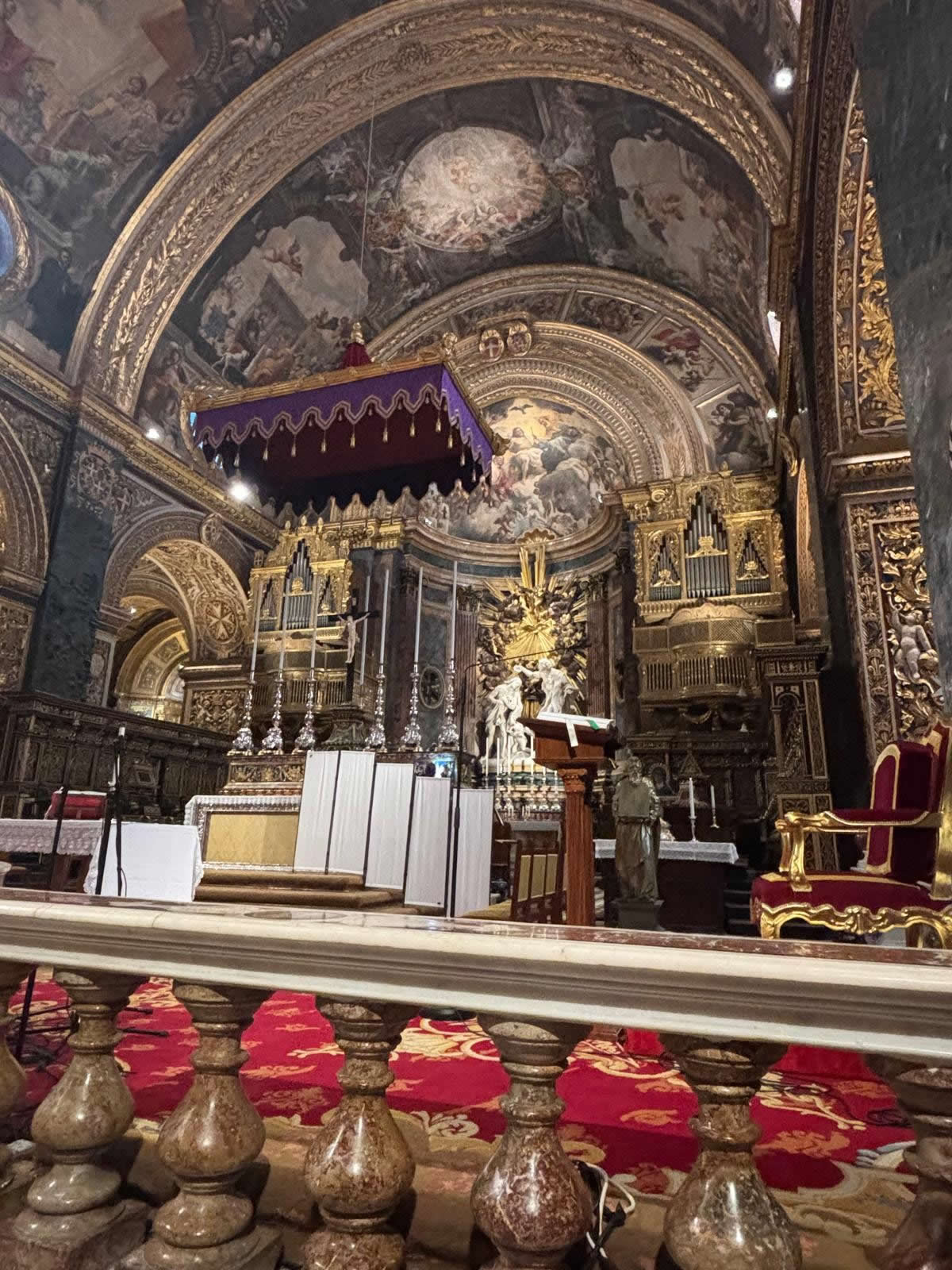
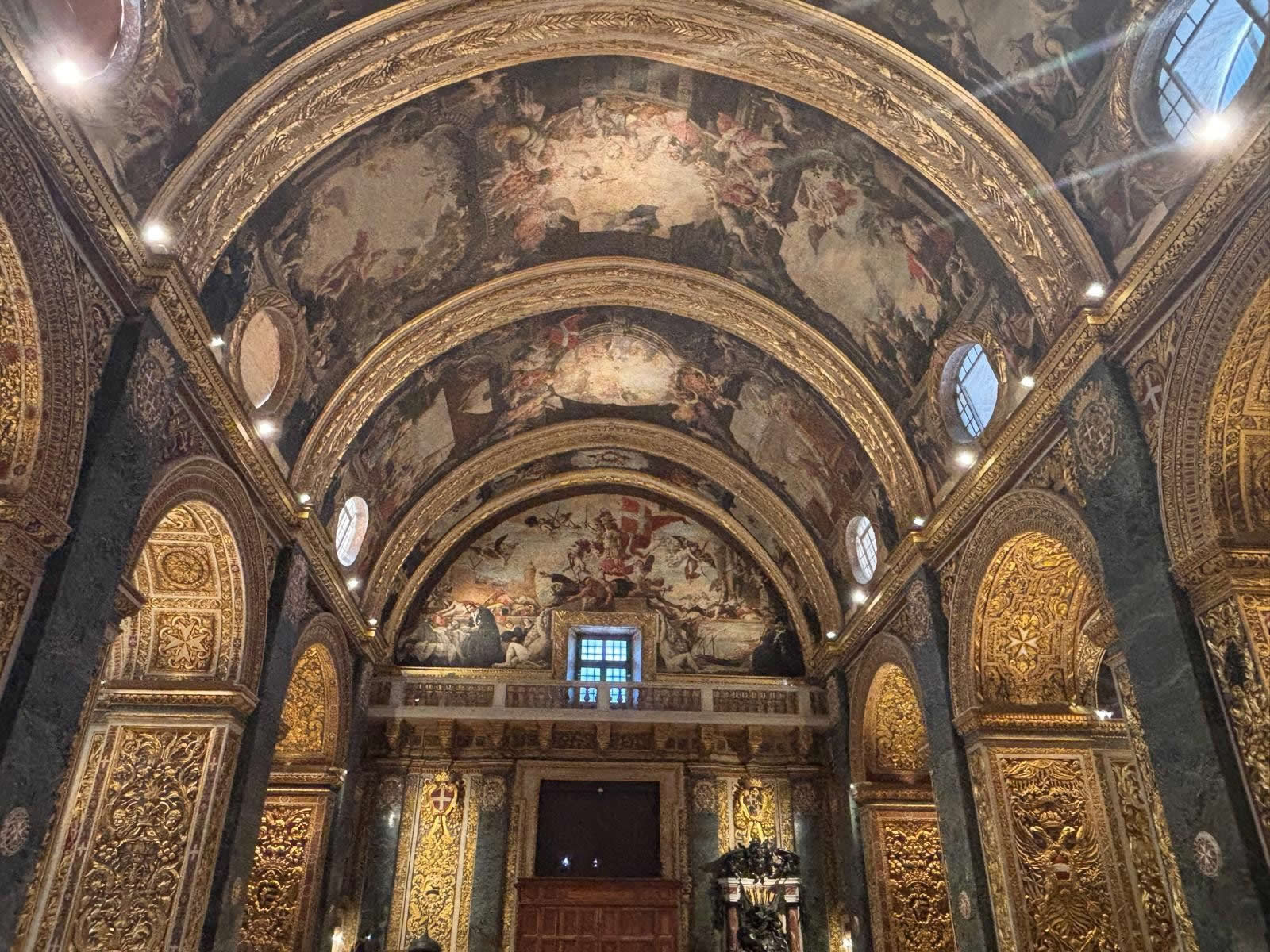
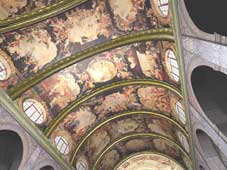
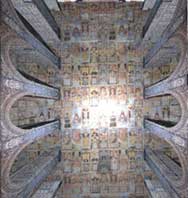
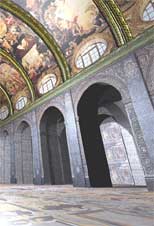
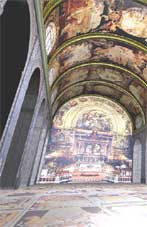
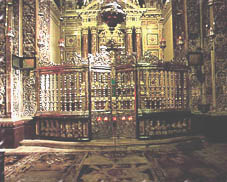
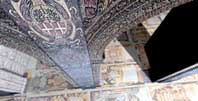
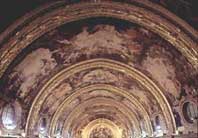
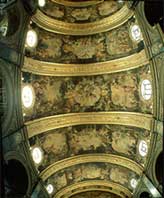
Internally, the cathedral is organised around a wide central nave approximately 20 metres across, flanked by a series of interconnected side chapels, each dedicated to one of the eight langues (regional divisions) of the Order. These chapels are structurally integrated into the thick lateral walls, creating a rhythmic spatial sequence along both sides of the nave. The layout culminates in the chancel and high altar at the eastern end, forming a clear axial progression typical of Catholic liturgical design. Above, the barrel-vaulted ceiling spans the nave, providing a continuous surface that was later transformed into a vast painted programme depicting scenes from the life of St John the Baptist. The architectural framework—arches, pilasters, and vaulting—creates a unified and monumental interior space designed to guide both movement and visual focus toward the altar.
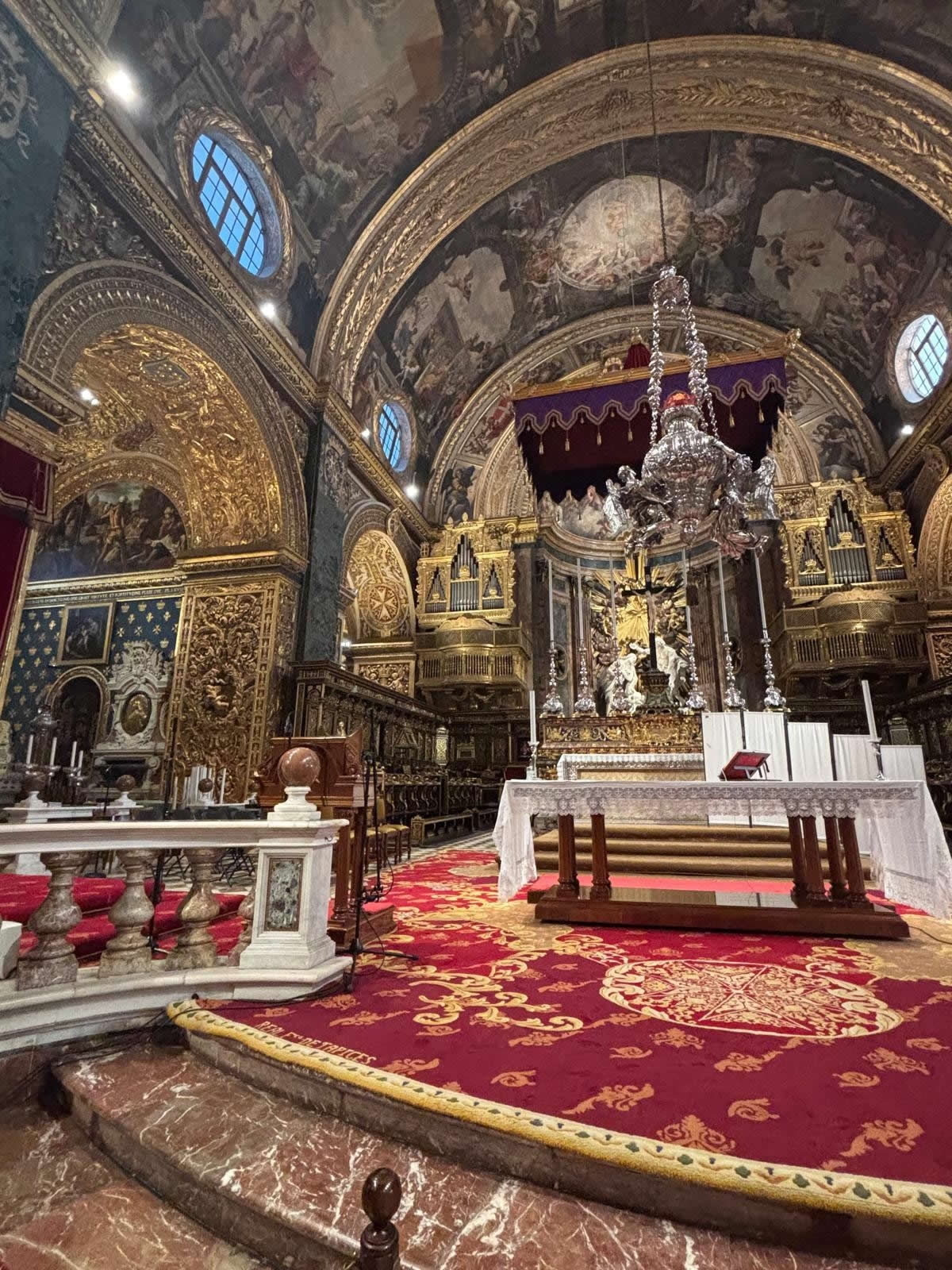
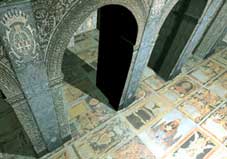
The most distinctive structural feature of the interior is its complete Baroque transformation during the 17th century under the direction of Mattia Preti. While the original structure remained intact, every surface was enriched with elaborate carving, gilded ornament, and integrated artworks. The limestone walls were intricately sculpted in situ, forming a dense decorative skin that merges architecture and sculpture. The floor itself is a structural and artistic element, composed of hundreds of marble tomb slabs commemorating knights of the Order, effectively turning the entire nave into a monumental funerary space. This layering of structure, decoration, and symbolic meaning results in a building where architecture serves not only functional and spatial purposes but also acts as a unified expression of power, faith, and artistic ambition in Baroque Malta.
 |
 |
 |
 |
 |
 |
 |
 |
 |