📍 Location
Location Map Coordinates 36.046755, 14.255103
Introduction
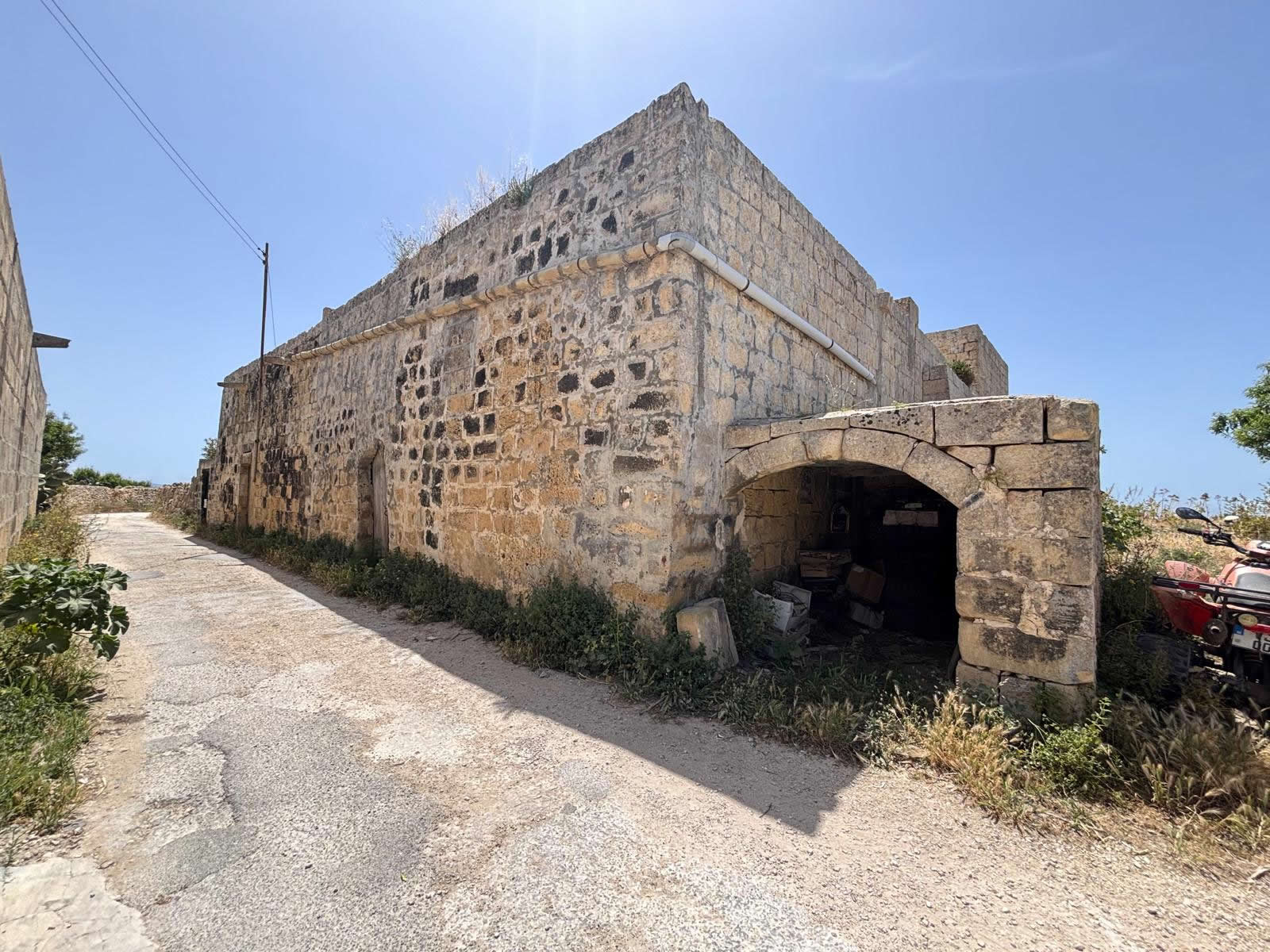
The Plague Hospital of Xagħra, located on the island of Gozo, stands as a powerful reminder of one of the most devastating health crises in Maltese history. Established during the 1814 plague outbreak, this modest rural structure played a crucial role in isolating and treating victims during a time of fear, uncertainty, and sacrifice.
Situated in the countryside overlooking the burial grounds associated with the epidemic, the site is intrinsically linked with the nearby Xagħra Plague Cemetery (1814), forming part of a wider historical landscape of disease management and quarantine practices in the Maltese Islands.
Historical Background: The 1813–1814 Plague
The plague reached Malta on 7 April 1813, arriving via maritime trade routes from Constantinople. Although strict quarantine measures initially protected Gozo, the disease eventually broke out in Xagħra in mid-February 1814.
The sudden appearance of the epidemic in this rural village prompted immediate action. Authorities imposed a strict double military cordon around the locality, effectively sealing it off to prevent the spread of infection to other parts of Gozo.
This outbreak marked one of the most serious public health emergencies in Gozo’s history, testing both the resilience of its inhabitants and the capabilities of early 19th-century medical responses.
Establishment of the Plague Hospital
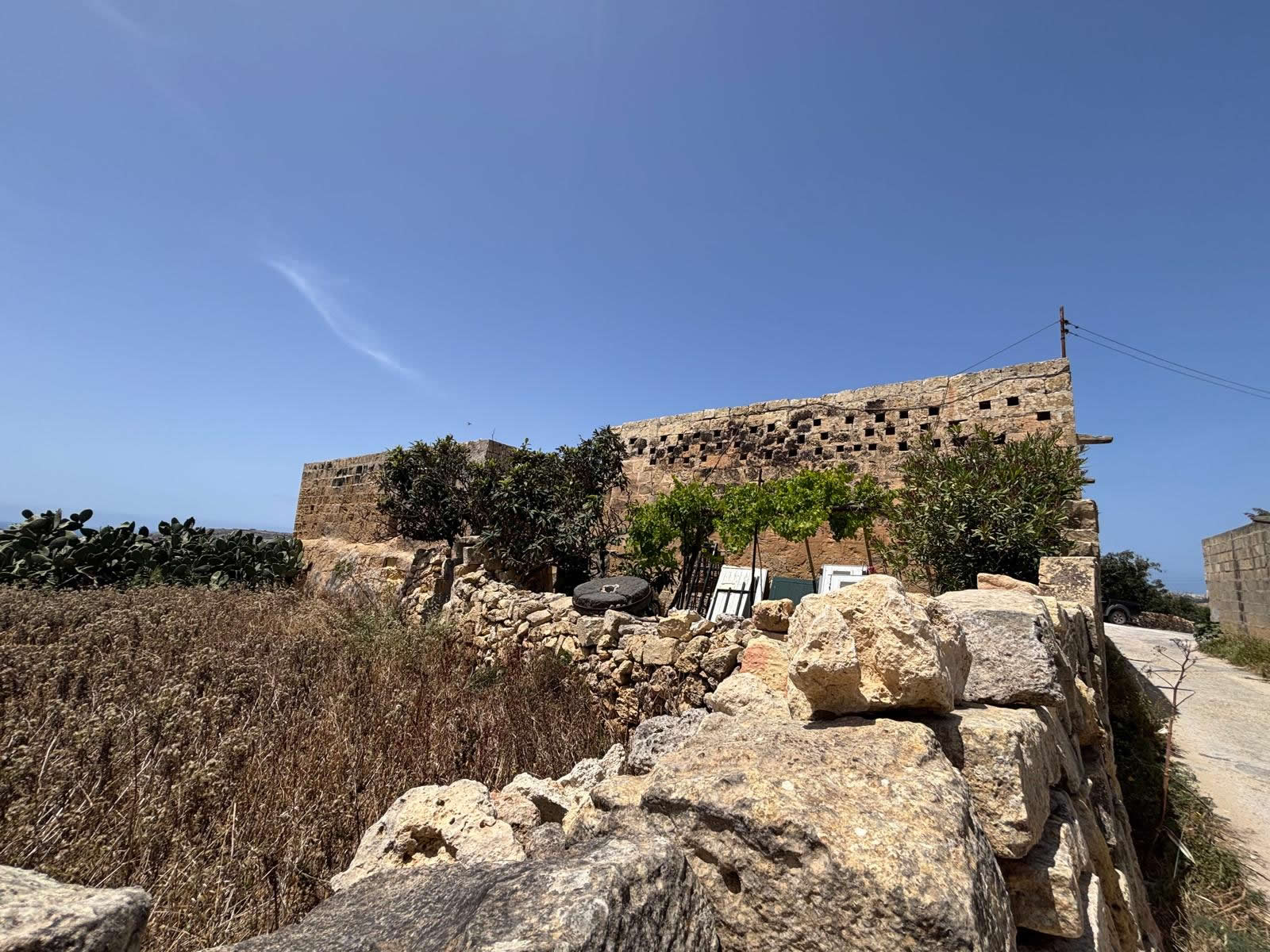
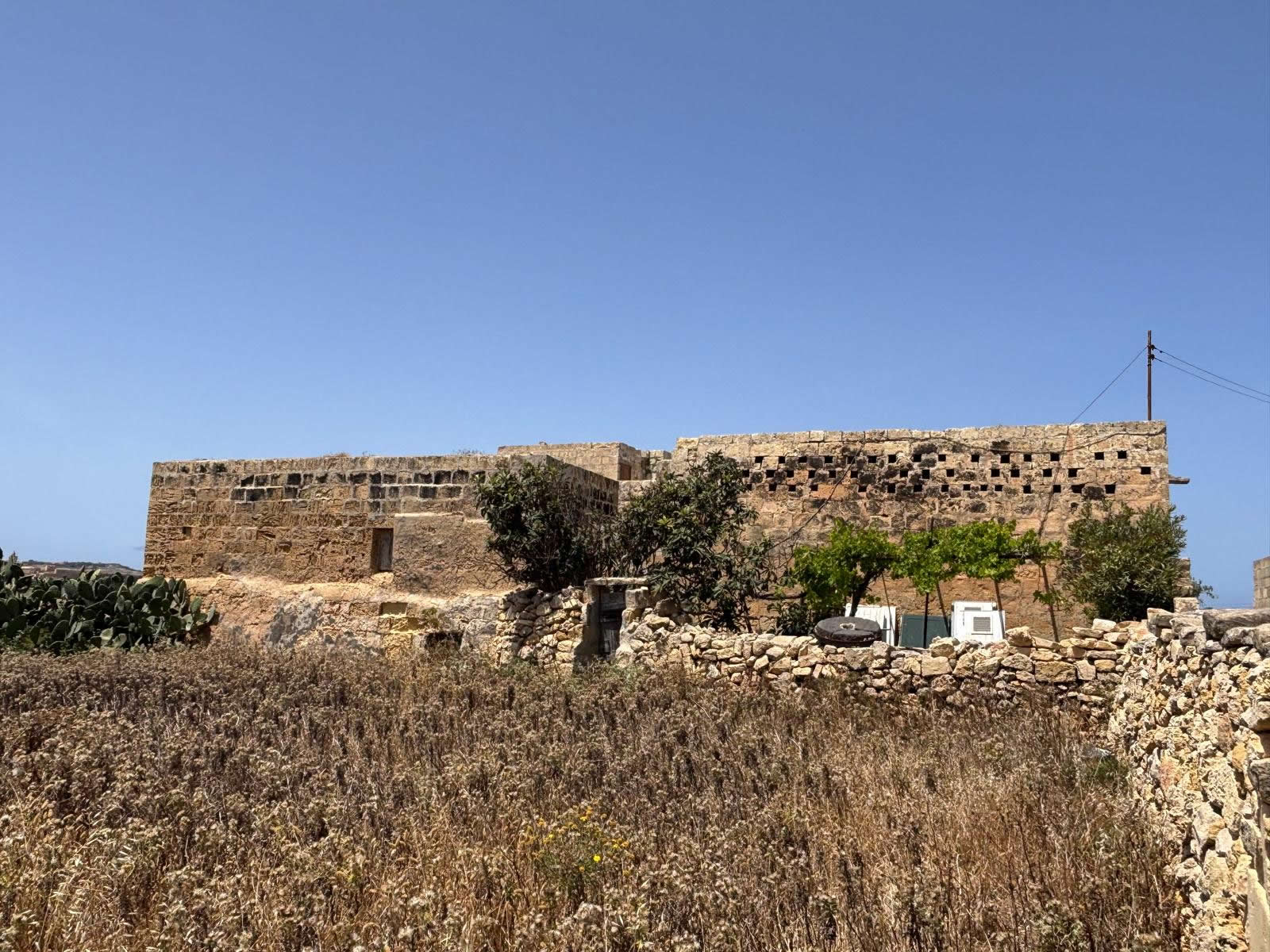
To contain the outbreak, a temporary hospital was established in a large farmhouse known as Tal-Qasam, located in the area of Għajn Lukin.
This building was strategically chosen due to its isolation from the village core, allowing authorities to segregate infected individuals from the general population. The hospital functioned as both a treatment centre and a quarantine facility, reflecting early attempts at epidemic control through spatial separation.
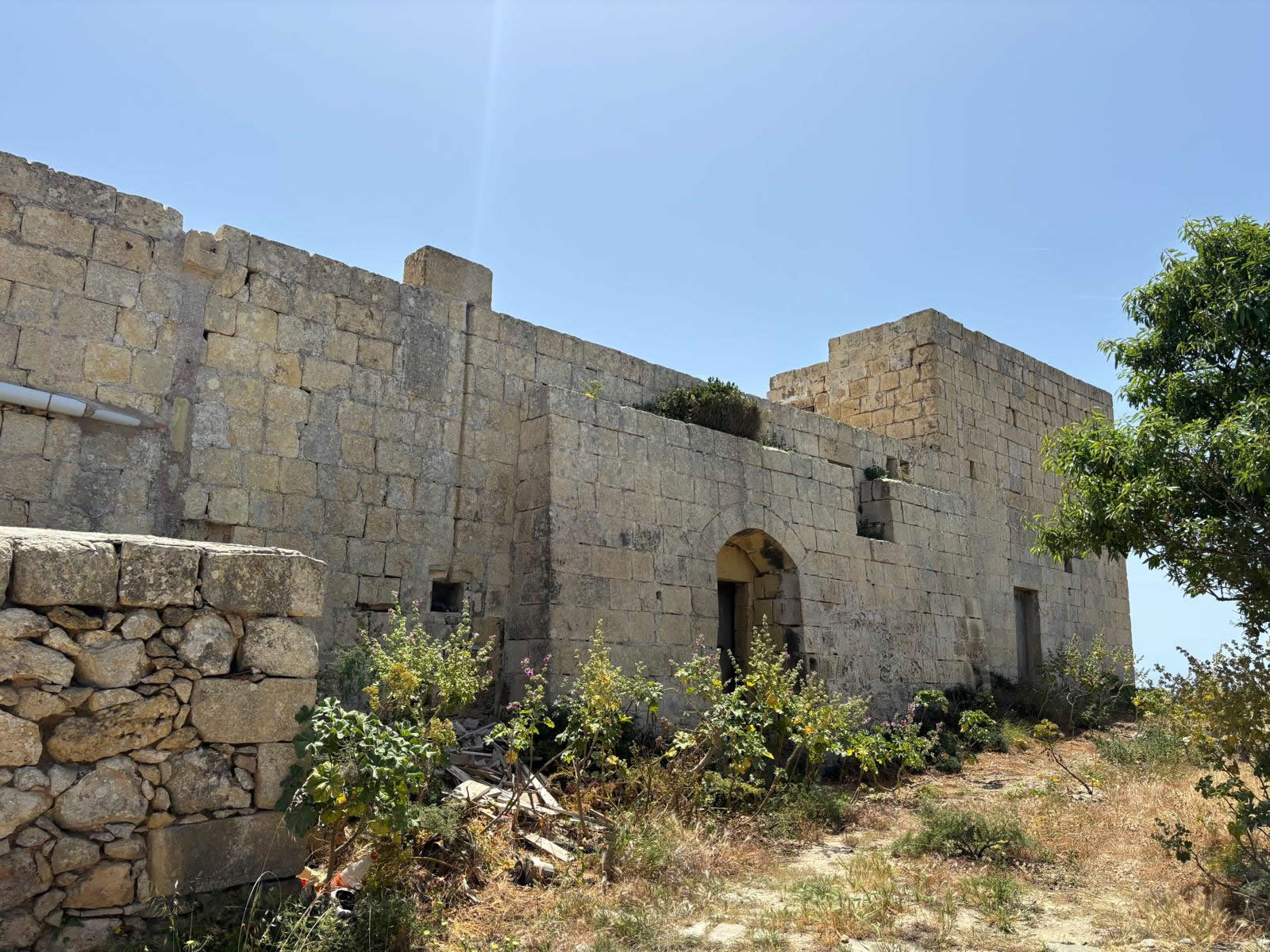
Constructed using traditional Maltese limestone, the structure was simple yet functional, designed to accommodate patients under strict sanitary conditions. Its rural setting further reduced the risk of contagion spreading into densely populated areas.
Medical Response and Key Figures
One of the most notable figures associated with the hospital was Dr George Mc Adam, a British physician who volunteered to treat the infected despite the high risk to his own life. :
Dr Mc Adam’s dedication ultimately led to his death after contracting the disease himself. His sacrifice has since become emblematic of the courage shown by medical professionals during the outbreak.
Another key figure was the parish priest Dun Vincenz Cauchi, who also succumbed to the plague while ministering to the sick and dying.
Death Toll and Burial Practices
The outbreak resulted in the deaths of 104 individuals, a significant number for a small rural community.
To prevent further spread of infection, victims were buried in a designated field at some distance from the hospital. This burial ground is today recognised as the Xagħra Plague Cemetery, where the victims of the epidemic were laid to rest.
The separation of burial grounds from populated areas reflects contemporary understandings of contagion and demonstrates early public health strategies aimed at minimizing risk.
End of the Epidemic
By 26 July 1814, the outbreak in Xagħra had been successfully contained. Later that year, on 8 September 1814, Malta was officially declared free of the plague.
This marked the end of one of the last major plague epidemics in the Maltese Islands and signalled a turning point in the development of public health measures.
Later Use and 19th-Century Adaptation
The structure associated with the plague hospital continued to be used in later years, including during outbreaks of other diseases such as cholera. Historical records indicate that it served as a quarantine facility, reinforcing its role as a site of medical isolation and care.
This continuity of use highlights the enduring importance of the building within Gozo’s healthcare history.
Architecture and Setting
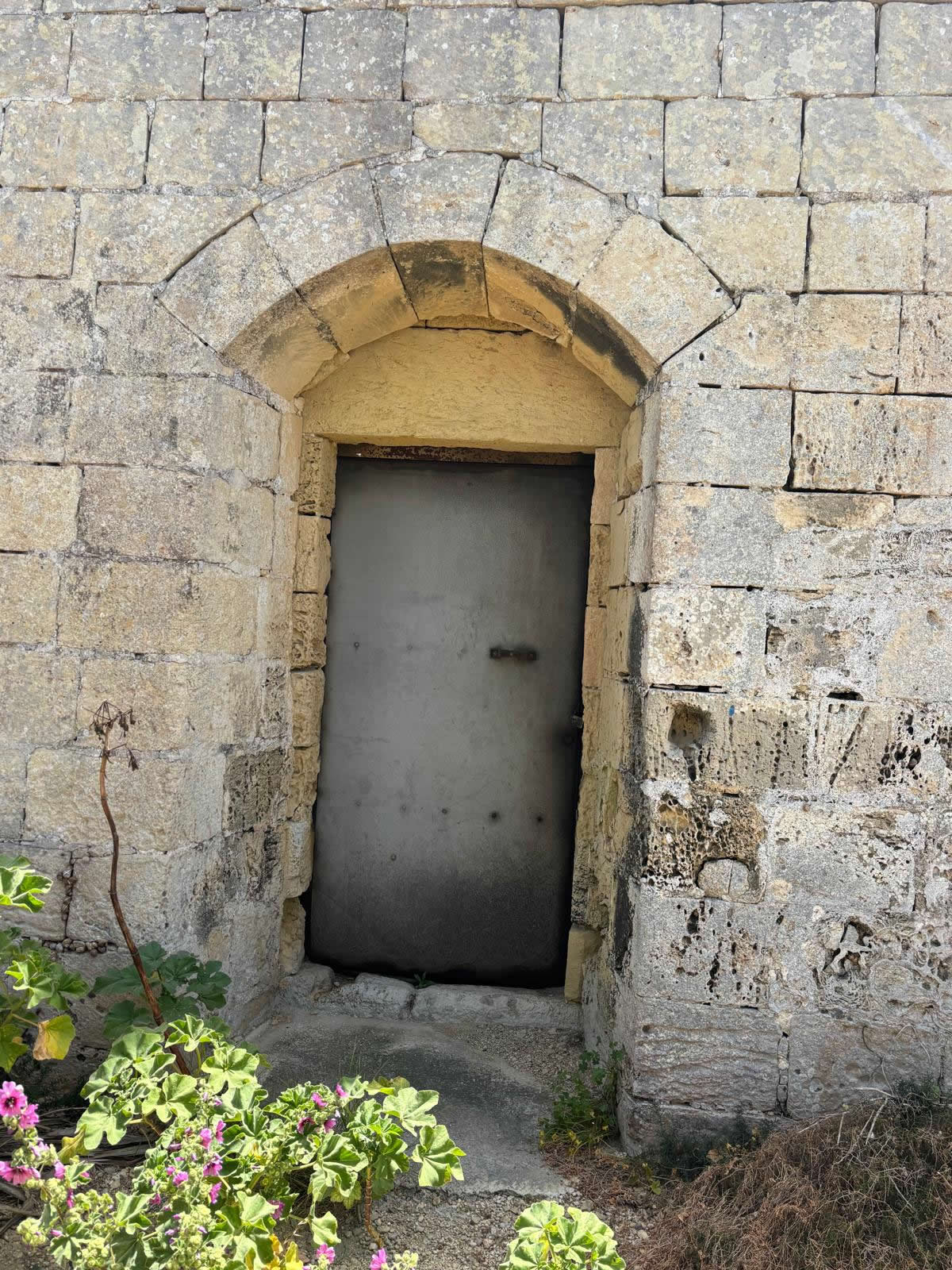
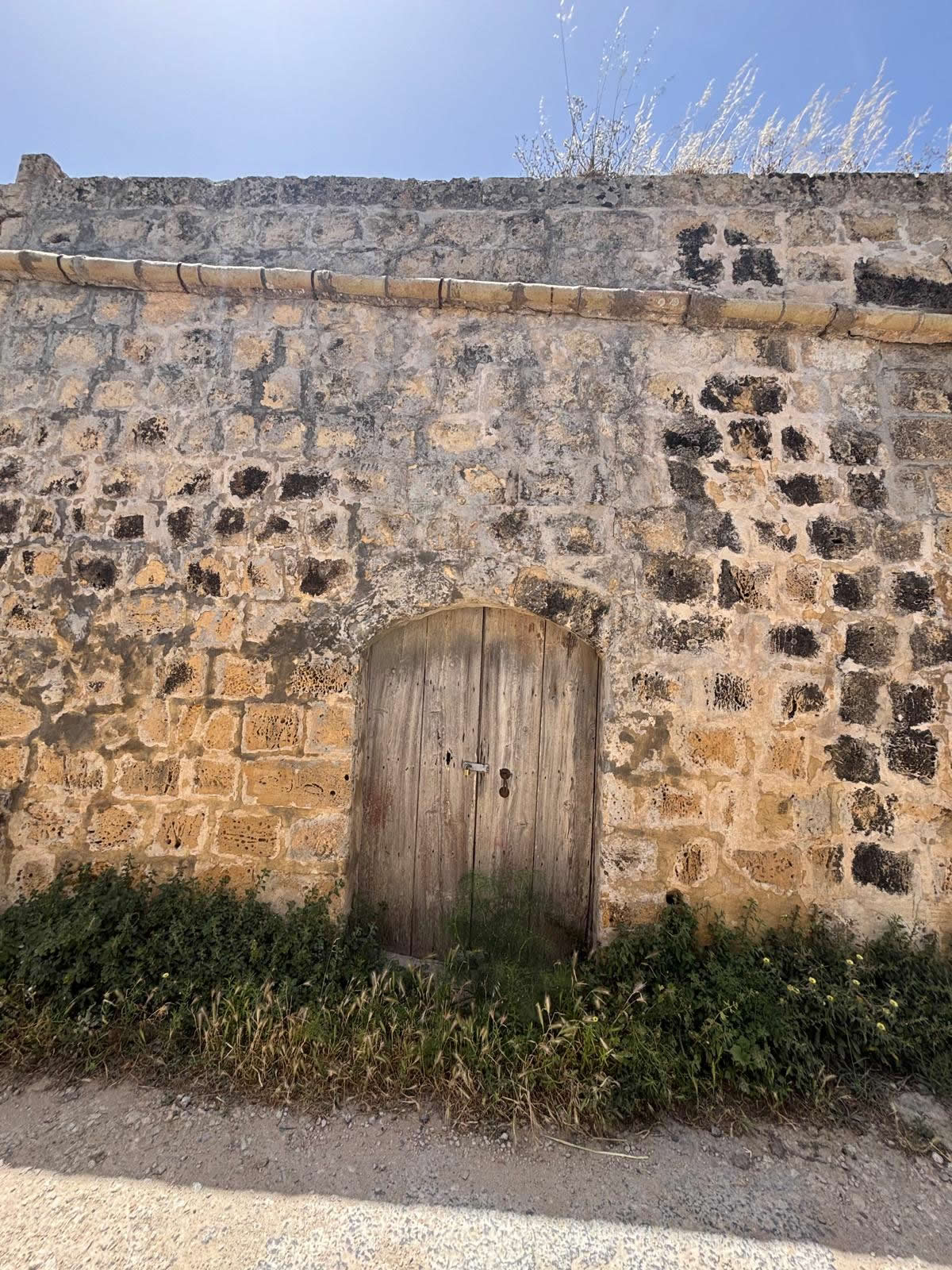
The Plague Hospital is a modest rural building constructed from local limestone, reflecting traditional Gozitan architectural techniques. Its layout is functional, with thick walls and minimal openings designed to maintain controlled conditions.
Its location overlooking the surrounding countryside and burial grounds underscores its purpose as an isolated medical facility. The surrounding landscape remains largely unchanged, preserving the historical context of the site.
Restoration and Current Condition
Today, the Plague Hospital stands as a historical landmark rather than an active medical facility. While not extensively restored, it remains an important heritage site, offering insight into early 19th-century responses to epidemic disease.
The building, together with the nearby cemetery, forms part of a wider cultural and historical route within Xagħra, attracting visitors interested in Malta’s medical and social history.
Cultural and Historical Significance
The Plague Hospital of Xagħra is significant not only as a physical structure but also as a symbol of resilience, sacrifice, and community response in the face of crisis.
It represents:
- Early quarantine and epidemic management practices
- The role of rural communities in disease containment
- The sacrifices of medical and religious figures
- The broader impact of the 1813–1814 plague on Maltese society
Together with other historic sites in Xagħra—one of Gozo’s oldest inhabited areas—it contributes to a rich cultural landscape spanning thousands of years.
Visiting the Site
The Plague Hospital is located in the countryside of Xagħra, accessible via rural paths and minor roads. Visitors are encouraged to also explore the nearby plague cemetery and other historical landmarks in the area.
Coordinates: 36.046755, 14.255103
Conclusion
The Plague Hospital in Xagħra stands as a poignant reminder of a time when disease reshaped communities and tested the limits of human endurance. From its origins as a temporary farmhouse hospital to its role in later medical crises, the site encapsulates a critical chapter in Gozo’s history.
Today, it remains a place of reflection—honouring those who perished, those who served, and the enduring spirit of a community that overcame one of its darkest moments.
Frequently Asked Questions
What was the purpose of the Plague Hospital in Xagħra?
It served as a quarantine and treatment facility during the 1814 plague outbreak.
Where is the Plague Hospital located?
It is located in Xagħra, Gozo, at coordinates 36.046755, 14.255103.
Is the site open to the public?
The exterior can be visited, although access may be limited as it is not a formal museum.
How is it connected to the Xagħra Plague Cemetery?
The cemetery nearby contains the remains of those who died during the outbreak treated at the hospital.