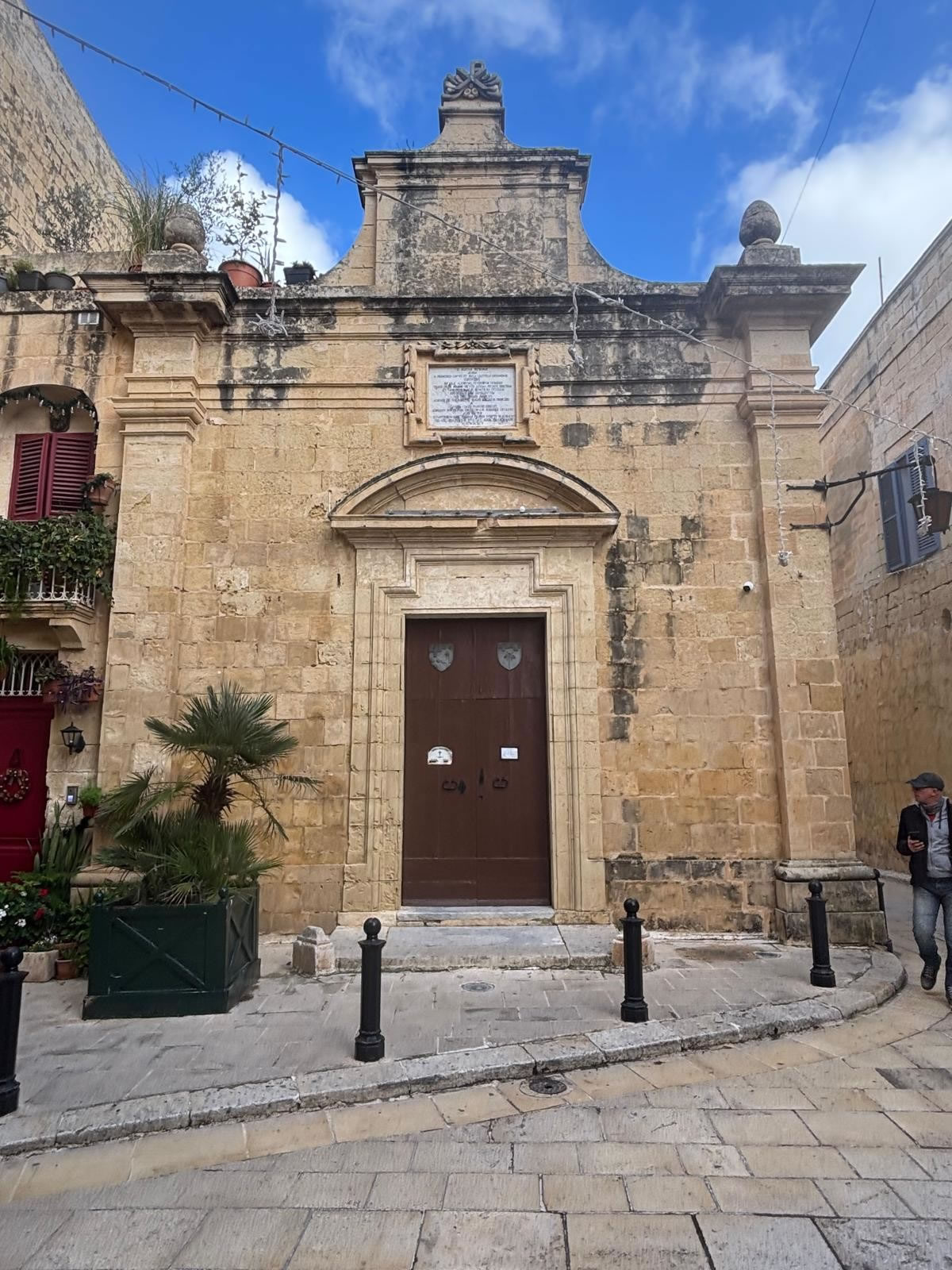
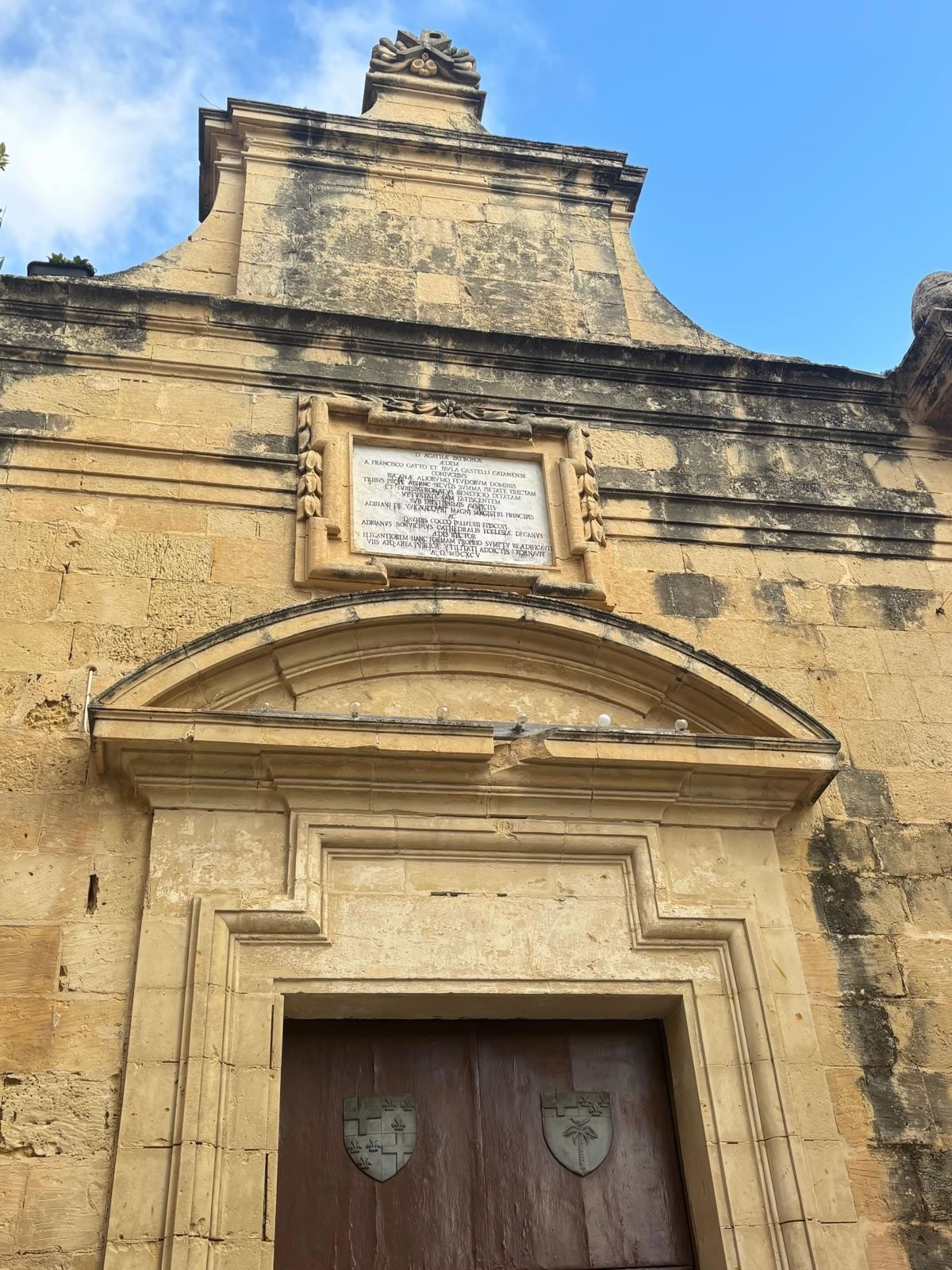
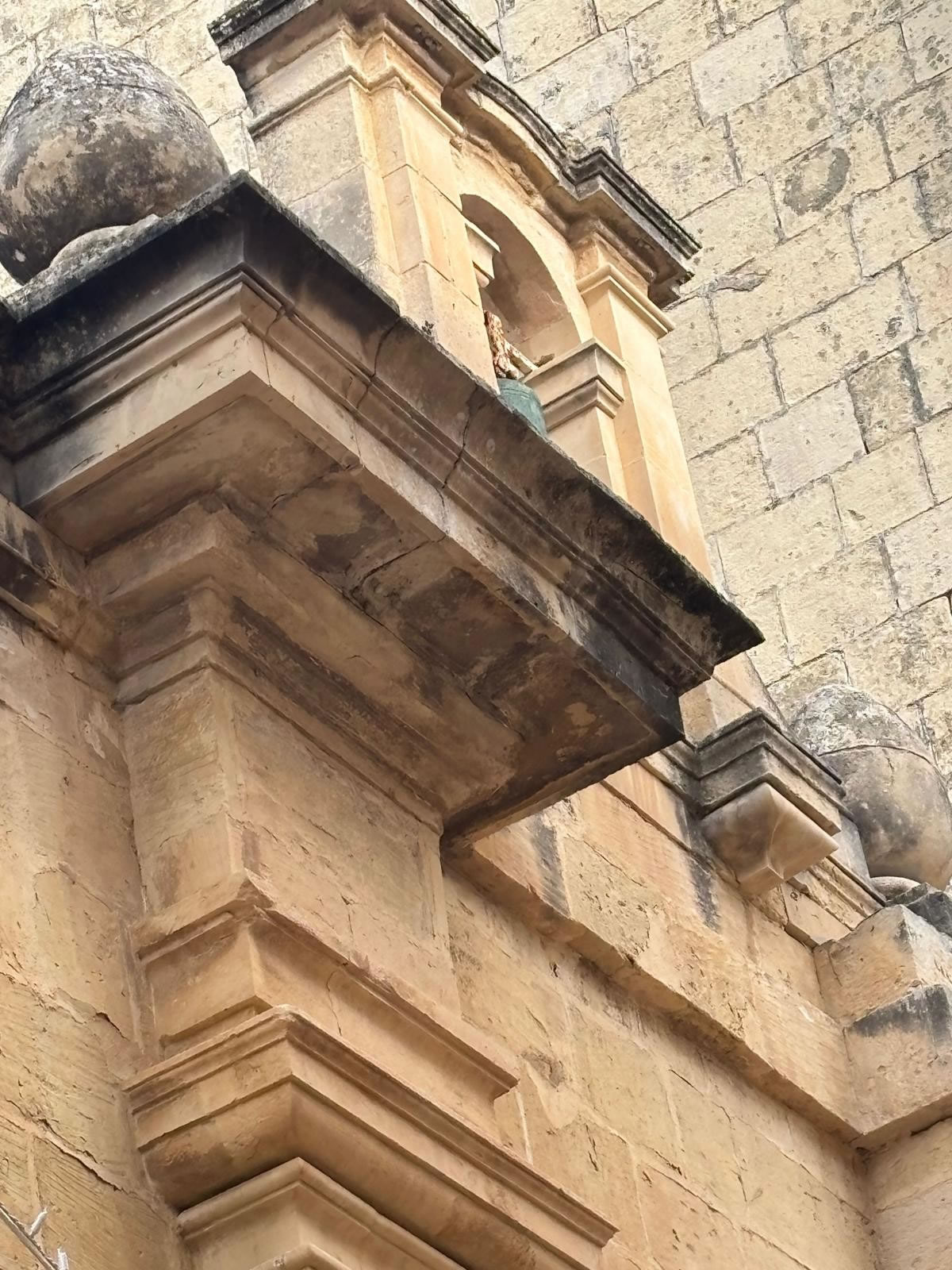
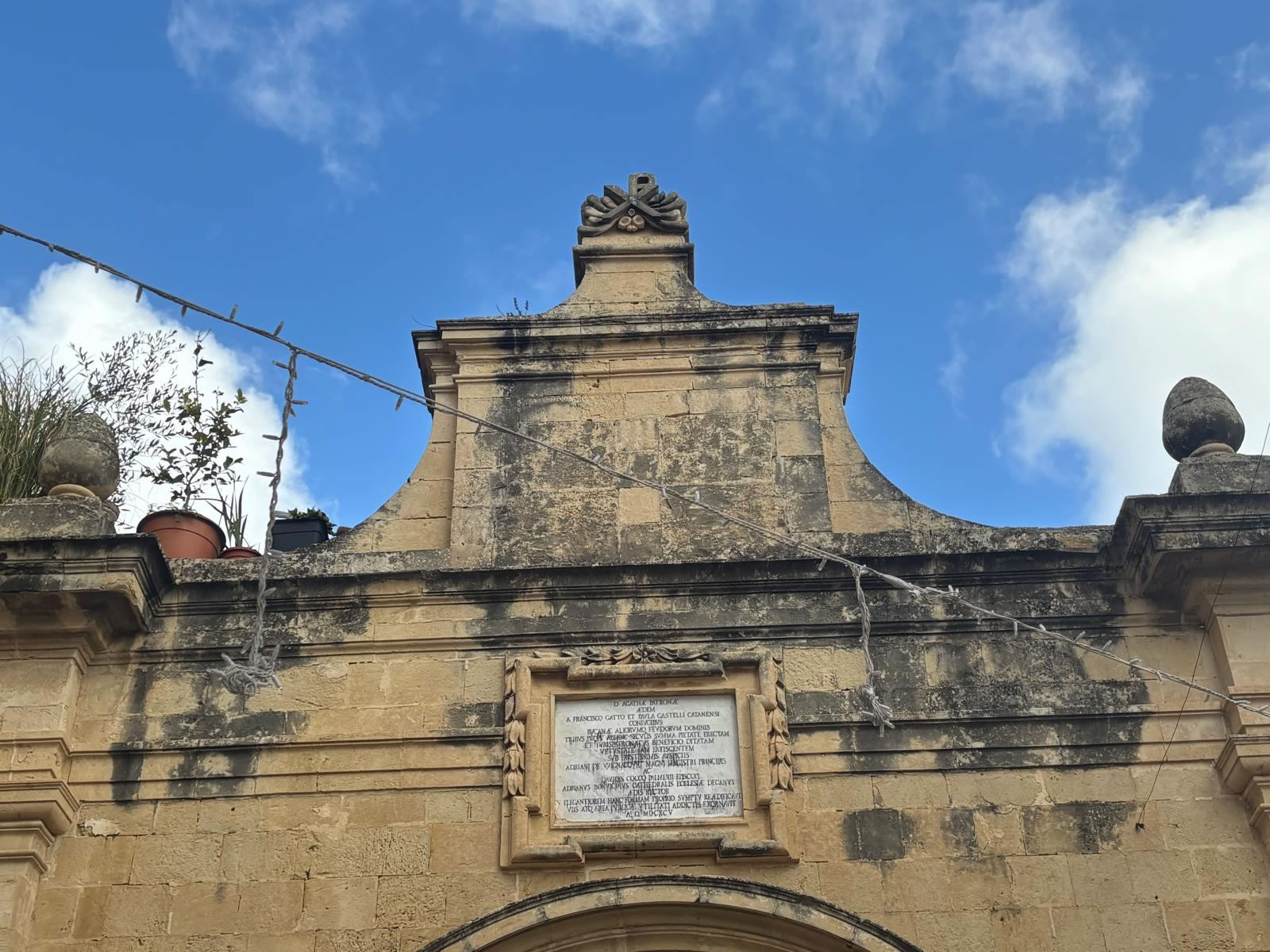
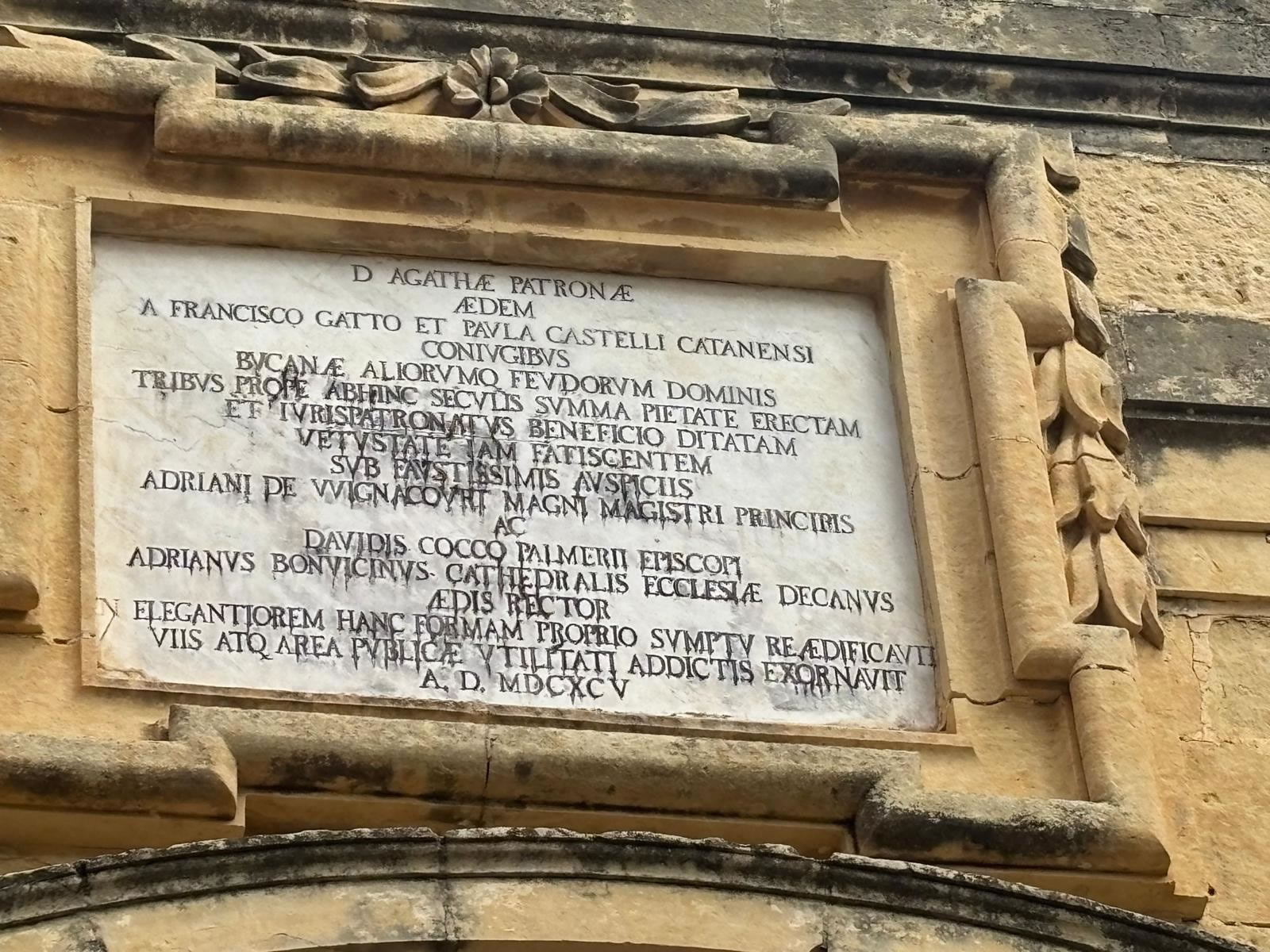
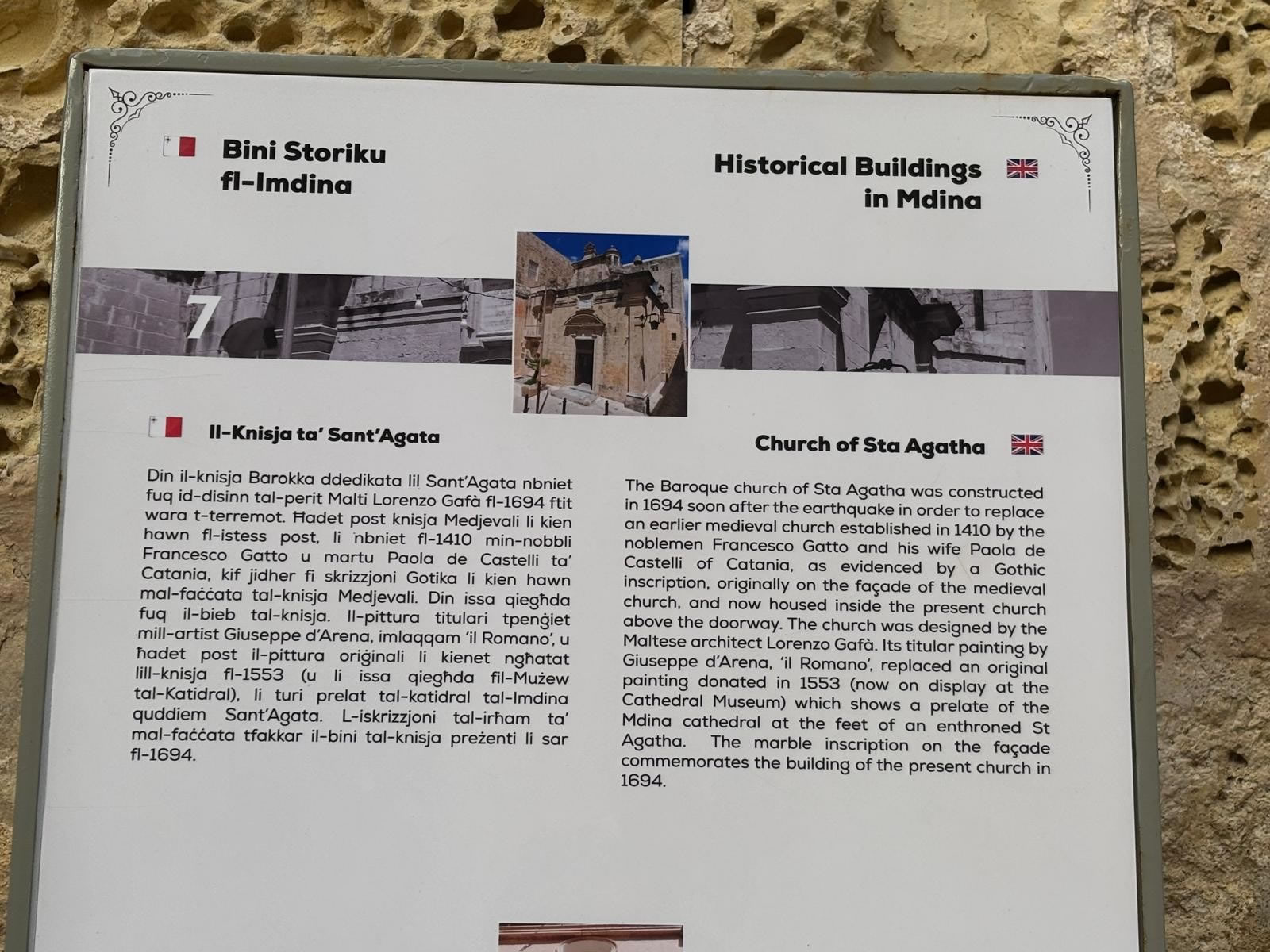
Kappella ta’ Sant’ Agata is a small chapel within Mdina’s wider sacred landscape.
The original medieval chapel was built in 1417, but it was badly damaged in the 1693 earthquake and later rebuilt—
creating a layered monument that bridges medieval devotion and later reconstruction.
Original build: 1417Major event: 1693 earthquakeCoordinates: 35.8852365, 14.4034240Updated: 17 Dec 2025
A small but historically layered chapel dedicated to St Agatha within Mdina’s heritage setting.Respectful visiting:Mdina is a living historic city. Please keep noise low near places of worship and follow any access restrictions.
St Agatha has long held a special place in Maltese devotional tradition, and chapels dedicated to her appear across the islands.
In Mdina, the establishment of a chapel in 1417 reflects a period when the city was still the historic centre of local governance
and religious life, with small chapels supporting neighbourhood devotion and private patronage.
The 1693 earthquake (a major seismic event that affected many parts of the central Mediterranean) caused serious damage to numerous buildings
in Malta. The medieval chapel of Sant’ Agata was badly damaged, prompting later rebuilding that altered its fabric and likely replaced structural elements
most vulnerable to collapse, such as roofing and upper masonry.
The chapel’s present form therefore represents a layered history: a medieval foundation remembered through its dedication and early date, and a rebuilt structure
shaped by post-earthquake repair and later maintenance. This “two-part” story is a common pattern in Maltese heritage, where many sites preserve continuity of place
even as buildings themselves are rebuilt.
1417: original medieval chapel established.
1693: chapel badly damaged during the earthquake.
After 1693: rebuilding and repair reshape the surviving structure.
Modern era: conservation works maintain the chapel’s fabric within Mdina’s protected setting.
Construction and architecture
The original 1417 building would have used familiar medieval Maltese construction methods: local limestone, relatively small openings, and a compact
plan oriented toward the altar. After the 1693 earthquake, rebuilding typically prioritised structural stability—often strengthening walls, renewing roofing,
and introducing later stylistic elements while keeping the chapel’s basic liturgical layout.
Building material: Maltese limestone, the defining material of Mdina’s architecture.
Plan: compact chapel form, centred on altar-focused worship.
Later fabric: post-1693 rebuilding likely renewed vulnerable structural components.
Context: sits within Mdina’s dense historic environment, where chapels often relate to streetscape and community identity.
Restoration and conservation
In historic cities like Mdina, conservation is typically an ongoing process rather than a single event. Works generally focus on controlling damp,
maintaining roof integrity, and repairing limestone with compatible lime-based materials to avoid accelerating decay. Where earlier rebuilding introduced
later masonry, conservation aims to stabilise and protect both the medieval legacy and the post-earthquake fabric.
The chapel’s long-term survival also depends on good water management—ensuring rainwater run-off does not undermine foundations or walls—and on careful
treatment of any interior finishes. Any restoration should remain reversible where possible and avoid harsh modern cement repairs that can trap moisture
in historic limestone.
Use over time: worship, memory, heritage
Traditionally, chapels like Sant’ Agata supported devotional prayer and local services, sometimes linked to feast-day observance and family patronage.
After rebuilding, the chapel continued as a small sacred landmark within Mdina’s religious landscape—less a major parish focus and more a quiet place
of remembrance and identity.
Today, access may depend on services, caretaking arrangements, or heritage openings. Even when not open, the chapel contributes to Mdina’s cultural fabric
by preserving a continuity of sacred space from the medieval period through the post-1693 rebuilding era.
FAQ
How old is Kappella ta’ Sant’ Agata?
The original medieval chapel was built in 1417, though the surviving structure incorporates later rebuilding after the 1693 earthquake.
Why is the 1693 earthquake important to its story?
It badly damaged the medieval building and led to rebuilding, making the chapel a layered site linking medieval origins with post-earthquake repair.
How do I find it?
Use coordinates 35.8852365, 14.4034240 in your map app to locate the chapel in Mdina.