📍 Location
Location Map Coordinates 35.886030, 14.404063
Introduction
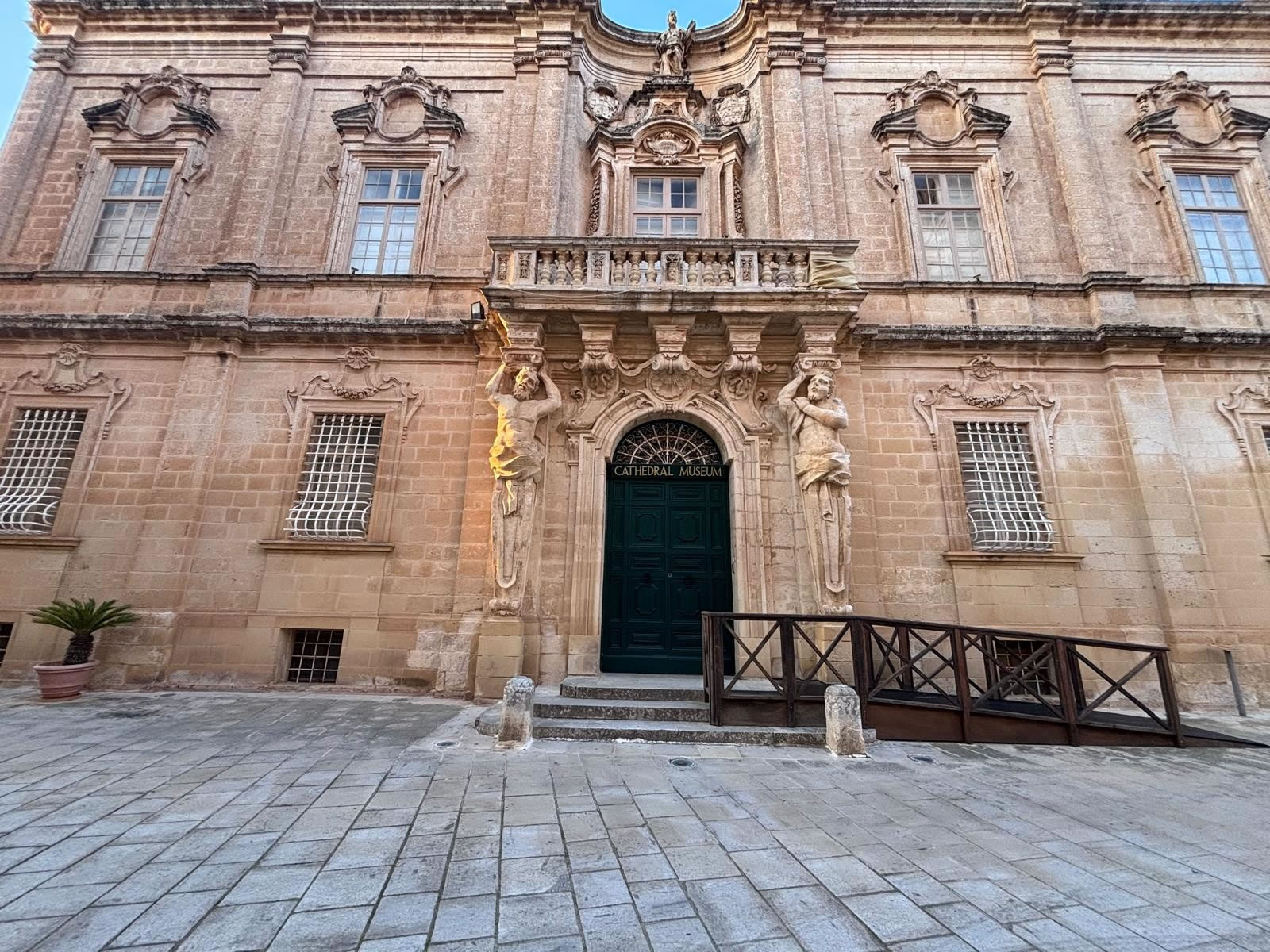
The Cathedral Museum of St Paul in Mdina is one of Malta’s most important ecclesiastical museums, offering an exceptional collection of religious art, historical artefacts, and cultural treasures. Located in Archbishop’s Square, directly adjacent to St Paul’s Cathedral, the museum is housed within a grand Baroque seminary building that dates back to the early 18th century.
The museum provides a unique insight into Malta’s religious heritage, spanning from the medieval period through to the modern era. Its collections reflect the artistic, spiritual, and social history of the Maltese Islands, making it an essential destination for visitors exploring Mdina.
Origins of the Building (1733–1742)
The building that houses the Cathedral Museum was originally constructed as a seminary for the Diocese of Malta. The foundation stone was laid in 1733 under Bishop Paul Alphéran de Bussan, and the structure was completed and inaugurated in 1742.
This seminary was one of the earliest purpose-built institutions for the training of clergy in Malta, following reforms introduced by the Council of Trent, which required dioceses to establish seminaries for priestly formation.
Designed in the Baroque style, the building reflects the architectural sophistication of 18th-century Malta. It is attributed to architects such as Andrea Belli, who contributed significantly to the island’s architectural heritage.
The seminary remained in use until 1858, after which its functions were relocated, and the building began to serve a variety of purposes over time.
Development of the Museum (1897–1969)
The origins of the Cathedral Museum date back to 1897, when the Cathedral Chapter first established a museum to house and preserve its growing collection of artworks and artefacts.
Initially, the collection was displayed in rooms adjacent to St Paul’s Cathedral. However, as the collection expanded, the need for a larger and more suitable space became evident.
A significant turning point occurred in 1969, when the museum was transferred to the former seminary building and officially opened to the public in its current location.
This move allowed for the proper conservation, organisation, and presentation of the museum’s extensive collections, establishing it as one of the foremost ecclesiastical museums in Malta.
Historical Use and Wartime Period
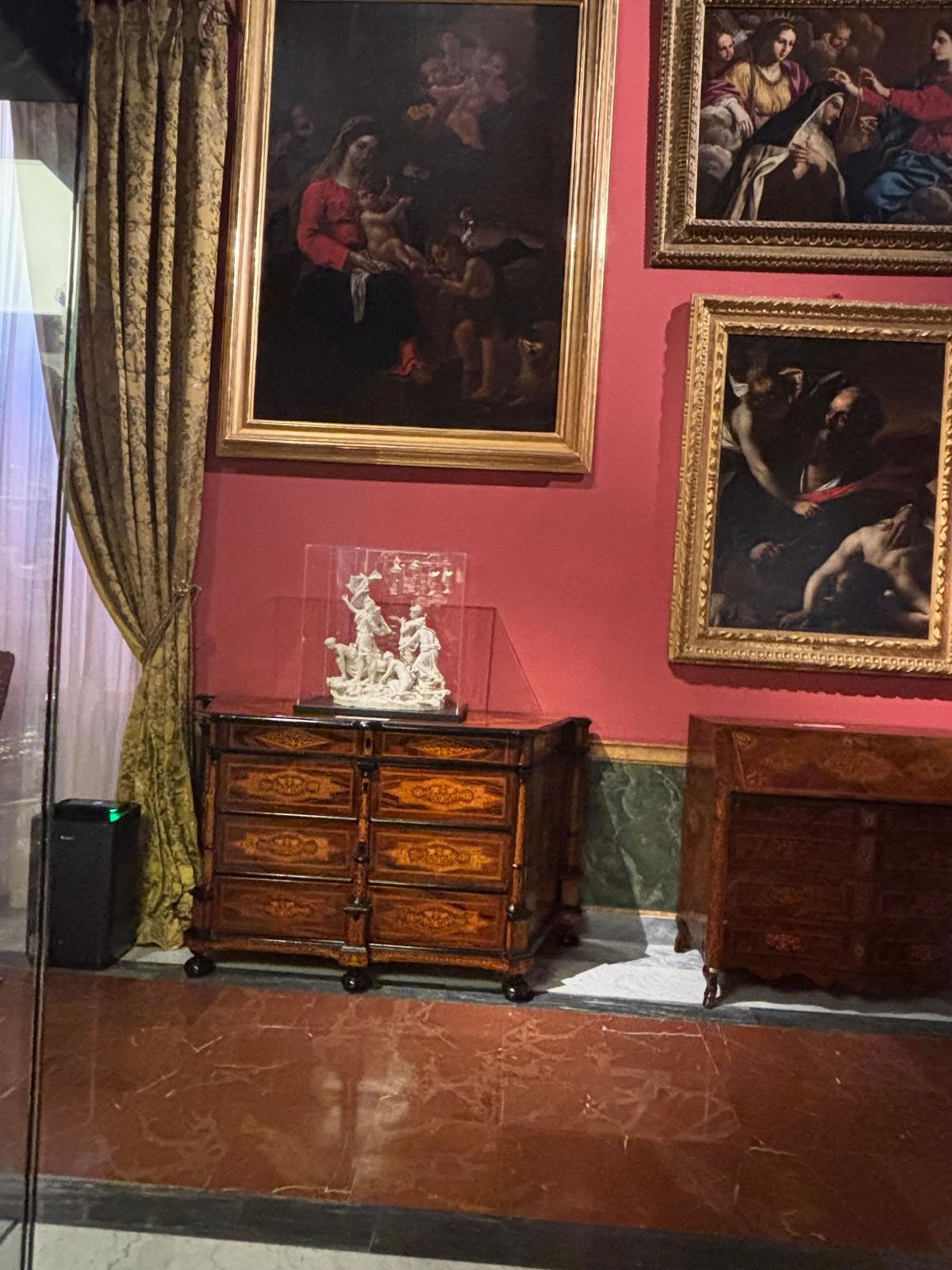
During the 20th century, particularly throughout the Second World War, the seminary building served various functions. It was used as a boarding school, retreat house, and temporary accommodation, reflecting the broader social and historical challenges faced by Malta during this period.
These adaptive uses ensured the preservation of the building until it could be fully transformed into a museum, safeguarding its architectural and historical integrity.
Collections and Artefacts
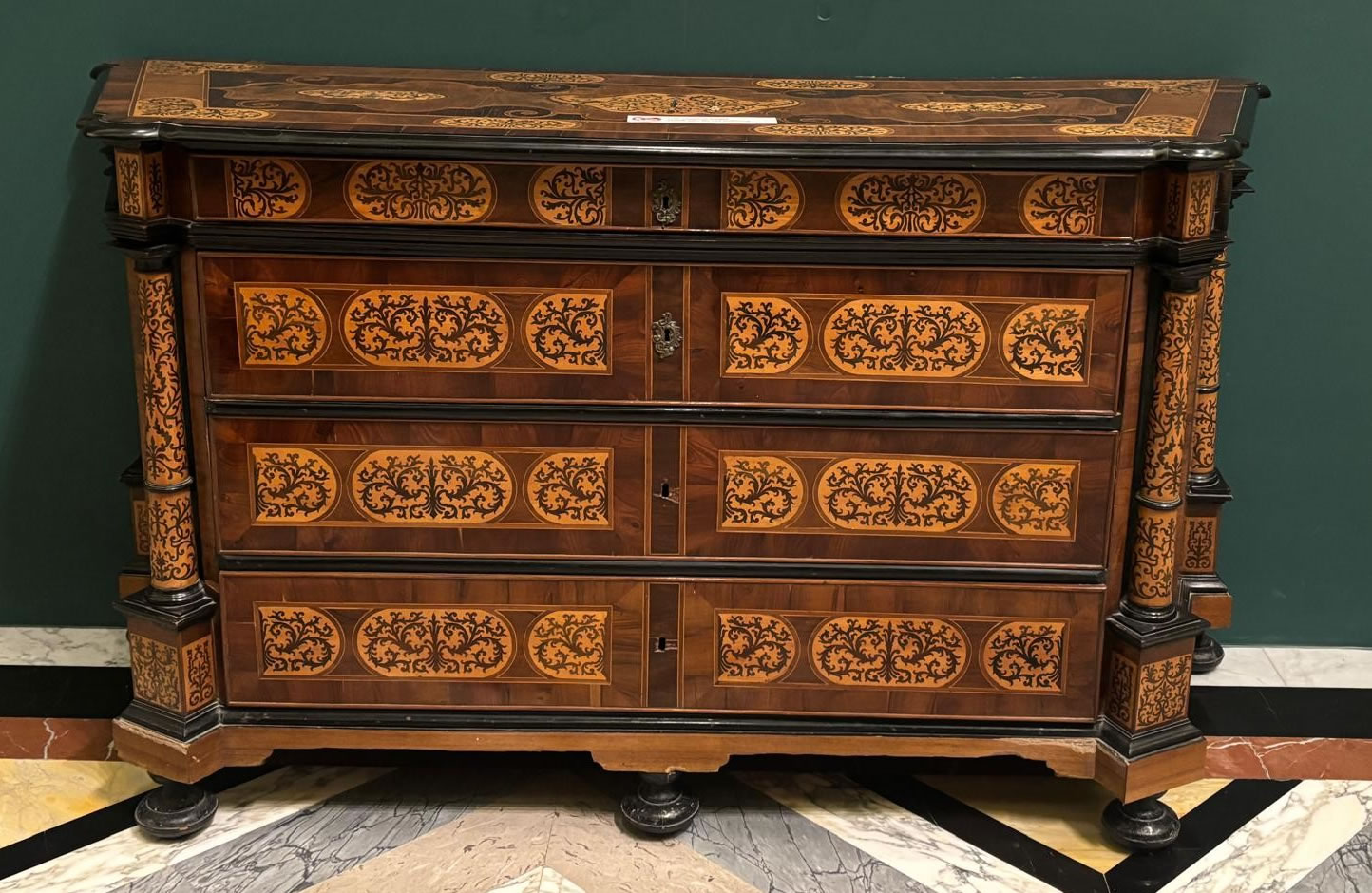
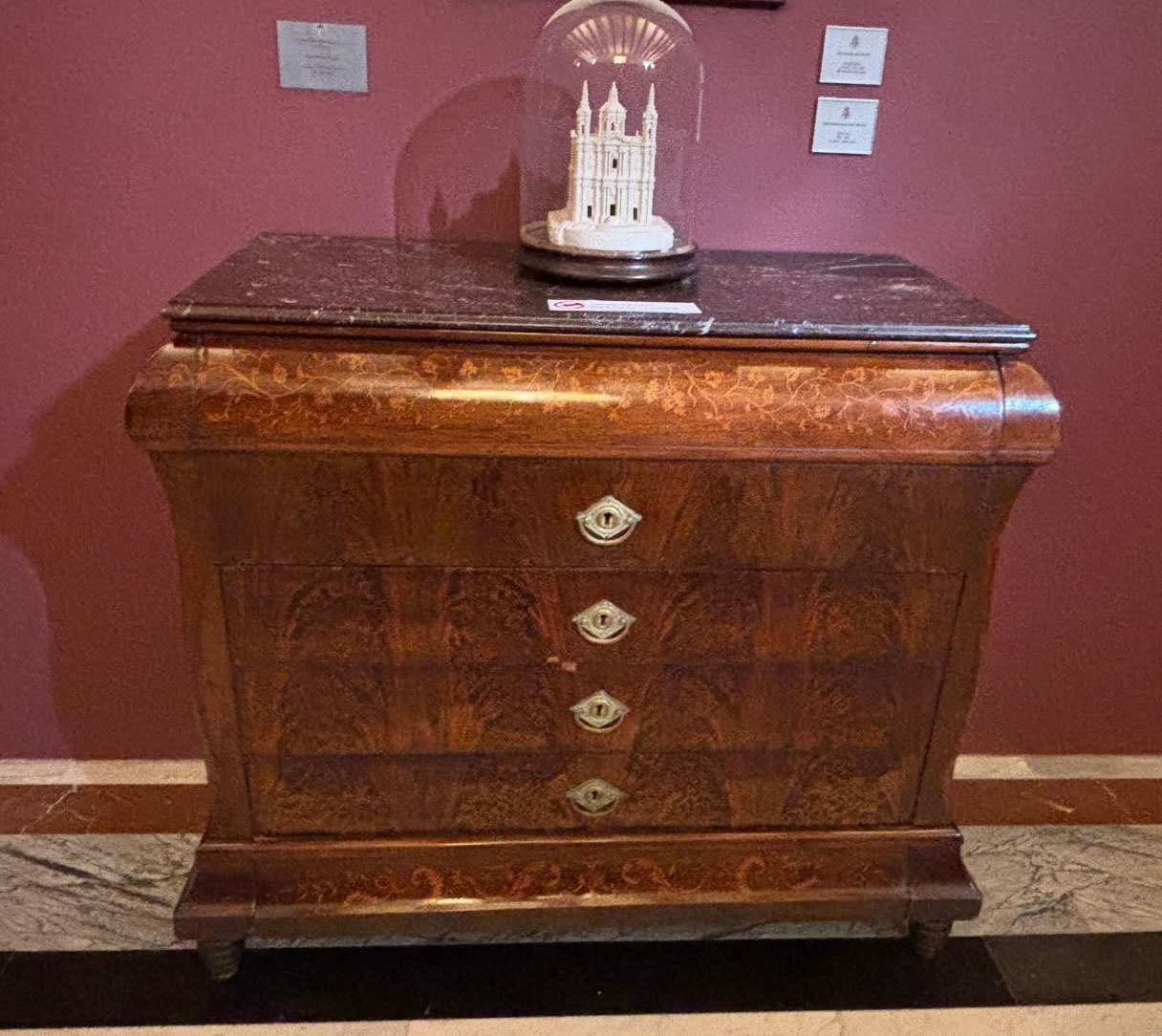
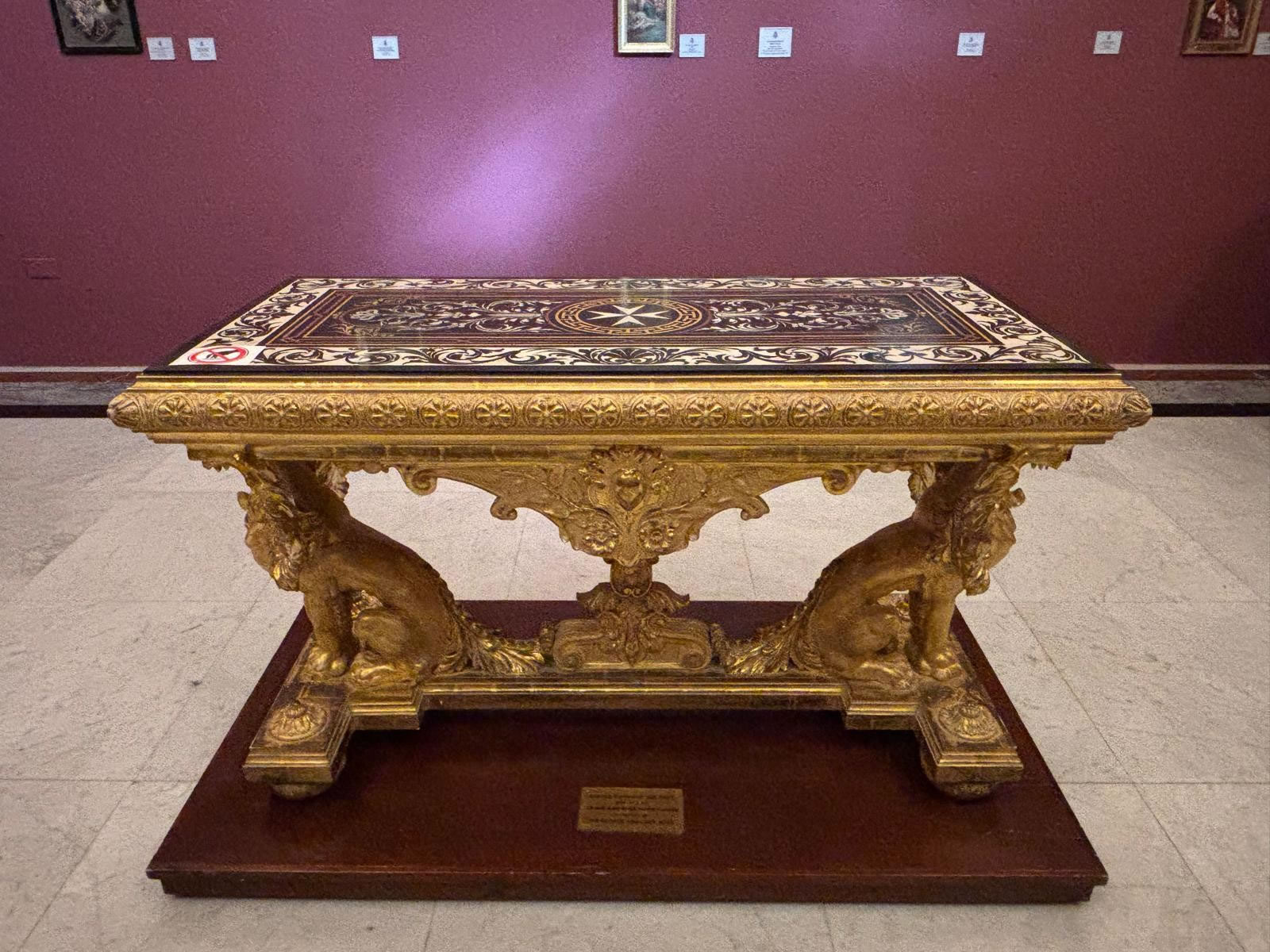
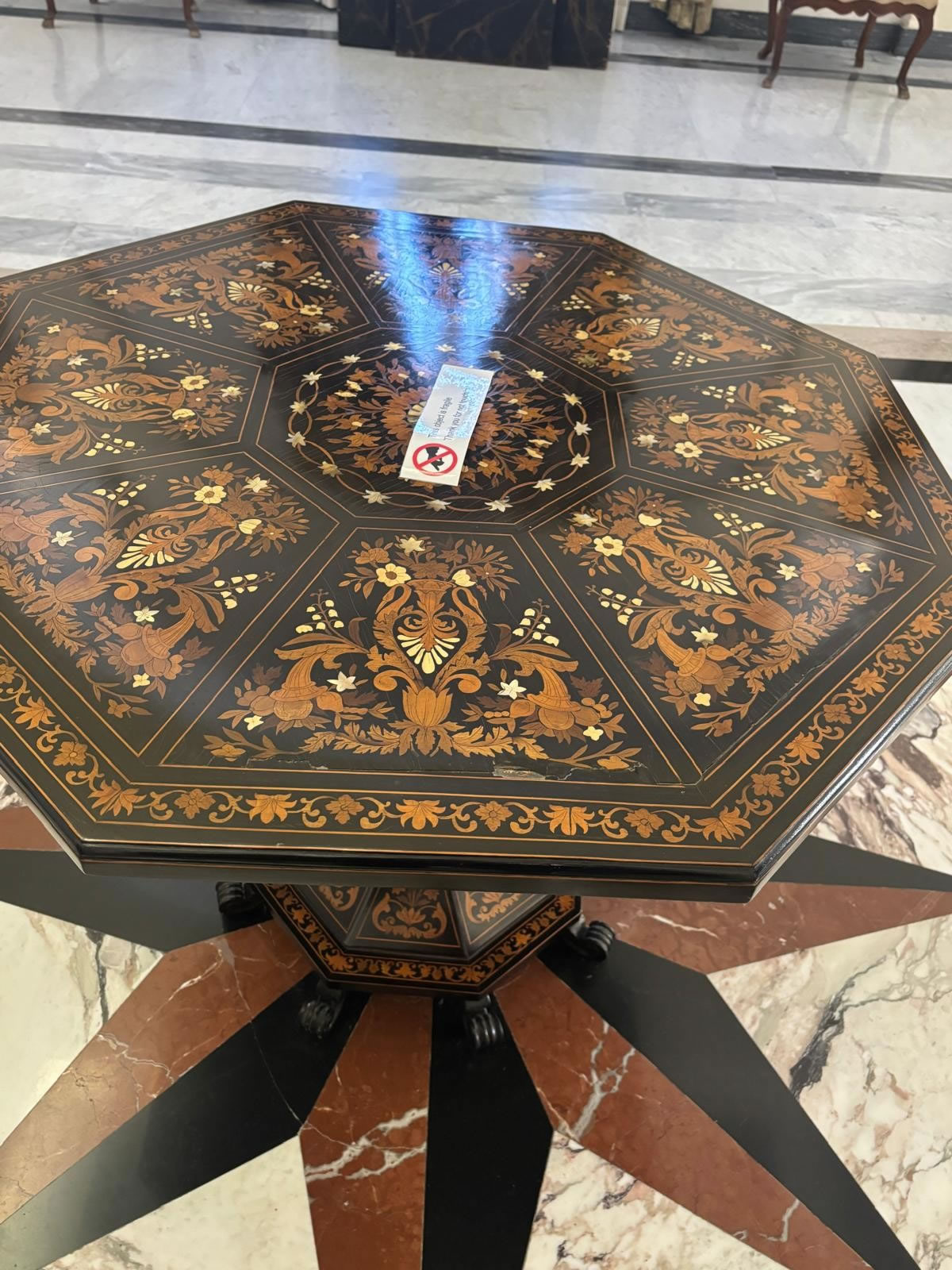
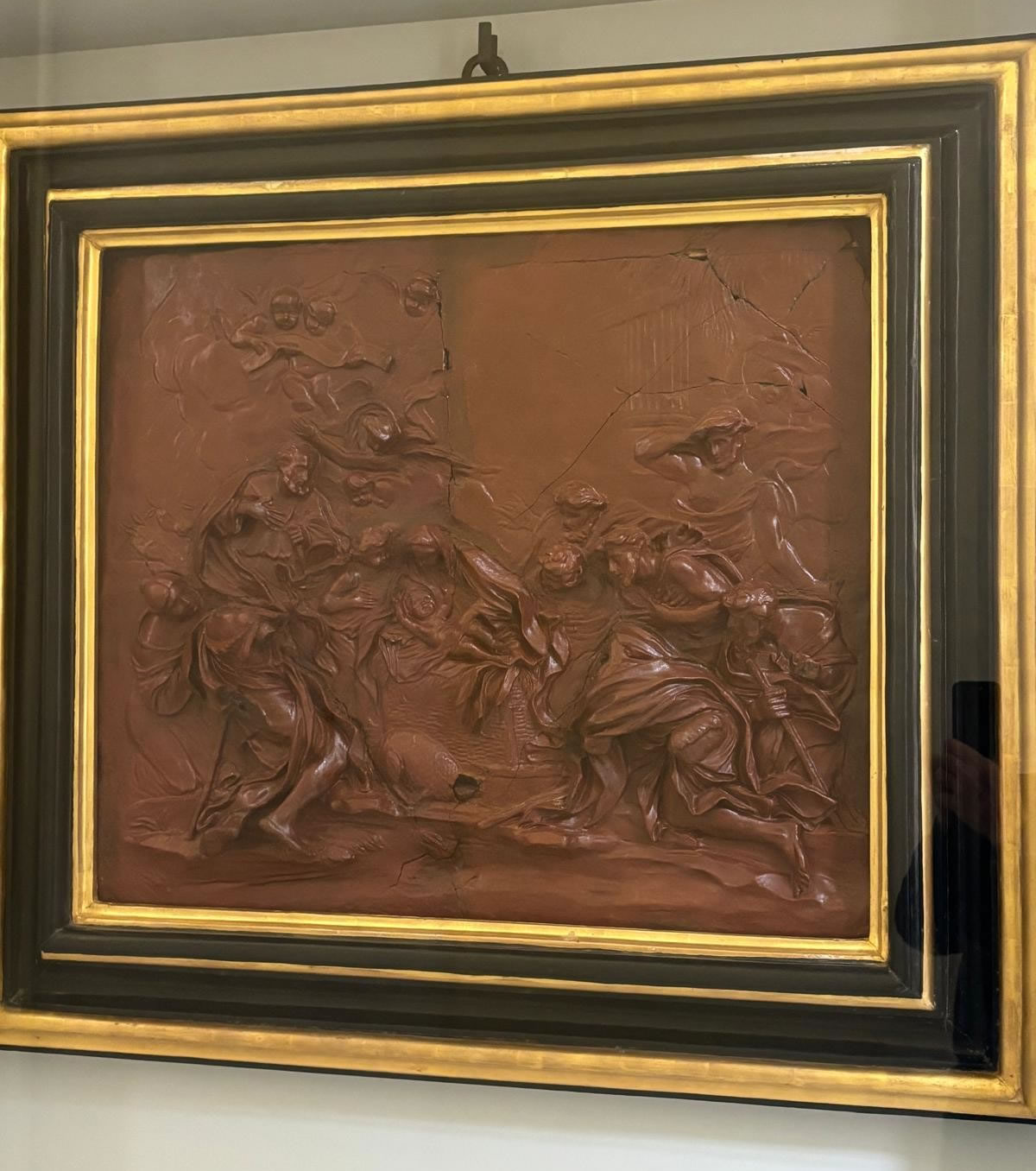
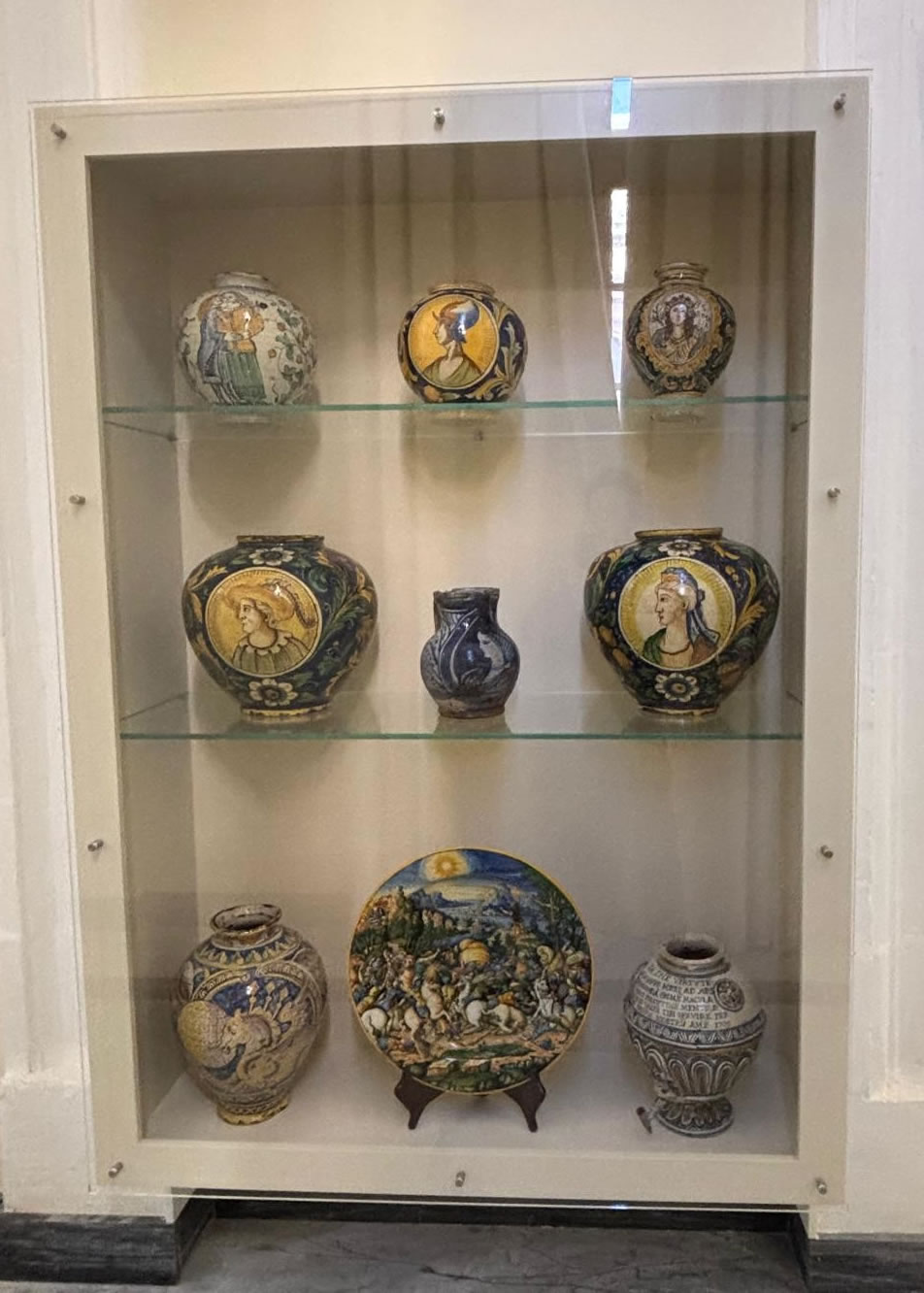
The Cathedral Museum houses an exceptionally rich and diverse collection of artefacts, spanning several centuries. These collections provide a comprehensive overview of Malta’s religious, artistic, and cultural development.
Medieval and Early Works
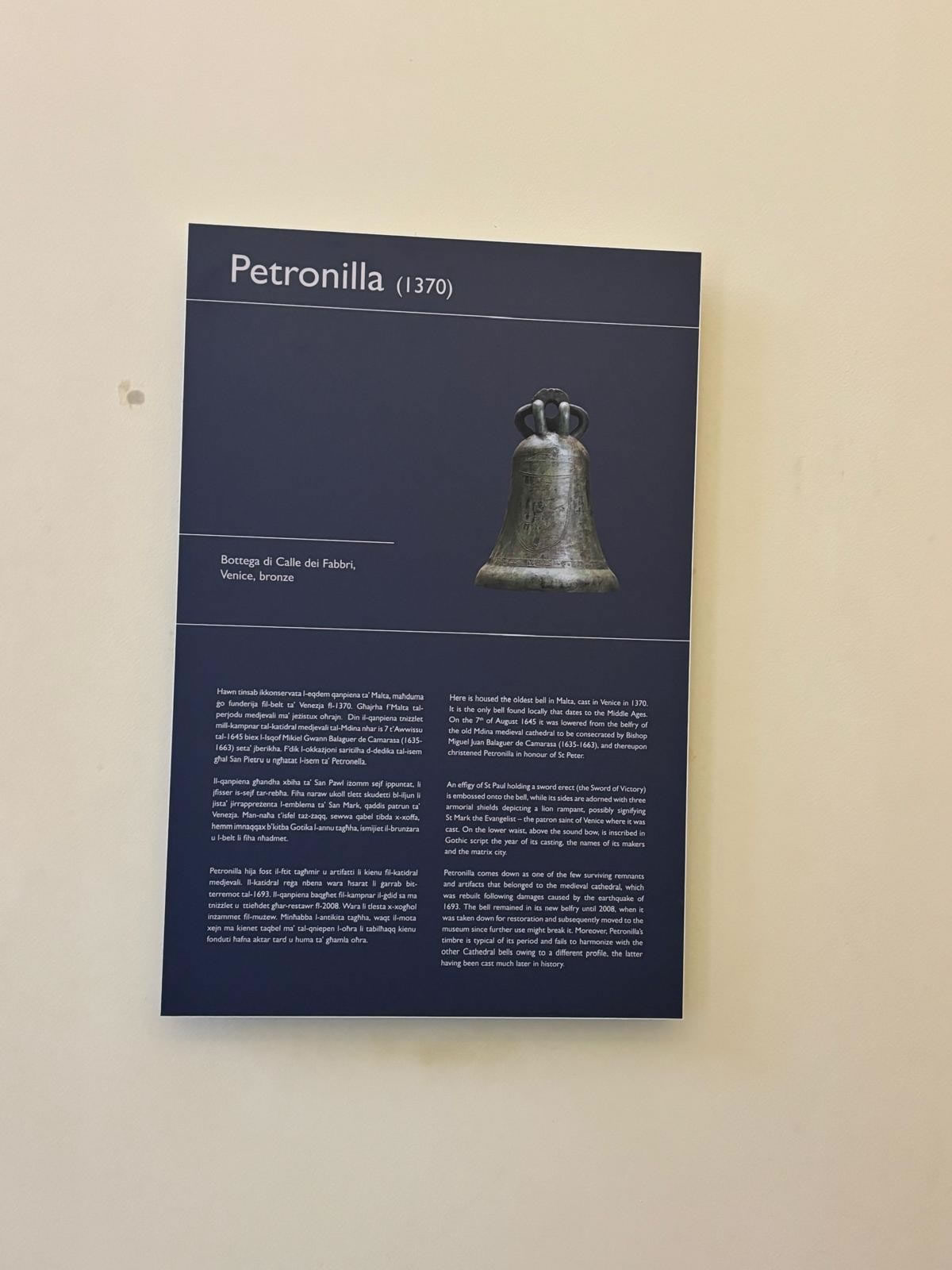
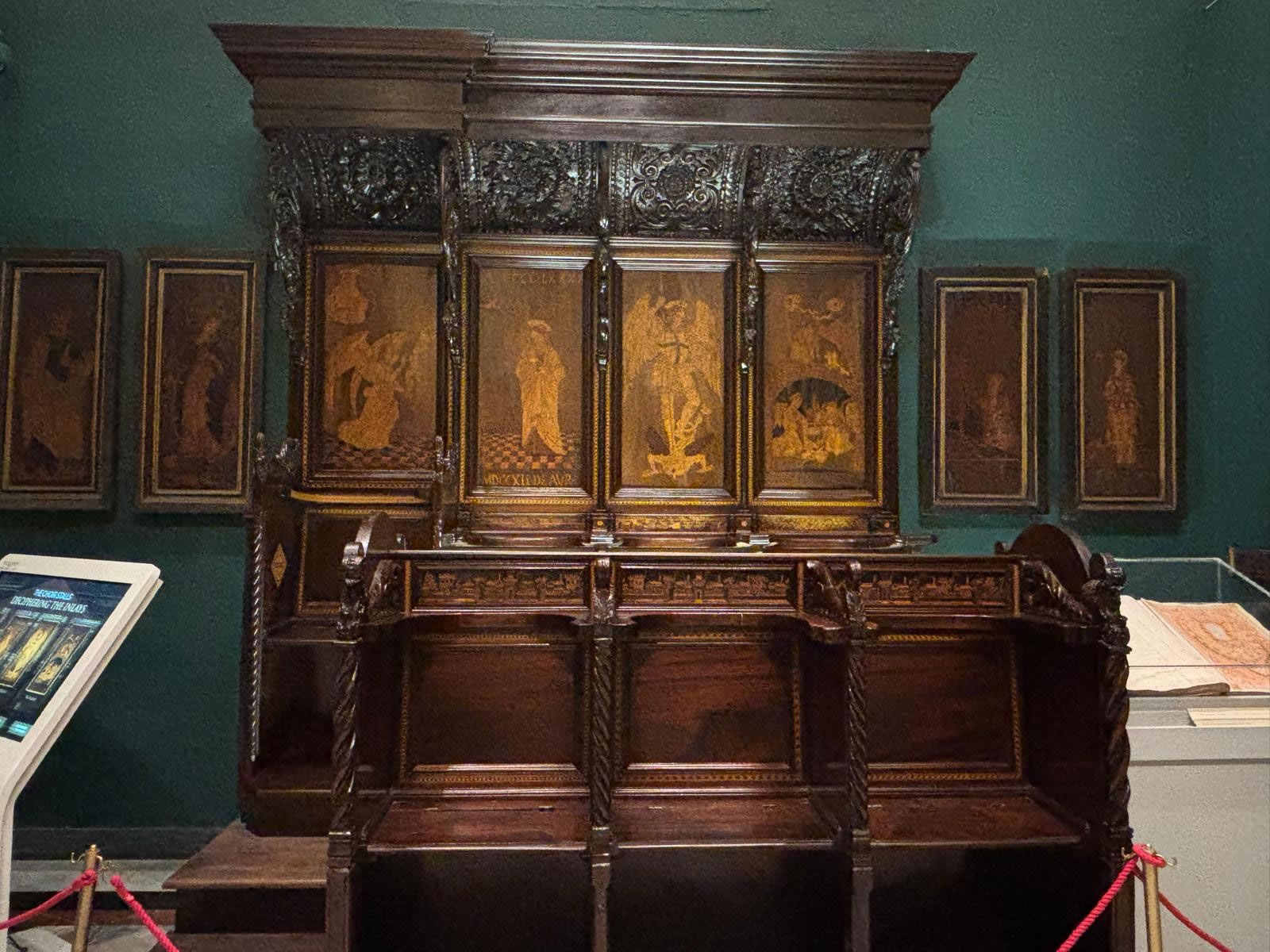
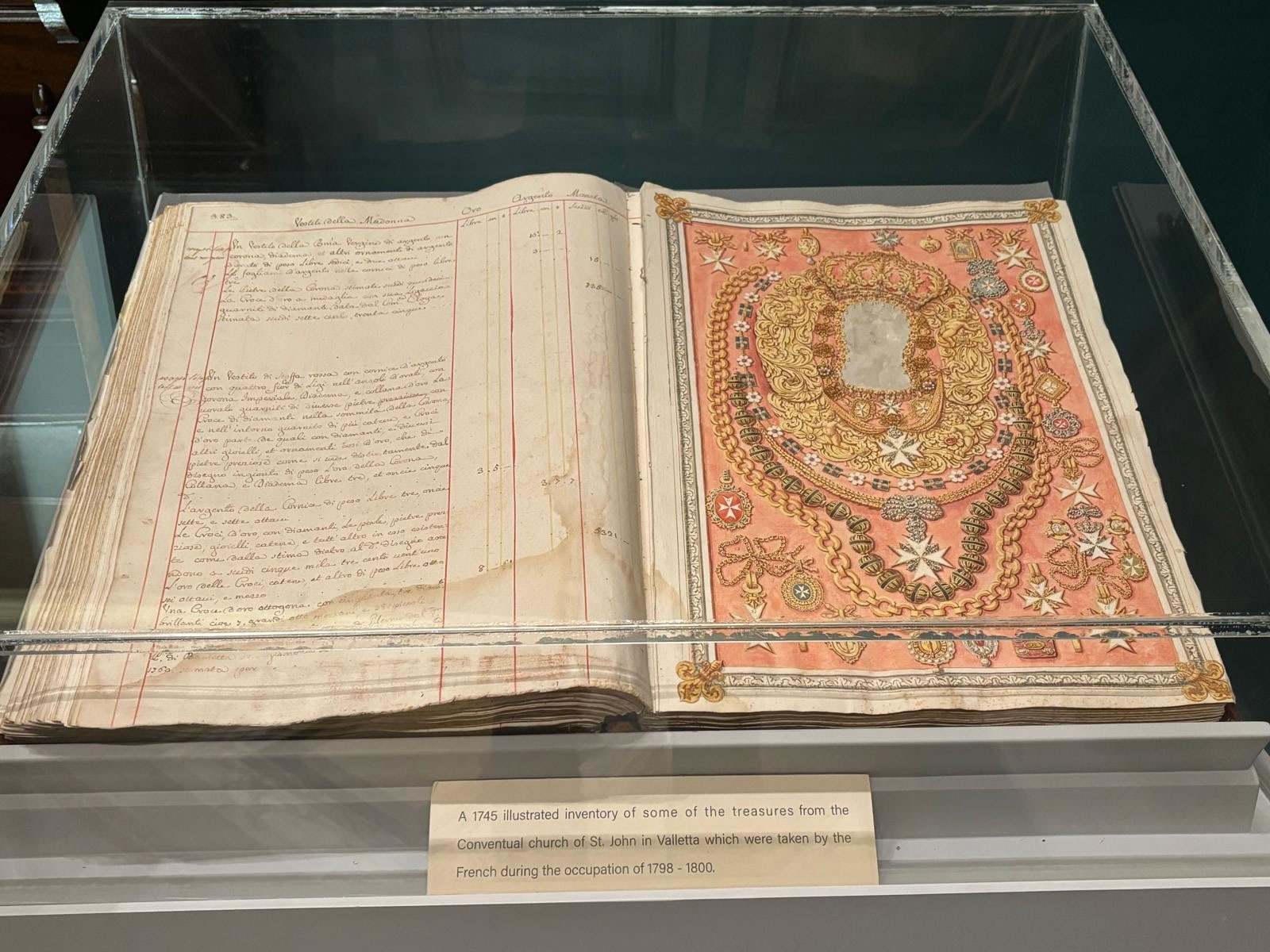
Among the most important pieces are remnants of the medieval cathedral that once stood on the site before being destroyed in the earthquake of 1693.
The museum also preserves the famous St Paul Polyptych, dating to the 14th century, which originally served as the main altarpiece of the medieval cathedral.
European Masterpieces
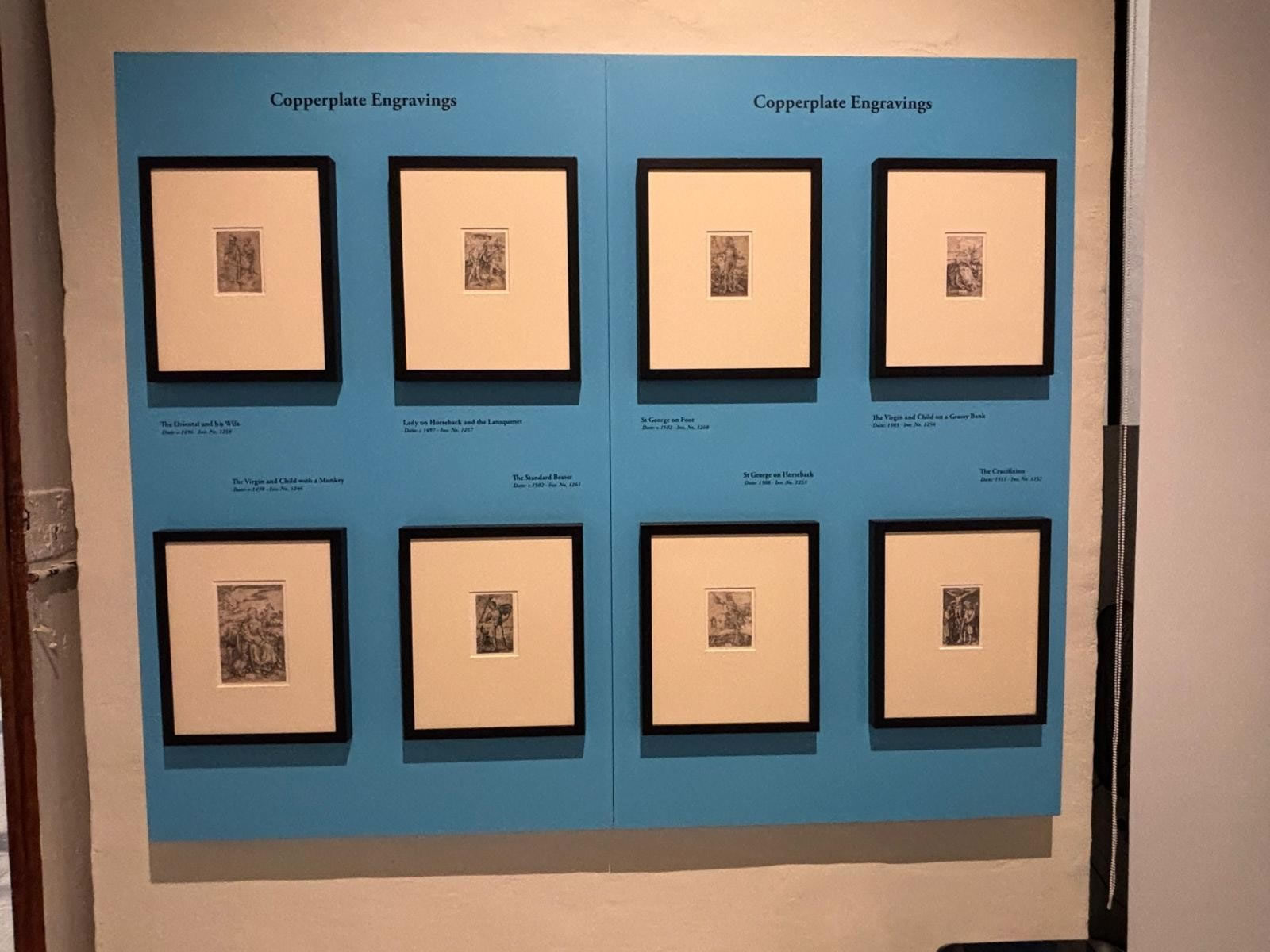
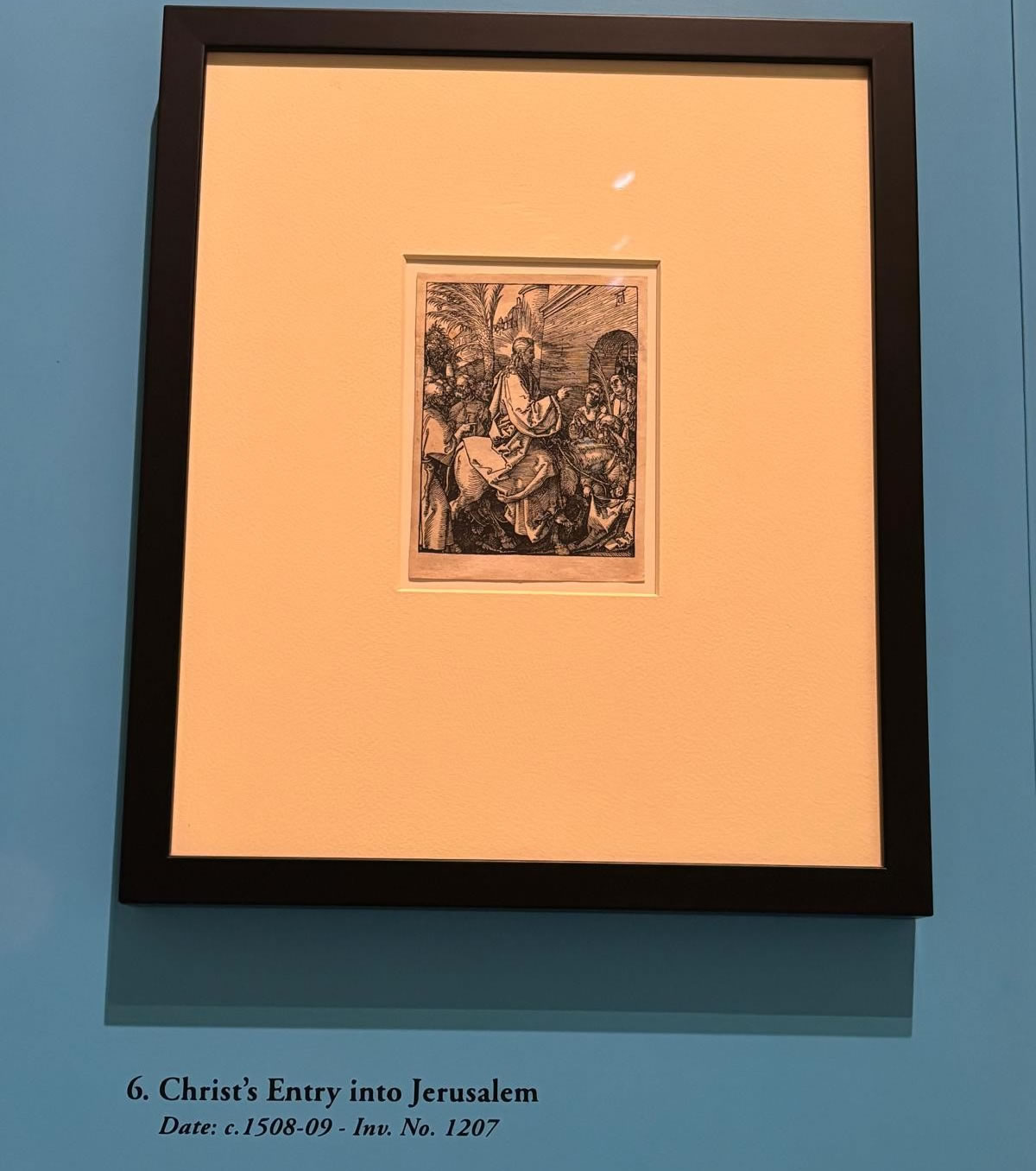
One of the museum’s most celebrated collections is its series of 76 original woodcuts by Albrecht Dürer, considered among the finest examples of Renaissance printmaking.
In addition, the museum houses engravings by Rembrandt and other European masters, reflecting Malta’s historical connections with broader artistic traditions.
Ecclesiastical Treasures
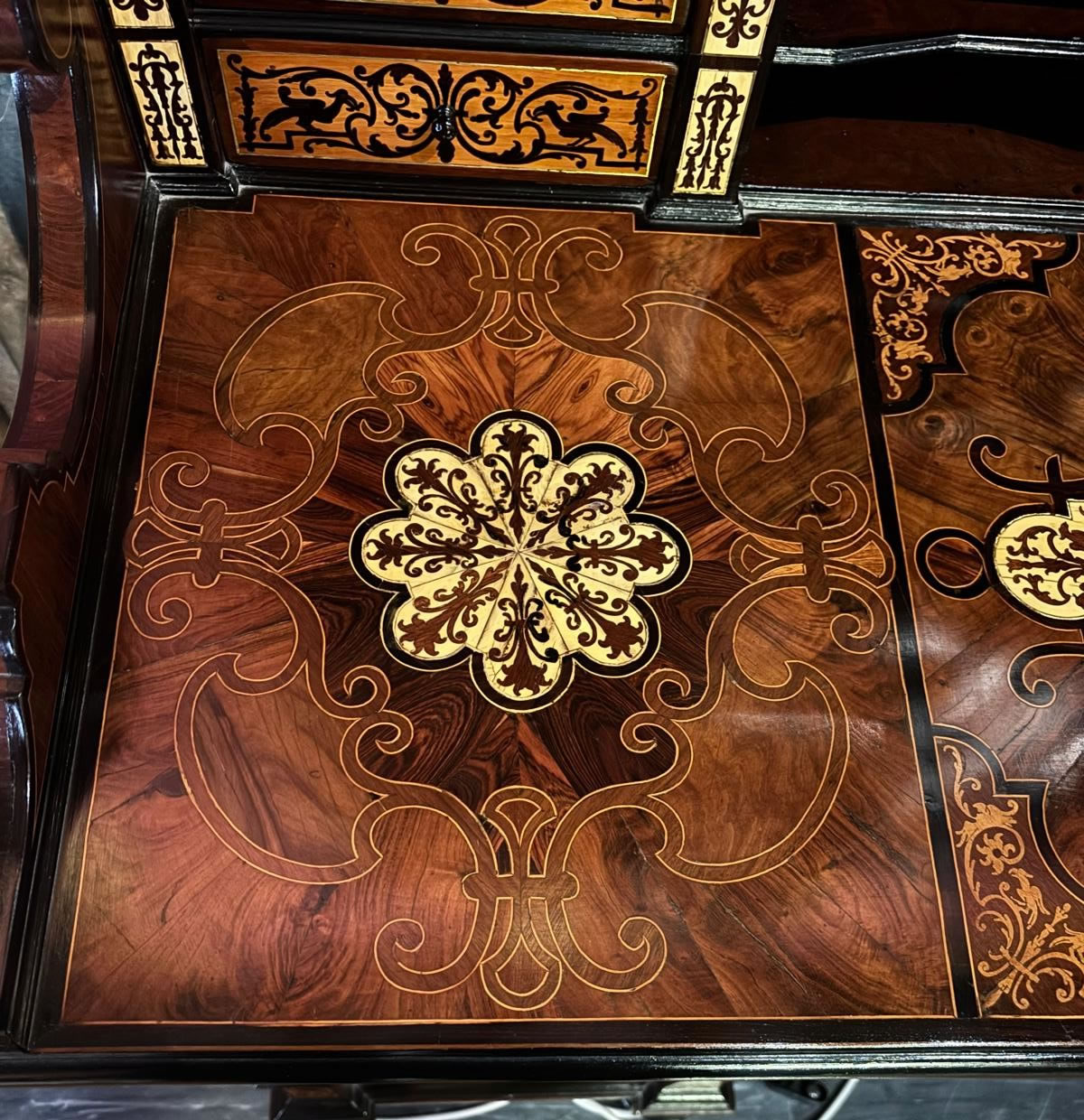
- Liturgical vestments and textiles
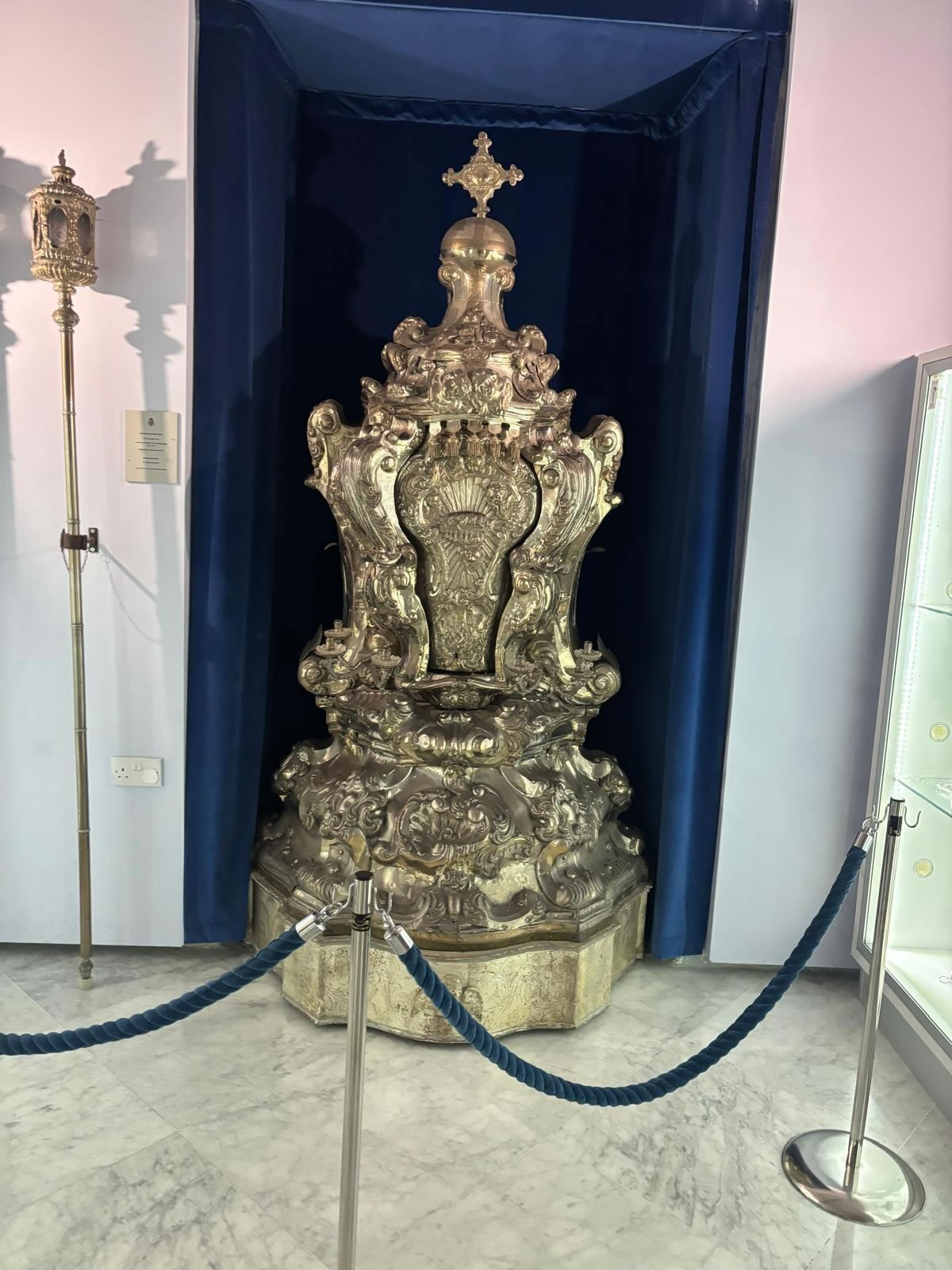
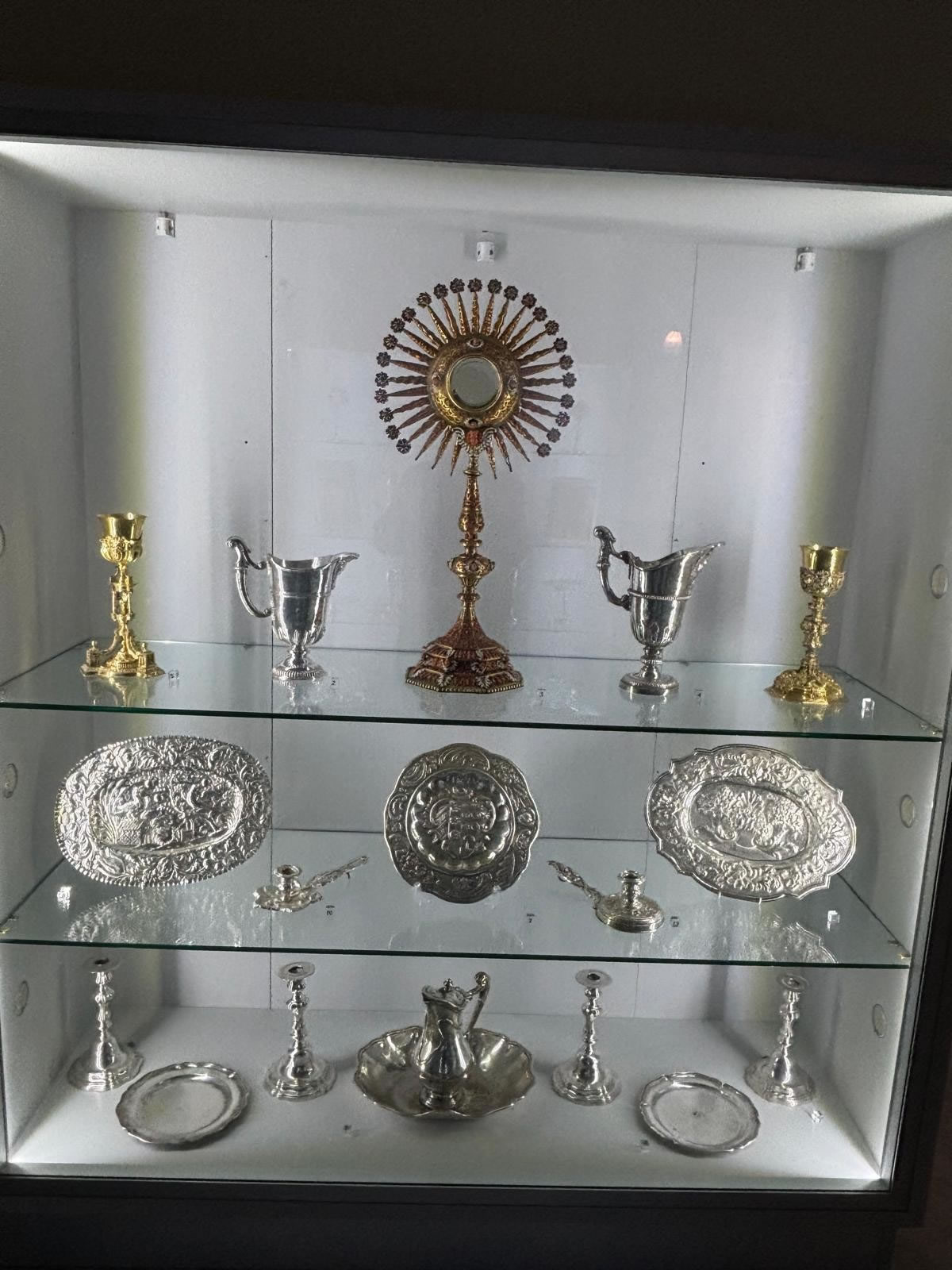
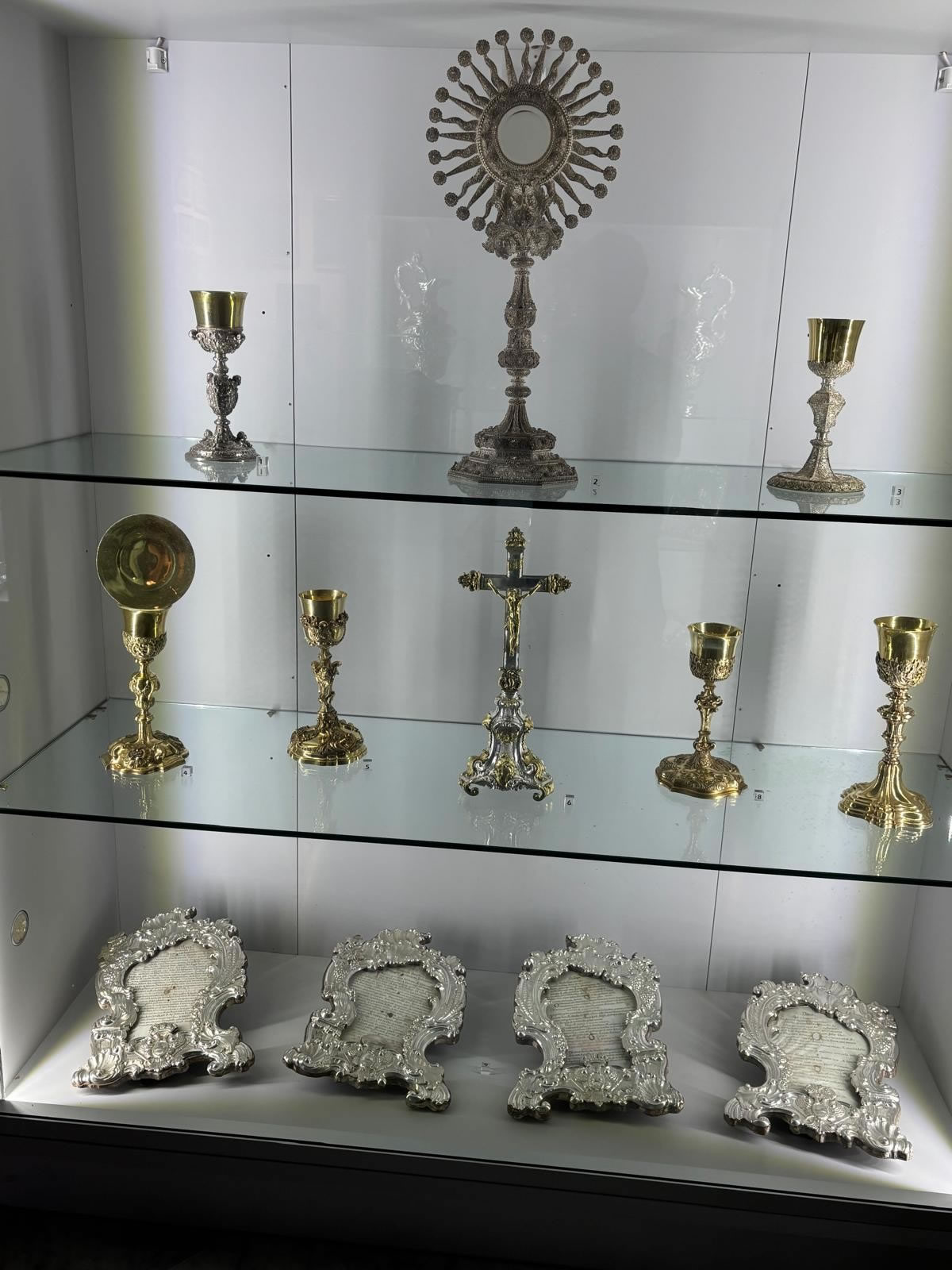
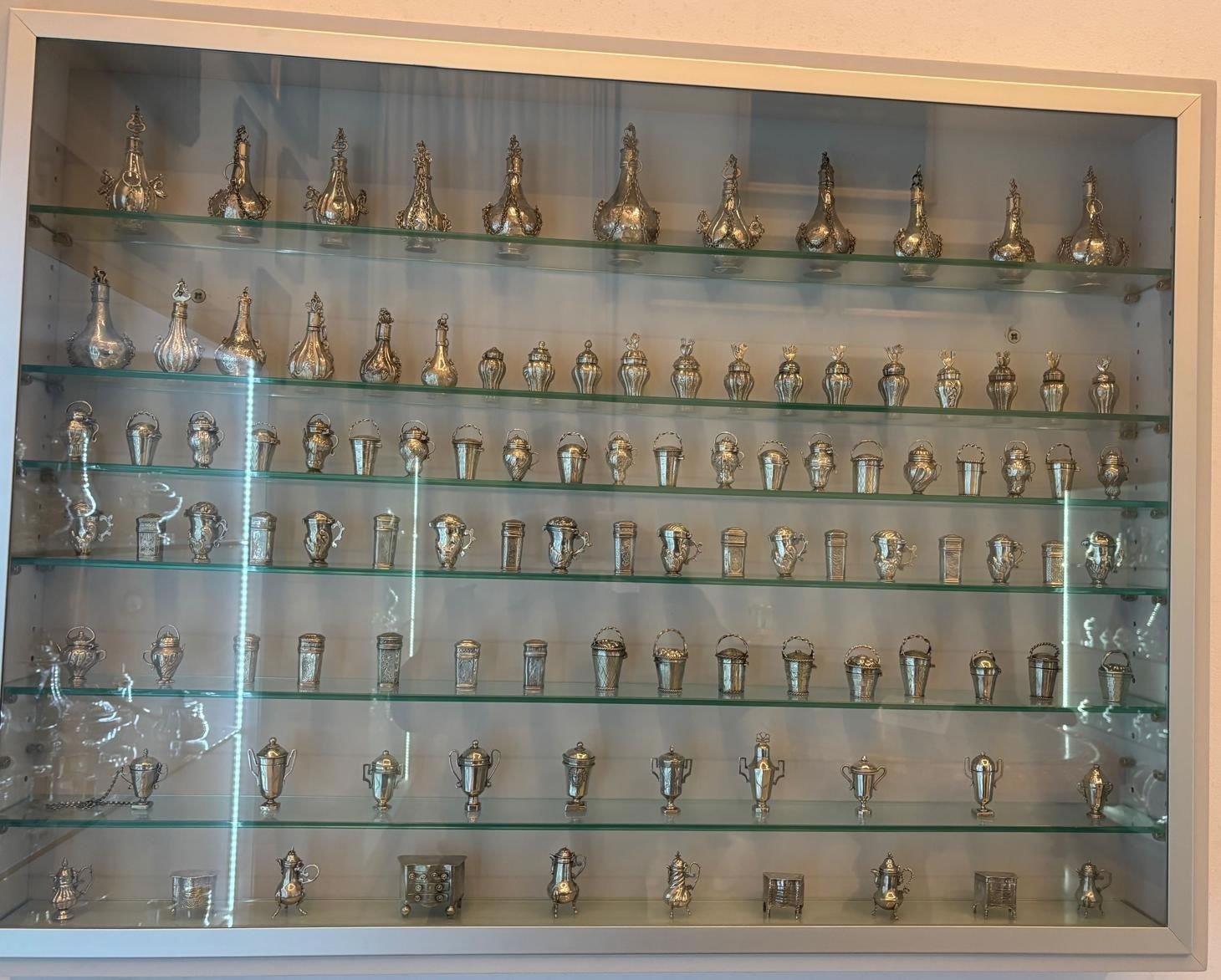
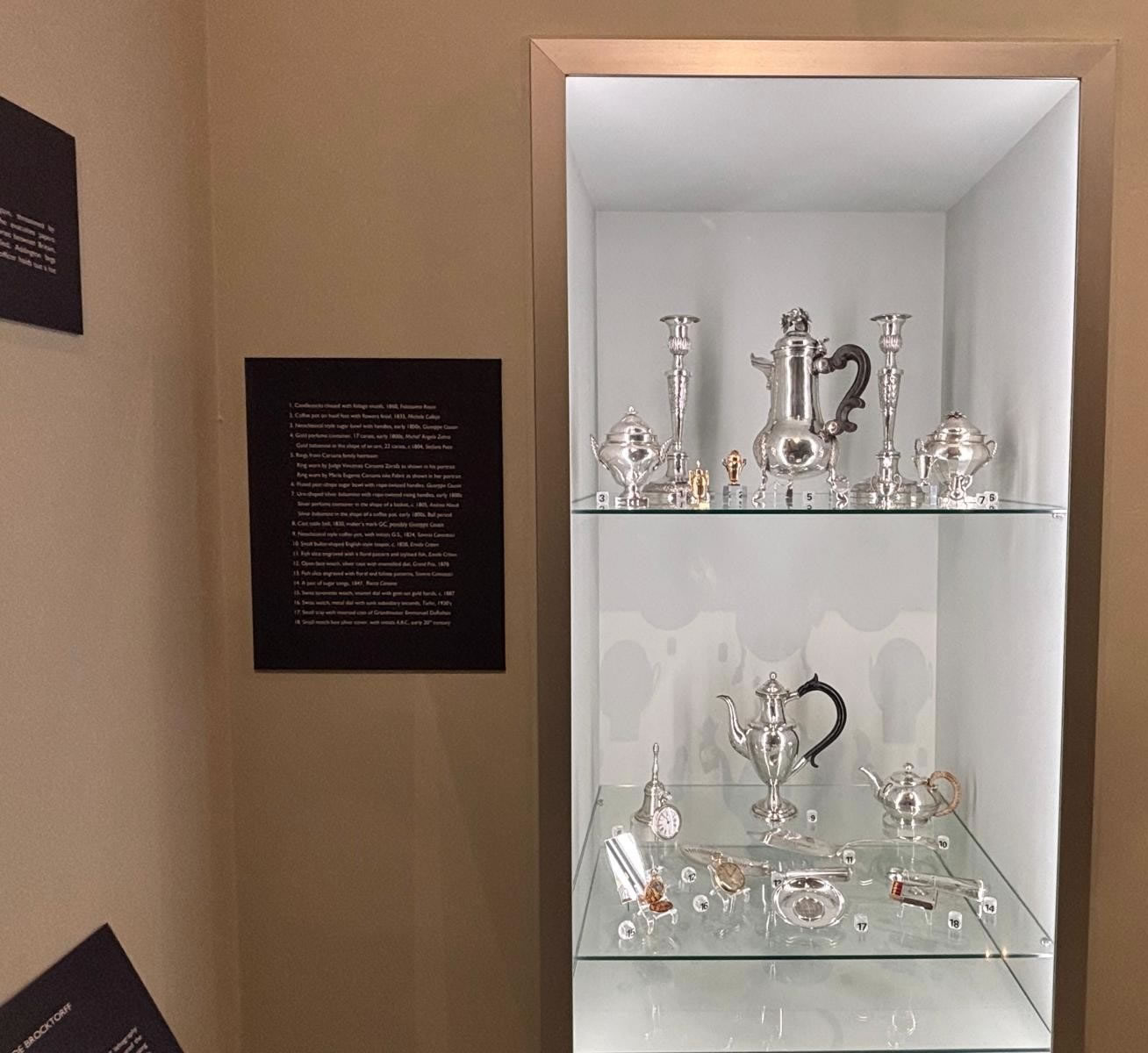
- Silver and gold religious objects
- The Apostolato – a set of silver statues representing the Apostles
- Illuminated choir books and manuscripts
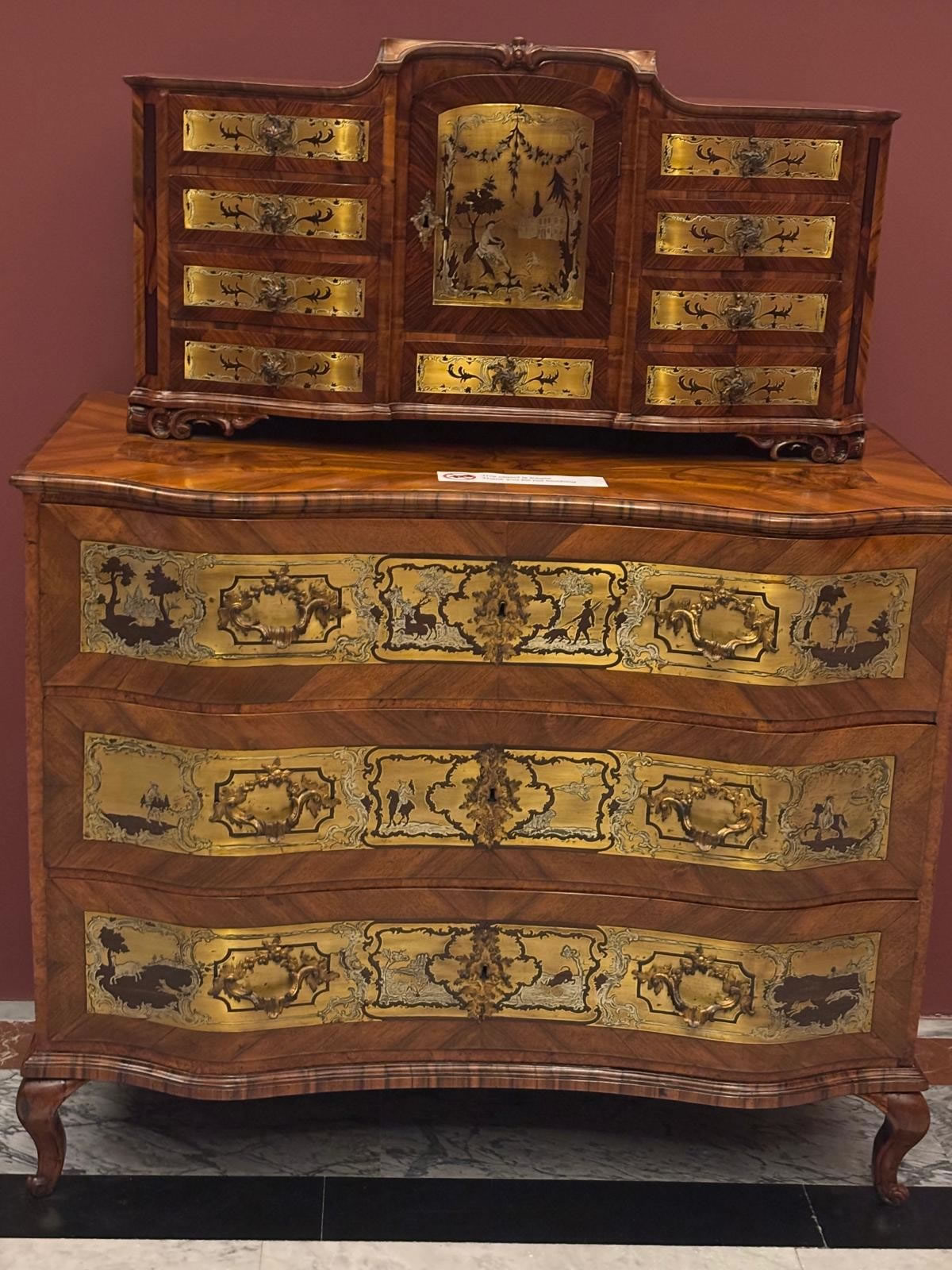
These items illustrate the wealth and artistic patronage of the Maltese Church over the centuries.
Numismatic Collection
The museum also contains a significant coin collection, spanning over 2,000 years of history, including Roman coins minted in Malta and Gozo.
This collection highlights Malta’s role as a key trading hub in the Mediterranean.
Architectural Features
The museum building itself is an important historical monument. Its Baroque architecture is characterised by:
- Elegant symmetrical façade
- Spacious halls designed for communal and educational use
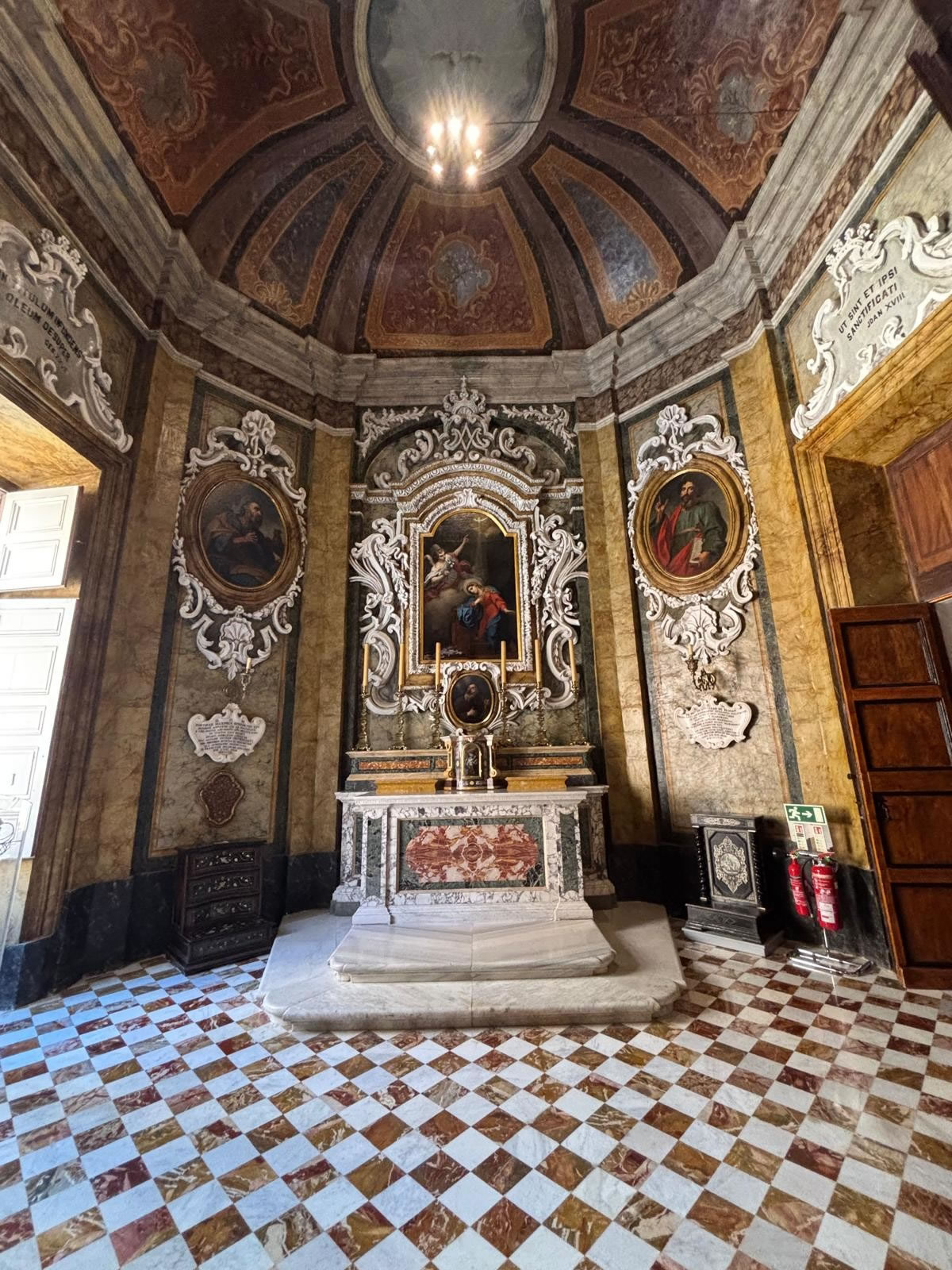
- An 18th-century octagonal chapel within the building
- Preserved refectory and original seminary spaces
These architectural elements enhance the visitor experience, providing a historically authentic setting for the museum’s collections.
Restoration and Modern Enhancements
In recent decades, the Cathedral Museum has undergone extensive refurbishment and modernisation. Exhibition spaces have been redesigned to improve accessibility and presentation, while conservation efforts have ensured the long-term preservation of fragile artefacts.
New galleries and underground vaults have been opened to the public, allowing for temporary exhibitions and expanded displays.
These developments have transformed the museum into a modern cultural institution while maintaining its historical character.
Role and Cultural Importance
The Cathedral Museum plays a central role in preserving Malta’s ecclesiastical heritage. It serves as:
- A repository of religious and artistic treasures
- An educational resource for scholars and visitors
- A cultural bridge connecting Malta’s past with its present
Its collections provide valuable insights into the evolution of Maltese identity, religion, and artistic expression.
Visitor Experience
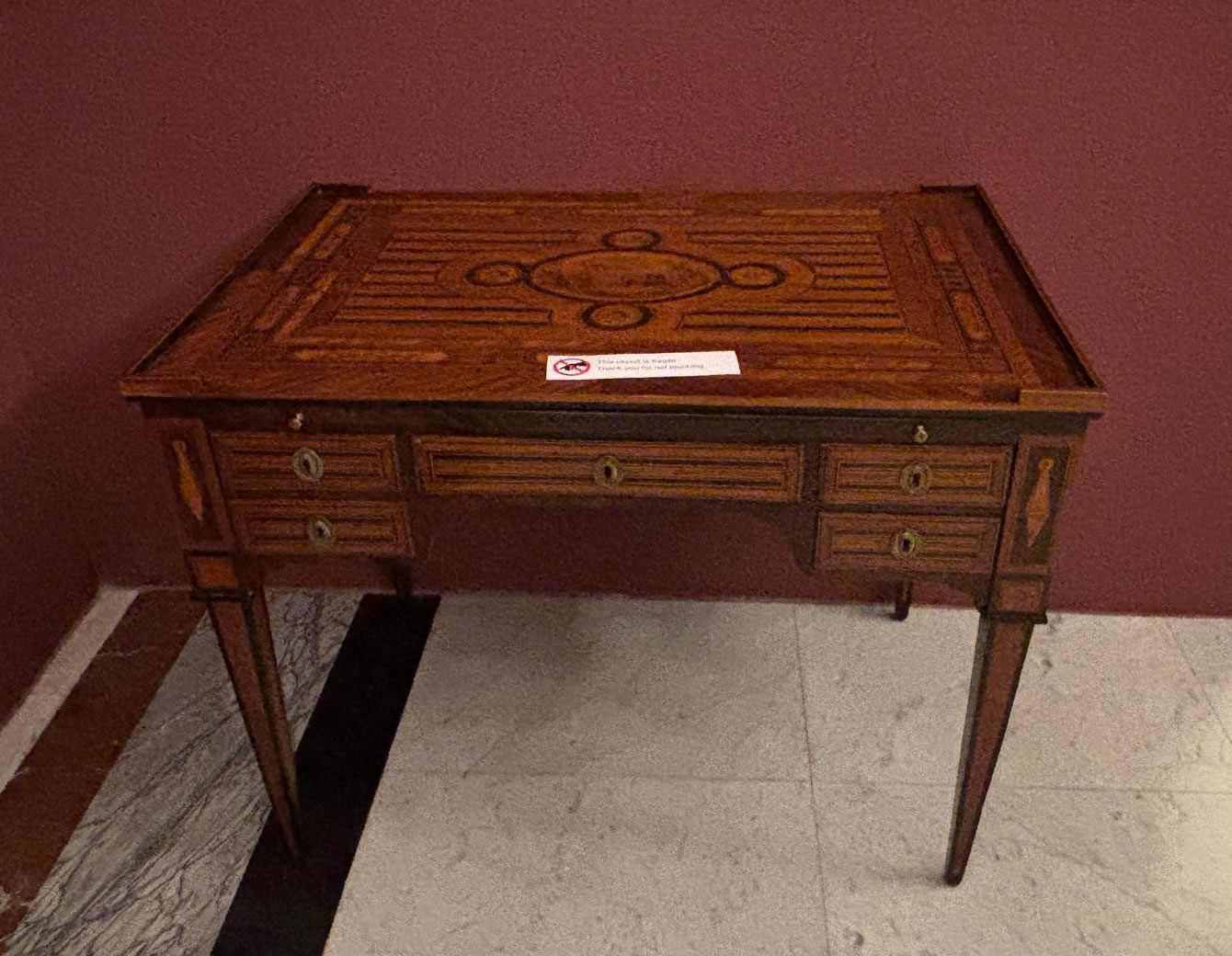
Visitors to the Cathedral Museum can explore a wide range of exhibits within a historic setting. The museum offers:
- Chronological displays of artefacts
- Temporary exhibitions and cultural events
- Educational programmes and guided tours
- Access to rarely seen historical objects
A combined ticket with St Paul’s Cathedral allows visitors to fully experience the religious and cultural significance of Mdina.
Location and Accessibility
The Cathedral Museum is located in Archbishop’s Square in Mdina, just steps away from St Paul’s Cathedral. Mdina, known as the “Silent City,” is one of Malta’s most iconic historic locations.
Coordinates: 35.886030, 14.404063
The museum is easily accessible from Rabat and other parts of Malta, making it a key attraction for visitors exploring the island’s cultural heritage.
Conclusion
The Cathedral Museum of St Paul in Mdina stands as one of Malta’s most important repositories of religious and artistic heritage. From its origins as an 18th-century seminary to its role today as a leading museum, it offers a rich and immersive experience for visitors.
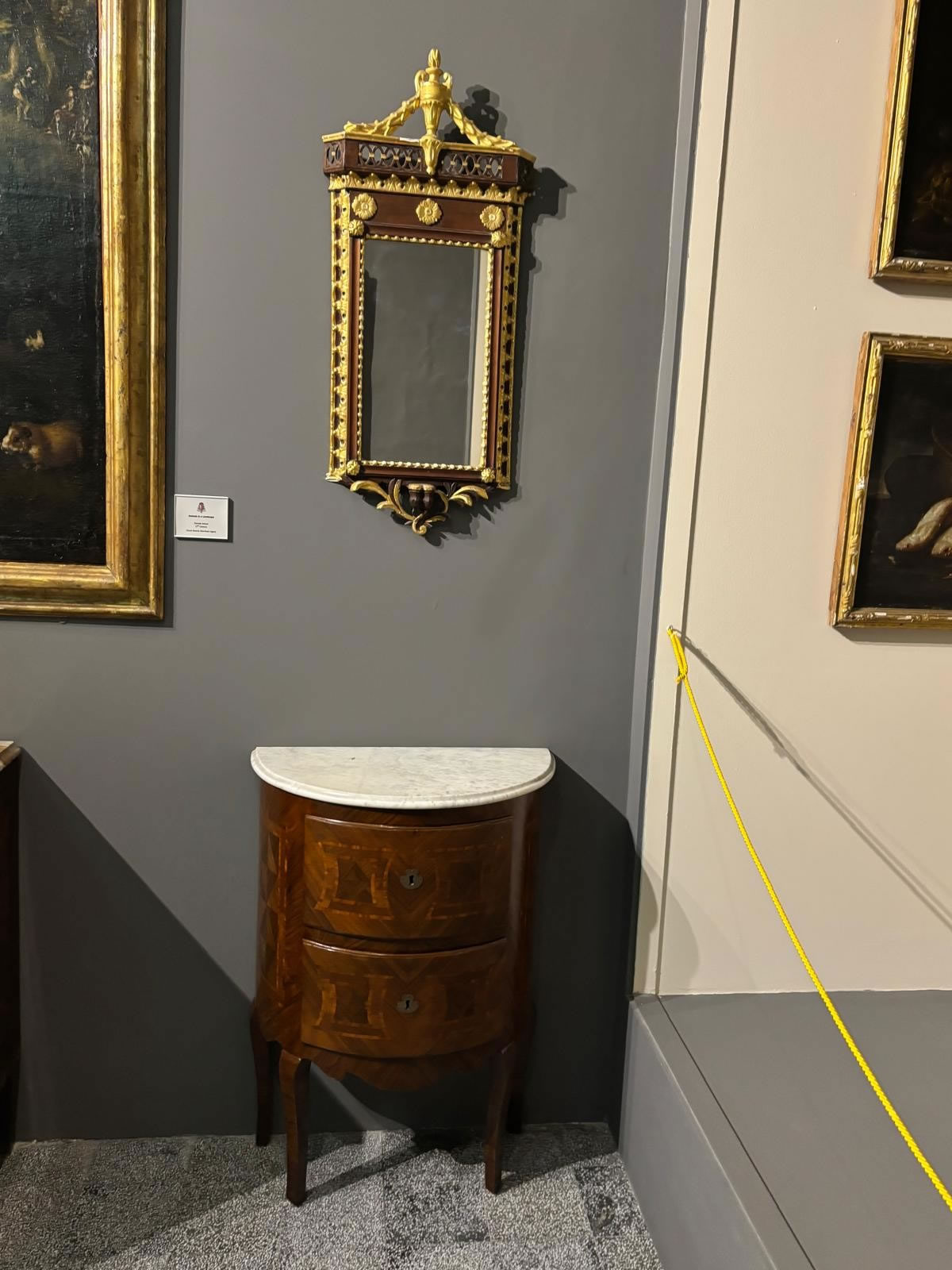
Its exceptional collections, combined with its historic setting, make it an essential destination for anyone interested in Malta’s history, art, and culture.