📍 Location
Location Map Coordinates 35.901313, 14.518912
Location: Fort St Elmo, Valletta, Malta
Coordinates: 35.901276, 14.518852
Introduction
The National War Museum, located within the historic Fort St Elmo in Valletta, Malta, stands as the island’s premier institution dedicated to military history. Overlooking both the Grand Harbour and Marsamxett Harbour, the museum occupies one of the most strategic defensive sites in the Mediterranean.
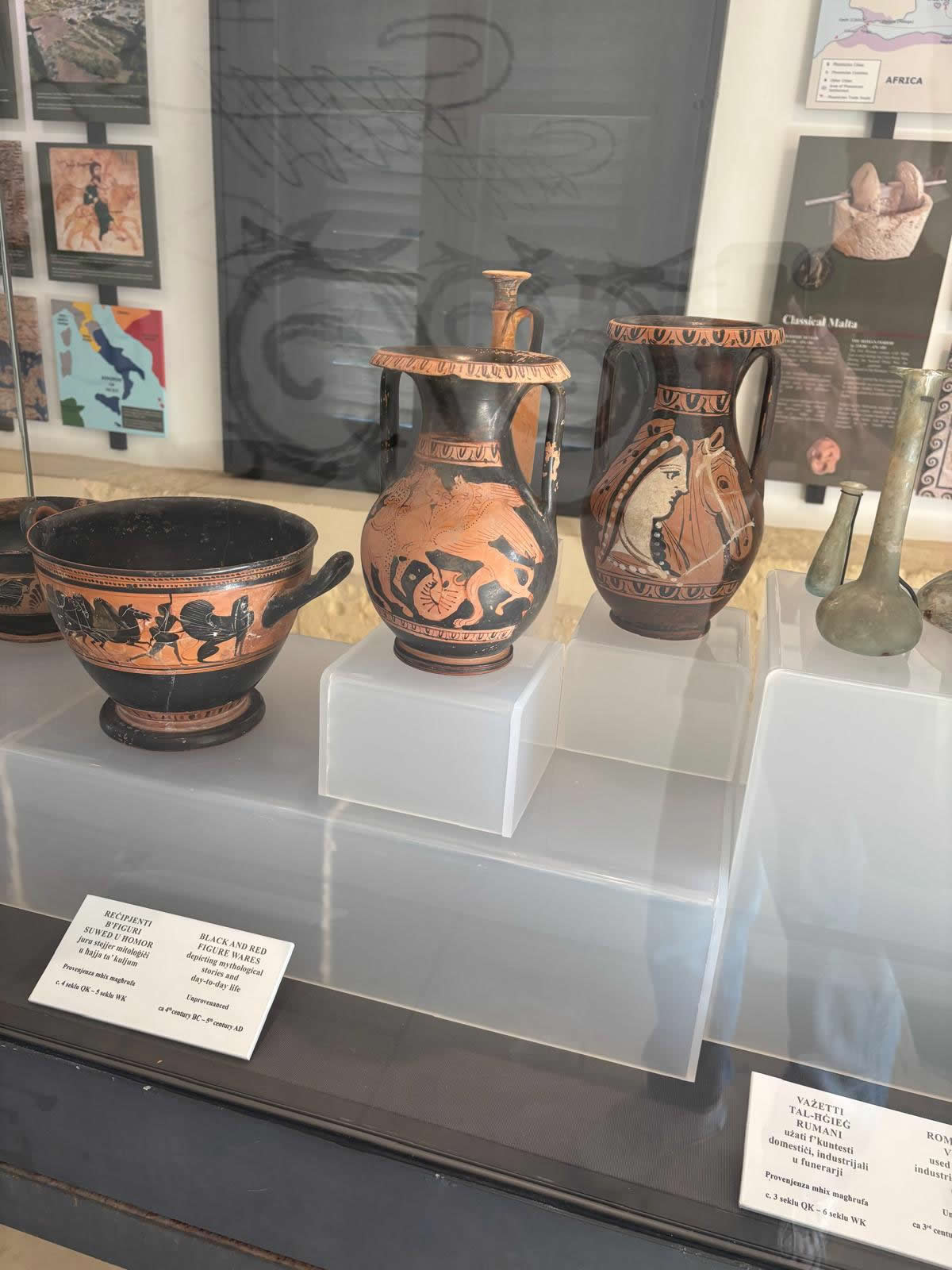
Through a comprehensive collection of artefacts and exhibits, the museum narrates Malta’s military story from prehistoric times through the era of the Knights of St John, the British colonial period, and especially the dramatic events of the Second World War.
Fort St Elmo: A Strategic Stronghold
Fort St Elmo occupies the tip of the Sciberras Peninsula, a location that has been recognised for its strategic importance since medieval times. A permanent watch post existed on the site as early as the 15th century.
Following an Ottoman raid in 1551 and the growing threat of invasion, the Knights of St John constructed the original star-shaped fort in 1552 under Grand Master Juan de Homedes.
The fort played a crucial role during the Great Siege of 1565, when it was fiercely defended against Ottoman forces. Although it eventually fell, its resistance delayed the enemy and contributed significantly to the eventual victory of the Knights.
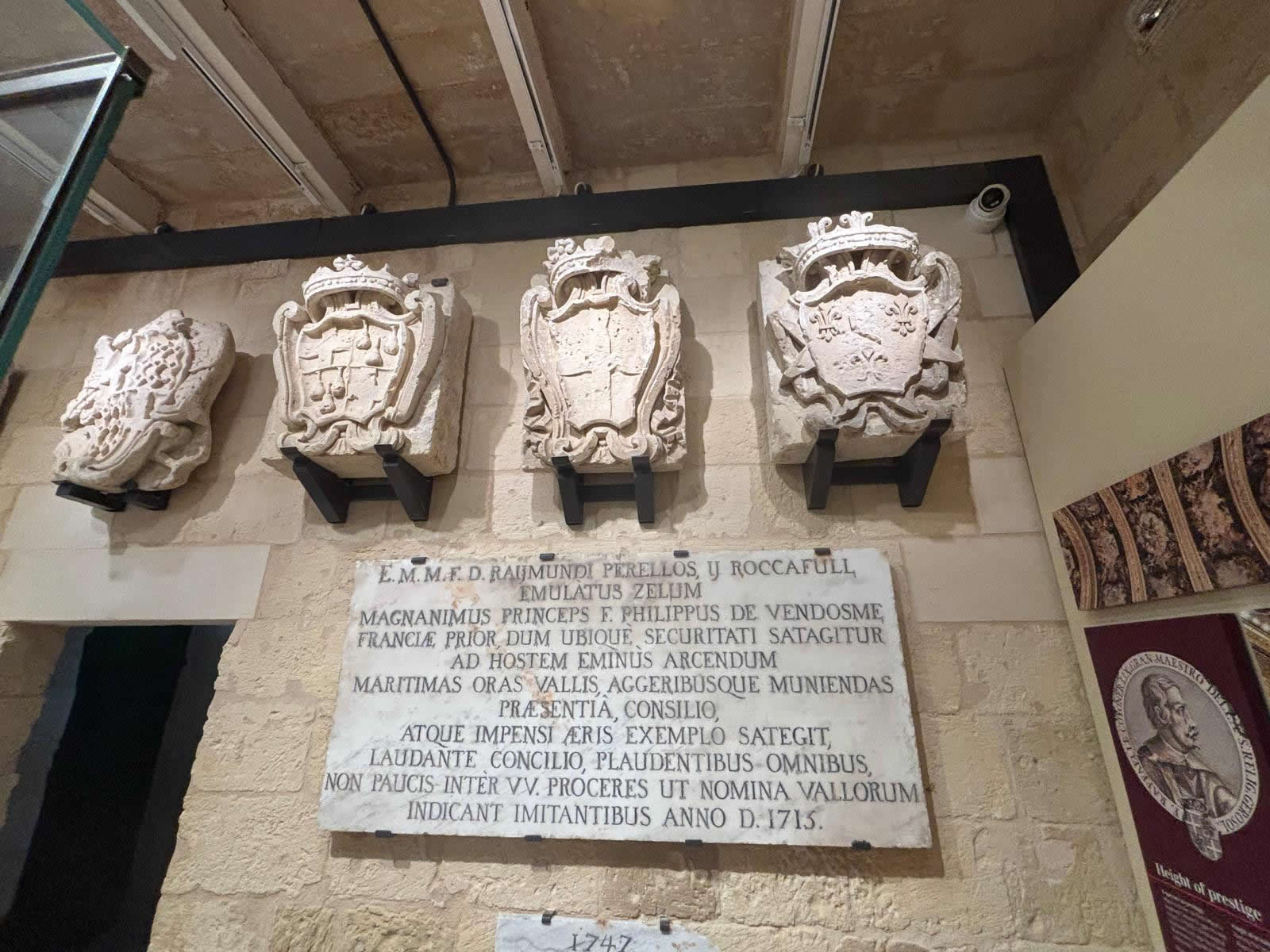
After the siege, the fort was rebuilt and expanded as part of the new fortified city of Valletta, becoming a cornerstone of Malta’s defensive network.

Origins of the National War Museum
The National War Museum was officially established in 1975, initially focusing on Malta’s experience during the First and Second World Wars.
It is housed in the Old Drill Hall of Lower St Elmo, a building that originally functioned as a gunpowder magazine before being converted into an armoury in the 19th century.
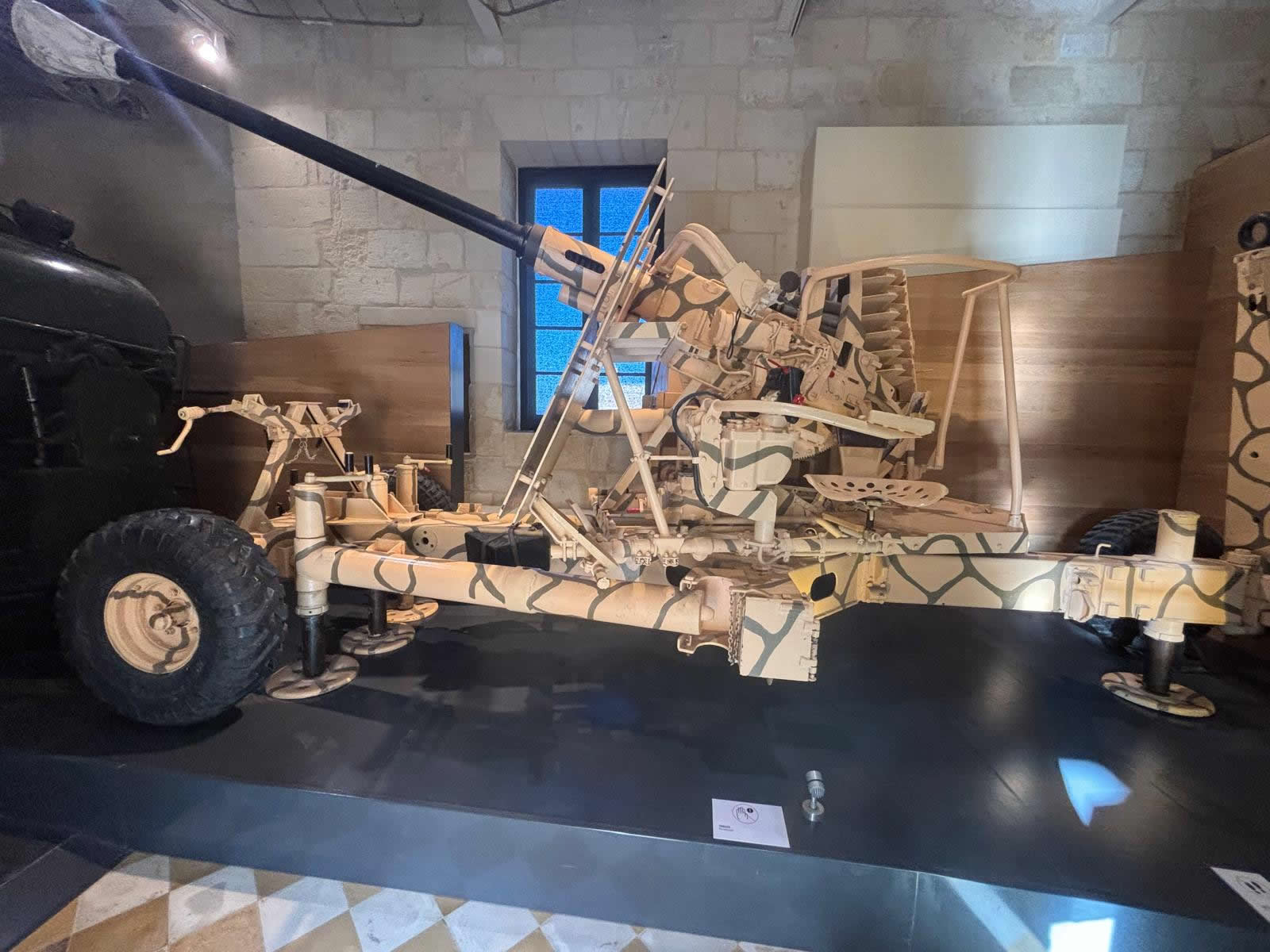
During World War II, this same structure was used for training anti-aircraft gun crews, further embedding the site within Malta’s wartime narrative.
A major restoration project between 2014 and 2015 transformed the museum into a modern, comprehensive institution covering Malta’s military history from the Bronze Age through to the 21st century.
Chronological Journey Through Malta’s Military History
One of the defining features of the National War Museum is its chronological layout, which allows visitors to trace Malta’s military evolution across millennia.
Prehistoric and Early History
The museum begins with exhibits from Malta’s earliest periods, including the Bronze Age, when the islands were first settled by communities arriving from nearby Sicily.
These early artefacts set the stage for understanding Malta’s long-standing strategic importance in the Mediterranean.

The Knights of St John and the Great Siege
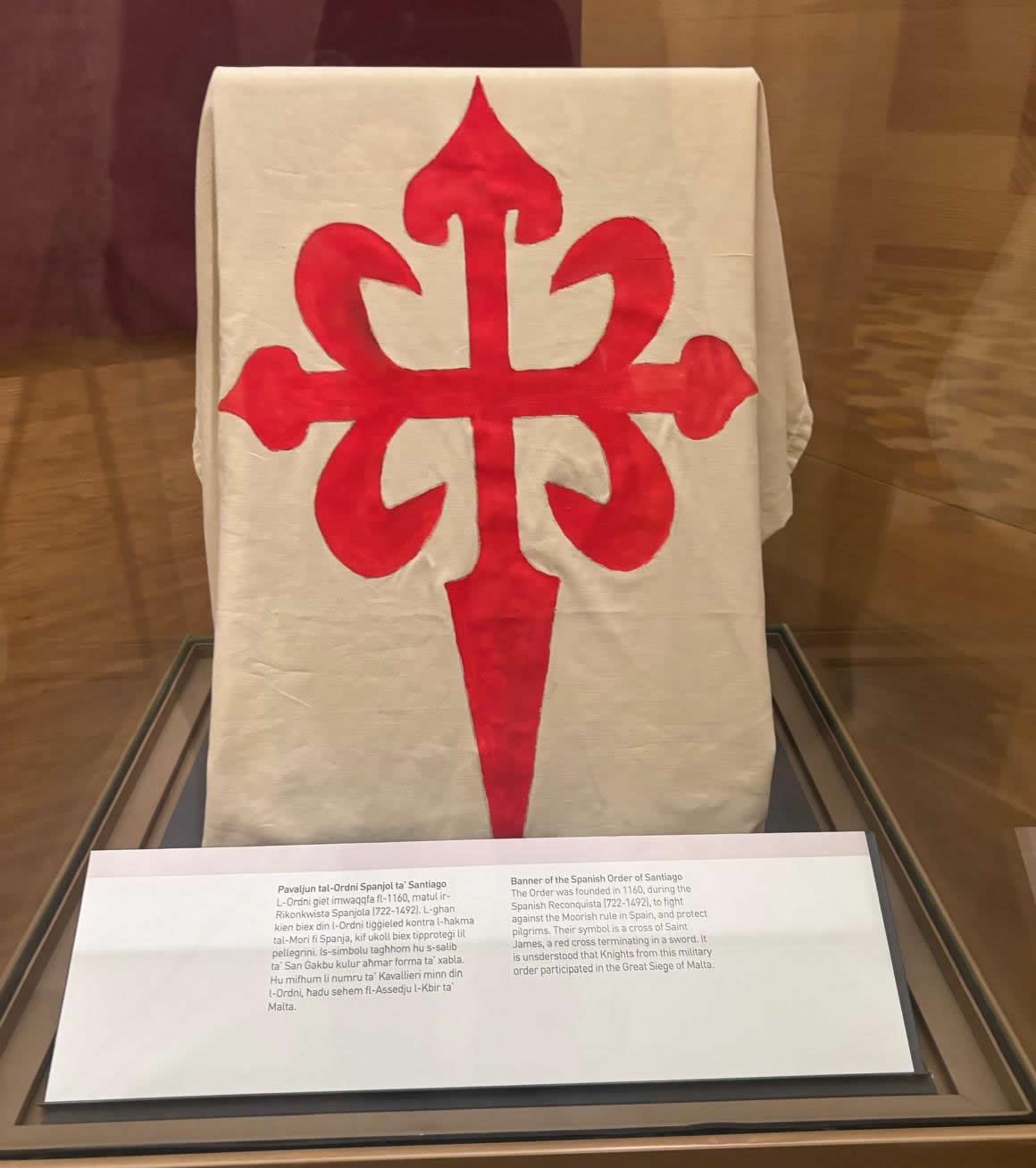
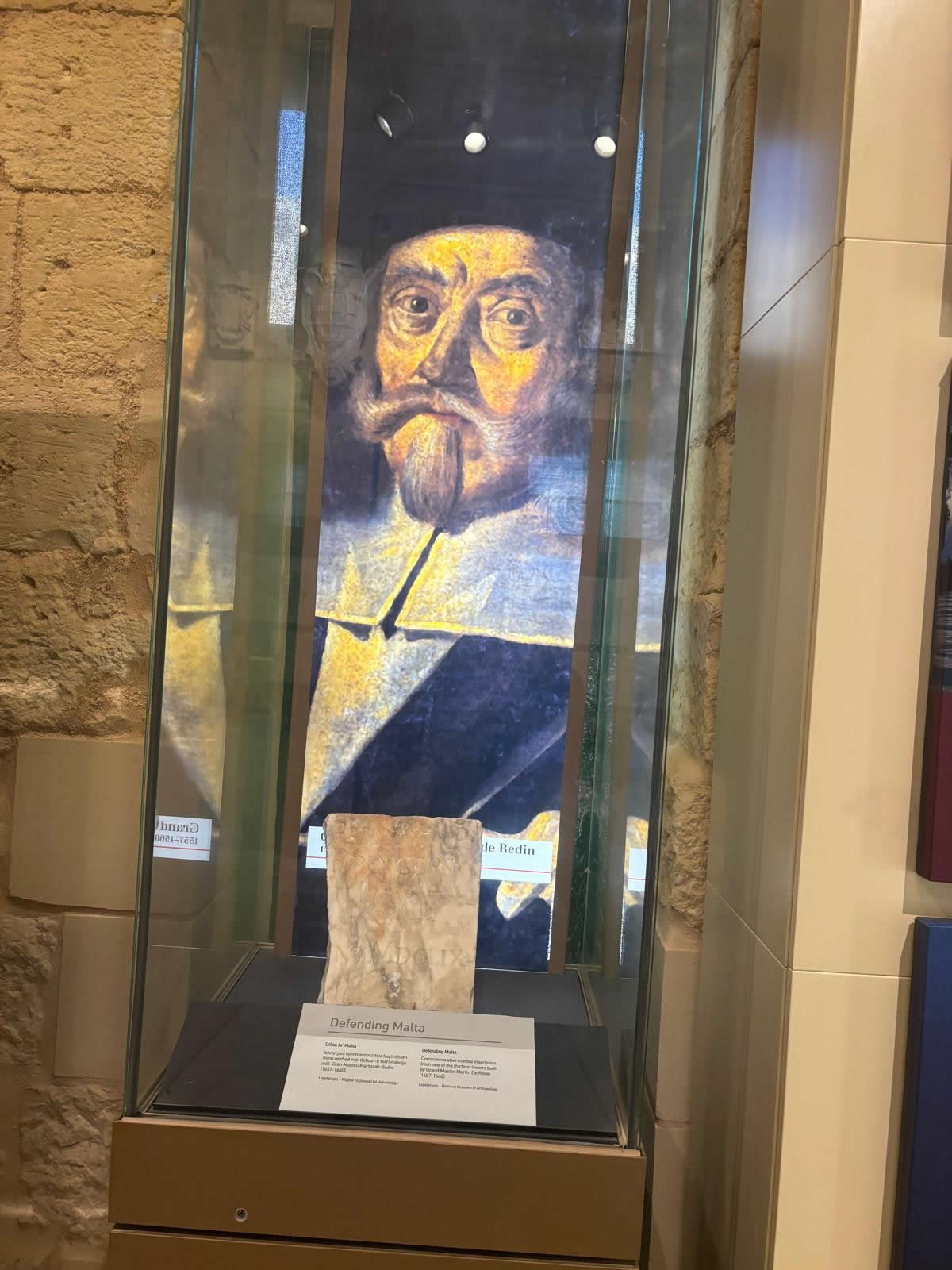
The arrival of the Knights of St John in 1530 marked a turning point in Malta’s history. The museum presents weapons, armour, and historical interpretations of the Great Siege of 1565, one of the most significant military confrontations in European history.
Fort St Elmo itself serves as a living exhibit from this period, allowing visitors to experience the very location where key events unfolded.

French Occupation and British Rule
The museum also covers the brief French occupation (1798–1800) and the subsequent period of British rule, during which Malta became a vital naval base for the British Empire.

Displays from this era include military uniforms, naval artefacts, and documentation reflecting Malta’s role in imperial defence strategies.
World War II: The Central Narrative
The most extensive and impactful section of the museum is dedicated to World War II, when Malta endured intense aerial bombardment and played a crucial role in Allied operations in the Mediterranean.
Through photographs, artefacts, and personal testimonies, visitors gain insight into the hardships faced by civilians and the resilience that defined the Maltese population during the war.

Key Exhibits and Artefacts
The George Cross
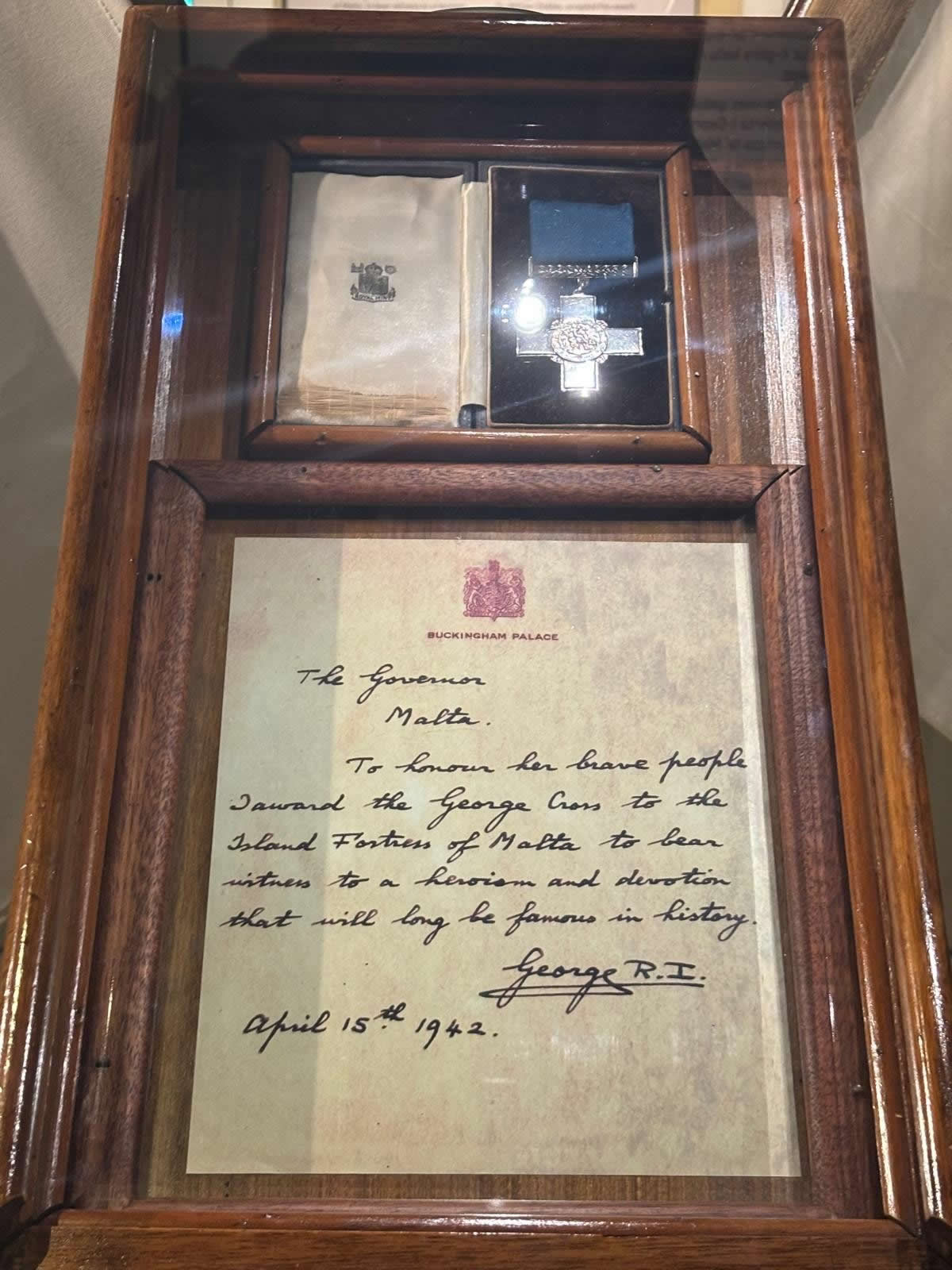
One of the museum’s most significant exhibits is the George Cross, awarded to the people of Malta by King George VI in April 1942 in recognition of their extraordinary bravery during the war.
This prestigious decoration is now featured on the national flag of Malta and remains a powerful symbol of national identity.
Gloster Sea Gladiator “Faith”
Another highlight is the fuselage of the Gloster Sea Gladiator N5520, known as “Faith,” one of the few aircraft that defended Malta during the early stages of World War II.
This aircraft has become an iconic representation of Malta’s resistance during the war.

Roosevelt’s Jeep “Husky”
The museum also displays the Willys Jeep “Husky,” used by General Dwight D. Eisenhower and later by U.S. President Franklin D. Roosevelt during their visits to Malta.
This vehicle symbolises Malta’s role in Allied planning and operations, particularly in preparation for the invasion of Sicily.

Weapons and Military Equipment
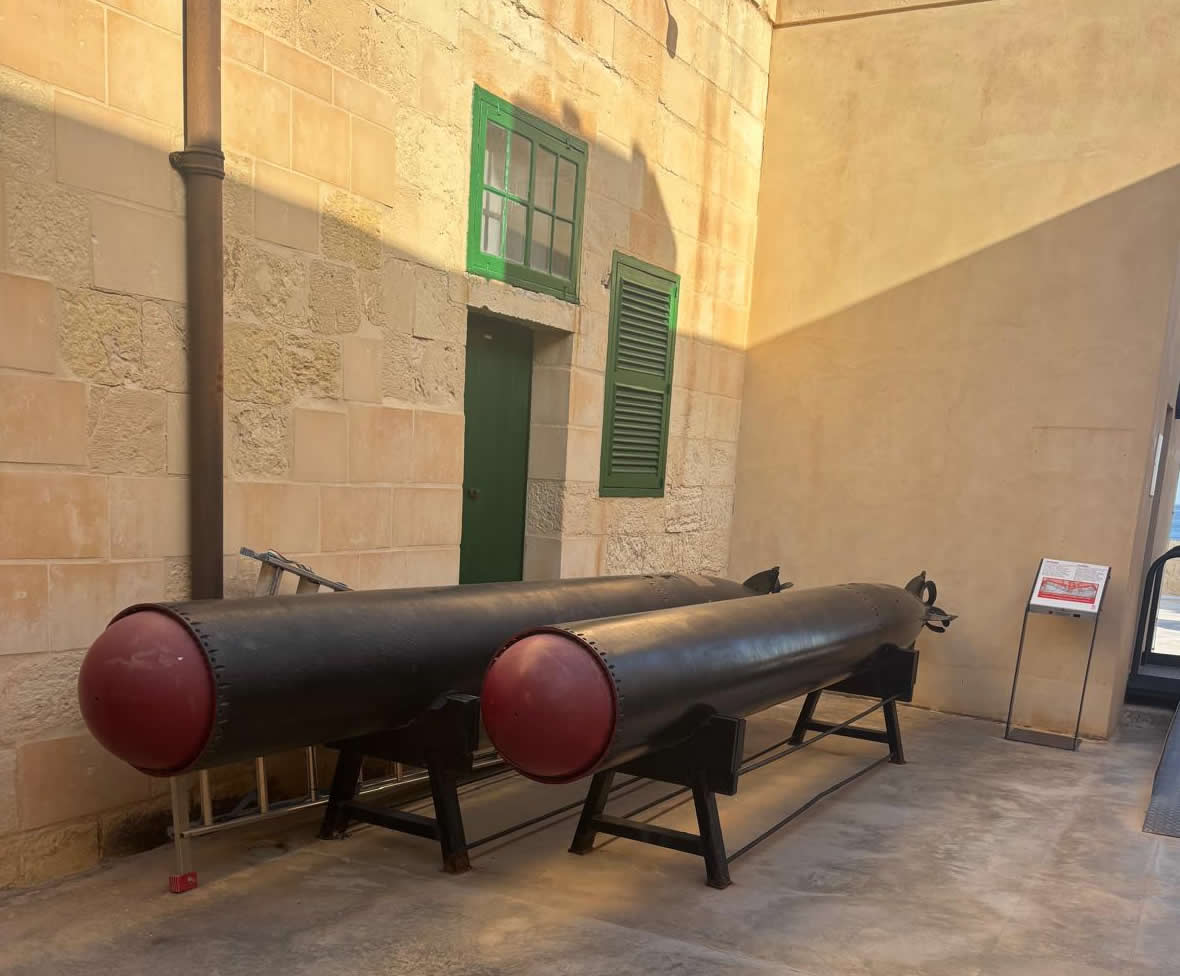
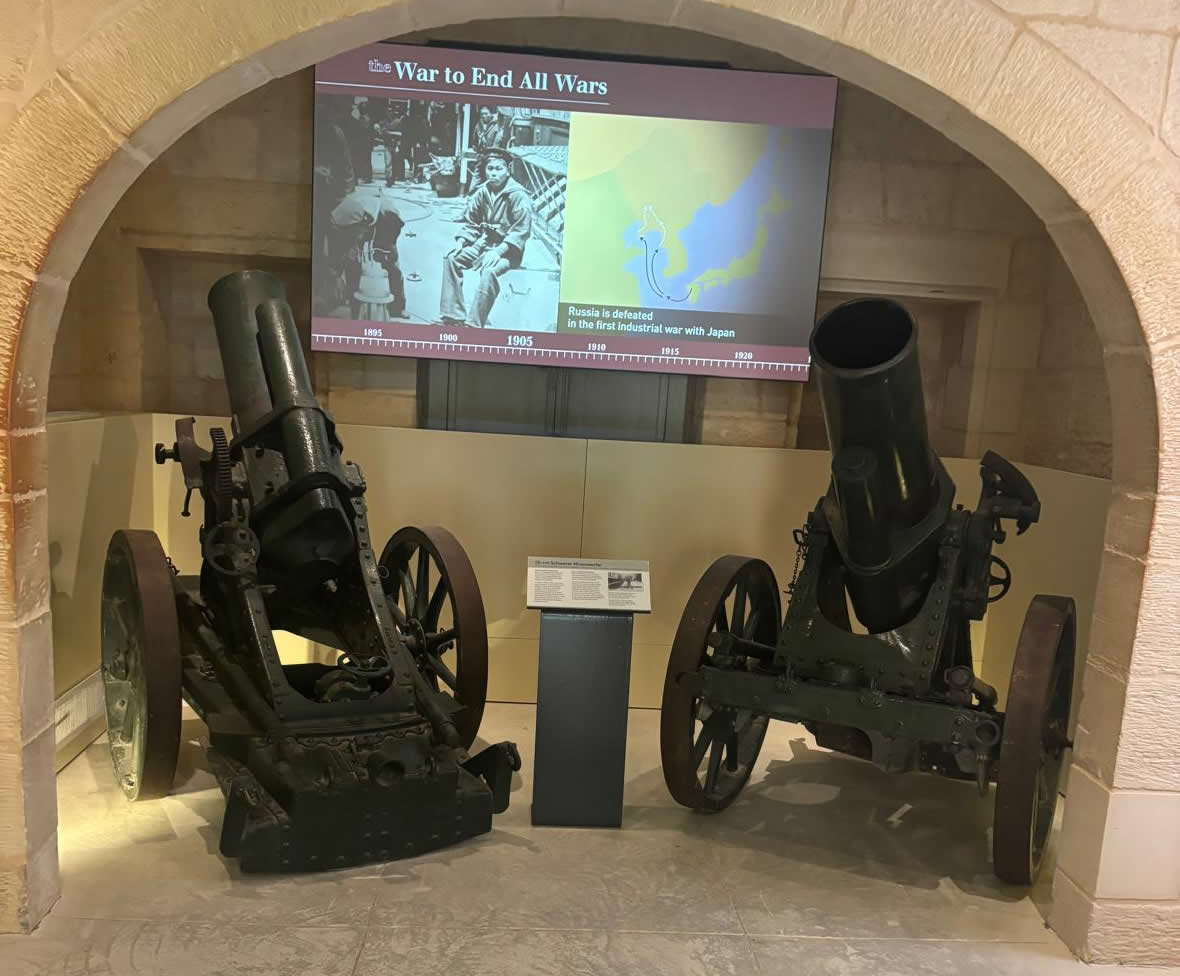
The museum’s collection includes a wide array of military equipment, such as anti-aircraft guns, torpedoes, machine guns, and wreckage from aircraft recovered from the seabed.
These artefacts provide tangible evidence of the scale and intensity of the conflict experienced by Malta.

Architectural and Spatial Experience
The museum is spread across several interconnected galleries, including a large vaulted hall, annexes, and smaller rooms that guide visitors through different historical periods.
The setting within Fort St Elmo enhances the experience, as visitors can explore the fort’s bastions, ramparts, and panoramic viewpoints overlooking Valletta’s harbours.

The combination of historic architecture and carefully curated exhibits creates a deeply immersive environment.
Renovation and Modern Interpretation
Following its refurbishment and reopening in 2015, the museum adopted modern interpretive techniques, including multimedia displays and improved exhibition design.
The updated layout provides a more comprehensive and engaging narrative, ensuring accessibility for a wide range of visitors.

Educational and Cultural Importance
The National War Museum plays a vital role in preserving Malta’s military heritage and educating both locals and visitors about the island’s historical significance.
By presenting a balanced narrative that includes both military operations and civilian experiences, the museum offers a holistic understanding of Malta’s past.
Visitor Experience
A typical visit to the museum can take between one and two hours, depending on the level of detail explored. Visitors are encouraged to allocate additional time to walk around Fort St Elmo and enjoy the surrounding views.
The museum is suitable for all ages and is particularly valuable for those interested in military history, heritage tourism, and World War II studies.
Nearby Attractions in Valletta
The National War Museum is located within walking distance of several other key attractions in Valletta, including:
- St John’s Co-Cathedral
- Upper Barrakka Gardens
- Grandmaster’s Palace
- Lascaris War Rooms
Together, these sites provide a comprehensive exploration of Malta’s cultural and historical landscape.
Conclusion
The National War Museum at Fort St Elmo is more than just a museum—it is a journey through Malta’s military history, set within one of the island’s most iconic fortifications.
From prehistoric artefacts to the defining moments of World War II and beyond, the museum offers an unparalleled insight into the events that have shaped Malta’s identity.
Whether you are a historian, a student, or a traveller exploring Valletta, the National War Museum is an essential destination that brings Malta’s past vividly to life.