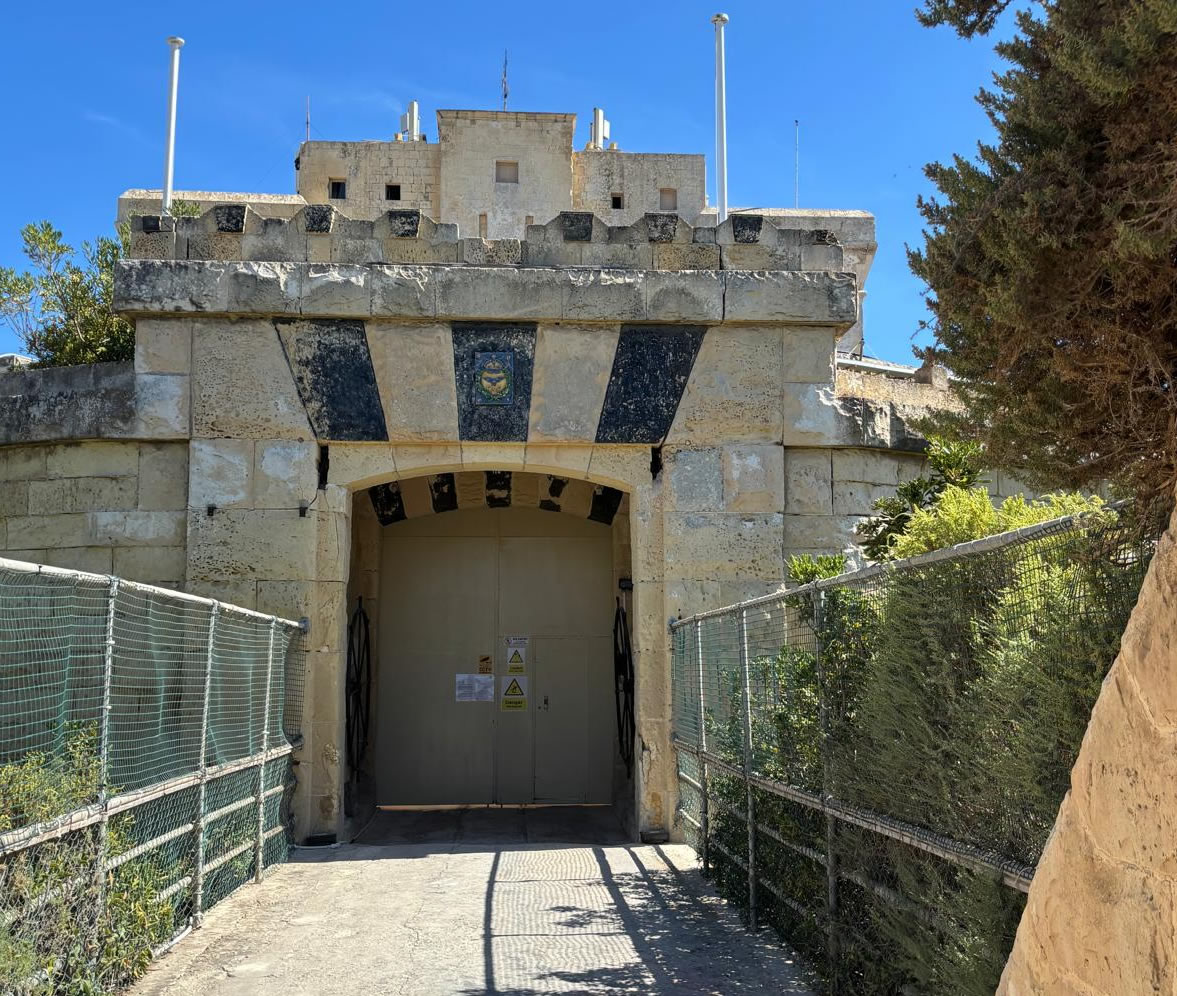
St Lucian Tower
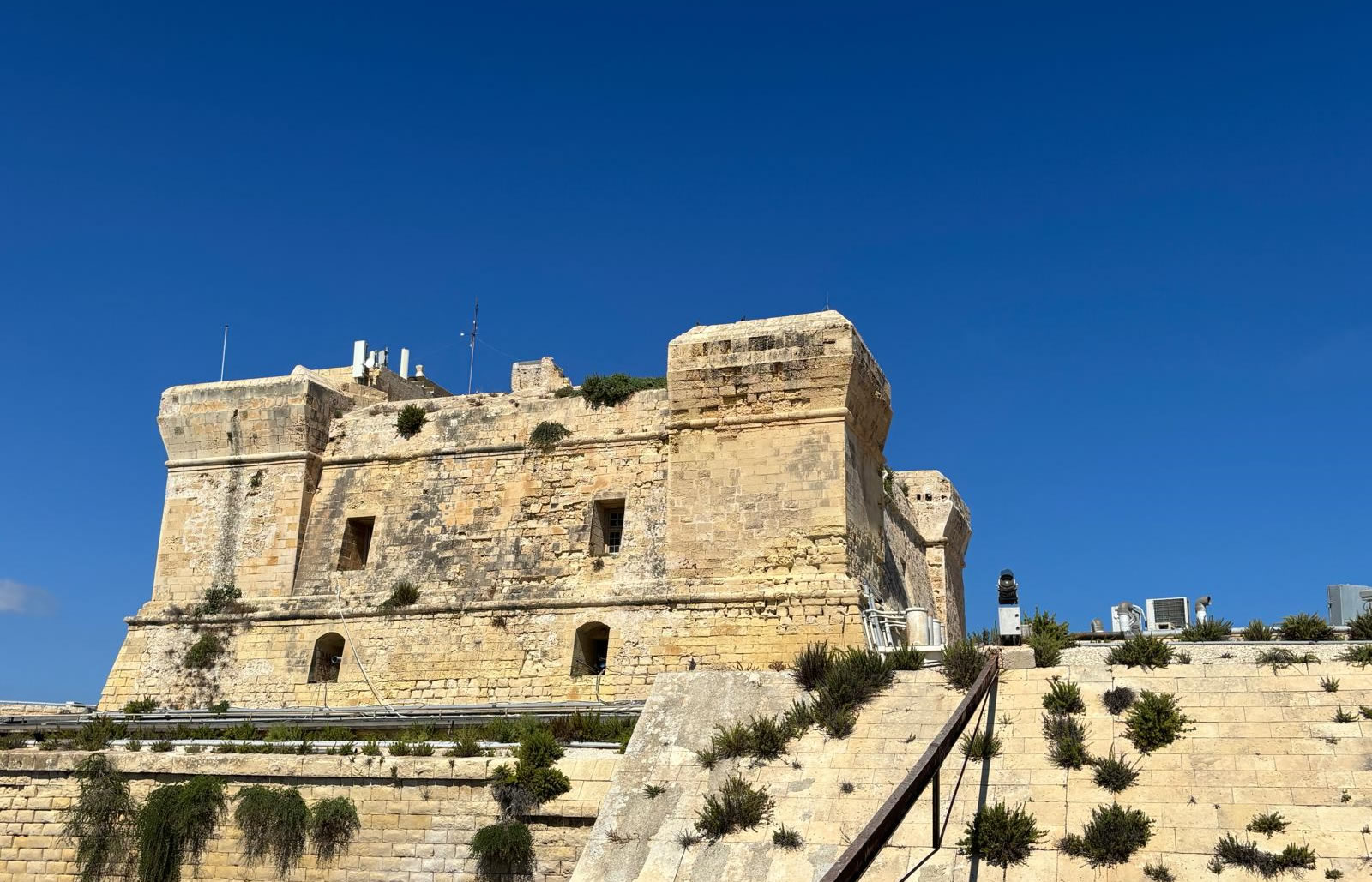
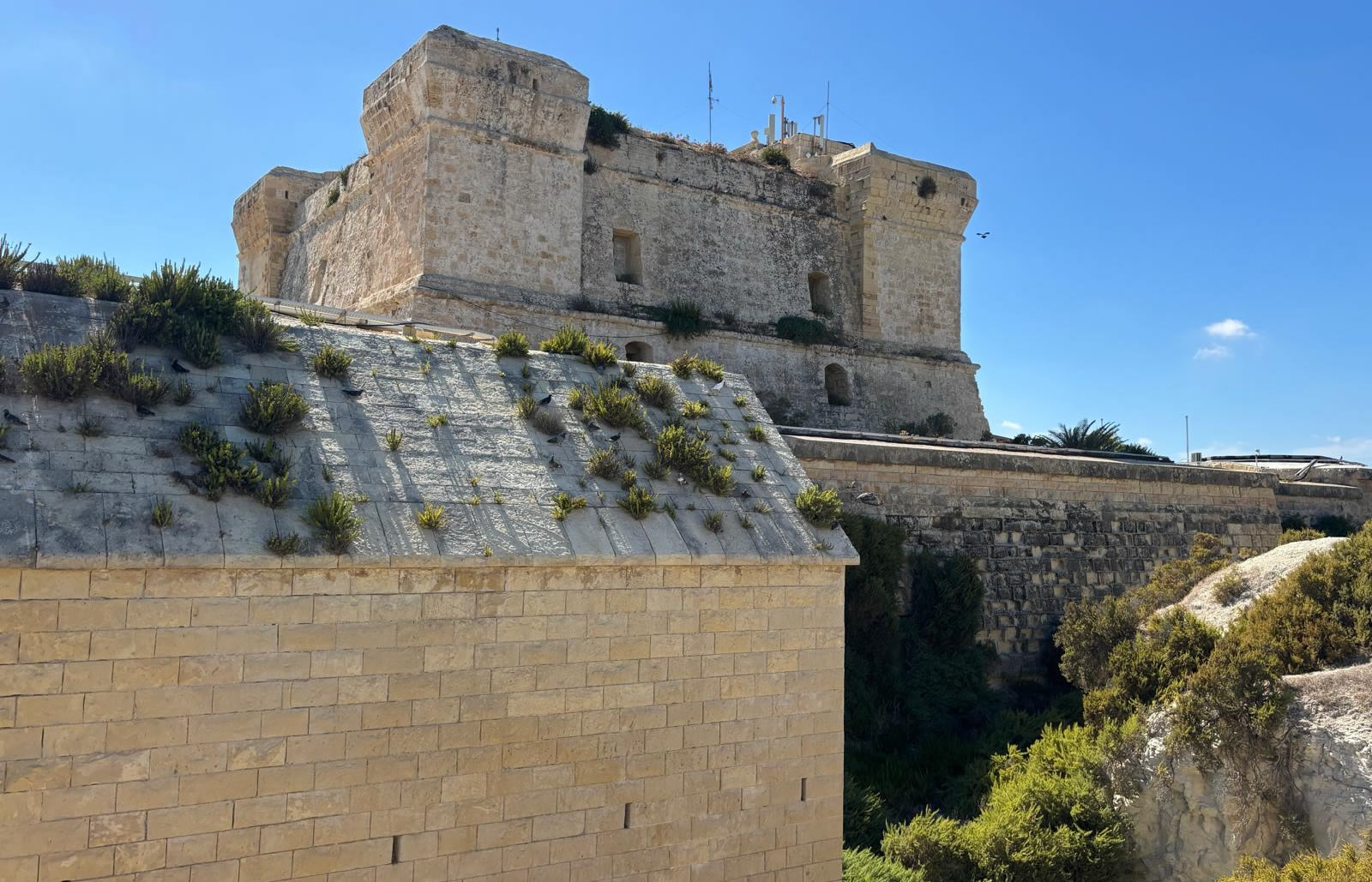
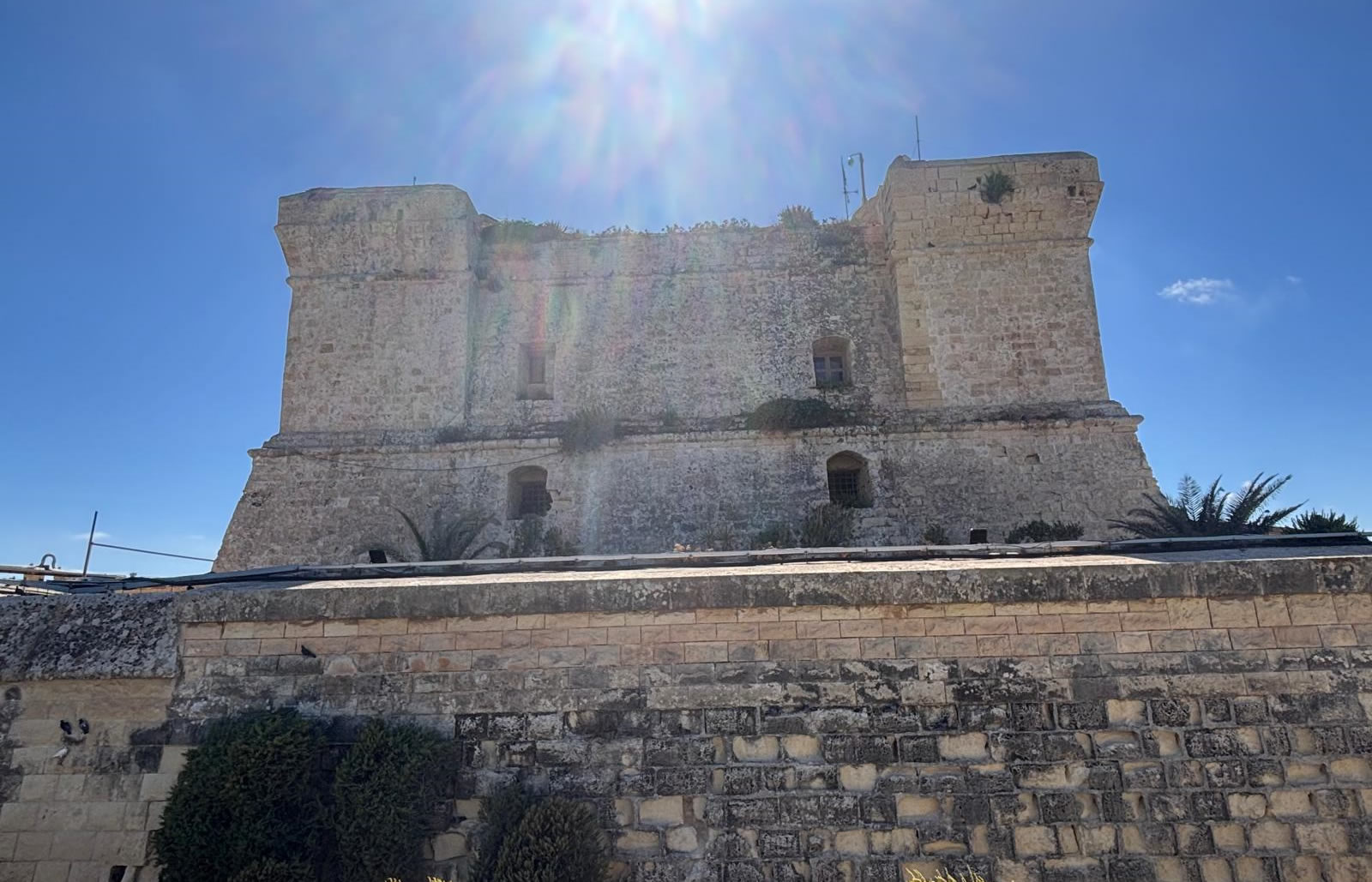
Here’s a look at St Lucian Tower (now Fort San Lucian) in Marsaxlokk, Malta—a robust fortification with layers of history.
History & Key Details of St Lucian Tower (Fort San Lucian)
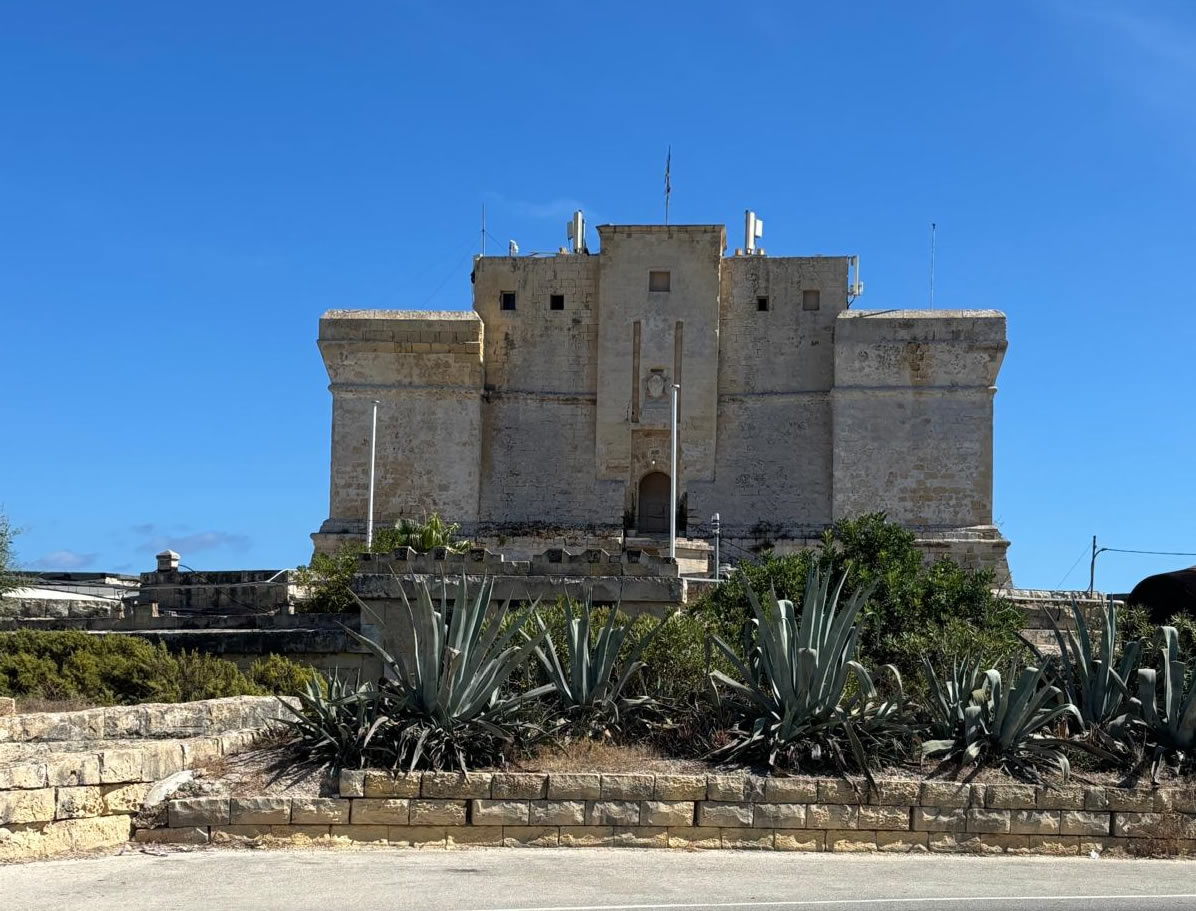
1. Origins & Early Role (1610–1611)
Commissioned by Grand Master Alof de Wignacourt and built between 1610 and 1611 as the second Wignacourt tower to bolster coastal defenses above Marsaxlokk Bay.
Inspired by legend: a pious Tunisian slave had a vision alerting Wignacourt to an imminent Ottoman raid—he initially ignored it, but when the raid nearly occurred, he ordered the tower built.
Construction cost was 11,745 scudi, 2 tari, and 6 grani. The tower’s name comes from a church in France where Wignacourt was baptised.
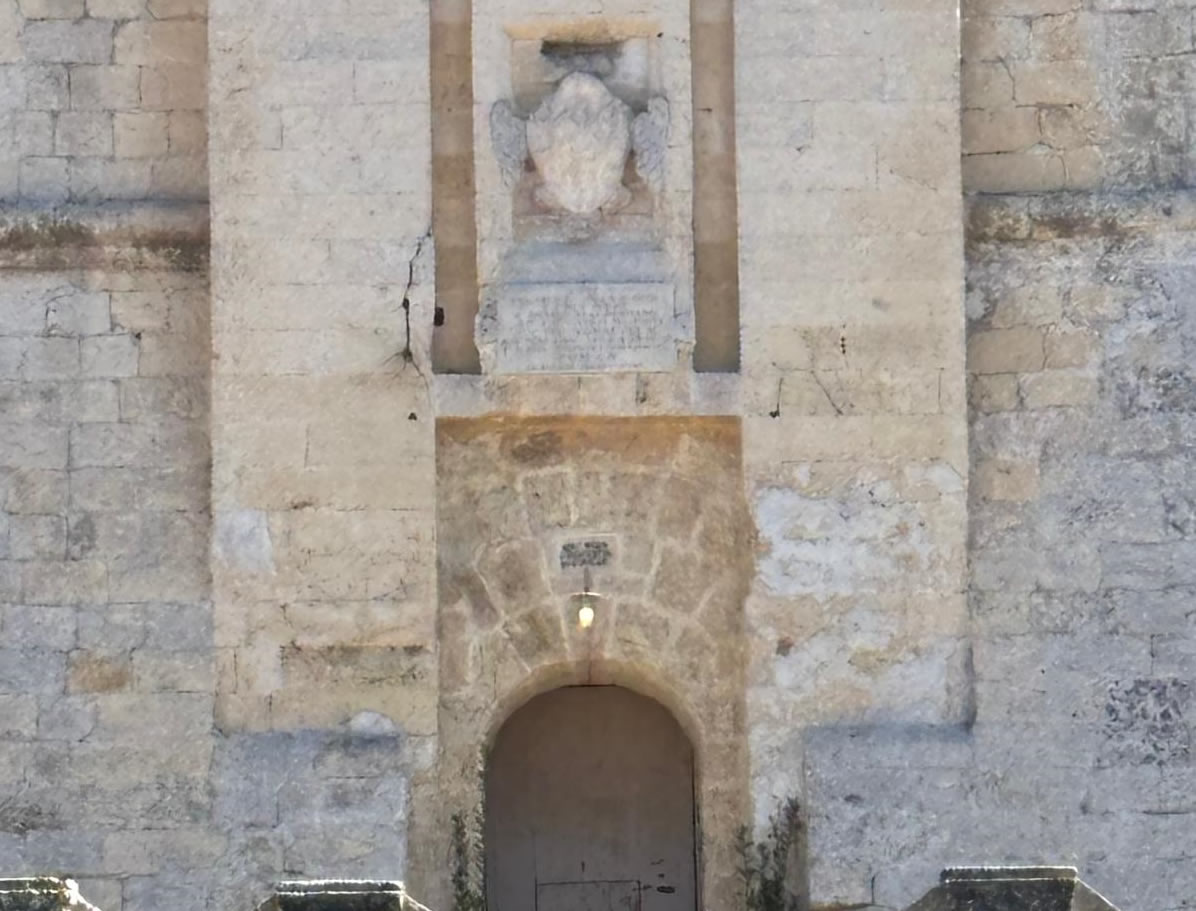
2. Design & Early Use
Larger than many Wignacourt towers—square in plan, with two vaulted stories and a defensive parapet roof.
First saw action during the Raid of Żejtun (1614); its cannons repelled an attempted Ottoman landing at Marsaxlokk.
Originally armed with six large cannons, included a chapel inside with a painting of St Lucian’s martyrdom (relocated in 1799).
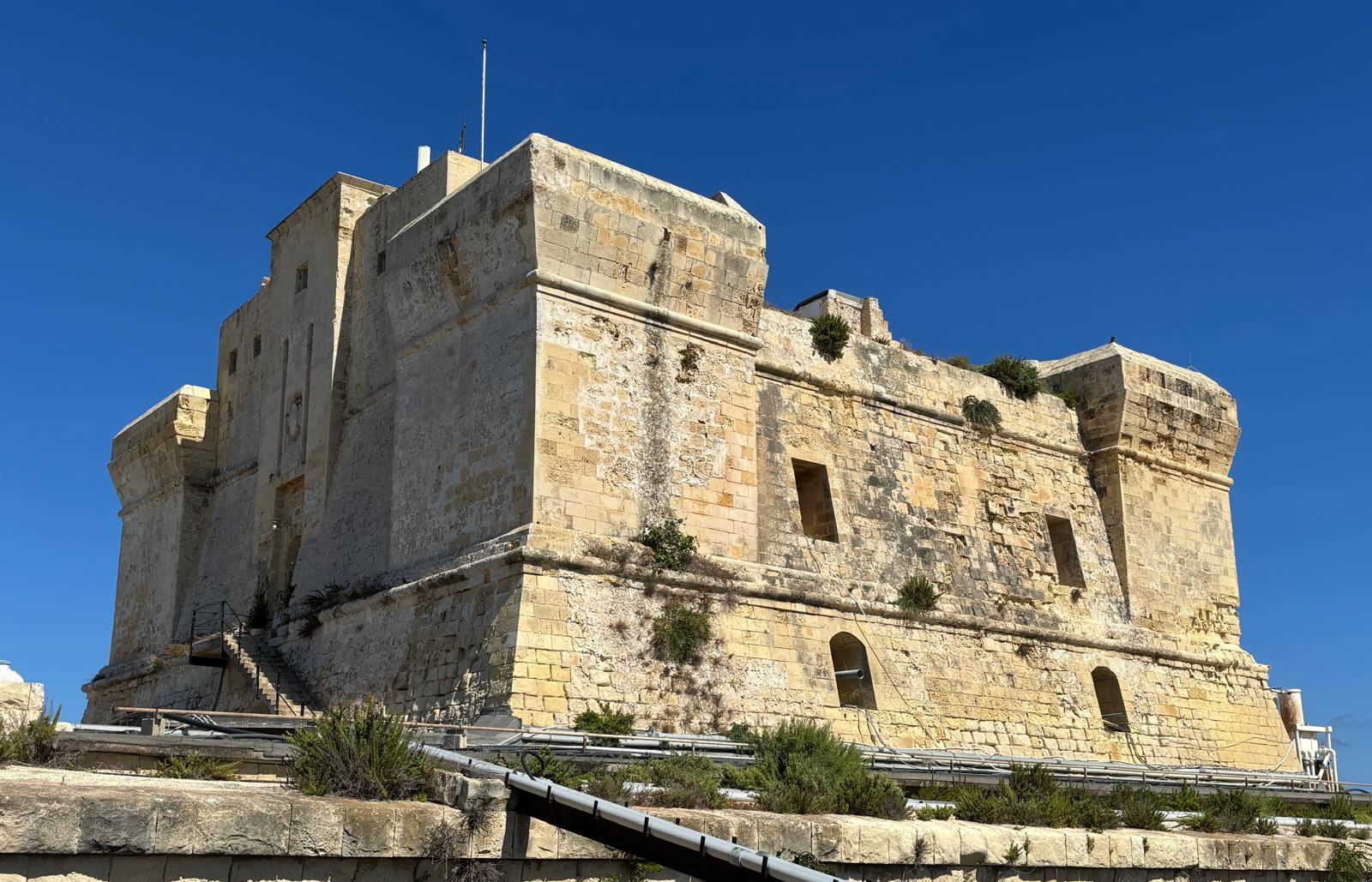
3. Additions & Upgrades
Around 1715, a semi-circular battery with an arrow-headed blockhouse was added to enhance armor and firepower.
In 1792–1795, engineer Antoine Étienne de Tousard designed an entrenchment around the structure, and it was renamed Fort Rohan after Grand Master Rohan-Polduc.
It played a defensive role during the French invasion in 1798, holding firm under Knight Laguérivière.
4. British Era Fortification (1872–1878)
The British transformed it into a polygonal fort, removing the earlier battery and staircases, and added caponiers, a sunken gate, entrance ramp, and casemates.
Armed with heavy RML 10-inch 18-ton guns, it formed part of a ring of fortifications defending Marsaxlokk Bay.
Decommissioned in 1885 as it became militarily obsolete.
5. 20th Century to Present
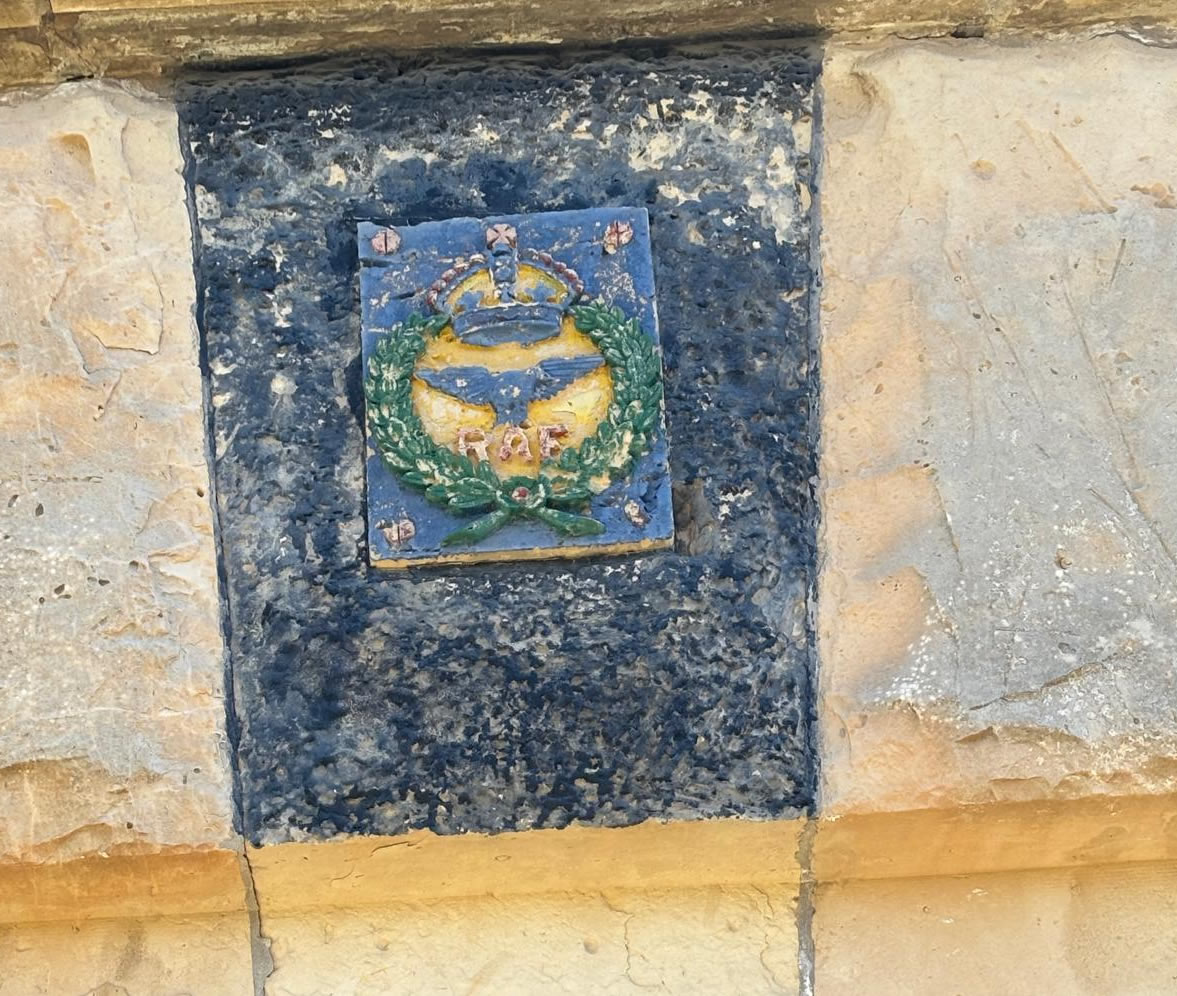
Used by the RAF as a bomb depot (WWII-era) and possibly later stored nuclear weapons during the Cold War.
After Malta’s 1964 independence, the site was handed over to the government and eventually became the Malta Aquaculture Research Centre.
The tower was listed as an antiquity in 1925, and remains structurally intact and in use.
Although not fully open to the public, it occasionally hosts small guided visits and is a notable heritage landmark.
Quick Reference
| Feature / Period | Details |
| Built | 1610–1611 by Order of St. John (Wignacourt) |
| Location | Headland between Marsaxlokk & Birżebbuġa |
| 1637 Battery | Added circa 1715 |
| Fort Rohan | Entrenchment added 1792–1795 |
| British Polygonal Fort | Rebuilt 1872–1878 |
| Decommissioned | 1885 |
| Modern Use | WWII air force and Cold War bombs; now Aquaculture Research Centre |
| Public Access | Limited tours available; not regularly open |
Location
Coordinates: 35.830907, 14.542856
Address (approx.): Triq il-Qajjenza, Marsaxlokk, Malta
It’s on the peninsula called Il-Qajjenza, just west of Marsaxlokk fishing village and south-east of Birżebbuġa.
By Public Transport
From Valletta Bus Terminus, take Route 85 direct to Marsaxlokk (journey \~50 min).
From Marsaxlokk village centre, the tower is about a 15–20 minute walk (1.5 km).
Alternatively, Route 119 (Valletta–Birżebbuġa) drops you near Qajjenza, from which the tower is a shorter walk (\~10 min).
By Car
Drive towards Marsaxlokk, following signs to “San Luċjan Tower” or “Qajjenza.”
From Marsaxlokk centre: \~5 min drive (2 km).
From Birżebbuġa centre: \~7 min drive.
There is limited roadside parking near the approach road to the Aquaculture Centre.
📍 Location
Location Map Coordinates 35.830557, 14.543218
On Foot
From Marsaxlokk Harbour: follow the promenade west, then continue along Triq il-Qajjenza towards the headland.
From Birżebbuġa: follow the coastal road southeast (past Pretty Bay), then continue to Qajjenza and the tower.
Access Note:
The interior is not open to the public as it is part of the Aquaculture Research Centre. However, you can walk around the exterior and enjoy views across Marsaxlokk Bay. Occasionally, guided visits are organised by heritage groups.
In summary, St Lucian Tower began as a large, vigilant coastal watchtower and evolved into a fully fortified structure under both the Order and British rule. Today, it remains a historically rich and well-preserved monument, repurposed for scientific research.