Here’s a complete history and description of one of the most iconic coastal towers in the Maltese Islands:
🏰 St. Mary’s Tower (Torri ta’ Santa Marija, Comino)
📍 Location
Stands on the southern cliffs of Comino, the small island between Malta and Gozo.
Strategically overlooks the Comino Channel (Malta–Gozo passage).
Visible from Mellieħa (Malta) and Għajnsielem (Gozo).
📍 Location
Location Map Coordinates 36.007047, 14.329466
📜 Historical Background
⏳Origins
Built in 1618 during the rule of Grand Master Alof de Wignacourt.
One of the six Wignacourt towers constructed to defend Malta and Gozo.
Funded by the Order of St John, though Grand Master Wignacourt contributed personally.
🎯Strategic Purpose
The tower was meant to block corsair and Ottoman naval activity in the Comino Channel.
Served multiple roles:
Watchtower to signal movements between Malta and Gozo.
Defensive fortification, armed with cannon to deter enemy ships.
Prison and exile station for errant Knights and convicts (in later centuries).
Quarantine station during plague outbreaks.
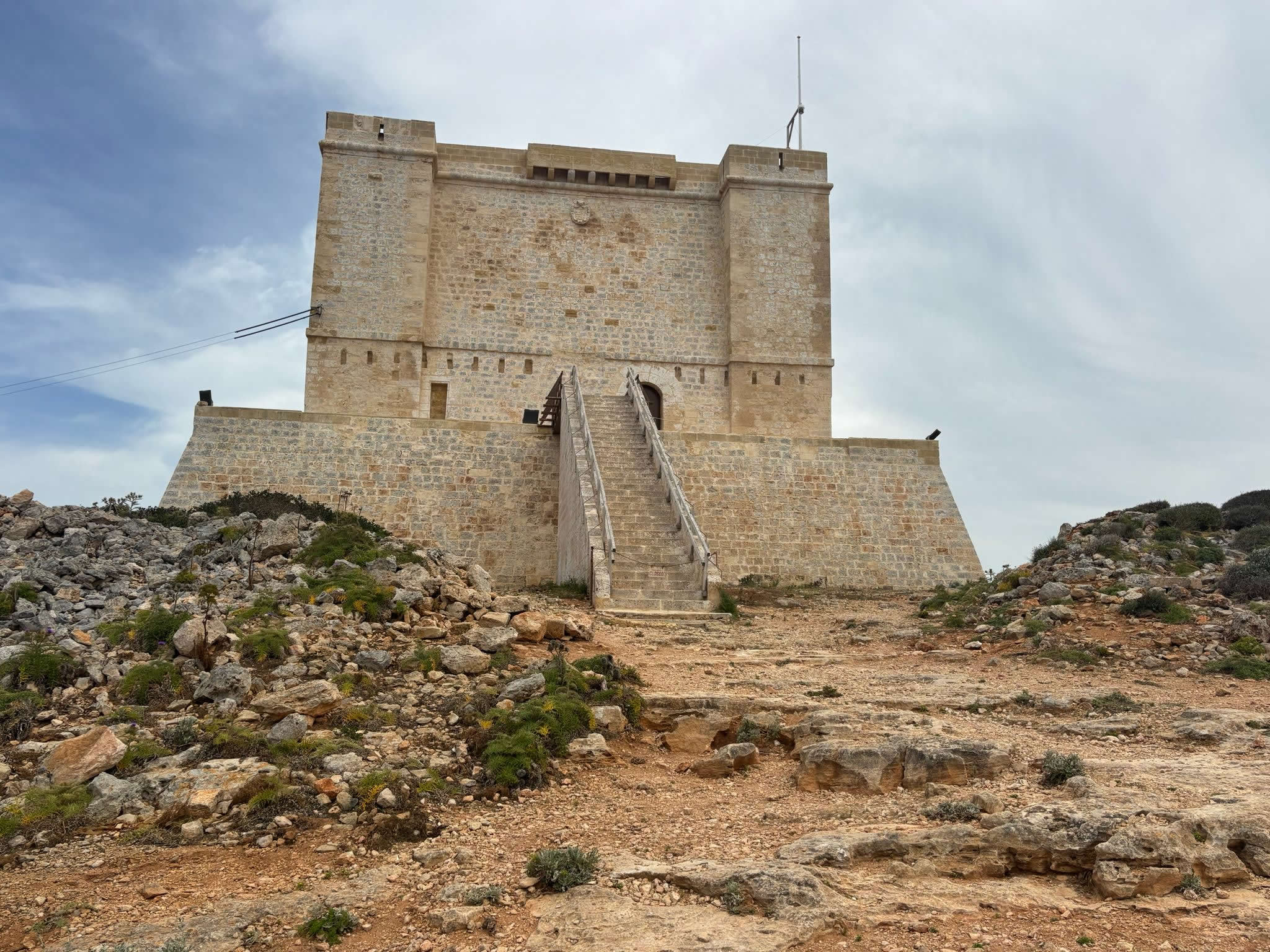
⚔️Military Use
The tower was heavily armed for its size, with long-range artillery capable of firing across the channel.
Together with batteries added later in the 18th century, it created a crossfire zone with other coastal defenses.
Garrisoned by a small detachment of soldiers under the Order.
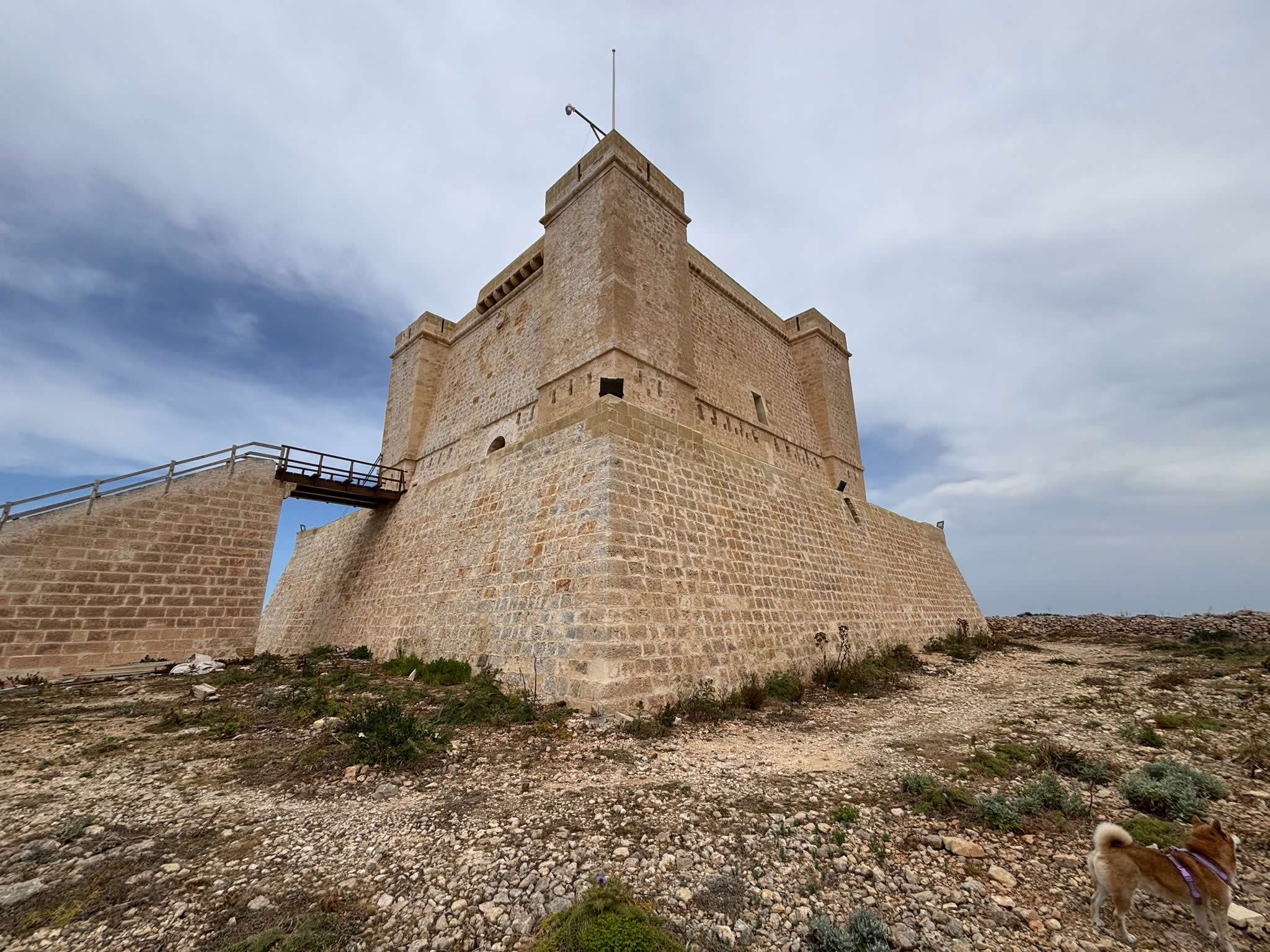
🏗️ Architecture & Design
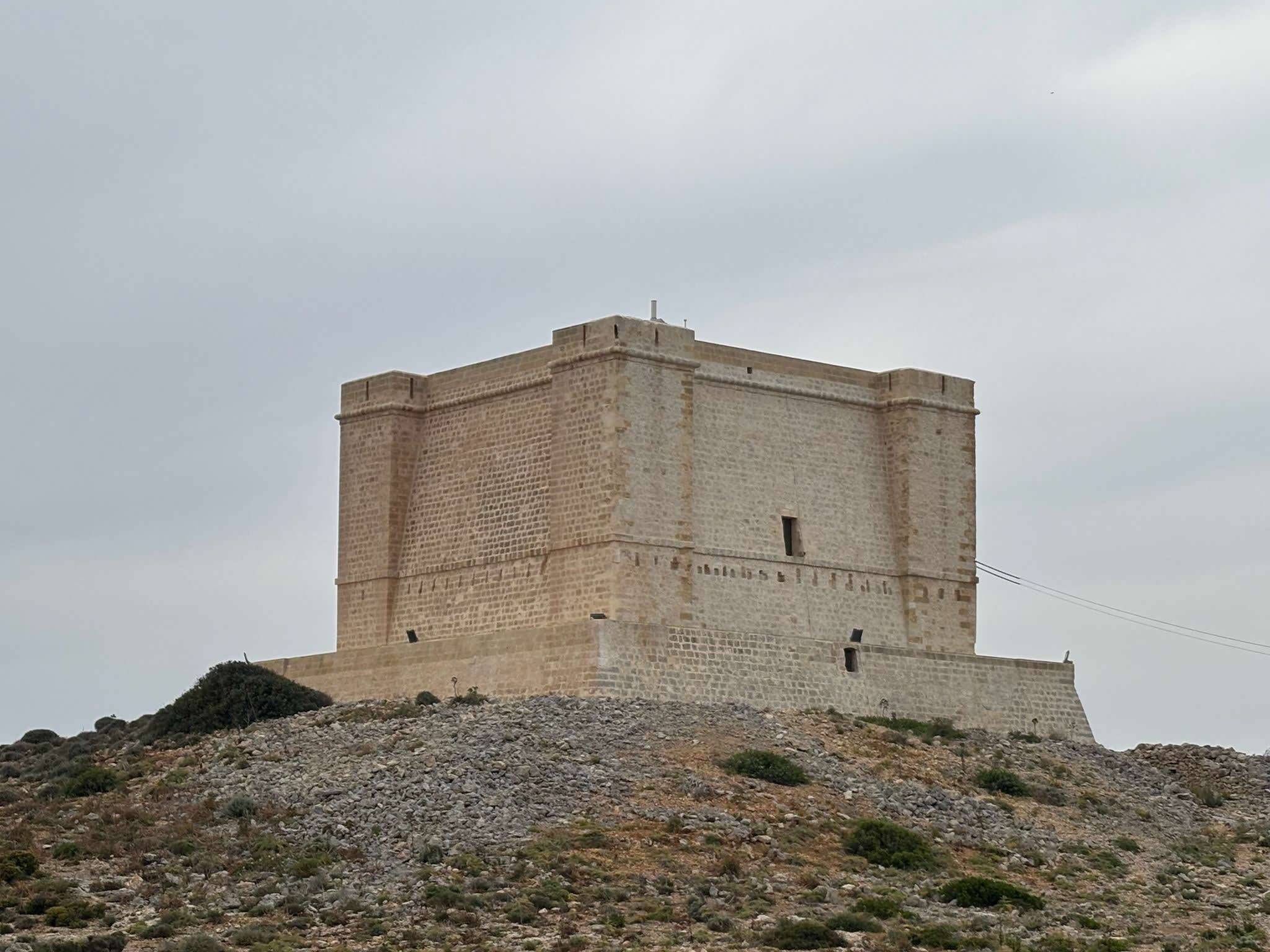
Built of local limestone in the fortified tower style.
Much larger than the later De Redin towers.
Features:
Square plan, 12 m high walls.
Thick masonry for heavy resistance.
Raised entrance with drawbridge (defensible access).
Vaulted interior rooms for garrison use.
Roof platform with parapet for cannon placement.
Its scale reflects the importance of guarding Comino’s waters.
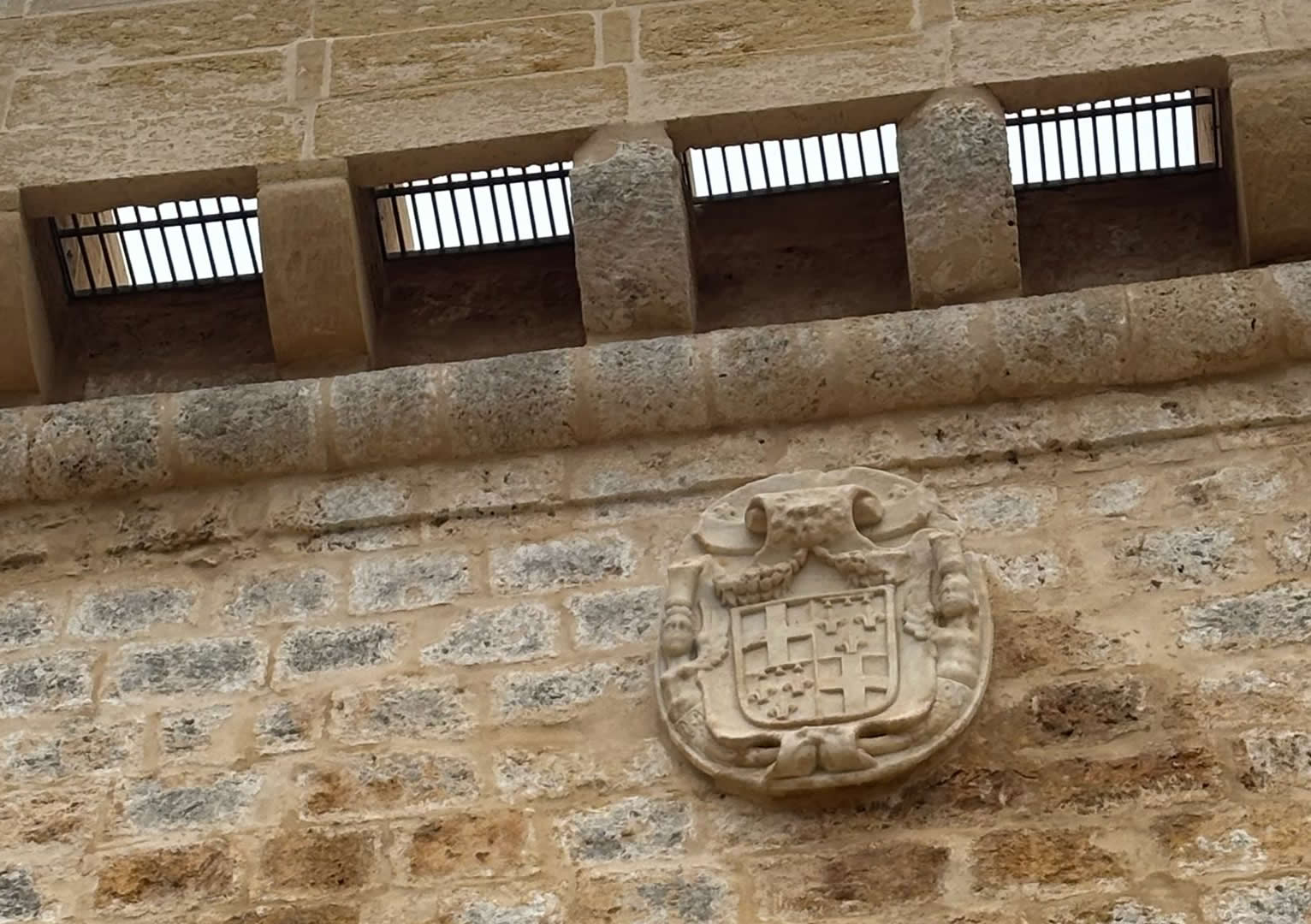
⚠️ Later History
17th–18th centuries: Maintained as a watch and signal station.
1798–1800: During the French occupation of Malta, the tower was held by a French garrison and saw action when Maltese insurgents attacked it.
19th century (British period): Used intermittently as a coastal station and prison.
20th century: Fell into disrepair, though the structure survived intact.
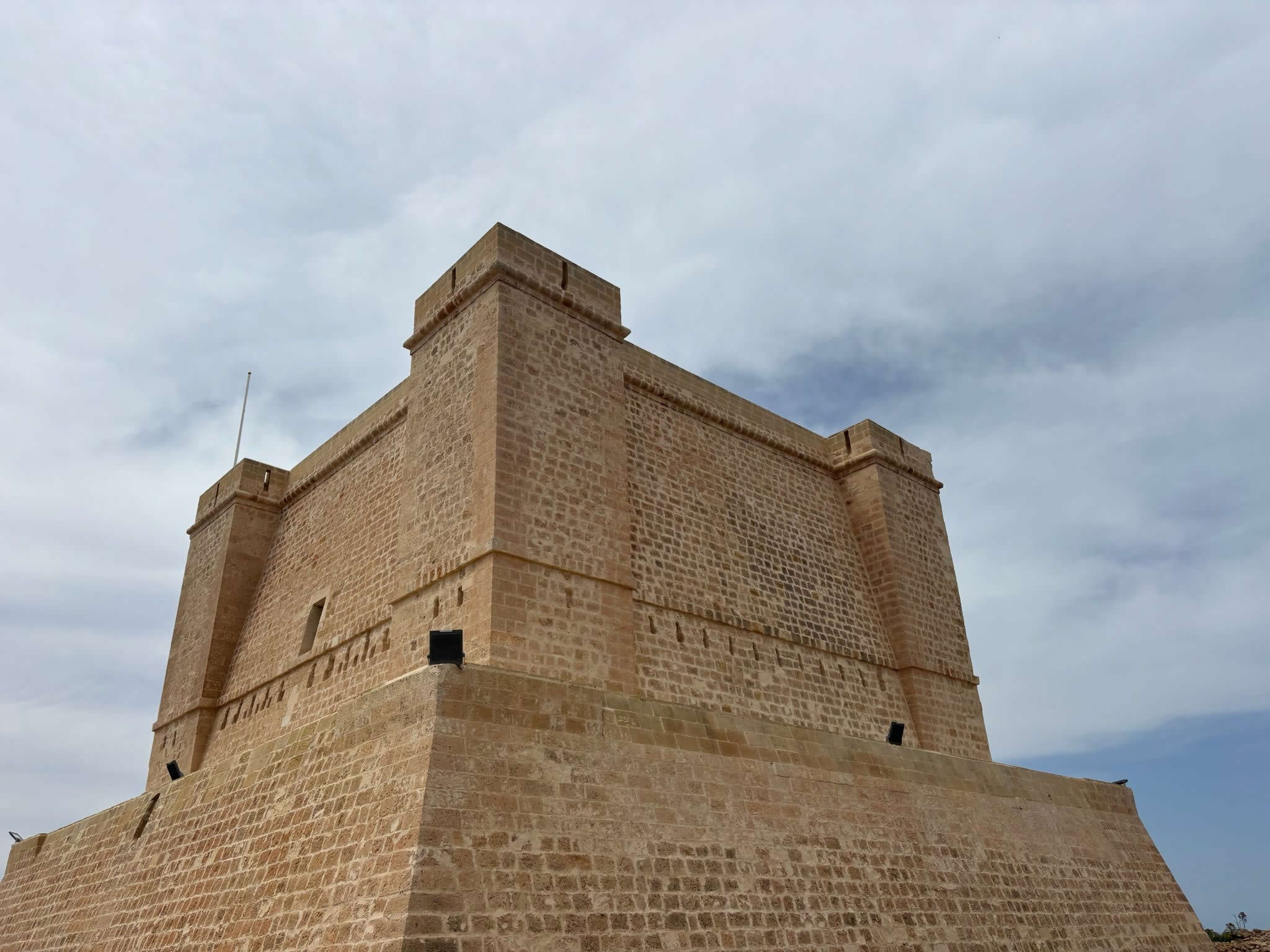
🌍 Present Day
Restored in the 1990s by Din l-Art Ħelwa (the National Trust of Malta).
Today it is open to the public on certain days, serving as a heritage attraction and museum.
Still functions as a landmark and navigational reference for sailors crossing the Comino Channel.
🗂️ Quick Facts
| Feature | Detail |
| Name | St. Mary’s Tower (Torri ta’ Santa Marija) |
| Built | 1618 |
| Builder | Knights of St John, Grand Master Alof de Wignacourt |
| Location | Southern Comino, overlooking Comino Channel |
| Type | Wignacourt coastal tower |
| Purpose | Coastal defense, watchtower, prison, quarantine station |
| Height | ~12 metres |
| Armament | Artillery (cannon) |
| Later uses | Prison, quarantine station, British coastal post |
| Status | Restored, open to visitors |
| Monument Grade | Grade 1 National Monument |
✅ Summary:
St. Mary’s Tower, also known as the Comino Tower or Santa Marija Tower, is one of the largest and most important coastal fortifications constructed by the Knights of St John in Malta. Built in 1618 during the rule of Grand Master Alof de Wignacourt, the tower formed part of the early Wignacourt defensive system designed to protect the Maltese Islands from Ottoman attacks, corsair raids and pirate incursions across the strategically vital Comino Channel between Malta and Gozo.
Standing prominently on high ground overlooking Comino, the massive square tower was deliberately positioned to command panoramic views of the surrounding sea routes. Its powerful artillery and elevated location enabled the garrison to monitor enemy movements, communicate with nearby coastal defences and provide early warning signals to the main fortifications of Malta and Gozo. Throughout the seventeenth and eighteenth centuries, St. Mary’s Tower became a critical military outpost within the wider defensive network of the Knights Hospitaller.
The tower was heavily armed and designed to withstand prolonged attack, featuring thick limestone walls, corner watch turrets, a raised entrance for added security and large vaulted internal chambers capable of housing soldiers, supplies and ammunition. During periods of unrest and epidemic disease, the isolated position of Comino also led to the tower being used as a prison, quarantine station and place of confinement for individuals considered dangerous or contagious.
Under British rule, the tower continued to serve military purposes and was integrated into Malta’s coastal defence system during the nineteenth century. During both World Wars, the strategic importance of the Comino Channel ensured that the tower retained military relevance, particularly for observation and communication purposes.
Today, St. Mary’s Tower remains one of the most iconic historic landmarks in the Maltese Islands and one of the best-preserved Wignacourt towers still standing. Carefully restored and maintained, the tower attracts visitors interested in Malta’s military history, the Knights of St John, coastal fortifications and the dramatic landscape of Comino. Its commanding silhouette overlooking the Mediterranean continues to symbolise centuries of defence, surveillance and maritime control in the heart of the Maltese archipelago.