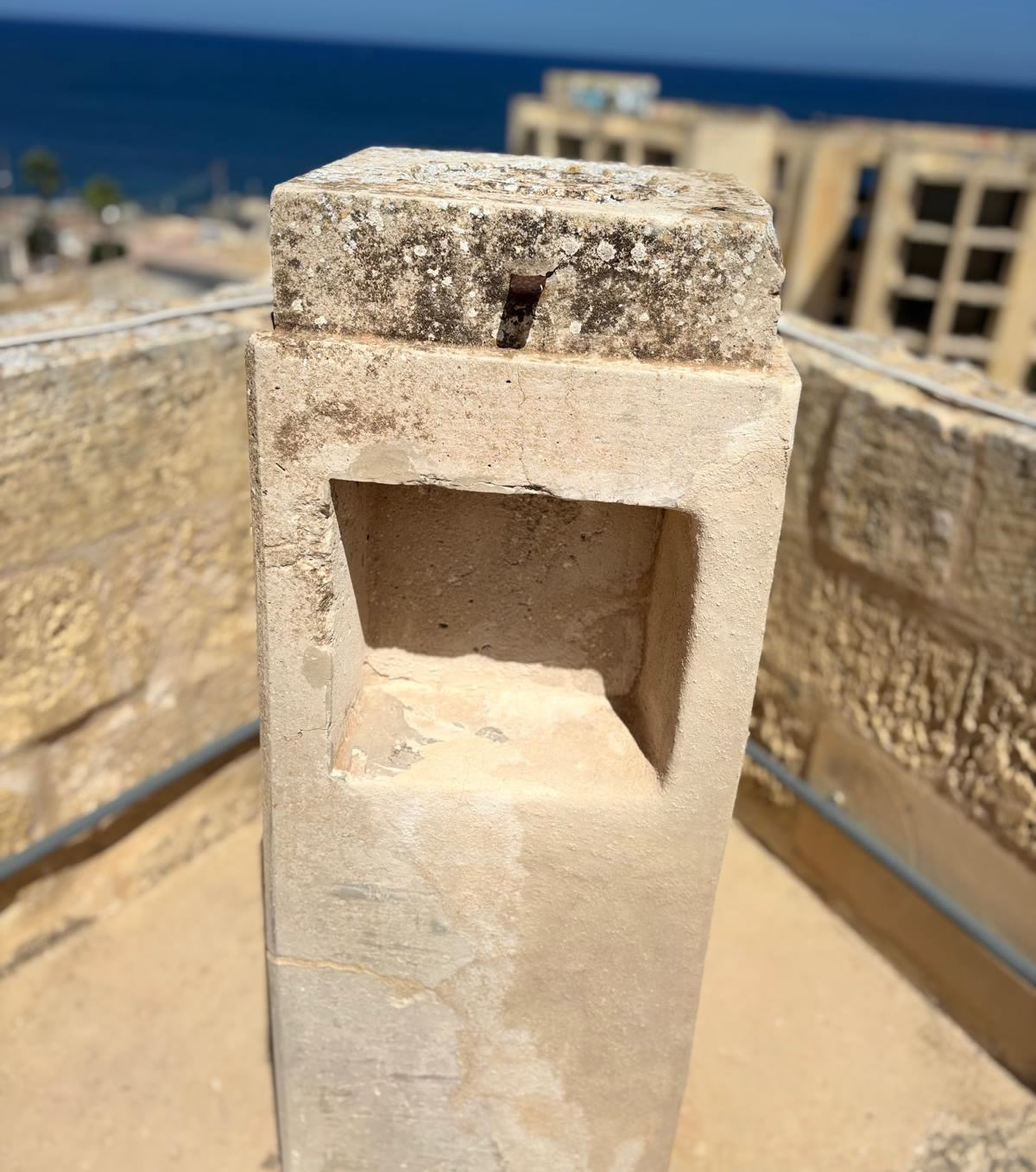
St Thomas Tower – Marsaskala, Malta
Construction & Purpose
Built in 1614 by order of Grand Master Alof de Wignacourt of the Order of St John.
Part of the Wignacourt towers, but far larger and stronger than the usual watchtowers, more like a small fortress.
Constructed immediately after the Ottoman raid of 1614, when 60 Ottoman ships landed at Marsaskala Bay (San Tumas Bay). The attack was repelled, but the event highlighted the bay’s vulnerability.
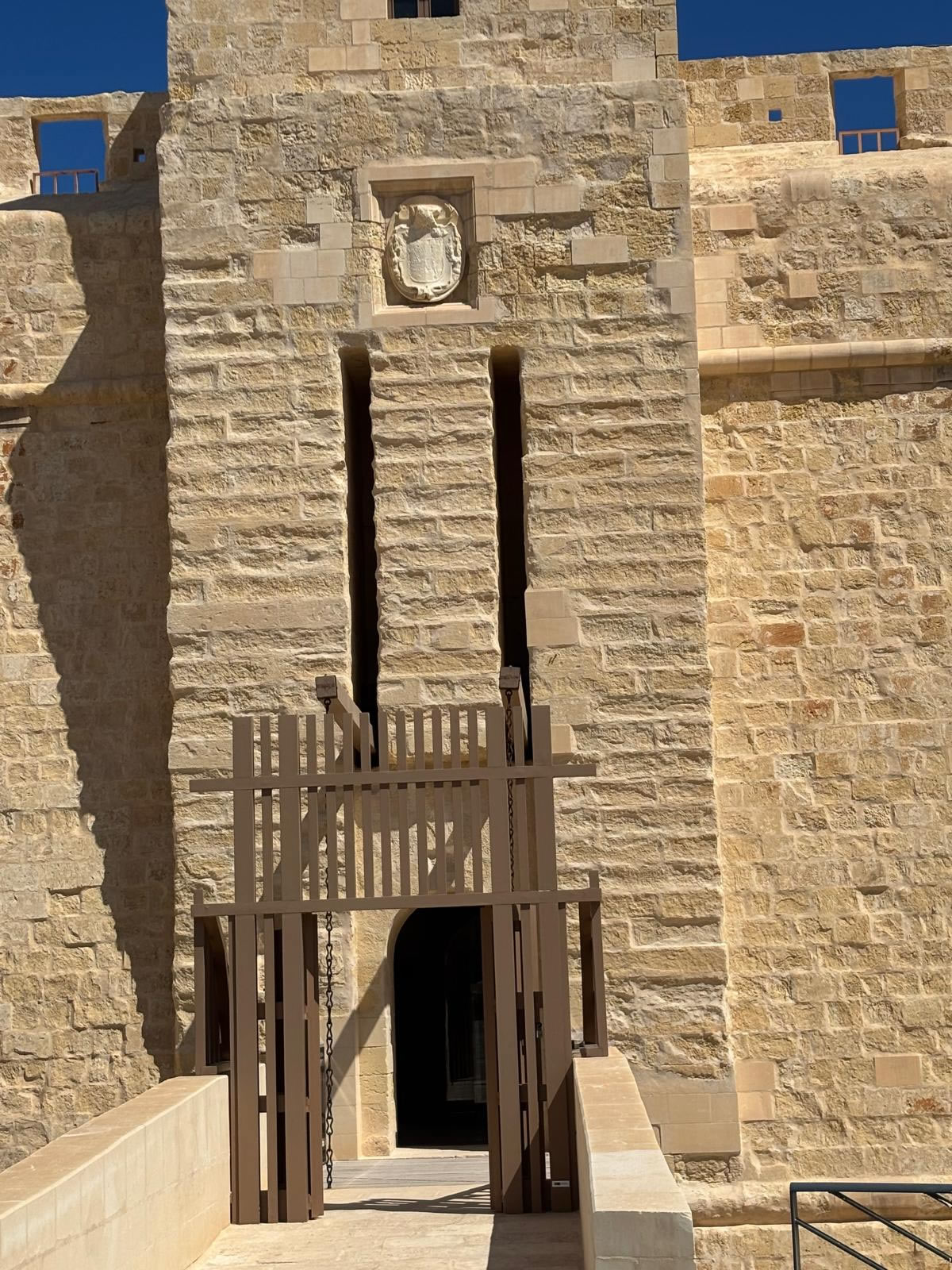
Design & Architecture
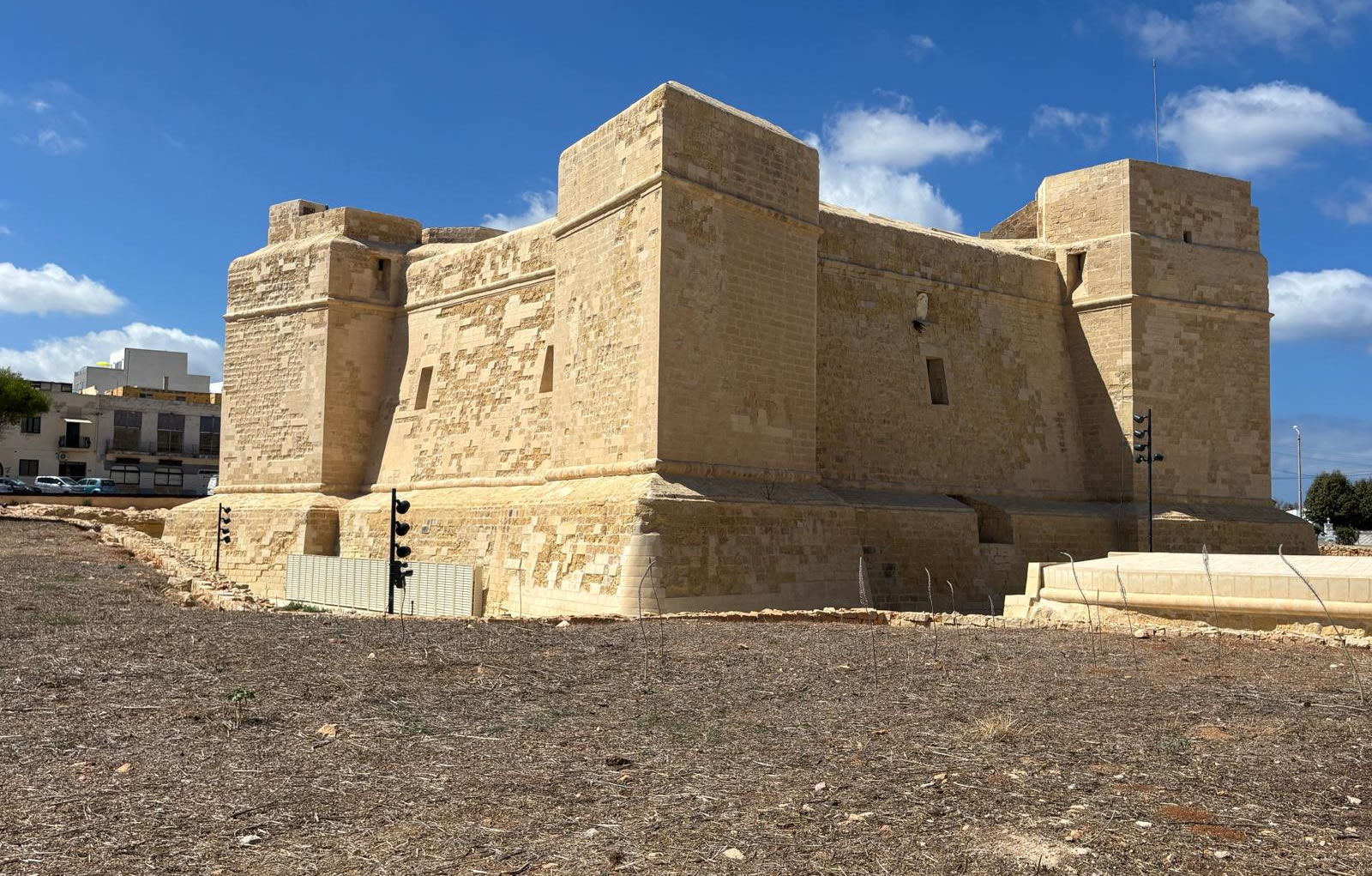
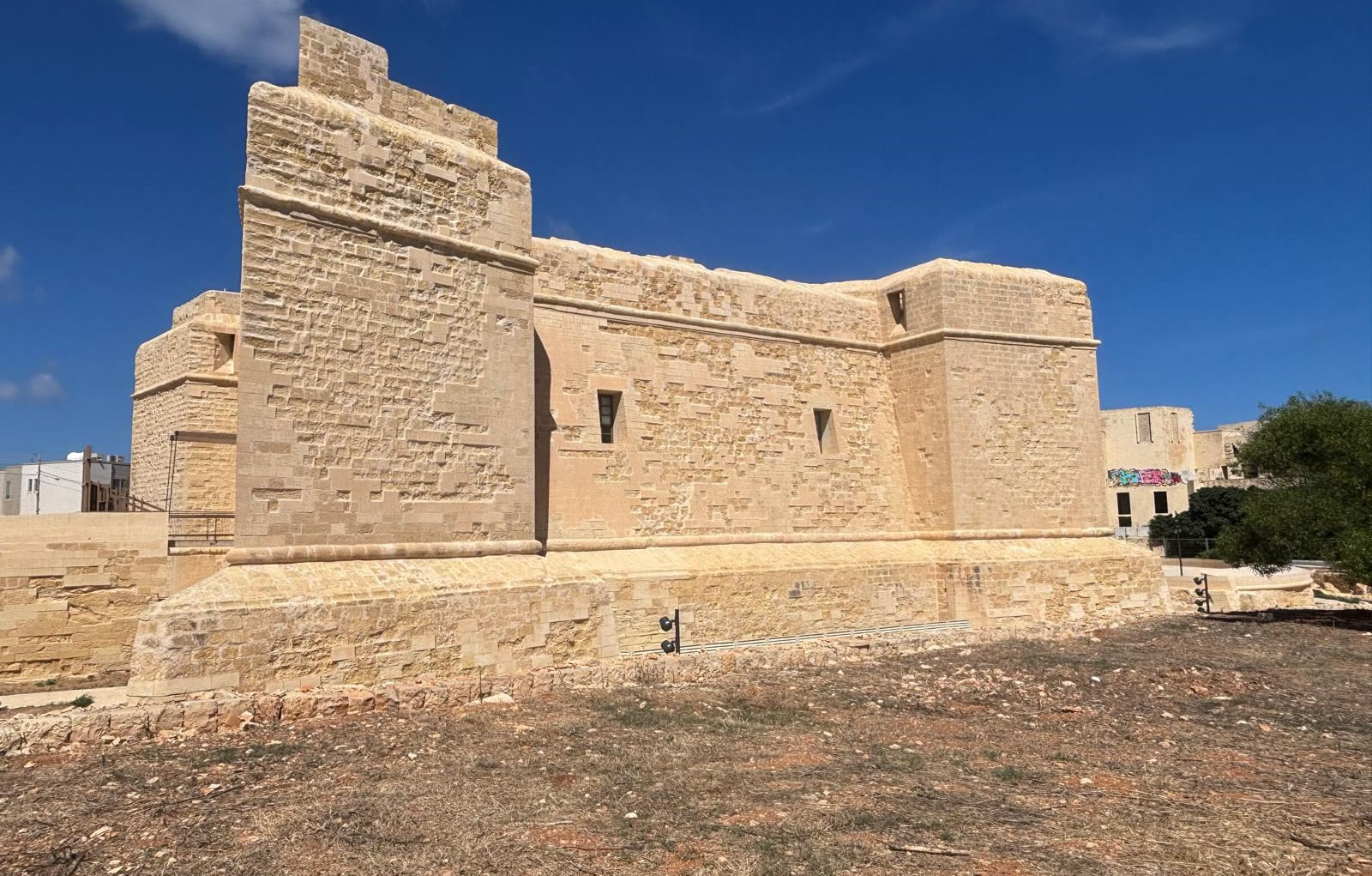
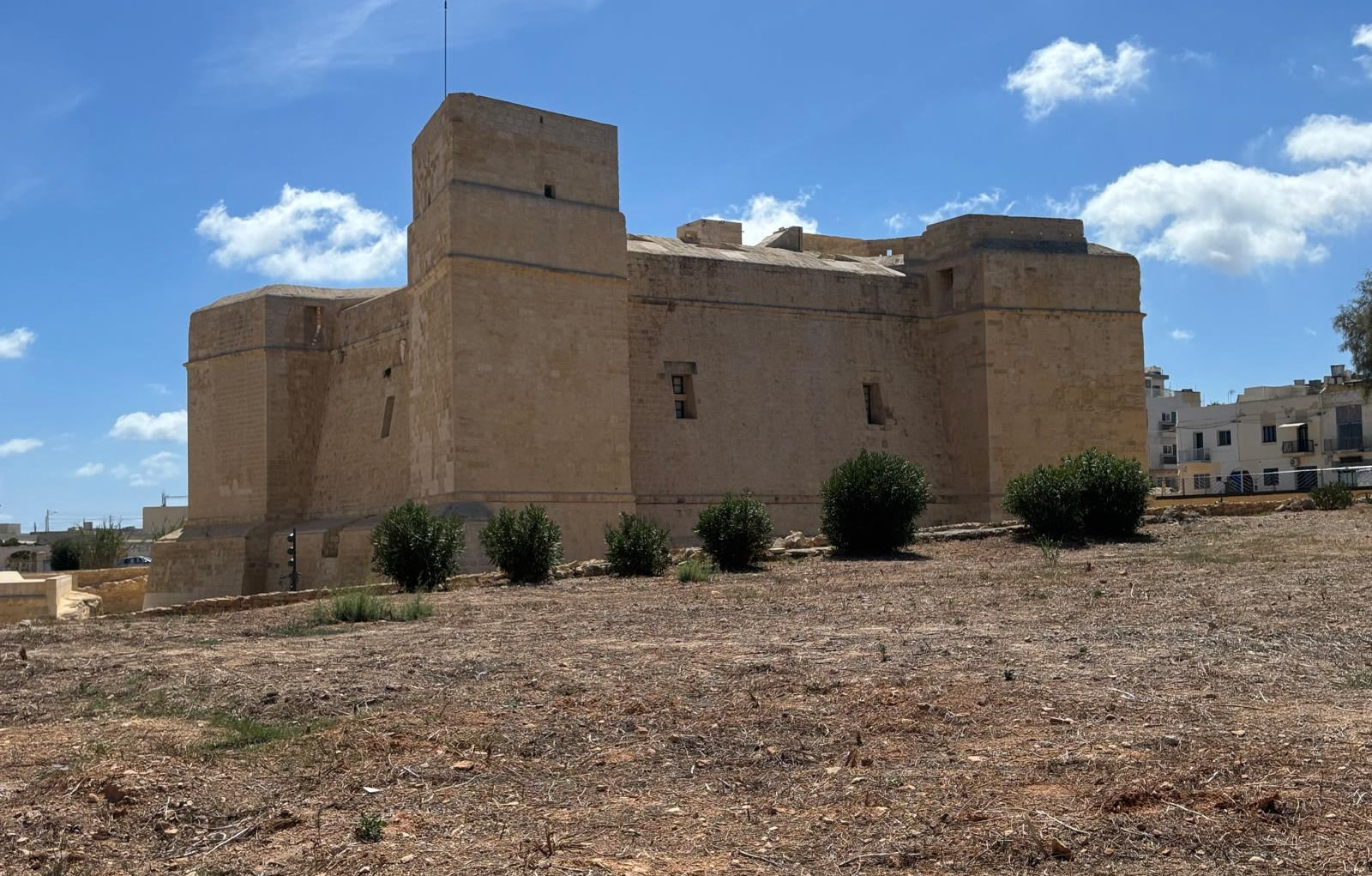
Square plan, each side \~26 metres long, with four corner bastions.
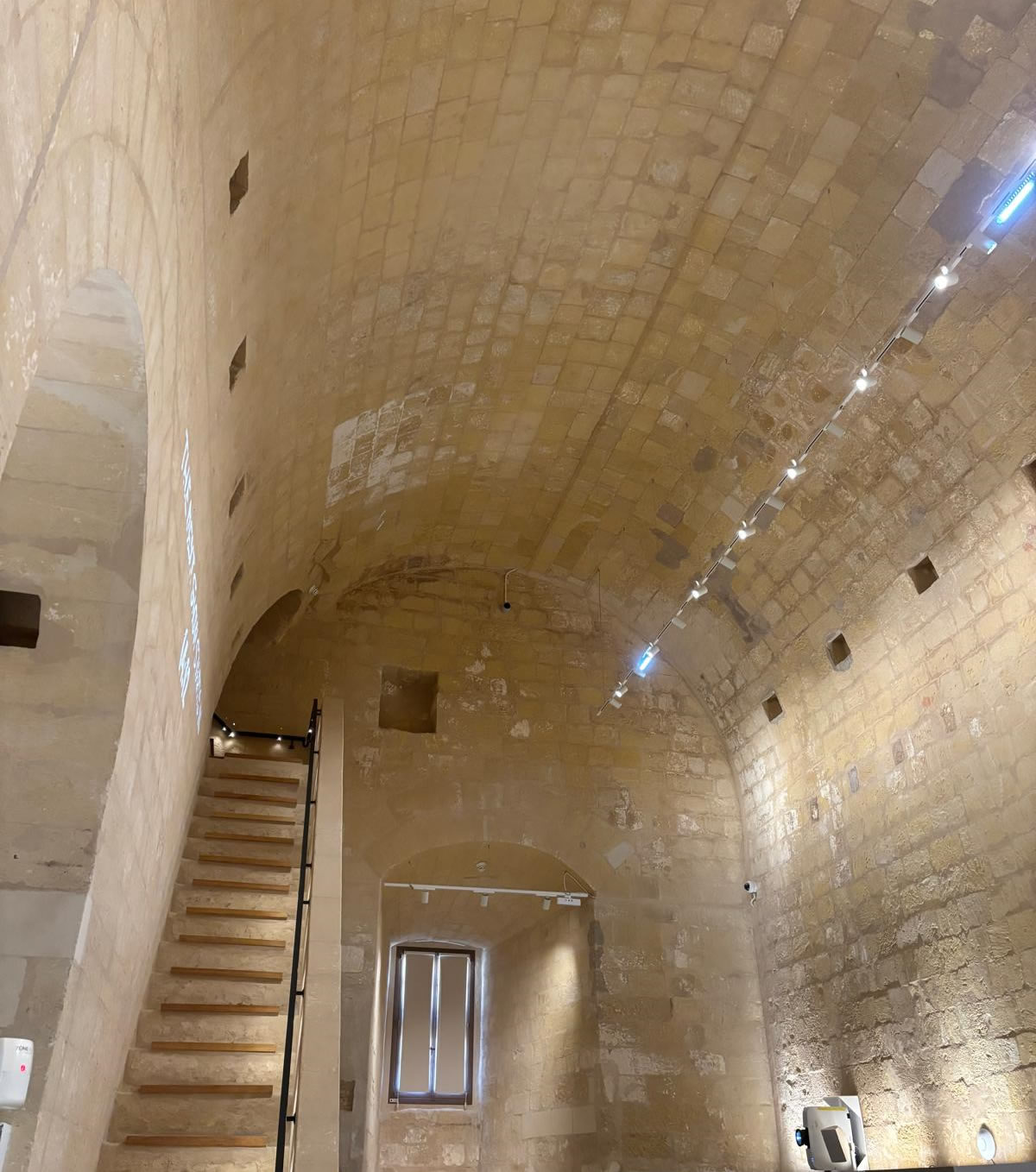
Two storeys high, with thick scarped walls and a central courtyard.
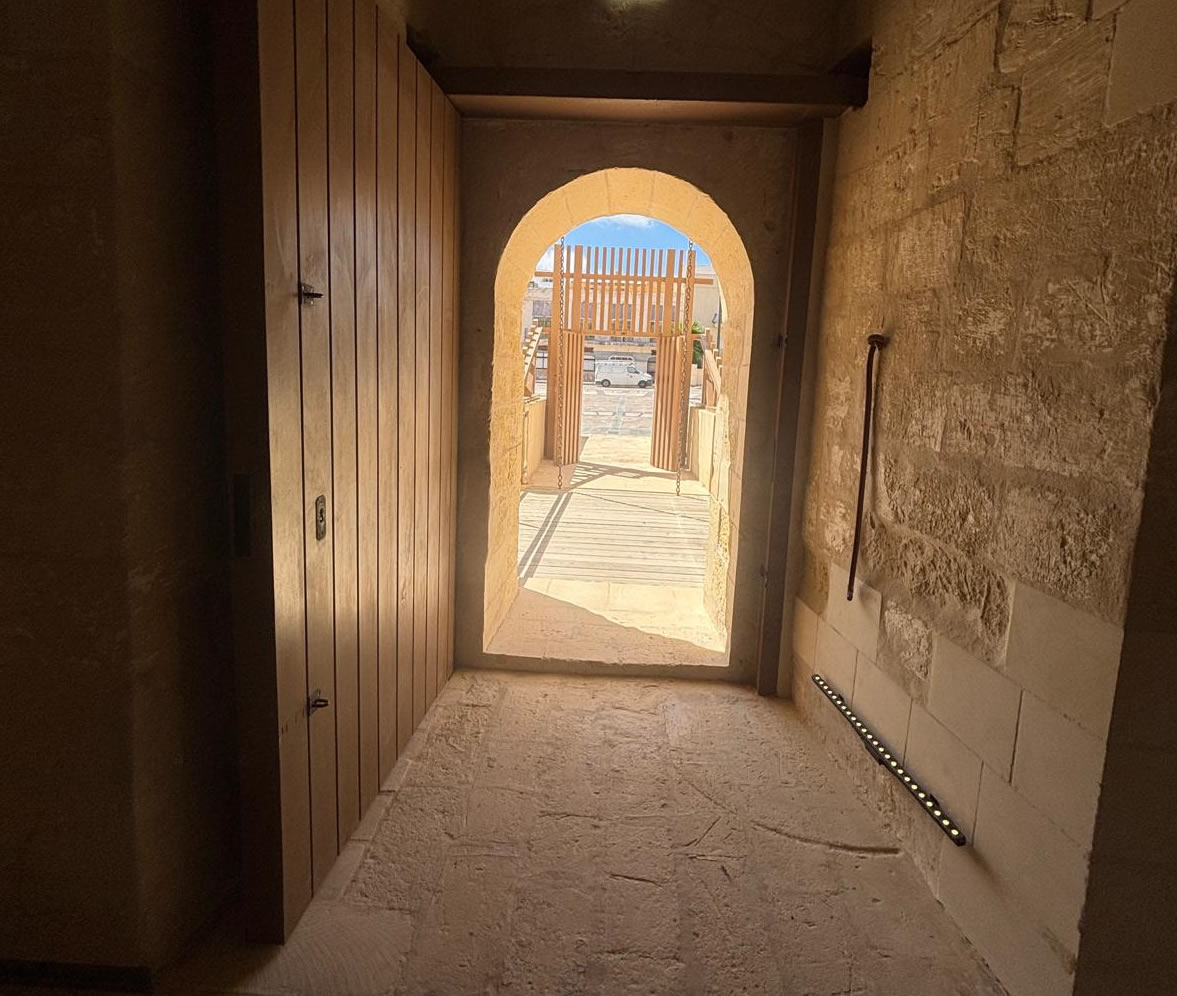
A moat surrounded the tower, crossed by a drawbridge.
Could be equipped with up to 20 cannons.
Garrison of about 60 soldiers, with provisions and armament storage.
One of the few coastal towers in Malta that was closer to a fortified blockhouse than a simple lookout tower.
Military History
1614 Ottoman Raid: built as a direct response; its presence discouraged further landings at Marsaskala.
1715–1716: strengthened as part of the Order’s program of new coastal batteries and redoubts; nearby St Thomas Bay Battery was added.
1798 French invasion: the tower remained in use but saw no direct action.
British era: in the 19th century, the British Army modified the tower—demolishing the drawbridge and moat, adapting it to their defensive system.
Later Use
World War II: reused by British forces as an observation post and machine-gun emplacement. Concrete pillboxes were built near it.
Post-war: for a time used by the Armed Forces of Malta.
Later leased as a restaurant and nightclub, but eventually restored for heritage.
Current Status
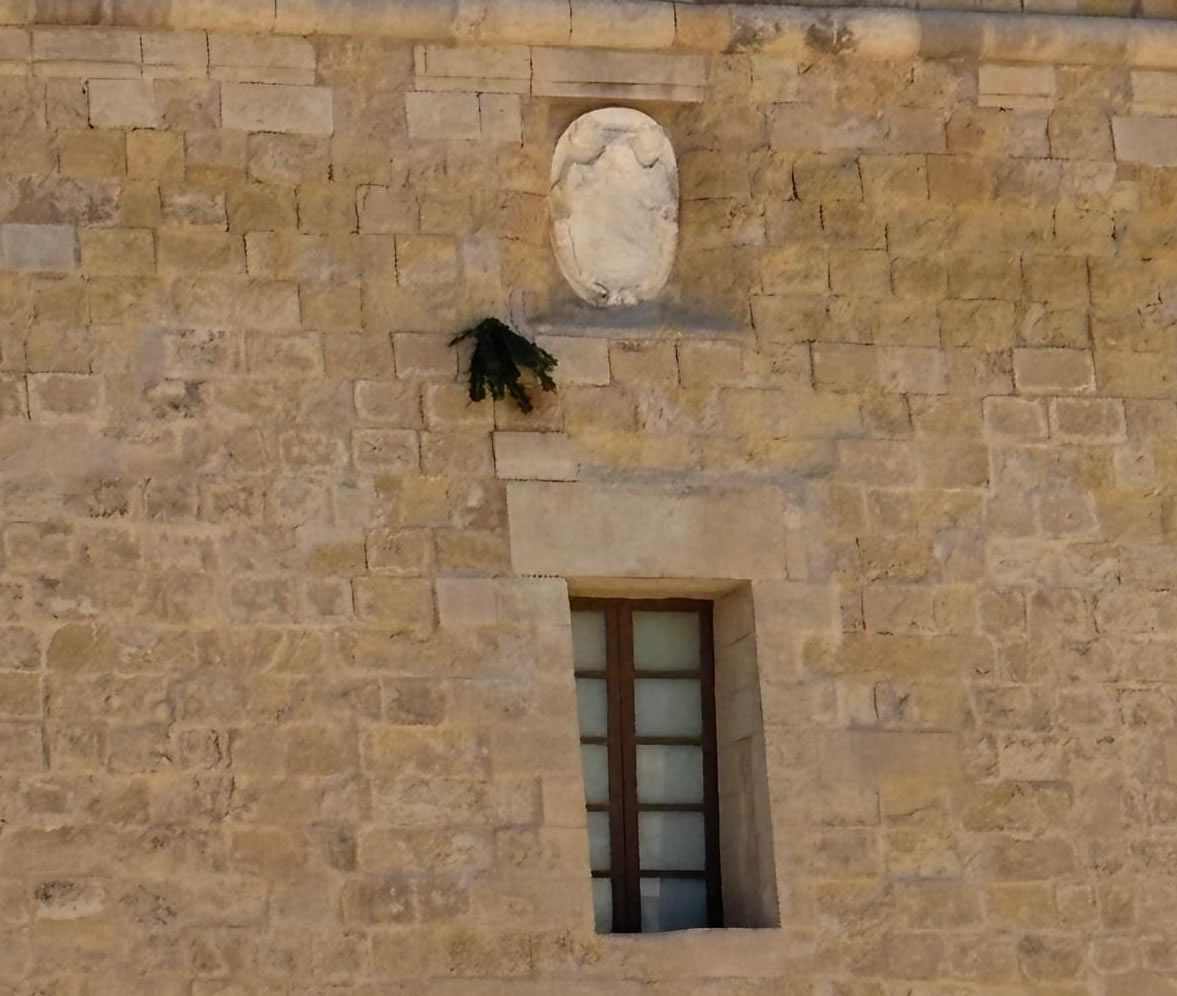
Managed by Din l-Art Ħelwa (National Trust of Malta) since 1982, under guardianship agreement with the Government of Malta.
Restored and preserved as an example of Malta’s coastal defense heritage.
Every day (Monday to Sunday): 10:00 AM to 4:30 PM
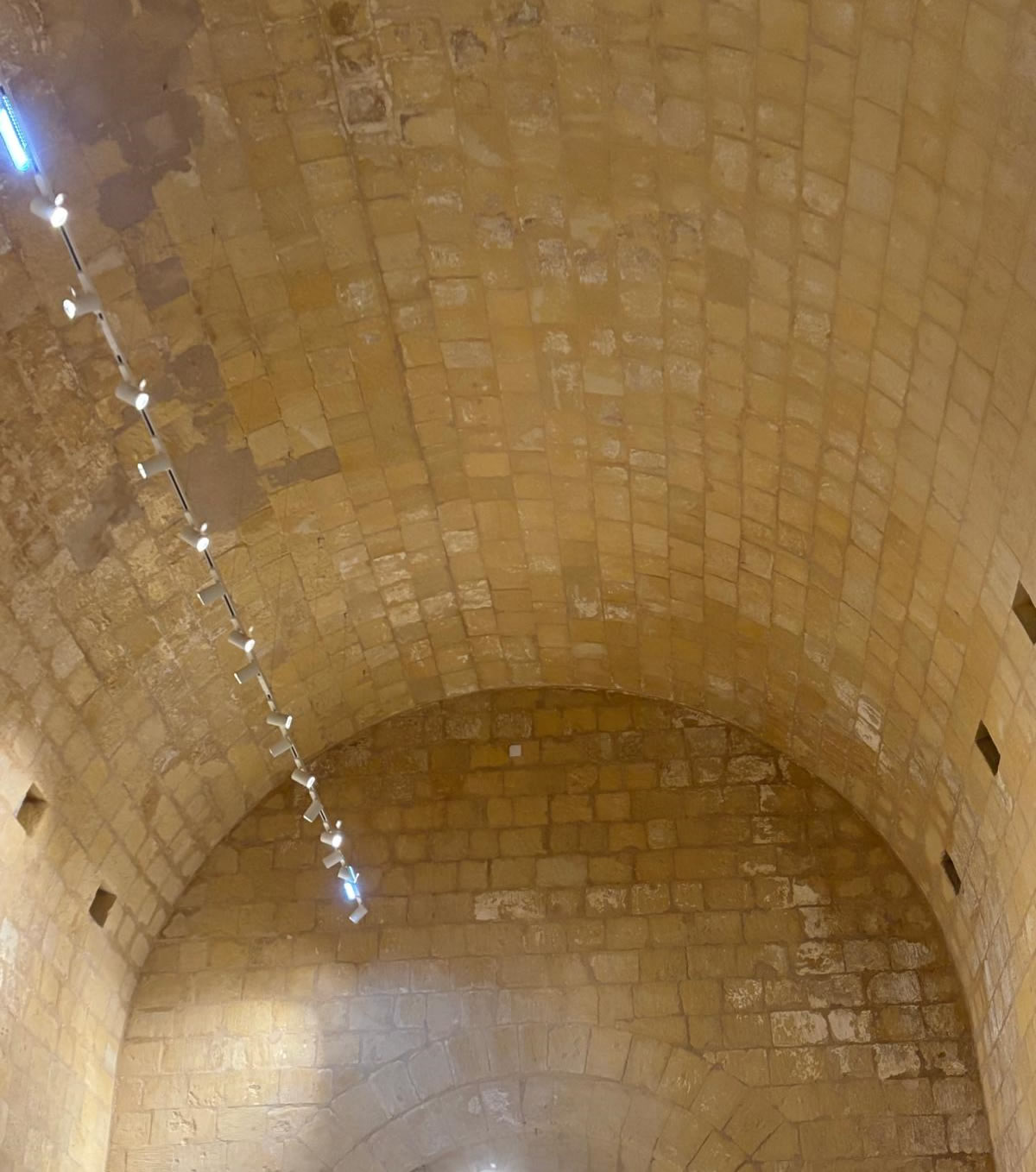
These hours reflect its daily guided tours and educational offerings, aligned with its reopening as a state-of-the-art cultural museum. The museum showcases interactive exhibits on piracy and corsair history, and was launched in August 2025.
Summary Significance
One of the largest coastal towers in Malta.
Built as a direct response to an Ottoman threat.
Showcases the transition from simple watchtowers to more complex coastal fortifications.
Remains a landmark in Marsaskala, overlooking St Thomas Bay.
Location
Coordinates: 35.861227, 14.571919
Address (approx.): Triq Sant’ Antnin / Triq San Tumas, Marsaskala
The tower stands right above St Thomas Bay (Il-Bajja ta’ San Tumas) on the south-eastern coast of Malta.
Location
Coordinates: 35.830907, 14.542856
Address (approx.): Triq il-Qajjenza, Marsaxlokk, Malta
It’s on the peninsula called Il-Qajjenza, just west of Marsaxlokk fishing village and south-east of Birżebbuġa.
By Public Transport
From Valletta Bus Terminus:
Take Route 91 or 92 to Marsaskala (approx. 40–50 min).
Stop at “San Tumas” bus stop near St Thomas Bay.
From the stop, the tower is only a 5-minute walk.
From other southern towns (e.g., Żejtun, Birżebbuġa): look for routes connecting to Marsaskala and get off at San Tumas Bay.
By Car
From Valletta or Sliema: about 30–35 minutes’ drive.
From Malta International Airport: about 20 minutes.
Follow signs to Marsaskala (M’Scala), then head towards St Thomas Bay.
Parking is available along the roads near the bay (Triq San Tumas).
📍 Location
Location Map Coordinates 35.861470, 14.572554
On Foot
If you’re staying in Marsaskala centre (Zonqor area), it’s about a 20–25 minute walk along the coast to St Thomas Bay.
From Marsaskala parish church: follow the promenade eastwards until you reach the bay.
St. Thomas Tower (Torri ta’ San Tumas) in Marsaskala is now a fully operational Corsair & Piracy Museum, and its opening hours are as follows:
Every day (Monday to Sunday):10:00 AM to 4:30 PM
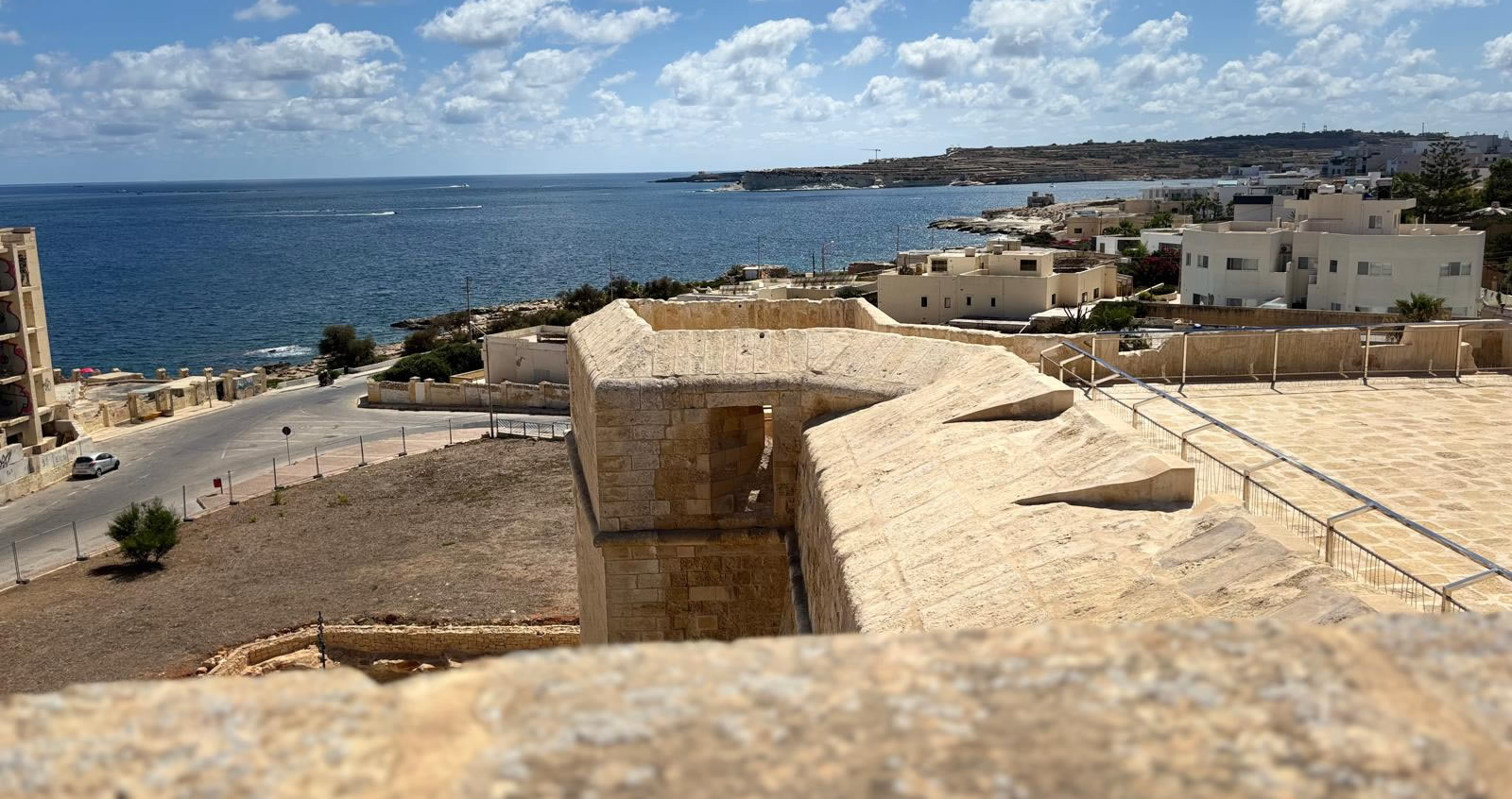
In summary, Saint Thomas Tower (Maltese: Torri ta' San Tumas), also known as Fort Saint Thomas (Maltese: Forti San Tumas), is a large bastioned watchtower in Marsaskala, Malta. It was built in 1614, the third of six Wignacourt towers.