📍 Location
Location Map Coordinates 35.855148, 14.495724
Historic burial ground preserving the funerary and cultural heritage of Luqa
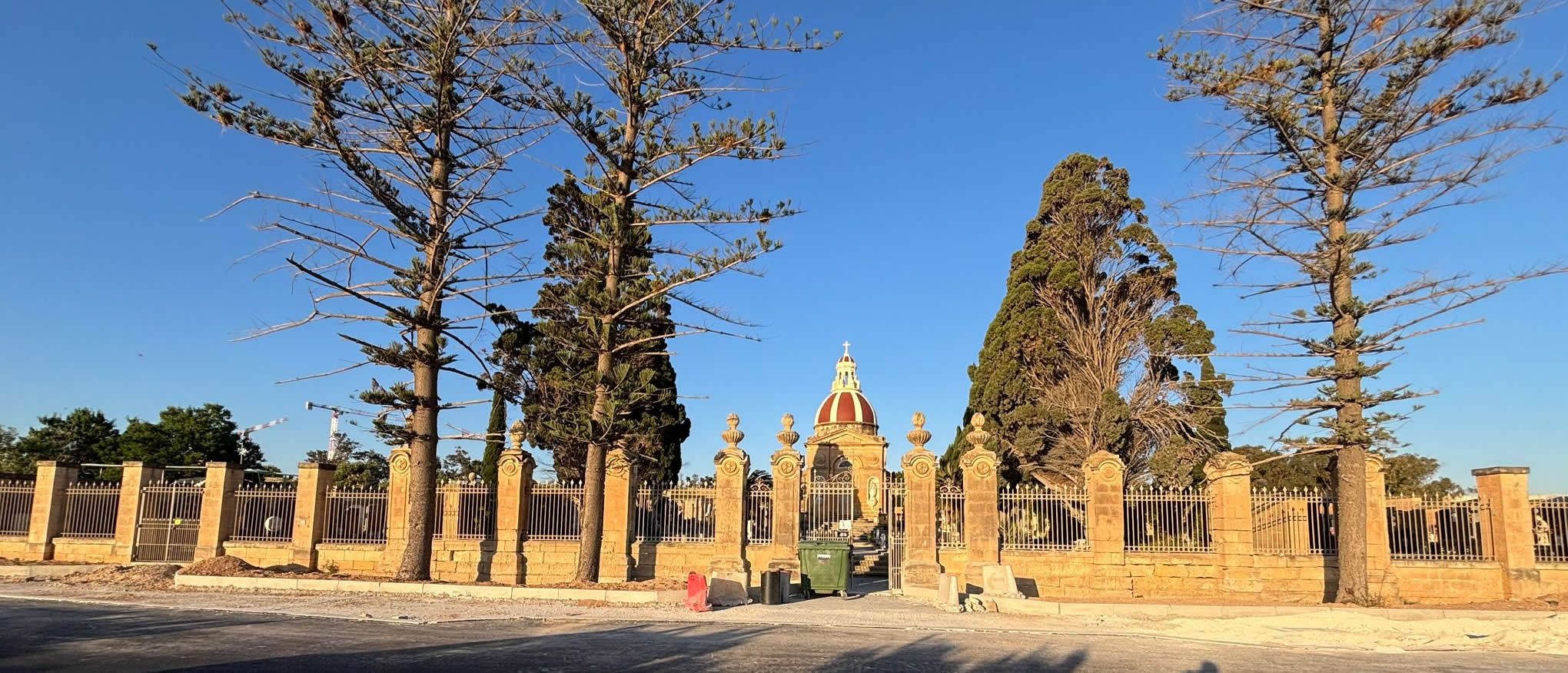
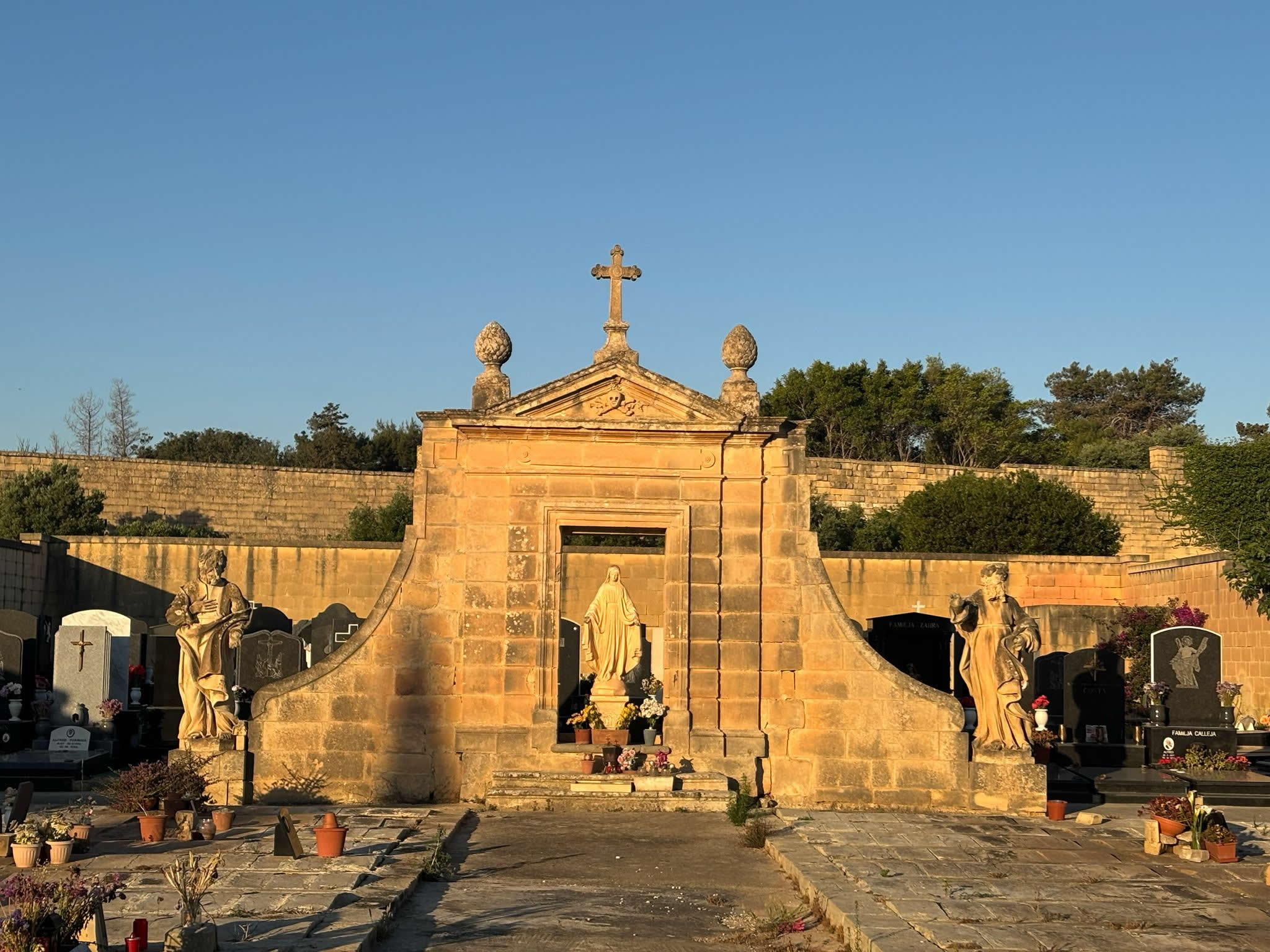
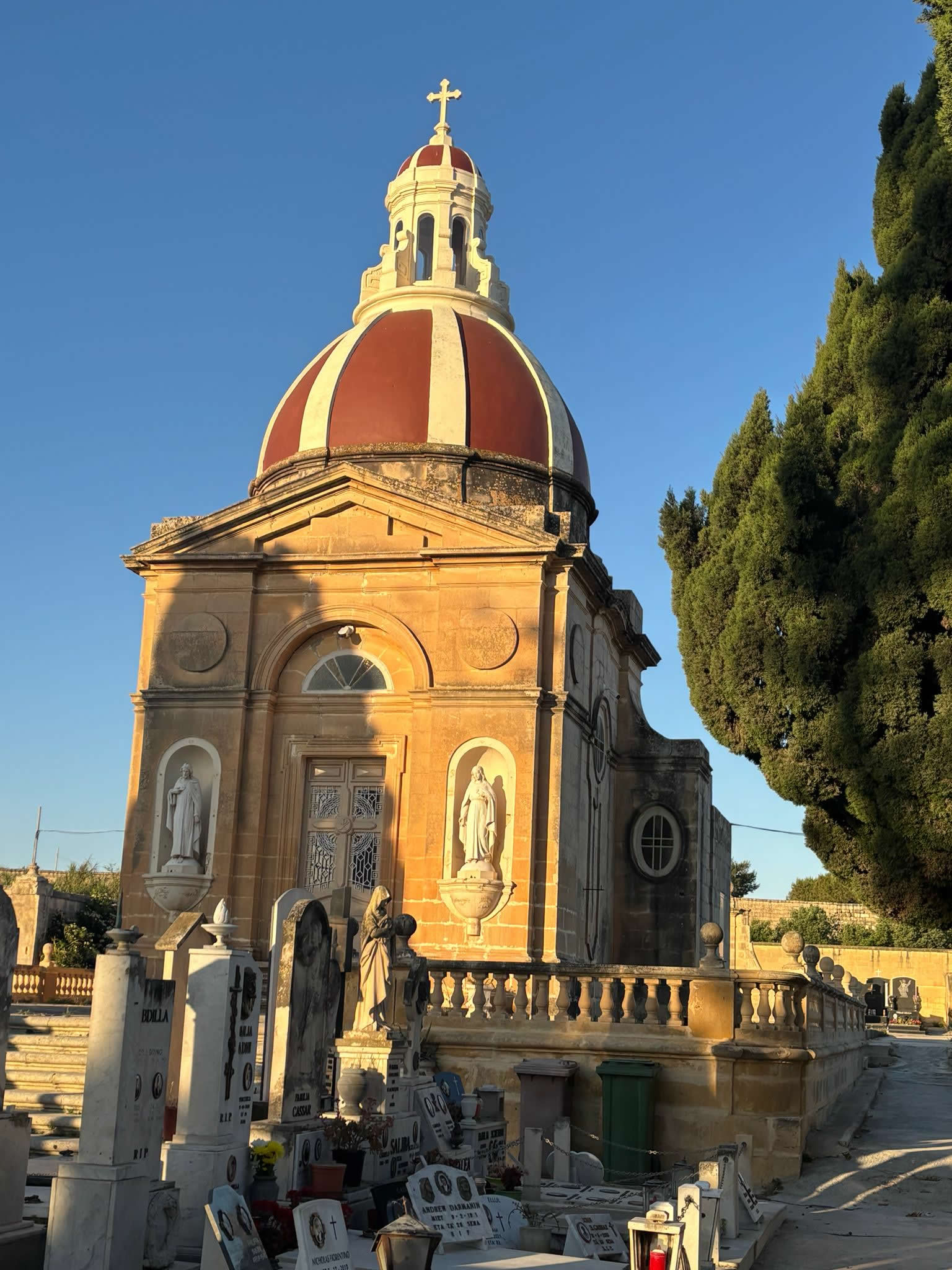
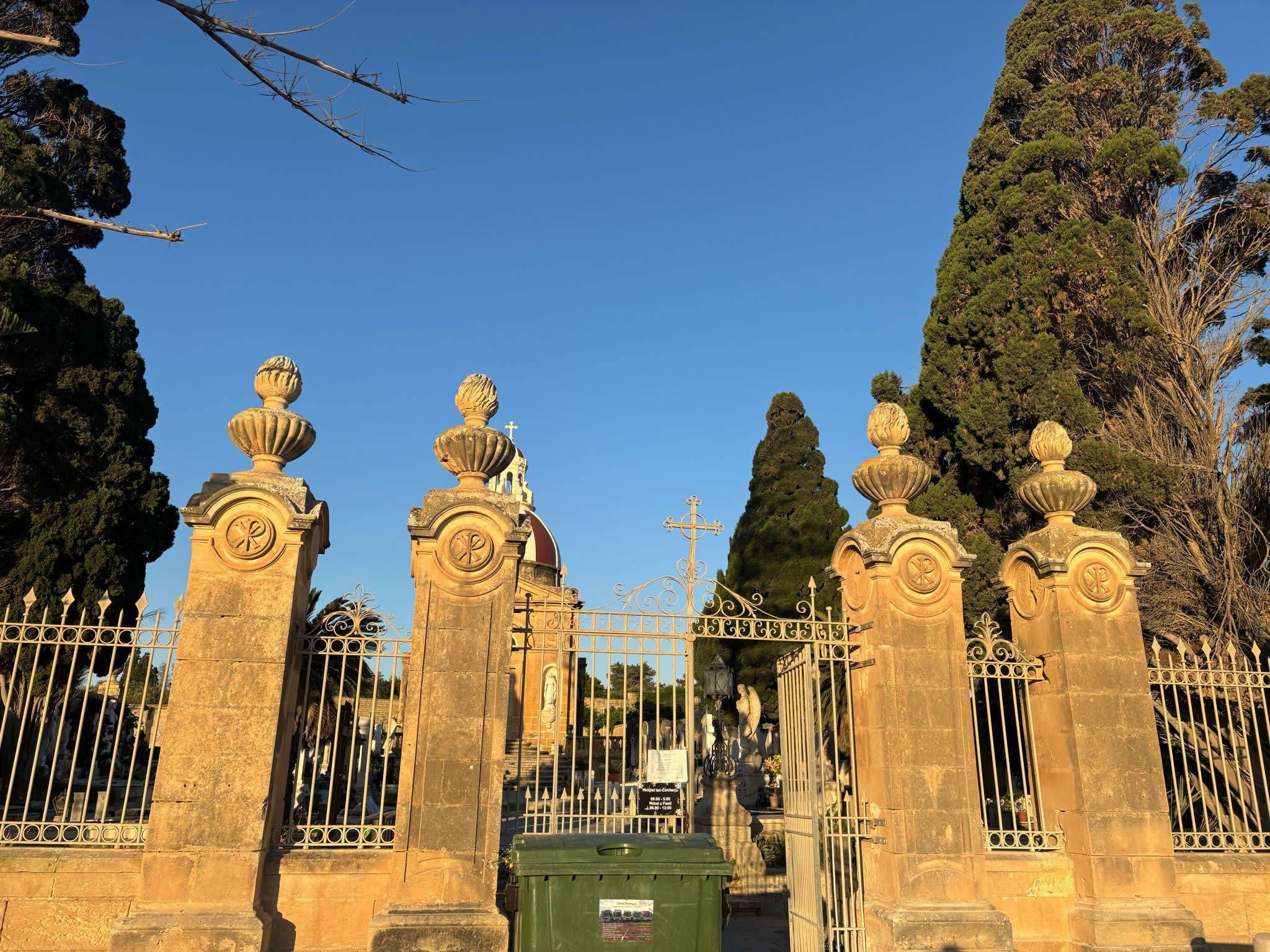
Historic funerary architecture at Luqa Cemetery in Malta.
Introduction
The Luqa Cemetery, located in the southern Maltese village of Luqa, is an important historical burial ground that reflects centuries of Maltese religious tradition, local community identity, and evolving funerary practices. Situated at coordinates 35.855148, 14.495724, the cemetery forms part of Malta’s extensive network of village cemeteries that developed outside densely populated parish centres during the nineteenth and early twentieth centuries.
Although more modest in scale than the large Victorian cemeteries of Floriana or Pietà, Luqa Cemetery remains culturally significant as a local memorial landscape connected directly to the lives, families, and history of Luqa residents. The cemetery preserves both architectural and social history, documenting changing attitudes toward death, burial, religion, and remembrance across generations.
Today, the cemetery continues to function both as an active burial site and as a heritage location linked to the wider historical narrative of Malta’s funerary traditions.
Location and Setting
Locality: Luqa, Malta
Region: Southern Malta
Type: Historic and active cemetery
Luqa is one of Malta’s historically important inland villages, positioned close to major transport routes and the area later occupied by Malta International Airport. Historically agricultural in character, the village gradually expanded during the nineteenth and twentieth centuries, particularly during the British colonial era.
The cemetery was established outside the older residential core of Luqa, in accordance with public health reforms that increasingly discouraged burials within churches and urban centres. Like many cemeteries built during this period, it occupies a quieter peripheral setting intended to provide both separation from daily life and a dignified space for remembrance.
Despite modern urban development surrounding the area, Luqa Cemetery still retains a solemn and reflective atmosphere.
Historical Development of Cemeteries in Malta
For centuries, burials in Malta commonly took place inside churches, crypts, or churchyards. This practice reflected strong Catholic traditions and the belief that burial close to sacred spaces brought spiritual benefits.
However, by the eighteenth and nineteenth centuries, concerns regarding sanitation, overcrowding, and epidemic disease led authorities to reform burial systems across Europe, including Malta. Under both the later Hospitaller administration and British colonial rule, new cemetery regulations encouraged the establishment of dedicated extramural cemeteries outside village centres.
The development of Luqa Cemetery formed part of this broader transition toward organised public burial grounds designed according to improved hygienic and urban planning principles.
This transformation marked a significant cultural shift in Maltese society, changing how communities approached death, mourning, and memorialisation.
Construction and Architectural Features
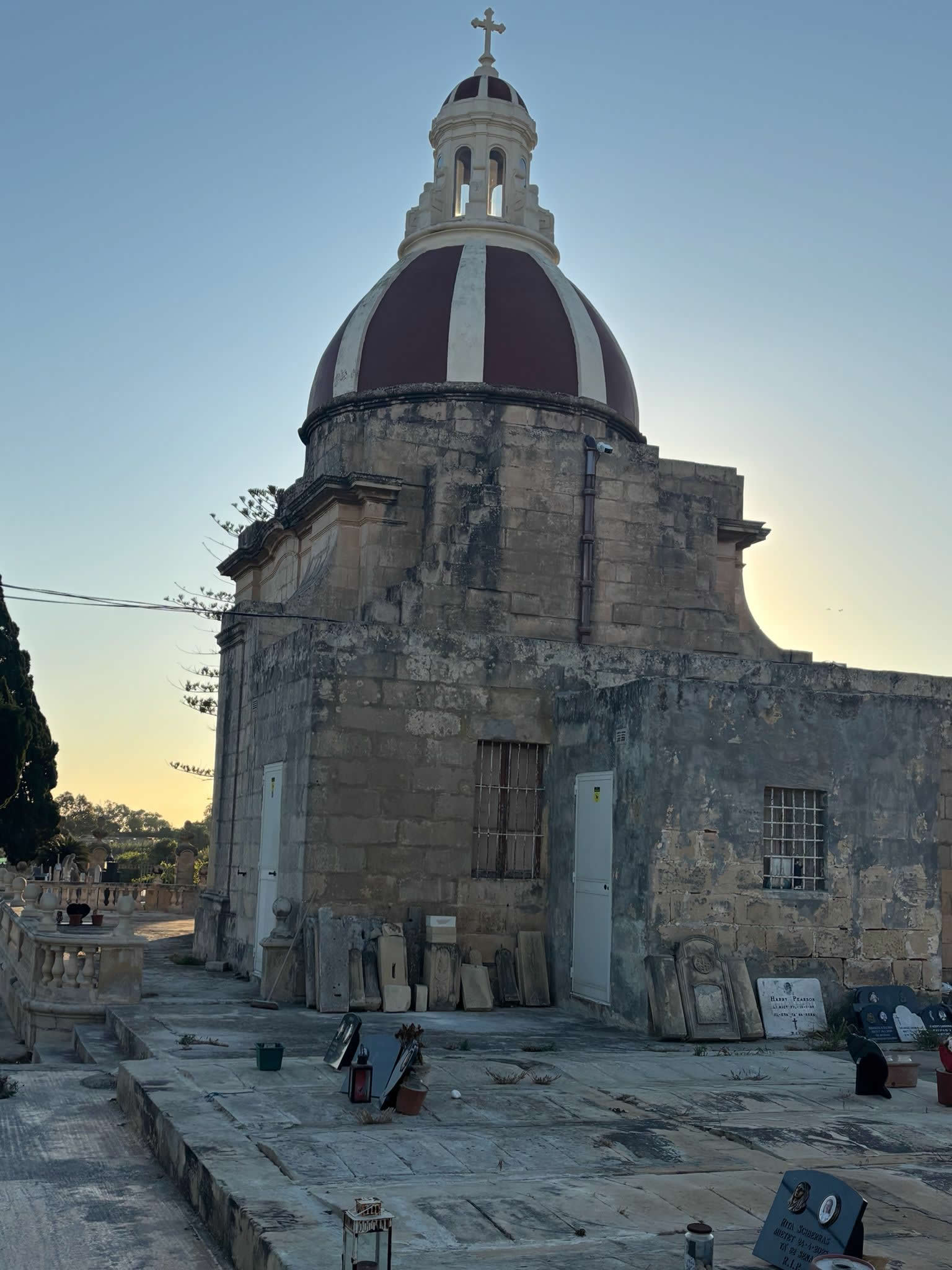
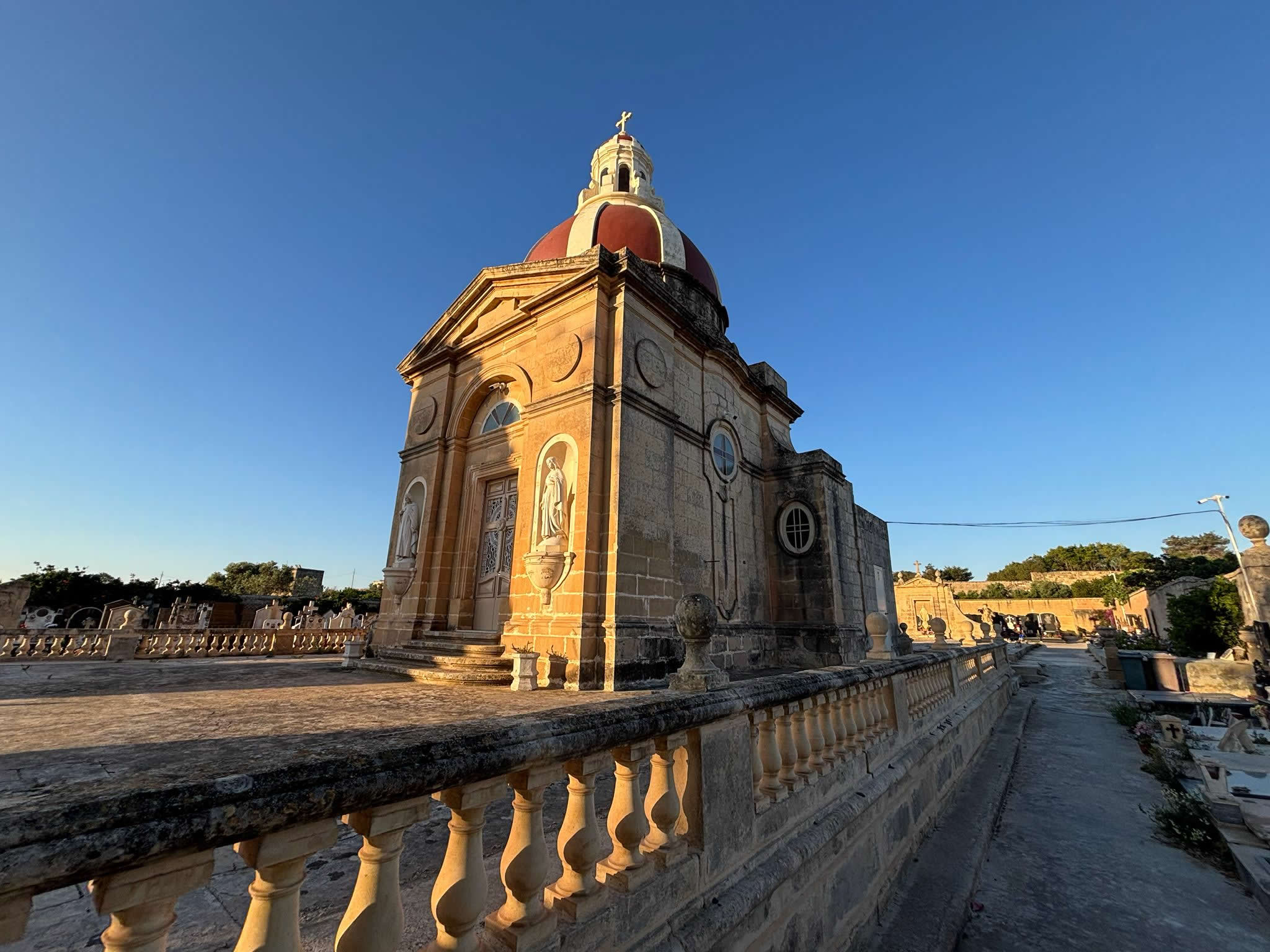
Luqa Cemetery reflects the restrained architectural style typical of Maltese local cemeteries. Rather than monumental Victorian grandeur, the cemetery emphasises simplicity, religious symbolism, and family memorial continuity.
The cemetery contains:
- Stone-built burial vaults and tombs
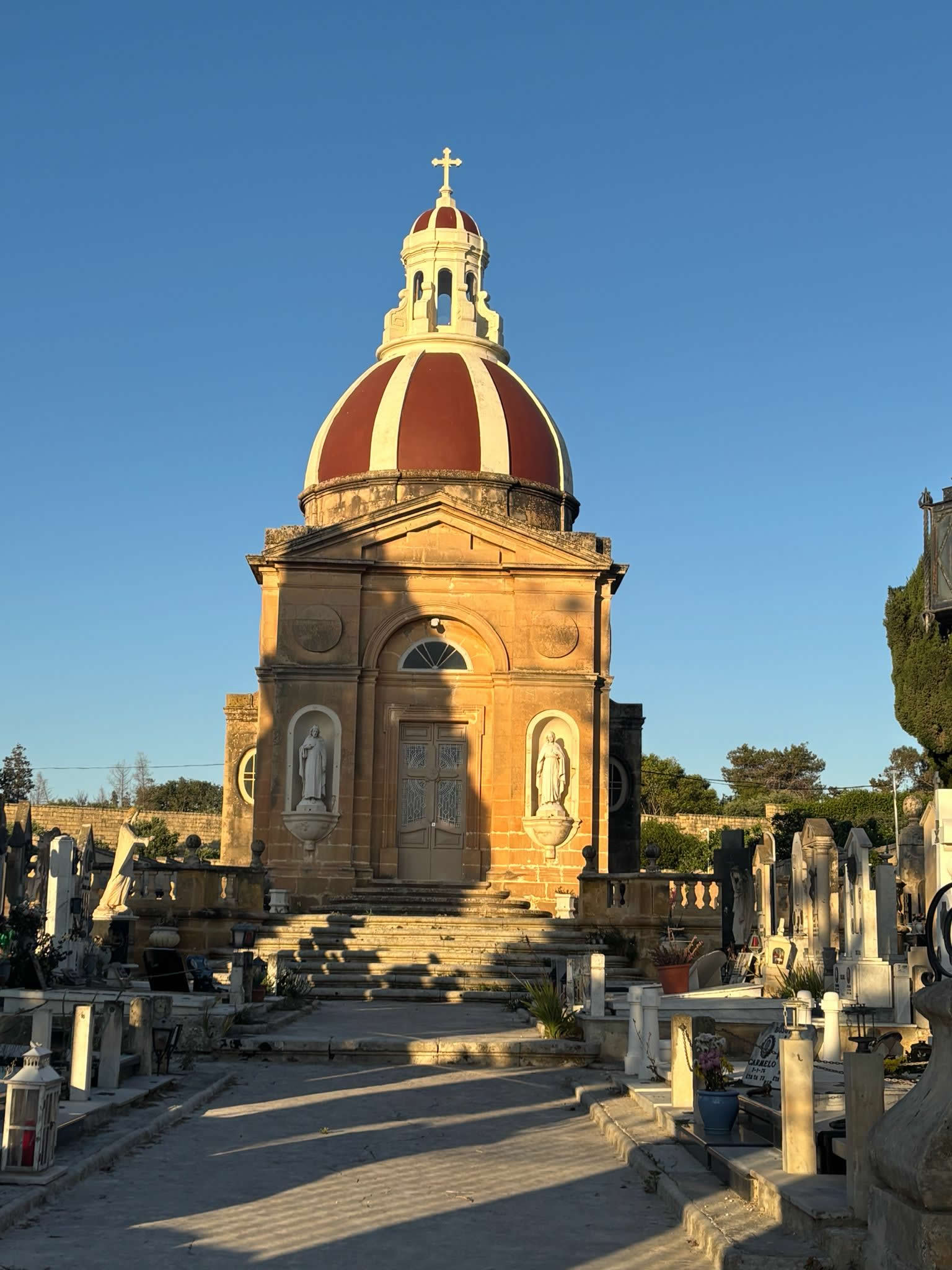
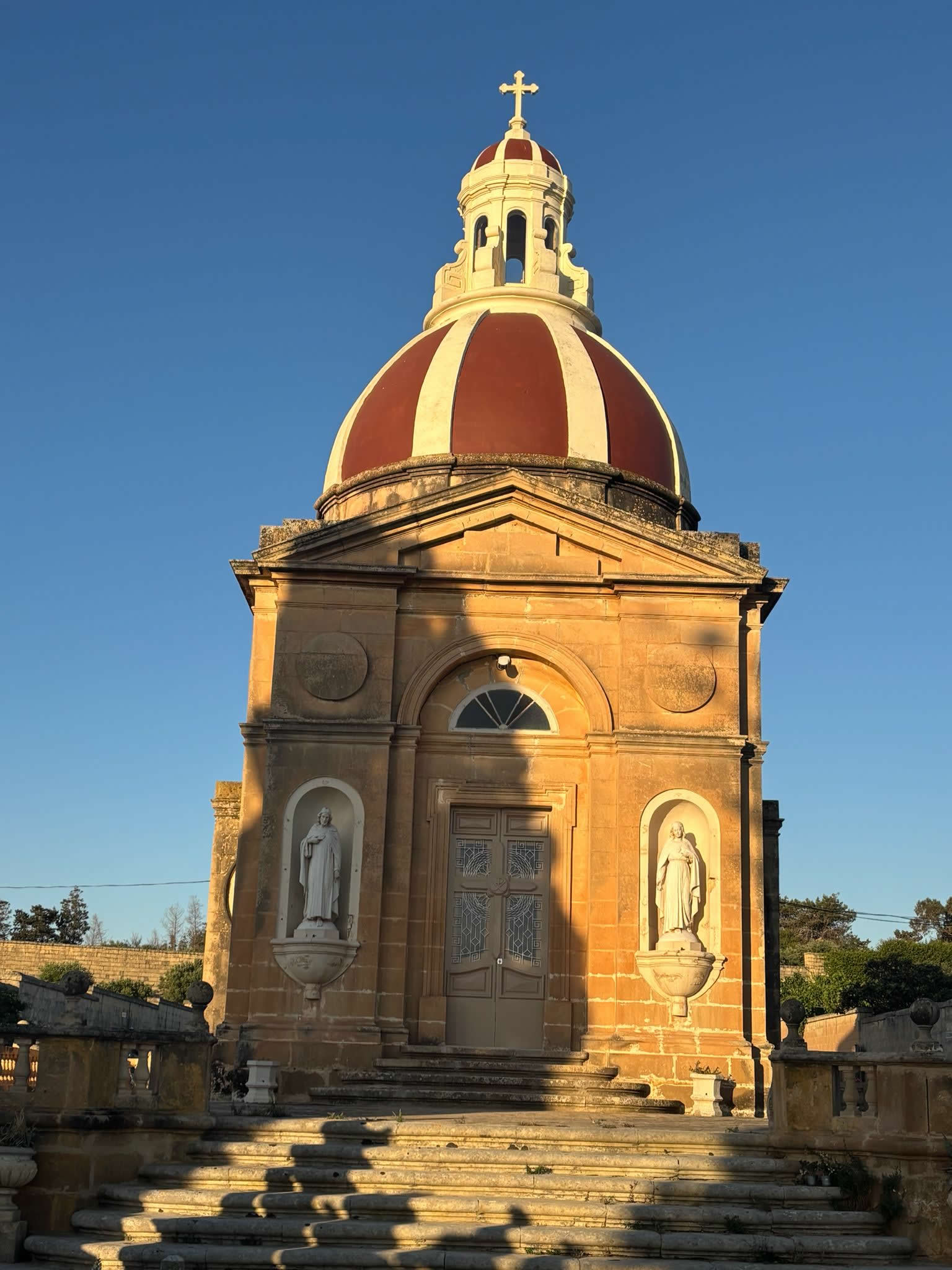
- Family mausoleums
- Traditional limestone memorials
- Religious statuary and crosses
- Decorative ironwork and gated enclosures
- Pathways organised in structured burial rows
Maltese globigerina limestone, widely used throughout the islands, dominates the cemetery’s architectural character. Over time, weathering has given many older memorials a distinctive patina that contributes to the cemetery’s historic atmosphere.
Many tombs contain inscriptions in both Maltese and English, reflecting Malta’s linguistic and colonial history during the nineteenth and twentieth centuries.
Religious and Cultural Importance
As a predominantly Catholic country, Malta maintains strong religious traditions surrounding death and burial. Cemeteries are regarded not only as burial spaces but also as sacred landscapes tied to prayer, remembrance, and family identity.
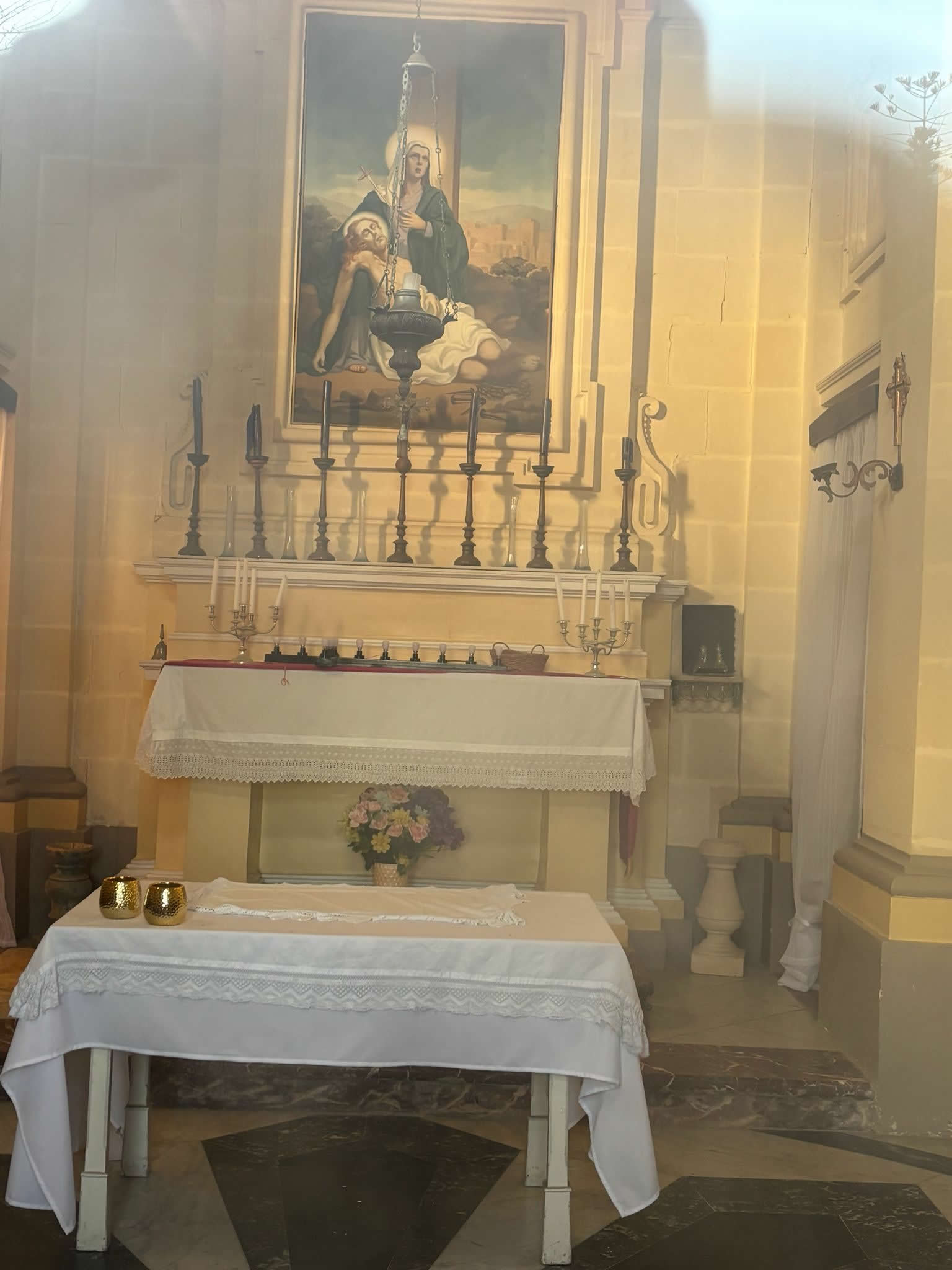
Luqa Cemetery reflects these traditions through its religious symbolism, including crosses, statues of saints, Marian imagery, and inscriptions requesting prayers for the deceased.
The cemetery plays an especially important role during:
- All Souls’ Day
- November commemorations of the dead
- Family memorial visits
- Funeral processions and religious rites
These traditions continue to preserve intergenerational connections between families and their ancestors.
Luqa During Wartime
Luqa occupies an important place in Malta’s wartime history, particularly during the Second World War. The village was heavily affected by aerial bombardment due to its proximity to RAF Luqa airfield, now Malta International Airport.
Many residents experienced destruction, displacement, and casualties during the war years between 1940 and 1943. Cemeteries such as Luqa Cemetery became places of mourning and remembrance for families affected by wartime losses.
Although military cemeteries elsewhere in Malta contain the majority of official war burials, local cemeteries like Luqa preserve the civilian memory of wartime suffering and resilience.
Funerary Art and Symbolism
The funerary monuments found within Luqa Cemetery contain a rich variety of symbolic elements commonly seen in Maltese burial traditions.
| Symbol | Meaning |
|---|---|
| Crosses | Christian faith and resurrection |
| Angels | Protection and guidance of souls |
| Flowers | Mortality and remembrance |
| Skulls and bones | Mortality and the inevitability of death |
| Lamps or candles | Eternal life and prayer |
These elements connect Luqa Cemetery to broader Mediterranean Catholic funerary traditions while also preserving local artistic practices.
Preservation and Restoration
Like many historic cemeteries in Malta, Luqa Cemetery faces ongoing preservation challenges caused by:
- Weathering of limestone monuments
- Urban pollution
- Biological growth and erosion
- Age-related structural deterioration
- Changing burial practices
Local councils, families, and heritage organisations periodically undertake restoration and maintenance works to preserve damaged memorials and pathways.
Conservation of historic cemeteries is increasingly recognised as important for safeguarding Malta’s architectural and social history.
Modern Use
Luqa Cemetery remains an active burial ground serving the local community. While preserving historical tombs and older memorials, the cemetery also accommodates modern burials and contemporary commemorative practices.
This combination of historic and modern use creates a layered landscape where centuries of local history coexist within the same sacred space.
Visitors today encounter both traditional limestone monuments and newer memorial styles reflecting changing social and artistic preferences.
Cultural Heritage Importance
Historic cemeteries are increasingly recognised as valuable heritage sites because they preserve:
- Architectural history
- Genealogical records
- Religious traditions
- Social history
- Local identity
- Artistic craftsmanship
Luqa Cemetery forms part of Malta’s wider funerary heritage network alongside sites such as:
- Ta’ Braxia Cemetery
- Addolorata Cemetery
- Msida Bastion Cemetery
- Balzan Cemetery
- Xagħra Cemetery in Gozo
Together, these cemeteries illustrate the evolution of burial culture across the Maltese Islands.
Visiting Luqa Cemetery
Visitors interested in Malta’s cultural heritage, genealogy, architecture, or social history may find Luqa Cemetery an interesting site for respectful exploration.
When visiting:
- Respect ongoing burials and family visits
- Avoid touching fragile memorials
- Maintain silence and appropriate behaviour
- Observe any local access restrictions
Photography should always be conducted respectfully, particularly near recent graves or during ceremonies.
FAQ – Luqa Cemetery, Malta
Where is Luqa Cemetery located?
Luqa Cemetery is located in Luqa, Malta, at coordinates 35.855148, 14.495724.
Is Luqa Cemetery still active?
Yes. The cemetery continues to serve the local community while also preserving historic memorials and tombs.
When was the cemetery established?
The cemetery developed during the period when Malta transitioned from church burials to organised external cemeteries in the nineteenth century.
Can visitors enter the cemetery?
Access may vary, but respectful visitors interested in heritage and history may usually view the cemetery during appropriate hours.
Why are Maltese cemeteries historically important?
They preserve architectural, genealogical, artistic, and social history linked to local communities across Malta and Gozo.
What architectural style does Luqa Cemetery feature?
The cemetery primarily features traditional Maltese funerary architecture using limestone, religious symbolism, and family vault structures.
Conclusion
Luqa Cemetery represents far more than a burial ground. It is a historical archive carved in stone, preserving generations of local memory, faith, and community identity within the village of Luqa.
From its origins in Malta’s nineteenth-century public health reforms to its continued role today, the cemetery reflects the evolution of Maltese society itself. Its tombs, inscriptions, and pathways provide insight into changing traditions, wartime experiences, religious devotion, and family heritage.
As Malta continues to modernise, sites such as Luqa Cemetery remain essential reminders of the islands’ cultural continuity and shared historical memory.