📍 Location
Location Map Coordinates 35.885223, 14.403590
Introduction
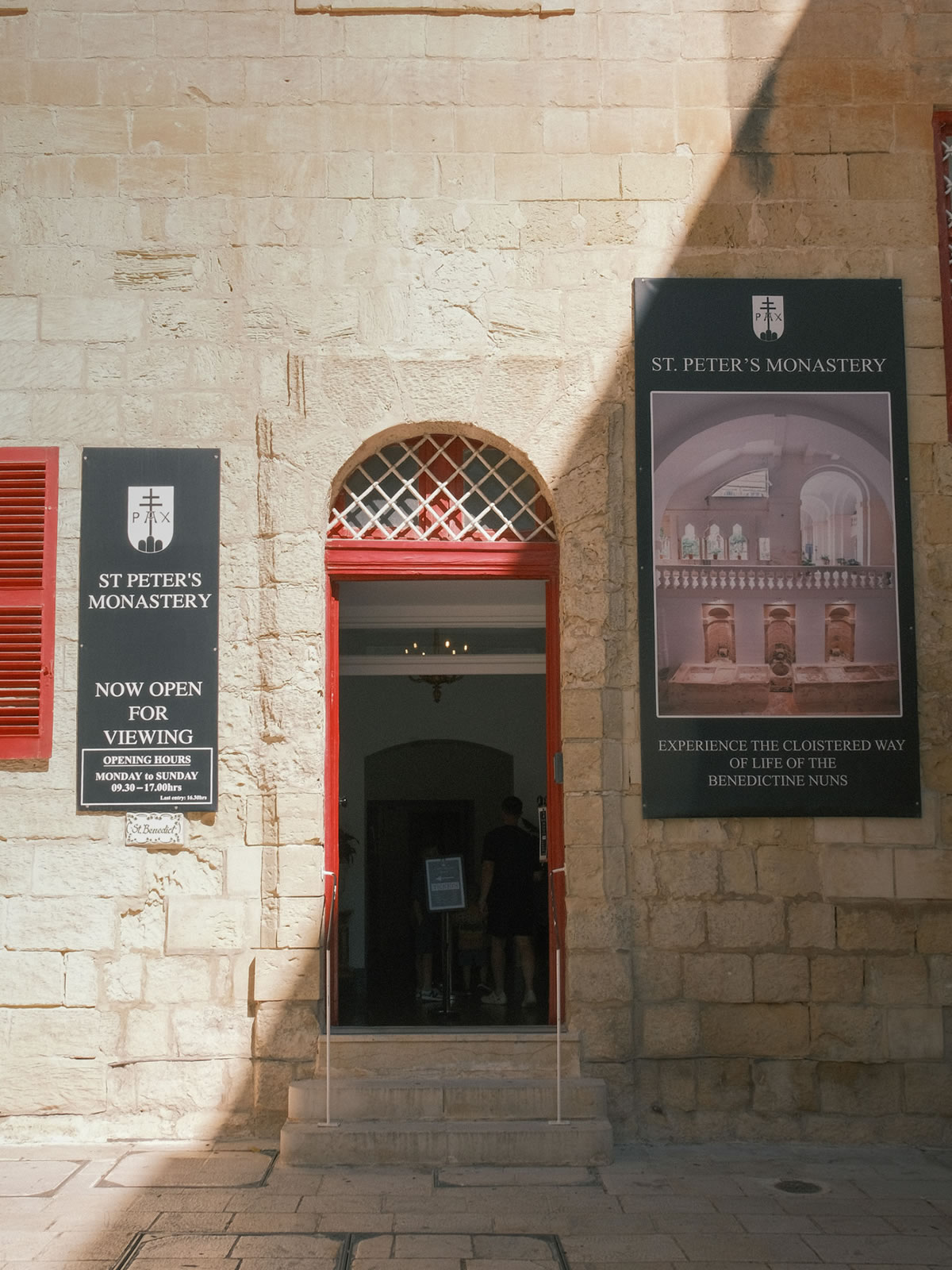
The St Peter's Monastery Museum in Mdina is one of Malta’s most remarkable and historically significant religious heritage sites. Located just inside the fortified entrance of the ancient city of Mdina, this centuries-old Benedictine complex offers a rare insight into cloistered monastic life, sacred art, and the evolving religious history of the Maltese islands.
For over 500 years, the monastery remained closed to the public, preserving a secluded spiritual environment for Benedictine nuns. Only in recent years has part of the complex been opened as a museum, allowing visitors to explore its hidden treasures and historical legacy.
Historical Background and Foundation
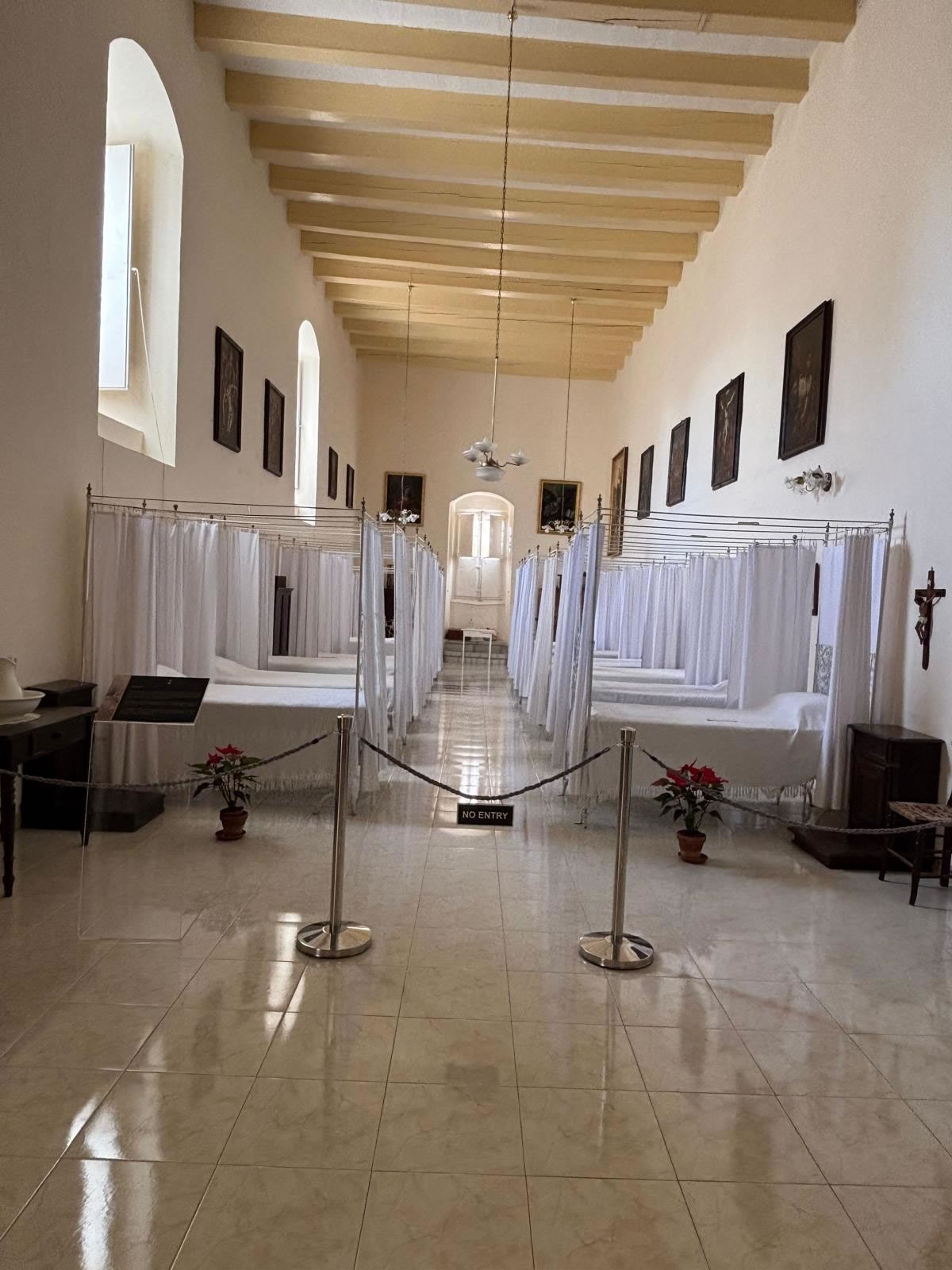
The origins of St Peter's Monastery date back to 1455, when it was established following approval by Pope Callixtus III. The site previously served as a medieval hospital before being transferred to a community of Benedictine nuns, marking the beginning of its long religious function.
Over the centuries, the monastery became one of the oldest female monastic institutions in Malta. It played a central role in religious life in Mdina, with many young women entering the convent at a young age and dedicating their entire lives to spiritual devotion within its walls.
The monastery once housed as many as 60 nuns, forming a self-contained religious community governed by strict Benedictine rules of prayer, silence, and enclosure.
Construction and Architectural Development
The present Baroque church and much of the monastery complex were constructed in 1625, reflecting the architectural style prevalent in Malta during the early modern period.
The structure features:
- Elegant Baroque façades
- Enclosed cloisters and courtyards
- Private monastic cells
- Chapels and sacred spaces
- Subterranean crypts used for burial
The monastery’s location near the main gate of Mdina underscores its historical importance within the fortified city, serving both spiritual and social roles throughout its history.
Religious Significance and Monastic Life
St Peter's Monastery was home to cloistered Benedictine nuns who lived a life of seclusion, prayer, and devotion. Once entering the monastery, many nuns remained within its walls for the rest of their lives, rarely interacting with the outside world.
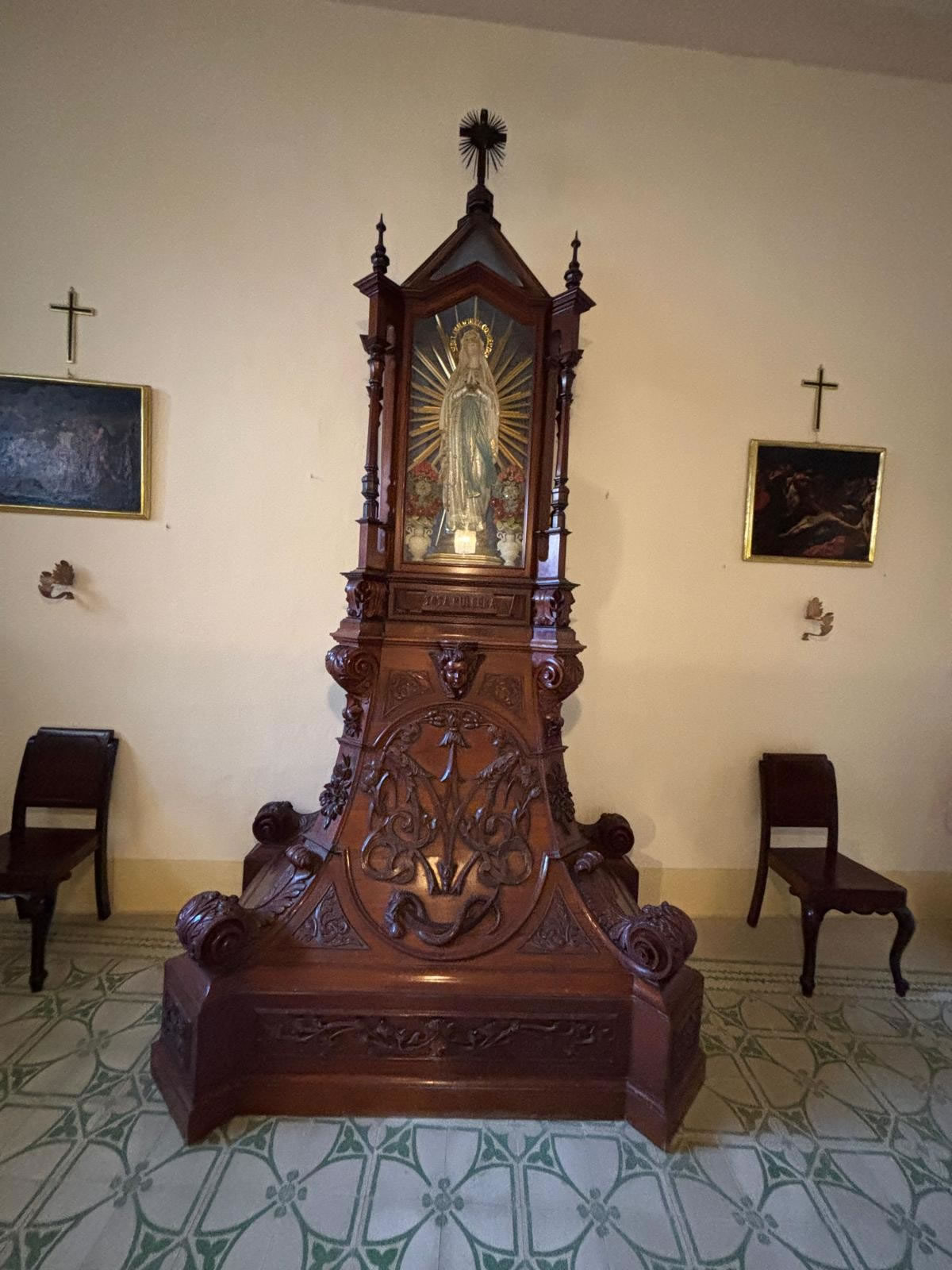
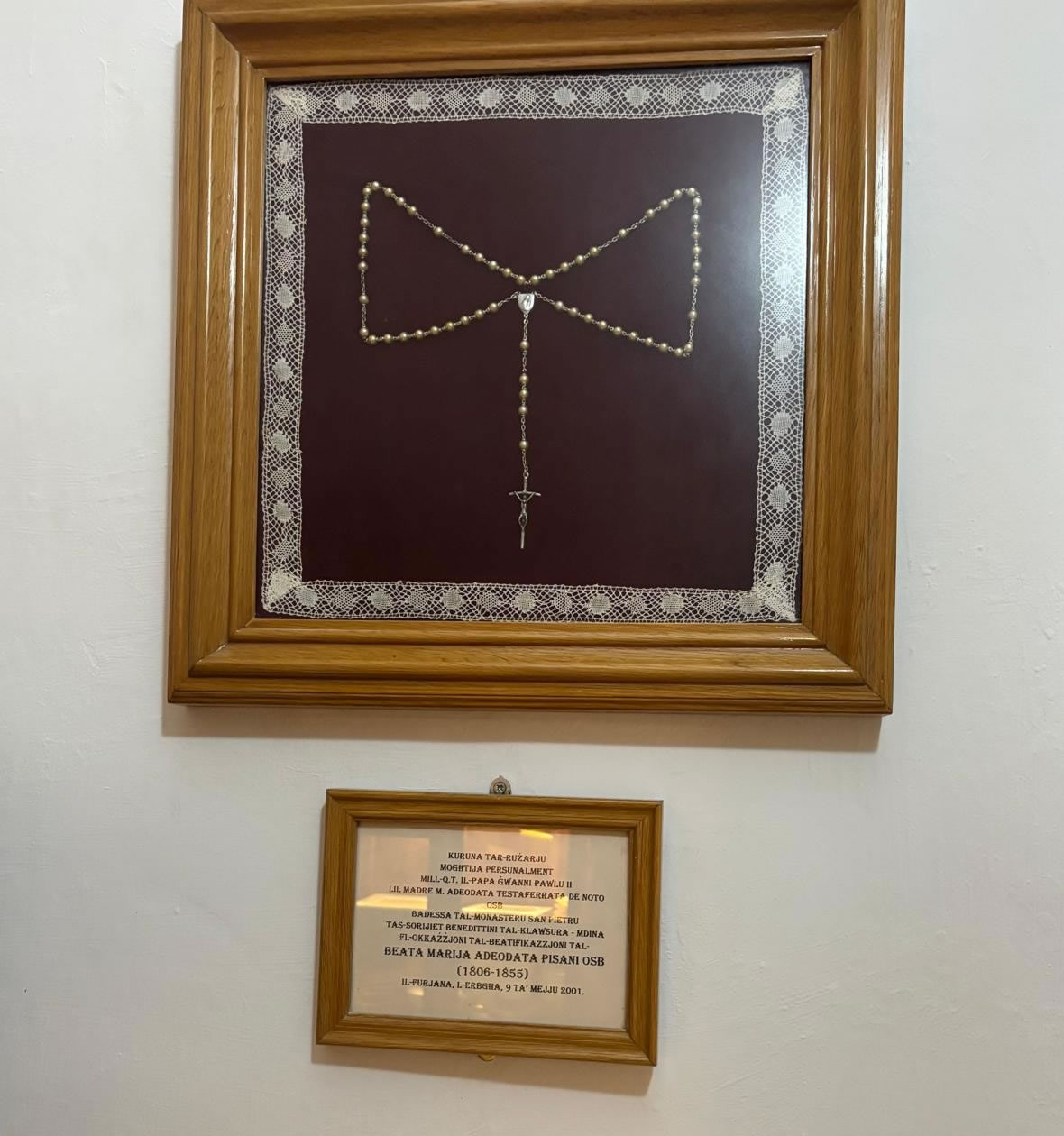
The monastery also holds deep spiritual significance due to its association with Blessed Maria Adeodata Pisani, a revered Maltese nun who lived in the monastery during the 19th century. Her remains are preserved within the church, and she was beatified by Pope John Paul II in 2001.
The presence of crypts beneath the monastery further reflects the tradition of burial within religious institutions, emphasising the lifelong commitment of its inhabitants.
The Museum Opening (2023)
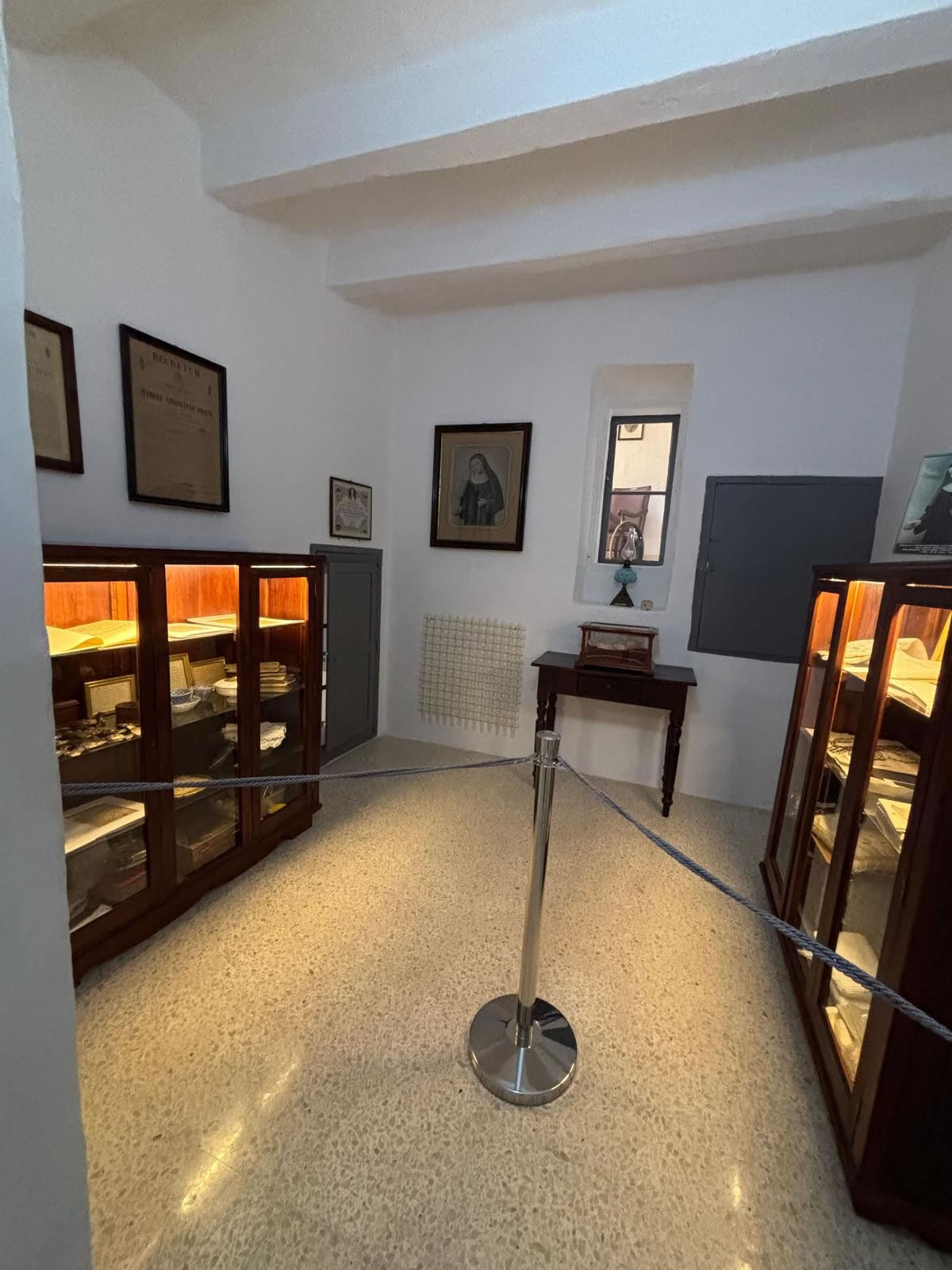
In 2023, for the first time in over five centuries, part of St Peter’s Monastery was opened to the public as a museum. This marked a significant turning point in the site's history, transforming it from a strictly enclosed religious space into a cultural and educational attraction.
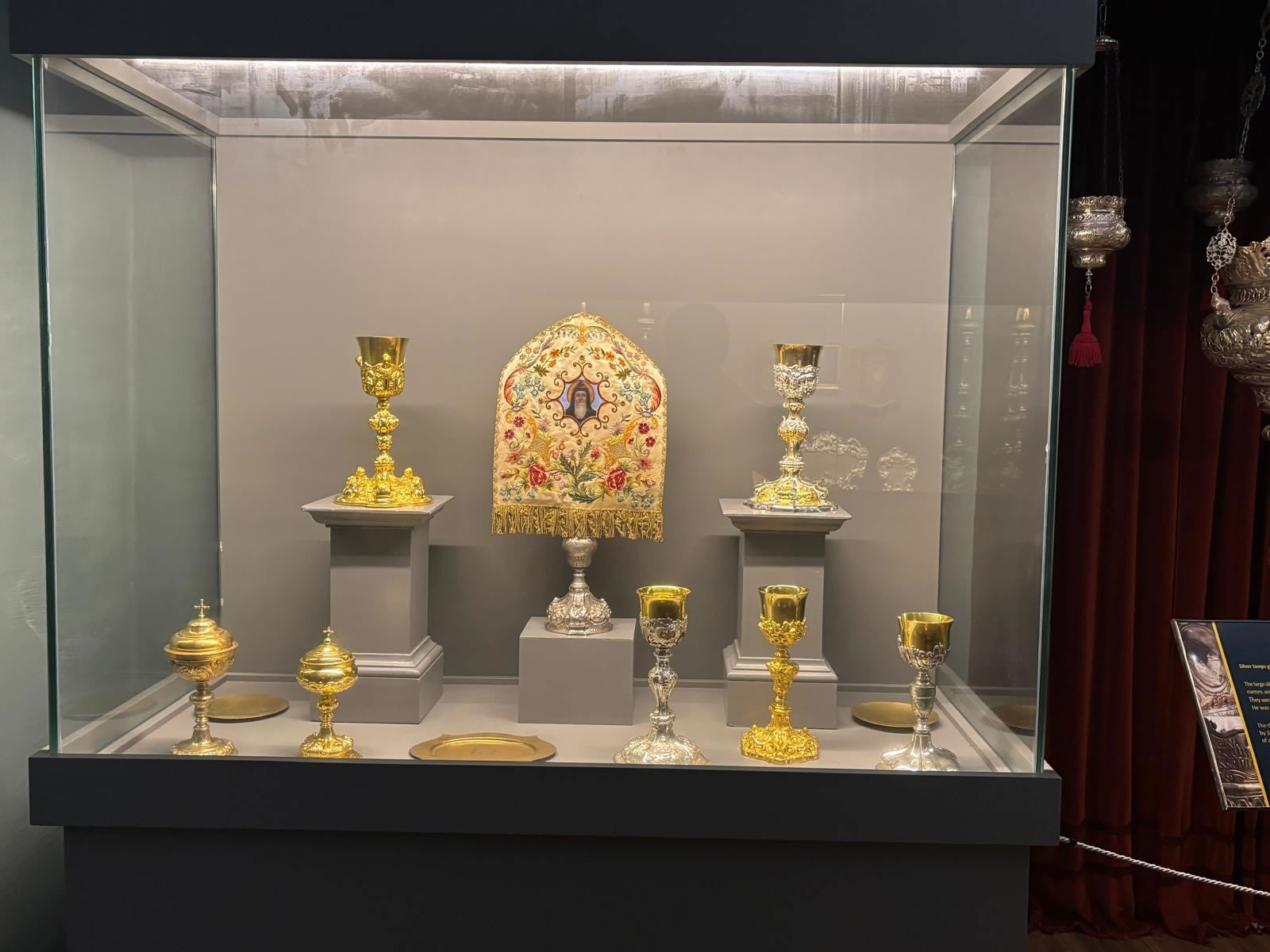
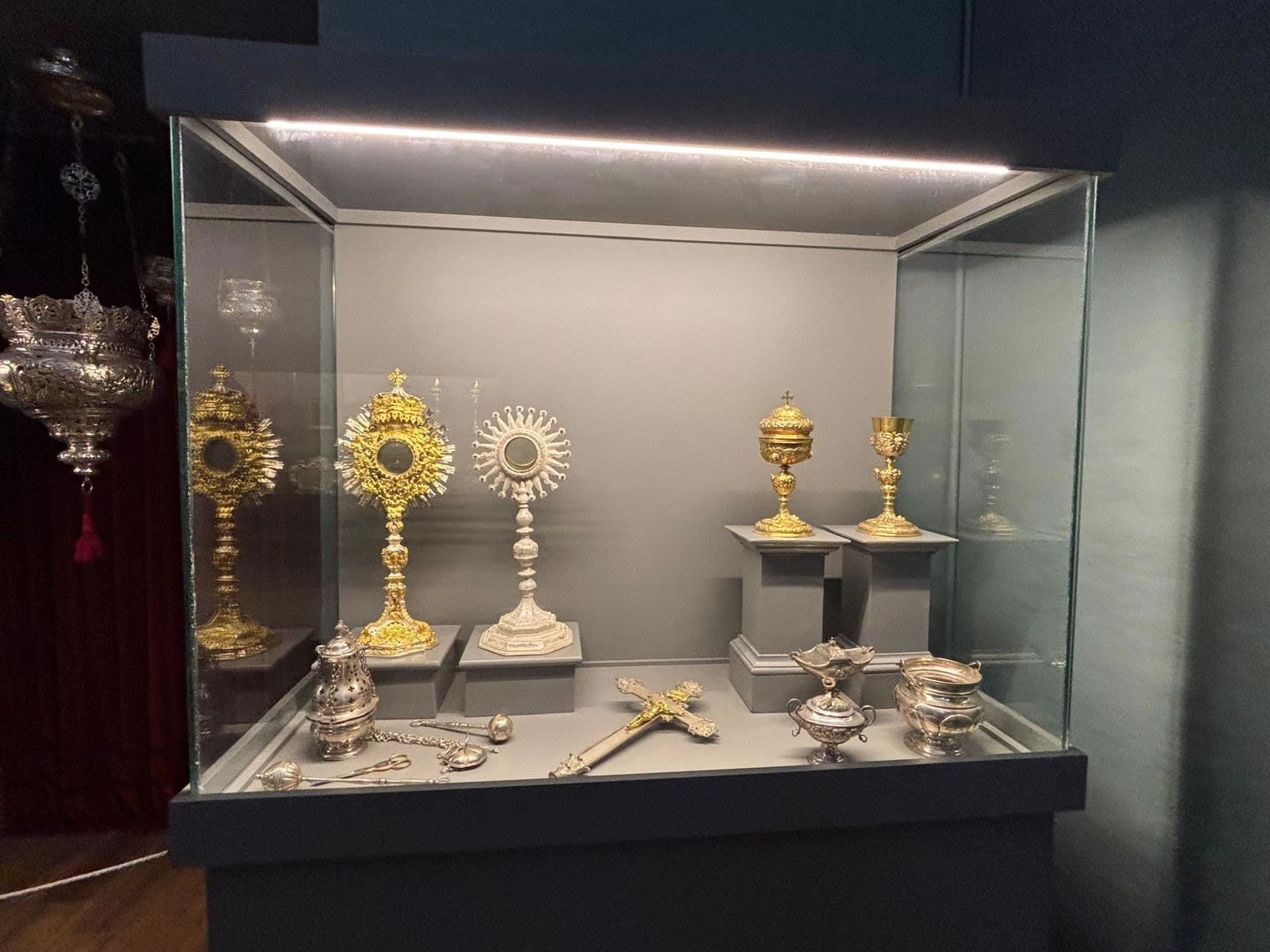
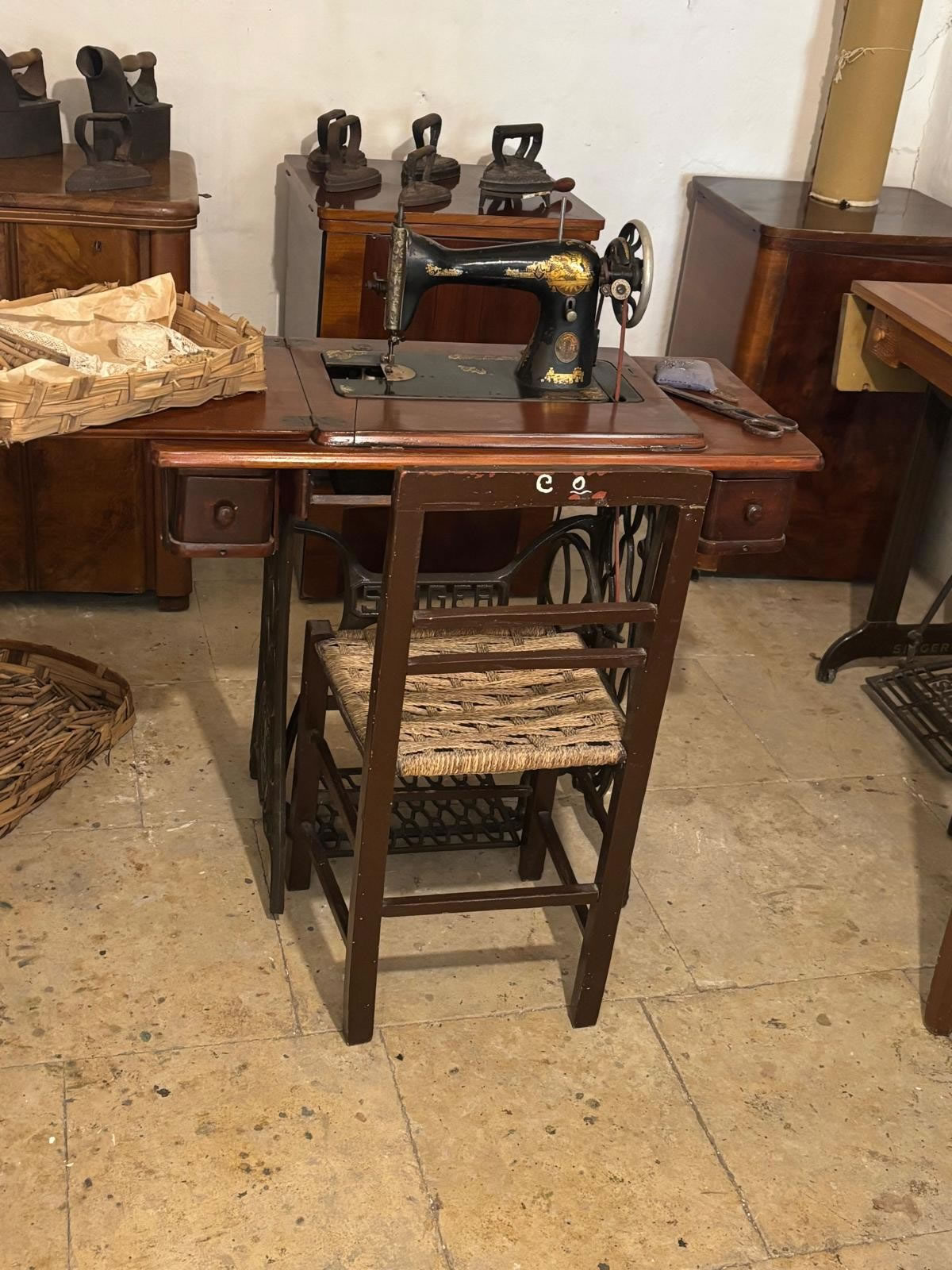
The museum was created to preserve and showcase the monastery’s rich heritage, including:
- Original monastic rooms
- Religious artefacts and liturgical objects
- Historic manuscripts and documents
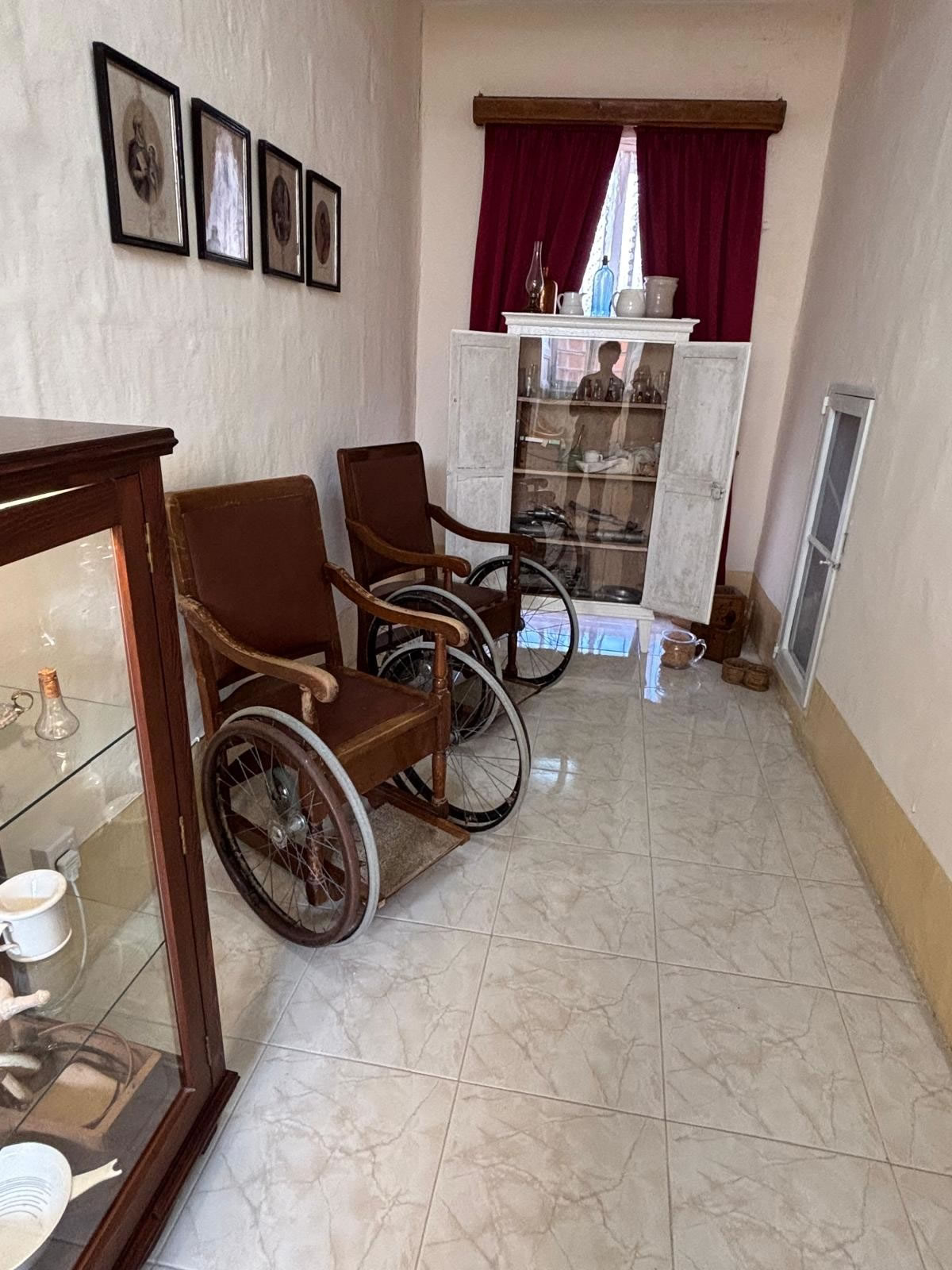
- Personal belongings of nuns
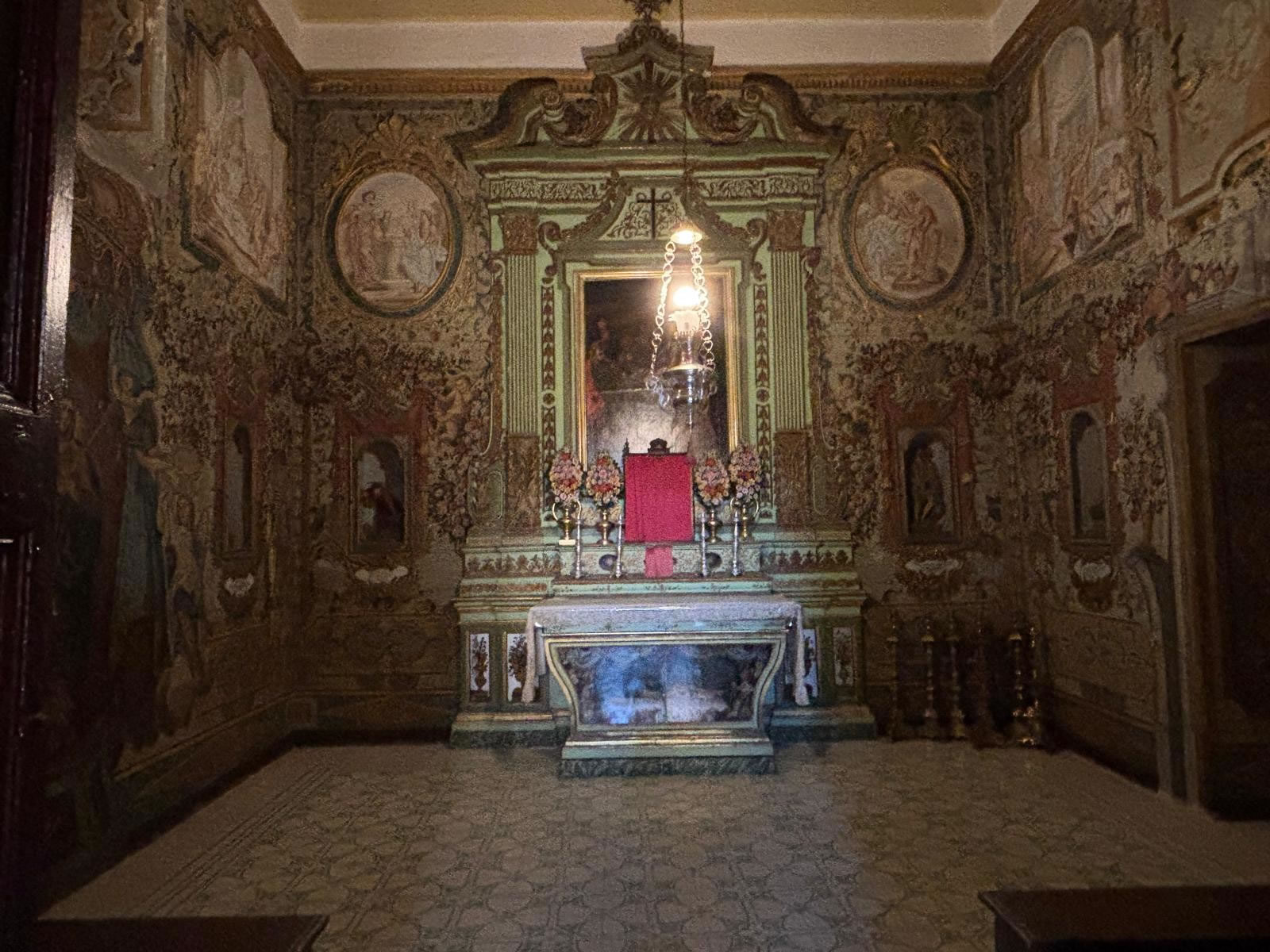
- The preserved cell of Blessed Maria Adeodata Pisani
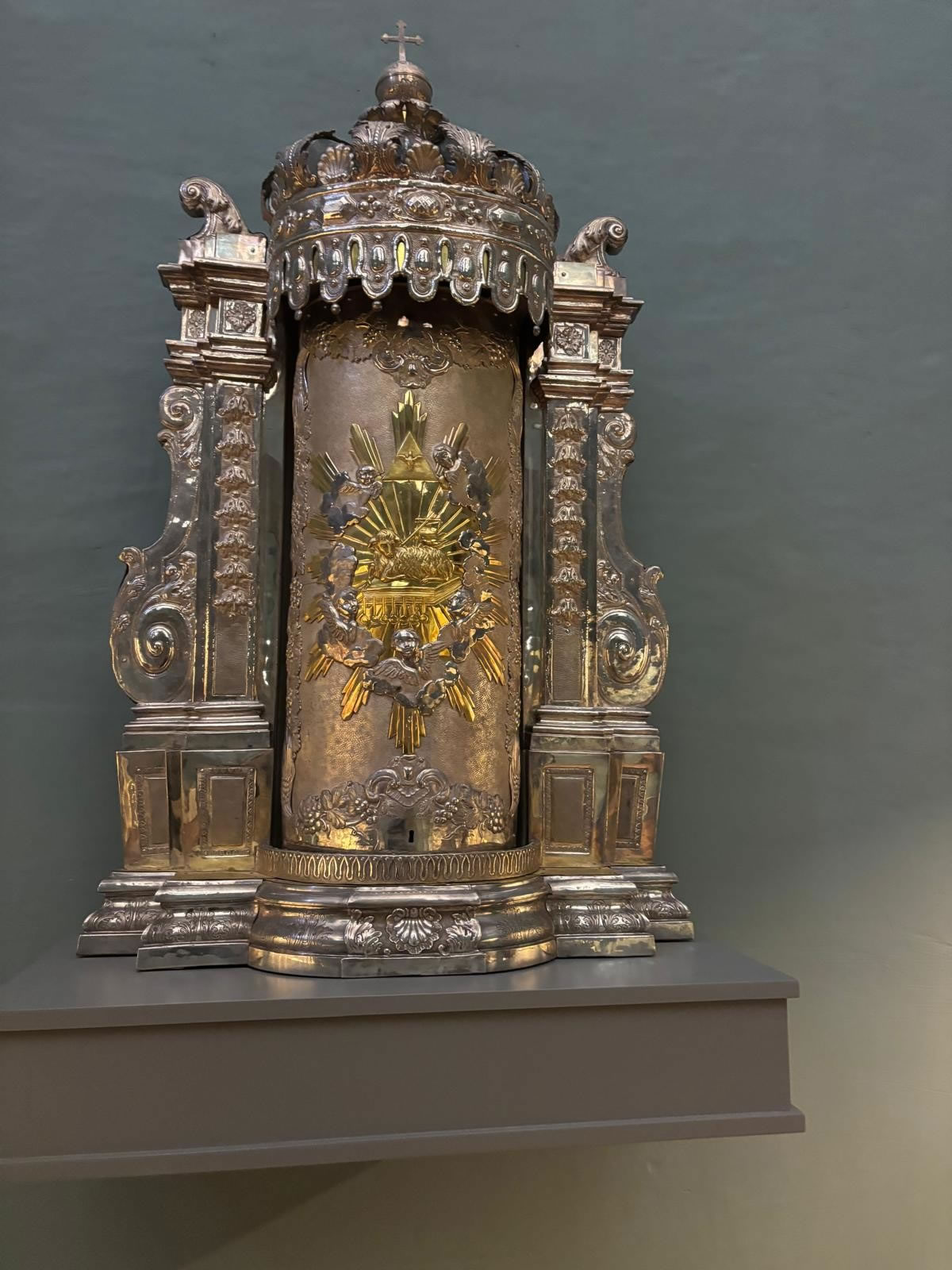
This initiative aimed to ensure the survival of the monastery’s legacy while allowing the public to appreciate its historical and cultural value.
Artworks and Cultural Treasures
The monastery houses an impressive collection of religious artworks, including masterpieces by prominent artists:
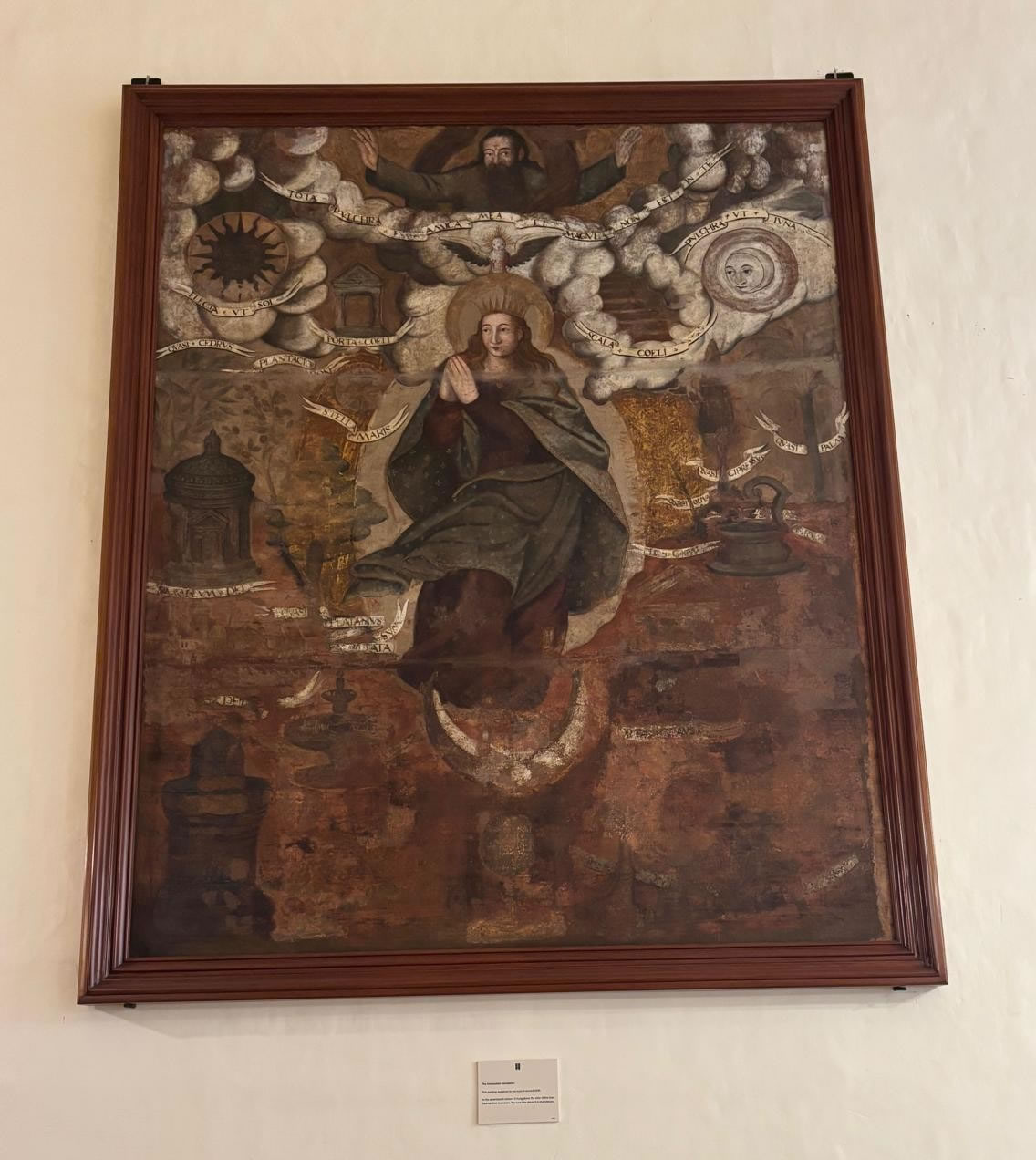
- An altarpiece (1682) by Mattia Preti depicting the Madonna and Child with Saints Peter, Benedict, and Scholastica
- Paintings by Francesco Zahra, including scenes of the Resurrection and Marian devotion
These works highlight the monastery’s artistic importance and its role as a custodian of Maltese Baroque art.
Modern History and Restoration
In recent years, the monastery has undergone changes reflecting both preservation efforts and administrative developments. The opening of the museum required restoration work to make parts of the building accessible while maintaining its historical integrity.
However, in 2026, the monastery underwent a major administrative shift when the Holy See decided to suppress the monastery following irregular lease agreements concerning the property.
This decision marked the end of its continuous function as an active Benedictine monastery, with administrative control transferred to the Benedictine Order. Despite this, the cultural and historical value of the site remains significant, and its future as a heritage attraction continues to be of national interest.
Visitor Experience
Visitors to St Peter's Monastery Museum can explore a rare and authentic monastic environment. Unlike many reconstructed heritage sites, this museum preserves original spaces and artefacts that remained untouched for centuries.
Highlights include:
- The cloistered corridors and cells
- The chapel and sacred artworks
- The living quarters of historic nuns
- The peaceful courtyards
- The crypt and burial areas
The museum provides a unique opportunity to understand the spiritual and cultural traditions that shaped Maltese society for generations.
Location and Accessibility
St Peter’s Monastery Museum is located within the historic walled city of Mdina, Malta’s ancient capital. Positioned near the main entrance to the city, it is easily accessible to visitors exploring Mdina and nearby Rabat.
Coordinates: 35.885223, 14.403590
Mdina itself is a major tourist destination known for its medieval streets, Baroque architecture, and panoramic views, making the monastery an essential stop for visitors interested in Malta’s religious and cultural heritage.
Conclusion
The St Peter's Monastery Museum stands as a powerful symbol of Malta’s religious heritage, offering a rare glimpse into centuries of cloistered life, artistic achievement, and architectural beauty. From its 15th-century origins to its modern transformation into a museum, the site continues to captivate visitors with its authenticity and historical depth.
Whether you are interested in history, art, religion, or architecture, this unique museum provides an enriching experience that connects the past with the present in one of Malta’s most iconic locations.