Location
Historic Rural Village, Prehistoric Heritage & Agricultural Heartland
Introduction
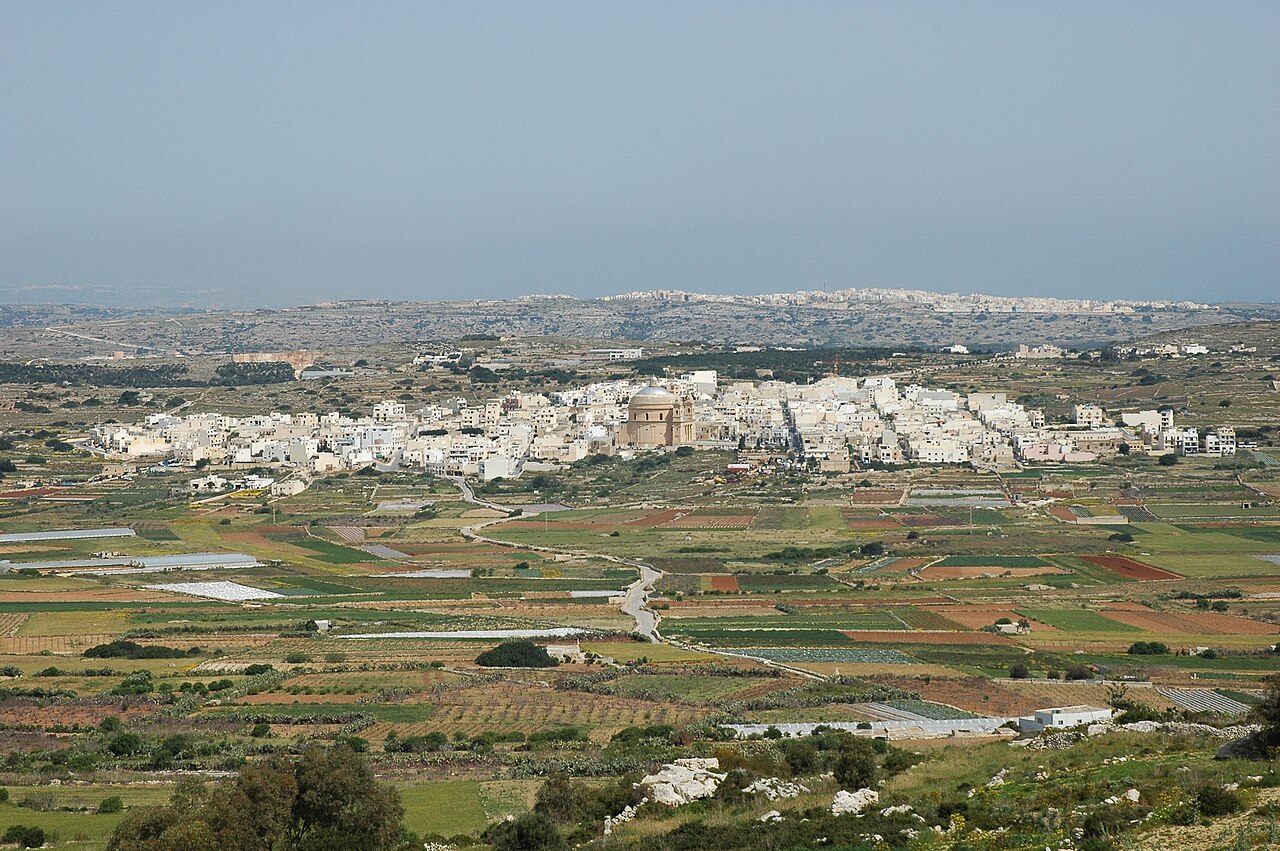
Mġarr is one of Malta’s most historic and traditional rural villages, situated in the north-western part of the island between fertile agricultural valleys, rolling countryside and some of Malta’s most important prehistoric archaeological sites. The village is renowned for its agricultural traditions, historic churches, UNESCO-listed temples, food culture and strong connection to Malta’s rural identity.
Unlike many rapidly urbanised Maltese localities, Mġarr has retained much of its countryside character and remains one of the island’s principal farming communities. For centuries the village has been associated with the cultivation of crops, vineyards, olive groves and livestock farming.
Prehistoric Origins
The history of Mġarr begins thousands of years before recorded history. The surrounding area contains some of the most important prehistoric sites in the Maltese Islands and provides evidence of human settlement dating back more than five millennia.
Skorba Temples
The Skorba archaeological site is among Malta’s most important prehistoric discoveries. Excavations carried out during the twentieth century revealed remains dating back to some of the earliest farming communities in Malta. Archaeologists identified several prehistoric cultural phases from the Neolithic period onward.
The site provided crucial evidence for understanding Malta’s temple-building civilisation and helped define archaeological periods used throughout Maltese prehistory.
Ta' Ħaġrat Temples
The UNESCO World Heritage listed Ta' Ħaġrat Temples were constructed around 3600–3000 BC and represent one of Malta's oldest surviving megalithic temple complexes. Built from large limestone blocks, the temples demonstrate the remarkable engineering abilities of prehistoric Maltese society.
The temples remain among Mġarr's most important historic landmarks and attract visitors from around the world.
Punic and Roman Period
During the Punic and Roman periods, Mġarr remained an agricultural district supplying food to settlements across Malta. Archaeological finds throughout the area suggest continuous occupation and farming activity.
Roman agricultural estates likely operated throughout the fertile valleys surrounding the modern village.
Mjarr Cart Ruts
Medieval Mġarr
During the medieval period Mġarr consisted primarily of scattered farmhouses and rural hamlets. The area formed part of larger ecclesiastical and administrative territories rather than existing as a large independent settlement.
Many inhabitants lived from agriculture, animal husbandry and rural trades. Small chapels and religious buildings gradually appeared across the countryside.
The Knights of St John
After the arrival of the Knights of St John in 1530, Mġarr continued developing as an agricultural region. The Order relied heavily on rural communities for food production and supplies.
The countryside around Mġarr became dotted with farmhouses, field walls, reservoirs and agricultural structures, many of which survive today.
Parish Formation
For centuries Mġarr fell under the parish jurisdiction of Naxxar. As the population increased, local residents sought greater religious independence.
In 1842 Mġarr officially became an independent parish dedicated to the Assumption of the Blessed Virgin Mary.
Parish Church of the Assumption
The most prominent landmark in the village is the Parish Church of the Assumption. Construction began in 1912 under the direction of architect Andrea Vassallo.
The church was built largely through voluntary labour provided by local villagers. Residents transported stone and construction materials using carts and animals from nearby quarries.
The impressive dome dominates the skyline of north-western Malta and remains one of the largest rural parish churches on the island.
British Period
During British rule, Mġarr remained primarily agricultural. Improved roads gradually connected the village with Valletta and other towns, allowing easier transportation of produce.
The introduction of modern agricultural techniques increased productivity while preserving traditional farming methods that continue today.
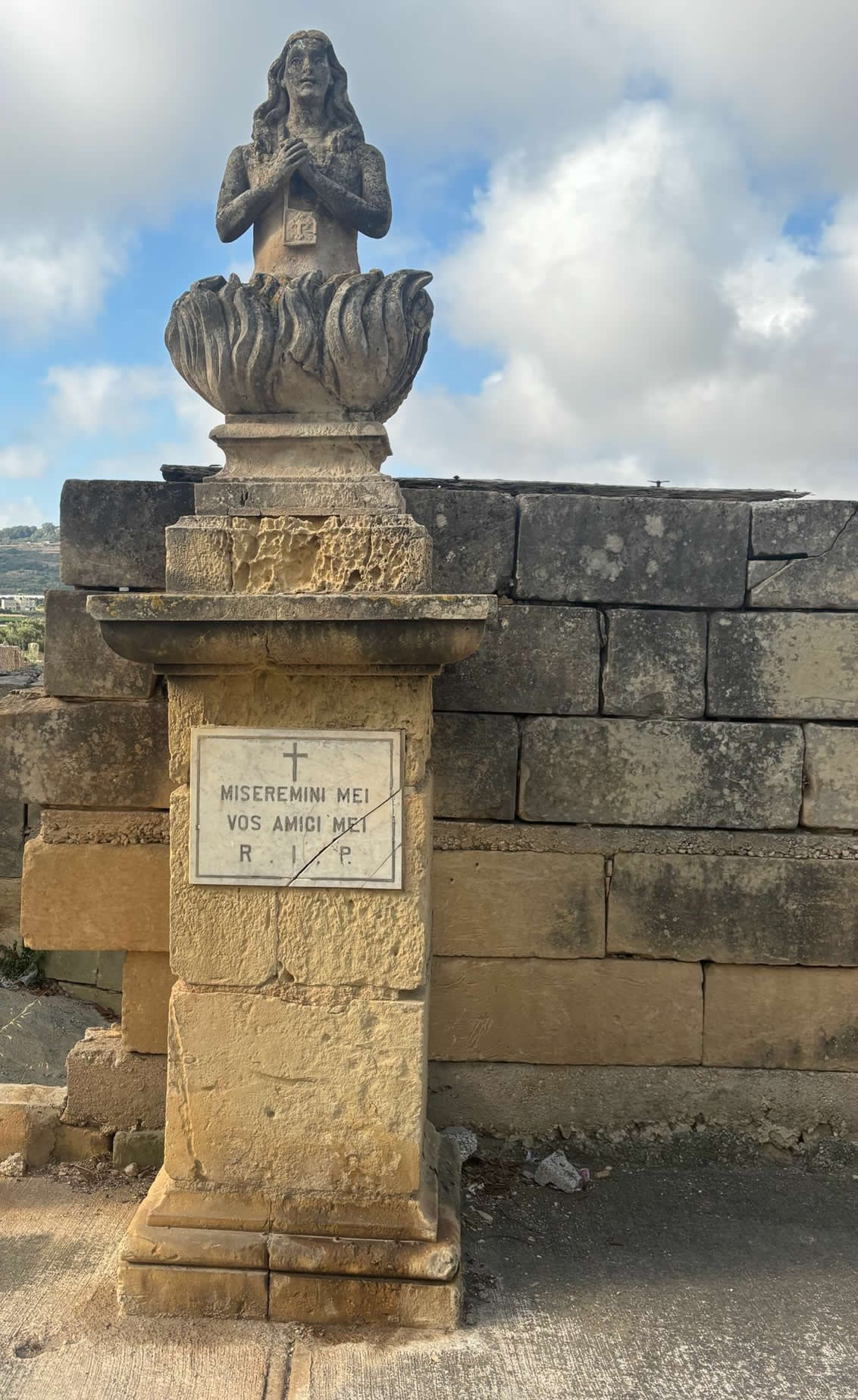
at the top of the road that leads to the cemetery
Second World War
Like the rest of Malta, Mġarr experienced the hardships of World War II. Air raids affected nearby areas and villagers frequently sought shelter during bombing attacks.
The countryside surrounding Mġarr played an important role in sustaining food production during wartime shortages.
Agricultural Heritage
Mġarr is widely regarded as one of Malta’s agricultural centres. The village is particularly associated with:
- Strawberries
- Potatoes
- Vegetables
- Olive cultivation
- Viticulture
- Dairy production
- Traditional Maltese food products
The annual Strawberry Festival remains one of the village’s best-known cultural events.
Important Historic Timeline
| Date | Event |
|---|---|
| c. 5000 BC | Earliest farming communities established in the area |
| 3600–3000 BC | Construction of Ta' Ħaġrat Temples |
| Neolithic Period | Development of Skorba Temple complex |
| 218 BC | Roman control of Malta begins |
| 870 AD | Arab conquest of Malta influences agricultural development |
| 1530 | Knights of St John arrive in Malta |
| 1842 | Mġarr established as an independent parish |
| 1912 | Construction begins on the new Parish Church |
| 1930s | Major church construction continues |
| 1939–1945 | World War II affects village life |
| 1964 | Malta gains independence |
| Present Day | Mġarr remains a major agricultural and heritage village |
 |  |
Places of Interest
- Ta' Ħaġrat Temples
- Skorba Temples
- Parish Church of the Assumption
- Mjarr Cart Ruts
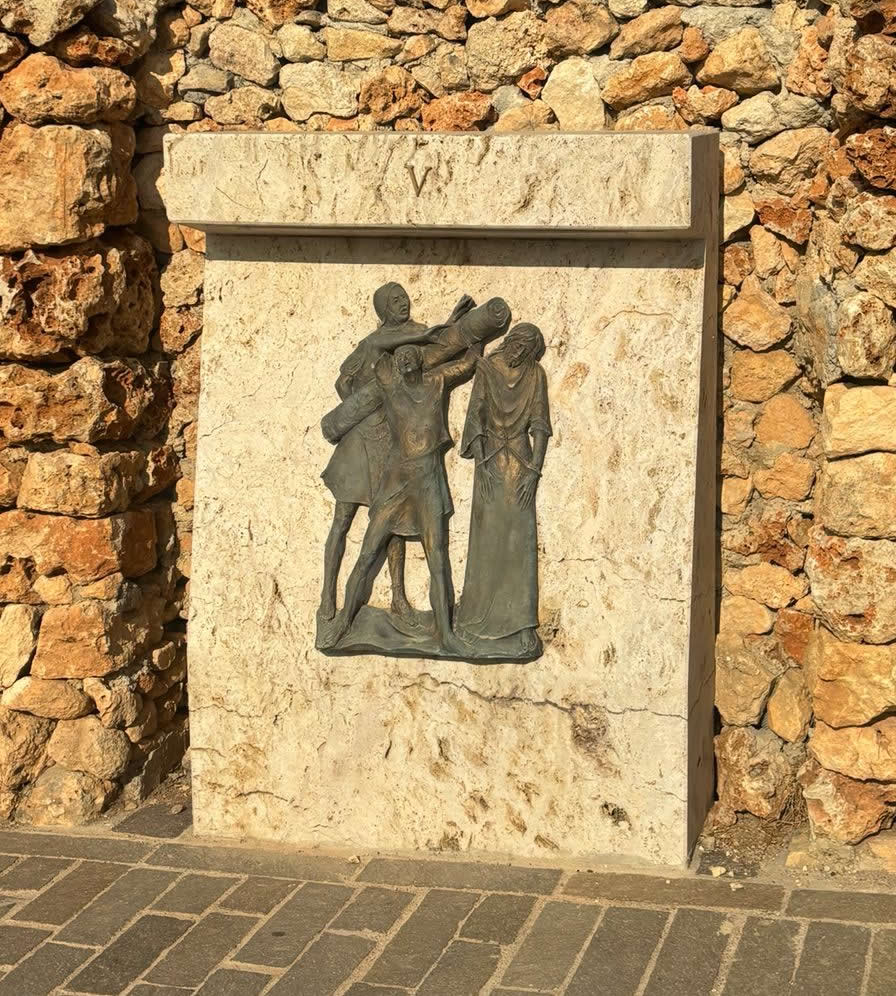
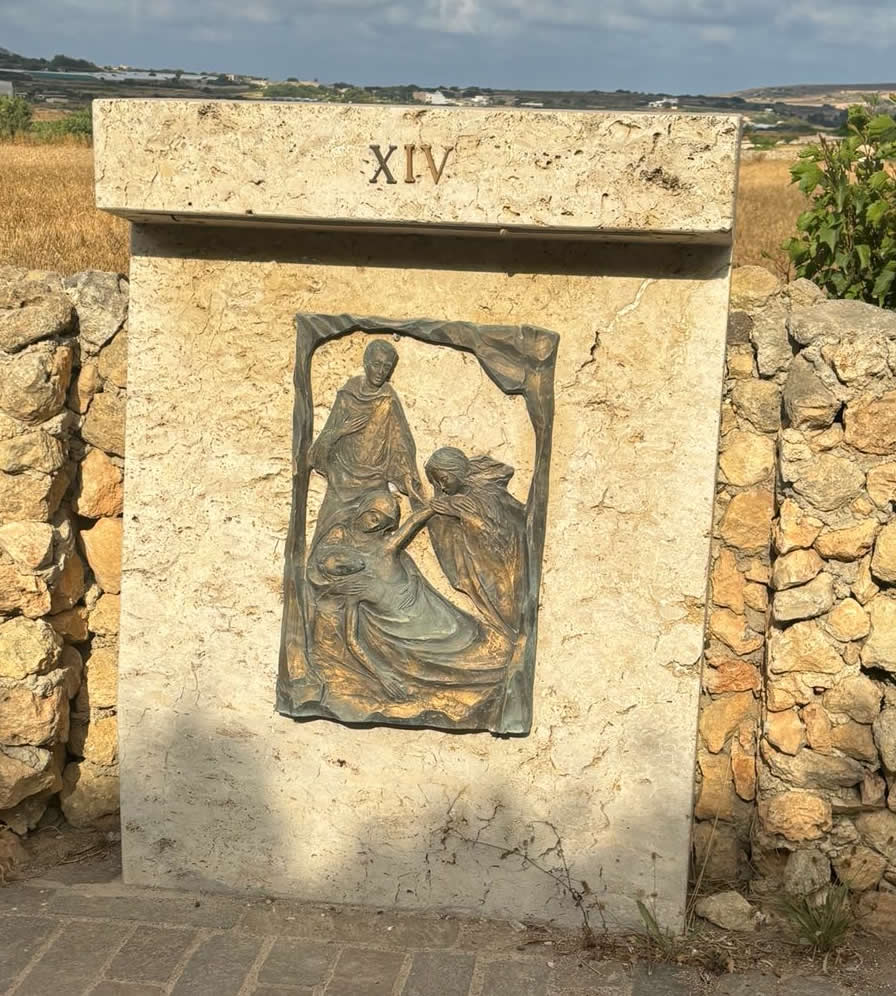
- Mġarr Adoration Chapel
- Mġarr Cemetery
- Mġarr Parish Square
- Historic farmhouses
- Countryside trails
- Traditional agricultural landscapes
Culture and Traditions
Mġarr remains deeply connected to traditional Maltese village life. Religious feasts, agricultural celebrations and family traditions continue to play a major role in community identity.
The Feast of the Assumption is one of the most important annual events in the locality and attracts visitors from across Malta.
Conclusion
Mġarr represents one of Malta’s finest examples of a historic rural community. From prehistoric temples and ancient farming traditions to monumental churches and modern village life, Mġarr preserves an extraordinary record of Maltese history spanning more than five thousand years.