OverviewPerched on the Xagħra plateau, the village combines deep prehistory with baroque and 19th-century religious heritage. It’s also perfectly placed for coastal viewpoints over Ramla Bay and easy day trips around northern and eastern Gozo. | 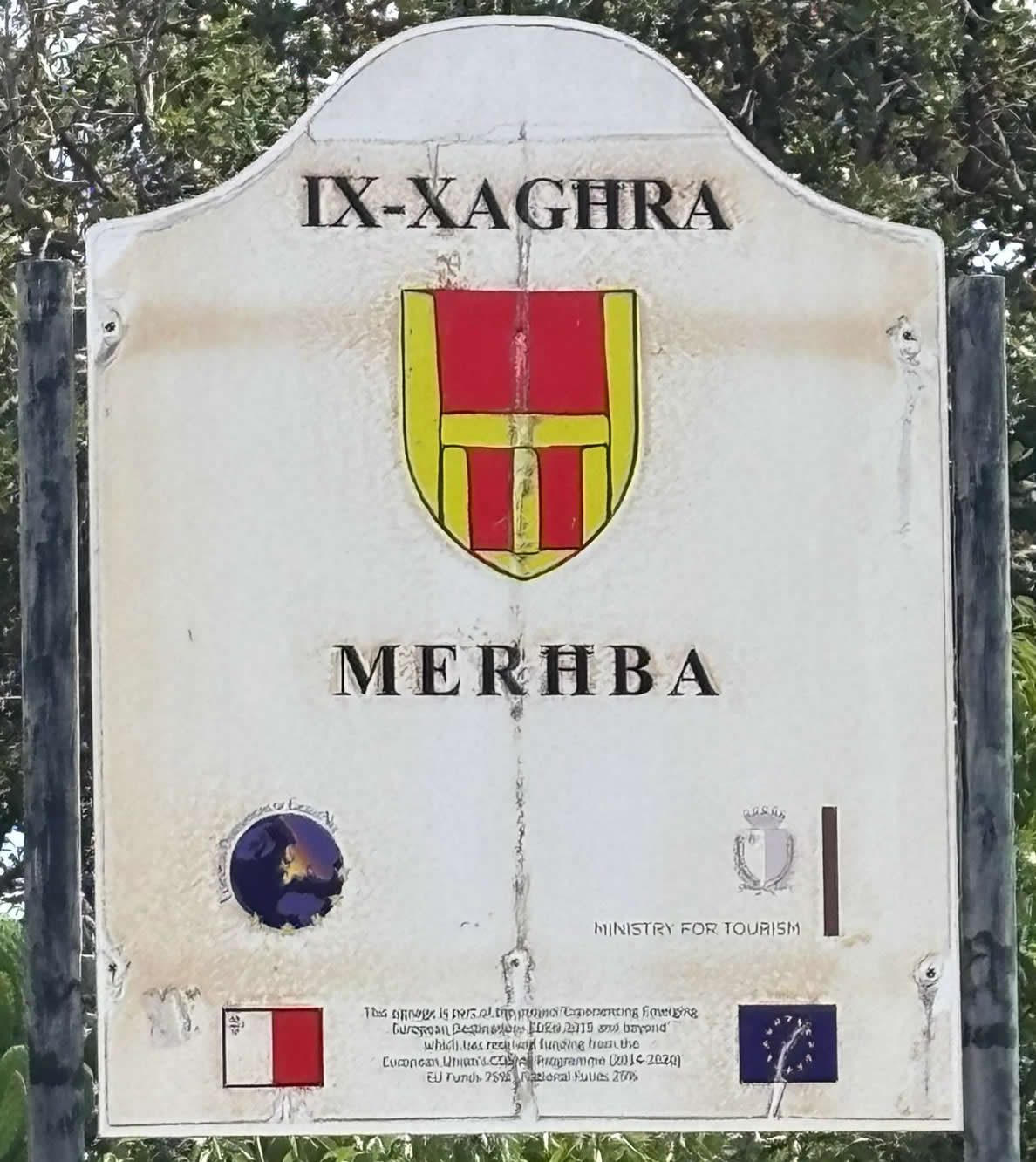 |
History & key dates
These milestones cover Xagħra’s best-known parish dates and the headline heritage timeline that visitors often look for.
c. 3600–3200 BC — Ġgantija Temples built
The Ġgantija temple complex on the Xagħra plateau dates to approximately c. 3600–3200 BC, making it among the world’s oldest surviving monumental religious sites.
28 April 1688 — Xagħra established as a parish
Xagħra was established as a parish on 28 April 1688. A medieval chapel dedicated to St Anthony Abbot served as the early parish seat.
1692 — A larger parish church era begins
A new parish church was completed in 1692 (on the site of today’s basilica), reflecting the village’s growing population and devotion.
2 October 1815 → 1855 — The present basilica is built and inaugurated
Construction of the present building is commonly dated from the foundation stone on 2 October 1815 through to completion in 1855, with inauguration recorded on 14 February 1855.
26 May 1878 — Consecration; 1892 — Dome added
The church was consecrated on 26 May 1878. The dome was added in 1892, enhancing the skyline of Xagħra’s main square.
1900 & 1967 — Collegiate church and basilica status
The parish church became a collegiate church in 1900 and received the title of basilica in 1967.
Top places to visit in Xagħra
1) Ġgantija Archaeological Park (UNESCO)
- Walk through one of the most important prehistoric sites in the Mediterranean.
- Allow time for the interpretation areas to better understand temple phases and ritual design.
- Tip: visit earlier in the day for calmer conditions and better light for photos.
2) Basilica of the Nativity of Our Lady (Maria Bambina)
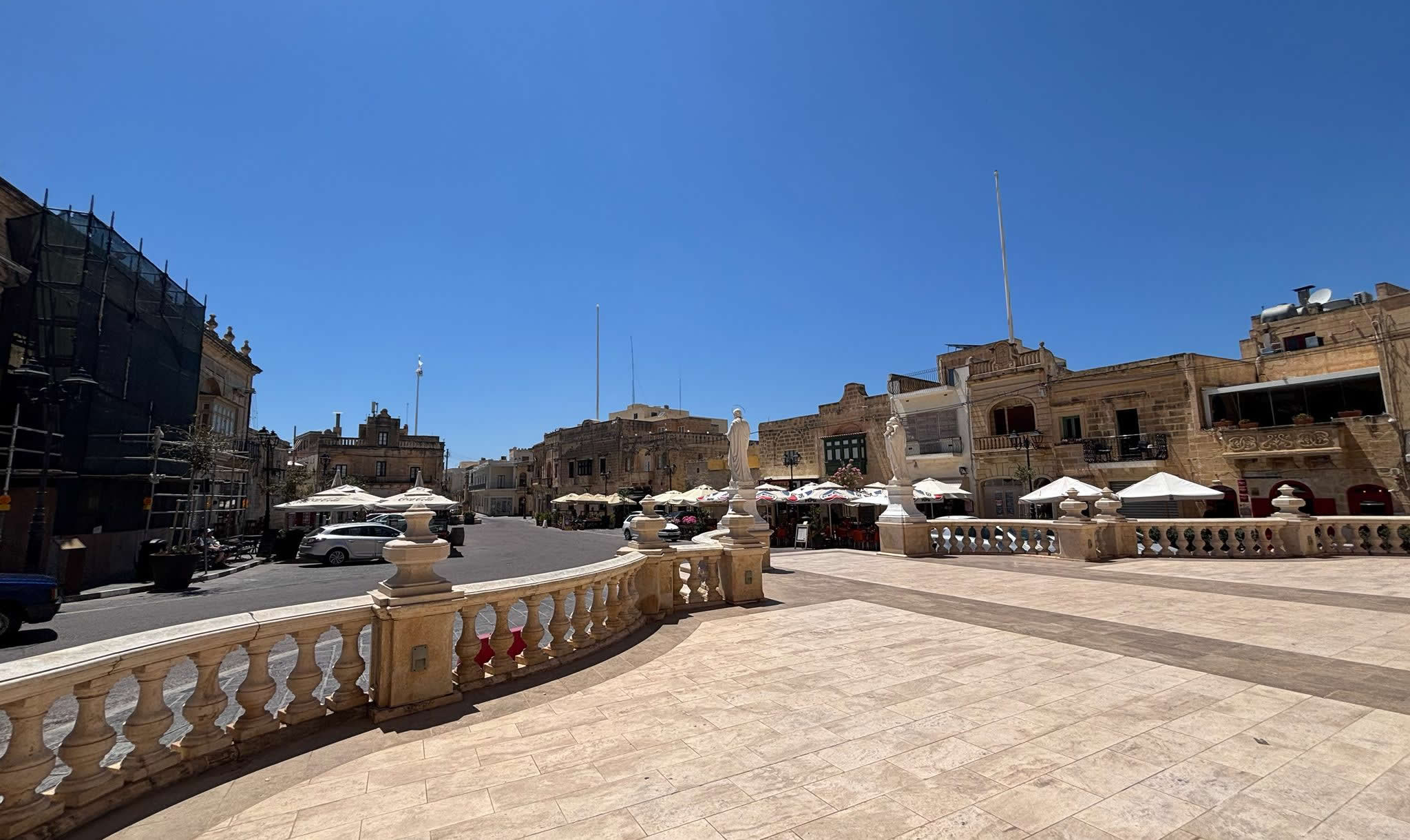
- The centerpiece of the village square and the heart of Xagħra’s community life.
- Festa highlight: 8 September (Nativity of Our Lady / “Victory Day” celebrations across Malta are associated with this date).
3) Ninu’s Cave & Xerri’s Grotto (underground caves)
Xagħra is known for accessible underground features—compact caves with stalactite and stalagmite formations that make a great short stop, especially on hot summer days.
4)Ta’ Kola Windmill
The popular name Ta’ Kola comes from the nickname of the last traditional miller family in the mill’s operation — Żeppu ta’ Kola (Joseph son of Nikola).
5) Calypso Cave viewpoint (Ramla Bay overlook)
The viewpoint above Ramla Bay is traditionally linked with Homer’s Odyssey. Note that access to the cave area has been subject to safety-related closures in recent years—check locally before you go.
6) Nearby additions (easy to pair with Xagħra)
- Ramla Bay (red-sand beach below the plateau; perfect for a swim in season).
- Ramla Bay Batteries Built: 1715–1716 during the first major coastal defense program of the Order of St John.
- Ramla Bay Fougasse The fougasse at Ramla Bay lies on the eastern side of the bay, cut into the shoreline rock so that its angled mouth faced seaward.
- Tal-Mixta Cave viewpoint (across the valley, famous for framing Ramla Bay from above).
- Victoria (Rabat) & the Citadel (short drive for museums, views, and city life).
Practical tips
- Best time to visit: Autumn–spring for walking; early mornings/evenings in summer.
- How long to spend: Half-day for Ġgantija + village; full day if adding caves + Ramla/coastal viewpoints.
- Local etiquette: Dress modestly inside churches and respect any heritage site rules.