Ġgantija Temples overview
The Ġgantija Temples in Xagħra, Gozo, are among the oldest free-standing stone structures in the world, built around 3600–3200 BC during Malta’s Neolithic temple period. Part of the UNESCO-listed Megalithic Temples of Malta, the complex consists of two monumental limestone temples constructed thousands of years before the pyramids of Egypt.
Why the Ġgantija Temples are Important
The Ġgantija temples represent one of the most remarkable prehistoric architectural achievements in Europe. Built by Neolithic farming communities, the complex demonstrates advanced stone construction techniques and religious practices thousands of years before classical Mediterranean civilizations emerged.

Ġgantija Temples – Key Facts
- Location: Xagħra, Gozo (Triq John Otto Bayer)
- Dating: c. 3600-3200 BCE (Neolithic)
- UNESCO: Part of the “Megalithic Temples of Malta” (inscribed 1980; extended 1992, 2015)
- Built with: Coralline limestone (outer walls) and softer Globigerina limestone (interiors)
- Height of tallest preserved walls: ~6m
- Name meaning: “Ġgantija” derives from ġgant—“giant,” tied to local folklore about a giantess builder.

Why Ġgantija Matters
Ġgantija represents a leap in prehistoric engineering and ritual life in the central Mediterranean. The temples’ age, scale, and sophisticated dry‑stone construction place Malta at the forefront of early monument building, earning UNESCO World Heritage status for “outstanding universal value.”

Did You Know?
- The Ġgantija Temples are over 5,500 years old.
- They were built before Stonehenge and the Egyptian pyramids.
- The name Ġgantija comes from the Maltese word for “giant”.
History in Brief

Architecture & Layout
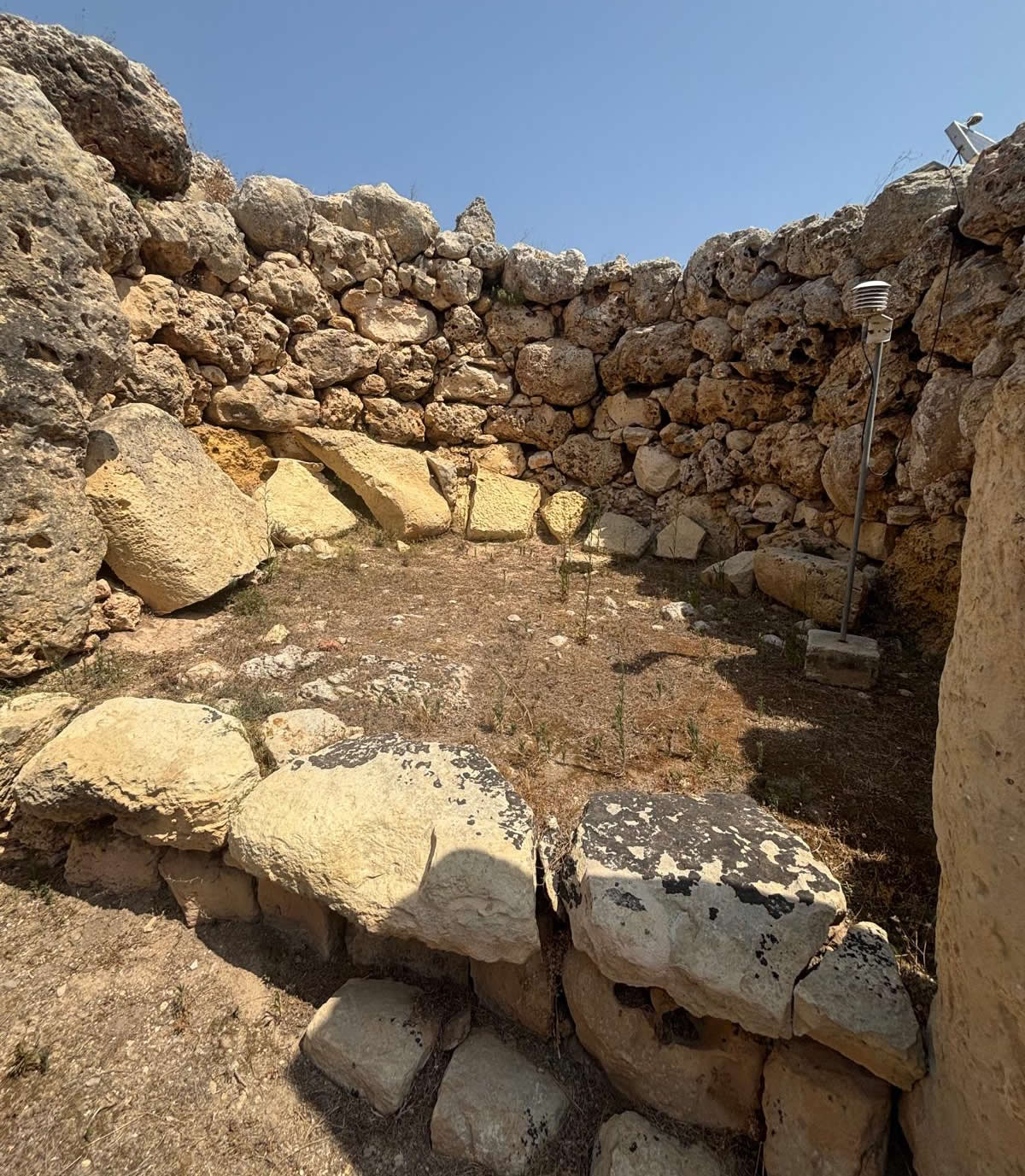
Rituals, Finds & Beliefs
Excavations across Malta’s temples recovered figurines, altars, and animal bones, pointing to ceremonial activity - often interpreted as fertility and seasonal rites. At Ġgantija, an ablution recess by the main entrance hints at purification before entry. (Interpretations vary and continue to be studied.)

Folklore: “Place of Giants”
Local legend tells of a giantess who built the temples while carrying her child and living on fava beans and honey—an echo of the structures’ staggering scale and the origin of the site’s name.

Visiting Information
Tickets
Tickets: Heritage Malta sells a combo ticket covering Ġgantija Archaeological Park & Ta’ Kola Windmill (valid 30 days). Current public prices are typically €6–€10 with concessions. Check Heritage Malta for latest details.
Opening Hours
Opening hours: Operated by Heritage Malta; standard hours are published on their site (note seasonal updates and holiday closures; last entry ~30 minutes before closing).
Getting There
From Gozo’s Mgarr harbour, take local buses to Xagħra; the site is a short walk from the nearest stop. Driving is straightforward with on‑site/nearby parking (allow time in peak season).
Accessibility
Ground is uneven with low kerbs and megaliths; assistance may be required for some visitors.
📍 Location
Location Map Coordinates 36.047311, 14.268999
FAQs about Ġgantija
- How old are the Ġgantija Temples?
About 5,600–5,200 years old (c. 3600–3200 BCE), making them among the oldest free‑standing stone monuments in the world. - What were the temples used for?
Ritual and ceremonial purposes-likely tied to fertility and seasonal cycles—based on altars, figurines, and animal remains found across Malta's temple culture. - Did the temples have roofs?
Evidence of horizontal courses and corbelling suggests they were at least partially roofed with false vaulting techniques. - Why are they called “Ġgantija”?
From the Maltese ġgant (“giant”), linked to folklore about a giantess builder—reflecting the megaliths’ immense size. - Is Ġgantija part of UNESCO?
Yes. Ġgantija is one of six Maltese megalithic temple sites inscribed collectively as the Megalithic Temples of Malta.
Sources
Key references used for dates, architecture, status, and visiting info:
Other Megalithic Temples of Malta
Nearby Places to Visit
Heritage Malta – Ġgantija Archaeological ParkOne of the Oldest Temples in the World
The Ġgantija Temples are among the oldest free-standing stone structures in the world. Built around 3600 BC, they pre-date Stonehenge and the Egyptian pyramids by many centuries.