📍 Location
Location Map Coordinates 35.901148, 14.467168
Introduction
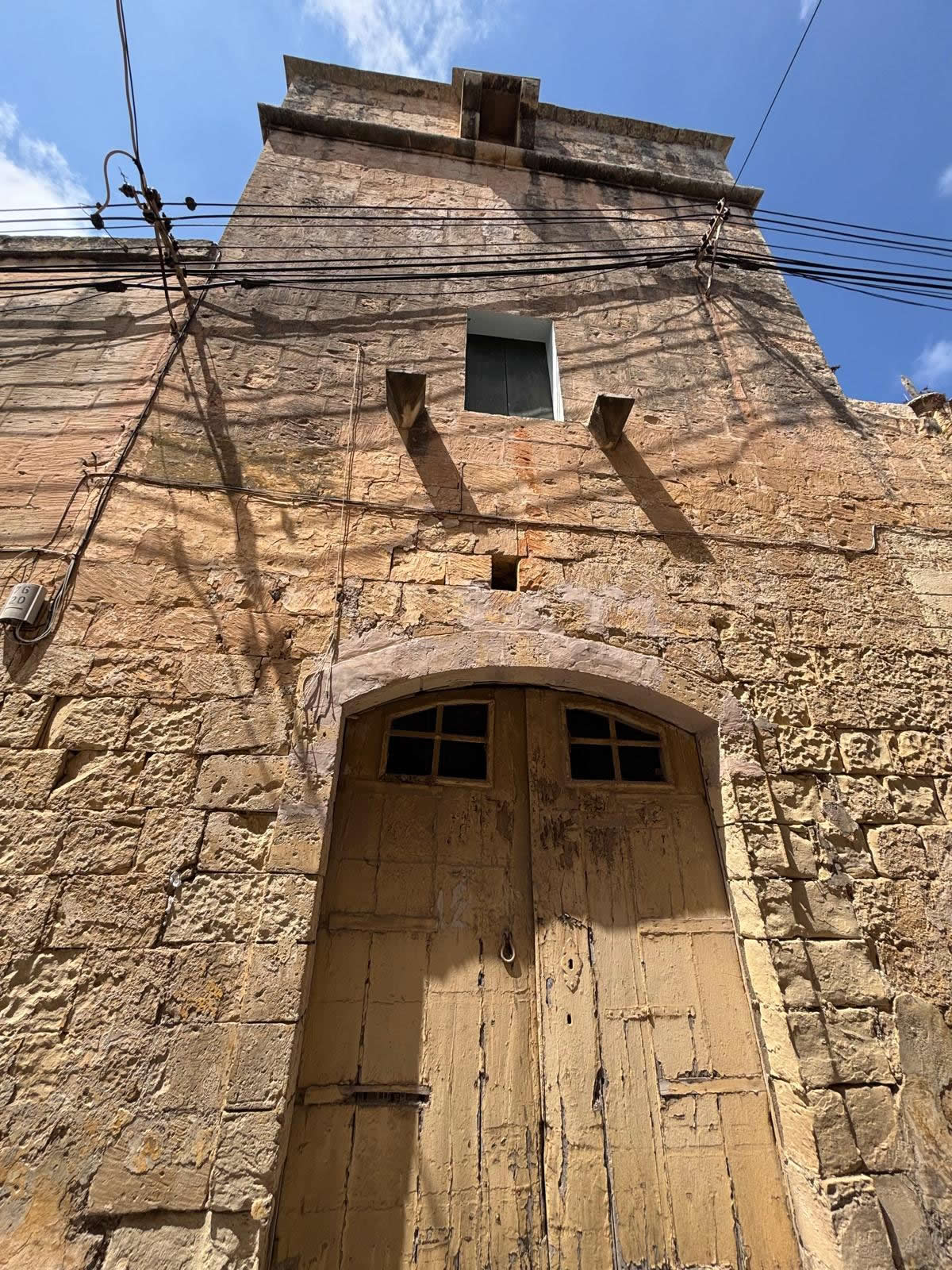
Birkirkara Tower, also known as Għar il-Ġobon Tower, is one of Malta’s lesser-known yet historically significant inland defensive structures. Situated in the central locality of Birkirkara, the tower dates back to the mid or late 16th century and represents an early phase of defensive architecture during the period of the Order of Saint John.
Unlike the more prominent coastal towers, Birkirkara Tower was strategically positioned inland, serving as a lookout and communication point within Malta’s internal defensive network. Its presence highlights the importance of protecting not only the coastline but also the agricultural heartland of the island.
Historical Background
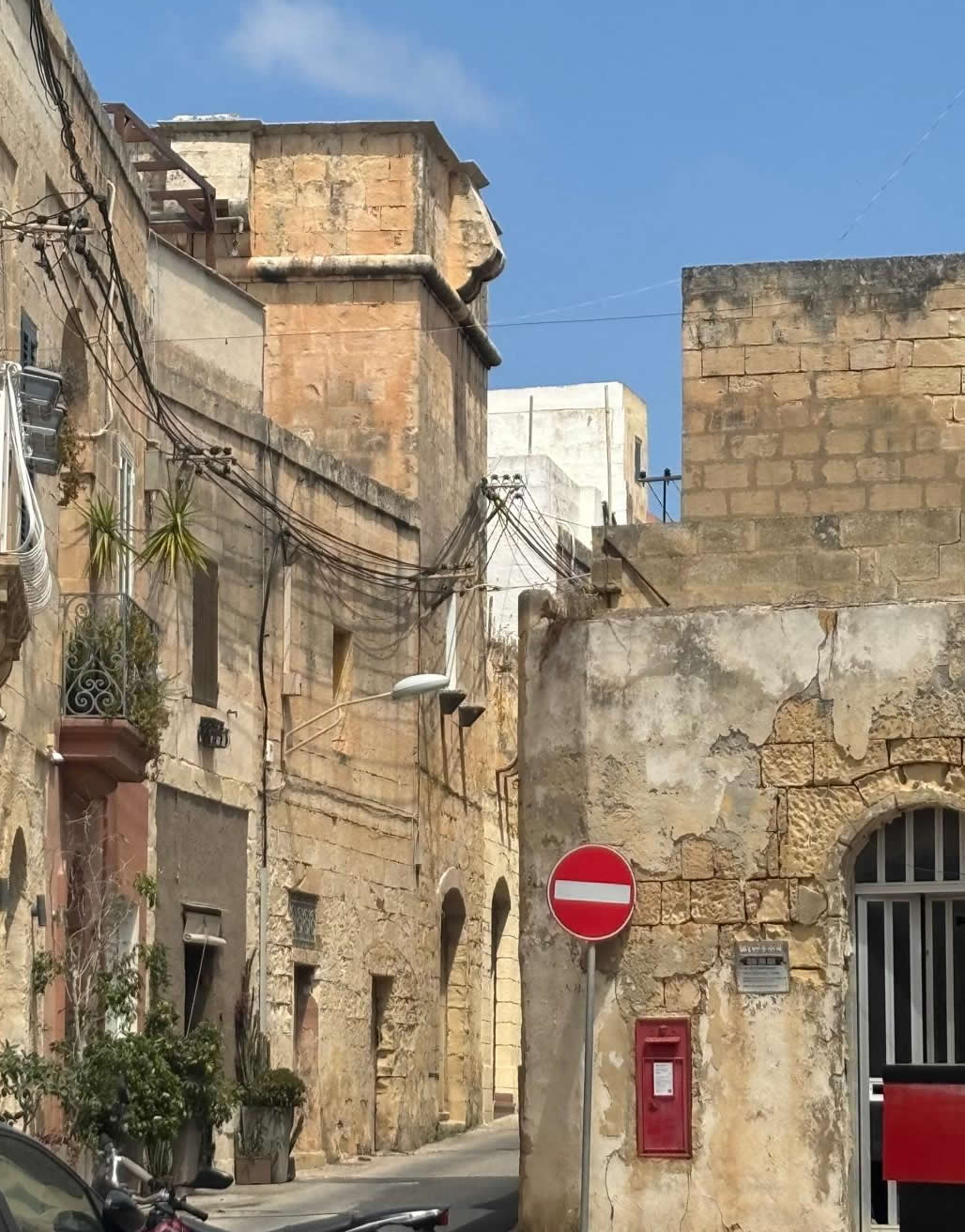
The exact date of construction of Birkirkara Tower remains unknown, but it is widely believed to have been built in the mid to late 16th century.
This period followed the arrival of the Knights of St John in Malta in 1530 and the subsequent need to reinforce the island’s defences after the Great Siege of 1565. While much attention was given to coastal fortifications, inland structures such as Birkirkara Tower played a crucial supporting role.
The tower was constructed for defensive and surveillance purposes, providing a vantage point over central Malta. During the 17th century, its function was enhanced through the addition of nearby structures such as Tal-Wejter Tower, which helped facilitate communication between inland areas and coastal defences.
Role in Malta’s Defensive Network
Birkirkara Tower formed part of a broader system of watchpoints that extended across the Maltese Islands. While not directly involved in coastal defence, it contributed to early warning systems by monitoring inland movements and relaying signals.
This network allowed for rapid communication between strategic locations, ensuring that threats could be identified and responded to efficiently. The tower’s elevated position within Birkirkara made it particularly effective for this purpose.
Architecture and Design
Structure
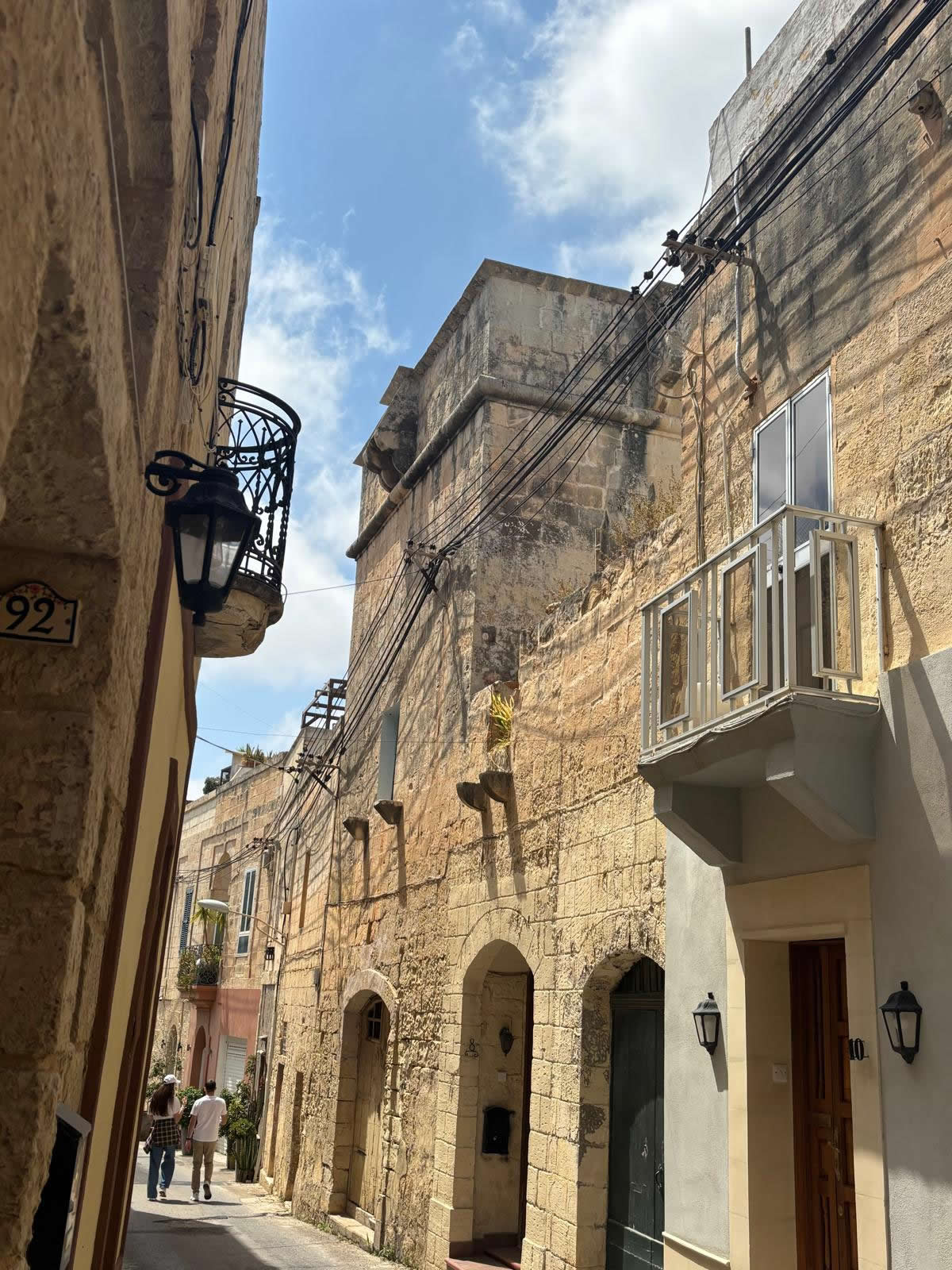
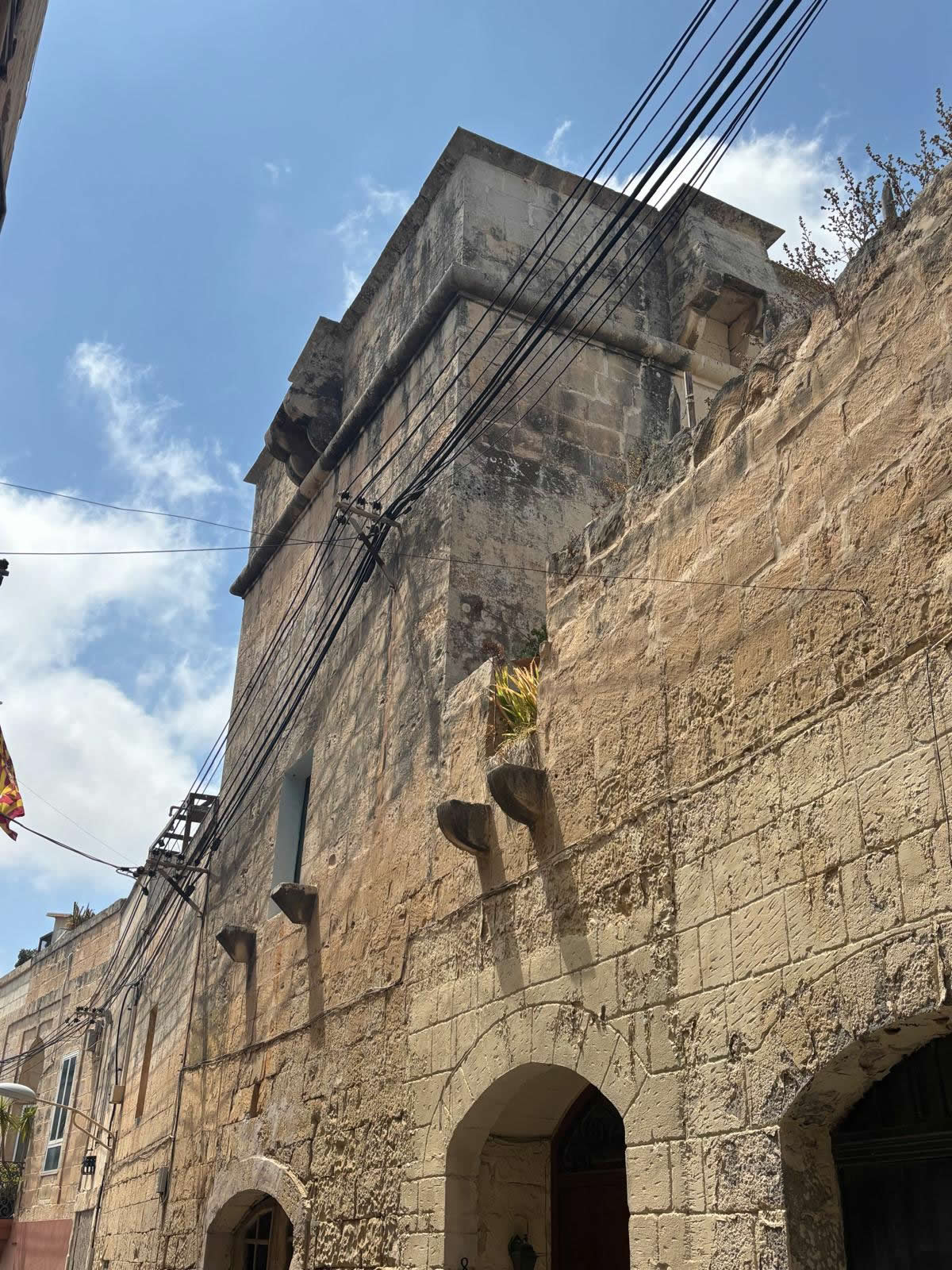
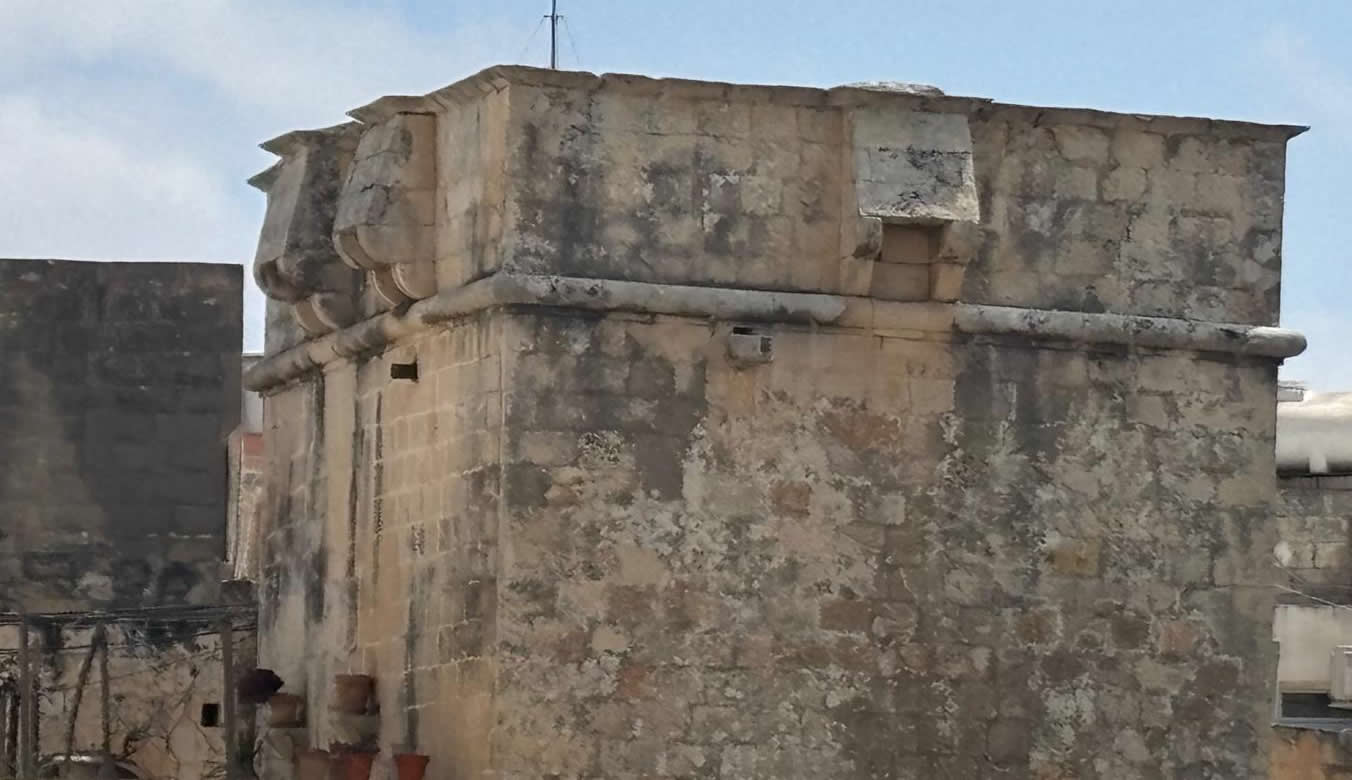
The tower is built from local limestone and follows a square plan, a common feature of early Maltese defensive structures.
Its design is simple yet robust, reflecting its functional purpose rather than decorative ambition.
Defensive Features
Birkirkara Tower includes several defensive elements:
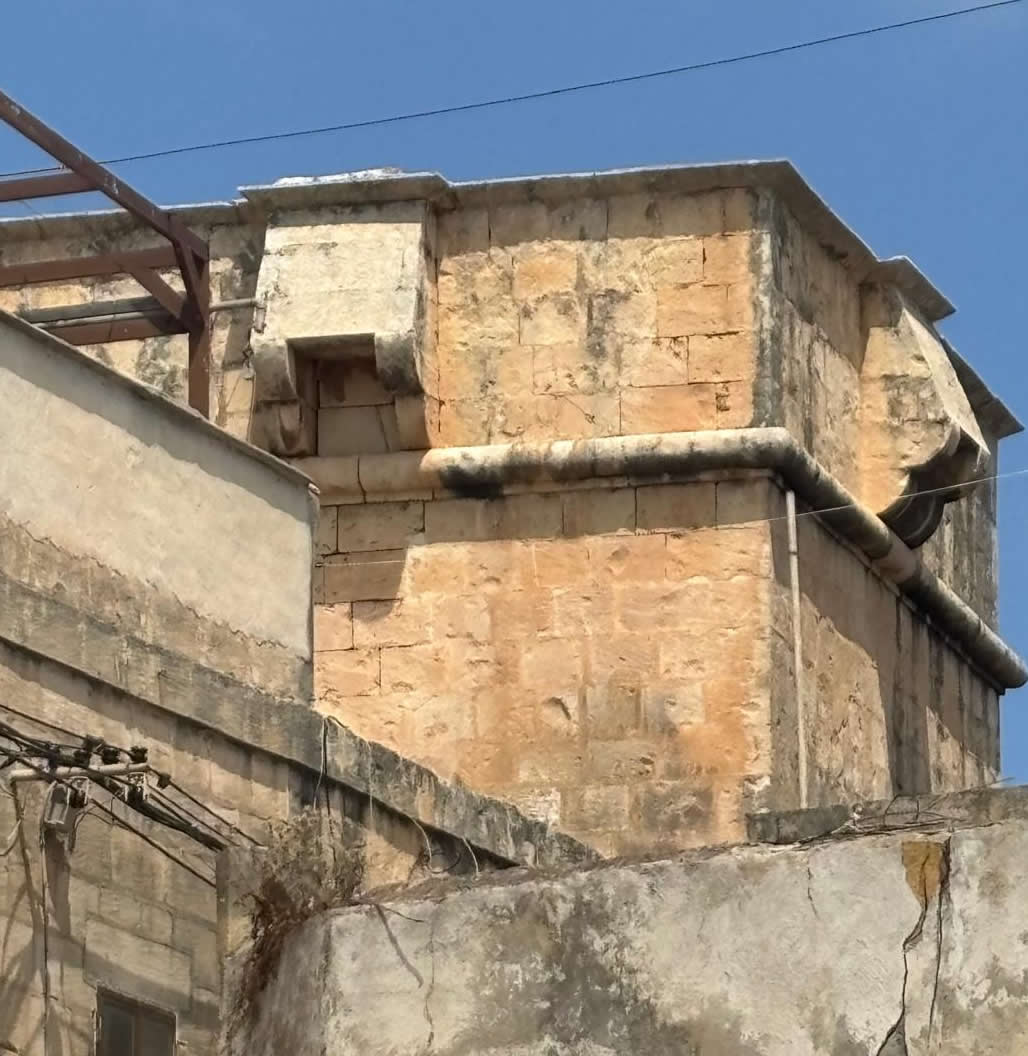
- A high parapet wall surrounding the roof
- Six box machicolations positioned around the structure
- Thick masonry walls for protection
These machicolations allowed defenders to observe and potentially repel attackers from above, demonstrating the tower’s defensive capabilities despite its inland location.
Interior
Although detailed records of the interior layout are limited, it is likely that the tower consisted of a small number of rooms used for shelter, storage, and observation. As with similar towers, access to the roof would have been essential for surveillance.
Name and Local Significance
The alternative name Għar il-Ġobon Tower is derived from the surrounding area, which is historically associated with rural and agricultural activity. Such names are common in Malta and often reflect local traditions, land use, or geographical features.
The tower remains an important landmark within Birkirkara, a locality that has historically served as one of Malta’s largest and most significant inland settlements.
Preservation and Legal Protection
Birkirkara Tower was included in Malta’s Antiquities List in 1925, marking an early recognition of its cultural and historical value.
Today, it is scheduled as a Grade 1 national monument, the highest level of protection under Maltese heritage laws.
It is also listed on the National Inventory of the Cultural Property of the Maltese Islands, ensuring its preservation for future generations.
Current Condition and Use
The tower remains structurally intact and continues to stand as a testament to Malta’s early defensive architecture. However, it is privately owned and not generally open to the public.
Despite limited accessibility, it can still be appreciated from surrounding areas and remains an important part of Birkirkara’s historical landscape.
Relationship to Other Towers
Birkirkara Tower should be understood within the wider context of Malta’s tower network, which includes coastal watchtowers, inland lookout points, and later British fortifications.
Its inland location distinguishes it from more famous towers, highlighting the layered and interconnected nature of Malta’s defensive systems.
Visiting Information
- Location: Birkirkara, central Malta
- Coordinates: 35.901148, 14.467168
- Access: External viewing only
- Status: Grade 1 National Monument
Conclusion
Birkirkara Tower (Għar il-Ġobon Tower) is a remarkable yet often overlooked part of Malta’s heritage. Dating back to the 16th century, it represents an important phase in the development of inland defensive structures.
Its enduring presence in the heart of Birkirkara serves as a reminder of the island’s complex defensive history and the need to protect both its coasts and its interior.
Frequently Asked Questions
When was Birkirkara Tower built?
It dates to the mid or late 16th century.
What was its purpose?
It functioned as an inland defensive lookout and communication tower.
Is it open to visitors?
No, it is privately owned and not accessible to the public.
Why is it significant?
It represents one of Malta’s rare inland defensive towers from the early Knights’ period.